Matox News

Truth Over Trends, always!

Her Father's Gaza War Grave Destroyed by Israel: Aussie Military Woman Seeks Justice and Truth
Her Father’s Gaza War Grave Destroyed by Israel: Aussie Military Woman Seeks Justice and Truth

The ongoing conflict in Gaza has once again underscored the devastating consequences of regional instability on historical and national memory. Recent satellite imagery reveals significant damage and possible destruction of the Gaza War Cemetery, where Australian soldiers from World War II are buried. The mutilation of these graves, reportedly caused by the Israel Defense Forces (IDF) during military operations, has stirred a global outcry, especially among families of the fallen and nations who hold those sacrifices sacred. Wilma Spence, among many, mourns the apparent obliteration of her father’s grave—an act she perceives as a profound disrespect to those who served and died for freedom.

This incident exemplifies how international conflicts are not contained solely within theatres of war but have profound effects on societal memory and diplomatic relations. The IDF’s justification—that graves were destroyed to address “underground terrorist infrastructure”—fails to quell skepticism among international observers and veteran communities. The Commonwealth War Graves Commission has expressed concern over the damage, with experts warning that the full extent of destruction may take years to repair. Such actions, analysts argue, threaten to rewrite history and undermine the moral authority of nations committed to safeguarding their war dead—especially when these graves symbolize sacrifice amid the chaos of global confrontation.

The geopolitical impact of these incidents extends beyond grief. Regional powers like Israel are engaging in complex military operations that often blur the lines between combatant and civilian zones, raising questions about international accountability. The diplomatic fallout influences alliances, aid policies, and international perceptions of legitimacy. The withdrawal or destruction of war graves challenges the notion of respect for tradition and international law, igniting debates on how contemporary military actions should reconcile with historical memory. Experts from institutions like The International Crisis Group warn that such acts may fuel resentment and be exploited by proxy groups, jeopardizing prospects for lasting peace in the region.

Meanwhile, families of the fallen, such as Wilma’s, highlight the broader social consequences. The loss of grave sites not only erases physical symbols of heroism but also scars collective memory and national identity. Wilma’s persistent efforts—writing to government officials and demanding accountability—illustrate the ongoing struggle of societies to reconcile military necessity with moral obligation. As President Isaac Herzog of Israel prepares to visit Australia amidst rising tensions, the question remains: will world leaders uphold their responsibilities to preserve history, or will the tides of warfare continue to wash away the foundations of collective remembrance?

The future of international diplomacy hinges on how these controversies are addressed. Will international organizations step in to enforce respect for war graves, or will regional and global powers prioritize strategic interests over historical dignity? The unfolding narrative leaves an indelible mark, emphasizing that in a world fraught with conflict, history—whether in the form of graves or memories—is both a heritage and a battleground. As witnesses like Wilma watch their ancestors’ resting places vanish, the weight of history presses heavily on the present, casting a shadow over the promise of peace and remembrance. The story of the Gaza war cemetery is not merely about physical destruction; it is a stark reminder that the consequences of war resonate across generations, shaping the destiny of nations and the moral fabric of humanity itself.”

Time’s Running Out for Windrush Victims Facing Justice Shortfall, Warns Commissioner

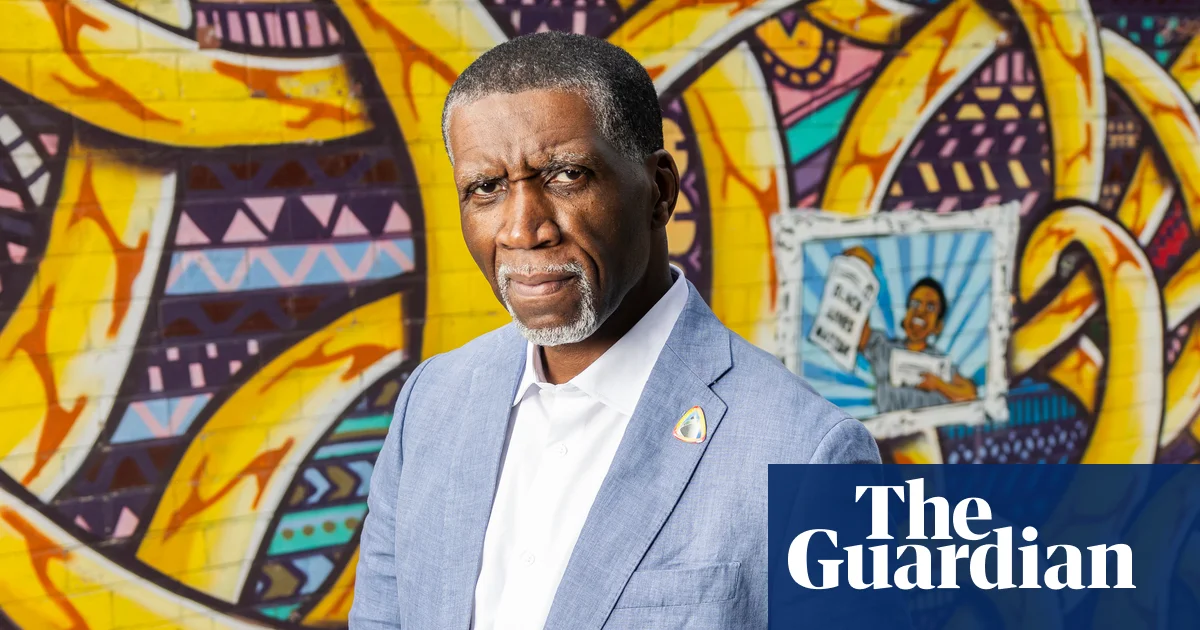
The Windrush scandal remains a stark symbol of the failure of Western immigration policies and institutional negligence. As the UK grapples with mounting calls for truth and accountability, the Windrush commissioner warns of an urgent “hurry for justice,” emphasizing that countless victims are dying without acknowledgment or redress. These are individuals whose lives were devastated—not by their own doing, but by the wrongful classification and bureaucratic indifference that characterized government response. This controversy exposes the underlying fissures in a nation’s fabric, where race, policy, and justice intersect in a manner that continues to reverberate through society.

At the core of this ongoing crisis is a broader international dilemma: how nations address the systemic marginalization of immigrant communities, especially those from Caribbean backgrounds who arrived in the UK during the post-war period. Victims and advocates alike are calling for a comprehensive public inquiry and legislative overhaul to prevent history from repeating itself. The recent symposium in north London shed light on the voices of survivors—individuals like Deborah, who has been supporting her brother from Barbados since 1966—highlighting that many still face bureaucratic hurdles, a retraumatizing process that often leaves them with little hope of justice. Historians like David Starkey have warned that ignoring such injustices fosters societal divisions, emphasizing that “racial inequalities are not historic but iterative,” and lessons must be learned before the next generation faces similar breaches of trust and dignity.

Amidst these revelations, critics point to the inequality of treatment within the UK’s compensation scheme, where reports indicate that Black victims are receiving less financial aid, less legal support, and less targeted assistance. Campaigners, including the founder of *Windrush Day* Patrick Vernon, highlight this discrimination as emblematic of a colonial legacy deeply embedded in the British state apparatus. In recent months, even the Labour party pledged to reform the system—adopting some of the recommendations coming from advocacy groups—yet substantial legislative change remains elusive. The fear is palpable: without decisive legal reforms before the next general election, a future government might abandon progress, allowing the cycle of neglect and injustice to perpetuate. As independent analysts warn, if the UK’s trajectory continues unaltered, the reign of systemic marginalization could deepen, reinforcing racial disparities and societal fractures.

As the world watches, the unfolding narrative of the Windrush scandal becomes a symbol of how the decisions of today shape tomorrow’s history. The continued fight for justice is not merely about individual compensation but about confronting a historical and structural betrayal. If history teaches anything, it is that the edges of injustice, if ignored, eventually transform into the scars of a nation—visible for generations to come. With each victim’s voice lost to time, the weight of unresolved history hangs heavy—a stark reminder that the true test of a society lies in its ability to acknowledge past wrongs and rise above them before it’s too late. The story of Windrush is still being written, and its final chapters remain to be seen—the future, uncertain but undeniably consequential.

Congressional Democrats Promise Justice for Americans Hurt by Immigration Agents: “You Deserve Peace” | US Congress

The recent congressional hearings in the United States have thrown a stark spotlight on the ongoing controversy surrounding the federal government’s aggressive immigration enforcement policies. Witnesses, including family members of victims and victims themselves, recounted harrowing encounters with federal agents, raising serious questions about the human rights abuses and accountability failures of agencies like Immigration and Customs Enforcement (ICE) and Border Patrol. This unflinching testimony reveals a deeply troubling picture: a government-authorized crackdown that has, in numerous cases, turned deadly, exposing the darker consequences of unchecked federal power. Such revelations have ignited a fierce debate about the geopolitical and social impact of U.S. immigration policies, with critics warning that these actions threaten to harm American societal fabric and international standing.

Key to the hearings was the emotional testimony of families who have lost loved ones in encounters with federal agents. Brothers Luke and Brent Ganger vividly described the death of their sister, Renee Good, shot by ICE officers during a routine traffic incident. Their grief was compounded by reports of further violence, including the fatal shooting of protester Alex Pretti by border patrol agents. These stories underscore a troubling pattern: federal agents engaging in violence with impunity, often with little oversight or accountability. Critics, including prominent analysts and international organizations, argue such conduct damages the credibility of the U.S. on the global stage, where it claims to champion human rights and the rule of law. Moreover, these incidents have far-reaching implications, fueling societal divisions and eroding faith in institutions meant to protect citizens and non-citizens alike.

The hearing also brought to light stories of trauma inflicted on ordinary Americans, such as Marimar Martinez and Aliya Rahman. Martinez, a Chicago native, was shot five times by a border patrol agent who later circulated her gruesome hospital images as trophies — an act exposing a culture of misconduct that seems embedded within certain enforcement arms. Meanwhile, Rahman, who suffers from autism and traumatic brain injury, was forcibly removed from her vehicle while trying to access medical care, with agents referencing her as a mere “body.” Her account highlights the dangers faced by vulnerable populations caught in the crossfire of national security policies. Such practices, often carried out with little regard for due process or human dignity, threaten to alienate communities, spread fear, and deepen societal fractures—facts acknowledged by many international watchdogs.

These revelations have stirred a powerful call for reform, with many voices from the political realm demanding justice. Richard Blumenthal, a senator from Connecticut, framed the testimonies as a “defining moral moment,” questioning the moral integrity of those responsible. Meanwhile, Alex Padilla pointed out the absence of Republican engagement, emphasizing the partisan divide that hampers bipartisan oversight of such crises. Critics argue that this political inaction emboldens agencies to operate above scrutiny, thus risking the destabilization of American values and the erosion of international credibility. As these stories unfold, historians and analysts warn that America faces a pivotal reckoning: whether to uphold its founding ideals of justice and human rights or to succumb to policies that, in the name of security, violate the very principles that underpin the nation’s identity. The weight of this moment falls heavily on the shoulders of policymakers — for the tide of history remains uncertain, yet undeniable: the choices made today will echo through generations, shaping the face of the nation and the global order for decades to come.

Starmer hands Mandelson dossier to police, plans to strip peerage—tough justice for the establishment insider

UK Political Scandal Sparks International Outcry and Questions of Trust

The recent revelations involving Peter Mandelson, a once-powerful figure in British politics, have sent shockwaves across the United Kingdom. As Keir Starmer, the current Prime Minister, prepares to hand a dossier of evidence to law enforcement, the scandal underscores a deeper crisis of confidence in political leadership at a time when global institutions face unprecedented turbulence. Disclosures of leaked market-sensitive information linked to Jeffrey Epstein, a notorious financier and sex offender, threaten to undermine Britain’s standing both domestically and internationally.

At the heart of this controversy lies the alleged exchange of confidential government information with Epstein, a man whose name remains synonymous with scandal and depravity. Fresh disclosures from the Epstein files reveal that Peter Mandelson, who served as business secretary under Gordon Brown, is accused of sending emails containing sensitive information about economic measures intended to stabilize the global market during the financial crisis. Such conduct, if proven true, threatens to taint the legacy of one of Britain’s most influential politickers and raises questions about the integrity of political decision-making during a period of economic upheaval.

Global Impact and the Decline of Political Trust

This scandal does not merely shake Britain’s political landscape; it reverberates throughout the international community. Analysts warn that breaches of confidentiality at the highest levels can weaken global trust in national governments, especially when financial markets are so interconnected. Historians caution that such leaks, especially involving powerful financiers like Epstein, serve as a stark reminder of the vulnerabilities in the opaque corridors of power. The International Monetary Fund and other multilateral agencies have repeatedly stressed the importance of transparency in crisis management, yet recent events suggest that some leaders may have compromised these principles for personal or clandestine motives.

Underpinning the political fallout are questions about the influence of clandestine figures and their potential impact on national policy. If Mandelson, a key player in the UK’s political and economic spheres, was indeed passing sensitive material based on his contacts and associations, it could signify a broader pattern of corruption and undue influence. Such revelations threaten not only Britain’s credibility but also the perceived integrity of international diplomacy and financial stability, prompting calls for a global reevaluation of oversight mechanisms.

Decisions and How They Shape Society

The decision by Prime Minister Keir Starmer to pursue a crackdown on Mandelson reflects a broader emphasis on restoring public trust and reinforcing accountability. By proposing legislative changes to strip the disgraced former minister of his peerage, the government signals its resolve to confront misconduct head-on. This move underscores an ongoing paradigm shift—when international scandals touch the core of national governance, leaders are compelled into actions that have long-term geopolitical implications.

What ultimately hinges on this scandal is the delicate balance between upholding justice and safeguarding a nation’s diplomatic standing. The United Kingdom, grappling with the challenges of a post-Brexit world, cannot afford to appear divided or compromised. Critics argue that delays in addressing such breaches erode international confidence, impacting alliances and trade relationships. As Global analysts and policy think tanks dissect the plausible fallout, the story remains a stark reminder of how individual actions—especially at the confluence of government and finance—can ignite a chain of events with far-reaching consequences.

Unfolding History and Its Uncertain Future

As the investigation into Mandelson unfolds, the larger narrative of power, secrecy, and accountability continues to be written. The weight of history presses down on leaders, whose choices may one day be viewed as either safeguarding national integrity or failing under the pressure of scandal. The international community watches with bated breath, aware that these fissures in the political fabric have the potential to either heal through transparency or deepen, threatening the foundations of global order. The coming days will reveal whether Britain’s leadership will confront this crisis decisively or allow it to fester, leaving a scar on its reputation that history may never fully erase.

US Justice Department drops Millions of Epstein files, exposing the truth behind a dark chapter

The United States Justice Department has recently publicly dismissed allegations concerning former President Donald Trump, highlighting the political undercurrents that continue to shape American domestic and international landscapes. In a statement, officials emphasized that many of the documents containing *untrue and sensationalist claims* against Trump, submitted to the FBI just prior to the pivotal 2020 election, are fundamentally baseless. “To be clear,” the DOJ declared, “the claims are unfounded and false, and if they have a shred of credibility, they certainly would have been weaponized against President Trump already.” This ongoing narrative underscores the deep political fissures within the US and reveals how internal conflicts influence diplomatic decisions, often with ramifications beyond its borders.

Analysts interpreting this development suggest that domestic political factions have capitalized on the chaos surrounding Trump’s post-presidential investigations to influence global geopolitics. Some experts warn that these internal power struggles have the potential to undermine the coherence of American foreign policy, especially as the nation faces increasing pressure from rising competitors like China and Russia. Historically, by weaponizing legal processes, powerful factions within Washington have sought to weaken political adversaries, exporting this internal strife onto the international stage. International organizations such as the United Nations have repeatedly called for stability, yet the ongoing political chaos in the US threatens to create a vacuum in leadership and global influence.

Furthermore, how decisions made within the US legal and political machinery impact other nations cannot be underestimated. Countries aligned with the US often find their interests swayed or compromised by the shifting priorities and internal unrest in Washington. As the Biden administration navigates these crises, allies and adversaries alike observe with keen interest, questioning whether the US can sustain its role as a global leader amid the turbulence. International historians and geopolitical analysts warn that such internal turmoil risks emboldening rivals, who see opportunities to test American resolve and expand their influence. The narrative of justice, legality, and political neutrality is now intertwined with the larger story of national stability and whether the US can uphold its commitments in a fractured political landscape.

As this saga unfolds, the weight of history presses heavily upon the shoulders of those who shape the future. From the corridors of power in Washington to the chancelleries of Beijing, Moscow, and beyond, the relentless tide of political upheaval continues to redefine the contours of international diplomacy. The question remains: will the internal discord forge a new epoch of decline, or will resilience and reform restore the stability necessary for global leadership? Only time will tell, but one thing is clear: the course of history, once again, hangs in the balance—as the world watches, awaiting the next chapter in this unfolding drama.

JudgeGPT Takes the Stand: AI’s Next Justice?

Legal Industry Faces Disruption as AI Revolutionizes Dispute Resolution and Judicial Processes

In a fast-paced technological era where innovation meets disruption, the legal industry’s landscape is undergoing a seismic shift. Leading institutions, such as the American Arbitration Association, are pioneering the integration of artificial intelligence (AI) tools like the AI Arbitrator, built upon OpenAI’s models, to streamline dispute resolution processes. This innovation promises to significantly lower costs and increase accessibility for civil litigants, especially in document-heavy cases. Unlike traditional judicial proceedings that can stretch over months—sometimes up to 75 days—these AI-driven systems are projected to cut resolution times to 30-45 days, reflecting a profound industry-wide push for efficiency and business model disruption.

Reimagining Judicial Functions with Large Language Models

The legislative and judicial sectors are still grappling with the potential and pitfalls of generative AI. Notable figures like Judge Kevin Newsom have suggested that, when appropriately assessed, LLMs (Large Language Models) could serve as auxiliary tools to analyze legal texts, interpret language, and assist in defining ambiguous contractual terms. For instance, a landmark case involving the classification of in-ground trampolines as “landscaping” demonstrated how AI could contribute a nuanced understanding of language — albeit with notable reservations about reliance and accuracy. Nonetheless, the prospect of AI providing multiple definitions and contextual insights offers a disruption of traditional textualist approaches that hinge solely on dictionaries.

  • Enhanced analysis of legal language and terminology
  • Potential reduction in bias introduced by human subjectivity
  • Facilitation of faster decision-making in routine cases

Despite these advancements, academic research warns that AI’s legal interpretations remain imperfect. Studies from institutions like Stanford have identified persistent issues such as hallucinations—the tendency of models to fabricate facts—and biases embedded within training data. The widespread concern is that over-reliance on these models could inadvertently reinforce inequalities or distort legal reasoning, thus threatening the foundational fairness of justice.

Challenges and Business Implications of AI in Justice

Leading legal tech firms like LexisNexis and Westlaw have responded to these concerns by deploying retrieval-augmented generation (RAG) systems designed to improve factual accuracy and reduce hallucinations. However, research in 2025 indicates that substantial challenges persist, especially in interpreting complex jurisprudence and case law, which continually evolve and require contextual understanding that AI has yet to master fully. These challenges underscore the need for rigorous validation and oversight, not static automation, to ensure trust and efficacy in legal AI tools.

The business implications are profound: Law firms and government agencies are increasingly investing in AI-powered systems to manage caseloads more efficiently, freeing human judges and attorneys for cases that warrant their specialized judgment. However, critics like former judge Paul Grimm emphasize that AI cannot replace human nuance and ethics, warning that these tools should serve as supplements rather than replacements. Disruption in this space is inevitable, but it hinges on careful regulation and transparent AI development that maintains the integrity of legal decision-making.

Future Outlook: The Urgency of Adaptation

The trajectory is clear: the legal industry must adapt swiftly to the AI-driven transformation, or risk obsolescence. As MIT researchers and industry leaders underscore, the time to innovate is now—especially with the potential to expand justice accessibility for under-resourced populations. Yet, the road ahead demands balancing ¬disruption with caution, ensuring AI enhances, rather than undermines, procedural fairness and societal trust. The window for policymakers, legal professionals, and tech entrepreneurs to shape this future is narrowing; delay could entrench biases and inaccuracies, prolonging the very injustices AI aims to solve.

In conclusion

With disruptive AI technologies poised to revolutionize the legal landscape, those who innovate boldly and regulate wisely will emerge as industry leaders. The coming years will determine whether AI becomes a driver of fairer, faster justice, or a threat to public confidence and the rule of law. For young entrepreneurs, tech visionaries, and policymakers alike, embracing the urgency and possibilities of this transformation is not just strategic—it’s essential for shaping the future of justice itself.

Justice prevails as charges dropped against Australian debt collector Panthera Finance

Global Impact of Australia’s Shift in Debt Collection Laws

In a landmark decision, Australia has once again highlighted the delicate balance between consumer protections and corporate oversight, with significant geopolitical reverberations potentially influencing international standards. The recent court case involving Panthera Finance, a prominent debt collection firm, underscores shifting legal interpretations that extend beyond domestic borders. This case, centered on whether Panthera was technically engaged in illicit debt collection practices, marks a pivotal moment in how nations temper regulation with economic competitiveness in a rapidly globalizing financial industry. As legal experts and international organizations analyze the ruling, the core question persists: How do such decisions influence societal perceptions of corporate accountability and state sovereignty?

Legal Nuances and International Ripple Effects

  • The Victorian magistrates’ court dismissed charges against Panthera Finance, citing a narrow interpretation of debt collection statutes that hinge on whom the debt is owed to.
  • Legal counsel for the company argued that their client was in fact the owner of the debts, hence not technically engaging in prohibited collection activities.
  • The ruling raises a significant ambiguity in Australian law—one that many analysts fear could be exploited by other corporations operating across jurisdictions with varying laws.

Most notably, this outcome sparks debate among international legal circles and global economic policymakers. While some experts warn that broadening legal loopholes endangers consumers, others, like certain Australian lawmakers, see the decision as a safeguard against overregulation stifling economic activity. The situation draws parallels with past international legal shifts where corporate interests have challenged regulatory frameworks in pursuit of profit, often at the expense of societal protections. Thinkers such as Professor James Smith of the International Law Institute warn that such legal pragmatism must be balanced with international commitments to consumer rights, especially in a climate where cross-border transactions are becoming the norm.

The Geopolitical Impact and Societal Consequences

This legal outcome exemplifies the broader geopolitical impact of national regulatory philosophies. As Australia navigates its relationship with *international bodies* and trade partners, decisions like these signal a more cautious approach—one that could embolden other nations to relax rules under similar presumptions. Meanwhile, the economic repercussions of such legal shifts can ripple globally, influencing how financial firms operate in diverse regulatory environments. Consequently, societies face increasing pressure to adapt — balancing growth with transparency and making sure vulnerable consumers aren’t left behind in the pursuit of economic freedom.

Indeed, the case exemplifies a phenomenon observed by analysts—how strategic legal interpretations and international policy shifts shape the future of global commerce and societal trust. Governments, international organizations, and corporate players are now locked in a complex dance, where the slightest constitutional or legal nuance can define the trajectory of national and global stability. As historians like Dr. Anna Rodriguez reflect, this moment signals not just a legal victory or defeat, but a step in the larger evolution of how societies will regulate, control, and protect their citizens amidst a pluralistic and interconnected world—a story still being written with each court ruling, treaty, and policy change.

In the unfolding saga of nations striving to find the right balance of power, regulation, and economic liberty, the decision in Melbourne serves as a stark reminder: the true weight of history is carried not just in today’s verdicts, but in the future frameworks they forge — frameworks that will define what kind of world justice and societal harmony can withstand the test of time.

Sisu: A Bold Finnish Hero Faces Justice in a Gritty Sequel — A Fight for Honor and Revenge

In the modern cinematic landscape, few genres embody the essence of cultural resilience quite like the action film, especially those that draw heavily from historical and national symbols. The Finnish indie Sisu, directed by Jalmari Helander, epitomizes this phenomenon. Released in 2022 and subsequently gaining acclaim with its sequel Sisu: Road to Revenge, the film revitalizes a genre rooted in stoic endurance, raw heroism, and a persistent, uncompromising attachment to one’s homeland. Helander’s work, infused with a boyish enthusiasm reminiscent of childhood war games, underscores a cultural narrative: that the stories we tell ourselves about perseverance and victory are central to our identity and societal continuity.

Critics, including the writer at The Guardian, have appreciated Sisu for its economy of storytelling—an unpretentious, straightforward focus that echoes the philosophy of thinkers such as Ortega y Gasset, who emphasized the importance of individual vitality in shaping society. Helander’s narrative rejects the excesses of CGI spectacle in favor of practical effects and raw stunt work, cultivating a sense of authenticity that resonates powerfully with patriotic sentiments. The film underscores a vital cultural truth: that the stories of resilience, sacrifice, and cunning are how nations preserve their memory and forge their future. When Aatami—played with gritty defiance by Jorma Tommila—removes beams from his destroyed home or outsmarts Red Army foes, these images transcend mere entertainment. They become symbols—mementos of a collective identity grounded in perseverance.

Throughout cultural history, society has leaned on myths of heroism and survival to articulate its moral fabric. Critics like Chesterton have celebrated the appeal of stories rooted in fundamental human virtues. Today, Sisu channels this tradition, reminding viewers that the true strength of a nation lies in its people’s ability to endure and adapt, even under the most oppressive circumstances. The film’s celebration of the Finnish landscape—its sun-dappled vistas and rugged terrains—reinforces the idea that culture is a landscape of memory and prophecy. As T.S. Eliot observed, “The past should be altered by the present as much as the present is directed by the past.” Here, tradition is not static but a living, breathing force that guides a society’s moral compass—one rooted in the conviction that resilience is a form of rebellion against tyranny.

In an era often characterized by fragmentation, Sisu stands as a testament to the enduring power of cultural memory. Its focus on straightforward heroism, coupled with a reverence for tangible, practical effects, serves as a counterbalance to a Hollywood trend that often undermines genuine human effort with digital illusions. Helander’s work reveals that sometimes, the simplest stories—those of one man’s fight against overwhelming odds—resonate most deeply. Culture, after all, is both our collective memory and our prophecy. It defines who we have been and who we strive to become. As we consider these stories, we are reminded that humanity’s best hopes are born from resilience, from the unwavering belief that even in darkness, a spark of hope can illuminate the path forward—an enduring echo of the national spirit, calling us to remember and to anticipate a future forged in the fires of tradition and the forge of human will.

Ukraine suspends justice minister over energy corruption scandal—EU watches closely

Ukraine’s Unfolding Crisis: Corruption Scandal and Its Global Impact

In a development that threatens to rattle the foundations of Ukraine’s government and influence the broader geopolitical landscape, Ukrainian justice minister German Galushchenko has been suspended amidst an emerging corruption scandal involving Ukraine’s energy sector. This scandal, unveiled by the Specialised Anti-Corruption Prosecutor’s Office (SAPO), points to an alleged scheme involving a staggering $100m. The implicated figure, Timur Mindich, an associate of President Volodymyr Zelenskyy, is accused of orchestrating the plot, with reports suggesting that Galushchenko might have personally benefited. Such accusations come at a time when Ukraine is grappling with ongoing Russian attacks on critical energy infrastructure, complicating its ability to prepare for upcoming harsh winters.

International analysts, including senior officials from the European Union, have expressed concern over the implications of this scandal. The EU has highlighted that corruption remains a critical obstacle in Ukraine’s bid to join the bloc, a process now further hampered by domestic instability. The internal strife was amplified by recent protests over SAPO’s independence, seen as a rare dissent against President Zelenskyy’s leadership. This incident signals more than domestic political crisis; it underscores the fragile state of Ukraine’s governance structures and the widening gap between reform commitments and implementational reality. Historians warn that such internal disarray may embolden external adversaries while eroding international support.

The Geopolitical Impact Watch: How Kyiv’s turmoil influences the broader East-West tension

Ukrainian Prime Minister Yulia Svyrydenko confirmed a swift response, with the government appointing Deputy Justice Minister Lyudmila Suhak to temporarily assume Galushchenko’s duties. The suspended minister, in his defense, called the move a “civilized and appropriate” response, vowing to prove his innocence in the legal arena. Nevertheless, the scandal’s wider consequences may prove to be a turning point in Ukraine’s fight against corruption—a critical prerequisite for EU accession and international aid. Declining transparency could jeopardize military and economic aid, giving Russia or other malign actors an opportunity to exploit Kyiv’s vulnerability.

For observers, this crisis underscores a broader, foreboding trend: the collapse of Western-backed reform efforts and the rise of entrenched corrupt networks within Ukraine’s political elite. Critics argue that Zelenskyy’s government risks losing the moral high ground amid accusations of backsliding on reform commitments. The European Commission’s recent concerns reflect a growing impatience from Western allies, who now demand concrete actions rather than mere promises. As history has shown, such internal discord in nations fighting for sovereignty often serves as fertile ground for aggressive geopolitical moves by Russia—who remains firmly committed to destabilizing Ukraine and reasserting influence over the region.

Destined to be an epoch of struggle

As the world watches the unfolding saga in Kyiv, the weight of history presses heavily on the shoulders of Ukrainian leaders. The scandal is more than a mere political misdemeanor—it symbolizes the fragile hold on reform, sovereignty, and the rules-based international order. The coming days will reveal whether Ukraine can withstand the internal tremors threatening its stability or whether this wave of corruption will deepen existing divisions. As the winter looms and external pressures mount, the resilience of Ukraine’s institutions and the resolve of its people will determine how history remembers this pivotal moment—either as the beginning of a hard-fought recovery or a descent into chaos.

Islamabad Bombing Claims 12 Lives, Authorities Vow Justice

The recent suicide attack in Islamabad, resulting in the loss of 12 lives and devastating injuries to at least 27 others, underscores a troubling resurgence of violence in the heart of Pakistan. This attack, occurring outside a district courthouse, marks a significant deviation from recent trends, as Islamabad had largely been spared from the wave of terrorist violence that afflicted other regions of the country over the past few years. Pakistani authorities swiftly denounced the act, with Interior Minister Mohsin Naqvi emphasizing their resolve to identify and bring the perpetrators to justice. The incident, occurring at 12:39 local time, is a somber reminder of the complex internecine conflicts, regional insurgencies, and internal political strife that continue to threaten stability in this nuclear-armed nation.

Analysts suggest that this surge in violence may be indicative of deeper geopolitical shifts and internal struggles for power. Historically, Pakistan’s internal security has been challenged by militant groups linked to both state and non-state actors, often exploiting geopolitical tensions between neighboring India, Afghanistan, and superpower influences from China and the United States. The timing of this attack—coming three years after Islamabad’s last major suicide bombing—raises questions about the effectiveness of the country’s counter-terrorism policies. According to respected geopolitical analyst Rajat Sharma, such acts of violence are “a reflection of the fragile stability that underpins Pakistan’s internal security apparatus, especially in a regional climate heavily influenced by contestation over influence and sovereignty.”

In the broader context, this incident may also impact international perceptions of Pakistan. The United Nations and various regional watchdogs have often warned that fragile security in countries like Pakistan could serve as a catalyst for destabilization across South Asia. The Pakistani government now faces increased scrutiny from allies and adversaries alike—ewn governments seek stability, while militant factions aim to destabilize. As President Asif Ali Zardari condemned the attack, many regional experts pointed out the importance of strengthening societal resilience and security agencies, or risk allowing these acts of terror to spiral into broader chaos with unpredictable, possibly global, repercussions.

Historically, Islamabad’s last major terrorist event was three years ago, yet the recurrence of such violence indicates a persistent threat that could deepen regional instabilities. The international community, including actors like Russia and China, closely monitors Pakistan’s trajectory, aware that its internal security deeply influences regional and even global geopolitical balance. The significant costs of mounting internal conflicts are not only measured in lives lost but also in the fragility of international alliances, trade routes, and strategic interests spanning from the Middle East to Asia. As the dust settles over the charred remains of the scene, the weight of history presses down—these moments, fleeting yet profound, continue to shape the course of an increasingly interconnected world. Today’s violence in Islamabad could be a harbinger of renewed instability, a reminder that in the theatre of geopolitics, the stakes are nothing short of global security itself.

Social Media Auto Publish Powered By : XYZScripts.com