Matox News

Truth Over Trends, always!

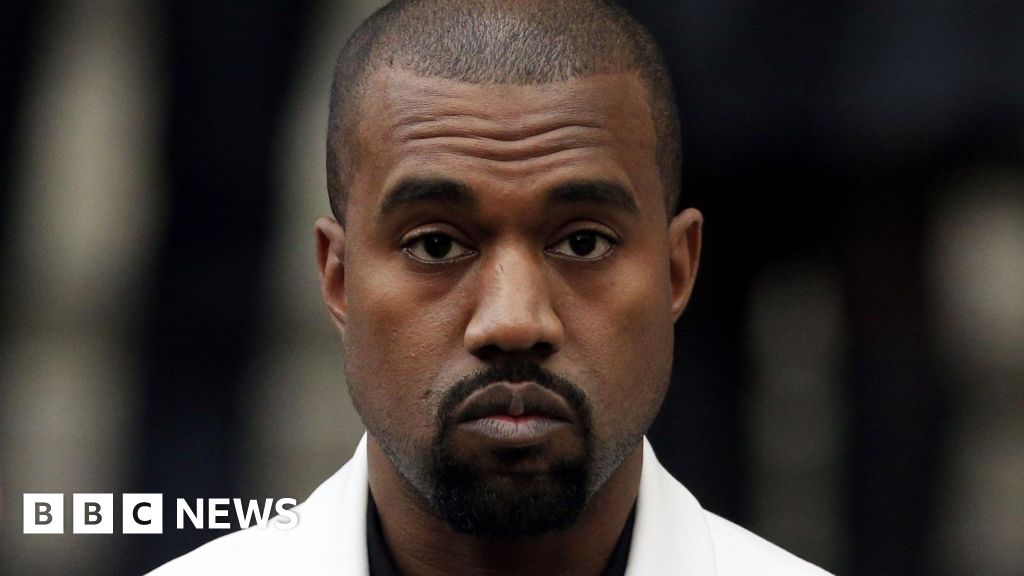
UK reviews Kanye West’s visa after festival protests

In a world increasingly divided along political, cultural, and religious lines, recent events highlight how local decisions can ripple into global tensions. Haringey Council, a London-based authority responsible for managing the annual Finsbury Park festival, faced intense criticism after booking an artist whose controversial comments sparked outrage among local residents. The decision has become a microcosm of larger, unresolved conflicts involving free speech, cultural identity, and political values. The Council leader expressed deep disappointment over the move, especially considering the concerns voiced within the community’s large Jewish population. This incident underscores the profound impact local governance decisions can have in international discourse and societal tensions.

Meanwhile, across the Atlantic, similar debates about cultural expression and the boundaries of free speech continue to fuel political debates in the United States. Analysts warn that when local authorities or cultural institutions endorse controversial figures or actions, they risk exacerbating existing divisions. Historians like Dr. Catherine Anders have noted that such decisions often reflect broader societal struggles about identity, tolerance, and historical memories. The decisions made in Haringey echo in wider discussions about how societies navigate the complex terrain of accommodating diverse perspectives while maintaining social cohesion amidst rising populist currents. These are not isolated incidents but part of a pattern illustrating how local decisions can rapidly escalate into international flashpoints.

At the heart of this tension is the role of giants like the European Union and United Nations, which, despite their efforts to promote dialogue and tolerance, often find themselves caught between competing narratives. Critics argue that international institutions have sometimes failed to address the root causes of rising extremism, allowing cultural divides to deepen. Their inability to mediate effectively can weaken global efforts to foster peaceful coexistence, especially as nations grapple with the fallout of diplomatic incidents and social unrest. These international shifts suggest a turning point where the balance of power and the resilience of societal values are being tested like never before.

As global leaders and citizens alike observe these unfolding events, the message remains clear: the decisions made in small local councils ripple outward, shaping the future of international stability. Whether it is a council in London or a policy debate in Washington, the underlying trend is the same. Nations are increasingly interconnected, and actions—no matter how localized—can ignite broader conflicts or foster fragile alliances. The weight of history presses heavily on this moment, as societies stand at a crossroads: continue to fracture under the weight of discord or find ways to forge unity amid diversity. The story of our time is being written in these choices, and the ultimate outcome remains uncertain—lingering like a shadow over a world struggling to hold together the fabric of its civilization.
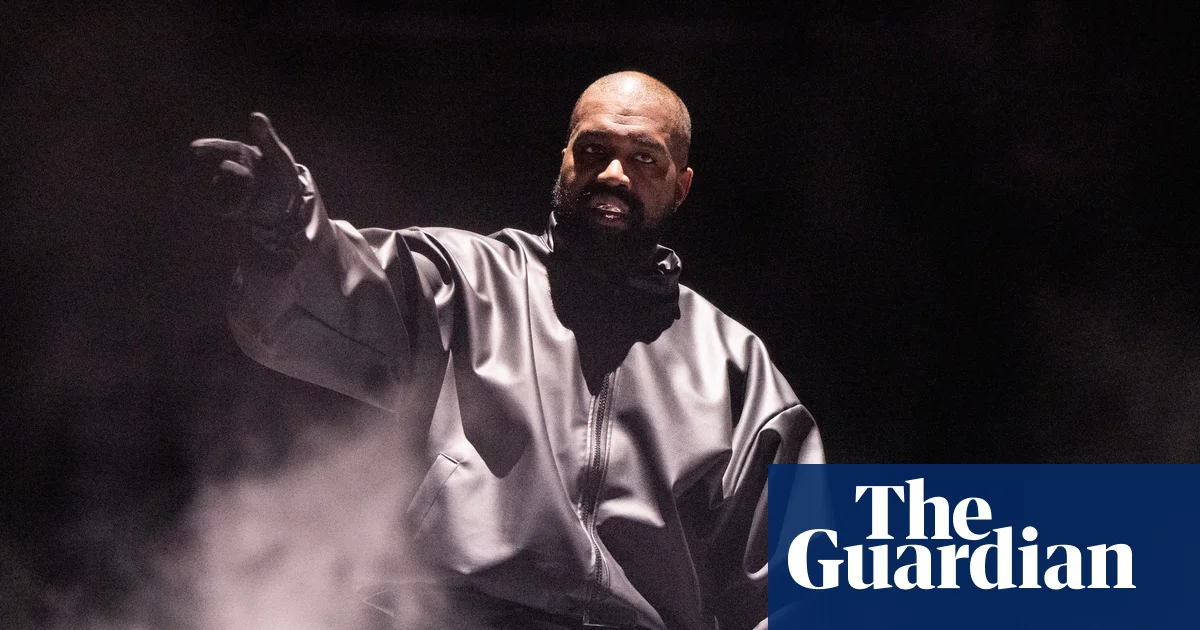
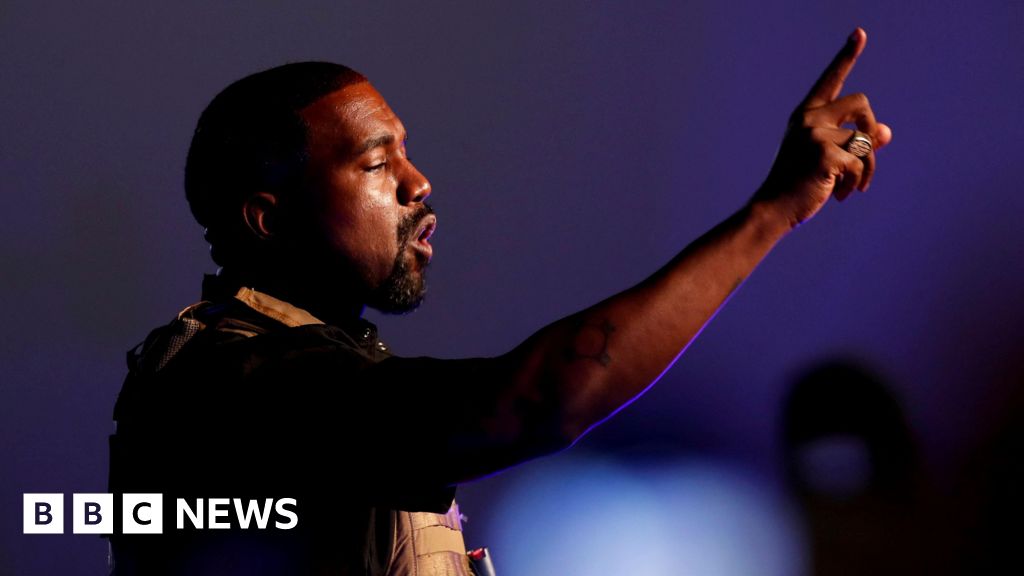
Pepsi pulls Wireless sponsorship after Kanye West controversy

In a clear illustration of how geopolitical shifts and cultural conflicts intertwine, recent developments in the United Kingdom have sparked a broader debate about social values, security, and the influence of international figures. The controversy surrounding Kanye West—also known as Ye—and his scheduled performance at London’s Wireless Festival underscores the power of public morality and national security considerations in shaping cultural events. Major sponsors such as Pepsi have distanced themselves, citing moral and reputational concerns, which reflects a broader international trend: the economic and diplomatic implications of associating with controversial figures are reaching new heights.

  • West’s history of making antisemitic remarks, including a song titled Heil Hitler, and public admiration for Adolf Hitler, has led UK authorities and societal leaders to question the appropriateness of his presence during a time of heightened sensitivity and ongoing debates over free speech versus hate speech.
  • Prime Minister Keir Starmer has publicly condemned the booking, emphasizing that antisemitism “is genuinely abhorrent” and insisting that Britain must remain a society where minorities, especially Jewish communities, feel safe and protected.
  • The Home Office, abiding by UK immigration and conduct policies, is reportedly considering whether West can be excluded from entry, citing the potential for his conduct abroad to threaten societal cohesion—highlighting a pivotal shift in how nations regulate international figures based on perceived ideological threats.

At the international level, watchdog organizations like the Jewish Leadership Council and the Board of Deputies of British Jews have labeled the festival’s decision to feature West as “deeply irresponsible” amidst ongoing attacks on the Jewish community. This international scrutiny exemplifies how domestic decisions on cultural figures can reverberate globally, affecting diplomatic relations, especially when intertwined with Europe’s increasing vigilance against antisemitism. Historians and analysts warn that such controversies serve as a turning point—highlighting the delicate balance between protecting societal values and preserving artistic freedom in a rapidly changing geopolitical landscape.

More broadly, the incident illuminates the escalating use of cultural and moral gatekeeping as instruments of foreign policy and social stability. Countries are progressively adopting stricter entry policies, with officials citing character, conduct, and associations as criteria for denying visas, thereby extending their sovereignty into the realm of individual morality beyond traditional security concerns. The UK’s example offers a cautionary tale: How the decisions of one nation to accept or exclude polarizing cultural figures can influence diplomatic alliances, economic investments, and societal cohesion on a global stage. As historians examine this unfolding drama, one thing remains clear—the cultural battles of today will undoubtedly shape the geopolitical landscape of tomorrow.

In the shadow of these tensions, the story of Kanye West’s potentially canceled UK appearance is more than a controversy about music or morality; it is a reflection of a world where ideological conflicts and cultural identities collide with economic interests and national security. As the dust settles, one question endures: Who writes the future of society—those who uphold the values of tolerance and security, or those who risk everything for the fleeting specter of controversy? The answer, like history itself, is still being written—yet its consequences will echo through the corridors of power for generations to come.

Kanye West hit with $140K fine over Malibu mansion renovation dispute

In an era marked by increasing global interconnectedness, personal disputes—such as the recent case involving a handyman demanding $1.7 million from a renowned rapper—may seem localized but carry profound implications for societal norms, economic perceptions, and cultural power dynamics. This particular case underscores a broader trend: the way individual conflicts intersect with global media narratives and influence perceptions of economic justice across borders. As the dispute unfolds, it exemplifies how the ambit of influence held by celebrities and high-profile figures extends far beyond entertainment, shaping societal expectations and, in some instances, inspiring movements that challenge established economic hierarchies.

From an international perspective, the controversy invites reflection on the role of legal systems and societal standards in mediating disputes involving wealthy public figures. Experts such as Harvard law scholars suggest that the case is emblematic of a shifting landscape, where individual claims—whether about unpaid wages, medical expenses, or wrongful termination—are amplified by social media and global news coverage. The dispute not only highlights the veteran issues of worker rights and fair compensation but also illustrates how the rich and famous are scrutinized for their roles in fostering or neglecting societal responsibilities. This case could set a precedent, especially if it garners international attention, potentially influencing how labor disputes are publicly perceived across multiple jurisdictions.

Such disputes are relevant beyond individual cases, impacting the geopolitical and economic fabric of nations. Analysts from the Oslo-based International Labour Organization warn that the spectacle of personal legal battles involving prominent figures can overshadow genuine policy discussions about labor rights worldwide. Historically, some of the most significant shifts—like the establishment of labor protections in the European Union or the US—have come from public pressure around individual grievances, often escalating into larger societal reforms. Moreover, international organizations monitor these incidents to gauge public sentiment about economic justice, which in turn influences diplomatic relations, especially in countries where income inequality remains painfully high. When a person of influence is embroiled in controversy, it can trigger a ripple effect, urging policymakers to address underlying issues like fair pay, labor protections, and corporate accountability on the global stage.

Ultimately, this case exemplifies how personal disputes are rarely isolated. Instead, they weave into the global narrative, shaping perceptions of justice, fairness, and societal values. Historians have long argued that the perils and promises of modern society are etched into these moments—moments when individual conflicts become a reflection of larger tensions. As the world watches this developing story, it leaves us pondering: how will this dispute influence future legal and cultural standards? Will it catalyze meaningful reforms, or will it succumb to superficial celebrity culture? The unfolding conflict, with its roots in everyday grievances, remains a powerful reminder that the threads of history are often woven behind closed doors, waiting to be unraveled by those daring enough to challenge the status quo.

Social Media Auto Publish Powered By : XYZScripts.com



