Matox News

Truth Over Trends, always!

Kent Council Under Fire for Alleged £40m Net Zero "Savings" — Reform UK Calls Out Fabrication
Kent Council Under Fire for Alleged £40m Net Zero “Savings” — Reform UK Calls Out Fabrication

Uprising of Reform UK in Local Governance Sparks International Scrutiny

The recent political scandal surrounding Reform UK’s control of Kent County Council has ignited a broader debate on the efficacy and transparency of insurgent right-wing movements in local governments across the United Kingdom. Decision-makers and political analysts worldwide are closely observing whether the party, known for its anti-establishment stance led by figures like Nigel Farage, can transition from disruptive rhetoric to effective governance. The scandal, centered on alleged falsehoods about massive savings tied to net zero initiatives, not only threatens the party’s credibility but also raises questions about the impact of such political upheavals on regional stability and fiscal policy.

At the core of the controversy is Kent County Council’s claim of saving nearly £40 million—an assertion now under question after investigative efforts revealed that the claimed savings were based on hypothetical projects lacking concrete documentation. This development is viewed as a *regrettable* reflection of how some insurgent parties might manipulate fiscal figures for political gain, especially amidst a climate of pervasive *wokeness* and environmental mandates increasingly scrutinized at the local level. The situation echoes past warnings from international organizations, such as the OECD, which have cautioned against politicized climate policies that lack transparency and tangible outcomes, viewing them as potential catalysts for public mistrust and societal division.

International Dimensions of Local Party Power and the Consequences of Political Deception

Analysts point out that this incident in Kent is emblematic of a broader phenomenon where local insurgent parties seek to capitalize on popular sentiments against traditional political elites. The accusations of misinformation, especially involving claims of significant financial savings from projects that only existed in planning drafts, have stoked fears about the rise of populist movements exploiting fiscal narratives. Some international observers, including political scientists and historians, warn that such tactics, if widespread, can undermine trust in independent institutions and destabilize regional governance structures, with ripple effects felt across national and even international levels.

  • Specifically, the dispute centered on claims that the council would cancel environmental projects and electric vehicle initiatives, purportedly saving millions—yet, subsequent disclosures revealed scant evidence for such projects’ existence or approval.
  • Key figures, including Polly Billington, a Labour MP, denounced the claims, labeling them as “a blatant lie,” highlighting a pattern of *deliberate deception* aimed at political positioning rather than public service.
  • Meanwhile, the party’s leadership defended their narrative, asserting that potential projects listed in budget documents were *”future cost‑avoidance measures,”* a technicality that prompts debate over fiscal integrity versus political rhetoric.

This episode underscores a critical truth about the *geopolitical impact* of local political maneuvers. As insurgent parties like Reform UK seek to reshape local governance, they inadvertently influence broader national discourse on fiscal responsibility, environmental policies, and government accountability. The governing institutions at the European Union and beyond have long emphasized transparency as essential for maintaining public trust, and the current scandal exemplifies how deviations from this principle can fuel unrest and populist backlashes. Furthermore, the event serves as a warning to societies worldwide that the unchecked rise of populist rhetoric, especially when encapsulating exaggerated or fabricated claims, can erode the foundations of democratic accountability.

The Unfolding Narrative as History Continues to Write Itself

As Kent reels from the revelations, the wider implications for British politics loom large. The incident adds to a growing list of conflicts where *truth and transparency* collide with political ambition, raising questions about the future of governance in a landscape increasingly dominated by media savvy and populist appeals. The departure of Paul Chamberlain, who resigned after admitting to a “lapse of judgment,” reflects internal struggles within these movements, hinting at deeper issues of discipline and ideological cohesion. Internationally, observers note that such internal discord can serve as a microcosm of larger societal tensions, where the desperate pursuit of power often clashes with ethical governance.

The world watches as the story continues to unfold—each revelation, denial, and political maneuver shaping not just local policies but echoing across borders. The very tenets of truth, fiscal responsibility, and accountability are now at a critical crossroads. As history’s pen writes, the question remains: will these early missteps be the cautionary tales that forge resilient democratic institutions, or will they be the dark chapters that expose the fragility of society’s trust and the perilous edge of populist politics? With the weight of the future hanging in the balance, the unfolding saga in Kent reminds us that, in the theater of geopolitics, every local battle shapes the narrative of a world still striving, still fighting, for its soul.
Reform UK Boots Another Kent Councillor in Crackdown on Corruption

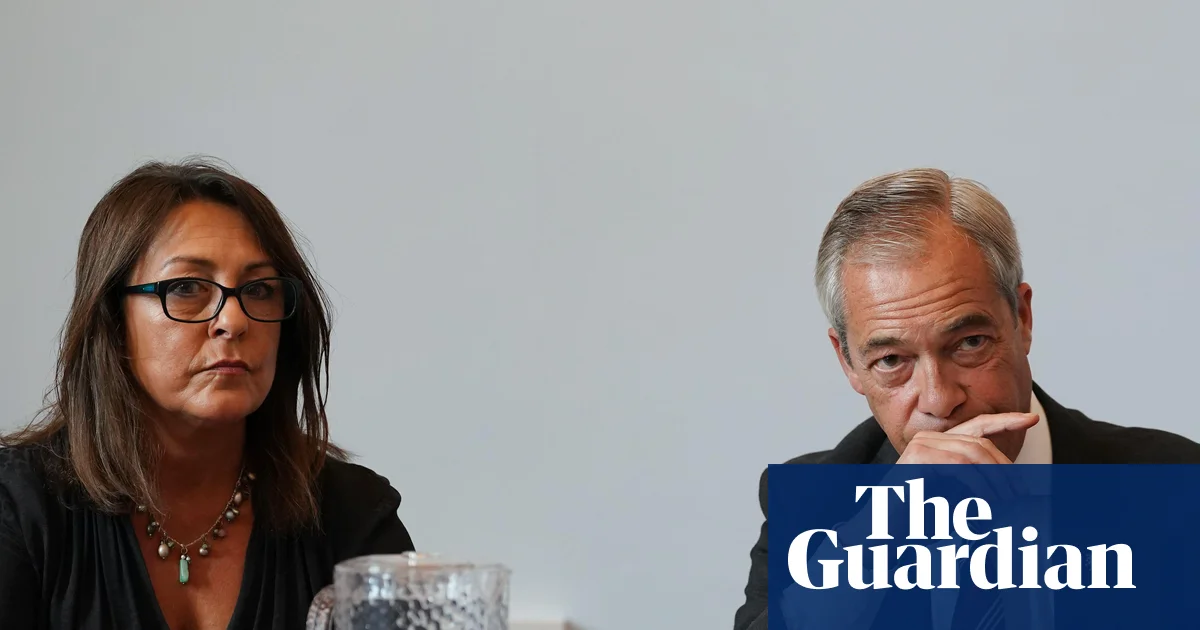
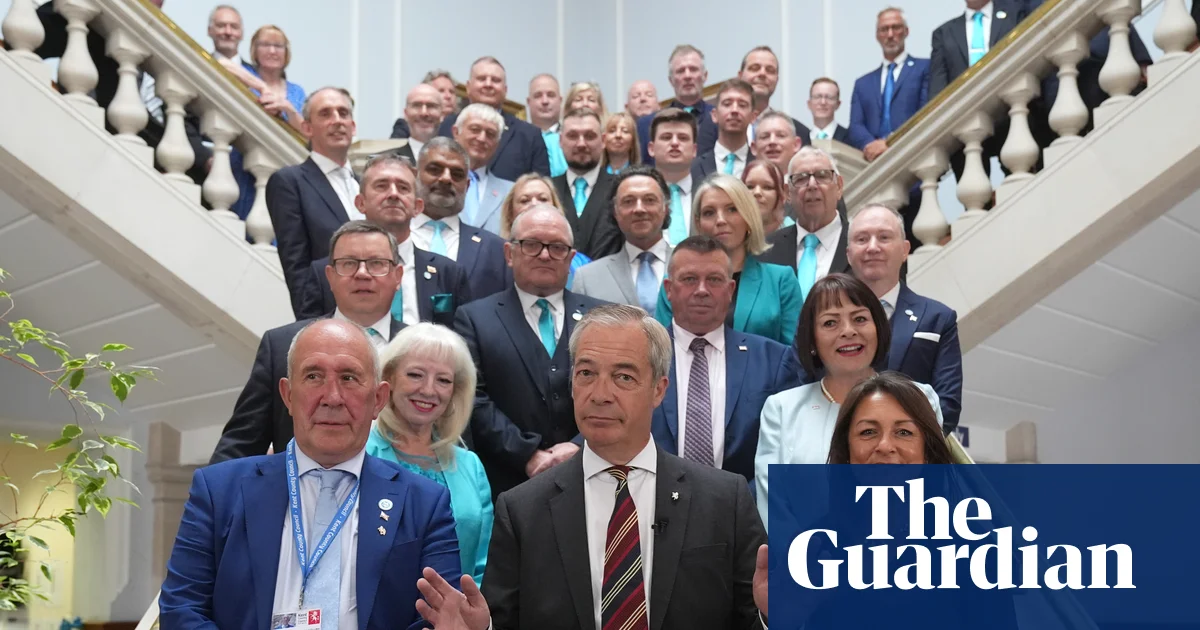
Across the United Kingdom, the recent upheavals within the political sphere signal more than mere local disputes—they reflect a deeper crisis in party discipline, leadership, and the very integrity of governance at a critical juncture. Nigel Farage’s Reform UK party, which champions populist reforms and a direct challenge to the establishment, now faces internal fractures that threaten to undermine its credibility. The suspension of councillors, including Isabella Kemp, from the Kent county council underscores the volatility and fragility of the party’s nascent political structure. These developments come amidst leaked memos revealing bitter internal disagreements, raising alarms about the stability and viability of outsider parties seeking to shake up entrenched political norms.

Analysts and political historians warn that such turmoil within Reform UK does not merely impact local governance but could reshape the geopolitical landscape of British politics. The party’s inability to maintain cohesion risks empowering traditional parties like the Conservative and Labour, who may capitalize on these divisions to reinforce their long-standing dominance. The controversy also exposes a broader question: Can populist insurgents sustain their momentum when internal discipline falters? The internal conflicts over leadership conduct, disciplinary measures, and policy promises threaten to create leadership vacuums, providing fertile ground for political opportunists and undermining voter trust. As political scientist Dr. Emily Knox notes, *“Such internal fissures are often a prelude to collapse, especially in movements that rely heavily on outsider appeal and minimal established governance structures.”*

This chaos at the grassroots level resonates beyond the corridors of Kent. International organizations like the International Crisis Group have long warned that party infighting and fractured leadership can have profound implications for national stability, policy continuity, and international reputation. When political factions fight within their own ranks, it emboldens adversaries—both domestic and abroad—who wish to undermine the sovereignty and stability of the state. Moreover, the crisis reflects broader societal tensions over accountability, public trust, and the efficacy of Britain’s new political entrants, which are attempting to carve a path away from the traditional party system. If these insurgent parties cannot demonstrate discipline and effectiveness in local councils, their national ambitions may soon be rendered empty gestures, susceptible to exploitation by political foes bent on restoring the old guard’s dominance.

As observers cite the embarrassing saga of Kent’s council, including debates over council tax increases and allegations of mismanagement, the geopolitical impact becomes evident. Britain’s internal stability and credibility are often scrutinized on the international stage, with ongoing tensions from global conflicts and economic uncertainties. The disarray within Reform UK exemplifies the challenges faced by populist movements in maintaining coherence amidst upheaval. According to strategic analyst Mark Rutherford, *“When political parties fracture internally, it signals a broader erosion of societal confidence, which foreign adversaries can interpret as weakness or vulnerability to exploit.”* Consequently, the saga in Kent is more than a local political squabble; it’s a microcosm of the risks facing Britain as it navigates a tumultuous era, where every leadership discord and internal conflict adds weight to the written history of a nation still seeking its footing in a rapidly shifting global order.

In the shadows of these political earthquakes, history awaits its next chapter. Will Britain rally from these internecine struggles and forge a resilient path forward, or will internal chaos deepen, paving the way for longer-term decline? As the weight of history presses down, the outcome remains uncertain—yet one truth is clear: in the unfolding story of national sovereignty and societal resilience, every decision, every division counts. The pages of this epoch are still being written, and whether Britain emerges stronger or fractured remains the question that history will ultimately answer.

Reform Council Pushes for Flag Removal to Brighten Up Christmas Lights in Kent

Controversy Over Flags and Christmas Lights in Harrietsham

Flags vs. Festive Cheer: The Cultural Clash in Harrietsham

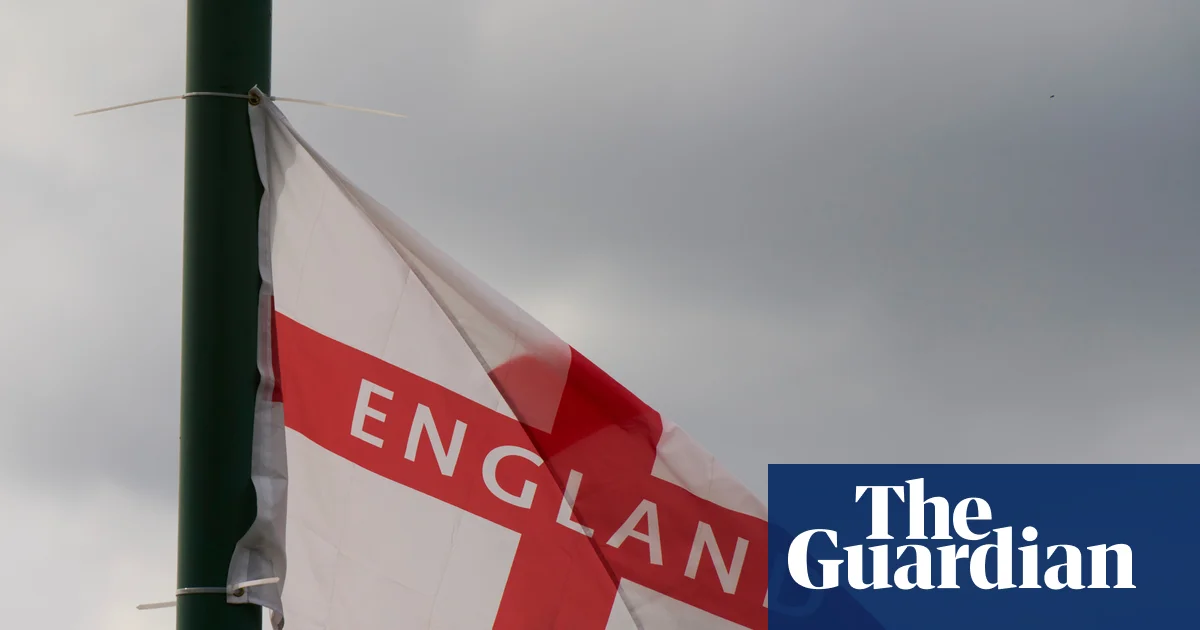
The recent decision by Kent county council to mandate the removal of union and St George’s flags from streetlights before the village can proceed with its traditional Christmas decorations has sparked a fierce debate that reflects broader societal tensions. This incident, deemed “beyond ironic” by local leaders, underscores how cultural symbols and identity politics increasingly influence community life and social cohesion. As the council’s safety concerns dominate discussions, the decision highlights an underlying struggle over the societal role of national symbols amid a rapidly changing demographic landscape.

The controversy centers on the flags, which are often associated with national pride and patriotic expression. While the county council asserts that safety during light installation is paramount, critics argue that the decision is emblematic of a broader trend of government intervention in cultural expression. For many families and communities, such symbols are part of their identity, deeply intertwined with their history and sense of belonging. The actions of the council have ignited concerns among residents and local groups who see this as an erosion of freedom to display their heritage. Notably, the parish council emphasizes that the flags, which were put up without formal permission, do not belong to the council property and therefore cannot be removed without owner consent—highlighting issues of property rights, local autonomy, and the cultural significance of public symbols.

This conflict has implications beyond mere symbolism; it affects the social fabric of communities and the everyday experiences of families. When local authorities restrict expressions that unite or represent a community’s history, it can lead to alienation and social fragmentation. Sociologists like Dr. Lisa Greenfield warn that such restrictions risk marginalizing conservative and patriotic elements, which are vital voices in the ongoing conversation about national identity. The debate reveals a cultural shift where traditional symbols are being scrutinized under the guise of safety or political correctness, often at the expense of community cohesion and shared celebration. Furthermore, the controversy illustrates how social tensions around identity, patriotism, and multiculturalism influence local governance and public spaces.

Supporters of the council’s stance argue that safety remains the highest priority in public planning, emphasizing that flags can obstruct visibility or interfere with installation safety. Peter Osborne, Kent council’s cabinet member for highways and transport, asserts that the removal process can be done efficiently by contractors without significant costs. Yet, critics like Stuart Jeffrey, a Green councillor and leader of Maidstone borough council, suggest that the broader issue is symbolic — that the flags represent more than just personal or local pride, but the tensions between local tradition and the push for a homogenized national identity. They contend that “the flags serve as a reminder of the community’s history, and their removal signifies a form of cultural suppression.”

Ultimately, this conflict resonates as a microcosm of society’s ongoing struggle to balance tradition with progress. It raises essential questions about how communities can preserve their heritage and identity in an increasingly diverse society, without compromising safety or the rule of law. As we move forward, the challenge lies not only in resolving disagreements over symbols and regulations but in fostering a society where families, educators, and communities can find common ground amid the inevitable changes shaping modern Britain. Reflecting on this, one can hope that society’s greatest strength remains its capacity to adapt, unite, and honor its roots—transforming division into dialogue, and symbols of division into symbols of collective hope for a more inclusive future.

Social Media Auto Publish Powered By : XYZScripts.com