Matox News

Truth Over Trends, always!

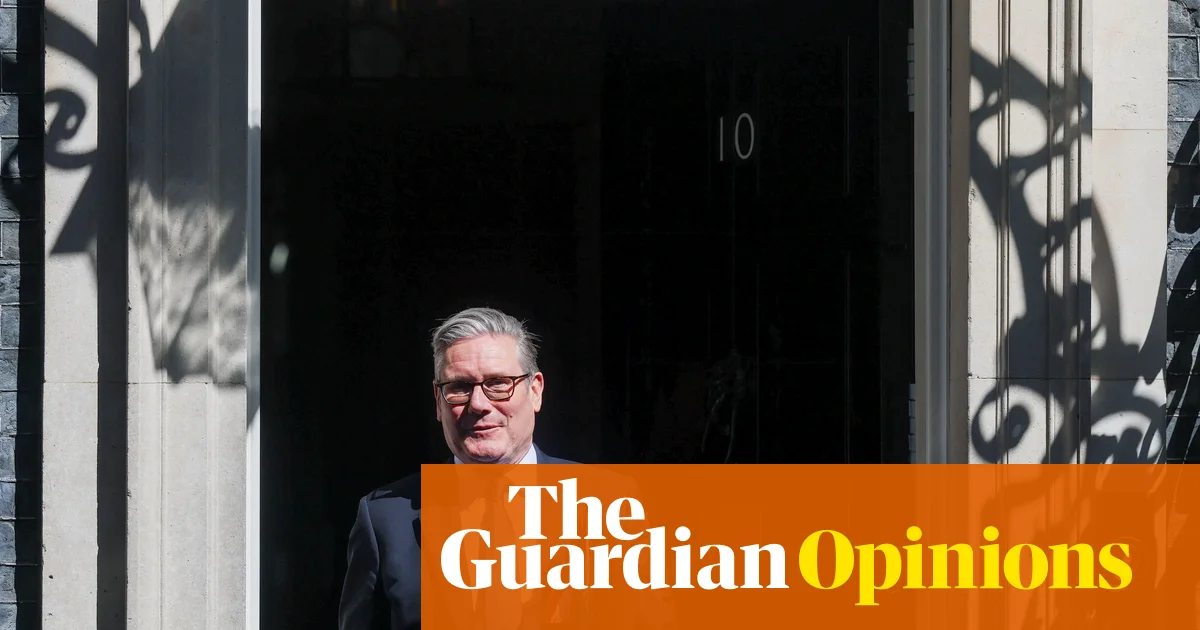
Peter Mandelson’s Appointment as UK Ambassador to US: A Key Step in Strengthening Transatlantic Ties

Recent revelations about the complex and controversial appointment of Peter Mandelson as the UK ambassador to the United States have shed light on the deep-rooted issues facing our governance system—and how these issues ripple outward into families, education, and communities. The saga, meticulously mapped out through parliamentary statements and investigative journalism, underscores the persistent tensions between political decision-making and bureaucratic oversight, raising questions about trust and transparency in our civil institutions. It also illustrates a broader societal challenge: how social issues at the highest levels influence the fabric of everyday life, especially for the youth and vulnerable communities.

The narrative begins with the apparent bypassing of established security vetting protocols—an issue that touches on the moral responsibilities of civil servants and elected officials alike. The case reveals that, despite clear recommendations from the UK Security Vetting Authority (UKSV) that Mandelson should not receive security clearance, the Foreign Office overruled this advice, granting approval under opaque circumstances. This decision, concealed from Prime Minister Starmer until much later, exemplifies how *cultural shifts within bureaucracies* can weaken accountability, creating a disconnect between civil service integrity and political expediency. The fallout resonates beyond the corridors of power; families depending on the stability of diplomatic relations, educators observing the erosion of trust in government, and communities questioning the integrity of leadership are all affected.

Sociologist Dr. Elizabeth Martin emphasizes that such instances of opaque decision-making undermine societal cohesion. When young people see their leaders manipulating transparency for political gains, they may develop cynicism toward democratic institutions. Moreover, the demographic shifts and cultural tensions, fostered or exacerbated by these scandals, threaten the social fabric. As history scholar Dr. James H. Connolly points out, “A society that cannot trust its civil servants and policymakers risks fragmenting along lines of disillusionment and disengagement.” Therefore, the social issues stemming from this political controversy extend into the educational sphere, where the next generation learns values of responsibility, integrity, and civic duty, or the absence of them.

  • The failure to follow established security protocols jeopardizes national security and trust, particularly affecting families concerned about safety and stability.
  • The opaque appointment process fosters social tensions by fueling perceptions of corruption or favoritism, especially among marginalized communities.
  • There’s a pressing need for reforms that promote transparency, accountability, and respect for institutional integrity, which are essential in restoring public confidence.

At its core, this political episode underscores an urgent societal imperative: ensuring that our institutions serve the people responsibly. For families, the question is whether society can cultivate leaders who value transparency and uphold moral standards. For educators and youth, the challenge lies in fostering a culture that demands accountability and reminds society of its ethical foundations. As the journey of Mandelson’s appointment reveals, even the highest echelons of power are not immune to failings that impact society at large. Yet, amidst these shadows of distrust, society holds the possibility of renewal—through vigilant civic engagement, structural reforms, and a collective commitment to moral clarity.

In a world fraught with political turbulence, the hope remains that society can evolve toward a future where trust is not merely restored but fortified by unwavering integrity. Like a verdant garden needing diligent tending, the roots of unity and resilience in our communities depend on the collective effort to confront these challenges with moral courage and a steadfast dedication to justice. Only then can society truly become a sanctuary for the values it aspires to uphold, nurturing generations yet to come in a society where transparency reigns and moral integrity guides every step.

States Brace for NDIS Cuts as Chalmers Warns They’ll Be Key in Budget Savings

Australia’s NDIS Restructuring Sparks Political Tensions and Geopolitical Impact

The Australian government is currently embroiled in a contentious debate over its proposed National Disability Insurance Scheme (NDIS) budget cuts. With the upcoming budget release, officials are under pressure as the federal government, led by Prime Minister Anthony Albanese, seeks to reduce the scheme’s rapid growth trajectory. This move has elicited sharp reactions from both state governments and the disability community, emphasizing the geopolitical impact of domestic policy decisions on national cohesion and international reputation.

The federal treasury, under Jim Chalmers, has flagged the NDIS as the most significant component of the government’s savings package. Chalmers voiced concerns that the scheme’s annual growth rate exceeds sustainable levels, projecting costs to reach $63 billion by 2028-29 from this year’s $52 billion. Such fiscal measures are viewed by analysts as part of a broader effort to reframe Australia’s social welfare obligations in the context of global economic pressures, including rising debt, inflation, and the need to maintain competitiveness on the world stage. Moreover, this realignment of social policy may have long-lasting effects on society, particularly on vulnerable populations reliant on the scheme.

Yet, the move to trim NDIS spending has ignited a fierce political storm. States like Western Australia and Victoria have expressed concerns, especially regarding the shifting of responsibilities to a unified, national scheme called Thriving Kids. Many regional leaders felt blindsided when federal officials announced plans for the scheme last August, revealing a preference for centralization at the expense of state-led programs. Such decisions undermine the traditional federal balance, showing a shift towards increased federal control that echoes geopolitical trends where central authorities assert dominance over regional autonomy. As the scheme consolidates, questions about the transparency and fairness of these reforms linger, especially considering the absence of comprehensive disclosures from the federal department.

This domestic controversy holds profound geopolitical significance. As China and the Indo-Pacific region face their own political upheavals, Australia’s internal struggles reveal a nation at a crossroads—balancing economic pragmatism with social responsibility amid shifting international alliances. Some international observers—like the International Monetary Fund (IMF)—warn that Australia’s fiscal policies could impact its diplomatic standing and economic leverage. If the government’s austerity measures lead to social unrest or undermine social cohesion, it risks undermining its soft-power influence, especially as nations increasingly contest narratives based on social stability and inclusive growth.

Historians and analysts chart this ongoing internal battle as a reflection of broader trends in global governance, where the prioritization of fiscal discipline often clashes with social commitments. The hard choices made in Canberra may serve as a cautionary tale for emerging democracies worldwide, illustrating how domestic policy shifts can ripple across international relations. As critics decry the potential weakening of vital social safety nets, the world watches a nation wrestling with the legacy it will leave for generations. The unfolding story of Australia’s reforms isn’t merely about budget savings—it is a chapter in the greater narrative of a nation striving to define itself amid the powerful currents of shifting global power politics. The weight of history asks: will these decisions forge a resilient nation, or expose fractures that threaten its future stability?

Here’s a revised version with a moderate right-wing, youth-oriented tone:
"The Key Details Behind the U.S. Airman's Rescue in Iran"

Here’s a revised version with a moderate right-wing, youth-oriented tone:

“The Key Details Behind the U.S. Airman’s Rescue in Iran”

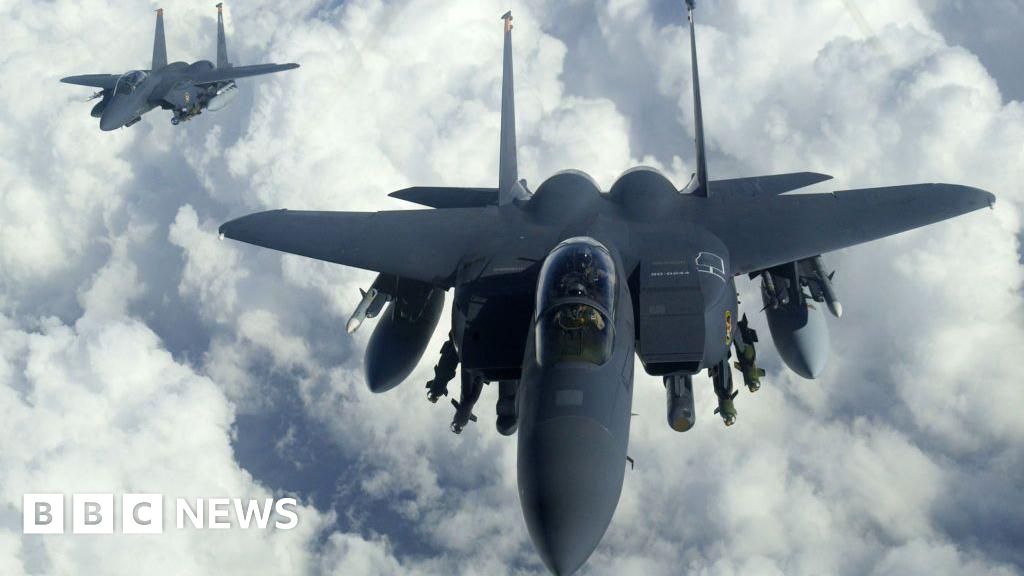
US Unveils Critical Rescue Operation Following F-15 Downing Over Iran

In a decisive move that underscores the escalating tension in the Middle East, the United States has successfully rescued the crew member of its downed F-15 fighter jet over southern Iran. The incident, which resulted in the loss of American military aircraft, signals a new chapter in the ongoing power struggle in the region. The swift rescue not only highlights the risks faced by modern air forces but also demonstrates Washington’s unwavering commitment to safeguarding its personnel amidst the complex geopolitical landscape.

According to official sources, the F-15 was engaged in operational activities aligned with U.S. military interests in the region when it was unexpectedly shot down by Iranian defenses. While Iran maintains that the aircraft violated its airspace, US military officials contend that the incident was a targeted act of aggression, further complicating the narrative. This event has ushered in a wave of international concern, with analysts warning that such hostilities could upset the fragile balance of power in a geopolitically critical area. The rescue operation, reportedly carried out by special forces, serves as a stark reminder that in this volatile theater, the line between confrontation and conflict remains razor-thin.

Historians and security analysts have long analyzed such incidents as potential catalysts for larger-scale conflicts. Experts such as Dr. Elizabeth Martin from the International Conflict Research Institute emphasize that each escalation risks spiraling into broader regional instability. The international community, especially NATO allies, have condemned the event, with some calling for de-escalation while others reinforce their military readiness. The United Nations, meanwhile, has called for restraint from all sides, emphasizing the importance of diplomatic dialogue. Yet, the unfolding events reveal how the decisions made today could fundamentally reshape the geopolitical landscape for decades to come, threatening the stability of alliances and the security of nations.

The U.S. government and military leaders have doubled down on their commitment to defending their personnel and interests, signaling that this incident could define future military engagement in the region. The successful rescue underscores the high stakes involved, and the turning point may well be a harbinger of more aggressive posturing from both Washington and Tehran. As the fall-out continues to unfold, the world must grapple with the grim reality: the choices made in this moment are shaping the chapters of history yet to be written, with the specter of conflict hanging heavily over every diplomatic effort. The message is clear — in the new era of geopolitical contestation, every incident, no matter how isolated, has the potential to ignite a larger crisis, and history’s pen waits to record the next chapter in this ongoing saga.

Rising Stars Shine in Thrilling Weekend of Youth Sports: Key Highlights and Standout Performers

Barcelona Faces Tough Times as Raphinha Heals

In a recent press conference, Barcelona coach Hansi Flick addressed the challenges confronting the team amidst injury setbacks. Notably, Brazilian winger Raphinha has been sidelined, leaving a significant void in Barcelona’s attacking options. Flick emphasized the importance of allowing Raphinha some time off to clear his mind following the emotional toll of his injury. This decision reflects Flick’s understanding of the psychological aspects that often accompany physical ailments in athletes.

Flick’s comments underscore the urgency for other players to step up. Marcus Rashford, in particular, has been called upon to fill the gap left by Raphinha’s absence. “We need players to rise to the occasion,” Flick stated. “Marcus has the talent and determination to lead us through these tough times.” The pressure is now on Rashford, as he has been showcasing his skills and potential to become a key player in this high-stakes environment.

  • Raphinha has been a pivotal part of Barcelona’s attack this season, contributing significantly before his injury.
  • The coaching staff is confident that Rashford can replicate Raphinha’s impact on the pitch.
  • Flick’s strategic approach emphasizes mental health alongside physical recovery.

As the season progresses, the support network within Barcelona is becoming increasingly crucial. Coaches, teammates, and fans alike are rallying to maintain morale and unity. The sentiment from commentators mirrors this as they highlight, “In times of adversity, teams often discover their true character.” The psychological fortitude of the players will be tested, and it is essential that the team not only focuses on the physical aspects of the game but also on the mental resilience required to overcome challenges.

In conclusion, as Barcelona prepares to confront the rest of the season without Raphinha, the challenge stands not just as a struggle on the scoreboard but as an opportunity for growth and unity. Sports can transcend wins and losses, serving as a binding force that unites players, coaches, and fans. In times of hardship, these elements remind everyone involved that collaboration and camaraderie resonate far deeper than the final score. The spirit of the game lives on, encouraging future victories both on and off the field.

Source link

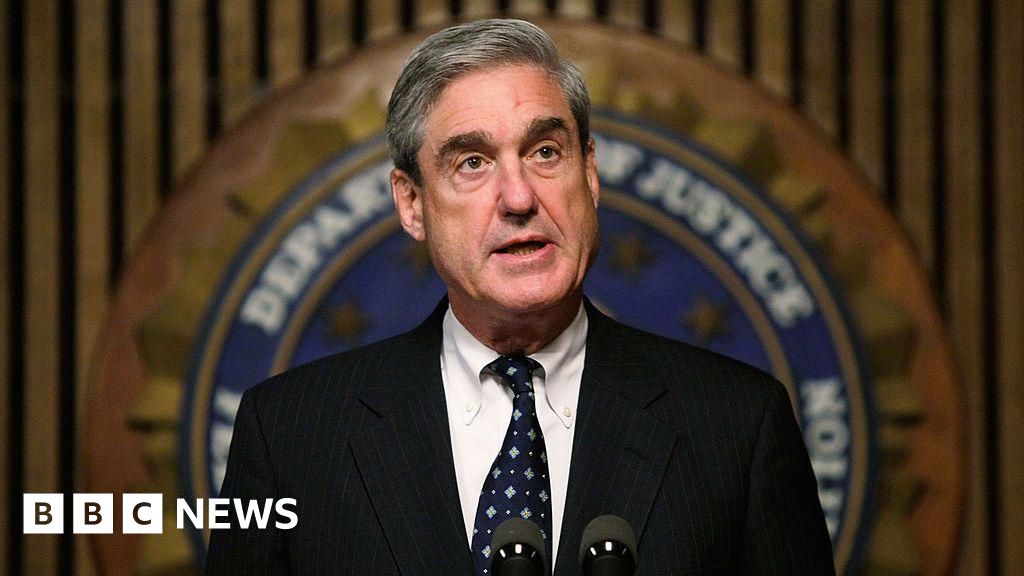
Former FBI boss Robert Mueller, key figure in Trump-Russia probe, passes at 81

In the complex arena of global geopolitics, decisions made by influential figures often resonate far beyond national borders, shaping not only governments but entire societies. Recently, insights shared by Andrew Weissmann, a former member of Robert Mueller’s investigative team, shed light on the profound integrity and deliberate thoughtfulness that underpins critical domestic decisions, which in turn influence global perceptions and alignments. His comments underscore the importance of transparency and moral fiber within leadership, especially in times of international tumult.

At the core of this discussion lies the significance of the rule of law, transparency, and accountability—principles that historically serve as the backbone of societal stability and diplomatic credibility. Analysts emphasize that figures like Mueller exemplify a commitment to these ideals, which are vital when navigating the turbulent waters of international relations. While some critics question the effectiveness and impartiality of certain investigations, the broader message highlights the importance of integrity within the highest echelons of power, a trait that many believe strengthens a nation’s standing on the world stage. Notably, recent polls reveal a growing global interest in how democracies respond to internal conflicts, revealing a shared expectation that leaders uphold justice and truth, values essential for maintaining international alliances.

The international community closely monitors domestic decisions that influence external diplomacy. For instance, the United States, under its increasingly scrutinized leadership, faces critical choices that could either bolster or weaken its diplomatic influence. The decision-making process of agencies like the FBI and the Department of Justice often become monumental factors in the nation’s credibility. This is particularly evident in the evolving geopolitical landscape involving Russia and China, where perceptions of internal stability and adherence to foundational principles play decisive roles in the alliances and rivalries shaping global power. The United Nations, along with various international watchdogs, continues to evaluate the internal dynamics of nations like the U.S., warning that a perceived decline in integrity might ripple outward, ushering in instability that could recalibrate global alliances.

Historians and international analysts warn that in a rapidly changing world, every internal conflict or political fallout echoes across continents, affecting millions and recalibrating diplomacy. As Western democracies grapple with internal divisions, countries like India and Brazil observe closely, watching how nations uphold democratic norms under pressure. The decisions made in Washington and other global capitals today are the building blocks of tomorrow’s geopolitical landscape. In this unfolding saga of power and principle, history remains a silent witness, observing as nations navigate the treacherous clash between internal integrity and external diplomacy.

As the world watches, the weight of history presses heavily on these momentous decisions, reminding us that in international politics, the line between stability and chaos is razor-thin. With every move, every decision shaped by leadership’s moral compass, the future is written—each chapter more consequential than the last. In the relentless march of history, the actions of today could serve as either the foundation for a more resilient order or the catalyst for upheaval, leaving the fate of countless societies hanging in the balance.

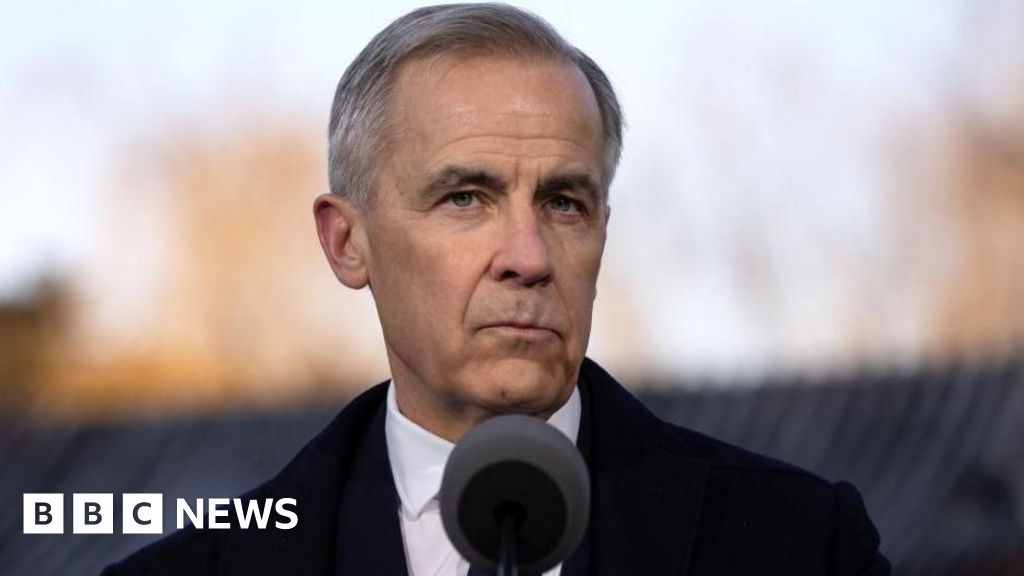
Canada’s Carney pushes for three key by-elections that could secure his majority

Global Power Shifts in Canada’s Political Landscape Signal Broader Geopolitical Tensions

The recent by-elections in Toronto have unexpectedly become a focal point for international observers tracking the shifting balance of influence within Canada—an influential member of the G7—and how internal political adjustments ripple outward in an increasingly complex global chess game. The vacancies arose after the resignation of Chrystia Freeland, a prominent figure known for her forte in economic diplomacy and her close ties to international financial institutions, and Bill Blair, who was appointed as Canada’s envoy to theUnited Kingdom. While ostensibly local in scope, these adjustments carry profound implications for how Canada positions itself on the world stage amidst mounting geopolitical conflicts involving Russia, China, and the United States.

International analysts note that the appointment of Freeland to advise Ukrainian President Volodymyr Zelenskyy underscores Canada’s deepening commitment to supporting Ukraine’s sovereignty in its ongoing conflict with Russia. This move isn’t simply about one politician stepping down; it is a clear signal of Canada’s alignment with a broader Western strategy that aims to counter Russian expansionism and contain Chinese influence in global affairs. Such decisions demonstrate a willingness by Canadian leadership to prioritize diplomatic and military support for Ukraine—an approach that resonates with many at home who see the defense of Western values as integral to their national identity, yet concerns are voiced about the potential costs and divisions this stance may sow domestically.

Meanwhile, Bill Blair’s transition to become Canada’s envoy to the UK signals another layer of international diplomacy, especially as post-Brexit relations between the UK and global powers continue to evolve. Many experts interpret this appointment as an attempt to reinforce alliance ties amidst ongoing geopolitical shifts in Europe and beyond. Historian Dr. James Thornton highlights that these diplomatic moves are more than symbolic—they are strategic recalibrations that will shape Canada’s influence and credibility in the international arena. Such diplomacy also signals a desire to maintain robust connections within the Anglosphere, which could have significant implications for trade, security, and political alliances in the long term.

Indeed, these internal vacancies in Canada’s political landscape serve as a reminder—every leadership change and diplomatic appointment carries weight beyond their borders. As the world braces for further contention over resources, technology, and ideological influence, the actions taken by Canadian leaders reveal their intent to navigate this turbulent environment with assertiveness and strategic patience. The unfolding story of Toronto’s by-elections may seem local, but in an era of growing geostrategic competition, they are stepping stones—each move shaping the contours of history yet to be written, as nations prepare for the next storm of international upheaval with eyes fixed on the horizon.”

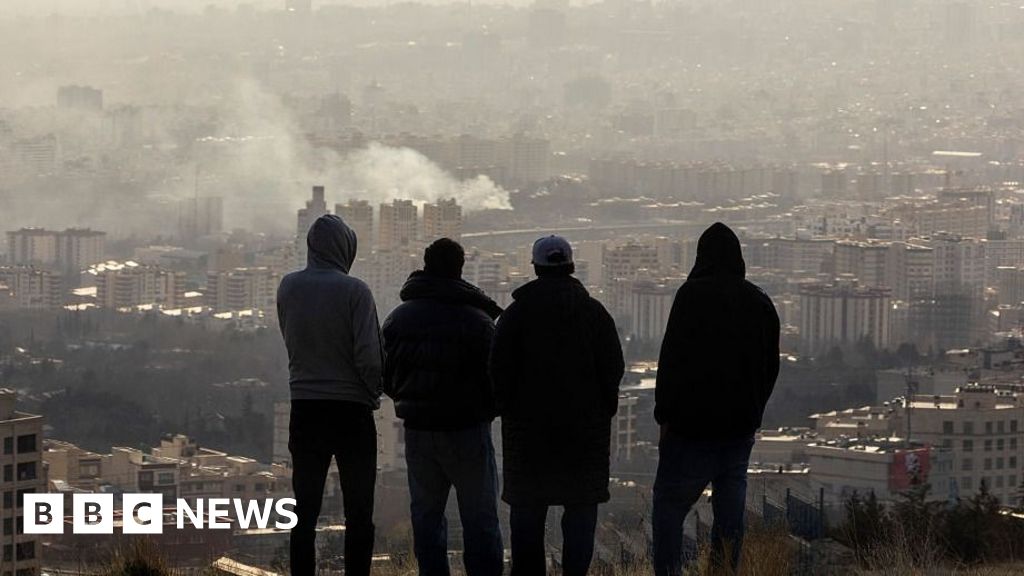
Third Day of US-Israel War with Iran: Key Moments Unfold

U.S., Israel, and Iran Engage in Alliance-Shaking Conflict as Regional Tensions Escalate

The ongoing war between the United States and Israel against Iran has rapidly escalated into a full-blown regional crisis, marking a dangerous turning point in the Middle East’s volatile landscape. As the third day of hostilities unfolds, scenes of destruction and chaos dominate the streets of Iran, while neighboring nations grapple with the far-reaching implications of this dangerous conflict. Global analysts warn that this cycle of violence not only destabilizes the region but also threatens the fragile balance of power that sustains international security. The intense exchange of drone and air strikes illustrates how swiftly the conflict has expanded beyond initial targets, with the potential to ignite broader regional or even global confrontations.

Today’s hostilities saw the United States orchestrate strikes within Iran, with devastating scenes on the streets revealing the severity of the military escalation. The strikes, according to Pentagon officials, targeted Iranian military facilities aimed at degrading Tehran’s capacity to support proxy groups like Hezbollah and other militant organizations. Most international observers agree that this marked a critical shift in US strategy—moving from containment to direct confrontation—further undermining hopes for diplomatic resolution. Meanwhile, Israel expanded its military campaign by launching strikes into Lebanon, targeting alleged Hezbollah positions. These preemptive actions are true to the longstanding Israeli doctrine of preemptive defense, but they risk igniting a broader conflict that could threaten regional stability for years to come.

  • Three US fighter jets tragically crashed in Kuwait, with initial reports attributing the accidents to apparent friendly fire—a grim reminder of the fog of war amid chaos.
  • In Cyprus, a British RAF base was struck by an Iranian drone, forcing an emergency evacuation and raising alarms over the spread of the conflict beyond the immediate Middle Eastern theater.

International organizations and military analysts are sounding alarms over the geopolitical impact of these developments. Harvard historian Dr. Robert Matthews warns that the conflict’s escalation could catalyze a new Cold War, with major powers realigning and recalibrating alliances. The delicate balance of deterrence maintained since the Cold War era is now in jeopardy, with the risk of all-out regional warfare increasing by the hour. Furthermore, the involvement of multiple nations, including the United Kingdom, Kuwait, and Cyprus, illustrates how the conflict threatens to drag in global actors, intensifying the risk of escalation that could spiral out of control.

The international community’s response remains cautiously divided. While some call for immediate de-escalation and renewed diplomacy, others appear resigned to the notion that the forces unleashed today will shape global geopolitics for decades. As nations mobilize their military assets and intelligence agencies scramble to interpret the unpredictable developments, the world stands on a precipice. History will remember this moment—not as a standalone skirmish, but as an inflection point whose aftermath will redefine power structures, alliances, and the very fabric of international order.

Ultimately, the relentless violence of today underscores a sobering truth: the decisions made in these critical hours will echo through history, determining whether this is a moment of resurgence for peace or the dawn of a new, darker epoch of conflict. As the dust of destruction settles on the streets of Iran, the question remains—how many more will fall before the storm subsides, or if it ever will? The pages of history are yet to be written, but their weight is undeniable: humanity teeters on the edge of a new chapter, one that could reshape the world in ways yet unseen.

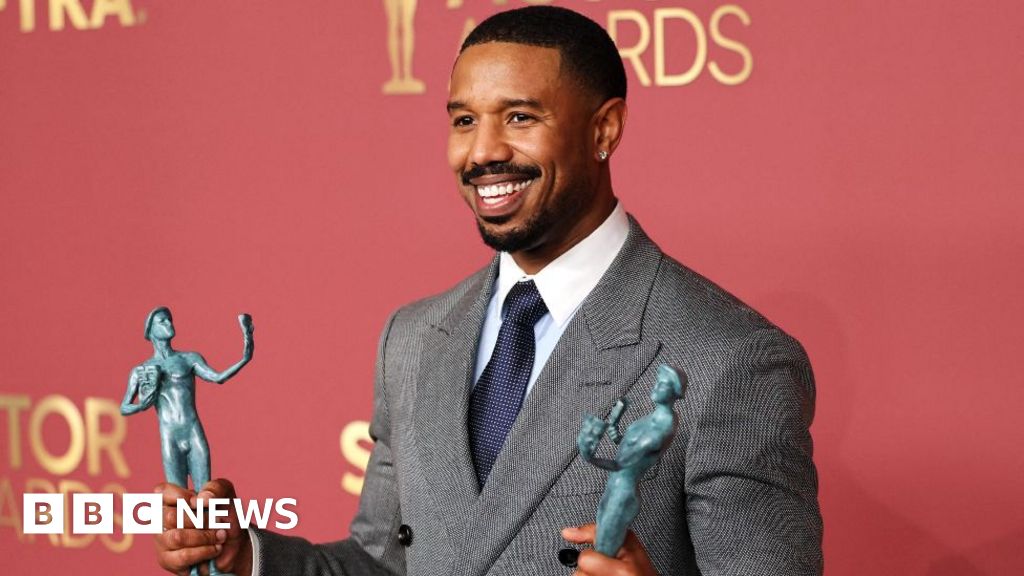
Michael B. Jordan Stirs Things Up as 'Sinners' Takes Key Actor Awards
Michael B. Jordan Stirs Things Up as ‘Sinners’ Takes Key Actor Awards

The recent victory for the United States at the prestigious Academy Awards, where an American actor was awarded Best Actor for his role in Sinners, has inadvertently cast a shadow over the international film community and the broader geopolitical landscape. While Hollywood celebrates another technical milestone, analysts warn that such cultural events are more intertwined with global power dynamics than ever before. Historically, cinema has served as both a mirror and a tool of influence, shaping perceptions and soft power strategies that extend far beyond entertainment.

The Sinners accolade, viewed by some as a reflection of American cultural dominance, coincides with an increasingly tense atmosphere among rival nations. Experts from institutions like the International Crisis Group have noted that the tight competition surrounding awards like these often parallels geopolitical conflicts, where soft power is wielded as a strategic asset. The Oscars race being described as “too close to call” underscores the fragile balance of influence, with countries vying for global cultural supremacy, which translates into political leverage. This phenomenon is reminiscent of the years when Hollywood and Western media were central to the spread of liberal values, often opposing authoritarian regimes seeking to reshape global narratives in their favor.

Moreover, the decision to elevate American talent during a year rife with international tension has drawn scrutiny from geopolitical analysts. Many argue that the global stage—initially designed to recognize artistic excellence—has become another arena for soft power diplomacy, where victories signal more than individual achievement. Some security and geopolitical experts suggest that such cultural triumphs bolster U.S. global influence at a time when alternatives, such as Chinese or Russian propaganda outlets, are aggressively seeking to undermine Western narratives. As one veteran diplomat pointed out, “Cultural icons—whether in film, music, or art—are tools in a larger fight for the hearts and minds of millions.”

In the larger context, the Oscars’ outcome reflects how cultural and geopolitical lines continue to blur. Historic turns, such as Hollywood’s role during the Cold War or China’s recent push into cinematic markets, serve as reminders of the strategic importance of cultural influence. Analysts from the United Nations Educational, Scientific and Cultural Organization (UNESCO) have long warned that the “battle for cultural superiority” shapes international alliances and societal values. With the race still “too close to call,” the world faces a future where artistic triumphs are increasingly perceived as symbols of geopolitical victory or defeat. As history unfolds, nations watch intently, knowing that these seemingly trivial moments may carry echoes of larger conflicts—conflicts that will ultimately define the course of global history for generations to come.

Six Key Impacts of Trump’s New Climate Policy Shift

In a landmark development on Thursday, a sweeping policy change has effectively dismantled the legal foundation that supported much of United States environmental legislation. This move signals a dramatic pivot in the nation’s approach to environmental regulation and heralds a new era where economic priorities seemingly outweigh ecological concerns. The decision has ignited fierce debates among policymakers, environmental advocates, and global observers, each scrutinizing the long-term implications for both domestic ecological health and international climate commitments.

Recognized by many analysts as a pivotal moment, the removal of this legal bedrock marks a significant setback for global efforts to combat climate change. Historical perspectives, such as those provided by environmental historians and international organizations like the United Nations Environment Programme, caution that weakening legal protections in one of the world’s largest economies could undermine multilateral agreements and global progress. Critics argue that this shift is not merely a domestic policy change, but a de facto signal to the world that America is retreating from its leadership role in environmental stewardship. Meanwhile, supporters contend that this move restores national sovereignty and prioritizes economic growth over global environmental mandates—an ideological battle that will echo across decades.

The geopolitical impact of this decision extends beyond American borders. As the world’s second-largest emitter of greenhouse gases, US policies hold sway over the effectiveness of international climate strategies. With the withdrawal or weakening of environmental protections, nations dependent on American leadership now face increased uncertainty in their own climate and energy policies. European leaders, often seen as advocates for stricter environmental standards, have voiced concern that this development may weaken global commitments. The G20 and other multinational institutions are now recalibrating their strategies, aware that the US’s policy trajectory influences economic and environmental stability worldwide.

Many international analysts point to this shift as part of a broader political realignment. As noted by geopolitical experts at the Council on Foreign Relations, decision-makers are increasingly placing national interests above multilateral agreements, a stance that carries profound implications for humanity’s collective future. Some worry that this decision marks a turning point where individual countries prioritize short-term gains over long-term sustainability—an act that could distort global efforts toward a resilient and sustainable planet. As history reaches a new chapter, the choices made today will undoubtedly serve as a defining moment—either sparks for renewed international collaboration or catalysts for deeper divisions with consequences yet to be fully realized.

In the shadows of this decisive move, the weight of history remains palpable. Nations and societies stand at a crossroads—where the future of environmental stewardship may be shaped by the decisions of today. Will this new chapter propel the world towards greater ecological resilience, or will it accelerate a descent into global fragmentation? The answers lie ahead, carved into the uneven terrain of geopolitical ambition and human resolve, as the story of our planetary fate continues to unfold amidst the relentless march of history.

Venezuela Releases Key Opposition Leader Juan Pablo Guanipa

Historic Release of Political Prisoners Marks a Turning Point in Justice First Party’s Struggle

In a decisive move that could reshape the political landscape of Venezuela, the interim government announced the release of 18 political prisoners on Sunday. Among those set free is the leader of the Justice First party, a prominent figure whose detention had symbolized years of political repression. This unprecedented decision signals a potential shift towards dialogue and reforms, yet it also prompts a careful examination of the geopolitical repercussions that could ripple across the region.

The release was characterized by government officials as a step towards greater political openness and reconciliation. Analysts from the International Crisis Group suggest that this gesture, while significant, is also a strategic move designed to garner international legitimacy ahead of key negotiations. Historically, such moves have been used by interim governments to placate foreign powers and prepare the ground for broader political reforms. The United States and several Western allies, which have long called for the release of political prisoners, welcomed the development but emphasized the necessity for further steps toward democratic normalization. In contrast, critics within Venezuela argue that this release is merely superficial, serving as a standard procedure to ease mounting international pressure rather than indicating genuine reforms.

This development arrives at a critical juncture for Venezuela, which has been embroiled in political turmoil and economic crisis for over a decade. The decision to free these prisoners underscores an evolving calculus among the country’s leaders, who now appear to be weighing the benefits of engagement against the persistent risk of instability. As commented by scholars like Dr. Lucia Fernandez, “The release signifies more than just the freedom of individuals; it’s a barometer of shifting power dynamics that could either herald democratization or serve as a temporary appeasement.” The true geopolitical impact will depend on how domestic forces and international actors interpret and leverage this move moving forward.

The regional implications are profound, especially given Venezuela’s position as a key player in Latin America. The country’s political trajectory has always influenced the broader geopolitical balance, with neighboring states closely monitoring internal developments. The release of prisoners might signal an easing of authoritarian grip, encouraging similar moves in countries like Bolivia and Ecuador, where democratic struggles continue. Conversely, opponents warn that without substantive reforms, these releases could become fleeting window dressing, delaying the inevitable confrontation between authoritarian tendencies and democratic aspirations. The decision also raises pressing questions about the role of international diplomacy, with global bodies such as the Organization of American States (OAS) and the United Nations watching intently, ready to call for further action or verify commitments to democratic practices.

At this volatile crossroads, history remains to be written. The actions of Venezuela‘s interim government could either propel the nation towards genuine political renewal or deepen internal divisions, with consequences echoing beyond its borders. As analysts and international observers grapple with this complex transition, the fate of these political prisoners symbolizes more than loss and liberation; it embodies the very soul of a nation standing at the edge of transformation. Will this act be remembered as the dawn of renewal, or merely a fleeting pause in an ongoing struggle for freedom? Time, and history itself, will ultimately hold the answer.

Social Media Auto Publish Powered By : XYZScripts.com