Matox News

Truth Over Trends, always!

Naked mole rats uncover genetic key to longevity for future generations

Revolutionary Discoveries in DNA Repair Reveal the Secret to Naked Mole Rats’ Unprecedented Longevity

In a groundbreaking scientific breakthrough, researchers from Tonji University in Shanghai have uncovered the genetic secrets behind the remarkable lifespan of naked mole rats. These subterranean creatures, living up to nearly 40 years — a lifespan extraordinary for their size and species — have long puzzled biologists. Unlike common rodents such as mice, which generally live only about three years, naked mole rats demonstrate resistance not just to aging, but also to a suite of age-related diseases including cancer, neurological deterioration, and arthritis. The new study, published in Science, could shift the paradigm of aging research, highlighting a novel DNA repair mechanism that may pave the way for revolutionary therapies aimed at extending human healthspan.

The research zeroed in on a specific protein involved in cellular DNA damage detection and repair. In most animals, including humans, this protein—identified as c-GAS—disrupts DNA repair processes, which can contribute to aging and age-related pathologies. However, in naked mole rats, the same protein acts in an opposite manner, bolstering DNA repair instead of hindering it. This divergence has prompted scientists, including Professor Gabriel Balmus at the University of Cambridge, to explore how such a genetic rewiring could have evolved. The findings suggest that these rodents have effectively reprogrammed a fundamental molecular pathway—an evolutionary feat that might hold keys to extending healthy human lifespans.

Unraveling the Geopolitical Implications of Longevity Research

This discovery is more than a mere biological curiosity; it carries profound geopolitical impact. As nations across the globe grapple with aging populations and rising healthcare costs, the pursuit of regenerative medicine and longevity therapies has become a strategic priority. China’s leadership in this research underscores the shift of scientific dominance towards Asian powers, aiming to leap ahead in biotechnologies that could redefine global health policies. Meanwhile, Western institutions such as Cambridge contribute critical insights that may accelerate translational applications. How this knowledge is harnessed will determine future power dynamics, economic competitiveness, and societal structures.

Furthermore, experts emphasize that these advances could influence international relations, if nations compete to develop and control emerging therapies. Efforts to reverse age, initially a purely biomedical pursuit, are increasingly intertwined with geopolitics—potentially shifting the balance of global influence. Controlled access and ethical considerations surrounding life-extension technologies will demand careful diplomacy, especially given the possibility of extending human longevity far beyond current boundaries. History warns that early breakthroughs often spark conflicts over intellectual property and access; this time, the stakes include the very longevity of human civilization itself.

The Broader Evolutionary and Ethical Questions

Scientists like Professor Balmus point out that naked mole rats may be an evolutionary anomaly—a biological outlier, rewiring ancient pathways to achieve near-immortality. This raises fundamental questions: Can humans replicate this biological feat? And if so, at what expense? Historians and ethicists warn of the deep societal ripple effects. If humans could harness such genetic alterations or develop drugs inspired by these findings, it could revolutionize notions of aging, death, and the meaning of life itself. Yet, the potential for misuse—such as extending life for the wealthy or creating a new form of biological inequality—must be critically examined.

Additionally, the discovery fuels an ongoing debate among international organizations about the moral and ecological implications of significantly extended lifespans. Would societies evolve to embrace extended youth, or would demographic shifts trigger unforeseen crises? As history has often demonstrated, technological progress must be accompanied by philosophical reflection to navigate its full impact. With the window to such transformative discoveries opening wider, humanity faces a pivotal choice: to continue unlocking nature’s secrets or to confront the profound responsibility that comes with eternal life—an unsettled chapter in the ongoing saga of human evolution.

As these revelations unfold, the story of the naked mole rat reminds us that the future of human health and longevity is still being written. The delicate balance of life and death, once thought immutable, now teeters on the edge of a scientific revolution—one that might ultimately determine our species’ place in history. Will this be humanity’s greatest leap forward, or the dawn of unintended consequences? Only time will reveal where the pages of this unfolding narrative will lead, leaving the world’s gaze fixed on a horizon where the boundaries of life itself are being redefined.
Macron to name new French PM within 48 hours—bold move ahead of key decisions

France’s Political Turmoil: A Nation on the Brink of Uncertain Future

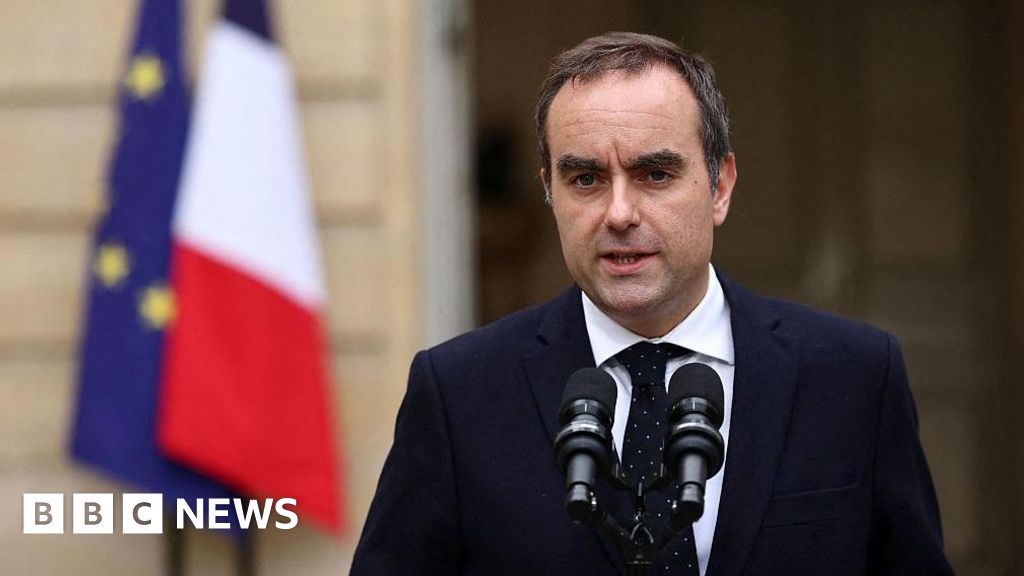
The recent developments in France signify a critical juncture in the nation’s political landscape, with President Emmanuel Macron poised to name a new prime minister within the next 48 hours, as confirmed by the Elysee Palace. This move comes amidst escalating political division following snap elections in July 2024 that failed to produce a clear parliamentary majority. Since then, France has been mired in a political stalemate, with successive prime ministers, including Sébastien Lecornu, struggling to steer the country through its daunting economic and social crises. Historians warn that such persistent instability could erode France‘s influence within the European Union and compromise global efforts to address economic and security challenges.

This internal crisis, driven by an inability to form a cohesive government, masks the deeper problems that threaten France’s future trajectory. The nation faces mounting debt—€3.4 trillion, nearly 114% of its GDP—placing it behind only Greece and Italy within the eurozone. Previous governments have failed to implement sustainable reforms, often ousted after presenting austerity budgets that were politically unfeasible to pass. Now, with Macron’s coalition fractured and factions on the far right and left voicing extreme demands—including calls for fresh elections and Macron’s resignation—the question arises whether France can stabilize or if it teeters on the brink of deeper chaos. Analysts from the European Economic Review suggest that ongoing fiscal turmoil and ideological rigidity could weaken France’s position on the global stage, emboldening rivals and destabilizing regional alliances.

The international geopolitical impact of France’s internal disarray extends beyond its borders. As a core member of the European Union and a nuclear power, France’s stability is crucial for European security architecture and its role as a mediator on the world stage. Geopolitical strategist Dr. Marcus Bell points out that the declining authority of Macron’s government may lead to a shift in regional balances, with the potential rise of populist and nationalist movements pushing an inward-looking agenda. This political fragmentation could impair Europe’s collective response to emerging threats, such as instability in Eastern Europe, rising Russia-China alliances, and the ongoing global competition for influence in Africa and the Middle East. As some international organizations warn, “a divided France may embolden adversaries,” particularly amid crises testing the resilience of Western democracies.

Meanwhile, within France, leaders are increasingly aware of the stakes.

  • Far-right leader Marine Le Pen has reiterated her stance against the current government, vowing to prevent the formation of any new administration and demanding fresh elections.
  • Left-wing factions, exemplified by Mathilde Panot, are pushing for the resignation of Macron, citing constitutional failures and systemic discontent.

Ever more apparent is the divergence between political factions, as Macron’s once steady leadership appears increasingly isolated. The international community watches with cautious concern, recognizing that the outcomes in France will influence the broader geopolitical landscape. As Macron navigates this turbulent period—a moment historians may later regard as a turning point—the weight of history lingers, awaiting the next chapter to be written. How France’s leaders choose to act now may very well determine whether the nation emerges stronger from these shadows or descends into a period of unprecedented chaos, echoing through the annals of history for generations to come.

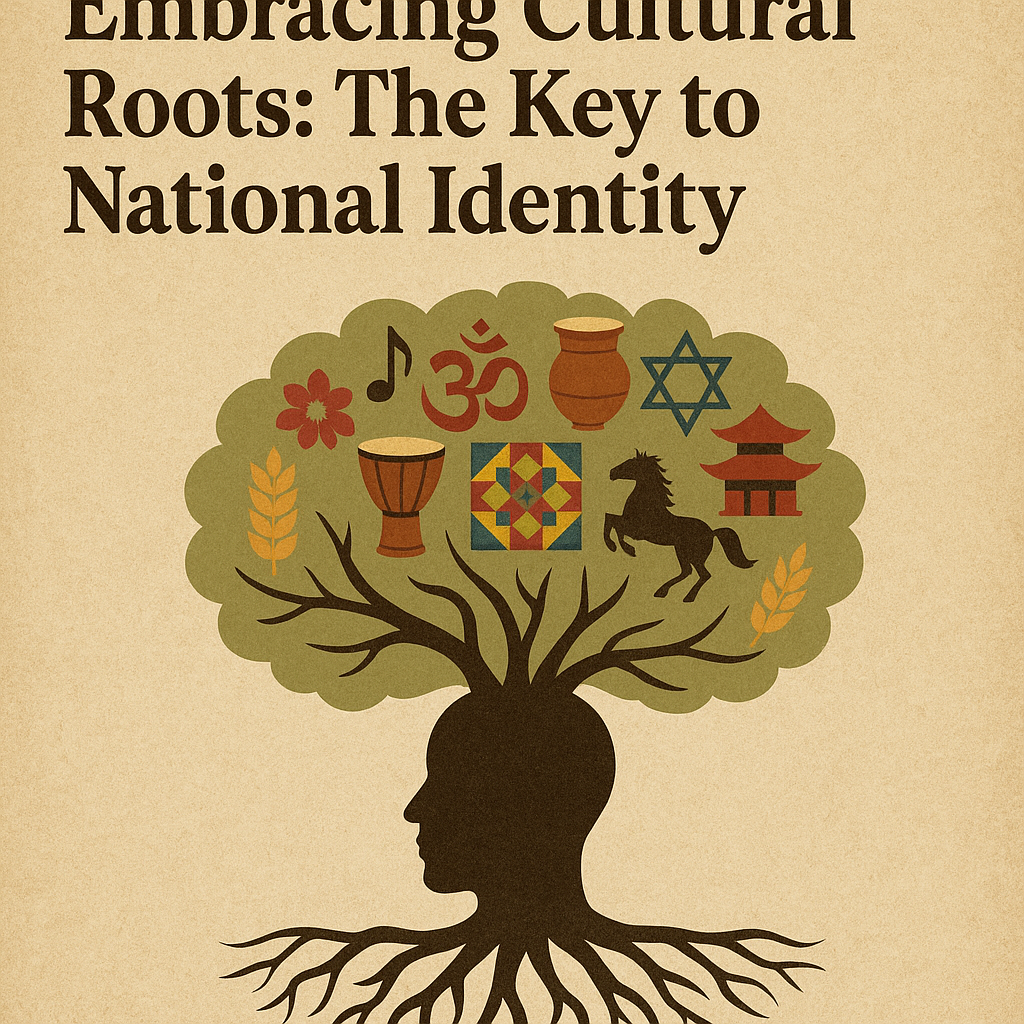
Embracing Cultural Roots: The Key to National Identity

In an era characterized by relentless globalization and technological upheaval, the significance of cultural roots as the foundation of national identity cannot be overstated. Critics argue that the rapid spread of Western ideals and the homogenization of cultures threaten the unique traditions that define a nation’s soul. Historically, nations have thrived by nurturing their distinct cultural narratives—whether it be the resilience of Japan’s samurai ethos or the enduring spirit of European renaissance. These cultural elements serve not merely as relics of the past but as living conduits of collective memory, shaping a nation’s worldview and guiding its future trajectory.

Economists such as George Friedman and Samuel Huntington emphasize that a strong national identity rooted in cultural heritage fosters social cohesion and resilience in times of crisis. When citizens share a common understanding of their history, values, and traditions, they are more inclined to unite against external threats and internal divisions. The erosion of this shared cultural fabric, critics warn, paves the way for fragmentation and a loss of sovereignty. As Huntington suggested in his seminal work The Clash of Civilizations, the future geopolitical order depends heavily on how well nations preserve their unique cultural identities amidst the external forces seeking to erase them.

Reclaiming cultural roots does not imply a retreat into insularity, but rather an empowering recognition of diversity within a shared national narrative. It involves championing traditional language, customs, and histories as vital components that shape a sense of purpose and belonging. Movements advocating for the preservation of indigenous languages, regional histories, and cultural practices highlight a collective desire to resist cultural dilution. Furthermore, embracing one’s heritage fosters a youthful sense of pride and authenticity, crucial for inspiring future generations to carry forward their cultural legacy. Such efforts often generate innovative cultural rebirths that bridge old traditions with modern realities, thus enriching the national tapestry rather than impoverishing it.

Amidst these developments, policymakers and cultural leaders must acknowledge that preservation and innovation are not mutually exclusive. The challenge lies in cultivating a balanced approach where cultural roots are celebrated and revitalized without becoming an obstacle to progress. As historian Yuval Noah Harari notes, humanity’s greatest achievements have often sprung from a profound understanding of shared stories and myths—a testament to the enduring power of cultural narratives. When a nation recognizes its cultural origins as a source of strength rather than chain, it embarks on a journey towards a resilient, authentic identity that can weather the storms of modern change. It is within this sacred act of remembrance and renewal that the true essence of a nation endures, whispering through the ages as a timeless echo—a reminder that, in embracing our roots, we embrace the very foundations upon which our future is built.”

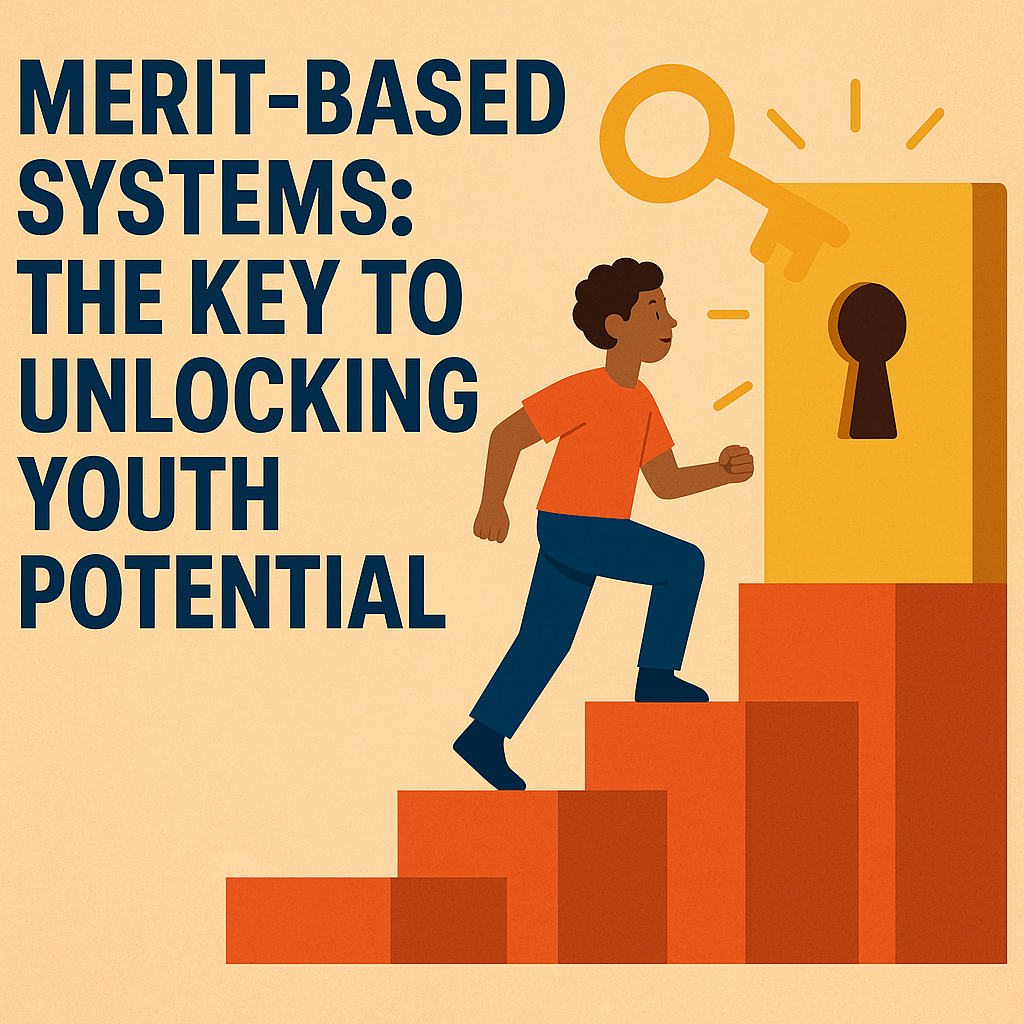
Merit-Based Systems: The Key to Unlocking Youth Potential

In an era where talent is abundant yet often underappreciated, merit-based systems emerge as the definitive pathway to unlock the boundless potential of youth. Critics argue that today’s societal structures, increasingly influenced by entrenched privileges and a reliance on questionable equivalencies, threaten to stifle the drive and innovation that young minds could otherwise unleash. Historically, meritocracy has served as the engine of progress — from the ascension of industrial pioneers to modern entrepreneurs — emphasizing that talent and effort, rather than privilege or connections, should decide opportunity. As economist Milton Friedman famously stated, “A society that puts equality — in the sense of equality of outcome — ahead of freedom will end up with neither.” Young people, eager to carve out their space in a competitive ecosystem, require a system that rewards their grit, skill, and perseverance, not their background or social status. Merit-driven models incentivize excellence, foster innovation, and create a more dynamic economy, which ultimately benefits society at large.

Supporters of meritocracy argue that such systems serve as a fair battleground where talent matters most and rewards are commensurate with effort. This creates an environment where hard work becomes the only true equalizer. Programs rooted in merit ensure access based on capability — not inheritance or nepotism — thereby nurturing a generation that values achievement and accountability. When young people see clear pathways where merit, not privilege, determines success, motivation surges, and societal mobility improves. Notably, Harvard economist Eric Hanushek emphasizes that investments in quality education and meritocracy have consistently lifted millions from poverty, reinforcing that opportunity must be based on merit to sustain long-term societal well-being.

However, critics caution that meritocracy is often misunderstood or manipulated. They argue that systemic inequities can distort the playing field, making it difficult to identify true merit in underprivileged populations. Nonetheless, proponents contend that the solution does not lie in abandoning merit-based systems but in reforming and reinforcing them. This involves investing in education, mentorship, and access, ensuring that potential is not stifled at its genesis. Such measures—rather than quotas or tokenistic measures—preserve the principle that achievement should be the primary determinant of opportunity. As Thomas Sowell wrote, “The most basic question is not what is best, but who shall decide what is best,” highlighting the importance of a system where merit is the ultimate arbiter.

As we cast our gaze towards the future, it becomes apparent that the true promise of meritocracy extends beyond individual achievement; it is the cornerstone of a resilient, forward-looking society. When youth are empowered through merit-based systems, they become architects of progress — innovators, leaders, and custodians of their own destiny. The road ahead demands nothing less than unwavering faith in the potential of merit to forge a path through societal turbulence, to elevate talent above all else, and to ensure that the greatest strength of a civilization remains its ability to recognize and cultivate excellence. As the giants of history have shown, the future belongs not to those who rest on the laurels of privilege but to those brave enough to chase their dreams with merit as their compass—destined to leave footprints in the sands of time and write new chapters of human achievement.”

Free Markets: The Key to Youth Empowerment


The concept of free markets often elicits robust debate, particularly regarding their implications for youth empowerment. Proponents argue that fostering free-market principles allows individuals, especially the younger generation, to harness economic opportunities, exercise personal agency, and drive innovation. As the complexities of the modern economy evolve, many suggest that empowering youth through free-market mechanisms can yield compelling benefits not only for individuals but also for society as a whole.

One of the most significant advantages of a free-market economy lies in the opportunities it presents for entrepreneurship. A youth that is equipped with the ability to start and grow businesses enjoys the chance to create jobs, solve societal issues, and contribute to economic development. According to the Global Entrepreneurship Monitor, young entrepreneurs are often more innovative than their older counterparts. In an unfettered market, young individuals can bring fresh ideas to the table, unbound by the traditional limitations of older market players. This empowerment through entrepreneurship is pivotal in fostering a culture of responsibility and self-sufficiency.

Furthermore, free markets tend to create an environment conducive to competition, which can lead to lower prices and improved quality of goods and services. For youth entering the job market or seeking specific products, this competitive landscape can enhance choices. Critics often argue that the free market exacerbates inequality; however, evidence shows that efficiency and innovation arising from competition can open pathways for disadvantaged youth to enhance their skills and access better opportunities. A more competitive market can serve as a democratizing force, allowing young people to break into industries that may have seemingly been off-limits.

Moreover, the advent of technology has been a game-changer in empowering youth through free markets. The digital economy functions largely on principles of free-market competitiveness, enabling young individuals to capitalize on their skills and creativity. Platforms such as Etsy and Teespring allow aspiring artists and designers to sell their products with relative ease. Remote work opportunities facilitated by gig economy platforms enable youth to gain experience and earn income while balancing education and other commitments. Such advancements showcase the powerful intersection of technology and free-market principles in empowering the next generation.

However, the question arises as to whether free markets alone can adequately address the systemic barriers faced by many young individuals. Critics point towards issues of economic disparity, student loan burdens, and the rising cost of living as significant obstacles. While free markets can provide opportunities, they must be coupled with supportive policies and education that foster adaptability and resilience among youth. This includes investing in educational programs that emphasize not just academic knowledge, but also practical skills that align with market demands.

With the growing recognition of mental health and well-being, it is crucial to understand that the empowerment derived from free markets should also consider the well-being of young individuals. A solely profit-driven approach could lead to burnout and dissatisfaction. Many argue that integrating corporate social responsibility into business models can provide a balanced framework that uplifts youth. Companies that prioritize mentorship, apprenticeships, and wellness initiatives can greatly enrich the free-market ecosystem by investing in the human capital that constitutes its future.

The argument for free markets as a vehicle for youth empowerment is particularly relevant in the context of global trends such as globalization and digital transformation. Young people today are adapting to rapid changes and competing with their peers worldwide. To navigate this landscape successfully, a strong foundation in free-market principles can equip them with the tools to thrive. It fosters not just a sense of agency but also a spirit of innovation and adaptability, essential traits for success in the 21st century.

In conclusion, while free markets are not a panacea for all challenges faced by young people, they represent a significant avenue for empowerment. By enabling entrepreneurship, enhancing competition, and leveraging technology, free markets can help foster a generation that is ready to tackle the complexities of a continuously evolving economy. When paired with thoughtful policies and an emphasis on workers’ well-being, free markets can create a fertile ground for the youth to not just envision their futures but actively shape them. For a forward-looking society, investing in the potential of youth through free markets holds the promise of a more dynamic and innovative future.

Understanding the Respect for Marriage Act’s key details for young voters

The recent unity demonstrated between Republican and Democratic lawmakers to safeguard same-sex marriage marks a significant shift in the American political landscape. Historically, these two parties have often stood on opposite ends of cultural and legislative debates, yet in this instance, shared concerns over the potential destabilization of marriage rights have catalyzed bipartisan cooperation. The image of legislators rallying to defend a core social institution highlights how power struggles in Congress are increasingly influenced by public sentiment and constitutional interpretations. This alliance emphasizes a recognition that values held by the people, especially around family and identity, remain deeply intertwined with political legitimacy.

At the heart of this debate lies the judicial activism of the Supreme Court, which has raised fears among advocates of traditional institutions and certain constitutional scholars who draw parallels to historical court overreach. Critics argue that the current federal judiciary may be veering away from the original intent of the Constitution, asserting that the Court’s role should be confined within a strict interpretative framework. Notably, constitutional theorists like Robert Bork and the originalists echo sentiments warning against unwarranted judicial expansion, emphasizing that marriage laws are culturally rooted and not merely legal constructs to be redefined at the Court’s whim. Consequently, the bipartisan effort to protect same-sex marriage acts as a bulwark against what some see as the Court’s encroachment into social fabric—the ultimate battle between judicial activism and popular sovereignty.

This power struggle has profound implications for the people’s sovereignty. When legislation is threatened by an overreaching judiciary, it reflects a deeper clash over who holds the ultimate authority: the elected representatives of the people or appointed judges interpreting law in a way that can upend societal norms. As seen in historical parallels such as the debates surrounding Brown v. Board or the Supreme Court’s decisions on civil rights, the outcome of such conflicts often shapes national destiny. Political leaders now face the challenge of balancing constitutional fidelity with the will of their constituents—each decision, each legislation, becoming a stroke on the canvas of history. The current bipartisan move to protect marriage rights echoes the age-old narrative: the struggle for control over defining societal values lies at the heart of political power.

In essence, politics remains the stage where destiny is written, a continuous interplay where power, ideology, and societal values collide and collide again. Today’s debate over marriage rights exemplifies how decisions in the corridors of power ripple outward, directly shaping individual lives and collective identities. Whether this unity persists or fractures under future political winds, the underlying truth endures: the battle for the nation’s soul is ongoing, and in that battle, history’s pen remains mightier than ever. Ultimately, politics is not merely a game of numbers or policy—it is the forge where the future itself is tempered, contesting the essence of what it means to be a society and a people destined for their own unfolding story.

Social Media Auto Publish Powered By : XYZScripts.com