

UK Political Landscape Faces New Shifts Amid Potential Peerages and Strategic Alliances
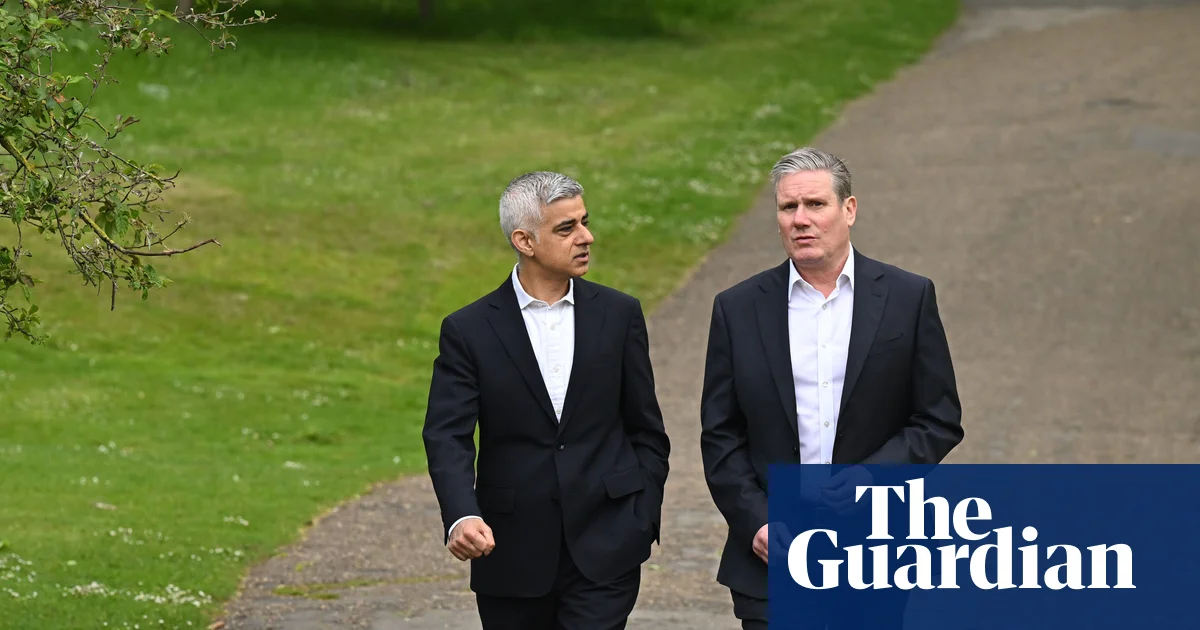
The United Kingdom continues to navigate a turbulent political terrain, with recent speculation surrounding Sadiq Khan, London’s mayor, and the broader implications for the country’s internal power structures. While reports suggest that Khan could join Keir Starmer’s cabinet as a peer, officials from Downing Street dismiss such discourse as mere speculation, emphasizing that no official decision has been made. The possibility of Khan maintaining his mayoral role while entering the House of Lords raises questions about the consolidation of political influence, especially as the UK prepares for critical elections across England, Scotland, and Wales this May. The outcome of these votes will not only determine domestic governance but will ripple across the international arena, influencing the UK’s diplomatic stance and regional interventions.
Historically, the appointment of peers has served as a strategic tool for political parties to extend influence within the House of Lords, a chamber that remains a key battleground in legislative processes. Analysts note that recently, Labour leader Keir Starmer has actively expanded the chamber, creating 96 new peers since taking office—65 of whom are affiliated with Labour. This move appears calibrated to enhance legislative efficiency and counterbalance the Conservative majority, which itself is reinstating hereditary peers as part of a broader effort to reshape the chamber’s composition. Such decisions underscore a shift towards a more managed, strategic influence that could have far-reaching effects beyond British borders, particularly as the UK seeks to influence international policy through its legislative stances and diplomatic initiatives.
On the global stage, developments within UK politics reflect a broader pattern of managing internal power dynamics to project strength and stability internationally. The shifting makeup of the House of Lords exemplifies how nations manipulate their internal institutions to adapt to new political realities. It could also signal to allies and adversaries alike that traditional British institutions remain resilient, adaptable, and capable of strategic recalibration in uncertain times. As historians and international analysts observe, such institutional shifts often serve as warning signs of impending political recalibration, which can influence the UK’s role in global affairs—from trade negotiations to security alliances.
In conclusion, the possible political maneuvers involving Sadiq Khan and the ongoing reshaping of the House of Lords illustrate a nation deeply engaged in balancing internal stability with external influence. The decisions taken in Westminster—whether to elevate figures like Khan or to reinstate hereditary peers—will not only impact domestic policy but also shape the UK’s position on the world stage for years to come. As history continues to unfold, the weight of these internal conflicts and strategical moves hang heavy, reminding the world that in the realm of geopolitics, the sovereignty of a nation is often forged in the crucible of its internal struggles.






