Matox News

Truth Over Trends, always!

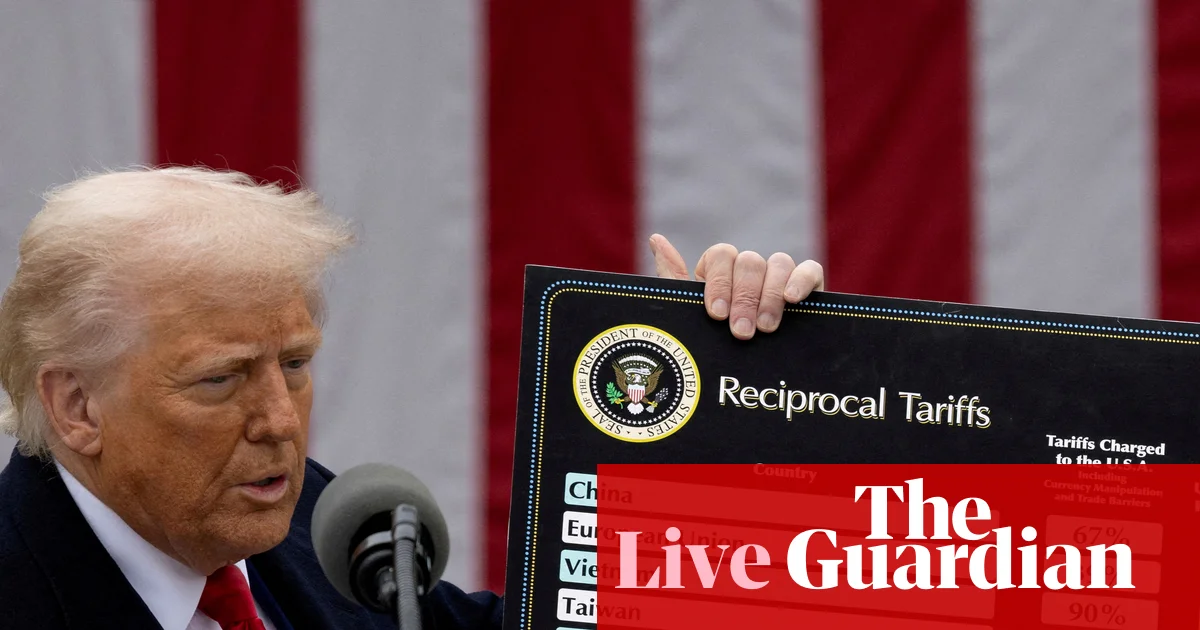
Trump’s new tariff refund plan kicks off way to pay back billions—US Politics Update

The United States continues to exert profound influence on the global stage through its evolving policies, particularly under the recent actions of the Trump administration. The administration’s decision to establish a portal for tariff refunds represents a significant legal and economic shift, following the Supreme Court’s ruling that questioned the constitutional authority of the government to impose over $166 billion in tariffs. This move, aimed at reimbursing American importers who paid tariffs later invalidated, signals a contentious redefinition of trade and fiscal policy that resonates far beyond U.S. borders. International observers, including analysts from the International Monetary Fund and seasoned historians, warn that such unilateral policy adjustments could unsettle global trade networks and diplomatic relations, especially in volatile regions like the Middle East and Asia.

In an era punctuated by rising geopolitical tensions, the recent U.S. seizure of an Iranian cargo ship near the Strait of Hormuz sent ripples through worldwide markets. Oil prices surged by 4.8%, reaching nearly $95 a barrel, as markets responded to the U.S. assertion of authority in the strategically vital shipping lane. This move, compounded by escalating U.S.-Iranian hostilities, has cast shadows over the prospects of a lasting ceasefire and encouraged countries dependent on Middle Eastern energy supplies to reconsider their energy strategies. European stock markets faltered as traders grappled with the unstable outlook, illustrating a direct geopolitical impact caused by the U.S. demonstration of military and economic resolve. The decision underscores how power struggles and strategic military acts in the Middle East are driving global economic volatility, further destabilizing a fragile world economy seeking equilibrium amid the wave of new alliances and fractures.

Meanwhile, domestic U.S. political debates regarding Section 702 of the Foreign Intelligence Surveillance Act (Fisa) highlight ongoing concerns about privacy and national security. Both chambers of Congress faced a tight deadline to negotiate reforms on this contentious provision, which permits the collection of foreign communications without warrants. Such debates are reflective of broader geopolitical tensions: American lawmakers grapple with balancing civil liberties in an era of aggressive foreign surveillance, especially as impacts ripple into international relations. The inability of leaders like John Thune and Mike Johnson to reach consensus indicates a polarized environment, with implications that extend well beyond U.S. borders. As commentators like analysts from the Council on Foreign Relations suggest, these internal policy disputes could influence global perceptions of U.S. stability and strategic consistency, thus shaping alliances and deterrence capabilities for years to come. The narrative unfolding in Washington and beyond leaves the world perched on the edge of further upheaval, as the history of this era remains unwritten but profoundly consequential.

Bangladesh kicks off measles vaccination to protect kids amid rising death toll

The recent surge of measles in Bangladesh marks a troubling chapter in the nation’s ongoing struggle to safeguard its children and maintain societal stability. With more than 100 lives lost and over 900 confirmed cases since March, this outbreak reminds us that public health is intertwined with the socio-political stability of a community. Despite having made significant progress—from a mere 2% vaccination rate in 1979 to over 81% today—the country’s current crisis reveals that gaps in social and healthcare infrastructure still threaten the wellbeing of its youngest citizens. The resurgence underscores how fragile advancements can be when political turmoil and mismanagement disrupt essential services, particularly in a nation burdened by demographic disparities and economic challenges.

This outbreak highlights profound implications for families, education, and communities. As vulnerable children—particularly those under six months who are no longer eligible for routine vaccination—become the most at risk, the social fabric faces the peril of a generation scarred by preventable illness. The disparities in vaccine coverage reveal deeper societal issues: regions with resource shortages and administrative gaps, which are often tied to broader political instability, fail to reach every child. As sociologists like Samuel Huntington have emphasized, social cohesion depends on the capacity of governments to deliver fundamental services. When this capacity falters, the ripple effects threaten to dismantle the very foundations of community trust and national stability.

In response, Bangladesh’s government, in partnership with international agencies like the United Nations, has launched an emergency vaccination drive targeting children aged six months to five years. Such efforts are vital, but they underscore the urgent need for consistent, long-term investment in healthcare infrastructure. As Rana Flowers, a UNICEF representative, points out, the “resurgence highlights critical immunity gaps,” which are exacerbated by political turmoil, including recent protests and upheavals that have delayed vaccine procurement and intervention campaigns. These disruptions do not only threaten immediate health outcomes; they catalyze a cycle of social and economic instability, revealing that public health initiatives must be resilient and adaptive to political and social shifts.true

The situation in Bangladesh serves as a stark reminder that social issues—be they political unrest, economic disparity, or infrastructural shortcomings—are deeply interconnected with the health and education of future generations. As the global community observes this resurgence, it becomes clear that the task of rebuilding social trust extends beyond mere vaccination campaigns. It calls for a comprehensive approach—empowering families, strengthening local communities, and restoring faith in institutions. For the health of society itself, hope lies in the society’s collective will to recognize that social resilience is the bedrock upon which progress is built—and only through perseverance and unity can the shadows of disease be dispelled, illuminating a future where every child can thrive free from preventable ailments.

Rising Stars Shine as Local Youth League Kicks Off Exciting New Season

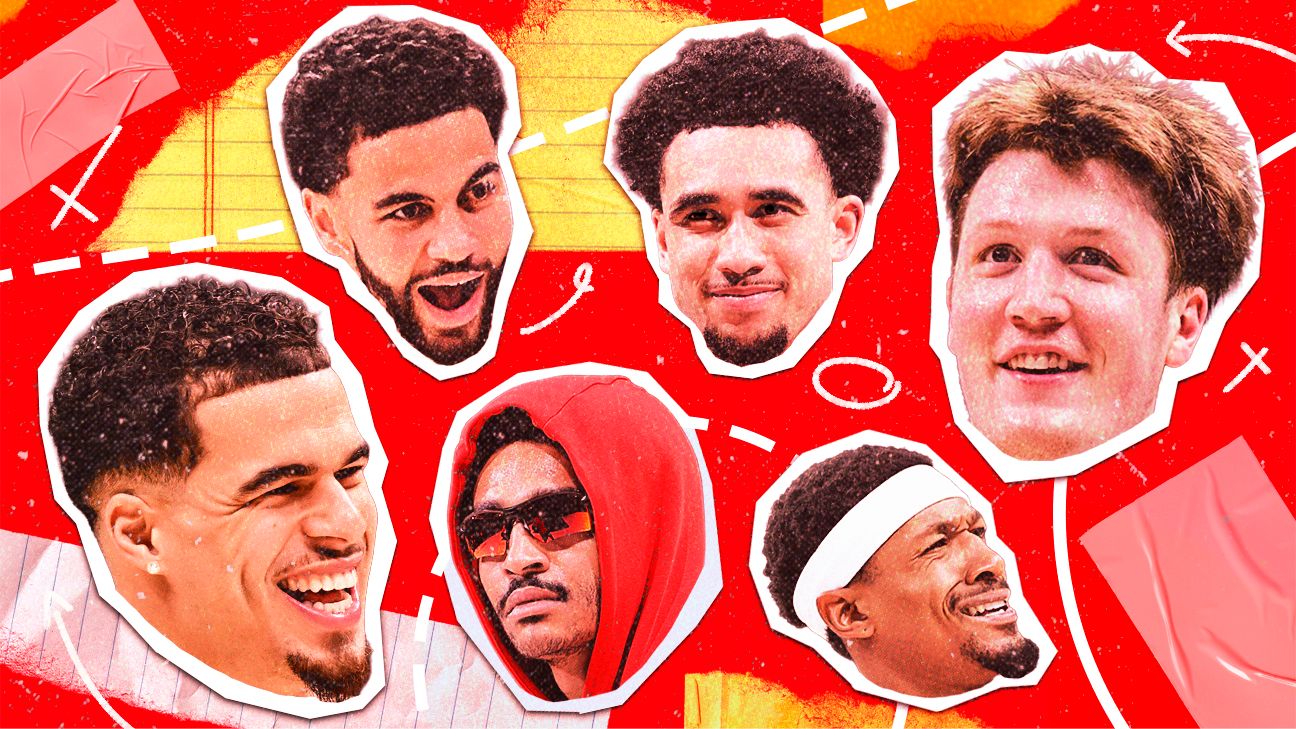
NBA Moves: A New Direction for Teams

The NBA offseason has been a whirlwind of trades and signings, capturing the attention of fans and analysts alike. One of the most talked-about potential moves is Bradley Beal landing with the Los Angeles Clippers. This acquisition could dramatically shift the balance of power in the Western Conference, bringing Beal’s elite scoring and playmaking ability to an already talented roster. The Clippers, led by head coach Tyronn Lue, are eager to make a deep playoff run after their recent struggles.

In a surprising twist, rookie guard Jared McCain is rumored to be heading to the Oklahoma City Thunder. This move has polarized fans and experts alike, with many questioning whether McCain can adapt to the demands of the NBA. Nevertheless, Thunder’s head coach Mark Daigneault is optimistic about McCain’s potential, citing his high basketball IQ and work ethic. Professional commentator Stephen A. Smith remarked, “This young blood could be the spark the Thunder need to shake off their rebuilding phase.”

Top Moves of the Offseason

  • Beal to the Clippers – Potentially a game-changer in the West.
  • McCain to the Thunder – A gamble that could pay off big for OKC.
  • More trades on the horizon – Expect teams to be aggressive as the season approaches.

Critics have ranked the offseason’s best and worst moves, recognizing the risks involved but also the dynamic potential these trades carry. The marriage of superstar talent with fresh, young rosters could lead to dramatic changes in team dynamics and league standings. As we approach the new season, discussions heat up around how these stars will mesh and compete for the elusive championship.

As the dust settles from these trades, one thing becomes clear: the heart of sports is not just found within statistics or team uniforms—it’s rooted in the shared narratives and experiences that unite fans. As Bradley Beal dons a Clippers jersey and Jared McCain takes his first steps in a Thunder uniform, they carry the hopes and dreams of their cities. In a world divided by many factors, sports remain a universal language, bringing together young and old, North and South, around a shared love for the game.

Source link

AI influencer awards season kicks off—who’s leading the future?

Changing the Game: AI Influencers Take Center Stage in Digital Economy

The emergence of the AI influencer economy has transitioned from a niche curiosity to a disruptive force reshaping the digital landscape. Recently, the industry has announced its latest milestone: the inaugural AI Personality of the Year contest, created through a strategic alliance between OpenArt, a leading generative AI studio, and the innovative Fanvue platform. Backed by AI voice pioneer ElevenLabs, this competition symbolizes a significant evolution—highlighting how disruption in virtual influence is now mainstream.

The contest aims to recognize the creative talent behind AI-driven personas, emphasizing the commercial and cultural influence these virtual characters now wield. With a total prize pool of $20,000, contestants are competing across categories like fitness, lifestyle, comedy, and even fictional fantasy personalities. The organizers are positioning the event as the “‘Oscars’ for AI personalities,” signaling the industry’s blowout push into mainstream recognition and prestige. Such initiatives are indicative of a broader trend: AI influencers are transforming from quirky experimental projects into valuable assets that can redefine branding, advertising, and entertainment industries at their core.

This development raises crucial business implications. Tech giants and startups alike are investing heavily in AI-powered virtual personas that not only generate revenue but also deepen consumer engagement. The growing reliance on AI influencers introduces new dynamics in marketing, allowing brands to target highly curated virtual ambassadors who can operate 24/7, adapt in real-time, and foster authentic-seeming connections. However, this also raises critical issues concerning transparency and accountability. Despite the contest’s claim to celebrate creativity anonymously, critics warn of potential misuse. The space already faces challenges from false personas and fabricated stories—examples include the controversial AI rapper Danny Bones and MAGA-aligned AI characters, which undermine trust in digital content and pose ethical quandaries about authenticity in a synthetic age.

Industry Disruption and Future Outlook

As industry analysts from Gartner and MIT observe, the rapid evolution of AI-driven personas signals a paradigm shift in digital entertainment, marketing, and even political influence. The ability to craft believable, engaging virtual characters at scale unlocks unprecedented opportunities, but also calls for stricter regulation and industry standards. The fact that creators can remain anonymous may seem like a protective measure but complicates accountability when AI personas are exploited for grifts or manipulative agendas.

Looking ahead, the implications are clear: the virtual influence economy is only in its infancy. Key players like OpenArt and Fanvue are establishing infrastructure that could dominate the next wave of digital engagement—one where AI personalities become central to branding, entertainment, and even political campaigns. The deployment of such technology by major corporations and entrepreneurs signals a future where virtual personas are not just supplementary but essential components of the business ecosystem. As the industry accelerates, those who harness AI’s disruptive potential with innovation and strategic foresight will lead the charge into a new digital frontier—one where authenticity is redefined in the age of synthetic competitors.

Next Gen Stars Shine as High School Sports League Kicks Off Exciting Season!

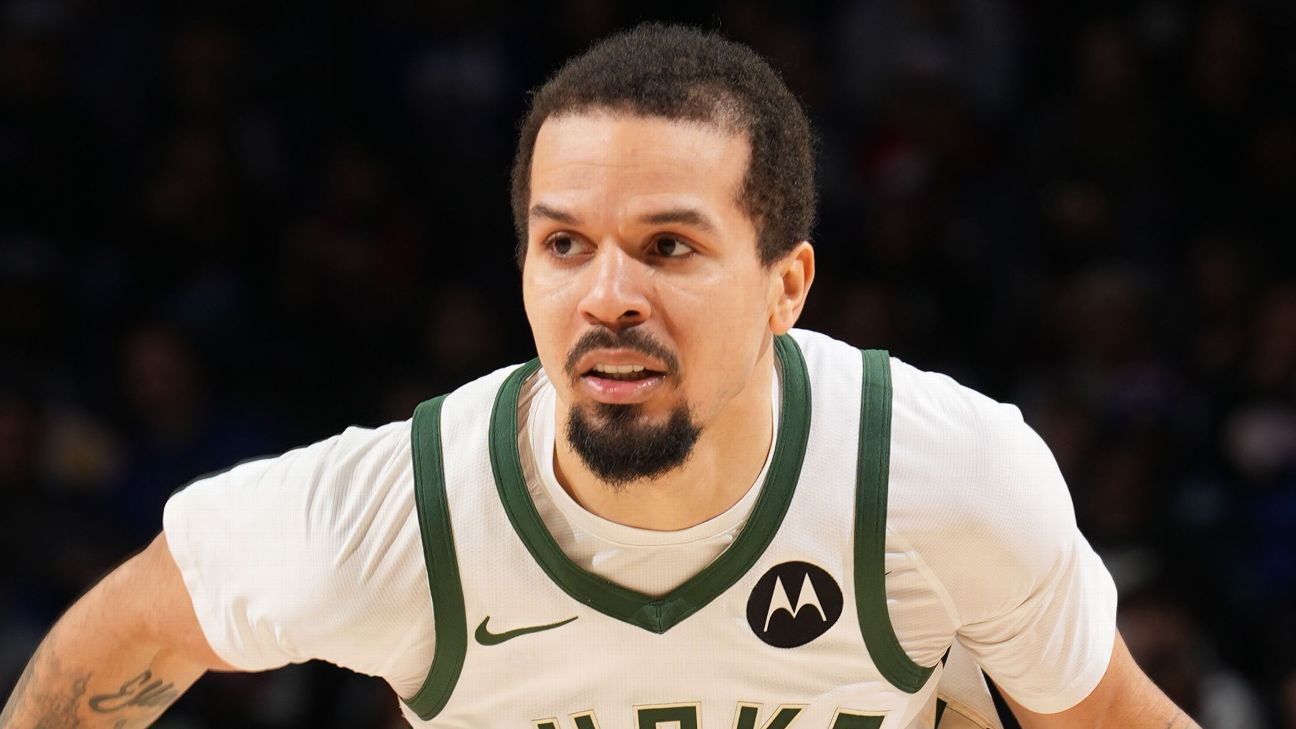
NBA Trade Rumblings: Cole Anthony’s Departure from the Phoenix Suns

In a surprising move that has sent shockwaves through the sports community, Cole Anthony has been waived by the Phoenix Suns. According to a report from ESPN’s Shams Charania, the guard has not stepped onto the court since being acquired at the NBA trade deadline. This decision raises questions about not only Anthony’s future but also the Suns’ overall strategy as they head deeper into the season.

Despite his potential, Anthony’s inability to make an impact on the Suns’ roster has drawn criticism from various commentators, including former player and analyst Richard Jefferson, who remarked, “It’s always tough to see talent not utilized, but this shows the competitive nature of the league.” The Suns have been seeking a cohesive unit, and Anthony’s absence from gameplay has hindered their chances for a playoff push. His time in Phoenix was marked by high expectations, but clearly, the organization felt that it was time to move on.

The implications of this move extend beyond just one player. Fans and analysts alike have their eyes on the Suns as they seek to recalibrate their season. Monty Williams, the head coach of the Suns, will need to rally his squad and find a way to fill the gap left by Anthony. The Suns have a talented roster, yet consistency has been elusive. As the team navigates these turbulent waters, they will rely on their core players to step up.

  • Anthony was acquired during the NBA trade deadline.
  • He did not play a single game for the Suns.
  • This waiver could open the door for other players to shine.
  • The Suns remain focused on improving their postseason prospects.

As the dust settles from this unexpected waiver, it is essential to remember that sports transcend beyond mere numbers on a scoreboard. They unite fans, foster communities, and ignite passions. As the Suns redefine their path forward, they embody the spirit of resilience, a force that continues to remind us that, in sports as in life, it’s not just about winning or losing. It’s about how we stand together through every challenge, lending strength to our shared dreams.

Source link

“Nice kicks, mate: We take a spin on the brick-sized £199 Lego Crocs – the latest in youth street style”

When Fashion Meets Function: The Rise of Lego Crocs as a Social Phenomenon

In the ever-evolving realm of youth fashion and lifestyle trends, a new contender has emerged that challenges our conventional notions of style and comfort: Lego Crocs. These kitschy, oversized rubber clogs, priced at a hefty £199, are more than just footwear—they are a cultural statement that taps into a broader societal shift toward embracing the absurd, the playful, and the anti-establishment. Originating from niche influencers and social media daredevils, Lego Crocs have captured the imagination of young trendsetters eager to blur the lines between practicality and performance art.

What makes Lego Crocs a cultural impact worth analyzing is their role as both a viral sensation and a reflection of a collective desire for authenticity in an increasingly curated digital world. The creator behind these prototype shoes, for example, tested their limits navigating the urban jungle of London in what he humorously described as “portable Jenga towers” strapped to his feet. His candid accounts of navigating buses, being photographed during his park strolls, and ultimately realizing that these monstrous shoes are less about fashion and more about making a statement—highlight how deeply social media has elevated apparel into a form of performative art. Influencers like Anna Gordon of The Guardian have captured the vivid reality of this trend, illustrating how these shoes serve as a literal and figurative platform for satire, social commentary, and youthful rebellion.

And yet, beneath the humor lies a deeper social relevance. Young people today are increasingly driven by a need for originality—something that stands out in an oversaturated media landscape. The Lego Crocs symbolize this desire, turning footwear into a conversation piece and a symbol of identity beyond traditional fashion norms.

  • They challenge the notion of practicality, prioritizing boldness and self-expression.
  • They serve as a deterrent to conformity, inviting awe and mockery.
  • They create a shared experience among youth, fostering communities centered on humor, innovation, and spectacle.

Social commentators and sociologists are now analyzing this phenomenon through the lens of cultural resistance. The trend’s visibility among influencers on TikTok, Instagram, and Twitter underscores its significance, inspiring a new wave of “statement footwear” that champions absurdity as beauty. Critics, however, warn of the risk of fashion devolving into mere spectacle, where form often trumps function—highlighting a compelling question: Is this shift a sign of cultural vitality, or a symptomatic decline in taste? As trends like these accelerate, the next big question remains: will this paradigm of intentional absurdity fuel a genuine shift in fashion, or is it destined to fade as just another fleeting viral joke?

In the end, Lego Crocs exemplify a future where fashion and social commentary merge. Whether these shoes become a staple or remain a niche curiosity, their cultural ripple effect prompts us to rethink how society defines identity and self-expression. If this trend indicates anything, it’s that the next frontier of youth lifestyle may not be garments that last beyond a season, but ideas—bold, playful, and disruptive—that redefine what “style” truly means. The question lingering in our minds: are we witnessing the birth of a new era of rebellious fashion, or simply a passing viral fad that will someday be mocked in hindsight? Only time will tell, but one thing’s clear—these Lego Crocs stand as a bizarre yet captivating mirror to a generation unafraid to challenge convention.”

Rising Stars Shine as Youth Sports League Kicks Off Exciting Season

The Impact of Non-Moves on Playoff Prospects

In the fast-paced world of professional sports, the trade deadline often brings a mix of excitement and disappointment. This year, several teams opted for a quieter approach, raising eyebrows and prompting discussions about their playoff strategies. As teams like the New York Knicks and Denver Nuggets decided against major trades, fans began to question what these non-moves mean for their playoff forecasts.

For many organizations, the decision to not make significant changes stems from a belief in their current roster. Coach Tom Thibodeau of the Knicks commented, “We have a strong core, and the continuity can be beneficial as we head into the playoffs.” This sentiment is echoed across the league, as teams prioritize chemistry over high-profile trades. The challenges of integrating new players mid-season cannot be underestimated, as highlighted by their successful run the previous year, where team cohesion played a vital role in their playoff performance.

  • The Knicks are currently positioned as a dark horse in the Eastern Conference, with key players like Julius Randle and Jalen Brunson showcasing impressive stats.
  • Denver Nuggets maintain their status with superstar Nikola Jokic, whose average of 26 points and 13 rebounds per game is pivotal in their playoff ambitions.
  • In contrast, teams like the Los Angeles Lakers made headlines with stunning trades, but their new roster has yet to gel effectively.

As commentators dissect the financial implications and strategic elements of these decisions, one undeniable fact remains: these players have delivered thrilling moments on the court. Sports analyst Stephen A. Smith remarked, “Consistency can sometimes outweigh the splashy headline; these teams could prove everyone wrong by sticking with what they have.” The success of trusting their core could serve as a testament to the adage that sometimes, silence speaks volumes.

As the playoffs loom, the stakes have never been higher. The atmosphere surrounding these teams has transformed into one of anticipation, proving that while the scoreboard dictates success, it is the unity and resilience of a team that truly defines greatness. It is this spirit that turns a collection of athletes into a family, united by passion and the relentless pursuit of victory. In the grand arena of sports, while we cheer for points and wins, it is the journey—the shared highs and lows—that brings us together as fans.

Source link

Ralph Lauren, the U.S. style icon and poet of fashion, kicks off New York Fashion Week with signature swagger

Once heralded as the poet laureate of American style, Ralph Lauren has long held an iconic place in the pantheon of fashion legends. His brand emerged during the gilded era of the 1980s and 1990s, embodying an America of sportsmanship, vigor, and prosperity—think polished golf courses, classic baseball caps, and the timeless charm of a well-pressed shirt. Now, at the age of 86, Lauren is experiencing a remarkable renaissance, thanks largely to a societal shift that has seen the younger generation crave authenticity, tradition, and a sense of reassurance amid the chaos of today’s cultural landscape.

This resurgence isn’t just about nostalgia; it signifies a broader societal re-evaluation of societal values. Generation Z—those who grew up amid social upheaval, climate anxieties, and a new digital landscape—are turning away from the ultra-casual, street-styled wardrobe that once dominated youth culture. Instead, they are rediscovering the refined, preppy codes that Lauren made mainstream, such as knits, collared rugby shirts, and loafers. This shift reflects a craving for stability and *timeless elegance*—a visual reassurance that tradition and manners still matter. Fashion sociologists note that this return to classic American aesthetics is also an act of cultural reappropriation, reclaiming a sense of opportunity, optimism, and civility in an era often characterized by division.

Under the guidance of CEO Patrice Louvet, Ralph Lauren has harnessed this mood, translating it into a compelling social media-driven marketing strategy. The brand’s digital presence has helped it reconnect with a younger audience, many of whom prefer scrolling through TikTok or Instagram to traditional malls. The result? A consistent aesthetic that maintains familiarity—roughly 70% of products remain similar year after year—yet feels fresh and relevant. From the iconic quarter-zip sweater to the re-embraced loafers, Ralph Lauren’s products embody a tailored sense of American pride. High-profile endorsements from Taylor Swift and Olympic athletes, along with viral campaigns like “Ralph Lauren Christmas,” amplify this aesthetic, turning it into a cultural movement that resonates far beyond the fashion industry.

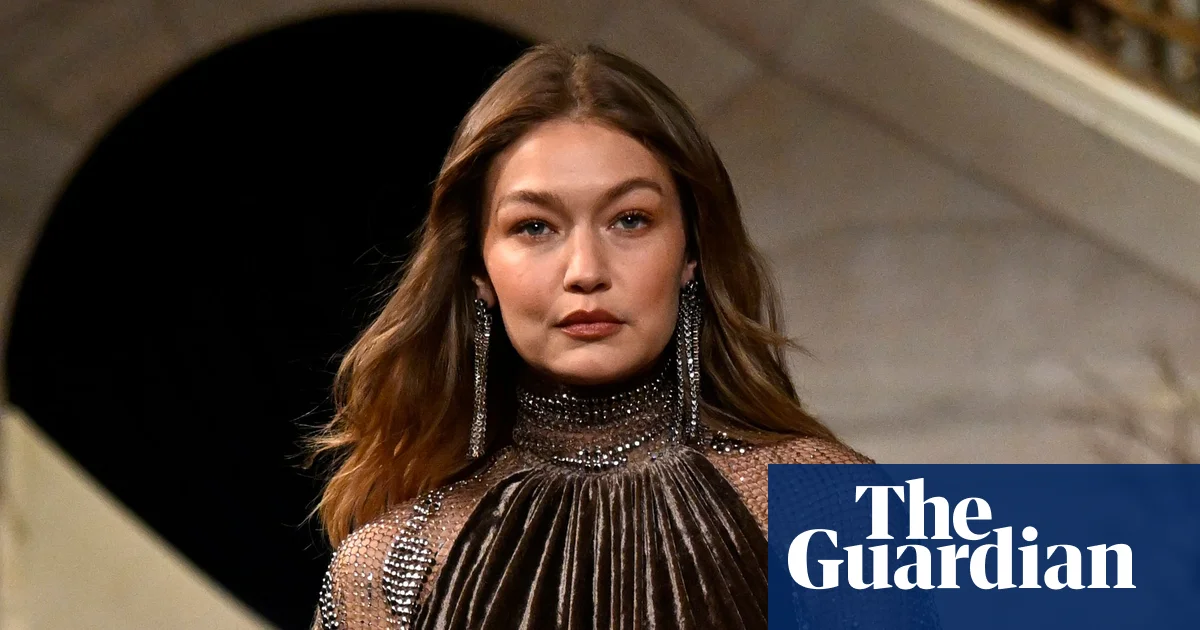
At the recent New York Fashion Week, Ralph Lauren showcased this aesthetic with grandeur, transforming a historic marble palace into a cozy, estate-inspired runway. Models strutted in velvet gowns, tailored evening suits, and layered casual-chic pieces, all designed to evoke the comforting yet aspirational lifestyle that connects the brand’s historical legacy with contemporary sensibilities. This was no ordinary show; it was a statement of how fashion can serve as a cultural anchor—offering beauty and stability in turbulent times. Meanwhile, the brand’s flagship store on Bond Street remains a hub for young consumers, where leather jackets might cost thousands, yet a coffee in the in-house café is just five pounds. Here, the synergy of luxury and everyday comfort becomes a social signature—affirming that high-end fashion isn’t just for the elite but can inspire a shared cultural identity.

Given this compelling cultural shift, the question now becomes: Is this revival of preppy Americana merely a fleeting trend or a fundamental redefinition of youth culture? As designers, sociologists, and marketers watch closely, a true revolution seems to be brewing—one built on nostalgia but rooted in a craving for authenticity, civility, and American optimism. In a world increasingly divided, fashion might just be the next frontier where youth find common ground——a mirror reflecting both the enduring American dream and the hopeful future that lay ahead. The next big question is whether this renewed appreciation for tradition will sustain itself or fade into mere trend hysteria. If history is any guide, it will be fascinating to see whether Ralph Lauren’s timeless signature continues to shape the cultural landscape, or if a new wave will rise, challenging the old guard in unexpected ways.

Rape Trial Kicks Off for Norway’s Crown Princess’s Son Amid Growing Youth Scrutiny

The recent revelations amid Norway’s political landscape have ignited a fierce debate over the role and relevance of monarchy in modern governance, positioning the issue as a critical point of contention in European politics. The leak of email exchanges involving members of the Norwegian royal family has not only exposed what critics consider a disconnect between the monarchy and contemporary societal values but has also cast a spotlight on the broader geopolitical impact of traditional institutions in a rapidly changing world order. This controversy underscores how decisions made within the walls of royal palaces ripple across nations, influencing diplomatic credibility, domestic stability, and public trust.

Leading voices from across the political spectrum have begun to scrutinize the monarchy’s place in Norway’s modern identity. Arild Hermstad, the leader of Norway’s Green Party and a notable republican advocate, stated that the email exchanges reveal a monarchy “that is not working,” pressing for transparency and reform. His comments resonate with a growing global movement questioning whether hereditary rule remains justifiable in wealthy, democratic nations. Analysts from international think tanks suggest that such revelations, if they undermine confidence in traditional royal institutions, could have broader repercussions for European unity. Many believe that the monarch’s continued symbolism as a stabilizing figure is increasingly at odds with an era demanding accountability and reform, especially as traditional monarchical legitimacy faces mounting challenges from rising republican sentiments.

Institutional critics warn that the fallout transcends mere political posturing; it risks altering Norway’s diplomatic posture within the North Atlantic Treaty Organization (NATO) and broader international forums. Historians like Dr. Ingrid Sørensen argue that monarchies historically played pivotal roles in nation-building but now threaten to be relics, especially when their transparency is questioned. The controversy has prompted international organizations, such as The European Union and Human Rights Watch, to weigh in cautiously, intimating that the integrity of political institutions—regardless of their constitutional status—must be preserved against scandals that could undermine social cohesion. As nations grapple with modern governance, the question remains: will traditional symbols of power adapt or be forsaken in the face of reform demands?

In an era defined by urgent global challenges, the unfolding narrative in Norway serves as a microcosm of broader geopolitical shifts. The enduring debate over the monarchy’s role illuminates a larger struggle between tradition and reform that extends across many democracies worldwide. The decisions that emerge from this controversy—whether to reform, retain, or even abolish monarchies—may well determine how a generation perceives authority and legitimacy. As the dust settles, the realization becomes clear: history’s pages are still unfurling, and the outcome of Norway’s internal struggles may influence the future of sovereignty, identity, and power in a world where old institutions are tested by new demands. The story of Norway’s royal scandal is more than a national crisis; it is a chapter in the ongoing saga of evolution and upheaval that defines our times.

Major social media trial kicks off over addiction concerns

In what many are calling a historic turning point in the regulation of digital platforms, the United States has embarked on a landmark legal journey that could redefine the accountability of tech giants like Meta, TikTok, and Google. Starting in California, a high-profile court case pits a 19-year-old woman—identified by her initials, KGM—against some of the world’s most powerful social media conglomerates. The plaintiff accuses these companies of designing algorithms intentionally to foster addiction, causing mental health deterioration among youth, and raising serious questions about the responsibility of social media platforms for societal harms.

  • The lawsuit highlights manipulated design choices—such as algorithmic notifications and content flows—that aim to maximize engagement but at what cost?
  • Defense argues that harms are caused by third-party users, and the platforms are shielded by Section 230 of the Communications Decency Act, which has historically granted tech firms immunity.
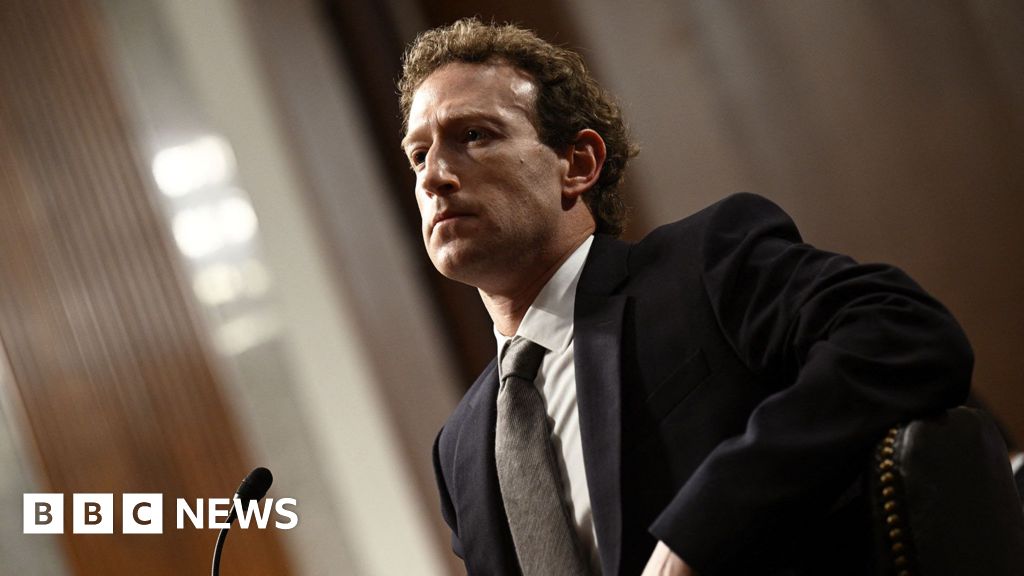
  • Meta CEO Mark Zuckerberg, among other witnesses, is expected to testify, with some experts warning this case could threaten the legal shield that, for decades, has kept tech giants largely unaccountable.

Historians and legal analysts observe that this case marks a *potential* shift in how the US legal system treats the societal impacts of social media, especially as mental health issues linked to digital addiction increasingly dominate public discourse. Prof. Eric Goldman of Santa Clara University warns that a loss could pose an existential threat to these corporations, yet he also underscores the difficulty of proving direct causation between content and physical harm. Meanwhile, international scrutiny intensifies, with Australia enforcing a social media ban for under-16s and the UK hinting at similar measures. These decisions signal a global shift as governments grapple with how to regulate addictive technologies that are deeply embedded within daily life.

Moreover, this legal showdown comes amid mounting demands from families, educators, and officials, fueling an atmosphere where the once-deferential tech industry faces increased accountability. Critics argue that until now, big tech has enjoyed a protective shield, with authorities reluctant to challenge their influence beyond superficial regulation. But the tide seems to be turning. As the court prepares to hear internal documents and testimony from Zuckerberg himself, the case embodies a broader discourse on how decisions made in Silicon Valley reshape societies and the fabric of childhood itself.

As history increasingly weighs the discrepancies between monumental profits and the wellbeing of future generations, the outcome of this trial will echo far beyond California’s borders. Will this be the moment when the power balance shifts, demanding greater oversight and responsibility from those who shape our digital world? Or will the industry’s entrenched influence continue to shield its design flaws under legal protections? In the shadows of these proceedings, the weight of history presses down, a reminder that the unfolding narrative of digital regulation is far from over, and nations across the globe are watching—waiting to see which way the scales will tip.

Social Media Auto Publish Powered By : XYZScripts.com