Matox News

Truth Over Trends, always!

Wagner Group Accused of Cold-Blooded Civilian Killings in Mali

Russia’s Shadow War in Mali: A New Era of Geopolitical Uncertainty

The recent escalation of violence in Mali underscores a profound shift in the continent’s geopolitical landscape, illustrating how foreign mercenary groups like Wagner are redefining global influence and regional stability. Since the military junta seized power in 2021—after ousting the democratically elected government—the country has become an arena for international power plays, with Russia emerging as a major player amid a backdrop of chaos and terror. What was once a fragile State struggling with insurgency has transformed into a battleground for competing interests, where human rights abuses are becoming the dark hallmark of Russia’s covert strategy in Africa.

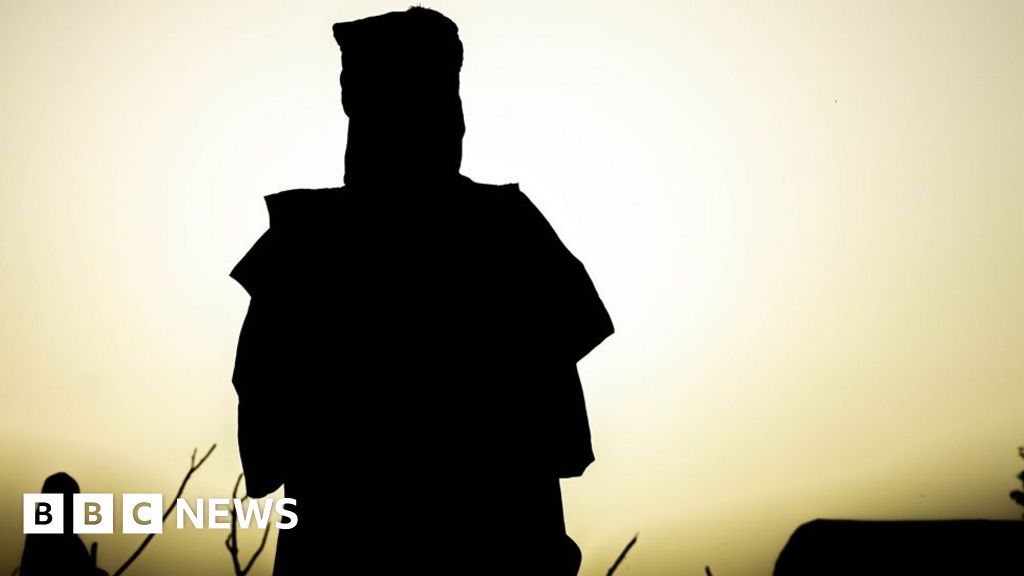
This covert intervention was initially cloaked in the guise of counter-terrorism. However, evidence collected by human rights organizations and the BBC reveals a different reality: a brutal campaign marked by massacres, torture, and lawless violence attributed to Wagner mercenaries. Testimonies from survivors like Ahmed, a displaced shopkeeper, paint a disturbing picture of extrajudicial killings and systematic cruelty. From forcing villagers onto fields to identify supposed jihadists under threat of execution, to executing prisoners in plain sight, Wagner’s tactics are deliberately designed to sow fear, collapse local resistance, and establish Russian influence under the guise of stability. Historians warn that these tactics mirror Cold War-era dirty wars, where proxy armies serve wider geopolitics, often at the expense of human life and sovereignty.

The New Colonialism?

The transition from French to Russian influence in Mali signals a turning point—one that alarms Western allies and international observers. As the European Union and the United States express concern over human rights violations, analysts like Dr. John Morrison, an expert on African geopolitics, underline how Russia’s strategic pivot mirrors a broader global realignment. The mercenary presence consolidates Russia’s position as an alternative power to Western nations, countering the fading influence of colonial-era actors. The African Union and think tanks warn that this shift risks entrenching authoritarianism and prolonging conflict, with Mali’s sovereignty increasingly undermined by foreign military actors who operate beyond the reach of international law.

Despite Wagner’s official withdrawal announced in June 2023, reports indicate that its operatives have subtly persisted within the framework of Africa Corps, under Russia’s defense apparatus. The Timbuktu Institute estimates that over 70% of Africa Corps fighters are former Wagner members, inheriting a legacy of atrocities that threaten to destabilize entire regions. While some early indicators hint at a reduction in mass atrocities, organizations like ACLED warn that violence persists, cloaked in a veneer of fragile peace—signaling that, in geopolitical terms, the true war is not in the open but in the shadows.

Society in the Crossfire

For ordinary Malians, especially the nomadic Tuareg and Arab communities, the consequences are devastating. Refugees fleeing to camps in M’berra in neighboring Mauritania describe a climate of terror inflicted by Wagner operatives. Accounts of torture, summary executions, and threats of violence highlight how these mercenaries—initially described as “counter-insurgency”—have become agents of chaos. When history assesses the 21st century, it will remember this period as one when foreign powers exploited fragile states, turning them into theatres of human suffering and geopolitical contest.

As the world watches, the true impact extends beyond Mali’s borders: a continent destabilized, societies fractured, and a global order challenged. Decisions made in the corridors of power—whether to authorize, ignore, or confront these mercenaries—will determine whether Mali remains a sovereign nation or succumbs to a new form of imperial influence. The stories emerging from these conflict zones serve as stark warnings of the human toll exacted when geopolitics displaces human dignity, urging global citizens and policymakers alike to confront the reality that history’s pen continues to write our collective future amidst shadows of conflict and lawlessness. The outcome remains unwritten, but the weight of this unfolding chapter presses heavy upon the conscience of the international community—an unresolved story of power, pain, and the price of sovereignty.
RSF Leader Vows Probe as Youth Fury Grows Over El-Fasher Killings

Sudan’s Escalating Crisis: A Grim Turning Point in Africa’s Last Civil War

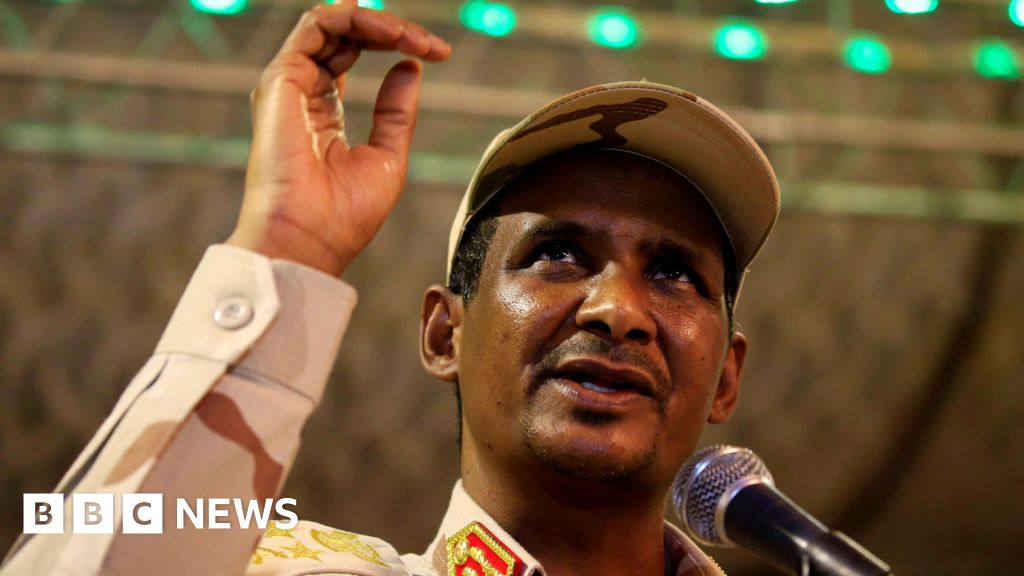
The conflict in Sudan has reached a devastating new phase, with widespread reports of violence that threaten regional stability and expose the profound failures of international diplomacy. The recent seizure of el-Fasher by the Rapid Support Forces (RSF)—a paramilitary group led by Gen Mohamed Hamdan Dagalo—marks a severe escalation in a civil war now in its third year. An investigation into human rights violations has been announced, but mounting evidence confirms the brutal reality on the ground: mass killings, ethnic targeting, and a humanitarian catastrophe that few in the international community can ignore. The United Nations Security Council is convening amidst growing outrage, exemplifying the crisis’s bipartisan concern but also underscoring the international community’s limited leverage in halting the bloodshed.

Eyewitness accounts and verified footage reveal a disturbing pattern of violence—particularly in the besieged city of el-Fasher. Reports from the WHO and humanitarian agencies depict scenes of chaos, with over 460 civilians shot dead at the last hospital alone, many of them unarmed and vulnerable. Social media videos, analyzed by BBC Verify, show RSF fighters executing civilians—an atrocity that compounds long-standing fears of ethnic violence and targeted killings of non-Arab populations. The RSF denies these accusations, claiming their actions are not ethnically motivated, but discrepancies between official statements and documented evidence deepen suspicions. As analysts warn, such denials only delay acknowledgment of a crisis rooted in deep-seated societal divisions and decades of failed state governance.

The geopolitical impact of the Sudanese conflict extends beyond its borders, igniting fears of regional destabilization and broader humanitarian fallout. Egypt and Ethiopia, along with other neighbors, monitor the chaos as refugees flee in the hundreds of thousands, many trapped in limbo, suffering violence, starvation, and disease. The role of external actors has come under scrutiny—most notably the United Arab Emirates (UAE), which faces persistent accusations of supplying military aid to the RSF despite official denials. This involvement signifies a dangerous tilt toward proxy conflicts that threaten to ignite a broader regional crisis, reminiscent of the chaos that engulfed Libya and Yemen in recent years. International organizations, including the African Union, call for urgent humanitarian corridors and neutral investigations to prevent further atrocities, but the challenge lies in enforcing these efforts amidst entrenched factional rivalries.

Historically, Sudan’s fragile statehood has been marred by persistent *exclusion* and tribal tensions—issues that the AU, UN, and regional powers have repeatedly failed to resolve. Analysts such as Dr. Mohamed Ibn Chambas emphasize that without addressing these root causes, military solutions are futile. The ongoing splintering of the country’s geography—control now divided between the RSF in the west and the Sudanese army in the capital—foreshadows a prolonged, possibly genocidal conflict that risks engulfing the entire region in chaos. As history watches silently, the narrative of Sudan remains a stark reminder: when societies are fractured by exclusion and power struggles, the true cost is paid by the innocent. The weight of history presses heavily, and the question remains—will the international community muster the resolve to prevent this crisis from spiraling into a new chapter of African hell, or will it be yet another chapter written in silence?

Afghanistan Withdraws from Cricket Series in Protest Over Pakistan Airstrike Killings

International Tensions Reach Boiling Point as Afghanistan Cuts Ties in Sport and Peace Talks Show Fragility

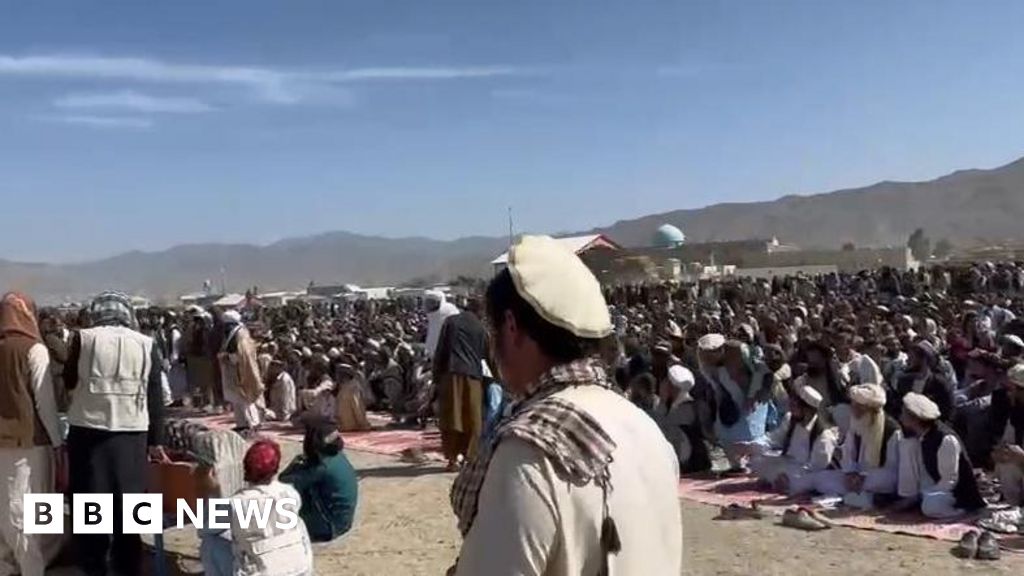
The international community faces a precarious moment marked by escalating violence and fragile diplomacy between Afghanistan and Pakistan. In a dramatic display of national grief, Afghanistan’s cricketing authorities have announced their withdrawal from a tri-nation T20 series scheduled for November, after three young Afghan cricketers were tragically killed in an air strike. The attack, described by Afghanistan’s Cricket Board as targeted and carried out by Pakistan’s regime, underscores the deeply intertwined nature of regional conflict and cultural identity.

This incident not only devastates Afghanistan’s burgeoning sports scene but also highlights the profound impact of military conflicts on societal cohesion. As noted by international analysts, the deaths of Kabeer Agha, Sibghatullah, and Haroon—who did not even represent the national team—are emblematic of how conflict permeates every facet of life, from sports to national morale. The International Cricket Council expressed deep sadness and condemned the violence, framing it as a tragic loss for the entire cricketing family. Yet, beyond the sporting arena, the violence has broader geopolitical implications, threatening the stability of a region already scarred by decades of conflict.

Amid these tragic events, efforts are underway to forge some semblance of peace through diplomatic channels. A temporary truce has been announced, extending for 48 hours to facilitate negotiations in Qatar, as Afghan and Pakistani delegations meet to address border tensions and cross-border terrorism. Former Afghan President Hamid Karzai called for reconsideration of Pakistan’s policies, urging a move toward civil and cooperative relations—an appeal echoed by regional observers who see the current approach as a cycle of provocations and reprisals. However, Pakistan’s official stance remains defensive, with Defense Minister Khawaja Asif emphasizing ongoing efforts to curb militant activities, claiming that recent strikes targeted militants and not civilians.

This fragile diplomacy comes at a crucial moment when Islamabad’s claims of counterterrorism efforts clash with local reports of civilian casualties, fueling mutual accusations. The situation on the border remains tense, with casualties reported on both sides, further complicating prospects for peace. Historians and security experts warn that unresolved border disputes and cross-border militancy threaten to unravel hard-won diplomatic advances, risking another cycle of violence with profound regional and global repercussions. As international powers watch nervously, the region’s trajectory hangs in a delicate balance, where each decision could either pave the way for reconciliation or thrust the region into renewed chaos.

As the shadows of war lengthen across this borderland, the voices of youth and hope within Afghanistan and Pakistan seem drowned out by the relentless echo of violence. The deaths of promising cricketers symbolize far more than a tragic loss—they are a stark reminder of how war’s destructive hand reaches into every corner of society, dismantling dreams and futures. As historians speculate on the unfolding chapters of history, the weight of tension presses heavily on the shoulders of nations eager for peace but unable to escape their turbulent past. The world watches as this fragile peace hangs by a thread, its next move potentially sealing the fate of an entire region, where the echoes of conflict threaten to drown out the possibility of coexistence—leaving history still in the making, with the future uncertain and the stakes higher than ever.

Argentina shocked and angered by brutal killings of young women

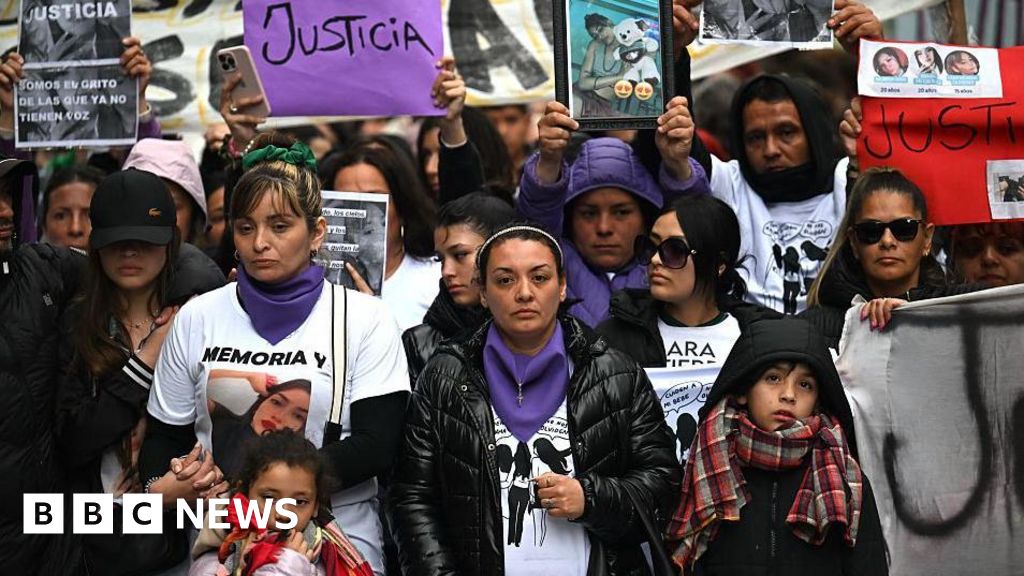
The recent brutal murders and public outrage in Argentina serve as a stark reminder of the pervasive issues of gender-based violence that continue to grip many societies worldwide. Thousands of Argentinians gathered in Buenos Aires to demand justice for Lara Gutierrez, a 15-year-old girl, and Morena Verdi and Brenda del Castillo, both 20, whose heinous deaths—captured in livestreamed videos—have ignited a nationwide debate about the authorities’ capacity to protect vulnerable citizens. As analysts highlight, these acts of extreme violence are not isolated; they are symptomatic of larger, systemic failures linked to organized crime, social decay, and weak legal deterrents.

The crime, reportedly orchestrated by a drug-trafficking gang, achieved notoriety when police uncovered a disturbing video in which the gang’s leader warned that the murders were meant as a warning to others involved in drug theft. This chilling footage underscores a broader turning point: organized crime’s blatant infringement into social norms and justice, posing dire geopolitical repercussions. International security experts warn that such violence, especially when intertwined with drug cartels, destabilizes entire regions, weakening state authority and creating fertile ground for further criminal expansion. The Argentine authorities, though arresting five suspects, have not yet apprehended the gang’s Peruvian leader—an omission that raises concerns about impunity and the ability of the justice system to confront transnational crime networks effectively.

The local community’s response reflects a growing awareness housed within a fragile social fabric. Mass protests and sentiment expressed by relatives reveal a society demanding accountability, yet the tragedy exemplifies how persistent violence against women remains a acute crisis—one cited elsewhere when a woman is murdered in Argentina every 36 hours. As historian Dr. María Fernández notes, these incidents are indications of deeper societal failures that threaten to widen inequalities and fuel instability. International organizations like the United Nations and regional bodies continuously monitor such femicide rates, emphasizing the urgent need for comprehensive reform and stronger legal protections to safeguard societal stability.

As the story unfolds in Buenos Aires, the symbolic weight of this violence transcends national borders. The victims’ families, united in grief and resilience, stand as a stark symbol of the ongoing struggle for justice—an enduring reminder that the fight against organized crime and gender-based violence is far from over. Each step in this tragic saga modifies the global landscape, testing how the international community responds to threats that threaten the very foundations of law and order. With history’s pages turning, it remains to be seen whether justice will be fully realized or whether, in the shadows, the criminal networks will continue to shape the future of societies caught in the crossfire. The world watches, knowing that these acts of violence, grievous as they are, are part of a larger, unfolding battle for dignity, safety, and sovereignty amid the chaos of modern geopolitics.

Social Media Auto Publish Powered By : XYZScripts.com