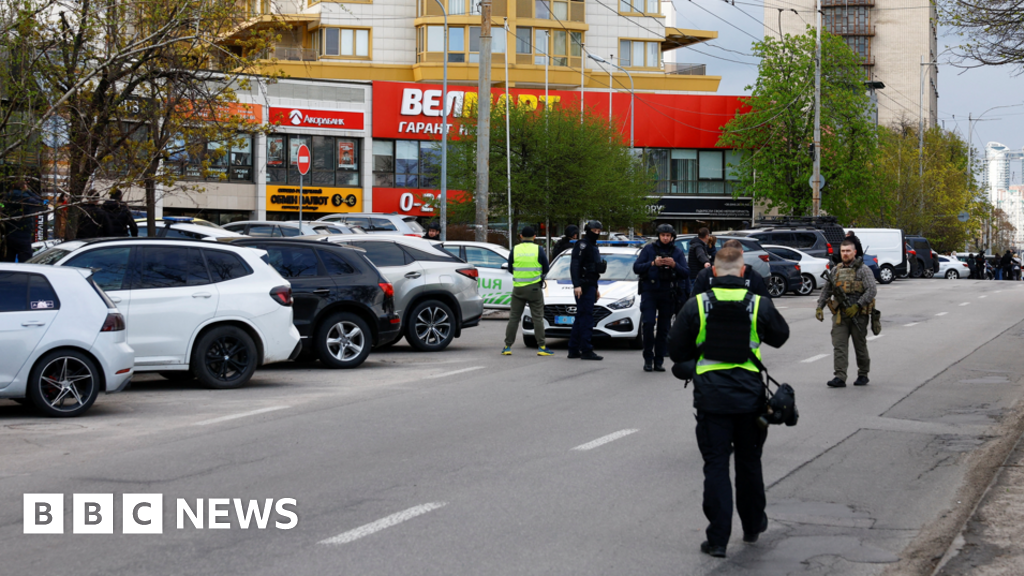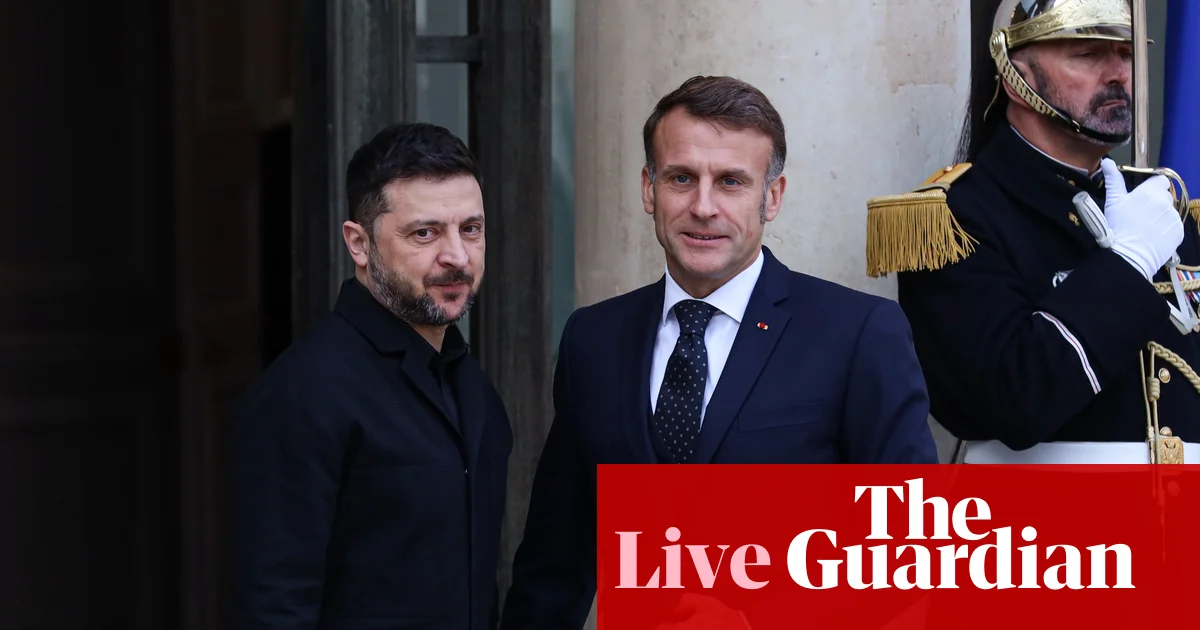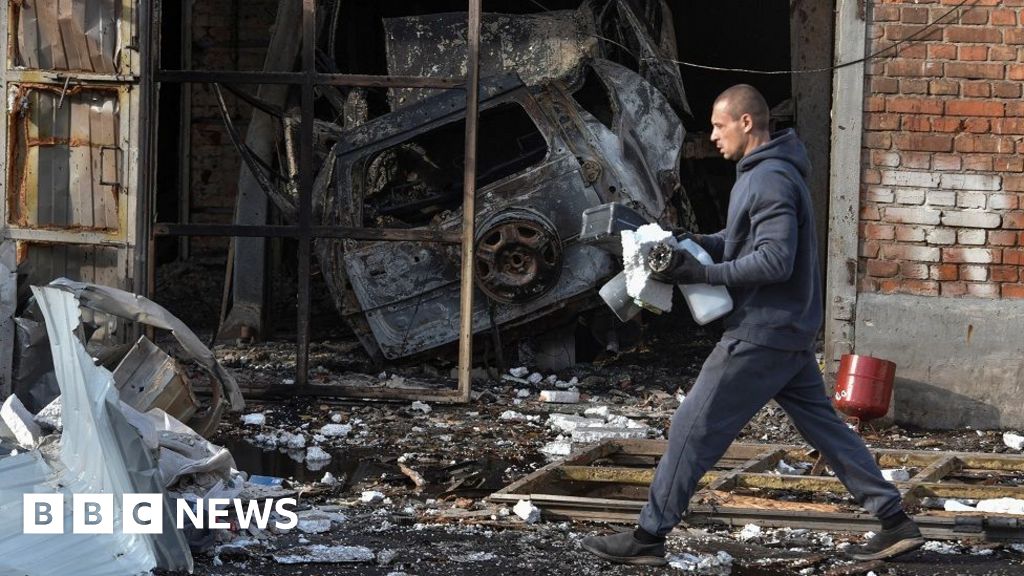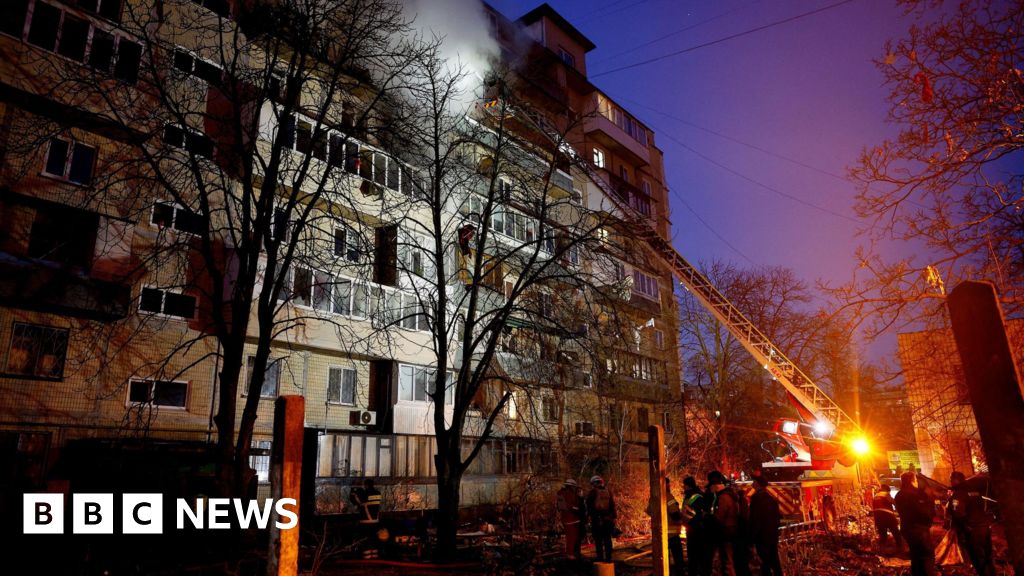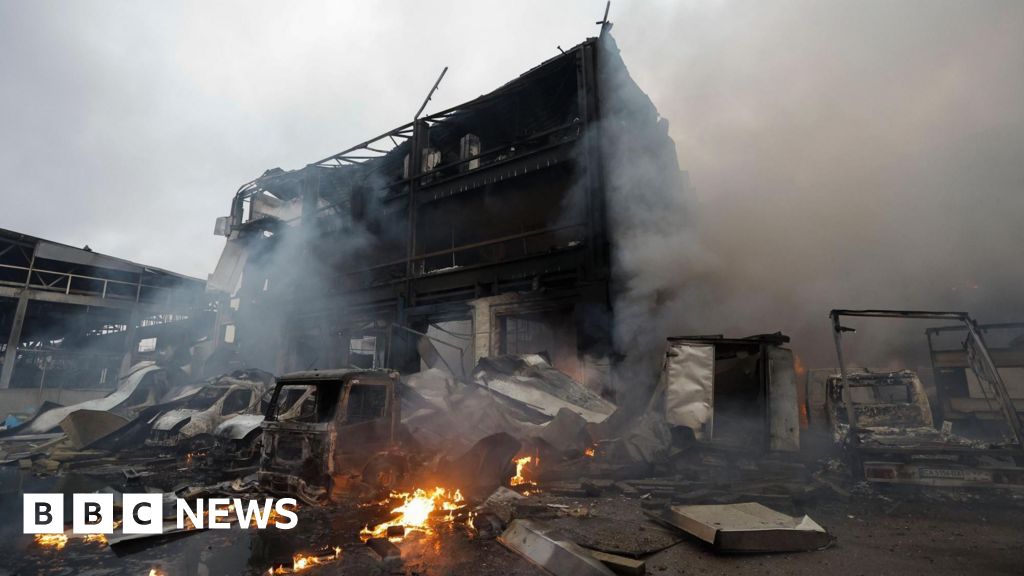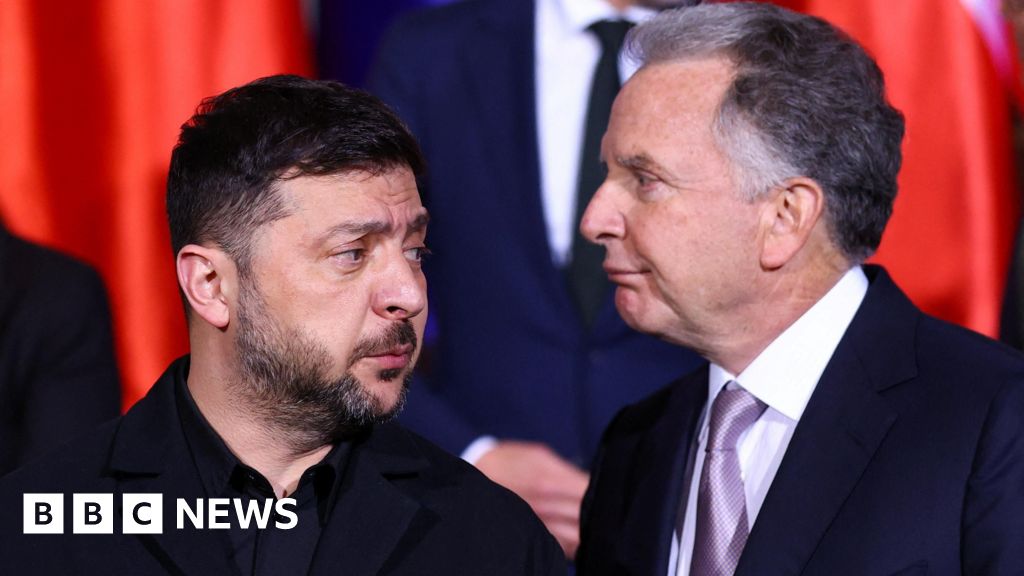

The ongoing conflict between Kyiv and Moscow has reached a critical juncture, with international actors watching anxiously as the possibility of a resolution looms. Recent statements by high-level officials underscore the gravity of the situation, with one emphasizing that both sides will ultimately face a stark choice: either to negotiate and end hostilities or to accept collective responsibility for the continued carnage. This rhetoric highlights the profound geopolitical implications—not only for Ukraine, Russia, and their immediate neighbors but for the broader international order.
The stakes are now underscored by persistent failure to achieve a lasting peace, as the conflict veers into a more destructive phase. Analysts and historians warn that the prolongation of war destabilizes regional security, fueling territorial disputes, economic corridors, and military alliances. The United Nations and various international organizations have echoed calls for restraint, yet the stubborn refusal of Russia and Ukraine to compromise maintains a dangerous deadlock. It is a visceral demonstration of how diplomatic failures threaten to spiral into a broader crisis that could ignite new conflicts across Eastern Europe and beyond.
- Under intensifying pressure, Europe grapples with energy shortages and economic turbulence, artificial consequences of the conflict’s disruption of supply chains.
- Meanwhile, Washington and NATO have reaffirmed their support for Kyiv, emphasizing a commitment to territorial sovereignty while warning against escalatory measures from Russia.
- Experts suggest that the conflict reflects deeper struggles over influence and sovereignty, testing the resilience and unity of Western alliances.
As historians analyze the conflict’s trajectory, many highlight its role as a stark reminder of the fragility of peace in a world marked by competing spheres of influence and ideological divides. The remarks from various officials echo a sense of impending history, where decisions made in the coming weeks could reshape the geopolitical landscape for generations. Diplomatic corridors are now the battleground of subtle negotiations, with the shadow of war continuing to cast a pall over international stability. The crucible of this crisis underscores a fundamental truth—the question of peace is no longer just a regional concern but a test of global leadership and resolve.
Ultimately, the narrative of this conflict is still being written, with every diplomatic move, military engagement, and political declaration adding another chapter to history’s unfolding. In the shadow of faltering peace efforts, the weight of destiny hangs heavy—will the leaders find a way to bridge their differences, or will the relentless machinery of war continue to grind on, etched into the annals of history as a testament to missed opportunities? The world watches, aware that the echoes of today’s decisions will resonate long into tomorrow, shaping the fate of nations and the course of history itself.