
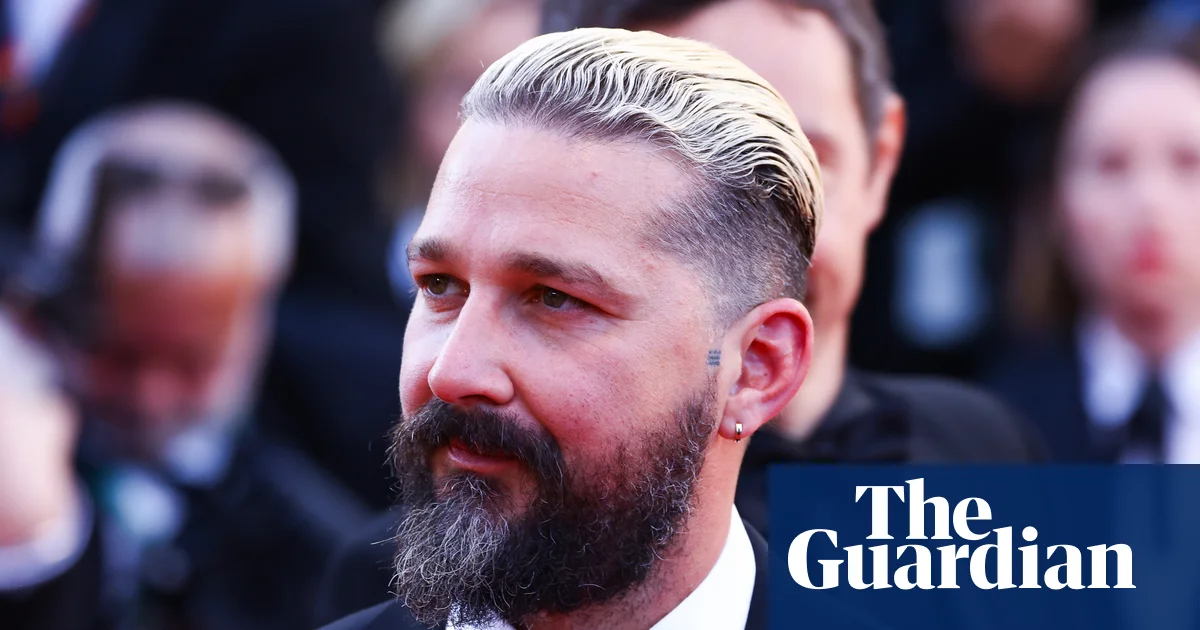

In recent days, the tumult surrounding actor Shia LaBeouf has once again thrust the volatile intersections of culture, personality, and societal expectation into the spotlight. His arrest in New Orleans amid the festive chaos of Mardi Gras exemplifies a broader cultural narrative—one where the veneer of celebrity often masks deeper struggles and societal tensions. LaBeouf’s behavior, allegedly fueled by excess and an undeniable public persona, echoes *the perennial conflict between individual freedom and societal norms*, a theme discussed thoroughly by philosopher Ortega y Gasset, who emphasized that culture binds the individual to collective tradition while also challenging him to confront his inner impulses.
Throughout history, culture has served as both a mirror and a mold—forging identities rooted in our collective memory and shaping future destinies. When LaBeouf’s actions spill into the public eye, they lay bare the fragility of the modern image, a phenomenon akin to the *cultural shifts observed in the decline of noble virtues and the erosion of societal discipline* over centuries. Critics like Chesterton have pointed out that true culture is not merely entertainment or spectacle but the moral fabric that sustains cohesive communities. His reported unruly conduct, including attempts to serve drinks behind a bar and conflicts with others, reveals a persona caught in *the existential struggle between personal liberty and societal cohesion*, mirroring the larger crisis of tradition in contemporary life.
Furthermore, LaBeouf’s history—marked by battles with sobriety, allegations of abuse, and public confrontations—serves as a stark reminder of *the importance of moral anchors in the tumult of modern celebrity*. His past, intertwined with themes of redemption and fallibility, echoes the questions raised by thinkers like Tocqueville on the moral state of democratic societies. Are we fostering a culture that emphasizes self-control and respect for tradition? Or are we surrendering to the chaos of unchecked individualism? LaBeouf’s path, punctuated with both moments of genuine remorse and controversy, underscores the delicate balance between the *cultural ideals of craftsmanship and virtue* and the raw human tendency towards self-destruction.
As we observe these narratives unfold, it becomes evident that our culture is both memory and prophecy—an ongoing dialogue between what has been passed down and what is yet to come. The true significance of figures like LaBeouf resides not solely in their missteps but in how their stories reflect the enduring tension between fluid modernity and rooted tradition, between *the individual’s shadow and the collective’s light*. The collective consciousness, much like T.S. Eliot’s poetry—layered, introspective, prophetic—reminds us that the culture we forge today will serve as the foundation for tomorrow’s civilization. In this sense, our cultural fabric, fragile yet resilient, weaves the story of humanity itself; it is both the memory of who we have been and the prophecy of who we might become—an eternal dance of shadows and illumination shaping the human journey.






