Matox News

Truth Over Trends, always!

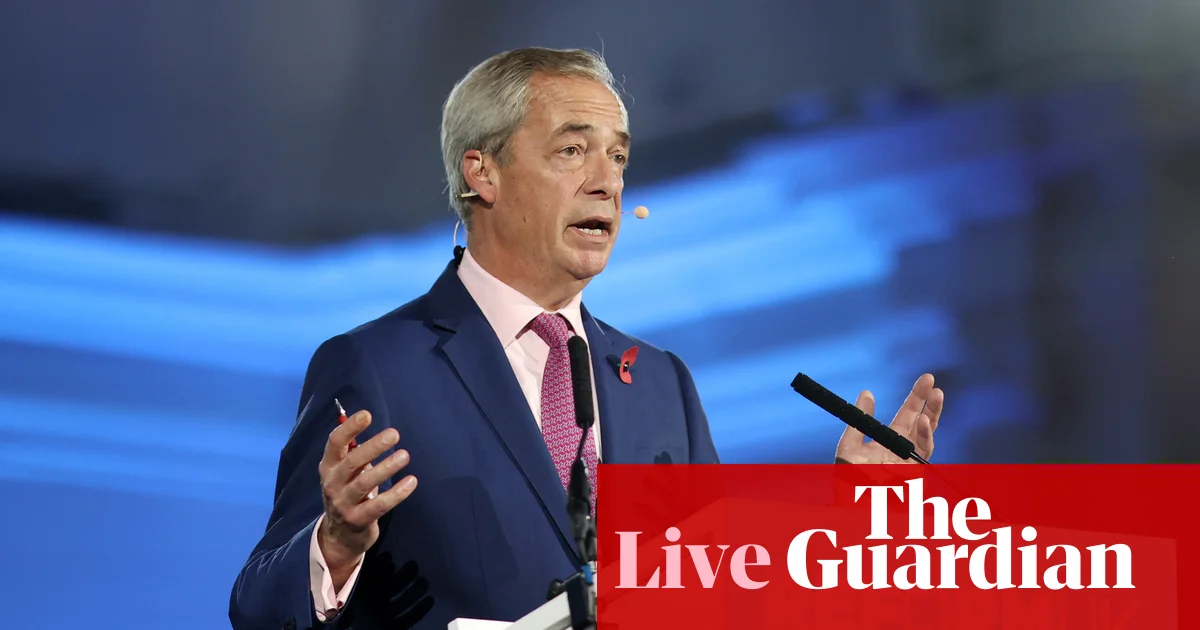
Reform’s Benefit Cuts Could Spark Trade War with EU, Labour Warns

As the world continues to grapple with the aftermath of widespread political shifts and economic realignments, recent developments underscore a powerful surge of nationalist sentiments and protectionist policies that threaten the stability of traditional international alliances. The United Kingdom, for instance, stands at a nexus of these forces. The recent proposal by Nigel Farage, leader of Reform UK, to implement sweeping immigration and benefits reforms highlights this trend. These policies aim at removing the rights of EU nationals to claim benefits and increasing NHS surcharges, all purportedly to balance the nation’s finances. However, analysts warn that such measures could ignite a trade war with Europe, reminiscent of the Brexit dynamics that radically reshaped Britain’s relationship with its continental neighbors.

  • Farage’s proposals to slash benefits for EU nationals and hike visa costs are driven by a calculated desire to appeal to populist voters but raise significant geopolitical consequences. The potential breach of post-Brexit trade agreements, as indicated by Labour critics, could provoke retaliatory tariffs and other trade barriers, destabilizing the UK’s vital economic ties with the EU. Historian Dr. Mark Stevenson notes that “such unilateral moves, couched in nationalist rhetoric, risk unraveling decades of integration and economic cooperation.”
  • This wave of protectionism aligns with rising nationalist policies across Europe, exemplified by France’s far-right National Rally backing a wealth tax on the very rich—an approach Farage staunchly opposes, citing fears of high earners fleeing Britain. Nonetheless, polls demonstrate that a majority of Reform UK voters support a one-off wealth tax, revealing a societal undercurrent favoring redistribution measures that challenge free-market principles.

Meanwhile, the UK’s internal debates mirror these international tensions. Labour leaders, such as Steve Reed, have unequivocally stated that the proposed reforms would breach international trade commitments and could precipitate a trade conflict with Europe. The risks are exacerbated by the recent disclosure of rising net migration figures, which, despite declining estimates, factor heavily into the political calculus. The International Organization for Migration’s recent reports emphasize that such figures influence national policies, often stoking fears of cultural dilution—a narrative exploited by parties advocating strict border controls.

As Keir Starmer and other international leaders convene in European capitals, the emerging geopolitical landscape is fraught with uncertainties. The return of protectionist ideologies signifies a decisive shift away from multilateralism, threatening a new era of economic nationalism that could define the 21st century. This unfolding chapter underscores a critical point: decisions made in the corridors of power today will either forge a path toward renewed cooperation or plunge nations into prolonged confrontation. The weight of history presses heavily on this moment—each policy, each alliance, each confrontation writing a new narrative of global power and societal resilience.
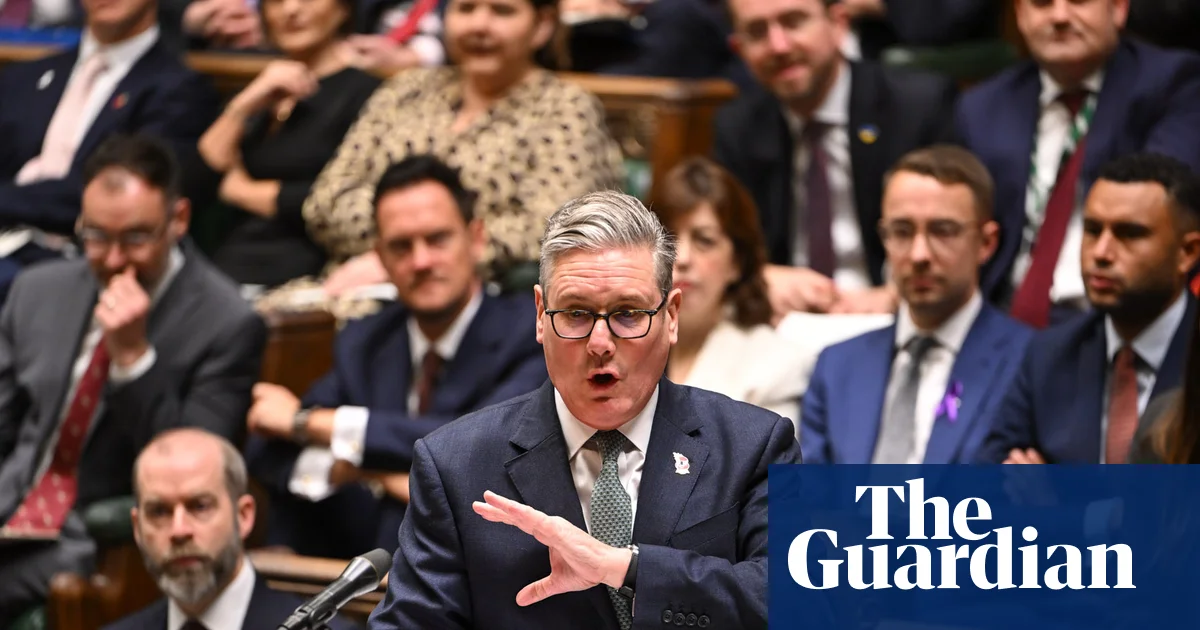
Keir Starmer faces backlash over Morgan McSweeney’s future amid tension with Labour youth

The Inner Battles of UK Politics: A Reflection of Global Power Shifts

In an era marked by growing geopolitical tension, United Kingdom politics are revealing deeper fractures within Western democracies and their struggle to adapt to a new international landscape. Recent revelations around the turmoil in Downing Street highlight not only internal factions vying for influence but also suggest a broader contest for authority that echoes across the Atlantic and beyond. As Keir Starmer grapples with internal dissent—specifically over the future position of his top aide, Morgan McSweeney—analysts warn that such factional battles could undermine the stability of the UK’s political system and its ability to navigate pressing global challenges.

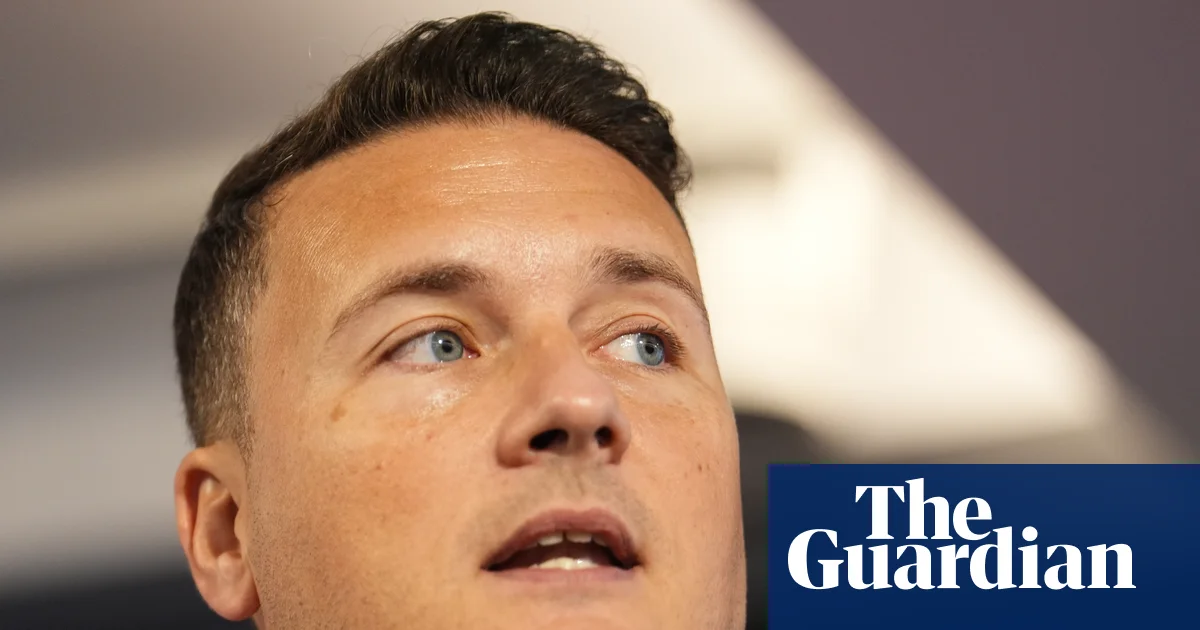
The controversy centers on allegations that Starmer’s inner circle orchestrated covert operations targeting cabinet members, especially the Health Secretary Wes Streeting. Critics accuse McSweeney of fueling internal strife through unauthorized briefings—a move that has triggered fierce public and parliamentary backlash. The situation underscores the fragility of political institutions under the strain of internal power struggles, with some commentators drawing parallels to shambolic administrations elsewhere. In this context, the internal political chaos reflects a broader collapse of traditional governance models, a crisis that could weaken the global standing of Western alliances.

International organizations and political analysts have been quick to interpret the UK’s domestic chaos as emblematic of the waning influence of established democracies and the rise of ‘crisis governance’ tactics. Historian and policy expert Dr. Christopher Miller cautions that such infighting not only jeopardizes the UK’s credibility but also emboldens authoritarian rivals like Russia and China. The decision by Starmer to publicly affirm confidence in McSweeney, despite mounting evidence of internal disputes, signals a broader dilemma faced by leaderships worldwide: how to uphold coherence in the face of internal dissent that could be exploited by adversaries to destabilize the nation further.

Beyond the borders of Britain, this episode carries dramatic global geopolitical implications. The stability of Western alliances — predicated on the perception of unity and seamless policy execution — is now under threat. As nations watch the UK’s inner discord, they are reminded that internal fragility in key democracies could serve as a strategic advantage for China and Russia. Meanwhile, international institutions are issuing cautious warnings about the erosion of trust in democracies’ ability to govern effectively—a warning that rings loud in the corridors of the United Nations and other global forums.

As history unfolds on this internal battleground, the weight of future decisions holds profound significance. Will Starmer’s leadership be able to forge a path through these treacherous political waters, or will internal discord open the door for more aggressive authoritarian models to fill the void? This unfolding saga exemplifies the core battleground of the 21st century: the battle for control—not only of nations but of the narratives that shape global power structures. In a world where alliances shift and the lines between internal and external conflicts blur, the outcome of UK’s political turbulence may well determine the course of international stability for years to come.

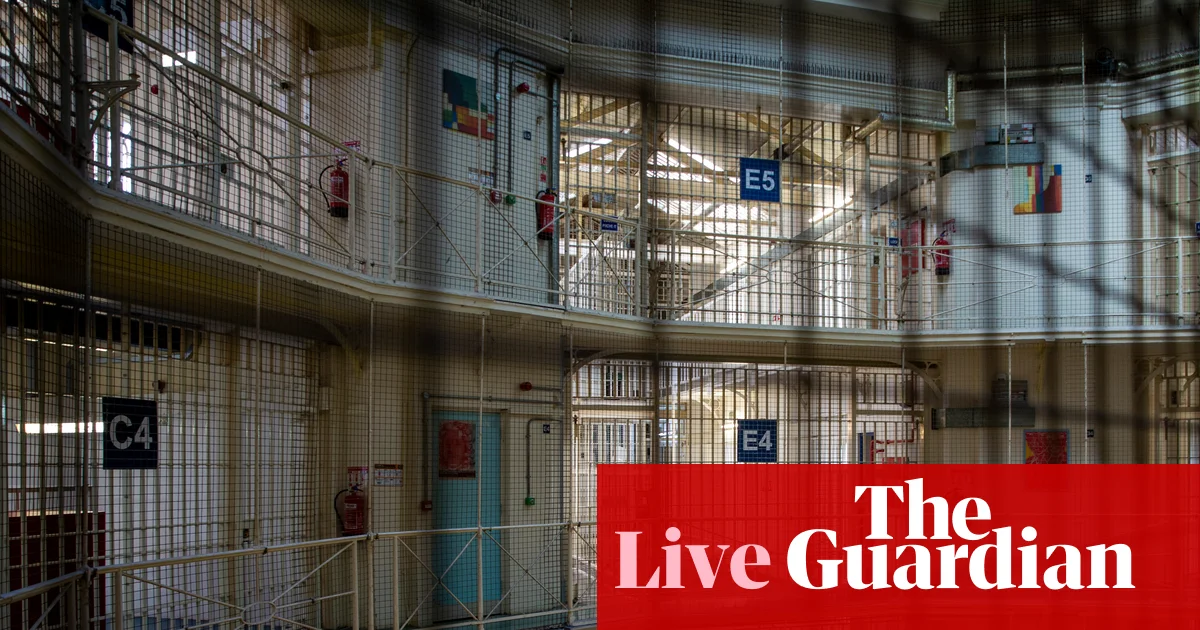
Minister Slams Labour Over Rising Wrongful Prisoner Releases—A Dangerous Trend for UK Youth

UK Prison System Under Fire Amid Rising Wrongful Releases

In a startling development that has captured national attention, Britain’s prison system is coming under intense scrutiny following reports of a rising number of wrongful prisoner releases. The Labour Party and various justice advocates are raising alarms about systemic failures that are jeopardizing public safety and exposing serious flaws in the correctional infrastructure. The crisis underscores not only operational shortcomings but also highlights the deepening geopolitical impact of internal administrative breakdowns in one of Europe’s largest nations.

At the center of the controversy is the failure of the UK’s antiquated paper-based system, inherited from the 1980s, which is now being blamed for the wrongful release of prisoners. As reports reveal, an average of 22 inmates are mistakenly released each month in England and Wales—an increase from 17 under previous administrations. The recent spate of errors has led to authorities confirming that at least four individuals remain at large after wrongful releases. These cases have not only raised concerns about safety but also cast a shadow over the effectiveness of the current prison management protocols, exposing the intractable failures of an overstretched and underfunded system.

International expert and historian Dr. Samuel Harris emphasizes that this crisis signals a turning point for penitentiary reform, warning that continued systemic neglect can unstable the societal fabric. Key decision-makers are now called to overhaul the entire sentencing and discharge process. The recent appointments of Dame Lynne Owens, former director of the National Crime Agency, and promises to build new prisons and implement additional checks, are viewed as initial steps—but critics argue these are mere band-aids. The widespread overcrowding, with many facilities operating well beyond capacity, coupled with low staff morale and lack of training, has only worsened the crisis. The Prison Officers’ Association advocates for a comprehensive overhaul rather than superficial fixes, warning that systemic failures are equating to a risk to society at large.

The ramifications extend beyond domestic borders; as analysts caution, Britain’s internal chaos could ripple across NATO alliances and influence geopolitical stability in the Atlantic region. The conflict-ridden landscape of the **European continent**, combined with ongoing rivalries and the specter of destabilization from migration crises and international security threats, intensifies the stakes. Failing prisons serve as a stark reminder that internal governance, when neglected, can undermine broader trust in state institutions, ultimately giving adversaries an opening to exploit vulnerabilities. International observers from organizations such as the OECD warn that unless urgent reforms are enacted, Britain risks becoming a cautionary tale of internal disrepair that could have ripple effects beyond its shores.

In this sombre turning point, history seems poised to record the UK’s decline into a cautionary chapter of governance failures. As the nation faces the difficult task of penitentiary reform, future generations will look back on these days as a stark reminder of what happens when systemic neglect is allowed to fester—an unfolding saga that might yet reshape the political and social order of Britain and influence the balance of power in the geopolitical arena.

Developers Cabinet-Approved Planning Bill After Dozens of Meetings, While Environmental Groups Were Lockout — Labour Criticizes

International Ramifications of National Housing and Environmental Policies

In an era marked by escalating climate change, rising inflation, and geopolitical strain, domestic policies that appear to prioritize rapid development over environmental conservation are drawing international scrutiny. The United Kingdom’s recent planning and infrastructure bill, which promises to fast-track the construction of 1.5 million homes by the end of this parliamentary term, exemplifies a broader trend among powerful nations eager to boost economic growth at the potential expense of natural ecosystems. While advocates tout these measures as essential for addressing housing shortages and stimulating economic revival, the core question remains: at what cost to the natural world, and consequently, to global stability?

It is revealing that behind the scenes, lobbying efforts from developers have been intense at the highest levels of government. As detailed by independent analysts, meetings between ministers and property giants such as Vistry, Barratt, Taylor Wimpey, and others have been prolific—conducted with near impunity. Conversely, environmental groups and ecologists seeking dialogue report difficulty in securing even preliminary discussions with key ministers, highlighting a troubling imbalance of influence. This disparity underscores a broader pattern of governmental favoritism that threatens to undermine efforts at sustainable development across borders. Such internal dynamics within the UK may serve as a cautionary tale for other nations in Europe and beyond, where similar conflicts over land use and environmental protection are simmering.

Globally, the implications are profound. International organizations such as the United Nations repeatedly warn that disregarding ecological considerations in pursuit of growth can lead to irreversible loss of biodiversity, destabilizing local and regional climates. The UK’s case underscores a global tendency to dismiss ecological expertise—despite extensive research from historians, economists, and scientists advocating for integrated planning that recognizes the foundational role of environmental resilience. As the UK fast-tracks development projects like the controversial bulldozing of ancient wetlands near Newton Abbot, other countries watch keenly, pondering whether they will follow suit or stand firm in protecting their biospheres. The decisions made today will shape the geopolitical landscape of the future, potentially fueling regional instability if ecological degradation breeds social unrest or economic downturns.

As history threads a narrative of humanity’s often destructive relationship with the environment, the outcome of Britain’s legislative debates looms large. If the bill’s supporters succeed in downplaying the importance of ecological safeguards, the precedent set might reverberate, emboldening similar policies worldwide. Yet, the voices of ecological advocates and international observers serve as warnings that quick fixes often worsen pre-existing crises. The world teeters on a precipice: will it prioritize growth over sustainability, or will it recognize that true progress depends on a delicate balance? As the final votes hover and the dust of political debate settles, history continues to unfold—its chapters yet unwritten, waiting for the choices future generations will be forced to confront.

Labour MPs warn Starmer cutting disease aid would be a moral mistake

UK Aid Funding Crisis Unfolds: A Battle of Morality and Geopolitical Strategy

In a remarkable display of internal dissent, seven Labour MPs who previously served as ministers under Keir Starmer have penned a private letter warning that a proposed 20% cut in UK aid funding for the Global Fund to Fight AIDS, Tuberculosis and Malaria would constitute not just a moral failure, but a strategic setback with far-reaching global consequences. As the UK government prepares to finalize its contribution to this vital multilateral initiative amidst mounting pressure, the debate underscores how national decisions are increasingly intertwined with geopolitical impact and the future stability of vulnerable societies.

Analysts and international organizations closely monitor this unfolding controversy, recognizing that the UK’s role in global health is emblematic of broader post-pandemic international strategy. The proposed decrease—potentially slashing the UK’s pledge from £1 billion to £800 million—comes amidst wider austerity measures that have already diminished Britain’s foreign aid budget to historically low levels, cutting its percentage of national income dedicated to aid from 0.7% to 0.3% by 2027. Critics argue such reductions threaten to derail advances made over decades, risking the lives of millions in the world’s poorest nations. According to reports from aid groups, a cut of this magnitude could result in up to 340,000 preventable deaths, undermining the incredible progress that has saved 70 million lives since 2002.

These developments occur at a time when international institutions such as the United Nations and the World Health Organization advocate for sustained multilateral cooperation, asserting that the relentless fight against preventable diseases is intertwined with global stability and security. Historians like Dr. Alan Turing have highlighted how health crises can foster instability, displacement, and conflict—emphasizing that investment in health infrastructure abroad is, in essence, an investment in national security. The UK’s apparent retreat from this strategy, especially after already withdrawing support from the Global Vaccine Alliance (Gavi), signals a troubling shift away from global engagement, risking the collapse of years of progress in fighting HIV/AIDS, TB, and malaria—diseases that know no borders.

Despite government claims of continued commitment, the political reality appears to be one of retreat and strategic retraction, with critics warning that such decisions weaken Britain’s standing in international affairs. The Foreign Office asserts that UK aid contributions have contributed to saving 70 million lives and a 63% reduction in death rates from HIV, TB, and malaria. Yet, with other nations decreasing their aid contributions—particularly the collapse of US aid funding—the global fight for these diseases is entering a perilous new era. As political scientists and international observers note, jeopardizing aid efforts at this crossroads risks reversing decades of momentum. In this context, the UK’s choice reflects more than a moral stance; it embodies a geopolitical gamble that could influence the shifting balance of power and the stability of developing societies for generations to come.

As history watches anxiously from the sidelines, the weight of this decision remains hung in the balance—an echo of Britain’s enduring role on the world stage and a test of its commitment to the principles of international cooperation. The coming days will reveal whether this battle is merely a policy debate or the beginning of a geopolitical realignment that challenges the very fabric of the global order—decisions that will echo through history, shaping destinies in the shadow of choices made today.

Labour needs to rally and boost youth optimism after Welsh setbacks, Streeting urges

Labour’s Midterm Malaise Signals Broader U.K. Political Challenges

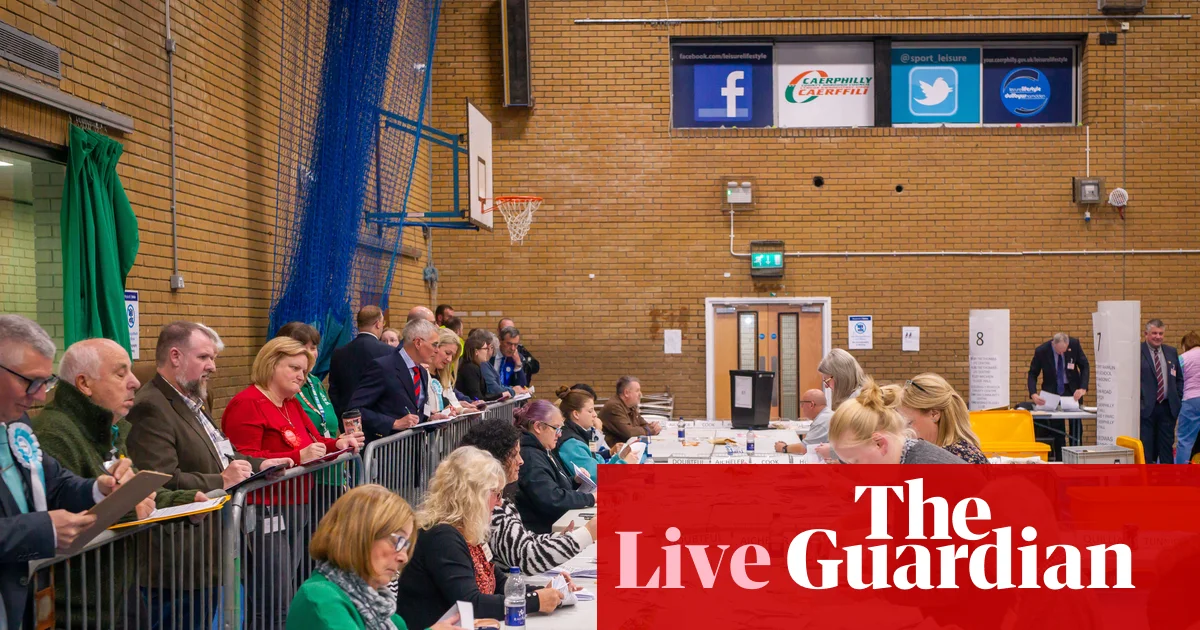
Amidst a backdrop of mounting political disillusionment in the United Kingdom, recent developments reveal a party grappling with the realities of governance, public confidence, and its geopolitical significance. Labour, long considered the historic voice of working-class Britain, faces notable setbacks that threaten to undermine its global standing. A decisive byelection loss in Caerphilly, a seat that had faithfully served Labour for over a century, marks a troubling moment that analysts interpret as an indicator of faltering voter trust. This defeat, coupled with internal party tensions and a declining voter turnout—only 16.6%—illuminate a wider malaise that echoes across democracies worldwide, where parties are struggling to deliver tangible change in the face of economic hardships and shifting societal values.

Internal Struggles and the Future of the Labour Party

The recent leadership shuffle within Labour signals an ongoing ideological and strategic contest that has ripple effects well beyond the borders of Great Britain. New Deputy Leader Lucy Powell, elected with a clear mandate to reconnect the grassroots with party leadership, embodies an attempt to reinvigorate the party’s base. Her emphasis on transparency and member inclusion aims to counteract the decline in electoral enthusiasm, yet questions persist about her practical authority amid internal divisions. This internal dynamic is reflective of a broader struggle within many Western parties: balancing authenticity and loyalty while trying to adapt to economic pressures and a fragmented electorate.

The Broader Geopolitical Impact of UK Political Turmoil

While these battles unfold within the domestic arena, their international significance cannot be overstated. The UK’s political stability bears direct consequences for its role on the world stage, especially in a time of escalating global tensions and the shifting balance of power. As analysts warn of the risks of “learning the wrong lessons,” the possibility of a less predictable or less cohesive British foreign policy emerges. UK decisions today—whether in trade negotiations, defense commitments, or diplomatic alignments—are increasingly influenced by the internal health of its political parties, shaping the way it interacts with allies and adversaries alike.

Historical Echoes and the Weight of the Future

  • Prominent historians have noted that Britain’s political crises often serve as barometers of broader societal shifts. The decline of traditional party dominance reflects a era of upheaval characterized by economic austerity, cultural realignment, and a search for national identity.
  • International organizations, including the European Union and the United Nations, monitor UK internal stability as it navigates the post-Brexit landscape, aware that internal discord can weaken—not strengthen—its influence on the global stage.

The next twelve months promise to be decisive. As Labour grapples with its internal fissures and the populace’s waning confidence, the world watches with bated breath. The decisions made here in Britain could redefine the geopolitical map, tilting it in uncertain, possibly perilous directions. History continues to unfold in Britain’s capital, with each parliamentary vote and policy shift echoing across continents—reminding us that in the interconnected web of nations, no internal political turmoil remains isolated.

Caerphilly Byelection: Labour, Plaid, and Reform UK clash as key Welsh vote hits the finish line

Caerphilly Byelection Sparks Critical Shifts in Welsh and UK Politics

The Caerphilly byelection, recently concluded with a voter turnout exceeding 50.43%, has captured the world’s attention as a potentially defining moment in Welsh politics. Historically, voter engagement in such devolved elections has been modest, with prior turnouts seldom crossing the 50% threshold, making this election a significant anomaly. Experts note that this heralds an era where direct democratic participation in Wales might be on the rise, thereby intensifying the stakes for political factions vying for influence.

At its core, the outcome of this byelection is seen as a barometer for the larger geopolitical impact on UK politics. The possible loss of the Caerphilly seat by Labour, the longstanding dominant force in Welsh governance since 1999, would not merely be a local concern. It signifies a broader disenchantment with the party’s performance both at Westminster and Cardiff, which has opened space for insurgent parties like Reform UK and Plaid Cymru to challenge the status quo. As analysts warn, if Reform manages to replicate its recent gains, it could destabilize the traditional political landscape, pushing the UK closer to a new, more fractured political era.

Fierce Campaigns Echo Broader Ideological Battles

The election, called due to the death of Hefin Wyn David, underscores the mounting ideological struggle within Wales—between those advocating for continued devolution and independence, and reformers promising constitutional overhaul. Nigel Farage and his Reform UK team invested heavily, pledging to “throw everything” into the contest, notably capitalizing on voter dissatisfaction with established parties. Meanwhile, Plaid Cymru seeks to solidify its claim as the primary nationalist voice, emphasizing their focus on a future independent Wales and presenting themselves as the alternative to what they depict as Labour’s waning influence.

Additionally, the battle witnessed energetic grassroots activism, with Lindsay Whittle of Plaid describing the campaign as “really energetic,” further indicating that the fight over Welsh sovereignty and societal direction is far from settled. Several internationals, including political historians, see this contest as a potential bellwether for the upcoming full Senedd elections, where the real redefinition of Welsh autonomy could crystallize. This contest, therefore, is not merely a local election but a proxy for future societal shifts, impacting the British Isles’ political architecture.

Societal Underpinnings and Future Forecasts

Despite the fierce political rhetoric, some fear that polarization and societal division lie beneath the surface of these electoral battles. The reports of intimidation tactics—such as attacks on Reform UK candidates’ properties—and controversies over campaign rhetoric indicate a volatile atmosphere. Yet, this tumult reflects a deeper undercurrent: a society grappling with change, identity, and the future of its governance. As Sharon Walker, an international political analyst, suggests, the political shift in Caerphilly could serve as a touchstone influencing debates across the UK on national identity, sovereignty, and social cohesion.

The story of this election remains unwritten as vote counting continues and the nation watches with bated breath. If the results favor Plaid Cymru or Reform UK, the landscape of Welsh and UK policy-making may be forever altered, ushering in an unprecedented chapter where allegiance and ideology are re-scribed anew. In this unfolding saga, history is not merely being watched—it’s actively being made, and the world must brace for the seismic implications that are yet to come.

Labour avoids tackling Prince Andrew scandal amidst rising concern

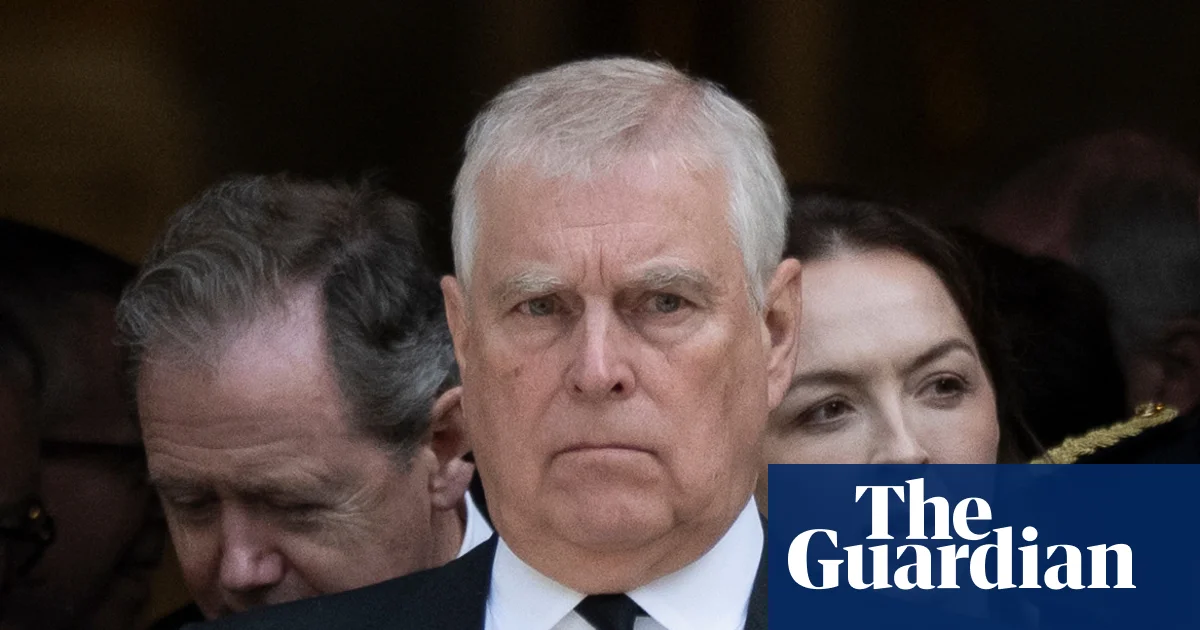
The recent revelations surrounding Prince Andrew’s alleged connections with Jeffrey Epstein have ignited a firestorm of media coverage, exposing unsettling questions about the integrity of the British monarchy and its embedded influence on national politics. Despite mounting public outrage and calls for accountability, a notable parliamentary taboo hinders any official debate on whether the royal should be stripped of his titles. This restriction underscores a deeper, pervasive culture of institutional protection that transcends the borders of the United Kingdom, impacting international perceptions of accountability, sovereignty, and judicial independence. The political establishment, especially within Westminster, appears hesitant to confront powerful symbols of tradition, even as scandals threaten to undermine confidence in Britain’s longstanding monarchy.

The core issue revolves around parliamentary constraints, which are enshrined in Erskine May, the authoritative manual on parliamentary procedure. According to its guidelines, questions that “bring the name of the sovereign or the influence of the crown directly before parliament” or cast “reflections upon the sovereign or the royal family” are off-limits. This legal and constitutional safeguard effectively bars MPs from raising allegations against Prince Andrew or discussing his conduct, especially concerning the explosive claims of Virginia Giuffre. The outcome is a paradox where public interest, especially among younger voters and international observers, collides with a strict adherence to tradition that limits open discourse, perpetuating a veil of silence over critical issues of morality and justice within the monarchy.

Analysts such as political historians and international observers emphasize that this parliamentary silence has broader geopolitical implications. It signals to the world that Britain continues to prioritize the preservation of its aristocratic symbols over embracing transparency and accountability. For many in emerging democracies and authoritarian regimes, the refusal to confront such scandals openly feeds narratives about elite impunity and entrenched privilege. Furthermore, the ongoing scandal involves subtle shifts in Britain’s soft power—its ability to promote democratic ideals and moral leadership—being subtly eroded. As some MPs voice frustration and push for legislative reforms, the reality remains that the entrenched culture of royal privilege hampers efforts for civility and integrity that are increasingly demanded by the global community.

  • The British government faces mounting pressure to either uphold tradition or adapt to a changing moral landscape—yet, the political will remains tepid, with some officials viewing the issue as a distraction from more pressing economic or domestic concerns.
  • International institutions, such as the European Court of Human Rights and the International Criminal Court, watch with cautious optimism, as Britain’s refusal to confront its royal scandal may influence debates on accountability and rule of law across borders.
  • This controversy echoes broader themes of national sovereignty, elite impunity, and social justice—issues that ripple beyond the confines of Westminster, challenging the very foundations of Britain’s constitutional tradition.

As the debate smolders beneath the surface, some voices—both domestically and globally—warn that this reluctance to confront uncomfortable truths could precipitate lasting damage to Britain’s moral authority. Historians and political analysts warn that nations which shy away from transparency in moments of crisis risk fostering long-term disillusionment among their citizens and allies. The case of Prince Andrew serves as a potent microcosm of this larger struggle—how a society chooses between maintaining ancient privileges and embracing the demands of a new age of accountability. As history unfolds with each passing day, the enduring question remains: will the winds of change sweep away the old hierarchies, or will they be immortalized as monuments to a bygone era?

Ministers gear up for China visits amid spying trial backlash, Labour critics warn

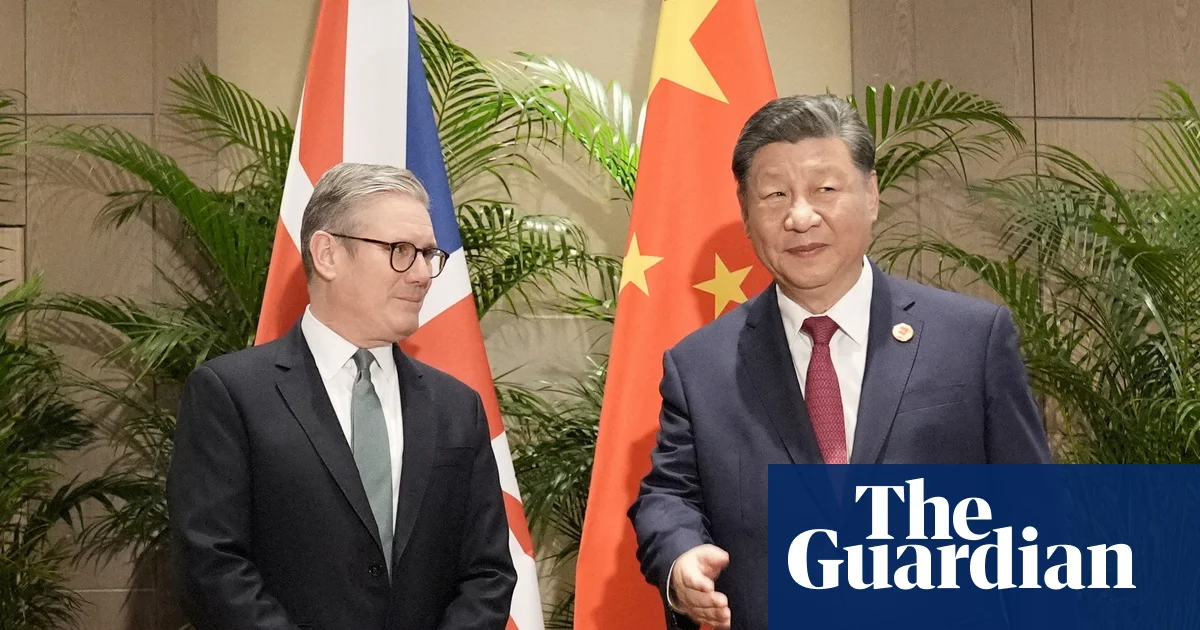
The United Kingdom is charting a precarious course in its renewed engagement with China amidst the turbulence of global power shifts and internal controversy. Despite simmering tensions sparked by the recent abandonment of espionage charges against two individuals accused of spying for Beijing, UK ministers have signaled a strategic intention to resume high-level talks before the year’s end. This includes plans for Jonathan Powell, the national security adviser, to visit Beijing in November—an effort aimed at fostering a “long-term and strategic” relationship, as emphasized by government officials. Such moves are not merely diplomatic gestures but carry profound geopolitical impact, signaling the UK’s attempt to balance economic interests with national security concerns amid China’s global rise.

This renewed diplomatic pursuit comes at a critical juncture. While official statements insist that engagement is rooted in “UK interests,” critics argue that this signals a recalibration—possibly a capitulation—to Beijing’s influence. Notably, the recent controversy involving the dismantling of charges against individuals linked to espionage suggests a possible diplomatic *trade-off*. Leaders like Keir Starmer are navigating a complex landscape, balancing the desire to reopen channels with fears of China’s expansionist reach and surveillance overtures. Many analysts, including security experts and historians, warn that this strategy risks emboldening Beijing at a time when U.S.-China tensions are intensifying. Global institutions such as the IMF and diplomatic commentators have voiced concerns that the UK’s embrace could undermine the collective effort to contain China’s geopolitical ambitions, thereby threatening regional stability.

Furthermore, these diplomatic overtures extend beyond government talks. Key figures like Rachel Reeves and Oliver Robbins have undertaken visits to China, promoting economic investment and revitalizing bilateral ties. Reeves’s recent involvement in unveiling £600 million of Chinese-backed investments underscores Britain’s attempt to capitalize on economic opportunities—yet such moves are fraught with risks. Chinese officials have openly communicated their displeasure over UK restrictions targeting their security apparatus, warning of potential retaliation that could destabilize diplomatic efforts. As international organizations track this evolving saga, they emphasize that decisions made today will shape the future of global power dynamics, with the UK caught squarely in the crossfire of a new Cold War landscape.

The unfolding developments evoke reflections from foreign policy analysts and historians who see this as a defining moment in 21st-century geopolitics. The last British Prime Minister to visit ChinaTheresa May in 2018—once spoke optimistically about a “golden era,” yet recent events reveal how swiftly that narrative has unraveled. The proximity of Kemi Badenoch and other senior officials to the Chinese government indicates a profound shift, perhaps towards a pragmatic yet perilous engagement policy. As Starmer’s alleged plans for a bilateral visit in February and Trump’s own sudden interest in China demonstrate, the global chessboard is realigning rapidly, with the UK positioning itself delicately amidst the rising tide of Chinese influence.

In the shadow of these high-stakes negotiations, history warns that such pivotal moments are often fraught with unforeseen consequences. The decisions taken in Parliament’s chambers and diplomatic suites will resonate through decades, shaping the balance of power in the Indo-Pacific and beyond. As the world watches, the UK’s future hinges on whether these diplomatic gambits will uphold sovereignty and security or succumb to the seductive allure of economic gains at a perilous geopolitical cost. The pages of history are turning once more, and the weight of global destiny hangs in the balance—an intricate dance of strategy, influence, and power, with the world on the edge of a new epoch.”

Tories demand probe into Labour Together’s backing of Starmer.

Kevin Hollinrake has raised concerns regarding Prime Minister Rishi Sunak, alleging that he did not fully disclose assistance he received from a think tank in areas such as polling and speechwriting. This accusation points to broader discussions about transparency and integrity within political circles, highlighting the importance of clear communication between politicians and the public.

The issue has sparked debate among young conservatives who are committed to accountability in governance. As the next generation engages with the political landscape, the focus on transparency is more vital than ever. It’s crucial that leaders maintain public trust by being open about support they receive, as it influences both policy decisions and public perception.

Social Media Auto Publish Powered By : XYZScripts.com