
Global Power Dynamics Face Unprecedented Strain Amid Shifting Alliances
As Europe and North America grapple with internal political turbulence, the geopolitical landscape outside the Western Hemisphere is undergoing a profound transformation. A recent international realignment is accelerating, driven by strategic, economic, and ideological shifts. Major powers are reevaluating alliances, with China & Russia consolidating influence in Asia, Africa, and Latin America, challenging the long-standing dominance of the United States and its European partners. Analysts warn that recent votes and decisions in national parliaments—such as those seen in the UK—are mere microcosms of a broader upheaval, where traditional geopolitical lines are being redrawn at an alarming pace.
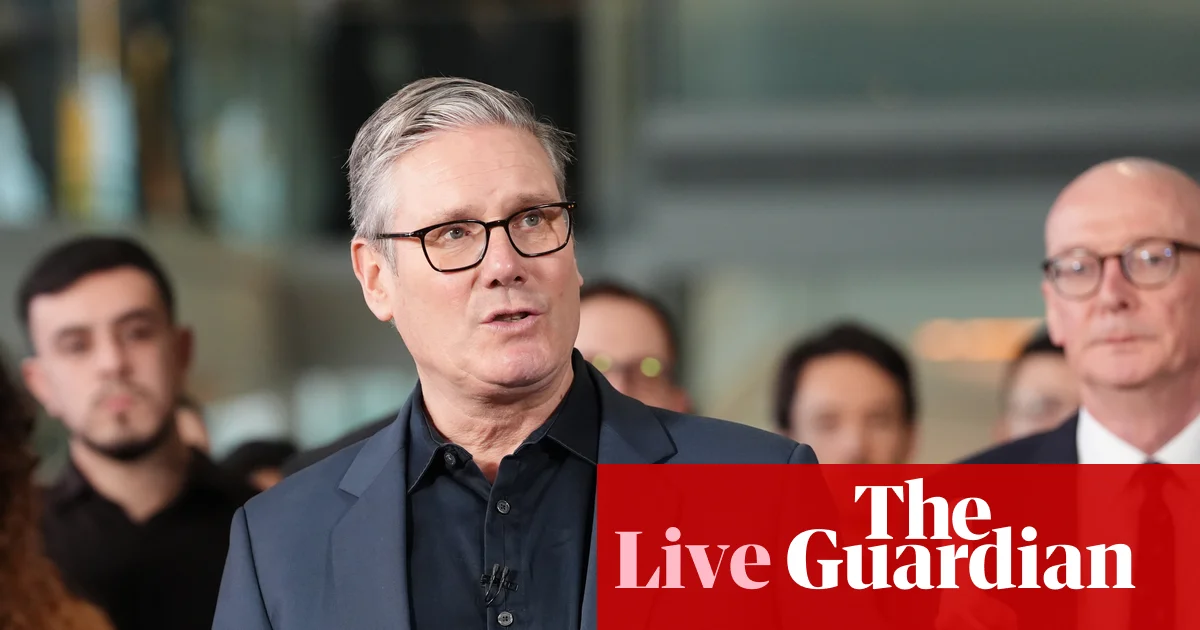
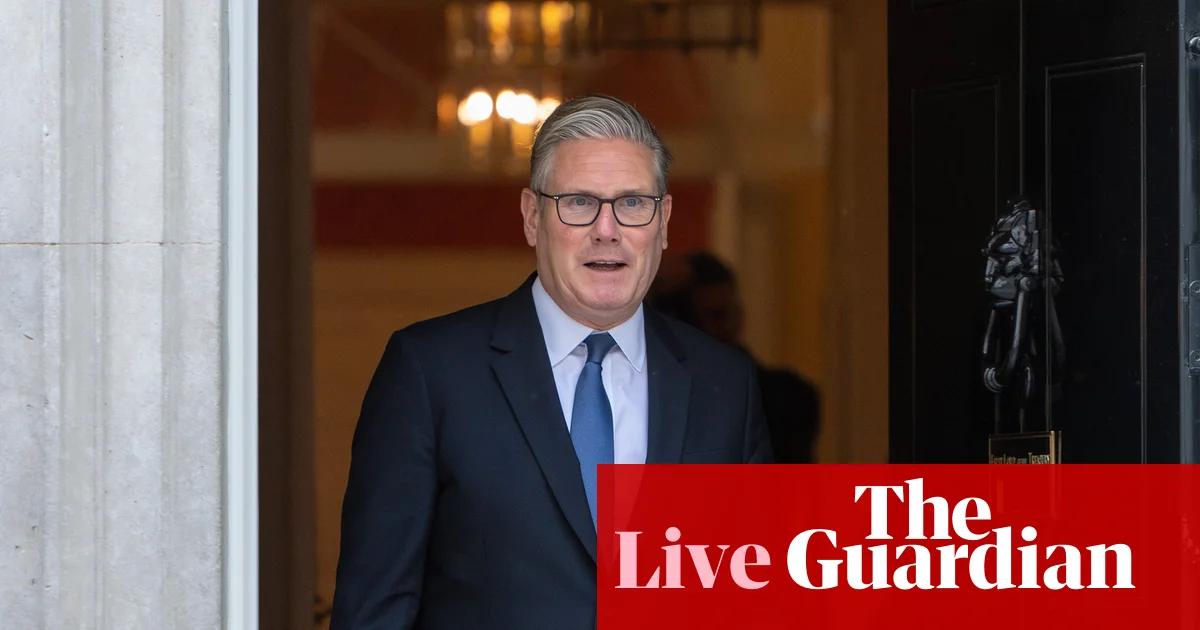
Historian and international observers assert that the current wave of political shifts signals *the beginning of a new multipolar era*. The recent events in the UK Parliament, where the opposition leader Keir Starmer faced off against his critics, underscore a global pattern: nations are increasingly polarized within their own borders, yet connected in a web of international crises and competitions. For instance, the UK’s internal political debate—centered on issues like parliamentary privilege and rebel MPs—reflects the fractured state of established governance models. Such fragmentation signals to seasoned analysts that the political status quo is under siege, making the geopolitical impact even more fraught.
The core of this upheaval lies in a series of critical international decisions and agreements that will shape the prospects of individual nations and societies for decades.
- An escalation of economic sanctions, mainly targeting Russia and China, which has ripple effects across the global markets, affecting energy supplies and trade routes.
- The reshaping of military alliances, with NATO redefining its strategic priorities amidst growing tensions in Eastern Europe, and China aggressively expanding its military footprint in the South China Sea.
- The emergence of new spheres of influence in Africa, where rising Chinese investments are often viewed as neo-colonial encroachments, prompting a countermove by Western powers trying to safeguard their interests.
Like many international commentators and policy experts warn, these developments do not merely shift the balance of power; they threaten to redefine societal structures globally. Lessons from past eras suggest that such crises often deepen societal divides, fuel nationalist movements, and undermine democratic institutions—risks fiercely warned against by historians, who see echoes of the interwar period. As the United States faces its own internal struggles, including political rebellions and debates over constitutional norms, the international community finds itself at a pivotal crossroads. Decisions made in the coming months will determine whether the world descends into chaos or establishes a new equilibrium of power and influence.
Indeed, history’s pen is poised to record whether this epoch will be remembered as the moment when the old order crumbled, or as the dawn of a resilient new chapter. As nations quietly plot, forge, and fracture alliances in the shadows of geopolitical chaos, the weight of international destiny presses heavily on every decision. The landscape is shifting beneath our feet, and the chapters yet unwritten carry the promise—and peril—of a future still fiercely contested by the currents of history itself.