Matox News

Truth Over Trends, always!

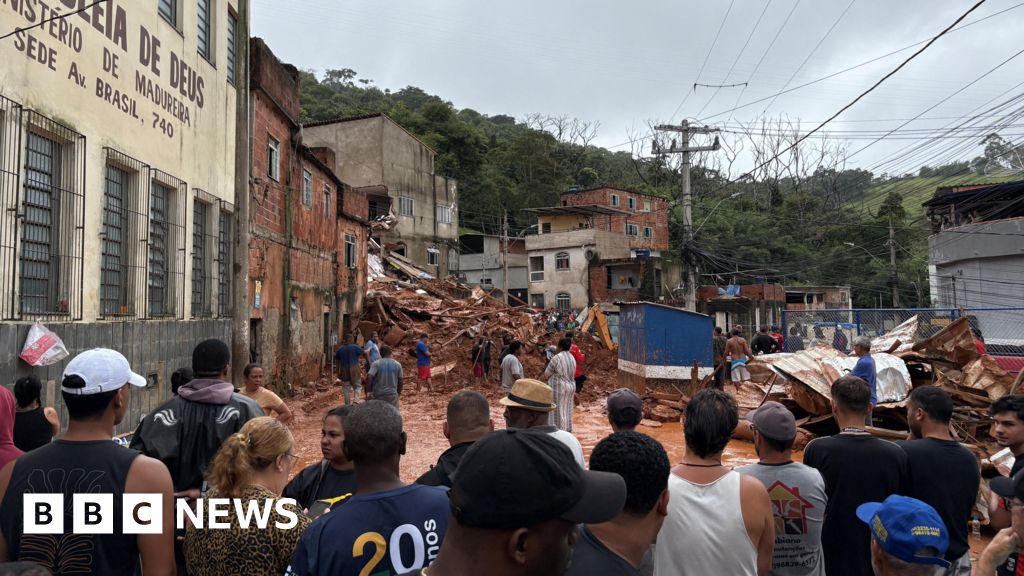
Brazil Floods and Landslides Take 20 Lives, Highlighting Urgent Need for Preparedness

In a harrowing reminder of the ever-present vulnerability of urban populations to natural disasters, Juiz de Fora has become the center of international attention following recent catastrophic events. Hundreds of residents have been displaced amidst a surge in infrastructure collapse, while dozens are still reported missing as rescue operations continue into the night. The disaster underscores the ongoing challenges faced by cities worldwide in balancing rapid development with disaster preparedness, especially within vulnerable geopolitical regions.

As the world scrutinizes the unfolding crisis, experts point to a broader pattern of environmental and infrastructural neglect fueling such disasters. According to international climate analysts and urban planners, climate change—once dismissed as a distant threat—is now manifesting through increasingly extreme weather events. These conditions exacerbate the fragility of urban infrastructure, especially in fast-growing cities like Juiz de Fora, located in a geopolitically sensitive area of Brazil. The incident highlights how neglect of preventative measures can turn natural events into devastating tragedies, fueling migration pressures and social unrest.

The global geopolitical impact of such crises extends beyond local borders, emphasizing the importance of international cooperation. Countries in the Global South, including Brazil, are often at the receiving end of climate-induced calamities with limited resources for effective response. Analysts from organizations like the United Nations warn that if global powers do not prioritize climate resilience and infrastructure modernization, similar disasters will continue to threaten societal stability across vulnerable regions. Coupled with political instability and economic challenges, these catastrophes threaten to impinge on international security and economic stability—factors that global leaders cannot afford to ignore.

Historically, cities have been battlegrounds of progress and setbacks, echoing the words of prominent historians who have long emphasized that such moments are turning points in history. The ongoing crisis in Juiz de Fora illustrates how decisions made—or neglected—in urban planning and climate resilience can have profound, enduring consequences. According to analysts, whether nations choose to confront these vulnerabilities or ignore them today will shape the future of global stability, with some arguing that the current failures could be seen as warnings of a more tumultuous era ahead. The echoes of past failures resonate now; time is running out for decisive action designed to prevent future tragedies.

As rescue teams scour the debris-strewn streets and international observers reflect on the tragedy, one thing remains clear: the unfolding event is not just a local catastrophe but a stark symbol of the collective responsibility nations bear. With each displaced family and each unresolved missing person, the weight of history presses down—an indelible reminder that the path to resilience must be forged before the next calamity strikes. The world watches, aware that the lessons learned here—urgently, and with resolve—will determine whether history’s next chapter is one of recovery or further chaos.
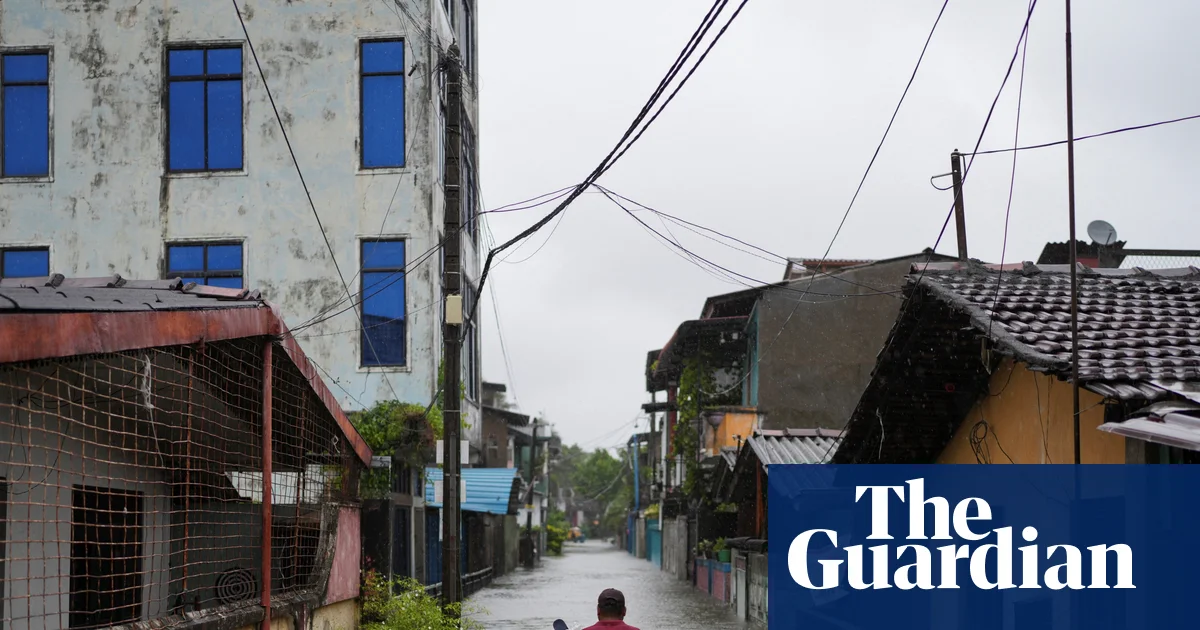

Sri Lanka's Floods and Landslides Claim 153 Lives—A Stark Wake-Up Call for National Resilience
Sri Lanka’s Floods and Landslides Claim 153 Lives—A Stark Wake-Up Call for National Resilience

In recent weeks, Sri Lanka has experienced catastrophic flooding triggered by the relentless force of Cyclone Ditwah. Torrential rains, breaking records during the island’s northeast monsoon season, have inflicted widespread devastation across the nation, leaving a trail of death, displacement, and economic upheaval. Official reports confirm that at least 153 lives have been lost, with approximately 191 individuals still missing, underscoring the grave human toll of this natural disaster. The Disaster Management Centre (DMC) reports an urgent rescue operation involving thousands of soldiers and police personnel, who have evacuated over 78,000 people from submerged areas to safer refuges—an action that highlights the severity of the crisis and the resilience of Sri Lanka’s security forces under mounting pressure.

Historically, Sri Lanka faces recurrent floods during its monsoon season, yet the current disaster surpasses prior calamities, drawing concern from global analysts and climate experts. As climate change accelerates, scientists warn of increasingly unpredictable weather patterns, with some referencing the 2003 floods—considered the worst of the 21st century—set to be eclipsed by recent events. The flooding area includes critical regions such as the district of Kurunegala, and the densely populated outskirts of Colombo, where the Kelani River burst its banks, forcing residents to evacuate to temporary shelters. Notably, the rescue of stranded civilians, including international tourists, demonstrates both the human drama and the logistical chaos, with helicopters and naval boats working tirelessly amid gale-force winds and rising waters.

International responses have begun to mobilize, with neighboring India providing immediate aid and supplies, a move that reflects the geopolitical reality of regional cooperation primarily driven by mutual interests. Prime Minister Narendra Modi expressed condolences and reassured allies that New Delhi stands ready to extend further assistance as the crisis unfold. Nevertheless, international organizations and seasoned analysts underscore that such floods are symptomatic of a deeper, systemic vulnerability—how nations manage their environment and climate policies determines not just local resilience but global stability. Decisions made today regarding climate adaptation and disaster preparedness will influence the geopolitical landscape for decades, prompting commentators to warn that neglecting these challenges threatens to destabilize entire regions.

As the waters recede, Sri Lanka faces a critical juncture in its national story—a stark reminder that climate-induced disasters are no longer distant threats but imminent realities shaping international diplomacy, economic stability, and social cohesion. Historians and environmental experts warn that neglecting the lessons of this catastrophe may leave future generations unprepared for a planet increasingly plagued by unpredictable weather extremes. In the unfolding chapters of this global crisis, Sri Lanka’s suffering serves as a haunting prelude: unless decisive action is taken, the devastating power of nature will continue to rewrite the rules of geopolitics and human endurance, leaving the weight of history to judge whether mankind has learned or continued its perilous drift toward climate catastrophe.

Uganda and Kenya landslides claim over 40 lives — a tragic reminder of the need for better preparedness

The recent landslides that ravaged the border regions of Kenya and Uganda have exposed not only the region’s vulnerability to natural calamities but also the broader geopolitical and societal implications of climate-induced disasters. Over 40 lives have been lost—blighted by relentless heavy rainfall and unsafe housing in the volatile terrains of the Great Rift Valley. Families are mourning, communities are displaced, and rescue efforts are hampered by ongoing mudslides, underscoring the urgent need for international attention and effective preventative strategies. This tragedy demands a deeper understanding of how environmental instability inside Africa can ripple into regional security concerns, migration patterns, and diplomatic relations, especially in a world increasingly affected by climate change.

Historically, Kenya and Uganda’s landslides are not isolated incidents. Record-breaking rainfall and deforestation since 2010, exemplified by the tragic death of approximately 300 people in the Ugandan town of Bududa, signify a mounting crisis tied to climate stressors. Analysts such as Dr. Emily Chen of the International Climate Agency warn that the frequency and intensity of such natural disasters are expected to rise, especially as local authorities lack comprehensive infrastructure to mitigate these risks. The decision by both governments to distribute modest compensation—5 million shillings in Uganda for the deceased and survivors—stands as a superficial Band-Aid, offering little in the way of sustainable prevention or resilience. The underlying threat extends beyond immediate loss; it heralds a future where climate vulnerability could undermine developmental gains, spark regional displacement, and destabilize fragile societal structures.

The geopolitical impact of these disasters extends into international corridors of power. Global institutions are watching, yet much of the response remains reactive rather than proactive. Countries like Kenya and Uganda are grappling with the repercussions, as their governments face mounting pressure to implement climate adaptation policies. Some experts argue that failing to address these environmental challenges could lead to increased migration across borders, thus straining neighboring nations and potentially fueling regional tensions. As researchers emphasize, the decision to build homes on unstable slopes is a perilous gamble with societal safety—highlighting the critical need for stricter land-use policies informed by scientific analysis. This disaster also serves as a stark warning for international cooperation, emphasizing that climate change is a threat not confined within national borders but a challenge requiring united global action.

As the tragic echoes of lives lost amid relentless mudslides fade into history, the question remains: Will this be a wake-up call for the world to act decisively against the climate crisis? When shifting lands and rising waters threaten to rewrite the map of East Africa, nations face a critical choice—adapt, or witness their societies unravel amid the dust and debris of ignored warnings. With every landslide that obliterates hopes and homes, the weight of history bears down more heavily. The unfolding story of environmental calamity in Kenya and Uganda is not merely a regional issue but a pivotal chapter in the narrative of humanity’s struggle against nature’s fury—a testament to the urgent need for global vigilance and action before more chapters are written in tragedy.

Social Media Auto Publish Powered By : XYZScripts.com