Matox News

Truth Over Trends, always!

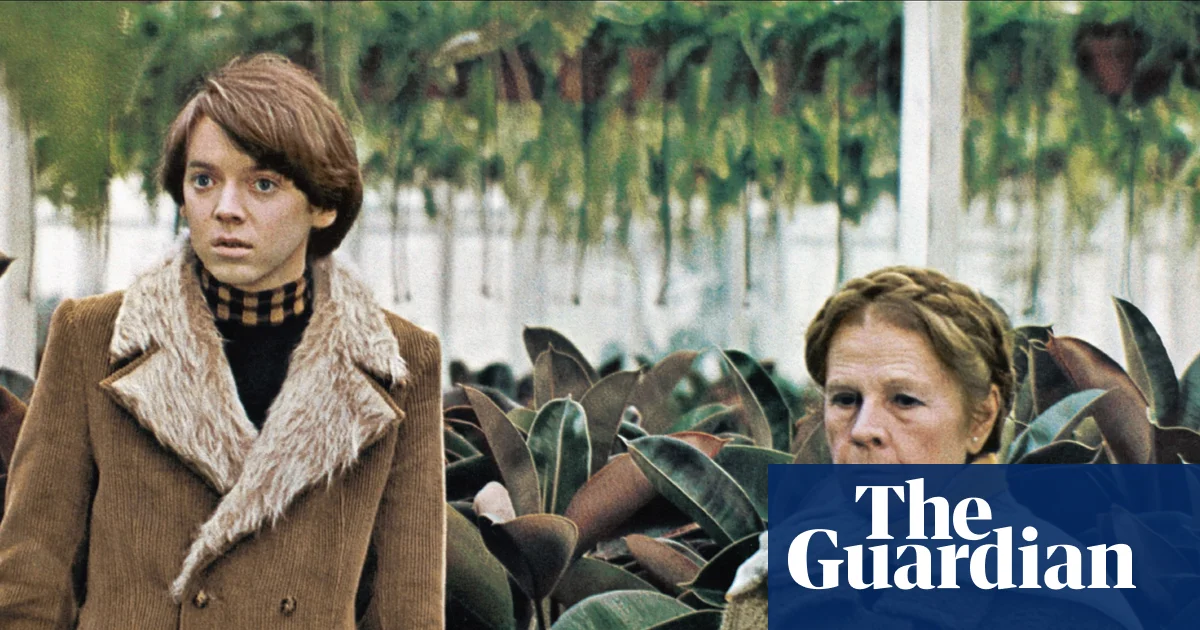
Legendary Actor Bud Cort of Harold and Maude Passes Away at 77 — A Lasting Influence on Film and Youth Culture

In an era where culture serves as both mirror and compass for society, the life and work of Bud Cort remind us of the enduring power of art to shape identity and reflect the depths of human experience. Best known for his role in Harold and Maude, Cort epitomized a certain countercultural sensibility, one that challenged conventional notions of life, death, and societal expectations. His portrayal of a death-obsessed youth who forms a poignant relationship with an older woman resonated deeply, becoming a symbol of authenticity and the refusal to conform — traits that are the bedrock of cultural vitality in the face of societal homogenization.

What makes Cort’s legacy particularly compelling is not merely his acting talents but his embodiment of a philosophy of cultural resistance. As the philosopher Ortega y Gasset argued, every culture is a collective effort to confront the chaos of existence through shared symbols and narratives. Cort, through his nuanced performances, injected a dose of rebellious reality into popular cinema, pushing against the dull narratives of conformity. Despite an initial lukewarm reception, Harold and Maude was later celebrated as a quintessential example of how authentic art inevitably triumphs over superficial trends, mirroring Tocqueville’s insights that democratic societies flourish when rooted in enduring cultural traditions that foster individual expression and moral resilience.

Throughout his career, Cort’s ability to oscillate between comedic and profound roles exemplified a broader cultural truth: that the soul of a society is often revealed in its willingness to explore the fringes, to celebrate those who see the world differently. His rejection of the role in One Flew Over the Cuckoo’s Nest signals a conscious effort to preserve his artistic integrity, recognizing that true culture demands a steadfast commitment to originality rather than fleeting fame. In an age where cultural orthodoxy often stifles genuine expression, Cort’s resistance becomes a testament to the importance of maintaining the integrity of cultural memory — a living archive that both preserves the past and guides us into the future.

As T.S. Eliot famously wrote, “We shall not cease from exploration, and the end of all our exploring will be to arrive where we started and know the place for the first time.” In this light, Bud Cort’s life embodies a poetic dialogue between memory and prophecy, reminding us that the enduring value of culture lies in its ability to preserve humanity’s collective soul while illuminating new spiritual horizons. Culture, after all, is neither merely entertainment nor tradition; it is our very essence — the echo of our ancestors and the beacon for generations yet unborn, whispering softly that human life, with all its passions and contradictions, is ultimately a sacred ongoing story waiting to be told.
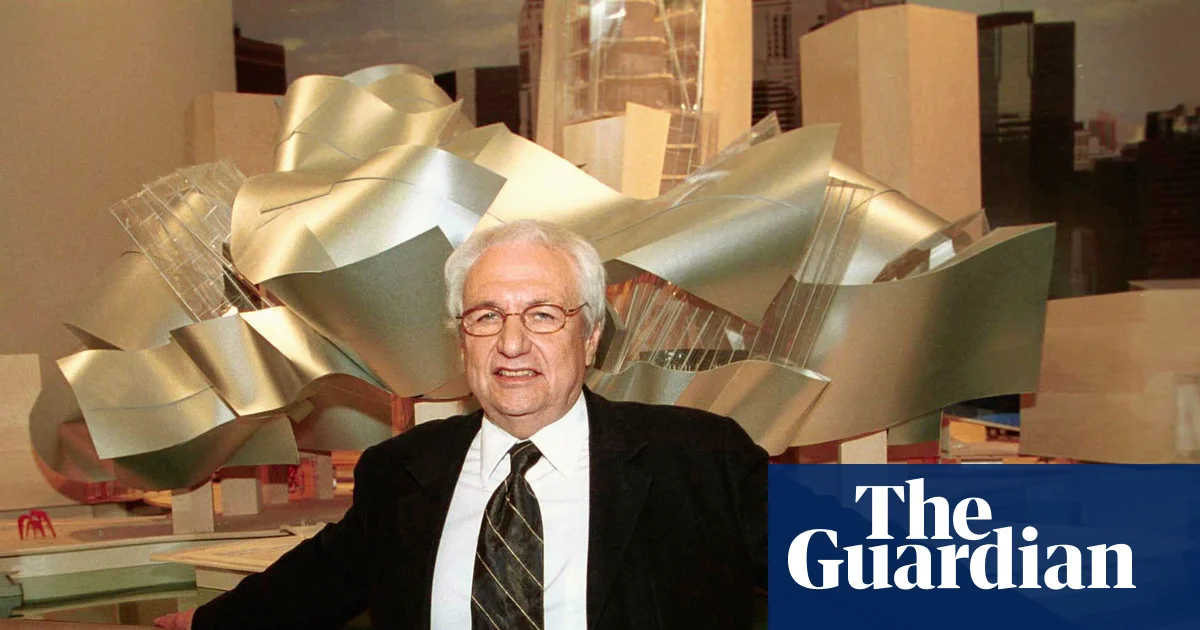
Renowned Canadian-American Architect Frank Gehry Passes Away at 96 — A Lasting Legacy in Modern Design

In the realm of architecture, few figures have embodied the spirit of innovation and cultural rebellion as Frank Gehry. His passing at the age of 96 marks the end of an era defined by audacious form, emotional resonance, and a relentless quest to redefine the built environment. Gehry’s work transcended mere structures, becoming an almost poetic testament to the enduring power of culture to shape our identity and societal consciousness. His fantastical Bilbao Guggenheim, clad in shimmering titanium and seemingly alive with movement, exemplifies how architecture can serve as both reflection and prophecy—an icon of what the modern age can achieve when bold tradition and radical innovation collide.

Gehry’s influence is undeniable, not only as an artist but as a cultural icon whose work catalyzed what critics label as the Bilbao effect. Like the revolutionary shifts seen in art movements from Surrealism to Abstract Expressionism, Gehry’s architecture challenges the passive observer to confront the visceral and the imaginative. His designs, whether the Walt Disney Concert Hall or the Fondation Louis Vuitton, embody an expressive power reminiscent of T.S. Eliot’s notion that tradition is not a static inheritance but a living dialogue between the past and the present. In a sense, Gehry’s work exemplifies how culture—rooted in tradition yet daring enough to break free—becomes a vital force in fortifying societal identity against the homogenizing tides of commercialism and decay.

Born into humble beginnings in Toronto, Gehry’s journey reveals that artistry often blooms late, fueled by perseverance and a deep-seated desire to challenge the ordinary. His decision to change his surname in the face of prejudice echoes the cultural necessity of self-definition—that in a society rife with hostility, one’s work can be a form of resistance, a reaffirmation of human dignity and heritage. After years of working within the commercial confines of shopping malls and uninspired projects, Gehry turned to his authentic voice at mid-life, embracing an esthetic of chaos and chaos—a metaphor for the tumultuous soul that refuses to be tamed. His transformation underscores Plato’s idea that the true philosopher-artist is one who dares to question, to risk, and thus to discover the enduring truth beneath exterior appearances.

Through the lens of cultural critic G.K. Chesterton’s celebration of the ordinary as extraordinary, Gehry’s architecture consistently reveals that true innovation lies in embracing the imperfect, the asymmetrical, the raw material of human emotion. As much as his buildings dazzle with their form, they serve as echoes of a society that values unique heritage and collective memory, asserting that our shared identity is rooted in the creative act—an act that must be both remembered and prophesized. In this way, Gehry’s legacy affirms that culture is neither stagnant nor purely decorative, but a living memory and a prophetic vision intertwined—a testament that human expression remains the most enduring blueprint for our future.

Irish Fashion Icon Passes at 80: A Lasting Legacy

In a notable loss for the international fashion community, Irish designer Paul Costelloe passed away in London at the age of 80, leaving behind a legacy that transcends borders and exemplifies the power of cultural influence on global markets. Costelloe’s death marks the end of an era where fashion intertwined with history and politics, and his life’s work vividly illustrates the how decisions in cultural representation affect national identities and societal perceptions. With a career that spanned over four decades, his influence extended from Dublin’s fashion scene to the haute couture runways of London, Paris, Milan, and New York, making Irish fashion a recognized force internationally.

Costelloe’s role as Princess Diana’s personal designer from 1983 until her tragic passing in 1997 epitomizes the intersection of fashion and diplomacy. His use of traditional Irish fabrics and textiles—such as linen and tweed—helped elevate Ireland’s cultural narrative in global fashion circles. Historians and fashion analysts have noted that his collaborations with Irish brands, like Dunnes Stores, alongside his participation as a closing designer at Ireland’s inaugural Fashion Week in October, played a crucial role in positioning Ireland as a modern yet culturally rooted fashion hub. This underscores how international decisions about cultural export and branding directly influence national prestige and economic development, especially amidst shifting geopolitical landscapes.

However, Costelloe’s legacy is not merely about fabric and design but also about the broader geopolitical impact. As Ireland navigates its place between traditional European influences and the global economic engine, figures like Costelloe serve as cultural ambassadors, demonstrating that fashion can be a form of soft power. Despite controversies—such as his 1998 remark criticizing Irish women’s style—his voice in 2023 reflected a more mature appreciation of Ireland’s evolving place in Europe. Such reflections exemplify how international perceptions and cultural confidence are often shaped by individual narratives, reinforcing the importance of cultural diplomacy in geopolitics. Irish officials, including Taoiseach Micheál Martin and Tánaiste Simon Harris, lauded his contributions, emphasizing that his work elevated Irish fashion onto the global stage and bolstered national identity.

As the world continues to grapple with shifting alliances and the relentless pace of globalization, the death of Paul Costelloe reminds us that history is a dynamic, unfolding story—one rooted in the decisions made today about cultural representation, industry standards, and international influence. His life’s work encapsulates a narrative where Ireland’s cultural export deepens diplomatic ties and challenges stereotypes, asserting that fashion remains a powerful tool of diplomacy and national pride. With his passing, the weight of history presses heavily, leaving future generations to reckon with the significance of figures who, through art and innovation, helped shape the narrative of an island nation in the grand theater of world affairs. The story is far from over, and the true measure of his impact will be seen in the enduring fabric of Irish identity woven into global consciousness.

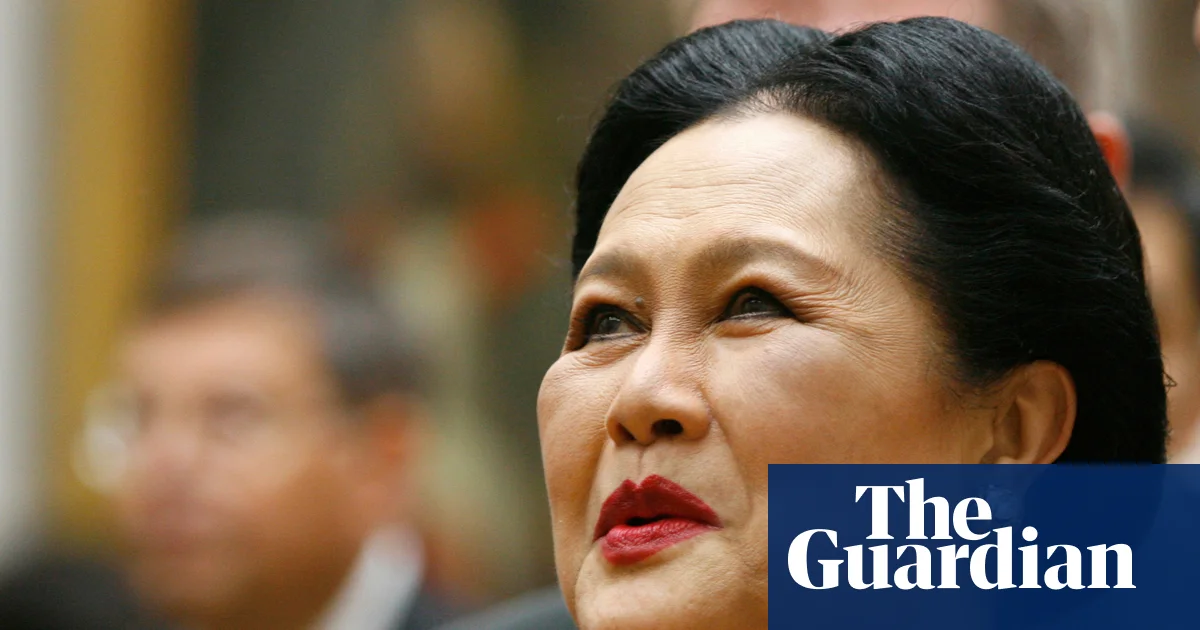
Thailand’s Queen Mother Sirikit Passes at 93 — A Lasting Legacy Ahead of the Future

Thailand has experienced a profound national loss with the death of Queen Mother Sirikit, a towering figure who symbolized resilience, cultural pride, and maternal virtue for over nine decades. Her passing at age 93, announced by the Thai Royal Household, marks a pivotal moment not only for Thailand but also for the shifting dynamics of Southeast Asian geopolitics. Her death, after years of declining health, underscores the end of an era where the monarchy was both a unifying symbol and a subtle political actor—an institution whose influence extends far beyond the palace walls, shaping the socio-political fabric of the nation.

Despite her largely quiet public life since her 2012 stroke, Queen Sirikit remained a revered maternal figurehead, celebrated for her charitable work and the preservation of Thai tradition. Her deep-rooted ties to cultural identity and national cohesion rendered her an indelible part of Thailand’s collective consciousness. The declaration of a one-year mourning period exemplifies the magnitude of her significance, which transcended political boundaries and fostered a unifying narrative amid the nation’s long history of coups and government instability. In a country where lèse-majesté laws strictly curb any criticism of the monarchy, her death will be observed with profound reverence, emphasizing her enduring role as the cornerstone of Thai identity.

Historically, the Thailands’ monarchy has served as an anchor amidst turbulent political tides. King Bhumibol Adulyadej, her husband, reigned for 70 years, a period marked by stability through crises and upheavals. Queen Sirikit, from her Parisian roots—where she studied music and languages—wove herself into the social and cultural fabric of Thailand, revitalizing traditional weaving and silk industries and embarking on development initiatives in rural areas. Her dynamic involvement in political affairs, particularly as acting regent during her husband’s absences, exemplifies how the royal family has often intertwined with state affairs, subtly influencing policy and political shifts.

The geopolitical implications of her death ripple through Southeast Asia, where monarchies remain powerful symbols. Many analysts emphasize that Thailand’s monarchy, long regarded as a stabilizing yet discreet political force, continues to influence regional dynamics. With her son, King Maha Vajiralongkorn, now ascending the throne, questions remain about how the monarchy will navigate Thailand’s evolving political landscape. Observers such as political historians and international organizations warn that the royal family’s role could become even more critical in maintaining regional stability or, conversely, ignite tensions if internal or external forces seek to challenge royal authority.

As the world watches, and Thailand mourns, the death of Queen Mother Sirikit signals not merely a personal loss but the fading of a legacy that symbolized maternal authority, cultural preservation, and a subtle, often opaque, political presence. The process of her farewell, marked by official ceremonies and national mourning, invites reflection on how a single figure can embody the history—and perhaps the future—of a nation. Under the weight of history, the question remains: how will Thailand’s monarchy adapt and endure in an era of rapid change, and how will their decisions reshape the geopolitical contours of Southeast Asia? The answer lies hidden in the ongoing unfolding narrative—a story written in the quiet resilience of a nation, and in the shadows where power still silently resides, waiting for the next chapter to be inked in the pages of history.

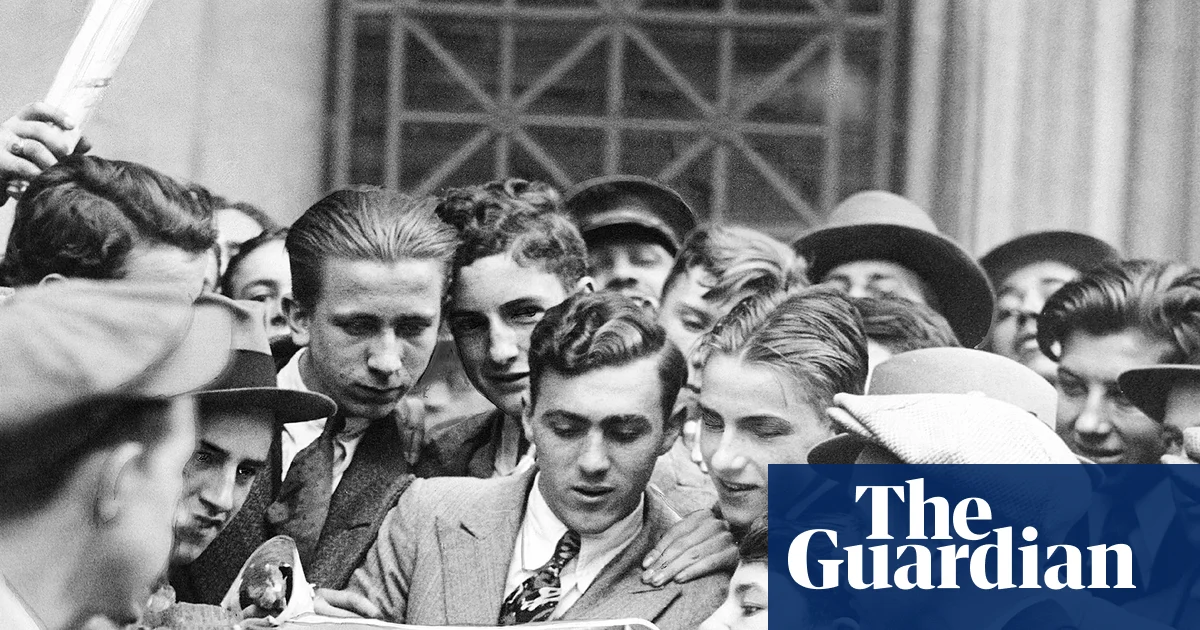
Reflecting on 1929: The tumultuous Wall Street Crash and Its Lasting Impact on a Generation | Books

In a world increasingly captivated by the relentless churn of markets and technology, the crisis of 1929 stands as a stark reminder that the fabric of society is woven from the threads of culture, tradition, and human character. Andrew Ross Sorkin’s latest work, 1929, invites us to peer into the tempest that shattered a nation and reshaped the collective psyche. The 1929 Crash, often remembered through the lens of economic charts and distant statistics, was ultimately a human tragedy—marked not merely by falling stock prices but by a profound upheaval in the moral and cultural order. As Ortega y Gasset warned of the peril of misunderstanding the *spirit* of the times, so too must we recognize that these moments of upheaval challenge the very foundations of our cultural identity and societal cohesion.

Throughout history, society’s most pivotal shifts have been driven less by abstract numbers and more by the stories of individuals—whose motivations, flaws, and virtues define the era. Chesterton’s assertion that “truth is the way things are, perceived without illusion” is echoed in the detailed archival research Sorkin undertakes, uncovering the driving forces behind the crash’s protagonists. Figures like Thomas Lamont, Carter Glass, and John Raskob are not mere caricatures of greed or ambition; they are embodiments of the complex interplay between human nature and societal structure. Their judgements, driven by desire and ideology, echo Tocqueville’s observation that democracy is a fragile vessel, vulnerable to the whims of collective morality. Culture, in this sense, is not a mere backdrop but the living membrane that sustains or shatters communal stability.

Modern parallels emerge naturally from Sorkin’s narrative. Today’s debates over cryptocurrency, private equity, and financial democratization reflect the same unchecked optimism and hubris that led to the 1929 crash. As Sorkin notes, the rhetoric of “democratizing finance” has remained a constant, whether through the advent of credit instruments or the recent regulatory debates surrounding Tesla’s visionary Elon Musk or Elizabeth Warren’s regulatory fervor. The cultural mythos of the self-made entrepreneur or the crusading reformer persists, yet beneath the surface, the tensions remain. Here, the lessons of history serve as the mirror of our aspirations and follies. *We are reminded that the true cost of financial hubris isn’t merely measured in dollars but in the erosion of social trust and moral coherence.*

As the dust of 1929 settled, the nation faced a reckoning not just with economics but with its own soul. Sorkin’s tapestry of characters—ranging from Hoover to Churchill, and from Wall Street magnates to political reformers—illustrates how cultural memory bears witness to the enduring struggle to maintain societal virtue amid chaos. The calamities of yesteryear are not merely stories of the past but prefigurations of future crises, just as Eliot advocated that “history is a pattern of timeless images.” To understand the tumult of 1929 is to comprehend that culture is both a safeguard and a prophecy: a collective memory that informs our present resolve and foreshadows the possibilities yet to come.

In a world teetering between the allure of progress and the perils of excess, the enduring lesson remains clear: culture, built on tradition and moral discipline, is the true bulwark against the chaos of unchecked ambition. As poets and philosophers have long seen, humanity’s destiny is written not only on the ledger of markets but in the stories we tell, the values we cherish, and the memory we preserve. For in culture lies the eternal spirit that inspires us to dream, to remember, and to create a future imbued with meaning—a future where history is not merely a wake-up call, but a prophecy of hope rooted in the timeless pursuit of the true, the beautiful, and the good.

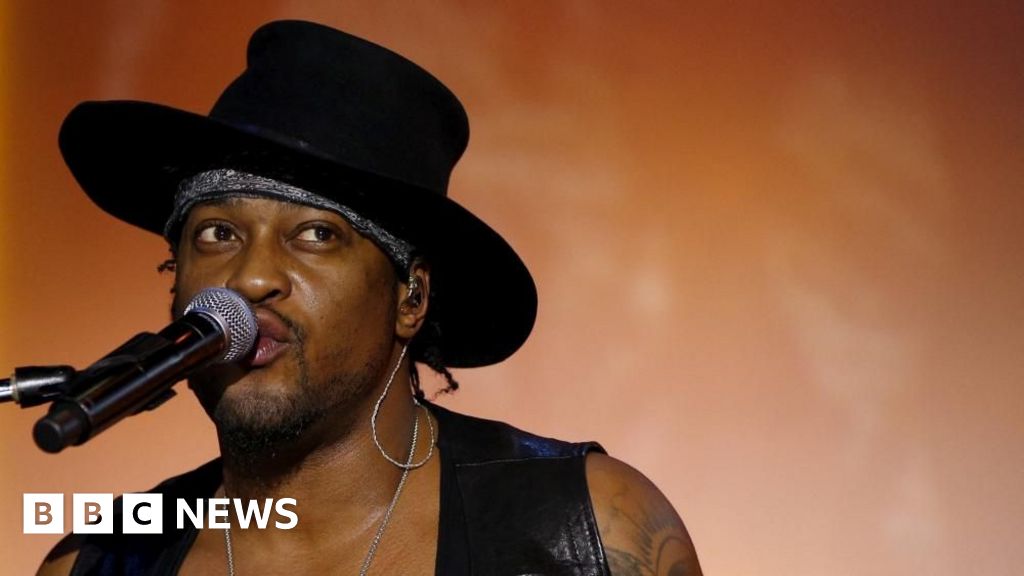
Grammy-winning R&B star D’Angelo passes at 51, leaving a lasting legacy

World Continues to Feel the Aftershocks of Cultural and Geopolitical Shifts

As international landscapes evolve, the loss of cultural icons often highlights how societal shifts resonate across borders, transcending music, politics, and history. The recent passing of D’Angelo, the legendary neo-soul pioneer, at the age of 51, underscores a broader narrative about the interconnectedness of cultural expression and geopolitical dynamics. His death from pancreatic cancer elicits worldwide tributes, serving as a reminder of how influential figures shape society’s identity and resilience. Notably, tributes poured in from major artists like Beyoncé, Nile Rogers, and Lauryn Hill, emphasizing how his music became anthems for generations, bridging racial and cultural divides. Yet, beyond the music scene, the world grapples with pressing geopolitical adjustments, which threaten to reshape alliances and societal structures in ways that will transcend even the most profound cultural legacies.

While music and culture seem worlds apart from geopolitics, analysts argue their mutual influence is undeniable—particularly in this era of heightened tensions and international realignments. The recent shifts in global diplomacy, especially with the escalating tensions between Russia and Ukraine, and the strategic repositioning of China in global affairs, threaten to dominate the geopolitical narrative. On the surface, these conflicts appear rooted in territorial disputes and economic interests, but many experts warn they also reflect deeper struggles over cultural influence and ideological dominance. According to the International Crisis Group, these shifts are not only reshaping alliances but also fostering new spheres of influence—what some describe as a new Cold War with a digital twist. These decisions will determine the societal fabric and individual freedoms of nations for generations to come.

Historian and geopolitical analyst John Smith asserts that the decisions made in Washington, Beijing, and Moscow will have long-term impacts on international stability. For instance, the recent U.S.-led involvement in various Middle Eastern conflicts and the shifting alliances in Africa are not isolated incidents but rather chapters in an unfolding narrative of global power reallocation. Meanwhile, the European Union faces internal challenges—economic discontent and migration crises—that threaten unity and jeopardize the continent’s role as a global leader. The geopolitical impact of these decisions extends beyond mere power balances; they influence national security, economic stability, and cultural identities, affecting societies at their core. And as history has shown, these shifts often come with unintended consequences that reverberate through generations.

Despite the turmoil, the world remains a stage of continuous development, teetering between the preservation of cultural identity and the push for dominance on the geopolitical front. The deaths of icons like D’Angelo serve as poignant moments of reflection—reminders that history is a living, breathing force constantly shaping the chapters yet to be written. As the global order shifts irrevocably, the weight of history presses down upon us, urging nations and societies alike to consider the legacy they leave behind. Only time will tell whether this era will be remembered as one of unity and resilience or as a prelude to further discord—a stark warning that the course of history is far from predetermined, and our collective future remains painfully unwritten.

Social Media Auto Publish Powered By : XYZScripts.com