Matox News

Truth Over Trends, always!

New university free speech watchdog launches this year, empowering students to speak up

In an era defined by rapid cultural shifts and demographic diversification, institutions of higher learning find themselves at the crossroads of upholding free expression and ensuring social cohesion. Professor Malcolm Press, Vice Chancellor of Manchester Metropolitan University, recently emphasized this delicate balance, stating that “protecting free speech while preventing harassment, hate speech, and radicalisation are complex tasks involving finely balanced decisions.” His words highlight a broader societal challenge: how do we foster open dialogue without compromising the safety and dignity of vulnerable communities?

Social issues surrounding free speech and cultural representation profoundly influence families, education, and local communities. As sociologists like Charles Taylor and Kenan Malik have argued, the clash between individual rights and collective social responsibility is not merely legal or political but deeply rooted in cultural identities and moral values. Communities composed of diverse ethnicities and beliefs often grapple with tensions when societal norms shift toward inclusivity. This socio-cultural evolution, while enriching, also tests social cohesion, especially when conflicting narratives threaten to fracture the social fabric.

Amid these tensions, educational institutions are tasked with more than just imparting knowledge; they serve as battlegrounds for moral and cultural debates. Schools and universities are increasingly called upon to navigate issues of free speech, safe spaces, and the prevention of radicalisation. Critics argue that excessive regulation may stifle genuine discourse, while others see unchecked speech as a catalyst for harassment and division. How society strikes a balance directly impacts not only the academic environment but also the families raising children in these complex social landscapes. When young minds witness community debates over free expression, they are also learning how society resolves its disagreements—shaping future attitudes toward coexistence and civic responsibility.

Facing these multifaceted challenges, social commentators emphasize the need for robust dialogue grounded in shared values to foster understanding across differences. This approach, advocated by thinkers such as Jonathan Haidt, promotes the idea that respectful engagement” is essential in an era where demographic shifts can sometimes intensify social tensions. Ultimately, the goal is to nurture resilient families and cohesive communities, capable of dialogue even amid disagreement. Yet, the path forward isn’t without obstacles; safeguarding free speech requires vigilance against those who exploit openness to spread hate or radical ideas. Policymakers and community leaders bear a moral responsibility to create frameworks that uphold both liberty and security.

As society confronts these enduring issues, it becomes clear that the very fabric of our future depends on our collective will to uphold principles of freedom, responsibility, and mutual respect. Society’s strength lies not only in legislation but in the moral courage of individuals and communities willing to listen and learn. In this ongoing struggle for balance, hope persists—a hope that through dedicated effort and unwavering commitment, we can forge a society where families flourish, education enlightens, and communities unite despite their inevitable differences. The true challenge is to remember that beneath every societal debate lies the profound human aspiration for dignity, understanding, and a shared future worthy of our highest ideals.

Biggest Orbital Compute Cluster Launches, Powering Tomorrow’s Tech

Revolutionizing Data Infrastructure: Orbital GPUs Pave the Way for Next-Gen Computing

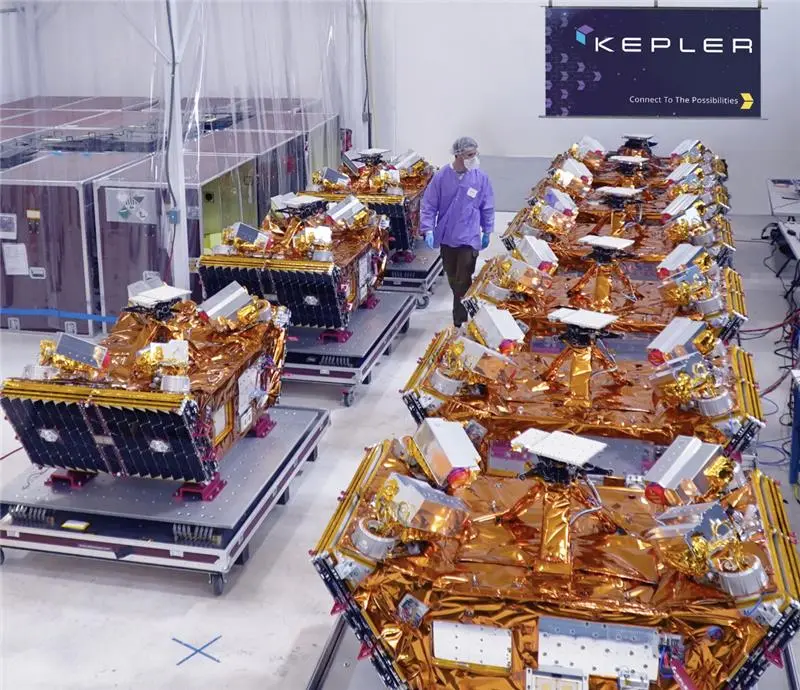
Recent developments in orbital compute infrastructure signal a paradigm shift that could redefine the future of data processing on a global scale. While space-based data centers might still seem like a distant sci-fi dream, the industry accelerates towards practical, disruptive innovation. Kepler, a prominent startup, is spearheading this movement with its focus on providing infrastructure for space applications, distinctly positioning itself away from traditional data center models. Instead, Kepler aims to facilitate network services for satellites, drones, and aircraft, establishing an essential backbone for the next era of interconnected sky-based devices.

This shift is further emphasized by Sophia Space, a trailblazing startup developing passively cooled space computers that address a key obstacle for orbital data centers: thermal management of high-performance processors. Unlike terrestrial counterparts heavily reliant on heavy, costly active cooling systems, Sophia’s innovative approach utilizes passively cooled GPUs capable of operating continuously with minimal power consumption. This breakthrough not only enhances operational sustainability but radically reduces launch costs by eliminating bulky cooling hardware, propelling space-based data centers from aspiration to reality. Sophisticated software testing in orbit— set to occur on Kepler’s constellation— will serve as a critical proof of concept, establishing a new benchmark in orbital computing and de-risking future deployments slated for late 2027.

Technological Disruption and Business Implications

Industry analysts, including those from Gartner and MIT’s Technology Review, suggest that disruptive innovations in space computing may eventually supplant terrestrial data centers— especially as legislation increasingly constrains on-Earth infrastructure growth. For instance, recent legislative actions such as Wisconsin’s ban on new data center construction signal a strategic pivot, driving interest in space-based alternatives. Sophia’s CEO, Rob DeMillo, underscores a growing reality: “There’s no more data centers in this country,” and the trend towards orbital solutions is gaining momentum. Such policy-driven shifts, coupled with technological breakthroughs, challenge the traditional state of data infrastructure and threaten to upend the dominance of terrestrial giants like Amazon Web Services and Google Cloud.

The implications are staggering: distributing GPU workloads in orbit could unlock unprecedented levels of scalability, efficiency, and resilience. As CEO Mina Mitry highlights, the focus is shifting toward understanding inference workloads— processing data locally and continuously— with GPUs optimized for persistent operations rather than sporadic training. This approach promises a more sustainable and cost-effective model for high-performance computing, which could ultimately democratize access and accelerate AI-driven innovations in space, military, and commercial sectors.

Future Outlook: Prepared for Disruption

Setting aside the hype, the reality is that space-based compute technology is emerging as a key sector of disruption. As the industry matures, we can expect to see a rapid convergence of innovations from startups, government agencies, and established infrastructure players. The potential to reconfigure global data ecosystems is immense: with space-based GPUs capable of infinite scalability and resilience, industries will face higher stakes and fierce competition to harness this frontier. Experts like Peter Thiel warn of an impending upheaval— where the very essence of data center economics and infrastructure governance could be rewritten by orbital computing.

As the race heats up, urgency is essential. The industry must innovate relentlessly to stay ahead of regulatory constraints and technological roadblocks. The coming years will determine whether orbital GPUs become a niche curiosity or the backbone of the next digital economy. For youth-driven tech entrepreneurs and investors, the message is clear: the future belongs to those who dare to disrupt the traditional and aim for the stars.

Australia News: Govt Launches Campaign to Cut Fuel Use Amid Ongoing Supply Crisis

As the world grapples with ongoing disruptions to global supply chains, **energy security** has become an increasingly critical issue. Australia, a nation heavily dependent on imported fuel, has recently taken strategic steps to mitigate the potential fallout from these unprecedented challenges. The Australian government has launched a nationwide advertising campaign aimed at encouraging its citizens to reduce fuel consumption amidst persistent shortages. This initiative underscores the broader dilemma facing nations worldwide: balancing immediate energy needs with long-term geopolitical stability. Federal officials, including Transport and Infrastructure Minister Catherine King, emphasize the importance of public cooperation in navigating these turbulent times, while highlighting the delicate interplay between national policies and global supply dynamics.

In a move that signals Australia’s intent to diversify its fuel sources and safeguard its energy supplies, Prime Minister Anthony Albanese recently negotiated a bilateral agreement with Singapore. This pact seeks to ensure mutual access to fuel supplies, a strategic maneuver aimed at reducing reliance on unstable regional logistics and geopolitical chokepoints. However, experts warn that this isn’t a quick fix. Energy Minister Chris Bowen warns of a *“long tail”* of supply disruptions—meaning the ripple effects of the conflict in the Middle East, particularly the ongoing instability in the region’s oil-producing territories, may linger well beyond the immediate crisis. This foresight highlights the interconnectedness of global oil markets and the vulnerability of nations significantly dependent on imports.

From an international perspective, analysts view Australia’s approach as a microcosm of what many nations are forced to confront: how to maintain economic stability and societal wellbeing amid uncertain geopolitical tensions. The global energy crisis has become a crucial flashpoint, especially as OPEC nations and other key producers make unpredictable decisions affecting supply and prices. Several international organizations, such as the International Energy Agency, have issued warnings about the risk of prolonged instability, urging nations to bolster strategic reserves and explore alternative energy sources. Nonetheless, the reality remains stark: the decisions made today—whether to diversify supply routes or to incentivize domestic production—will shape the geopolitical landscape for decades.

Historians and analysts alike recognize that energy conflicts often serve as catalysts for larger geopolitical shifts. As nations scramble to protect their interests, new alliances are forged, and old rivalries are reignited. The current global supply chain crisis and the response of individual countries illustrate a broader truth: in an era of interconnected vulnerabilities, decisions made in Canberra, Washington, or Beijing resonate far beyond their borders and contribute to a sweeping story of strategic recalibration. This fragile balance of power and resource has the potential to ignite conflicts, alter alliances, or even redefine notions of sovereignty. As history continues to unfold, one thing remains certain—the weight of this new age of energy diplomacy will be felt for generations, shaping the geopolitics of the 21st century with every critical decision.

ChatGPT launches $100/month Pro plan—powering the next-gen user experience

OpenAI Introduces Enhanced $100 ChatGPT Pro Tier Amidst Industry Disruption

In a significant development that underscores the rapid evolution of the AI landscape, OpenAI has announced a revamped version of its ChatGPT Pro subscription priced at $100 per month. This move not only signifies a strategic effort to harness increased revenue but also signals innovation in user experience and enterprise-level offerings. The new tier provides 5x more usage of its Codex coding tool compared to the previous $20/month Plus plan, catering to developers and professional users demanding higher throughput for complex coding tasks. OpenAI states that this tier is optimized for “longer, high-effort Codex sessions,” thus addressing an emerging segment of power users whose productivity hinges on robust AI tools.

Disrupting Industry Norms: Competition and Market Shifts

This strategic upgrade comes amidst intensifying competition from players like Anthropic with their Claude Code tool, which has gained popularity for its impressive performance. OpenAI’s move to scale up its offerings with a more capable Pro tier indicates an aggressive push to retain market dominance in the AI coding space. The $100 Pro tier is positioned as a middle ground, bridging the gap between the baseline $20 ChatGPT Plus and the premium $200 Pro option. Such tier segmentation reflects a broader industry trend toward flexible, tiered SaaS models—designed to attract a wider customer base ranging from casual users to enterprise clients.

Business Implications and Industry Impact

The introduction of *two distinct Pro tiers* underscores OpenAI’s recognition of diverse user needs. While the standard Pro still offers all features, the more expensive version incorporates higher usage limits, positioning OpenAI as the platform of choice not just for casual, but heavy-duty users. These enhancements could disrupt traditional coding and AI development workflows, necessitating a reevaluation of how businesses integrate AI into their core operations. As noted by industry analysts from Gartner and MIT, the proliferation of accessible yet powerful AI tools is poised to drastically alter enterprise productivity and innovation cycles.

Looking Ahead: Urgency for Innovation

This strategic expansion by OpenAI emphasizes a broader industry acceleration, where disruption is accelerating via innovation. With competitors like Anthropic advancing rapidly and other tech giants investing heavily in AI, the market is on the cusp of a new era of hyper-competitiveness. Technologies such as Codex and Claude are just precursors to a future where AI-driven coding and automation will become integral to business success. Stakeholders and developers must remain vigilant; those who harness these innovations early will secure competitive advantage in an increasingly AI-centric economy.

In summary, OpenAI’s strategic move to escalate its subscription offerings exemplifies a dynamic shift towards higher performance, flexibility, and enterprise readiness. As AI continues to disrupt traditional sectors, the race to develop more powerful, accessible, and versatile tools will define the next wave of technological revolution. Industry participants and investors alike should prepare for an era where agility, innovation, and disruption are imperative to thrive in the rapidly evolving AI universe.

Israel launches major air strikes across Lebanon amidst mounting tensions

In a significant development amidst the ongoing turmoil in the Middle East, Lebanon has taken a notable turn in its approach to the conflict with Israel. President Joseph Aoun, a respected former army chief, explicitly rejected the option of employing force to manage the rising tensions, emphasizing instead the importance of restraint. His cautious stance was driven by the hard-earned lessons from past regional conflicts, where escalation often led to widespread violence and suffering. This approach aligns with broader international calls for de-escalation, yet the situation remains fragile, with undercurrents of instability that threaten to spill over into wider regional conflict.

The Lebanese government, in a move that caught global attention, declared a willingness to engage in direct negotiations with Israel—a nation with which they have no formal diplomatic relations and whose existence Lebanon remains vigilant over. This historic announcement signals a potential shift in regional diplomacy; it underscores the recognition among Lebanese authorities of the disastrous consequences of ongoing hostilities and the need for political solutions. However, Israel has so far dismissed this overture, refusing to acknowledge or respond to the offer. This deafening silence further complicates the peace process and underscores the challenges faced by international mediators attempting to broker stability in a deeply divided region.

International analysts and historians are closely watching these developments, noting that the decision to negotiate directly with Israel marks a significant departure from Lebanon’s previous posture of hostility and strategic ambiguity. Political experts argue that it reflects a broader realization among Lebanese leaders of the strategic costs inflicted by continued conflict—costs that resonate deeply within Lebanese society, which bears the brunt of economic collapse and social dislocation. Yet, the absence of a reciprocal response from Israel serves as a reminder that peace remains elusive, with entrenched mistrust and ideological divides complicating diplomatic efforts. As UN analysts warn, such intransigence could prolong regional instability, pulling neighboring countries into a destructive cycle that hampers development and threatens global peace.

The geopolitical impact of this evolving situation cannot be understated. Lebanon’s initiative hints at a possible paradigm shift—an acknowledgment by some regional actors that strategic conflict may no longer serve their long-term interests. However, the broader regional landscape is rife with competing interests, external influences, and unresolved grievances. The persistent presence of militias, the shadow of Syria’s ongoing civil war, and Iran’s influence all weigh heavily on Lebanon’s prospects for peace. How these decisions impact societies, economies, and even future generations depends on whether stakeholders recognize the dire stakes and push towards diplomacy or succumb to the inertia of hostility.

This unfolding chapter in Middle Eastern history carries with it a sense of foreboding—an awareness that the decisions taken today will echo through decades to come. As the world watches this fragile attempt at diplomacy unfold amid a backdrop of conflict and distrust, the weight of history presses upon the shoulders of leaders and nations alike. Will they seize this moment to steer away from the destructive path of war, or will they allow the scars of the past to deepen, leaving future generations to inherit a region still scarred and divided? Only time will reveal whether these tentative steps toward peace serve as the dawn of a new era or the last gasp before chaos engulfs the region once more.

Airbnb Launches Private Car Pickup—Fresh Ride Solutions for Travelers

In a move that underscores the relentless push towards integrated, full-stack travel services, Airbnb announced the expansion of its platform to include a new car pick-up service across 125 cities worldwide, partnering with Welcome Pickups. This innovation is not merely an addition but a disruptive shift, signaling a strategic pivot aimed at transforming Airbnb from a home rental platform into a comprehensive travel ecosystem. With the introduction of private car bookings accessible directly within their app, Airbnb is positioning itself to challenge entrenched transportation players while setting the stage for a seamless user experience, blurring the lines between accommodations and mobility.

The company revealed that its pilot program in Europe and Asia demonstrated remarkable success, with “thousands of guests” utilizing the service and achieving an extraordinary average rating of 4.96. When users book a stay, they will now find an option to schedule private transportation, view reservations, and modify details—all within the same platform. This consolidation not only enhances user convenience but also exemplifies the strategic disruption of the traditional travel value chain, wherein distributed services—hotels, transportation, experiences—are converged into a unified digital ecosystem. Analysts from Gartner emphasize that such integrations accelerate industry transformation, forcing competitors to innovate or concede market share.

Moreover, Airbnb’s ambition extends beyond mobility. Building on its summer services launch—which introduced categories like chefs, spa treatments, and personal trainers—the company is aggressively bolstering its comprehensive trip management capabilities. Their recent partnership with Instacart to facilitate grocery orders illustrates an intent to deliver end-to-end trip experiences.

  • Enhanced convenience for travelers
  • Deeper platform engagement
  • Potential for new revenue streams

But such moves also signal a profound shift for the industry—Uber, Expedia, and traditional hospitality giants now face a formidable, integrated challenger that aims to control not just the booking process but the entire traveler journey.

During its Q4 2025 earnings call, Airbnb CEO Brian Chesky emphasized the magnitude of this shift, referencing the “massive” opportunity in hotel stays, with the aim of embedding Airbnb as a primary platform across all aspects of travel. This full-stack approach exemplifies the ongoing disruption in the travel industry, echoing sentiments shared by industry experts like Peter Thiel, who warn of the necessity for companies to innovate at an aggressive pace to stay ahead. As Airbnb explores additional features—such as hotel bookings and even local experiences—the company is rapidly evolving into a comprehensive, all-in-one travel platform. The implications for competitors are clear: adapt or risk obsolescence in a marketplace that’s increasingly favoring integrated digital ecosystems.

Looking ahead, the pace of Airbnb’s expansion signals a broader industry upheaval—<_>disruption is imminent for traditional hospitality and transportation sectors(_). Stakeholders and investors must recognize that the companies which innovate boldly and leverage emerging technologies like AI, data analytics, and seamless omnichannel experiences will dominate the future landscape. As Airbnb’s model exemplifies, the pioneer spirit is alive—and accelerating. The coming years will be pivotal, demanding urgent innovation and a strategic vision that can navigate and capitalize on this unfolding digital revolution.

BuzzFeed launches AI-driven apps to spark new revenue streams

BuzzFeed’s Bold Entry into AI-Powered Creativity and Community Apps: Disrupting the Media Landscape

In a move emblematic of industry-wide disruption driven by artificial intelligence, BuzzFeed is pivoting from its traditional media roots towards a future centered on AI innovation. Announced at SXSW, the company unveiled its new spin-off, Branch Office, which is dedicated to exploring AI-powered consumer apps that target creativity and social connection. While once famed for viral quizzes and Pulitzer-winning journalism, BuzzFeed’s latest initiative signifies a strategic shift towards harnessing the transformative potential of AI as both a content generator and community builder, reflecting the broader trend of digital media companies seeking to redefine engagement in the AI era.

Despite a rocky debut featuring technical glitches and sometimes perplexing demos, the company’s focus on disrupting traditional social platforms marks a notable business pivot. The company showcased two new apps: BF Island, a group chat platform with AI-driven photo editing capabilities, and Conjure, an app resembling BeReal but with a focus on aesthetically evocative, prompt-based photography guided by AI. These products exemplify the strategic emphasis on fast iteration and user engagement—key traits critical for maintaining relevance in a saturated media ecosystem. Industry analysts, including Gartner and MIT’s Media Lab, recognize this move as an attempt to leverage AI’s rapid prototyping to outpace competitors seeking to keep younger audiences captivated amidst shifting digital consumption patterns.

However, the foundational question remains: are these apps addressing consumer desires or merely deploying AI for its own sake? Industry experts suggest that the real breakthrough hinges on how effectively these platforms can foster authentic, community-driven experiences. The lukewarm SXSW reception highlighted skepticism from a tech-savvy audience, exposing that technology fatigue and content fatigue are real concerns. Nonetheless, the underlying premise remains compelling: software is the new content. As Elon Musk and Peter Thiel have long argued, disruption occurs when innovative tech meets bold business models. BuzzFeed is banking on AI’s capacity to accelerate software development cycles—potentially creating an ecosystem where user-generated content is not only faster but also more personalized and emotionally resonant, thus redefining social media paradigms.

Looking ahead, the implications for the broader business landscape are profound. As AI tools become integral to content creation and community engagement, market shifts will favor those who can innovate swiftly and anticipate evolving consumer trends. Given that major institutions like Gartner forecast that AI-driven software will be central to competitive advantage in the coming decade, companies that neglect these opportunities risk obsolescence. In this high-stakes game, innovation and disruption are no longer optional; they define the pathway to dominance in digital culture. For the youth and future-focused enterprises, understanding this paradigm shift is essential—those who harness AI’s potential today will shape the media and social landscapes of tomorrow’s digital frontier. The urgency is clear: in a world where AI-driven platforms are revolutionizing user engagement, the race for relevance is accelerating at an unprecedented pace.

Chinese brain-tech startup Gestala launches with $21M boost, sparking youth innovation wave

Innovation at the Forefront of Neurotech: Gestala Secures Record-Breaking Funding in China’s Brain-Computer Interface Sector

In an extraordinary display of investor confidence, Gestala has raised an impressive $21.6 million (CN¥150 million) within just two months of launching, positioning itself as a major disruptor in China’s burgeoning brain-computer interface (BCI) industry. This funding round, co-led by prominent financial players Guosheng Capital and Dalton Venture, with participation from several key institutions including Tsing Song Capital and Gobi Ventures, has set a new milestone as the largest early-stage investment in China’s BCI arena. With investor commitments surpassing $58 million, the industry’s appetite for groundbreaking neurotechnology is clear and expanding rapidly.

Innovation and speed are now defining the competitive landscape. Gestala is pioneering ultrasound-based brain-computer interface (BCI) systems, a technology believed to revolutionize how humans interact with neural signals. Unlike traditional invasive methods that involve surgery, ultrasound offers a non-invasive alternative capable of monitoring and stimulating deep neural circuits with precision. This approach could drastically lower the risks associated with brain implants, thereby opening up BCI applications to broader populations. By leveraging China’s efficient supply chains and integrated manufacturing ecosystem, Gestala aims to accelerate from prototype to scale, targeting commercialization within the next year—a timeline that could give it a competitive edge against global rivals, many of whom are still in early R&D phases.

Market Implications and Strategic Expansion in Neurotech

The global BCI market is experiencing a surge driven by advancements in ultrasound technology, with major players like OpenAI-backed Merge Labs leading the charge outside China. Gartner analysts highlight that these innovations are fundamentally disruptive, with the potential to reshape sectors from healthcare to gaming. Gestala plans to develop its first-generation prototype by year’s end and is actively expanding its R&D team from 15 to 35 personnel, underscoring an aggressive move towards rapid commercialization. The company’s strategic focus on developing a “Ultrasound Brain Bank” signals its intent to create large, high-quality datasets, crucial for training AI models and bolstering future diagnostics—a move aligned with global trends in AI-driven healthcare.

  • Medical Applications: Chronic pain management, mental health (depression, PTSD, autism), stroke rehabilitation
  • Long-Term Goals: Neurodegenerative diseases such as Alzheimer’s, Parkinson’s, and tremors
  • Operational Strategy: Leveraging China’s manufacturing scale for speed and cost efficiency, reducing clinical trial costs by up to 80%

Despite rising geopolitical tensions, Peng, founder and CEO of Gestala, emphasizes the importance of international collaboration, advocating a partnership model where the U.S. and China combine large-scale clinical research capacity with top-tier scientific talent. This cooperation could potentially accelerate breakthroughs, echoing industry experts’ warnings that hardware and AI integration must navigate geopolitical hurdles but also unlock unprecedented innovation in neural science.

Looking ahead, the implications for disruption are profound. With a blend of innovative ultrasound tech, strategic manufacturing, and data-rich AI models, Gestala is positioning itself at the vanguard of the next wave of neurotechnology. As global investors and industry giants race to decode the brain’s complexities, the urgency to stay ahead becomes critical. The next 12 to 24 months are poised to determine whether non-invasive ultrasound BCI can break through regulatory, technical, and geopolitical barriers—and, in doing so, reshape the very fabric of human-machine interaction for generations to come.

OpenAI Launches ChatGPT Ads: The Future of Smart Living Starts Now

The Future of AI and Advertising: OpenAI’s Bold Step

In an era where digital giants are continuously reshaping how we interact with technology, OpenAI has taken a notable leap forward by introducing ads inside ChatGPT. Since its inception in 2022, ChatGPT has largely operated as a distraction-free zone, prized for its pure AI-driven conversations and its anti-clutter approach. However, with this recent rollout, the landscape is shifting. Now, users are faced with a choice: embrace the new, more commercialized AI experience or opt-out in favor of a cleaner, ad-free interface. This move is emblematic of a larger trend where tech innovation is increasingly intertwined with monetization, raising questions about what it means for our future interactions with AI.

The move is not just about generating revenue; it signals a broader cultural impact on how society perceives and consumes content. Critics argue that introducing advertising into a platform like ChatGPT could erode the trust and authenticity that have made it so appealing to young users seeking a genuine, distraction-free learning tool. Yet, OpenAI is banking on a strategy that emphasizes transparency and user choice. Users who prefer to keep their experience free of sponsored content can opt for higher-tier paid plans or choose to opt out of ads altogether, including the ability to control how their data is used for ad targeting. This approach reflects an understanding that today’s digital consumers value agency in their online experience — they want control over how their data is used, especially when it comes to the AI companions they increasingly depend on.

Influencers and sociologists see this move as part of a broader societal shift. According to tech analyst Matt Vella, adding ads into AI tools like ChatGPT “foreshadows a future where AI becomes not just a tool but a marketplace, blurring the lines between utility and commerce.” Meanwhile, platforms like Anthropic have responded with satire, actively mocking the idea through high-profile campaigns like their Super Bowl LX ad, which staged conversations abruptly pivoting into sales pitches. These responses highlight that the social relevance of this trend isn’t lost on the public: it’s a reflection of a society grappling with the rise of corporate interests in spaces once viewed as sanctuaries for genuine human-AI collaborations.

This tension raises a pivotal question for the future of AI-powered services: as platforms increasingly embed advertising into their core functions, will users begin to see AI as an extension of the commercial landscape or as a trustworthy partner in their daily lives? The next big question we should be asking isn’t just about how AI will evolve but about what kind of digital world we are creating for ourselves and future generations. Is this shift toward a hybrid model sustainable, or are we walking into a new era where personalized AI assistance becomes always-already intertwined with advertising and commercial interests? As these questions unfold, one thing is clear: the future of AI is as much about societal values as it is about technological innovation.

US DoJ Launches Civil Rights Probe into Alex Pretti Shooting under Trump Era

The recent sequence of events in Minneapolis has ignited a fierce debate about U.S. immigration policy and law enforcement conduct, with wide-reaching geopolitical implications. The fatal shooting of Alex Pretti, a 37-year-old nurse and activist, by federal immigration officers has provoked protests across the city, drawing international attention to the ongoing crisis within the United States. Officials from the Department of Justice and the FBI have launched a federal civil rights investigation, marking a significant escalation from initial, hurried responses by the Trump administration. This shift signals a potential turning point in how the U.S. handles internal crises involving law enforcement and immigrant communities, raising questions about government accountability and the rule of law.

  • Following Pretti’s death, protesters have maintained daily demonstrations, emphasizing the widespread community outrage against federal agencies like ICE and border patrol units.
  • Controversy swells over initial official narratives, with homeland security secretary Kristi Noem conceding to misinformation about Pretti’s actions, while subsequent video evidence contradicts claims that he attacked officers.
  • Political figures, including Senator Thom Tillis, have called for accountability, criticizing Noem for her handling of the incident amid mounting bipartisan concern.

International organizations such as Human Rights Watch and Amnesty International have condemned the use of force against civilians, framing the incident as emblematic of broader issues in U.S. immigration enforcement policies. The case resonates globally as nations scrutinize U.S. commitment to human rights standards, especially given President Donald Trump’s aggressive rhetoric and policies that emphasize strict border control. Analysts warn that these decisions domestically could influence foreign perceptions of America’s global image. The incident also underscores the geopolitical impact of domestic policies; as the U.S. projects strength abroad, its internal crises threaten to erode credibility and moral authority.

Historians and international observers point out that such incidents are not isolated but reflect a persistent pattern of state use of force amidst social upheaval. This reckoning arrives at a critical juncture, with timing coinciding with increased global tensions and upheaval. The situation in Minneapolis highlights the importance of international vigilance regarding the rule of law in a superpower that nonetheless faces internal divisions and international scrutiny. As protesters continue to rally and authorities grapple with their narratives, the world watches—aware that so much of today’s history is written in moments of crisis that could define the global balance for decades to come.

In this unfolding chapter of history, the fate of U.S. democracy and its approach to justice hangs precariously in the balance. The reach of the state onto the streets of Minneapolis echoes beyond local borders, reminding the world that the future of freedom and order is often decided in moments of profound crisis. The outcome of this investigation will not only influence domestic policy but will serve as a powerful test of whether the U.S. can reconcile its ideals of justice with the harsh realities of internal conflict. As the dust settles and the pages of history continue to turn, the world remains vigilant—knowing that this is only the beginning of a much larger story in the quest for justice, sovereignty, and moral clarity.

Social Media Auto Publish Powered By : XYZScripts.com