Matox News

Truth Over Trends, always!

Iran Nobel Laureate Hospitalized After Aggressive Detention

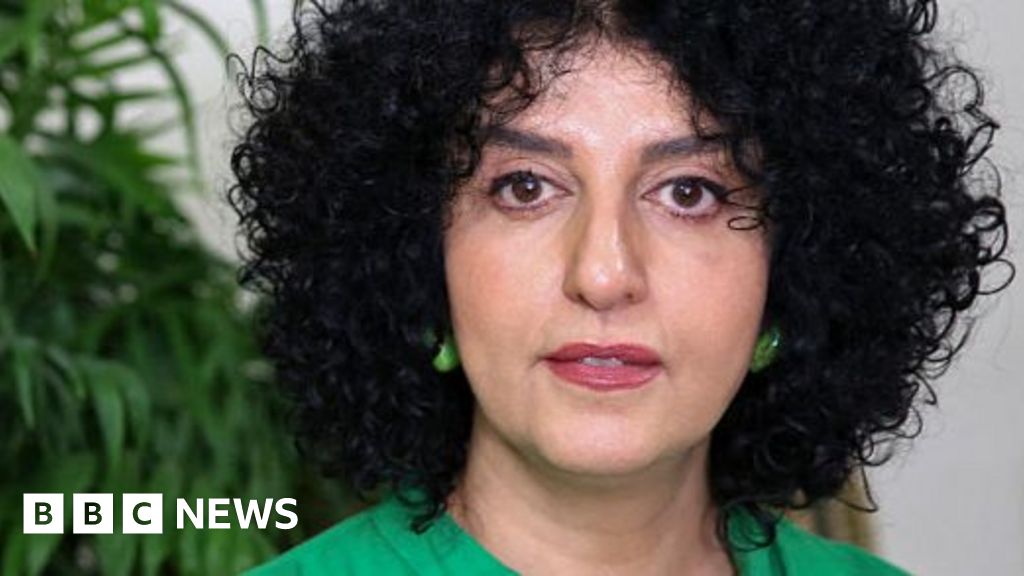
In a disturbing escalation of Iran’s ongoing crackdown on dissent, prominent Nobel Peace Prize laureate Narges Mohammadi was violently detained last week, sparking international outrage. The Nobel Committee and global rights advocates condemned her treatment, which reportedly involved severe beatings by plainclothes agents—an alarming sign of authoritarian repression intensifying under the current regime. The 53-year-old activist, known for her relentless campaign against female oppression and human rights abuses, was hospitalized after being attacked while attending a memorial ceremony for human rights lawyer Khosrow Alikordi. Her family described her injuries as severe, with multiple emergency room visits, emphasizing the brutal nature of her detention. The international community, including respected analysts and organizations, interpret these actions as a deliberate attempt by the Iranian government to quash voices of dissent amid a nationwide push for reform, but at what cost to human dignity and international norms?

Iranian authorities justified her detention by claiming she made “provocative remarks” during a memorial gathering, but critics contend this is merely a pretext for silencing influential figures. Mohammadi, who has spent over a decade in prison for her activism, was serving a 13-year sentence on charges broadly viewed by experts as politically motivated—specifically, “propaganda activity against the state” and “collusion against national security”. Her recent temporary release for medical reasons did little to stem the repression, as reports indicate she was targeted again at the event, with eyewitnesses describing her being pulled by the hair and assaulted with clubs. Disturbingly, she was accused of collaborating with foreign entities, a charge frequently used in theocratic regimes to justify crackdowns on civil society. This pattern of violence and intimidation, analysts warn, underscores how Iran’s leadership seeks to send a chilling message to activists and the international community alike—complete dominance over dissent, no matter the cost.

The geopolitical impact of Iran’s internal repression extends far beyond its borders. Western nations and international organizations have expressed growing concern over the regime’s authoritarian crackdown—a reflection of the broader regional instability and a test for global diplomacy. The European Union and United States have increased sanctions, framing these acts as violations of human rights and a threat to regional security. Historically, Iran’s internal strife is often a precursor to broader upheaval, with analysts warning that these episodes of suppression could embolden more aggressive regional postures, especially in the context of a Middle East fraught with conflicts. The international community faces a dilemma: uphold diplomatic engagement, or confront Iran’s brutal tactics head-on, risking destabilization or confrontation. Organizations such as Human Rights Watch have called for tangible action, urging Tehran to cease the crackdown and respect the rights of its citizens—a stance that continues to challenge the regime’s narrative of sovereignty over human rights.

The unfolding events at the memorial and the regime’s response are a stark reminder that history is being written in the shadows of violence and repression. As young people worldwide observe these developments, the question remains whether international vigilance and pressure can effect change—or if Iran’s government will continue to tighten its grip, sacrificing societal progress for control. The fate of Narges Mohammadi and countless others symbolizes a broader struggle—one that intertwines human rights, regional power dynamics, and the very essence of political legitimacy. As the dust settles, the world must ask: which future will emerge from this crucible of repression? Will justice and freedom prevail, or will history accelerate into further darkness, leaving those who dared to speak out to become casualties of an unyielding regime?
Exposed: Effort to Smuggle Nobel Laureate Out of Venezuela

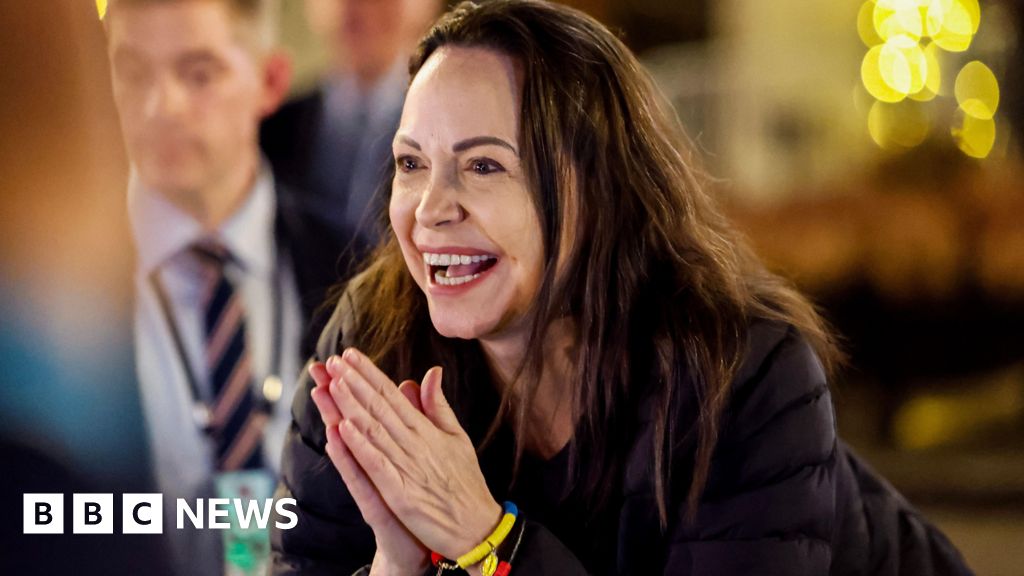
In an unprecedented display of clandestine operations and international intrigue, Venezuela finds itself again in the global spotlight amid a tense geopolitical climate. A daring rescue mission, dubbed Operation Golden Dynamite, successfully extracted the prominent opposition leader and Nobel laureate, María Corina Machado, from her hidden sanctuary within the country. The clandestine plan, executed by the private intelligence firm Grey Bull Rescue, involved perilous sea crossings through rough, pitch-black waters, all designed to foil the ever-watchful eyes of authoritarian regimes. Such maneuvers are not just daring feats—they are emblematic of the rising tides of tension between Venezuela and Western powers, especially the United States, which has recently ratcheted up its rhetoric against Nicolás Maduro’s government.

The operation’s success raises serious questions about the underlying intentions behind U.S. involvement. Analysts and historians warn that these covert actions are indicative of a broader, behind-the-scenes escalation of non-conventional warfare aimed at regime change. The founder of Grey Bull, Bryan Stern, confirmed that preparations had been underway for months, with infrastructure built in the Caribbean designed to facilitate quick evacuations of key opposition figures or American allies should Venezuela’s internal crisis spiral further out of control. The fact that this rescue was financed privately, without formal government backing, underscores the shadowy nature of international power plays, where decisions made in secret can have profound and lasting geopolitical impacts across the region and beyond.

Critics and international observers contend that the rising unrest is deeply intertwined with U.S. attempts to weaken Maduro’s grip and promote regime change, echoing historical patterns seen in comparable conflicts. The move comes amid mounting speculation that the Biden administration is weighing more aggressive options, including possible military intervention, especially given President Donald Trump’s recent inflammatory remarks accusing Maduro of drug trafficking and violent crimes. According to international security analysts, such rhetoric is designed to serve as strategic pressure—a warning to authoritarian regimes and opposition groups alike. The unfolding drama suggests the region stands on the brink of a new conflict, where diplomatic negotiations may be overshadowed by covert operations, escalating tensions with long-lasting consequences for societal stability in Venezuela and the broader Latin American corridor.

Historically, conflicts driven by external interference have reshaped nations, often leaving scars that persist for generations. United Nations and other global organizations have repeatedly warned of the dangers posed by interventionist policies that undermine sovereignty and fuel cycle of violence. As Venezuela faces internal turmoil and external pressures, the decision-making funnel held by international actors will undoubtedly influence the course of history. The story of María Corina Machado’s rescue is more than an isolated event; it is a chapter in a much larger saga—one where the weight of history continuously shifts, and the fate of nations is decided behind the veils of secrecy and power. As the sun rises over a continent on the brink, the world must ponder: how many more secrets, more interventions, and more sacrifices lie ahead in this unfolding geopolitical chess game?

Oslo Cancels Appearance by Nobel Laureate María Corina Machado—Youth Voice Silenced

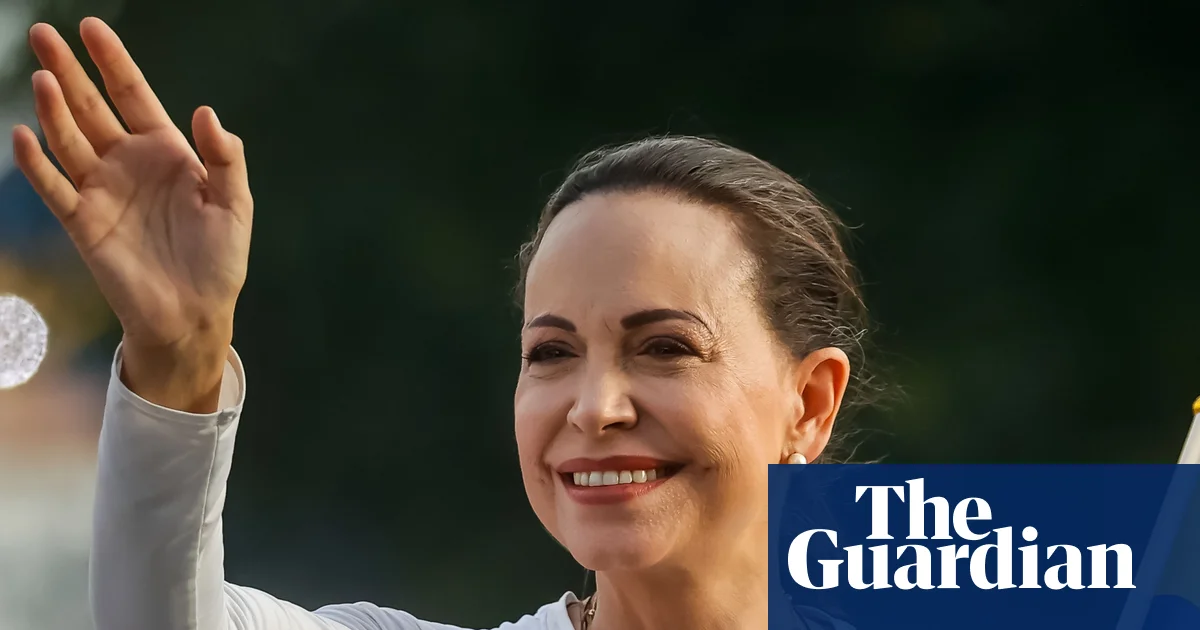
In a remarkable twist of international diplomacy and ideological rivalry, Venezuela’s opposition leader and fierce critic of Nicolás Maduro, María Corina Machado, has been awarded the Nobel Peace Prize for her relentless efforts to challenge the authoritarian regime in Caracas. The decision by the Norwegian Nobel Committee has sent seismic waves through the geopolitical landscape, prompting discussions on the effectiveness of Western institutions in defending democracy and human rights against entrenched authoritarian governments. However, the celebration was marred by controversy and uncertainty surrounding Machado’s safety and whereabouts, as her planned appearance at the Nobel ceremony was abruptly canceled, underscoring the sinister stakes in Venezuela’s ongoing political crisis.

The **Nobel Peace Prize** announcement underscores a shifting global narrative: how Western support for opposition movements can act as a catalyst for change, yet also provoke fierce retaliation from ruling regimes. Machado, often whispered about as Venezuela’s “Iron Lady,” champions her people’s cause amid a climate of suppression and violence. To many analysts, her award is a **symbolic victory** for grassroots democracy; yet, it also highlights the risks faced by opposition figures under Maduro’s control. As international organizations and historians debate whether Western backing emboldens regimes or fosters real change, the fact remains that Machado’s escape from Venezuela—possibly aided by clandestine support from the U.S.—marks a notable escalation in covert geopolitical maneuvering. The U.S., which has ramped up naval activity and issued threats of land strikes against drug-trafficking suspects, clearly views Venezuela as a pivotal battleground in the global fight against authoritarianism and organized crime.

Meanwhile, the U.S. administration has sharpened its rhetoric, framing its military and diplomatic actions within a broader effort to destabilize Maduro and bolster opposition factions like Machado’s. Reports suggest her family, including her mother, Corina Parisca de Machado, and her children, have traveled clandestinely to Europe for her safety, with some analysts speculating about secret departures via Puerto Rico. This clandestine movement underscores the **high-stakes diplomacy** occurring behind closed doors, where international allies weigh their support amid the risk of increased repression and possible violence. Historians warn that such covert operations can either **accelerate democratization** or deepen divisions, depending on how the global community manages its influence.

As the Nigerian, European, and Latin American bodies prepare to honor Machado amid protests of suppression and international intrigue, the ultimate question remains: **how will this act of recognition influence Venezuela’s future**? Countries like Argentina, Panama, Ecuador, and Paraguay are set to send representatives, turning the event into a geopolitical showdown, where symbols of Western solidarity collide with Maduro’s autocratic resilience. The global community stands at a pivotal crossroads, facing the reality that history is _not_ simply being made—it is _being rewritten_ in real-time. As Machado’s fate hangs in the balance and Russia and China observe from afar, the specter of what’s to come remains shrouded in uncertainty. For now, the world watches, breath held, as the story of Venezuela’s liberation—perhaps its darkest hours—continues to unfold amid the echoes of a battered democracy fighting to breathe amidst the smoke of repression and international intrigue.

Nigerian Nobel Laureate Wole Soyinka Claims U.S. Visa Revocation

International Tensions Rise as US Implements Restrictive Visa Policies

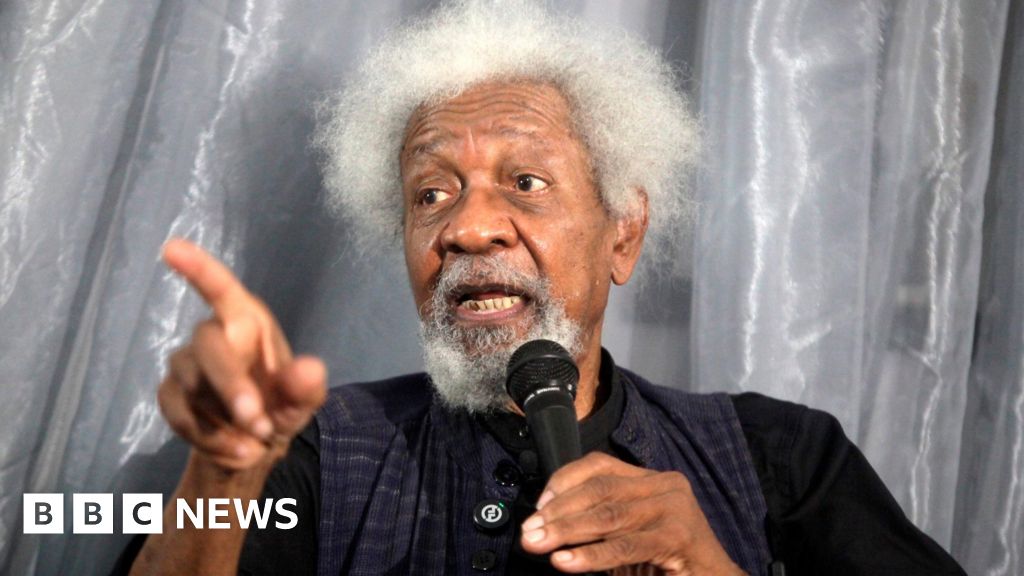
The recent move by the United States to revoke visas of prominent figures like Nigerian Nobel laureate Wole Soyinka signals a significant shift in its diplomatic stance towards cultural and intellectual diplomacy. Soyinka, who publicly announced that the US had canceled his visa—calling it a “curious love letter from an embassy”—embodies the broader tensions over American foreign policy and its impact on global perceptions. The US State Department’s decision, which comes amidst the implementation of *restrictive visa policies* affecting many African nations, underscores a broader pattern of tightening borders that deeply affect individual exchanges and international reputation.

This policy shift is not occurring in isolation. In July, the US government announced sweeping changes to its non-immigrant visa system, especially targeting citizens of Nigeria, Cameroon, Ethiopia, and Ghana. These nations now face restrictions where visas are predominantly single-entry and valid for only three months, reversing previous allowances for longer, multiple-entry visas. Analysts argue that such policies serve as a form of diplomatic signaling—whether intended or not—casting shadows over US commitment to global engagement and collaboration. This crackdown is influencing how nations perceive the US as a hub for international exchange, academic progress, and cultural diplomacy, factors that historically bolstered America’s soft power worldwide.

How Decisions Reshape Diplomatic Norms and Societal Relations

Soyinka’s experience underscores how political decisions translate into tangible consequences for individuals and, by extension, their countries. A renowned critic of US policies, Soyinka has long been an advocate for free expression—yet now finds himself barred from the land where he once held permanent residency, which he renounced in 2016 in protest of President Donald Trump’s policies. This incident exemplifies how shifts in US immigration policy—linked directly to political rhetoric—can undermine the country’s reputation as a sanctuary for free thinkers and seekers of knowledge. By restricting visas, the US risks alienating the very voices that have historically contributed to its intellectual diversity.”

Cultural and academic exchanges are vital to fostering mutual understanding, yet recent actions threaten to erode this foundation. The revocation of Soyinka’s visa, following his critical remarks comparing Trump to Uganda’s infamous dictator Idi Amin, reflect a pattern where political dissent is increasingly viewed as disloyalty or threat. Such acts of suppression could have lasting implications, impairing efforts aimed at bridging cultural divides and advancing shared global values. International organizations and historians warn that these moves risk creating a polarized world where societies retreat behind nationalistic barriers rather than engaging in dialogue that promotes peace and cooperation.

Unfolding History and the Future of Global Competitiveness

As world leaders watch the US’s evolving policies, the geopolitical landscape is shifting dramatically. Many consider these restrictions a strategic move to assert national sovereignty, yet critics argue they threaten to diminish America’s global influence during a time when international stability is fragile. The decisions influence multiple facets: diplomatic relations, academic collaborations, and cultural exchange programs—elements integral to the fabric of global society. This era could be remembered as a turning point when the US’s commitment to openness and diversity was tested, with consequences rippling across generations. International institutions warn that if such policies persist, they may embolden other nations to follow suit, ushering in a new era of fragmented global engagement.

Ultimately, the unfolding story of visa restrictions, diplomatic retractions, and international reactions leaves humanity at a crossroads. History will judge whether these decisions serve as a temporary blip of authoritarian overreach or a signal of a fundamental shift in global power dynamics. As nations watch and react, the weight of history hangs heavy, reminding all that in the dance of geopolitics, today’s choices forge tomorrow’s legacy—an unfolding saga that history will record long after the ink has dried.

Social Media Auto Publish Powered By : XYZScripts.com