Matox News

Truth Over Trends, always!

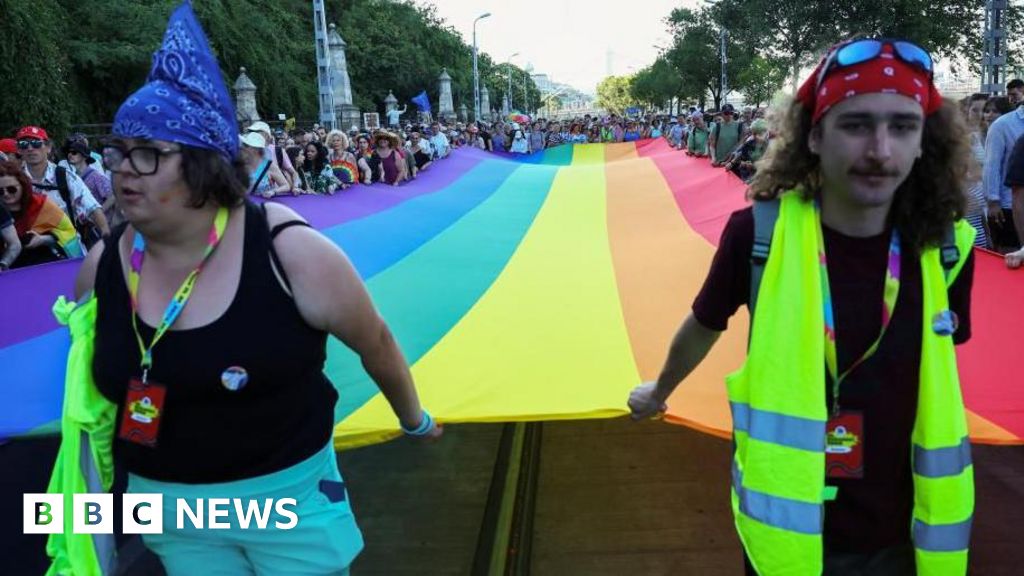
Hungary's Anti-LGBTQ Laws Blocked by EU for Betraying European Values
Hungary’s Anti-LGBTQ Laws Blocked by EU for Betraying European Values

Amid a rapidly shifting international landscape, European Union authorities are intensifying their crackdown on member states and external actors that challenge foundational principles. Recently, one such confrontation has come under the spotlight, with EU officials unequivocally condemning actions that breach both the letter and spirit of EU law. As EU Commission representatives assert, violations are no longer being tolerated as mere technical infractions but are now viewed as threats to the core values that underpin Europe’s unity and democratic integrity. This pivotal moment underscores a broader effort to reaffirm sovereignty rooted in shared values of pluralism, equality, and the rule of law, especially amid rising geopolitical tensions.

In a pointed statement, EU legal advisor Morijn declared, “You are basically violating EU law in such a fundamental way we are not only holding you to account for violating the letter of the law but also violating the spirit of that law, laid down in Article 2, which lists all the values of pluralism, equality and rule of law.” This declarative stance signals a shift toward more assertive enforcement, with implications reaching far beyond courtrooms. Many analysts interpret this stance as part of an increasing global movement to safeguard democratic norms against assaults from both internal populist movements and external powers seeking influence over critical alliances.

Historically, debates surrounding sovereignty and compliance with supranational legal frameworks have oscillated between cooperation and defiance. However, the current situation signifies a distinct phase where the EU’s capacity to uphold the principles enshrined in its foundational treaties is being tested. International observers such as the Carnegie Endowment for International Peace and geopolitical strategists warn that continued violations threaten the stability of the entire European project. They argue that, while cooperation remains essential, the EU must now be prepared to use its legal and political tools decisively to deter breaches and reinforce cohesion. Such actions, critics contend, are crucial to maintain not only regional stability but also to preserve the credibility of the liberal democratic order amidst a backdrop of rising authoritarian tendencies worldwide.

As the world watches, the EU faces a historic crossroads: will it uphold its moral and legal authority, or become enfeebled by discord and double standards? The decisions made today will reverberate through history’s corridors, shaping the lives of millions and defining the future of Europe as a bastion of democratic ideals or as a fragmented union vulnerable to external influence. Sentinel voices from the United States to Asia note that the outcome will profoundly influence the unfolding dynamics of global power—balancing the scales between nationalist sovereignty and international cooperation. This is not merely a European matter; it is a testament to a world grappling with its foundational values on a stage where history’s pen has yet to finish writing. With the echoes of past conflicts haunting modern geopolitics, the question remains: how long can principles withstand the pressures of shifting alliances and emerging threats? The pages of history continue to turn, and in their wake, a new chapter is being written—one that might redefine the entire landscape of international governance.

Senegal Enacts Stricter Anti-Gay Laws Amid Rights Group Concerns

Recent warnings from international critics suggest a concerning trajectory where violence and fear are poised to escalate across multiple regions, threatening the fragile stability that many nations have worked decades to establish. Analysts warn that these developments could serve as a turning point, undermining not only regional security but also the foundational principles of equality and non-discrimination. Such concerns are particularly acute among defenders of democratic freedoms, who emphasize that the current geopolitical climate may significantly reverse progress made in human rights over recent years.

In the midst of ongoing conflicts, there is mounting evidence that internal and external pressures are pushing nations toward increased authoritarianism and repression. Top international organizations, including the United Nations, have issued cautious statements pointing out that rising violence often correlates with the suppression of civil liberties. Historically, sharp rises in violence tend to be accompanied by efforts to curtail dissent and marginalize vulnerable populations, thereby eroding the ideals of equality. Some political analysts, referencing historical parallels, warn that when governments prioritize security over individual rights, societal divisions deepen, and the stability they seek to maintain is often betrayed by the very methods deployed to achieve it.

Notably, critics argue that these trends are not isolated but indicative of a broader geopolitical shift. Countries caught between rising authoritarian regimes and global power struggles are increasingly resorting to coercive measures that threaten to destabilize entire regions. Efforts to suppress dissent and silence opposition voices are intensifying, with many nations adopting laws that undermine free media and judicial independence. These actions threaten to undo decades of progress toward inclusive governance. According to observers from the International Crisis Group, such shifts could precipitate regional conflicts, destabilize alliances, and fracture international cooperation, with far-reaching consequences for global peace and security.

Moreover, the erosion of principles of equality and non-discrimination complicates these already tense circumstances. Societies with entrenched divides—be they ethnic, religious, or socio-economic—are particularly vulnerable to the destabilizing impacts of violence and repression. Voices from historians such as Dr. Jonathan Marcus warn that history repeatedly demonstrates how the disavowal of fundamental human rights fuels cycles of violence that can spiral into full-scale upheaval. As nations grapple with these emergent threats, the question remains: how will the international community respond to safeguard the core values of freedom and justice, especially when those values are under assault?

Ultimately, these interconnected dynamics cast a long shadow over the future. The unfolding story of conflict, repression, and the retreat from universal rights is a stark reminder that history is perpetually in the making. Each decision taken—whether to capitulate to fear or uphold justice—will define the course of nations for generations to come. As the world watches on the brink of this tumult, the haunting realization persists: the struggle for peace and liberty is an enduring, often perilous journey, and the choices made today will echo through history’s halls as defining moments of our age.

Australians Will Need to Confirm They're Over 18 to Access Porn Under New Laws
Australians Will Need to Confirm They’re Over 18 to Access Porn Under New Laws

In a decisive move that underscores the ongoing battle against digital exploitation and underage access, sites such as Pornhub and RedTube are now mandated to verify the ages of all users or face ramifications reaching into the millions of dollars in fines. This legislative shift marks a critical juncture in the international effort to regulate online content, reflecting both societal concern and the increasing influence of governmental authority over digital spaces. The move signifies a broader attempt to balance freedom of expression with the urgent need to protect vulnerable populations, especially minors, from exploitation and harmful content.

From a geopolitical perspective, these laws demonstrate the rising power of national governments to impose strict standards on global internet giants. Countries involved in this regulatory push argue that age verification is essential to uphold societal morals and prevent criminal activities. International organizations, including the United Nations, continue to emphasize the importance of safeguarding human rights online, but critics argue that such measures could infringe on privacy and free speech. The decision of individual nations to enforce these regulations effectively puts multinational corporations in a difficult position: comply with foreign laws or face catastrophic financial penalties that threaten their global operations. Data security experts warn that while the intent is protective, the implementation must be meticulously managed to avoid exposing user data—an aspect that raises concerns about privacy violations amid stringent compliance demands.

Historians and analysts have interpreted the recent crackdown as part of a larger trend of increased government intervention in the digital realm, a phenomenon that shapes the future of online freedoms. According to Dr. Jane Harper, a well-known cyber-law expert, “This is not just about protecting children but about asserting national sovereignty over the digital economy.” Countries pursuing such legislation are signaling a new era in international relations, one positionally marked by a debate over regulatory sovereignty versus corporate autonomy. As global content providers scramble to adapt, many anticipate that these laws will set precursors for future legislation worldwide, effectively forging a new ‘guardrail’ for internet governance.

  • The laws enforce the verification of user ages, requiring real-time identity checks before access is granted.
  • Fines for non-compliance can reach into the millions of dollars, endangering the viability of platforms that fail to meet standards.
  • There is an increased call for transparency and data security within online content industries.
  • These regulations challenge the balance between free access and safeguarding vulnerable populations, sparking international debate.

As this dramatic shift unfolds across national borders, the global community faces a pivotal question: Will such policies uphold the moral fabric of society without compromising fundamental rights? The decision by governments to assert control over what was once an unregulated digital frontier resonates deeply within the corridors of power. With each new law, history is writing itself into the narrative of how nations reckon with the rapid evolution of technology and its impact on society. In this ongoing saga of sovereignty versus digital freedom, the outcome remains uncertain—yet undeniably, it is a chapter that could forever alter the landscape of internet regulation and societal values, leaving a profound imprint on the course of history.”

Canada’s gun laws: What young Canadians need to know

Mass Shooting in British Columbia Sparks Renewed Debate Over Canada’s Gun Laws

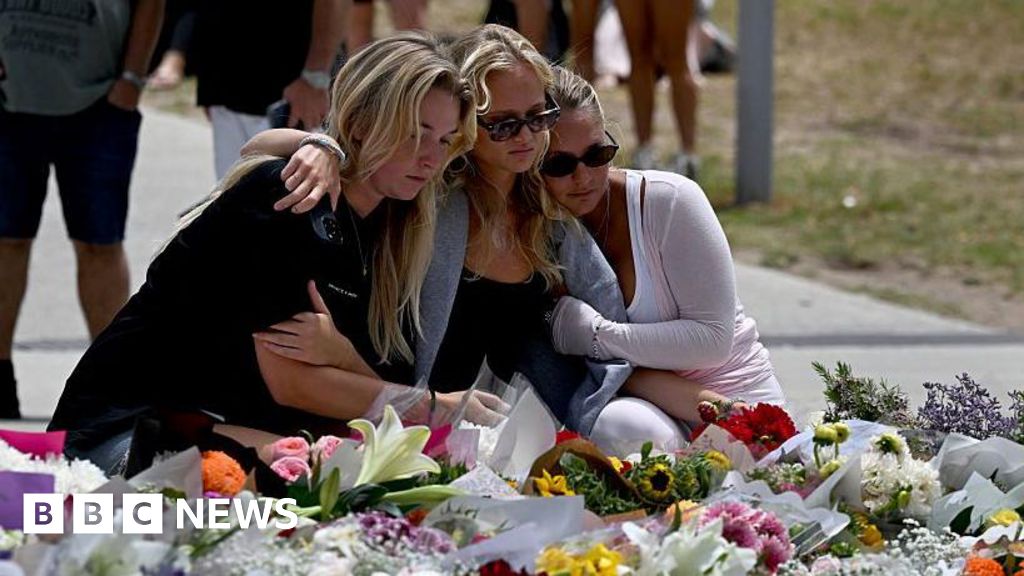
A tragic mass shooting in British Columbia has reignited a heated debate across the nation regarding the adequacy of Canada’s gun control measures. While Canada has long been seen as a country with relatively strict firearm regulations compared to their neighbors to the south, recent violence has cast doubt on whether existing laws are sufficient to ensure public safety. The incident, which resulted in multiple fatalities, underscores the fragility of peace in societies that may underestimate the threat posed by firearms, especially in an era of rising global unrest.

Analysts and international organizations have expressed concern that such tragedies expose gaps in Canada’s gun legislation. According to Global Firearm Violence Index, the country’s current framework primarily focuses on licensing and registration, but often falls short in controlling the availability of high-powered weapons and addressing illegal firearm circulation. Historians point to patterns observed in other nations where insufficient regulation correlates with higher rates of gun-related violence. The incident is likely to prompt a reconsideration of legal frameworks, which could include measures such as imposing stricter background checks, bans on semi-automatic weapons, or enhanced tracking systems.

Political leaders and civic groups are now divided on the issue. Prime Minister Justin Trudeau has called for a comprehensive review of protocols surrounding firearm possession, emphasizing the importance of balanced policies that respect law-abiding citizens while protecting communities. However, opponents argue that such efforts threaten the rights of law-abiding gun owners and could fuel criminal networks if not properly implemented. The debate echoes larger questions about how nations prioritize security versus individual freedoms, sparking a broader conversation that crosses borders and ideologies.

The geopolitical impact of this incident extends beyond Canada’s borders. As the international community witnesses the rising toll of firearms-related violence in Western societies, there is increased pressure on global institutions to enforce stricter standards and support national efforts. Countries such as the United States serve as cautionary examples, where the proliferation of firearms correlates with higher rates of gun-related homicides and mass shootings. In this context, the British Columbia tragedy underscores a crucial lesson: the decision to tighten or loosen firearm laws can shape societal stability for generations to come.

Leading analysts warn that failure to address the root causes — whether through legislation, societal reform, or international cooperation — risks the continuation of cycles of violence that threaten the very fabric of our global community. As history continues to unfold, nations remain locked in an ongoing struggle to find the right balance. And while the echoes of this tragic event fade into the backdrop of political discourse, the power to influence future policy rests in the hands of decision-makers now faced with the gravity of their choices. In an uncertain world, the lesson remains clear: the cost of inaction can be measured in lives lost, and history’s voice will judge the courage of those who choose to act or remain silent.

Queensland’s new gun laws face backlash as critics call them the weakest in Australia

In a move that exemplifies the ongoing global struggle between individual freedoms and government control, Australia’s states and territories are enacting divergent policies on firearms and free speech. The recent decision by Queensland to uphold the weakest gun laws in the entire country marks a notable shift in the nation’s legislative landscape. Despite widespread calls for reform following heinous shootings, Queensland’s Premier, David Crisafulli, has dismissed demands for tighter restrictions, signaling a focus on protecting domestic gun owner rights over public safety.

This stance aligns with a broader pattern of resistance to federal initiatives, such as the proposed nationwide gun buyback scheme championed by Prime Minister Anthony Albanese. While other states, including New South Wales, have aggressively tightened firearm regulations—capping firearms per licence holder and banning rapid-fire weapons—Queensland chooses to reject these measures outright. By refusing the buyback and avoiding restrictions on the number or type of firearms, Queensland asserts its sovereignty, prompting critics and advocacy groups to accuse the government of prioritizing the interests of the firearm industry over collective safety. Such discord highlights the fracturing of national policy, as states act as independent centers of legislative power, shaping the social fabric in unique ways.

Meanwhile, internationally, analysts warn that these Australian policies reflect a concerning shift in how governments approach public safety through legislation. Organizations like the International Institute for Democracy and Electoral Assistance have expressed concern that laws which broaden police powers—such as those proposed to regulate terrorist activities and hate speech—could dangerously infringe on fundamental free speech rights. In Queensland, legislation aimed at banning the protest chant “from the river to the sea” epitomizes this tension, provoking fierce debate on how far governments can go in limiting expressions they deem offensive or threatening. Critics argue that enabling authorities to criminalize specific slogans under the guise of fighting hate speech risks paving the way for authoritarian overreach—an ominous warning echoed by civil liberties groups across the globe.

Historians caution that such legislative shifts are not inconsequential; they may serve as precursors to broader societal transformations. Many fear that the formulation of criminal laws targeting speech and firearm ownership signals an ideological battle to redefine civil liberties. As analysts like Professor Mark Latham observe, the specter of state overreach looms large when government officials prioritize control over individual rights. The unfolding story in Australia, therefore, is a microcosm of a worldwide contest: how to preserve personal freedoms in the face of emerging threats and shifting political priorities. With each government decision crafting new boundaries of acceptable conduct, history continues to be written, often in the resistance of those who dare to speak out.”

Judge Pauses Minnesota ICE Action Amidst Illegal Punishment Concerns

Federal Enforcement Actions in Minneapolis Fuel Legal Battles and Civil Discontent

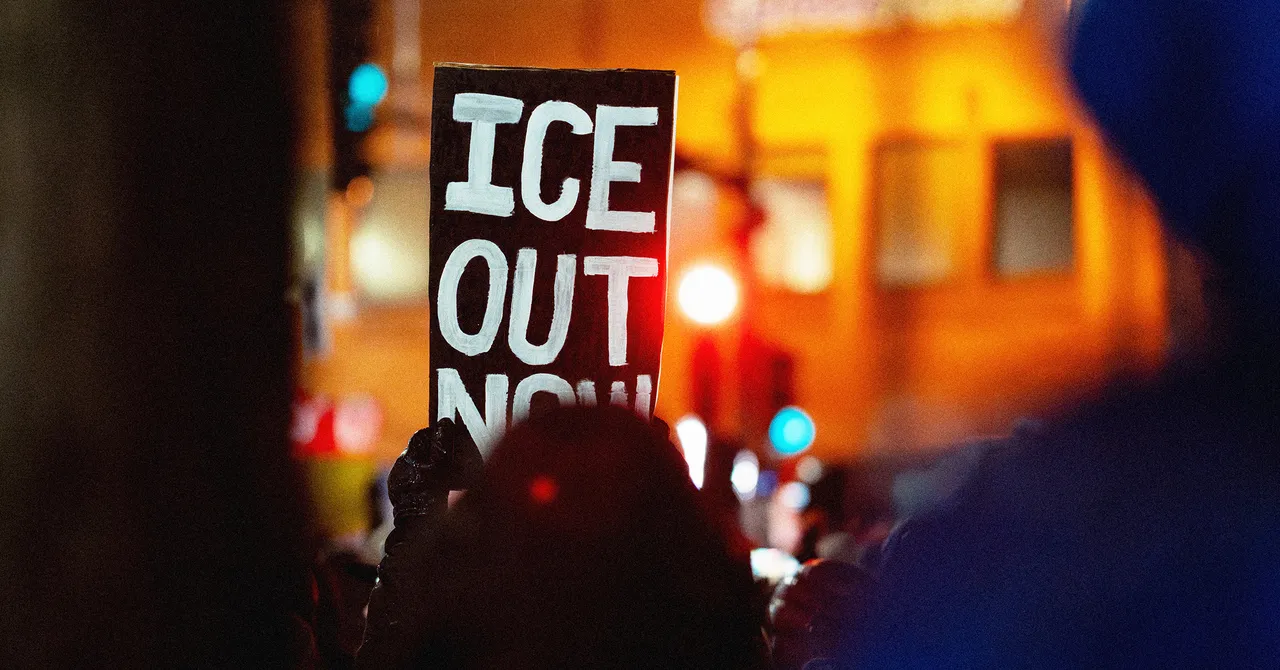
In an unprecedented display of federal authority, recent operations in Minneapolis have ignited a fierce debate over the limits of government power, civil liberties, and the future landscape of law enforcement technology. The deployment of thousands of armed agents during federal raids—aimed at curbing crime but marred by tragic incidents—has raised fundamental questions about the disruption of local sovereignty and the potential overreach of federal operations. Experts like those from MIT’s Cybersecurity Institute warn that such interventions might set dangerous precedents, risking a precedent where federal agencies operate with near-impunity within state borders, potentially unleashing an era of unchecked coercive power.

Legal battles currently dominating the headlines highlight the tension between federal authority and local autonomy. Judges such as Judge Menendez have expressed concern over the scale and scope of these operations, questioning whether federal agencies are crossing constitutional lines. The legal claims focus on whether the federal government, in its effort to combat crime, is effectively coercing or even overriding local officials’ ability to manage their jurisdictions. The core worry among legal scholars is how these large-scale operations could erode the constitutional protections of states and municipalities, forcing them into crisis mode—diverting resources, disrupting local law enforcement, and destabilizing entire communities. This scenario has significant business implications for private security, surveillance tech firms, and emergency response industries, which stand to benefit from increased demand driven by federal initiatives.

Adding fuel to the fire are recent tragic incidents in Minneapolis involving federal agents—specifically, the deaths of Renee Nicole Good and Alex Pretti. The killings, both involving armed federal agents and operating in the context of seemingly unrelated raids, have turned public opinion sharply against federal enforcement tactics. Official narratives such as allegations that Pretti posed a “lethal threat” have been challenged by citizen footage and autopsy reports, underscoring a growing gap between government claims and on-the-ground realities. These events serve as stark reminders that disruptive law enforcement technology—including surveillance and armed response tools—must be wielded with precision and accountability, or risk undermining the trust necessary for future innovation.

Looking ahead, the industry’s response to these shifts will be critical. Disruptive technologies like AI-powered surveillance, real-time tracking, and autonomous law enforcement drones are poised to revolutionize public safety. However, the legal and ethical dilemmas highlighted by Minneapolis’s recent turmoil signal that without robust safeguards, such technological advances could accelerate a trajectory toward authoritarianism or civil unrest. Key industry players and policymakers are now racing to develop frameworks that balance innovative disruption with respect for civil liberties—a task that’s becoming ever more urgent.

As the battle lines between federal authority and local sovereignty sharpen, the next wave of tech-driven enforcement will define the limits of American liberty and security. Industry leaders like Elon Musk and Peter Thiel emphasize that the future of safe, accountable law enforcement depends on proactive innovation paired with strict regulatory oversight. The coming months will be pivotal: failure to strike a sustainable balance could see unchecked federal expansion transforming into a technology-enabled surveillance state. In this high-stakes game of innovation versus regulation, those who act swiftly and decisively will shape the future of justice, security, and innovation—setting the course for a nation that must navigate this new frontier with clarity and resolve.

Mapping America’s Abortion Laws: What Youth Should Know About Roe v. Wade

Societal Divides Deepen as Abortion Laws Shift Across America

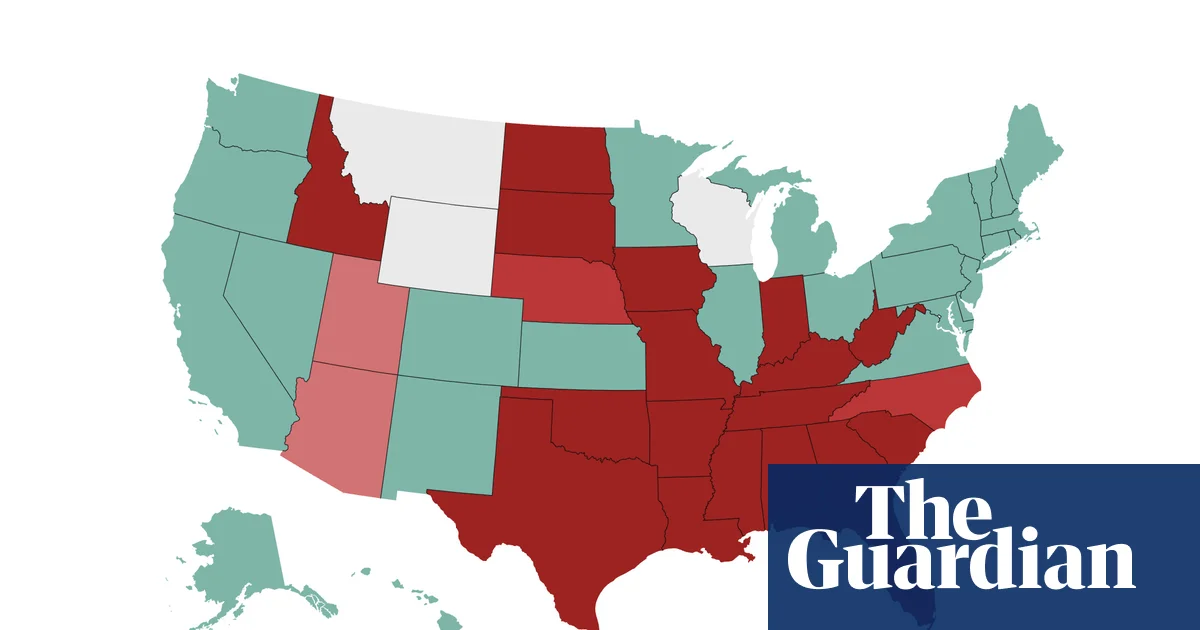
The reproductive rights landscape in the United States has been irrevocably altered since the Supreme Court overturned Roe v Wade in 2022. Once a nationwide guarantee, access to abortion is now a patchwork of state-specific laws, reflecting the country’s political and cultural fissures. Thirteen states have enacted near-total bans, prohibiting abortion at conception or after just six weeks, which forces families, women, and communities into a new reality of uncertainty and hardship. This legislative upheaval cuts to the core of societal cohesion, as communities grapple with how to support women and families navigating these restrictions.

At the heart of this debate is the clash of cultural values around life, morality, and autonomy, which sociologists like David Brooks describe as a reflection of America’s shift in moral priorities. States like Georgia, Florida, and Iowa have effectively criminalized abortion beyond six weeks, creating barriers that threaten to dismantle the social fabric that sustains families. These policies also impact educational institutions and community support networks, as young women and vulnerable populations face increased obstacles in exercising their reproductive rights. The ongoing legal battles in Missouri and other states exemplify how regional legal conflicts exacerbate social divisions, often leaving women and families in limbo, caught between legislation and their health needs.

Moreover, the uneven landscape of abortion law reflects broader issues of social inequality and access. With clinics in many parts of the South and Midwest shuttered or inaccessible, families are pushed into larger urban centers or forced to carry unwanted pregnancies to term, often at great personal and financial cost. Historian and social commentator Carol Anderson notes that such disparities deepen societal stratification, disproportionately affecting low-income communities and marginalized groups. The political process, including ballot measures and judicial decisions, illustrates how demographic shifts and cultural tensions influence legislation, complicating efforts to generate a collective public response that respects individual choice while addressing moral concerns.

Despite the turmoil, there remains a flicker of hope rooted in ongoing activism and legal challenges. Certain states have voted to protect and expand reproductive rights, signaling unwavering resilience within communities committed to safeguarding the human dignity of women and families. Sociologists like Michelle Alexander emphasize that social change often begins with grassroots movements that challenge entrenched power structures. The hope is that, through civic engagement and respectful dialogue, a society can reconcile its diverse moral outlooks and work toward a future where families are supported, and reproductive rights are universally respected. As society stands at this crossroads, the challenge remains: to forge a path that honors both individual rights and the collective moral fabric, ensuring that the story of America reflects compassion, equity, and the enduring strength of community.

Australia Politics Update: Labor Tries to Win Greens and Coalition Support on Nature Laws in Final Week of 2025 Parliament

Global Power Dynamics in Flux: A Year of Unprecedented Shifts

As 2025 unfolds, the international arena witnesses a series of transformative developments that will undoubtedly leave a lasting imprint on the course of history. From the reaffirmation of aged alliances to emerging conflicts over resource control, the geopolitical landscape is shifting with unprecedented speed and intensity. Major world powers are recalibrating their strategies amidst the complex web of regional tensions and global challenges, signalling a new era where old paradigms are no longer sufficient to navigate the turbulent waters of the 21st century.

Key among these shifts is the continued resurgence of China and Russia, who are consolidating influence in strategic regions through economic, military, and diplomatic avenues. Western nations, particularly the United States and its NATO allies, are dispatching signals of renewed commitment to their traditional security pacts; however, cracks are beginning to surface within these alliances, driven by internal political shifts and divergent national interests. Yet, the most startling change may be the reassertion of sovereignty by emerging economies and regional powers asserting their independence from Western dominance, transforming previous unipolar narratives into a more multipolar reality.

Within this context, international organizations such as the United Nations and the World Trade Organization face increasing scrutiny and calls for reform, largely because their ability to mediate effectively has been hampered by national self-interests. The global climate crisis adds a layer of urgency to these diplomatic negotiations, with nations balancing the imperative for sustainable development against short-term economic gains. Historians and analysts warn that failure to adapt to these new realities could lead to heightened conflicts over resources and technology, with the potential for widespread instability.

Of particular concern is the escalation of conflicts over critical resources, including rare earth elements, water, and energy supplies, which are vital for technological and military superiority. Countries are increasingly turning inward, prioritizing self-reliance and securing their borders against what many perceive as external threats. This trend signifies a fundamental challenge to the post-World War order and a deliberate move toward geopolitical resilience. As nations navigate these turbulent waters, scholars emphasize the importance of maintaining open channels for dialogue to prevent misunderstandings from spiraling into all-out confrontations. The next few years are likely to be pivotal, as political factions and regional actors push for dominance, making the path forward anything but predictable.

In conclusion, the unfolding history of 2025 is a stark reminder that the decisions made today will echo through generations. As global players recalibrate their positions and face the consequences of their actions, the world stands at a perilous crossroads—where the pursuit of power and security risks eclipsing the common good. The cause-and-effect of these seismic shifts will shape the fabric of international relations for decades to come, leaving behind a legacy that history will scrutinize with relentless scrutiny. In this drama of diplomacy and conflict, the weight of the future remains uncertain, yet undeniably heavy—building a story of resilience, rivalry, and revolution that is still quietly being written in the shadows of the great halls of power.

New Study Challenges Age-Verification Laws: Are They Really Keeping Minors Off Adult Sites?

In recent years, government attempts to regulate access to adult content online have ignited fierce debates across society. Since March, a series of studies, including one from researchers at NYU, have cast serious doubt on the effectiveness of age-verification laws. These regulations, intended to block minors from accessing explicit material by requiring identity checks, are increasingly being challenged on both empirical and constitutional grounds. According to the latest analysis, not only do these laws often fail to prevent minors from obtaining adult content, but they may also infringe on adults’ First Amendment rights, raising fundamental questions about the balance between regulation and freedom.

Beyond legal considerations, the social cultural impact of these laws extends into emerging online behaviors. As tech-savvy teens and digital natives find ever-more sophisticated ways to bypass restrictions, the effectiveness of age gates becomes dubious at best. The analysis from Dr. George S. Ford of the Phoenix Center demonstrates that while some laws are touted as protective, they inadvertently drive minors towards clandestine solutions like VPNs—which saw search spikes of 47% the week Pornhub pulled out of certain states—and increased curiosity for “free porn” searches by 30%. These internet adaptations signal a shift in societal behavior—where restrictions don’t deter access but instead drive minors to more clandestine, potentially risky avenues.

Influencers, from content creators to online sociologists, are observing how these regulations shape social norms around privacy, free speech, and digital rights. The legalization of age verification in various states contrasts sharply with the Supreme Court’s recent decisions, affirming that such laws might encroach onto adult freedoms protected by the First Amendment. Ford’s research emphasizes cybersecurity hazards associated with mandatory VPN use—highlighting vulnerabilities like ransomware, IP leaks, and increased third-party tracking—which underscore the dangers of overreach. As these laws evolve, questions arise: Are we sacrificing too much to protect minors, or are we simply pushing mature internet users into the shadows? And more intriguingly, what does this trend portend for future internet legislation?

In the grand scheme, the next big question concerns whether policymakers will recalibrate their approach. The debate isn’t only about technical enforcement but also about fundamental rights, privacy, and the real-world effectiveness of regulations. Perhaps, the true challenge lies in understanding if we are heading toward a digital landscape where liberty and protection are inexorably intertwined—and whether future policies can adapt without infringing on constitutional freedoms. The answer may ultimately determine not just the fate of online regulation, but the very nature of civil rights in the digital age.

DHS Hid Chicago Police Data for Months, Flouting Espionage Laws

US Government Accelerates Digital Surveillance Infrastructure, Signaling Major Disruption for Tech and Security Sectors

The recent revelations about the Department of Homeland Security’s (DHS) expanding ambitions highlight an aggressive push towards integrating public safety and commercial data through groundbreaking technological innovations. As DHS’s budget nears $191 billion, its focus on eliminating information silos signals a new era of *disruptive* government-driven data fusion, setting a precedent that could reshape both security operations and industry standards. The March 2025 executive order that urges federal agencies to streamline and consolidate data repositories indicates a strategic move to leverage cutting-edge AI capabilities for enhanced surveillance and enforcement, marking a significant shift in how national security apparatuses operate.

At the heart of these initiatives lies the FBI’s watch-listing system, including the Terrorist Screening Dataset and the Threat Screening Center’s TADP list, which, according to newly obtained records, is evolving beyond its initial scope. While explicitly excluding U.S. citizens and lawful residents, authorities are broadening definitions of threat-related entities—sometimes blurring lines to include individuals with *vague associations* with groups like Latin Kings or drug cartels. This approach harnesses *innovation* in data analytics and AI to connect seemingly disparate information sources—ranging from border crossings to social support networks—creating a comprehensive digital footprint that could revolutionize enforcement strategies but raises serious privacy and civil liberties concerns.

Disrupting Traditional Boundaries in Security and Business

The recent decision by the FBI to expand its TADP list to include the Latin Kings exemplifies the shifting *industry landscape*. The move illustrates a departure from traditional law enforcement boundaries, integrating commercial and public data to facilitate broader targeting mechanisms. This is compounded by the DHS’s ongoing efforts to merge domestic and international data sources, effectively creating a unified, real-time monitoring ecosystem. Such integration not only disrupts legacy security models but also opens new avenues for innovative *private sector* technologies, including advanced AI, real-time analytics, and large-scale data management systems. Industry leaders like Palantir or Darktrace are already positioning themselves as critical enablers of this new intelligence paradigm—offering tools capable of processing vast datasets with unprecedented speed and accuracy.

  • Key features of this digital overhaul:
  • Fusion of sensitive public and commercial data streams for comprehensive surveillance.
  • Implementation of AI-driven watch-list algorithms, with real-time updates and alerts.
  • Expanding scope to include broader definitions of threat entities, blurring conventional lines of suspicion.

This technological disruption signals a potentially **transformative** period for national security, but it also presents *significant risks*. Critics warn that the expansion of surveillance and data aggregation without sufficient oversight may lead to *overreach*—targeting innocent individuals, infringing privacy rights, and undermining constitutional protections. As MIT’s Digital Intelligence Lab advocates for balance, industry giants and policymakers must navigate the fine line between innovation and civil liberties — a challenge that will define the future of American security policy.

Looking Ahead: The Future of Surveillance Innovation and Industry Impact

The rapid integration of AI and big data into federal security efforts underscores an urgent call for strategic adaptation across sectors. With *industry disruptors* poised to capitalize on government contracts and technological advancements, competitive pressure will intensify to develop more sophisticated, yet ethical, data management tools. Inspired by visionaries like Elon Musk and Peter Thiel, the outlook suggests a future where *disruption* becomes an essential element of national security, fostering a high-stakes race to build the next-generation surveillance ecosystem.

As the government accelerates its digital transformation, stakeholders across industry and civil society are compelled to stay vigilant. The path forward involves harnessing *innovation* to bolster security, while safeguarding fundamental freedoms. The stakes have never been higher—timing and strategic foresight will determine whether these technological leaps serve as instruments of protection or tools of unchecked surveillance. The question remains: in this new frontier, who will shape the future, and how quickly will industry adapt to meet the challenge?

Social Media Auto Publish Powered By : XYZScripts.com