
UK Politics Turmoil Sparks International Concerns as New Attack Highlights Rising Tensions
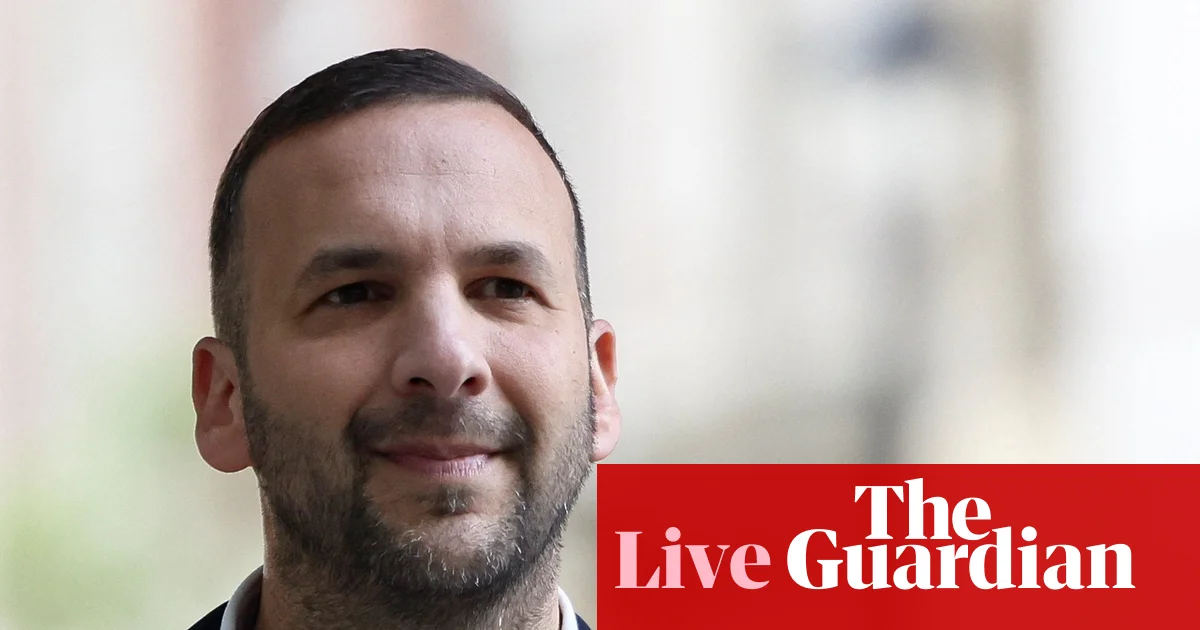
The recent political storm in the United Kingdom underscores the volatile intersection of local governance, public safety, and international perceptions. At the heart of this controversy is Zack Polanski, a prominent figure within the Green Party, whose retweet of a social media post attacking police conduct during the Golders Green attack has ignited fierce debate. The retweet, which alleged that officers violently kicked a mentally ill man while incapacitated—without comment—prompted swift condemnation from government officials and law enforcement authorities. The disgusting incident prompted the transport secretary, Heidi Alexander, to publicly state that Polanski was “not fit to lead a political party,” exemplifying the deep political divide on law and order issues amidst a rising tide of antisemitic violence.”
Rising Violence and the International Geopolitical Ripple Effect
- Just days after the attack, the UK’s terror threat level surged to severe, signaling an urgent need for heightened security measures, especially for Jewish communities targeted in recent assaults.
- The suspect, Essa Suleiman, 45, was charged with multiple counts of attempted murder after stabbing two Jewish men—an act that has been classified by security experts as *domestic terrorism*, catalyzed by the current wave of antisemitism in the UK.
- In response, the government announced plans to allocate additional funding for the protection of Jewish communities and to expand authority over hate preachers, yet critics argue that the measures are insufficient given the scale of recent violence.
International organizations and political analysts warn that persistent instability within the UK’s political landscape could have ripple effects well beyond its borders. The European Union, along with NATO allies, closely monitor such incidents, fearing that internal fractures may embolden radical groups or destabilize regional alliances. Notably, several international historians have pointed out that the UK’s current crisis echoes the political turbulence of past decades—serving as a stark reminder of how domestic unrest can influence global geopolitics. As the UK grapples with this surge in violence, the United States and other Western powers observe cautiously, understanding that the outcome of this internal chaos could shape future diplomatic and security strategies.
International Leaders and the Future of Stability
Leaders worldwide have issued mixed reactions—some calling for calm and resilience, others voicing concern over the potential for a wider destabilization. The European Commission has urged the UK government to intensify anti-hate initiatives, emphasizing that rising domestic tensions threaten to undermine broader international stability. Meanwhile, geopolitical analysts observe that the UK’s internal battles over law, security, and identity are emblematic of larger global shifts—where societal fractures echo across continents, fueling debates over sovereignty, multiculturalism, and security cooperation.
Yet amid this turbulence, the weight of history looms. As historians caution, how the UK manages this crisis may define the trajectory of its political identity for generations to come. The decisions taken today—whether to double down on security or to seek unity—will write the next chapter in a story that is still very much unfolding, one that could alter the course of national and international affairs. The world watches as the legacy of recent actions forms a narrative of resilience, division, and perhaps, unforeseen transformation—reminding us that in the theatre of history, the present is often a prelude to profound change.