Matox News

Truth Over Trends, always!

Finance leaders warn: Mythos AI poses big risks to our economy

Cybersecurity experts are raising alarms over a groundbreaking development in digital warfare, as recent reports suggest an entity known as Mythos possesses an unprecedented capacity to identify and exploit cybersecurity weaknesses. Unlike traditional hacking groups, Mythos appears to operate with a strategic intelligence that resembles state-level cyber espionage, potentially shifting the global balance of power in the digital age. This innovation’s implications reach far beyond the virtual realm, directly impacting how nations defend their sovereignty and safeguard critical infrastructure.

The emergence of Mythos signals a dangerous evolution in cyber conflict, with analysts warning that its capabilities might allow it to infiltrate the most fortified systems within seconds. Historians of modern warfare highlight that such technological advancements forecast a new era where digital vulnerabilities become a frontier of geopolitical succession and dominance. Governments and international organizations, including NATO and the United Nations, are now scrambling to understand and counteract this threat, emphasizing the urgent need for fortified cyber defenses. The potential exploitation of supply chains, financial networks, and defense institutions illustrates how Mythos could reshape international stability.

  • In the last quarter, several Western nations reported unprecedented cyber incursions, with some experts believing Mythos may have been behind these attacks, highlighting its pace and precision.
  • The U.S. Cybersecurity and Infrastructure Security Agency (CISA) issued a warning that Mythos’s tactics could undermine efforts to maintain digital sovereignty and economic stability.
  • Global institutions are convening emergency sessions to develop comprehensive cybersecurity frameworks, as the threat posed by Mythos underscores vulnerabilities inherent in the interconnected world.

Many international analysts draw parallels between Mythos and historical turning points in warfare, recalling how technological leaps like nuclear capability or stealth technology once redefined strategic paradigms. Prominent security experts argue that if Mythos’s abilities are harnessed or weaponized by state actors, the consequences could be catastrophic, extending the battleground to every facet of society. The geopolitical impact of this digital arms race is profound: nations must now reckon with an adversary capable of testing their most sensitive defenses without physical confrontation. The decisions made today—about cyber diplomacy, defensive investments, and international treaties—will shape the global order for decades to come.

As the world stands at this critical juncture, the ongoing saga of Mythos serves as a stark warning—history’s next chapter is being written in the shadows of cyberspace, and the true scale of its influence remains unknown. What remains clear is that the balance of power in the 21st century hinges not only on armies or borders but on the invisible, relentless march of technological innovation and the enduring struggle to control the digital frontier. The question is no longer if a new era of cyber warfare has dawned, but how nations will adapt, and whether they can prevail before the silence of cyber silence turns into the chaos of conflict.

Teaching union blocks new Year 8 reading test plan, sparking debate among future leaders

In contemporary society, the debate around the role of assessments in education continues to evoke passionate discussion among educators, policymakers, and communities alike. The government maintains that these assessments are “vital tools” for identifying the specific needs of pupils and tailoring support accordingly. However, beneath the surface, this emphasis on standardized testing reveals deeper social challenges that directly influence families, educational institutions, and the fabric of our communities.

At the heart of this debate lies a profound tension between meritocratic ideals and the realities faced by students from diverse backgrounds. Critics argue that assessments, while seemingly neutral, often serve as gatekeepers that reinforce existing social inequalities. Researchers such as Dr. Lisa Delpit have highlighted how testing practices tend to favor those with access to better educational resources and supportive environments, thus perpetuating a cycle of disadvantage for children in disadvantaged communities. This has serious implications for families striving to secure better futures for their children, as they find themselves entrapped in a system that may favor privilege over potential.

Within the broader societal context, the demographic shifts of recent decades—including increasing immigration and urbanization—have further complicated the landscape of education. Sociologists like Dr. Pierre Bourdieu have emphasized how cultural capital, often lacking in marginalized groups, intersects with education policies rooted in assessments. Families from diverse backgrounds frequently face additional hurdles when navigating an evaluative system that does not always accommodate linguistic, cultural, or socio-economic differences. Consequently, children from these communities risk being labeled as underperformers, not because of innate ability, but due to systemic shortcomings that ignore the multicultural realities of modern society.

Amidst these complexities, the societal challenge is fostering an educational environment where assessments do not merely serve as barriers but become opportunities for genuine growth and equality. To achieve this, policymakers must consider approaches that balance standardized evaluation with community-based support systems. Suggested solutions include increased investment in

  • multilingual teaching staff
  • culturally responsive curricula
  • holistic student well-being programs

—all aimed at addressing the root causes of educational disparities. By doing so, the goal is to rebuild a society where families are empowered, communities thrive, and children from all backgrounds have the chance to realize their full potential.

As society stands at this crossroads, the path forward demands reflection on the true purpose of education—not merely as a means of assessment, but as a vital instrument of social cohesion and moral development. In each classroom, in each community, the hope resides that with concerted effort and genuine understanding, we can transform a fractured system into a foundation of hope, opportunity, and resilience. The question remains: will society summon the courage to redefine its standards and foster an environment where every child’s potential is recognized and nurtured? Only time will tell, but the enduring promise of a better future lies in our collective resolve to confront these social challenges head-on — for the sake of the generations yet to come.

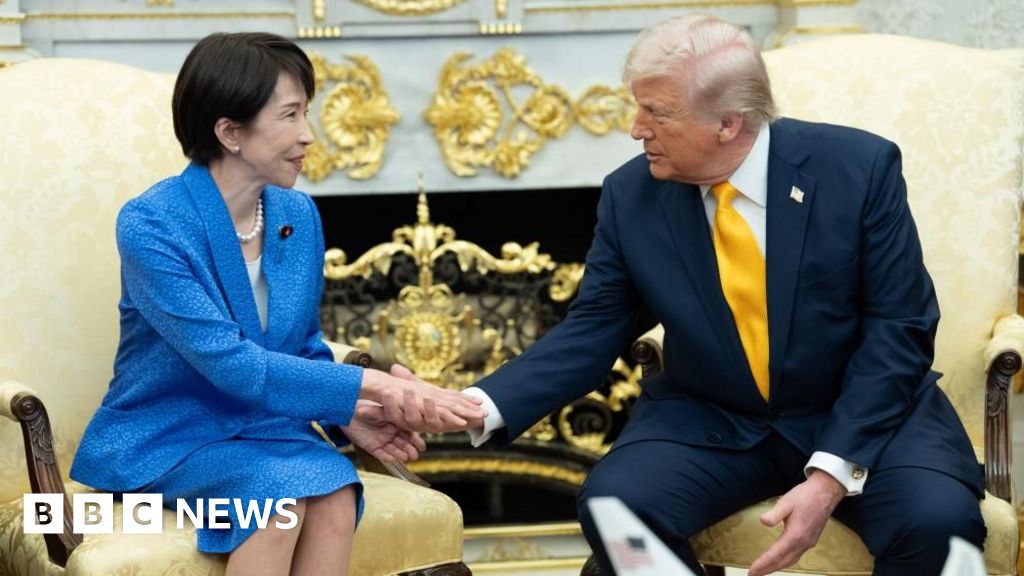
Iran Tensions Cast Shadow Over Trump-Japan Leaders’ Meeting

In a significant turn of diplomatic engagement, recent discussions between Japan and U.S. officials have underscored the shifting landscape of international alliances amid rising geopolitical tensions. The meeting with Sanae Takaichi, a prominent Japanese politician, comes just days after former U.S. President Donald Trump publicly criticized Japan for its perceived reluctance to assist in a confrontational stance towards China and Iran — specifically regarding the strategic Strait of Hormuz. This exchange highlights how bilateral relations are increasingly influenced by the unpredictable whims of U.S. domestic politics, with Tokyo caught in a balancing act between maintaining its independence and aligning with American strategic interests.

Trump’s recent remarks, which accused Japan of “not answering the call” for support in the context of the Strait of Hormuz, have further inflamed debates over U.S. unilateralism versus allied commitments. Analysts argue that these comments serve as a wake-up call for nations like Japan, which are navigating the complex waters of a rapidly changing international order. Historically, Tokyo has sought to retain diplomatic flexibility, balancing its powerful security alliance with Washington against regional pressures from China and North Korea. However, the latest U.S. rhetoric underscores a broader shift where economic and military dependencies threaten to undermine the sovereignty of allied nations, compelling Japan to reconsider its strategic autonomy.

This diplomatic tension occurs against the backdrop of a geopolitical landscape marked by significant shifts, including the escalating U.S.-China rivalry and renewed tensions in the Middle East. Japan, a nation with a pacifist constitution yet a robust economy, finds itself at a crossroads: should it continue to defer to American leadership, or assert a more independent stance in regional security? The meeting with Sanae Takaichi signals Tokyo’s recognition of the need to recalibrate its foreign policy. International opinion, including insights from respected historians like Paul Kennedy and analysis from institutions such as the Council on Foreign Relations, suggests that how Japan responds in these turbulent times will have profound implications for regional stability and the future of global power alliances.

As the world watches with bated breath, the unfolding interactions between Japan, the United States, and emerging regional actors reflect a new chapter in international affairs — one fraught with uncertainty and the echoes of history’s veiled warnings. The decisions made now will shape the destiny of not just these nations, but the entire global order. In the shadows of diplomacy and threat, the weight of history presses heavily upon the present, reminding us that the choices of today may well dictate the world of tomorrow.

Trump slams Iran leaders as ‘deranged,’ fueling Middle East tensions amid US-Israel conflict

Global Power Blocs on the Edge: Iran under Siege as US and Israel Escalate Military Operations

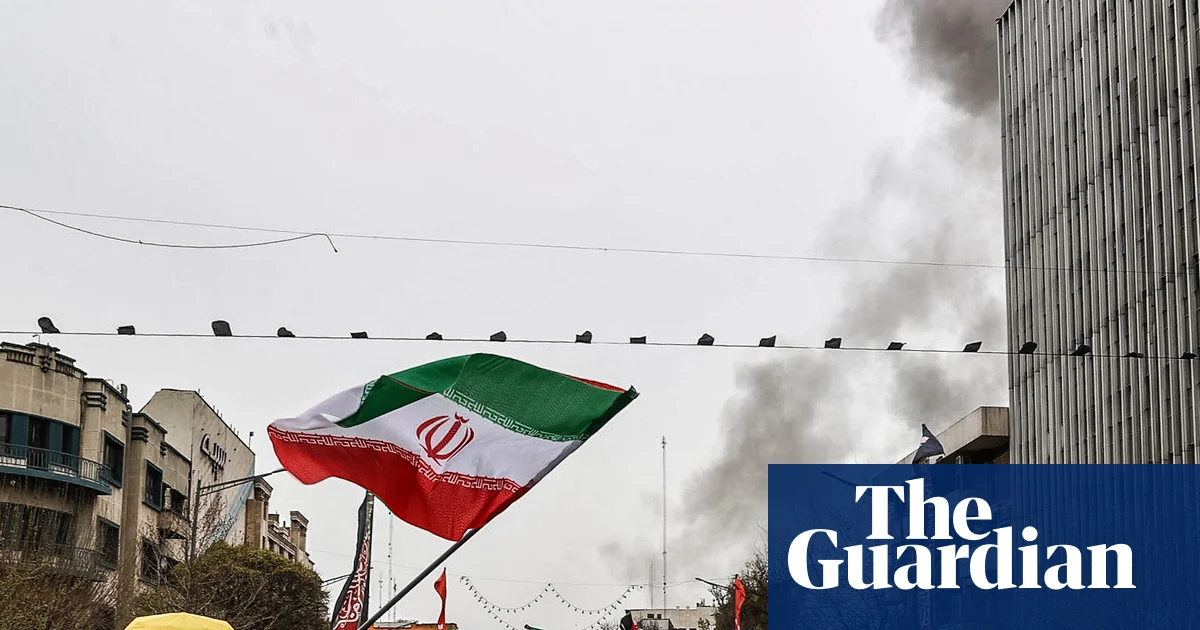
The Middle East stands at a precarious crossroads amid a series of dramatic military confrontations that could redefine regional and global power dynamics. In a display of unyielding resolve, President Donald Trump has proclaimed that Iran will face “very hard” retaliation, as he vows retribution for what he describes as a long history of violence and provocation. His inflammatory rhetoric coincides with intense military strikes targeting Iran’s capital and strategic infrastructure, signaling an escalation in the longstanding confrontation. Observers note that the rhetoric from Washington echoes its historical posture of aggressive containment and a strategic desire to curb Iran’s influence, yet the recent actions suggest a shift that authorities worldwide are watching closely.

Escalating Violence in Iran, Lebanon, and Surrounding Gulf States

The recent wave of Israeli and US-led attacks focus heavily on Iran’s military capabilities and economic lifelines, with successive strikes reported near Tehran University as crowds gathered in support of the regime. Charging the Iranian leadership with desperation and underground activity, US officials described Iranian forces as “hiding” and “on the run,” signaling a concerted effort to weaken the nation’s capacity to retaliate. Meanwhile, Iran has responded fiercely, with missile and drone attacks targeting Israeli and Gulf infrastructure, escalating the conflict into what analysts describe as a regional war. Notably, Iran has targeted oil export facilities, including the crucial Kharg Island—its primary oil terminal—threatening the global oil supply and risking economic destabilization far beyond the Middle East. This move, viewed as both a strategic and symbolic attack, has prompted warnings from international organizations to prevent a broader energy crisis.

Regional Consequences and the Strain on Global Markets

The conflict’s geopolitical impact extends beyond regional borders, with global markets reacting sharply to the escalation. As oil prices surged, the economic implications threaten to pit nations worldwide against a backdrop of mounting scarcity and price instability. European nations have begun informal negotiations with Tehran, seeking guarantees of safe passage for their shipping in the Strait of Hormuz, which Iran now effectively blocks after launching attacks that have disrupted roughly a fifth of the world’s oil and gas supplies in transit. These diplomatic efforts underscore the dangerous interplay between military action and economic diplomacy, with analysts warning that any miscalculation could ignite a worldwide energy crunch and destabilize global markets. The potential for conflict to spill into the broader Gulf region fuels fears of a domino effect, as neighboring Gulf states scramble for defensive alliances and prepare for extended hostilities.

Endgame Uncertain as Regional Powers and Superpowers clash

The narrative of this escalating crisis is shaped by the words of military and diplomatic leaders, with Israeli Prime Minister and defense officials asserting that the current strikes are “just the beginning,” threatening Lebanon’s infrastructure and escalating confrontation with Hezbollah. The United States, for its part, emphasizes a military campaign targeting “over 15,000 enemy targets,” with the potential for further strikes on Iran’s energy infrastructure if the Strait of Hormuz becomes compromised. Historical analysts like Bernard Lewis have warned that such conflicts often intensify and spiral out of control, potentially igniting a broader regional war with devastating consequences. Meanwhile, Iran’s leadership, emboldened by its resistance and aligned with longstanding allies such as Hezbollah, signals that the conflict may escalate into a protracted and brutal struggle, with tragic tolls on both civilian and military populations. As explosions echo across the Middle East and the world watches, the question remains—will diplomacy prevail or shall the pages of history be written in fire and blood? The true outcome of this confrontation lies yet unwritten, its narrative unspooling in the chaos and smoke of today’s battlefield.

Why Europe's Leaders Can't Find a United Voice on Iran
Why Europe’s Leaders Can’t Find a United Voice on Iran

European Nations Strike a Balance Between Cooperation and Divergence

In a pivotal moment on the international stage, European nations have publicly expressed a desire to enhance their collective cooperation amidst ongoing challenges. Yet, beneath the diplomatic rhetoric lies a fundamental reality: differing national priorities threaten to weaken the unity that the European Union has long touted as its cornerstone. As these nations seek to bolster their economic resilience and strategic standing, their diverging interests reveal a continent caught between unity and fragmentation—a historical pattern witnessed during previous geopolitical upheavals.

The recent summit saw European leaders emphasizing the importance of building a more integrated and resilient bloc. They highlighted initiatives aimed at streamlining economic policies, enhancing defense cooperation, and securing supply chains battered by recent global disruptions. However, analysts caution that these lofty goals are hindered by underlying divergences. Countries like Germany prioritize economic stability and energy independence, while France pushes for increased military integration and strategic autonomy. Meanwhile, Eastern European nations, wary of external threats, advocate for a robust security pact that diverges from the more diplomatic approach favored by Western partners.

Attention Turns to International Alliances and Global Power Shifts

This widening fissure among European nations occurs amid a rapidly transforming global landscape. With China rising as a formidable economic power and Russia asserting its influence in regional conflicts, European countries find themselves balancing national interests with collective security commitments. The influence of the United States remains a factor, with debates intensifying over NATO’s future role and burden-sharing among member states. The shift towards more autonomous European defense strategies—as exemplified in France’s push for a European Army—raises questions about future commitments to NATO and the stability of transatlantic relations.

To make sense of these developments, international organizations and think tanks have issued warnings. The International Crisis Group warns that “without a unified vision, Europe’s internal cohesion could erode, rendering it less capable of shaping its destiny in a tumultuous global order.” Historians point to the late 19th and early 20th centuries, where internal divisions within European powers led to catastrophic conflicts. Their lessons serve as a sobering reminder that divergent national interests, if left unaddressed, can fracture alliances and open the door to geopolitical chaos.

The Weight of History and the Unfolding Future

As Europe contends with internal disagreements and external threats, the continent finds itself at a crossroads—its choices echoing through history’s corridors. Will it forge a path toward genuine unity or succumb to the pressures of divergent national ambitions? The decisions made in the coming years will determine whether Europe emerges as a cohesive power capable of defending its values and interests or as a fractured mosaic vulnerable to external manipulation. For now, the debate continues, but the march of history waits for no nation—its next chapter unwritten, yet critically imminent.

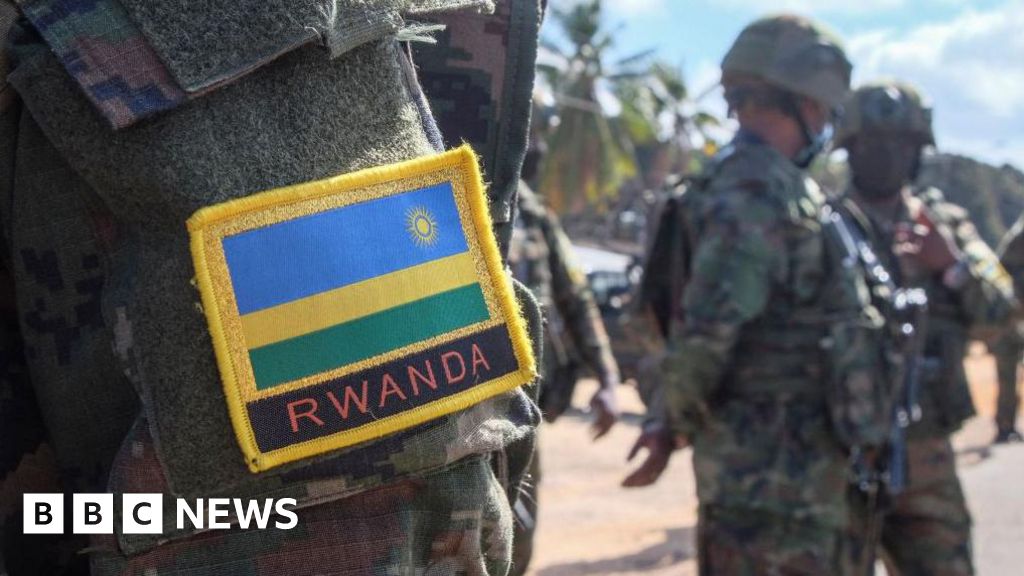
US sanctions Rwanda’s military leaders over DR Congo clashes

The escalating diplomatic tensions between Rwanda and Washington have taken a decisive turn, igniting fears of deeper geopolitical shifts in eastern Africa. Rwanda officially accused the United States of adopting a “one-sided” and politically motivated stance in recent international maneuvers, raising alarms over the growing influence of global powers in regional conflicts. As Rwanda navigates its sovereignty amid international pressures, analysts warn that such accusations underscore a broader contest for influence in Africa—an arena increasingly seen as a strategic chessboard.

Rwanda’s ire centers around recent decisions made at the United Nations and within bilateral negotiations, where the U.S. has taken positions that Rwanda claims dismiss its security concerns and diplomatic interests. International observers highlight that the U.S. response appears to favor certain factions within the regional conflict landscape, aligning with Western interests at the expense of Rwandan sovereignty. Historically, foreign intervention—whether in the form of aid, sanctions, or diplomatic pressure—has long influenced African states’ trajectories, often at the expense of their internal stability and autonomy. Rwanda’s leadership contends that such external influence undermines regional peace efforts and ignores the complex realities on the ground.

The geopolitical impact of this diplomatic standoff extends beyond the borders of Rwanda and the United States. It exemplifies a broader struggle among major global players—particularly China, Russia, and the European Union—to reshape Africa’s geopolitical map. The International Crisis Group and other think tanks warn that increased competition risks destabilizing already fragile regions, fueling cycles of violence and economic uncertainty. Moreover, Africans and their leaders are increasingly vocal about the need to chart independent paths, resisting external meddling and asserting sovereignty in shaping their futures.

History offers a cautionary tale—where external powers, often cloaked in the guise of aid or diplomacy, have historically exploited regional conflicts for strategic gains. As Rwanda’s accusations echo through international corridors, the world faces a pivotal moment: will existing powers respect Africa’s sovereignty, or will the continent become an arena for greater geopolitical rivalry? The answer may well determine whether the winds of change carry toward peace and stability or if they blow toward enduring conflict. In the shadows of history, the unfolding story warns that the stakes are nothing less than the future sovereignty of nations and the true meaning of independence in a fractured world order.

Liberal Leaders Shut Down Review of Devastating 2025 Election Loss

In a dramatic twist of Australian domestic politics, the Liberal Party has chosen to bury its most candid and potentially damaging post-mortem of its 2025 election defeat, guaranteeing that critical insights remain hidden from public scrutiny. This decision not only signals a political attempt at a “fresh start” but also raises questions about accountability and transparency within the party, with wider implications for Australia’s geopolitical credibility. As the party’s internal review, which uncovered substantial failures—including weak candidate selection, strategic missteps, and damaging communication blunders—remains classified, some analysts interpret this move as a sign of internal chaos masking itself from the nation and the world.

The review’s findings reportedly cast harsh light on leader Angus Taylor and his deputy Jane Hume, both of whom are key figures in the party’s current hierarchy. Their connections to the campaign’s failures, such as opposition to Labor’s tax reforms and controversial comments about espionage, reflect a broader ideological and strategic instability. Historically, such internal conflicts within the Liberal Party have had ripple effects beyond Australian borders, disturbing regional stability and undermining alliances, especially as the country navigates an increasingly volatile Asia-Pacific theater. By shutting down transparency, Canberra’s leadership risks fostering an internal culture of denial rather than learning, which analysts warn could embolden adversaries in the Indo-Pacific domain.

  • Despite the election loss being the worst in the party’s 80-year history, the decision to suppress the review forecasts a pattern of resistance to introspection.
  • Some voices within the party fear that releasing the report could open old wounds, legal battles, or damage leadership ambitions, paralleling recent internal conflicts in other centers of power worldwide.
  • International observers, including major think tanks and analysts like those featured by the Australian Strategic Policy Institute, suggest that this refusal to confront mistakes hampers Australia’s leadership role in regional security and economic resilience.

The incident exposes a troubling dichotomy: a focus on political expediency over genuine reform, which could have broader consequences for international trust. The global community watches cautiously as Australia, a key partner in the Anglosphere and Pacific region, appears to retreat from accountability at a critical juncture—raising fears of internal fragility that could be exploited by rising powers like China and Russia. Such internal concealment, some argue, portends a future where Australia’s ability to project strength and defend democratic values is compromised. As the nation’s political stage remains a battleground of power and secrecy, the unresolved questions about Australia’s internal health echo as a warning. In the shadows of leadership decisions, the weight of history continues to weave its story—one where the true toll of concealed truths could determine the continent’s role on the world’s future stage, for better or worse.

The CS Exodus: Where Tomorrow’s Tech Leaders Are Heading Instead

University of California Enrollment Decline Sparks Disruption in AI and Computer Science Education

In a startling development, the University of California system experienced its first drop in computer science enrollment since the dot-com era. According to recent reports, system-wide enrollment in CS programs declined by 6% this academic year, doubling the 3% decrease observed in 2024, despite the fact that overall national college enrollment increased by 2%. This indicates a significant recalibration within higher education’s approach to technology, prompted by the rapid ascension of artificial intelligence (AI) as a disruptive force reshaping the industry landscape. University administrators face the urgent challenge of aligning curriculum with a future where AI-driven innovation is not an exception, but a standard business operation.

Meanwhile, the landscape is shifting rapidly. Institutions like MIT are adopting AI-specific majors, with the “AI and decision-making” program now ranking as the second-largest undergraduate major. Such trends highlight a strategic pivot that underscores the industry’s recognition of AI as a core driver of economic growth and competitive advantage. Similarly, the University of South Florida attracted over 3,000 students into its new AI and cybersecurity college in just its first semester — a move signaling a deliberate shift toward specialized, industry-ready skills. The University at Buffalo has launched a unique “AI and Society” department with seven focused undergraduate tracks, drawing more than 200 applicants before its debut. These initiatives serve as milestones in a broader movement toward integrating AI at the institutional level, disrupting the traditional liberal arts-centric model of higher education.

However, not all universities have navigated this transition smoothly. The resistance from faculty and administrative inertia remains palpable. At UNC Chapel Hill, Chancellor Lee Roberts warns of faculty “leaning forward” versus those “with their heads in the sand,” revealing a divide over AI integration. Despite efforts to create an AI-centric campus, institutional resistance may hinder the pace of innovation crucial for workforce preparedness. The debate extends into parental influence as well. Industry insiders like David Reynaldo observe that parents, once advocates of CS careers, are now steering students toward fields like electrical engineering that appear less susceptible to automation disruption. This reflects a genuine disruption—an awakening to the need for agility in educational pathways to stay ahead of AI-driven competitive shifts.

This transformative phase in higher education underscores a broader business implication: AI is rewiring the very fabric of industry and talent acquisition. According to Gartner, technology-driven disruption demands agility, or risk obsolescence — a warning echoing across the corporate and academic sectors alike. AI’s rapid evolution is incentivizing firms and universities to innovate relentlessly, but the clock is ticking. As Elon Musk and other disruptors emphasize, the future belongs to those who anticipate change rather than ignore it. Education institutions that fail to adapt quickly risk falling behind, losing top talent, and ceding industry leadership to more agile rivals.

Looking forward, the holdout universities and industry players who hesitate are risking irrelevance in the fast-evolving AI economy. It’s a stark reality check for America’s innovation ecosystem, demanding swift action: embrace AI as a foundational element of curriculum, build adaptable workforce pipelines, and foster a culture where disruption is an opportunity, not a threat. As students increasingly seek programs aligned with the cutting edge of technology, institutions must act with urgency. The future is already here, and the window for American leadership in AI and innovation is closing rapidly. Those who recognize this urgency now will shape the next chapter of global technological dominance — the rest risk being left behind.

Congressional Leaders Strike Deal on Funding — President Confirms

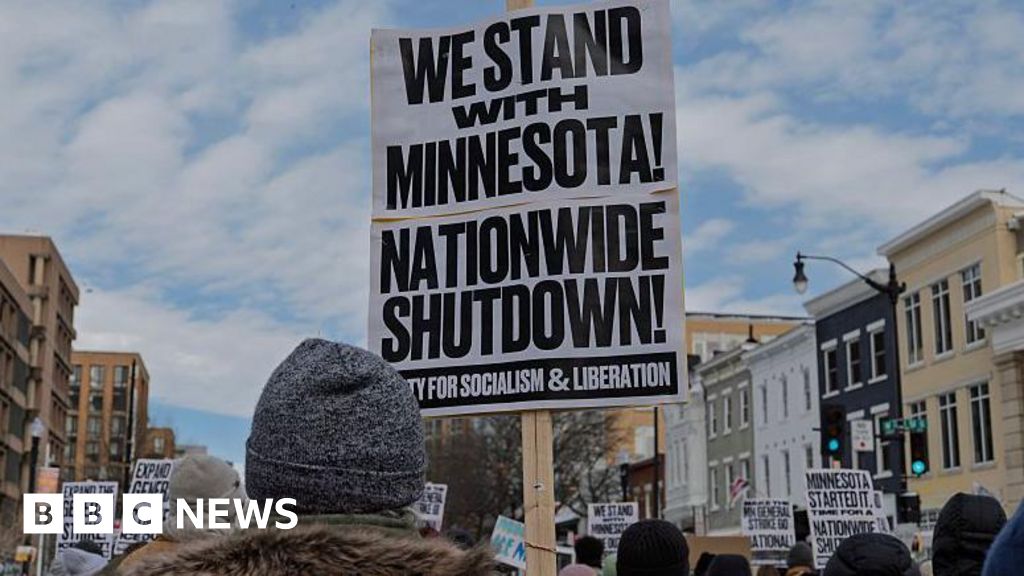
Recent incidents involving U.S. Immigration and Customs Enforcement (ICE) and Border Patrol officers have ignited a surge of protests across the nation, spotlighting the ongoing debate surrounding immigration enforcement and border security. On 7 January in Minneapolis, a tragic event unfolded when an ICE agent fatally shot Renee Good, a 37-year-old individual amid a tense encounter. Just weeks later, on 24 January, a Border Patrol officer shot and killed Alex Pretti, also aged 37, further escalating tensions in the country. These incidents have not only shaken communities but also intensified calls for accountability and reform within federal immigration agencies.

These events have underscored the deep divisions within American society regarding immigration policy, with protests erupting nationwide in support of migrant rights and against what many perceive as excessive use of force. Historically, such controversial law enforcement actions have a profound impact on public trust and social cohesion. Critics, including numerous human rights organizations and international observers, argue that the use of deadly force without clear accountability exacerbates the already polarized national landscape regarding immigration enforcement. The incidents have prompted some members of Congress—spanning the political spectrum—to voice concern.

  • Democratic leaders and a faction of Republicans are now pushing to withhold funding from the Department of Homeland Security (DHS) amid fears over unchecked violence and civil rights violations.

The geopolitical impact of these domestic upheavals extends beyond U.S. borders, as American immigration policies often influence global migration trends and diplomatic relations. International institutions, such as the United Nations, have repeatedly called for humane treatment of migrants and adherence to international human rights standards. However, critics argue that the U.S. approaches these issues from a law-and-order perspective that often disregards the broader social ramifications and human costs. Analysts like Dr. Jane Maxwell, a senior researcher at the *International Institute for Migration Studies*, contend that such incidents threaten to undermine America’s global reputation as a defender of human rights, especially at a time when geopolitical rivalries with China and Russia are intensifying.

As the debate intensifies over DHS funding and immigration enforcement tactics, the weight of history presses heavily upon the nation. These incidents are a stark reminder that decisions made today will resonate through generations—shaping societal norms, policies, and the delicate balance of power and morality. For many, the question remains whether the United States can reconcile its role as a beacon of freedom and justice with the harsh realities of border security and law enforcement. An uncertain future looms as citizens and leaders grapple with the moral and geopolitical implications of an evolving immigration landscape—where the lines between safety, justice, and human dignity are increasingly blurred.

Border Chief: Minneapolis Agents May Exit If Local Leaders Cooperate

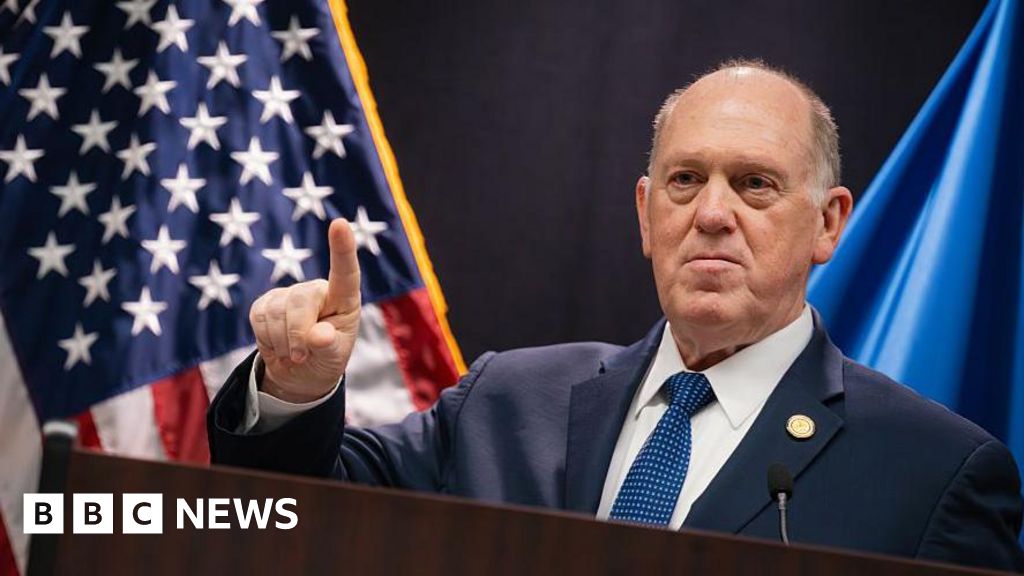
In an effort to recalibrate immigration enforcement policies, Tom Homan, a prominent figure within the Trump administration, announced a shift toward more targeted immigration operations. This move arises amidst mounting frustrations within specific urban centers and on Capitol Hill, where bipartisan concern over border security and immigration reform continues to simmer. The administration’s promise to refine enforcement strategies reflects a broader attempt to address the complex confluence of domestic pressure and international security dynamics, positioning itself at a critical juncture for U.S. domestic policy and global geopolitics.

Historically, debates over immigration have risen to the forefront of U.S. political discourse, with recent efforts emphasizing a more constrained approach to unauthorized crossings. Analysts suggest that these targeted operations aim to prioritize threats linked to transnational crime, human trafficking, and national security risks—shifting away from broad, indiscriminate sweeps. This approach aligns with the views of many security experts and included in recommendations from international think tanks and organizations such as Homeland Security. By focusing enforcement, the administration intends to avoid inflaming local communities while addressing security concerns that resonate across policy circles, especially amid growing geo-economic tensions.

The decision to implement more precise immigration actions bears significant geopolitical impacts. As regional powers such as China and Russia observe shifts in U.S. foreign and domestic policy, they are increasingly aware of how these policies influence global stability. The targeted approach is not merely about border control but acts as a strategic signal—demonstrating that the United States is refining its enforcement to avoid unnecessary humanitarian crises that could fuel international criticism, while simultaneously projecting strength against irregular migration flows that threaten borders. International organizations, including the United Nations, continue to monitor how such policies align with global standards on human rights and sovereignty.

Critical to this development are the broader implications for international relations. Countries that are sources or transit points for migration are already reevaluating their diplomatic strategies. Historically, border enforcement has had ripple effects, influencing regional stability and economic cooperation. Experts warn that overly aggressive policies could provoke retaliatory measures or destabilize neighboring nations—effects that ripple well beyond America’s borders. Furthermore, experts warn that such targeted operations could serve as a warning sign to adversaries looking to exploit internal divisions as a means of destabilization, adding a layer of tension to the already volatile global landscape.

As nations watch these developments unfold, historians and foreign policy analysts recognize that this shift marks a critical turning point in the ongoing contest over sovereignty and security. The decisions made today could echo through generations, shaping the contours of international stability and the societal fabric of America itself. With so much at stake, the weight of history hangs heavily, and the world awaits—impatiently yet anxiously—for the next chapter of this unfolding story, where policies on the home front will echo loudly across the global stage.

Social Media Auto Publish Powered By : XYZScripts.com