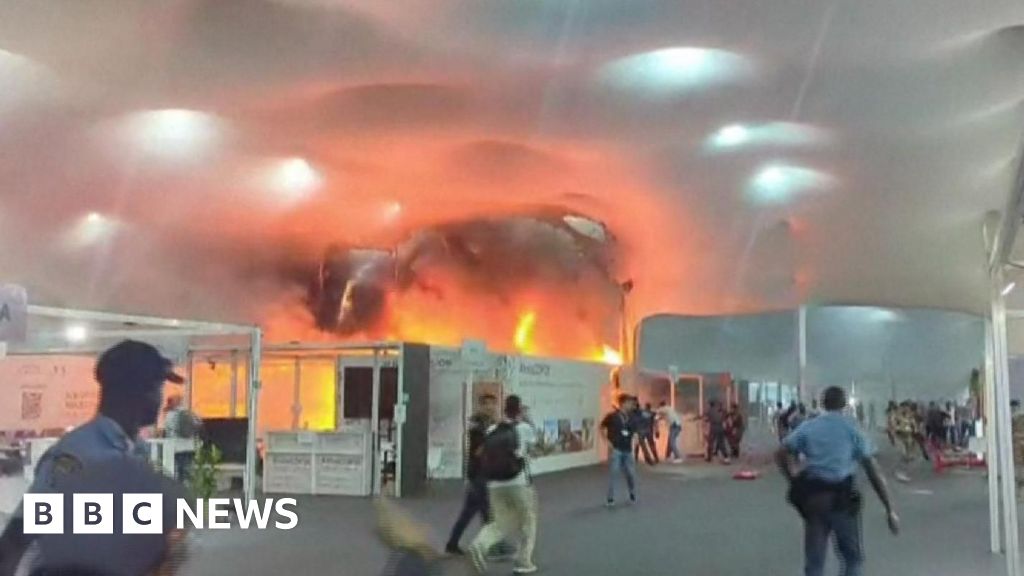

In a dramatic turn of events that underscores the fragility of international diplomacy, the UN climate summit, COP30, held in Belém, Brazil, was abruptly halted when a fire broke out inside the conference venue. Chaos erupted as flames and heavy smoke engulfed the pavilion, forcing hundreds of delegates, journalists, and concerned observers to evacuate in a scramble for safety. The incident not only disrupted critical negotiations but cast a shadow over the increasingly urgent global efforts to combat climate change, highlighting how unforeseen crises can unilaterally derail multilateral diplomacy.
The Brazilian authorities quickly claimed to have contained the fire, which authorities believe was likely an electrical fire. However, the cause remains under investigation—which adds to the volatility of the situation—while the immediate aftermath saw delegates seeking shelter outside, some under the shade of nearby petrol stations amid oppressive heat and humidity. The fire caused visible damage, burning through the venue’s protective sheeting and creating a large hole in the structure, temporarily halting what was already a delicate consensus-building process involving nearly 200 nations. This fiery disruption could have repercussions far beyond Brazil, impacting the geopolitical fabric as nations grapple with the fallout of a crisis that embodies the precarious state of global cooperation on environmental issues.
International analysts, including prominent climate experts and United Nations officials, warn that incidents like this expose the deeper vulnerabilities within the global climate governance framework. With negotiations at a crucial juncture—aiming to outline next steps and commitments—the fire’s disruption could serve as a symbolic warning about the fragility of international consensus. Observers note that such chaos may undermine trust, especially as climate change remains a battleground where geopolitical tensions are heightened; a safe and collaborative environment is essential before nations can approach the substantial task of crafting effective policies. The UN reiterated that the summit is temporarily on hold, with authorities now inspecting the venue for safety before proceedings can resume, but the incident leaves many questioning whether global leadership is equipped to confront the mounting crises ahead.
Historically, international critics and strategic analysts have argued that crises—whether geopolitical or environmental—often act as turning points revealing structural weaknesses within the global order. With tensions simmering over climate commitments, resource disputes, and geopolitical rivalries, the fire at COP30 serves as a stark reminder that the stakes extend beyond mere policy disagreements. As history has shown, moments of crisis tend to accelerate or derail progress depending on leadership responses. If the current incident is any indication, the path toward genuine international unity on climate issues is as uncertain as it is critical. As delegates sit outside in the sweltering heat, the world watches,—a symbol of the ongoing struggle to forge an enduring global consensus amid the chaos of an unfolding crisis—reminding us all that history’s next chapter is still being written, and the true test of leadership lies in overcoming the unforeseen with resolve.