Matox News

Truth Over Trends, always!

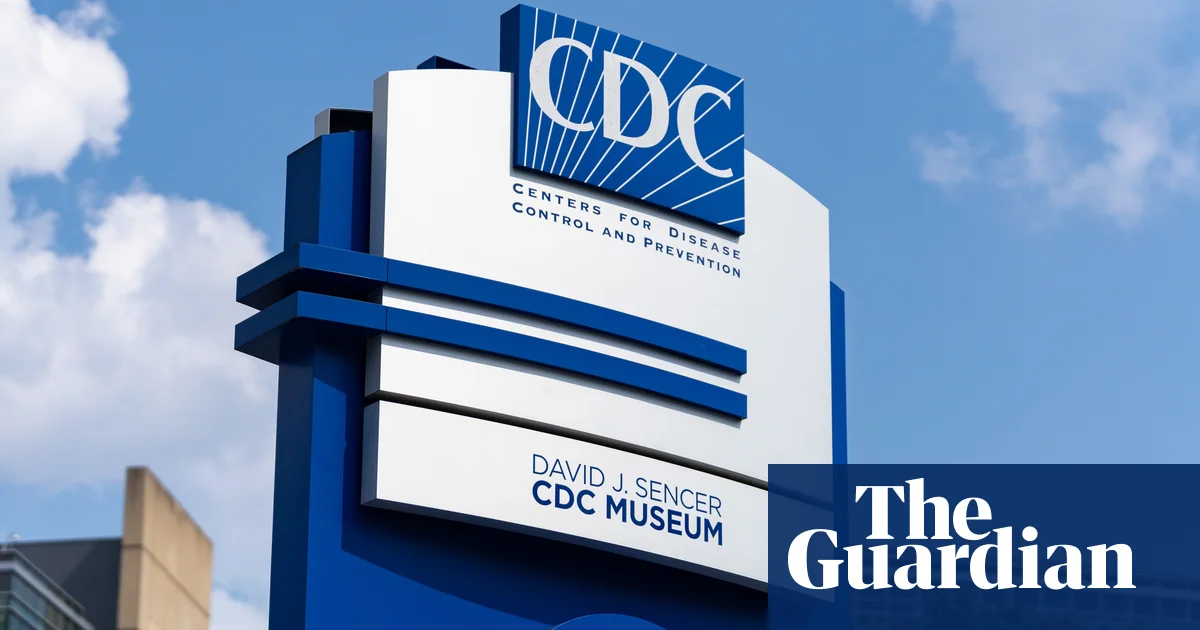
CDC Leadership Crisis: 80% of Top Posts Vacant, Work Stalls, Morale Drops – RFK Jr.

In recent months, America’s once-reliable public health institutions have revealed disturbing cracks that threaten the very fabric of our society. The Centers for Disease Control and Prevention (CDC), a cornerstone of the nation’s health defense, is currently mired in a crisis of leadership and purpose. Nearly eighty percent of its top director positions remain vacant, leaving the agency adrift and unable to effectively combat infectious diseases, monitor maternal and infant mortality, or oversee vital vaccination policies. Such a chaos-filled landscape exposes the fragility of our societal safeguards and underscores how demographic shifts and cultural tensions intertwine with the erosion of public trust.

This leadership gap doesn’t merely hinder bureaucratic efficiency—it directly impacts families, education, and entire communities. When health agencies lack clarity and direction, the ripple effects are felt at ground level. Senior CDC officials warn that without decisive leadership, the agency’s ability to respond to an emergent pandemic could be compromised, risking the lives of the most vulnerable—children, pregnant women, at-risk populations. Sociologist Dr. Samuel Peters warns that such erosion of institutional integrity fosters a sense of societal abandonment, especially among communities already grappling with the consequences of inequality. The societal fabric strains further when vital health data—such as infant mortality rates or disease outbreaks—are compromised or viewed through distorted political lenses, diverting society from genuine progress towards public well-being.

Amidst this turmoil, the political landscape remains tumultuous. The appointment of Erica Schwartz as CDC director under former President Trump’s administration aims to temporarily patch the gaps, but systemic issues run deeper. Notably, since Kennedy’s appointment as health secretary, over 2,400 CDC staff members have either been fired or resigned, leaving remaining personnel destabilized and demoralized. Many describe the agency as being in a state of “pandemonium,” with key positions left unfilled for months—an unsettling scenario when national security hinges on swift, informed decision-making during health crises. Social commentators like historian Dr. Anthony Rogers note that this fracturing of expertise and trust could set the stage for society’s wider health to become a victim of political struggles rather than science-based solutions.

As the nation witnesses this institutional breakdown, the questions remain: How can society hope to regain its health security? What role do cultural values and moral responsibility play in restoring trust and accountability in public institutions? Experts emphasize that rebuilding the leadership and integrity of organizations like the CDC is paramount to protecting families and fostering resilience within communities. The crisis reveals more than just bureaucratic failures—it exposes the moral imperative to prioritize human life above political expediency. Although the societal shadows grow long, history shows that through dedication, moral resolve, and collective effort, the nation can illuminate a path back from chaos. Society must reflect on how social issues—interwoven with cultural tension and political partisanship—affect the health and hope of future generations, inspiring a society that refuses to accept dysfunction as inevitable and strives instead to heal its deepest wounds.
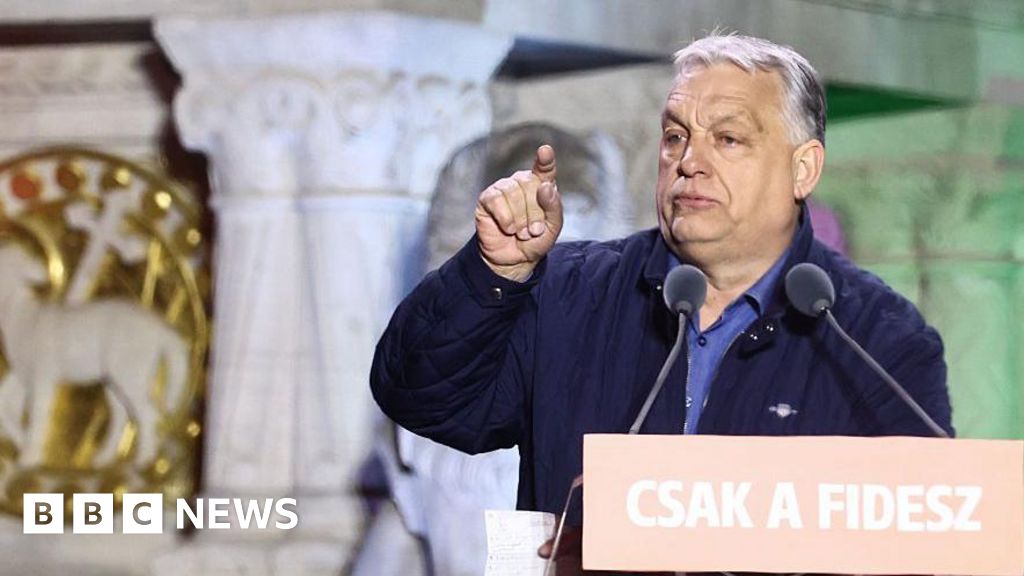
Hungarian Youth Opt to End 16 Years of Orbán with New Leadership

As the upcoming elections in Hungary draw nearer, the country finds itself at a pivotal crossroads. Polls currently favor Péter Magyar, a candidate representing a burgeoning grassroots movement that seeks to challenge the long-standing dominance of Prime Minister Viktor Orbán. Magyar’s campaign resonates with a youthful electorate yearning for change, emphasizing transparency, social justice, and economic reform targeted at revitalizing Hungary’s societal fabric. However, despite these promising signs for Magyar, Orbán remains defiant, rallying his traditional support base with a resilient nationalist narrative that emphasizes Hungary’s sovereignty and cultural identity.

This electoral showdown is not just a domestic affair; it carries significant geopolitical ramifications. Orbán’s government has, in recent years, cultivated a complex relationship with Brussels. His administration’s occasional pushback against EU legislation, particularly concerning migration and judicial independence, has raised alarms among international institutions and Western allies. Conversely, Magyar’s rise is viewed by some analysts as a potential shift towards more integrative policies aligned with European norms, promising to restore Hungary’s standing within NATO and the European Union. These internal dynamics are critical, as the outcome could influence Hungary’s future trajectory along the broader European geopolitical landscape, especially amidst ongoing tensions with Russia and the US.

Historian and international observers warn that the choice in Hungary embodies more than just national politics; it signals a clash of values at the heart of Europe. Experts from the International Crisis Group have emphasized that Hungary’s political orientation could serve as a bellwether for the continent’s ideological direction—either reinforcing a wave of populist nationalism or steering towards renewed engagement with Western institutions. As the world watches, the decisions made in Budapest may reverberate far beyond its borders, impacting alliances, trade, and regional stability. Viktor Orbán’s margins of victory, or Magyar’s potential victory, will undoubtedly serve as a potent indicator of where the European project is headed, and whether the continent is prepared to confront its future with unity or division.

With history hanging in the balance, the unfolding drama in Hungary remains a compelling narrative—one that continues to shape the course of European, and indeed global, geopolitics. The world stands at a critical juncture, where the fight for national identity, sovereignty, and the future of international cooperation is more intense than ever. As the election nears, the weight of history presses down on Budapest’s streets—every vote a stake in the destiny of nations, echoing through time as a testament to the enduring struggle for sovereignty and societal renewal.

Ali Larijani’s death intensifies Iran’s leadership crisis, sparking youth intrigue

Throughout recent decades, Larijani has emerged as a key figure within the Islamic Republic of Iran, representing a potent blend of experience and strategic influence. Recognized by international analysts as one of Iran’s most seasoned policymakers, Larijani’s role extends far beyond domestic politics—his decisions resonate across the geopolitical landscape, shaping outcomes for entire regions and global powers alike. His longstanding presence in Tehran’s corridors of power underscores the importance of individual leadership in navigating the complex web of religious authority, strategic interests, and America’s shifting policies.

Within the context of history, Larijani’s influence has been a critical axis in Iran’s dealings with Western nations, especially amid ongoing conflicts over nuclear proliferation and regional dominance. As Iran continues to advance its nuclear program—despite international sanctions and diplomatic pressure—the calculus made by figures like Larijani carries significant consequences. Many analysts, including those from the International Crisis Group, point out that decisions taken within Iran’s upper echelons could either serve to escalate tensions or open pathways toward diplomatic compromise. His long experience and authoritative voice contribute to Iran’s consistent stance, often resistant to the unconditional concessions favored by Western powers.

Crucially, Larijani’s influence extends into regional geopolitics, notably within the Middle East. With Iran backing proxy groups, engaging in military confrontations, and vying for influence over neighboring countries, the stakes have never been higher. The United States, along with its allies such as Israel and Gulf Cooperation Council states, closely monitor Iran’s diplomatic maneuvers—often framing them as a prelude to broader conflicts. The decisions by Iran’s leadership, including Larijani’s policies, impact the stability of entire nation-states, fueling cycles of violence and resistance that threaten to spiral beyond control.

Recent conversations among international diplomats and scholars reveal a somber consensus: the path toward peace remains narrow, and the weight of history presses heavily upon the shoulders of those guiding Iran’s future. As Larijani’s influence continues to shape Iran’s position on the world stage, the broader implications for global security and regional stability become unavoidable. The ongoing struggle over Iran’s nuclear ambitions, regional alliances, and international diplomacy reflects an epochal moment—one where the decisions taken today will echo through history, long after the voices of current policymakers fade into the shadows of time. The stage has been set, and the world watches with bated breath as the drama of geopolitics unfolds, knowing that the final chapters remain unwritten but profoundly consequential.

Corbyn Named Your Party Leader; Sultana Joins Leadership Team

Leadership Reshuffle in Your Party Signals Geopolitical Shift Amid Internal Turmoil

In a significant political development, Jeremy Corbyn is poised to assume the role of de facto leader of Your Party, marking a pivotal moment in its evolution. The recent internal elections saw Corbyn-backed candidates secure a dominant 14 of the 24 seats on the party’s central executive committee (CEC), signaling a substantial shift towards a more radically progressive and socialist vision. This factional victory underscores a broader ideological fracture with the party’s other prominent figure, Zarah Sultana, whose supporters managed to secure only seven seats. The electoral process, with a turnout of 61%, reflects a mobilized segment of the party base that remains entrenched in the debate over the party’s future trajectory.

Corbyn’s winning bloc, branded as “The Many”, aims to forge a coalition focused on addressing critical issues such as the cost of living, housing crises, and Palestine — themes resonating among the party’s grassroots. Meanwhile, Sultana’s Grassroots Left faction accentuates the importance of member democracy and warns against a perceived drift towards “Labour 2.0”, an insidious shift they argue could dilute revolutionary socialist principles. This internal struggle is emblematic of a wider fight for geopolitical influence within Your Party, with each faction advocating divergent visions that could significantly influence external policy stances, especially regarding international conflicts and diplomatic alignments.

The broader geopolitical impact cannot be underestimated, as international actors watch these power plays with keen interest. Analysts from institutions like the International Crisis Group warn that the victory of Corbyn-aligned factions could propel Your Party into a more anti-imperialist and anti-Zionist stance, potentially straining diplomatic relations with allies and rivals alike. As Russia and China scrutinize Western internal disputes, the outcome of this leadership contest will resonate beyond national borders, influencing international perceptions of the political landscape and the future of socialist alliances.

While the internal conflict persists, historians and political strategists have emphasized that such divisions often serve as a crucible for transformative change. The deeper question remains: how will Your Party navigate its internal dialectic, and what global alliances or confrontations will emerge from this internal power struggle? As the party attempts to turn a new page after months rife with accusations, expulsions, and legal disputes, it exemplifies a broader scene unfolding worldwide—one where ideological purity battles for dominance, reshaping the very fabric of political allegiance and international diplomacy. The world watches with bated breath, sensing that the outcomes here may very well echo loudly through the corridors of power for decades to come.

NASA plans to send humans back around the Moon as early as March—bold step forward for American leadership

In an exhilarating development for the global space community, NASA has officially announced the launch date for the highly anticipated Artemis II mission, following a successful “wet dress rehearsal”—a critical test simulating launch procedures and fueling operations. This marks a significant milestone in the United States’ renewed commitment to lunar exploration, positioning itself at the forefront of a new era driven by innovation, strategic competition, and international cooperation.

The recent checkmarks on the Artemis II mission are more than technical triumphs; they signal a pivotal moment in geopolitical and technological competition. As China and Russia accelerate their own space ambitions, the U.S. aims to solidify its leadership ahead of what many analysts call a “new space race.” This renewed emphasis on lunar exploration is not only about scientific discovery; it carries profound implications for national security, technological sovereignty, and influence in the emerging space economy. Experts from agencies like the European Space Agency (ESA) and China National Space Administration (CNSA) closely monitor these developments, understanding that space dominance is increasingly intertwined with Earth’s geo-strategic landscape.

Historically, space exploration has been a mirror reflecting the ambitions of the superpowers. The Artemis program, named after Apollo’s twin sister, aims to return humans to the Moon and establish sustainable presence by the end of the decade. NASA officials emphasize that this endeavor is not solely about scientific advancement but also about inspiring the next generation of explorers, engineers, and innovators. Yet, beneath this outward narrative lies a complex web of international dynamics: alliances, treaties, and emerging rivalries. As diplomatic tensions mount in other geopolitical arenas, space remains a crucial but contested frontier where the rules are still being written and the stakes are high.

As the countdown to launch begins, the weight of history looms large. The successful “wet dress rehearsal” has reinvigorated global attention, reaffirming the U.S. commitment to lunar exploration and technological primacy. However, global observers understand that this mission’s outcome will influence how nations chart their paths in space for decades to come. Will it herald a new era of international cooperation or deepen the existing rifts among powerful actors vying for dominance? The answer remains unwritten, but the world watches with bated breath as NASA prepares to take humanity a step closer to the stars, mindful that in the grand scheme of geopolitics, space is the next battleground—an uncharted domain where history’s next chapter is about to be written.

Jonathan Powell declines bid to step in as Starmer’s chief of staff, signaling shifts in party leadership

Society at a Crossroads: The Impact of Leadership Changes on Communities and Families

In recent weeks, the shifting corridors of power within public institutions and governmental circles reveal more than just political maneuvering; they mirror deep-seated sociocultural tensions and demographic shifts that significantly influence the fabric of families, education, and communities. These changes often ripple outward, shaping societal perceptions of morality, stability, and hope. As figures like Jonathan Powell—a seasoned adviser with a storied career in mediation and diplomacy—consider stepping away from the political spotlight, society faces not just leadership recalibrations but the challenge of maintaining social cohesion amidst turbulence.

Much of the current discourse centers on *power struggles* within the political elite, influencing how societies address issues of trust, national security, and international relations. Historical sociologists such as Seymour Martin Lipset have argued that political leadership plays a pivotal role in shaping societal values, and the recent turnover in advisers echoes a broader concern: when those who guide policy shift frequently, the social contract risks weakening. Families dependent on clear, stable leadership are often left feeling uncertain, especially as the government’s foreign policy decisions—like the controversial appointment of Peter Mandelson as ambassador to Washington—become sources of internal conflict and partisan debate.

Social Tensions: The Consequence of Leadership and Policy Choices

At the core of this upheaval lies the profound impact on community cohesion. The controversies surrounding appointments based on political loyalty rather than diplomatic expertise threaten to erode the trust in institutions that traditionally serve as pillars for societal stability. When high-profile figures like Powell advise against controversial figures—highlighting concerns rooted in ethical considerations and historical mishandlings—and their counsel is ignored, the message to *families and local communities* becomes clear: political expediency often overrides moral prudence. As Hosni Mubarak once observed, “The strength of a nation depends on the integrity of its leadership.” Such moments test the moral fabric of society, questioning whether institutions are truly committed to the human impact over political gain.

Furthermore, these leadership struggles influence the education of the next generation—shaping their understanding of accountability, justice, and societal responsibility. The young, witnessing constant changes at the top without clear ethical direction, may develop a skewed view of leadership as self-interest rather than service. This erosion of moral authority fuels skepticism towards authority figures, undermining the social bonds that hold communities together. Sociologists like Robert Putnam emphasize that social capital—trust and networks—decreases when leadership becomes unpredictable, further weakening societal resilience and the capacity to address pressing issues such as inequality and injustice.

Pathways Toward Social Renewal

  • Restoring trust in institutions: Transparent processes and merit-based appointments can rebuild faith at the community level.
  • Empowering local communities: Giving communities a voice in decision-making fosters shared responsibility and resilience.
  • Strengthening ethical leadership: Encouraging moral integrity and accountability within public service creates a foundation for societal hope.

As the societal landscape continues to evolve, the challenge remains: how can families, schools, and communities forge a collective destiny rooted in values of integrity, stability, and hope? As history whispers the stories of nations that faced darkness but emerged into light through the resilient actions of ordinary people, society must renew its commitment to nurturing leaders who prioritize human dignity above political expedience. The journey toward societal health demands more than policies; it requires a moral revolution—one that recognizes that every social issue, at its core, is a reflection of our shared humanity and the hope that, through collective effort, society can heal, flourish, and redefine its destiny for generations to come.

Australia Politics Live: Tim Wilson Snubs Deputy Role as Taylor and Ley Eye Liberal Leadership Spill

Unfolding Geopolitical Shifts and Domestic Turmoil: Australia’s Political Landscape and International Ripple Effects

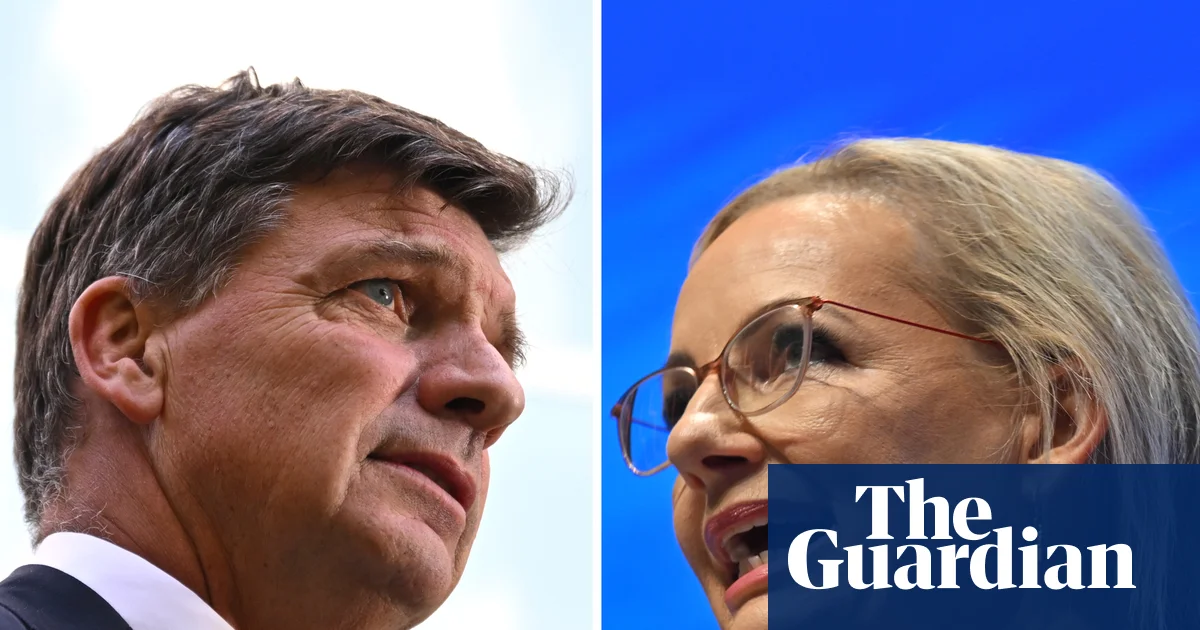
In recent days, Australia has been engulfed in a tumultuous political saga that underscores the broader geopolitical ramifications of internal party conflicts and leadership disputes. The Liberal Party’s leadership spill — culminating in the contest between Angus Taylor and Sussan Ley — exemplifies the fragility of political allegiances amid global instability. As the world watches, these disputes are more than domestic skirmishes; they are manifestations of wider ideological battles that could reshape regional alliances and influence Australia’s posture on the international stage.

Numerous analysts, including prominent historians and global institutions, highlight how leadership crises like this ripple beyond national borders. The United Nations and wise geopolitical observers warn that such upheavals weaken a nation’s ability to project strength, particularly in the Indo-Pacific, a region increasingly vital amid the shift of global power dynamics toward China and the United States. The outcome of this spill could determine Australia’s future role — whether as a steadfast ally of Western democracies or an errant actor caught in internal discord. Importantly, the internal disunity, vividly illustrated by the backroom dealings and public statements of figures like Jane Hume and Tim Wilson, signals a nation at a crossroads, whose domestic stability directly influences regional security.

  • The leadership ballot, scheduled to commence at 9 am, reflects a deeper contest within the ruling party—one emblematic of the ideological battles shaping the global conservative movement.
  • Figures such as Jacinta Nampijinpa Price and Sarah Henderson show heightened interest in repositioning conservative policies, signaling internal struggles over Australia’s strategic direction.
  • The broader international implications include intensified concerns over freedom of speech and foreign influence, especially as protests unfold over the Israeli president’s visit, symbolizing heightened geopolitical tensions that resonate globally.

Indeed, as Australian leaders grapple with their party’s consolidation or disintegration, global sentiments also hang in the balance. The International Monetary Fund and World Bank have issued cautions about regional stability, emphasizing that internal political crises can impair economic resilience and diplomatic credibility. This week’s events serve as a stark reminder that internal division can undermine a nation’s capacity to navigate the complex currents of international diplomacy and economic competition. The appointment of Bruce Preston to the Reserve Bank’s interest rate committee signals a pivot toward technical expertise, yet the chaos within the Liberal ranks underscores the volatility that continues to define Australian politics. As the nation votes to determine its future leadership, historians caution that today’s decisions are shaping a history where internal upheavals are the harbingers of larger shifts.

In a world where national sovereignty is increasingly tested by external forces, Australia’s internal crises echo broader themes of resilience and vulnerability. The protests by the Jewish community and others against Herzog’s visit exemplify the societal fractures—a microcosm of the geopolitical turbulence that characterizes this era. As the dust settles and new leaders emerge, the shadow of history reminds us that these moments of political turbulence are but chapters in a larger narrative—one where the decisions made today will influence the global balance of power for generations to come. The unfolding story of Australia’s leadership contest, intertwined with regional tensions, serves as a stark reminder: in an interconnected world, internal discord can become the catalyst for profound, lasting change.

Young conservatives rally behind Angus Taylor in leadership bid against Sussan Ley

Australia’s Political Landscape Shaken as Liberal Party Faces Leadership Crisis

In a dramatic turn of events, Australia’s political arena is witnessing a pivotal moment as the Liberal Party grapples with internal turbulence that could reshape the nation’s leadership. The outgoing leader, Sussan Ley, finds her position under threat amid a wave of resignations and shifting allegiances, signaling a deeper crisis within the party. The mounting tension reflects not only party dynamics but also a wider contest over the future direction of Australia, particularly in response to domestic and international challenges that demand firm leadership. Experts and analysts warn that the outcome of this leadership contest could influence Australia’s policy stance on issues such as climate change, immigration, national security, and economic recovery.

Key figures emerged as the battle lines solidified during this political upheaval. Angus Taylor, a former shadow defence minister known for his conservative stance, has garnered significant backing from influential party members, including Queensland senator James McGrath and opposition figures like Michaelia Cash. Their support underscores a growing divide within the party—between moderates who favored Ley’s leadership and conservatives rallying behind Taylor. The tension culminated when Taylor resigned from his shadow cabinet position to formally challenge Ley, claiming the party has “lost its way” and emphasizing the need for “strong and decisive leadership” to address Australia’s pressing issues. His narrative resonates with many young conservatives across the country who yearn for a return to traditional values and robust national policies, especially in light of international complexities such as regional security and economic resilience.

The leadership election, scheduled to be decided this week at Parliament House, is tightening as both sides claim the support of the 51-member party room. The possibility of a narrow victory hangs in the balance, with Ley maintaining that she still commands “the numbers,” even as critics argue her position has become increasingly untenable. Notably, the broader geopolitical impact of this internal party conflict extends beyond Australia’s borders—potential leadership shifts could influence Australia’s foreign relations, especially its stance toward China, the Indo-Pacific region, and global trade alliances. Historically, Australian parties’ leadership stability has impacted its international posture, with quick leadership changes often seen as destabilizing for diplomatic consistency and economic policy.

As Australia faces these tumultuous internal debates, the international community observes with cautious interest. The contest mirrors global struggles where nations look to their political parties to deliver stability amidst geopolitical turbulence. Analysts from organizations such as the Lowy Institute warn that a leadership upheaval could create a temporary vacuum, affecting Australia’s commitments to regional security pacts and trade agreements. The internal party dispute, while ostensibly about policy direction, symbolizes a broader cultural clash—between traditional conservatism and progressive ambitions—that will indelibly shape the country’s future. As the vote nears, the weight of history presses heavily, reminding all that leadership crises are not merely internal squabbles, but pivotal moments that may define a nation’s course for generations to come.

Angus Taylor allies gear up to challenge Sussan Ley for Liberal leadership soon

In a striking display of conservative instability, Australia’s ruling Liberal Party finds itself at a historic crossroads, with internal tensions threatening to fracture its very foundation. The political landscape has been shaken by a dramatic decline in electoral support, evidenced by the latest Newspoll revealing the party’s primary vote collapsing to an alarming 18%. This figure, a nine-point drop from previous months, has prompted urgent calls for change among party factions, especially as leader Sussan Ley faces mounting criticism and the looming prospect of a leadership spill. Conservative parliamentarians argue that, with support waning, it is only a matter of when, not if, the party will resort to reshuffling its top ranks to salvage electoral viability before the crisis deepens further.

While Ley, buoyed by some moderate voices, remains defiant—stating her job is “not expected to be in question”—the internal dissent has reached new levels of intensity. Supporters inside the party speculate that the fallout from the recent Coalition split over hate speech laws has gravely damaged Ley’s credibility, undermining any claims to stable leadership. Their fears are compounded by the internal power struggles exposed when Angus Taylor, a prominent conservative figure, emerges as a frontrunner for the leadership. According to insiders, Taylor may soon initiate a leadership spill, which would require Ley’s resignation from her current shadow cabinet position and a swift contest for the party’s leadership. Analysts emphasize that such a move could be the party’s last-ditch effort to restore voter confidence amidst a societal landscape increasingly aligned with populist sentiments elsewhere.

Internationally, Australia’s political turmoil resonates beyond its shores, as geopolitical analysts warn of the ripple effects on regional stability and alliances. The U.S. and UK, longstanding partners, scrutinize Canberra’s internal chaos, aware that a weakened Australian opposition could embolden rival powers like China and Russia in the Indo-Pacific. The possibility of leadership upheaval threatens to weaken Australia’s stance in critical multilateral engagements, including the Quad and regional security dialogues. Furthermore, experts observe that Australia’s political lessons echo a broader international pattern: when national parties falter in the face of societal shifts and electoral discontent, the resulting turbulence can have far-reaching consequences, altering regional geopolitics and the balance of power.

Meanwhile, within Australia, the debate shifts to the societal impact of these political upheavals. Moderate voices call for a strategic reevaluation, arguing that the party must embrace reforms to resonate with a generation increasingly attuned to issues like immigration, economic opportunity, and national sovereignty. Historians caution that the current crisis echoes past moments of ideological fissure, reminding voters and leaders alike that history often remembers the decisions made in these turbulent times as defining events—shaping the future course of the nation, for better or worse. As the political machinery grinds into motion, the weight of history presses down on the shoulders of its leaders, who must decide whether to cling to fading factions or forge a new path forward amid the chaos.

In the vast tapestry of history, moments of upheaval are often the dawn of transformation. As Australia faces its latest storm—a potential leadership overhaul in a time of societal and geopolitical flux—the question remains: will this be the beginning of a renewed national resolve or a slide into prolonged instability? The final chapter has yet to be written, but the echoes of this moment resonate across generations, challenging the very foundation of Australia’s political identity in the shadows of an uncertain future.

LA City Council Member Nithya Raman announces run for mayor—young voices, new leadership

Los Angeles’s Urban Crisis: A Mirror of Global Urban Struggles

The upcoming Los Angeles mayoral race underscores a broader narrative of urban decay spreading across major cities worldwide, with local leaders grappling with crises that threaten the social fabric and economic stability of their communities. In her campaign launch, City Council member Nithya Raman highlighted the profound challenges facing LA—a city renowned for its glamour yet fractured by severe issues such as housing shortages, homelessness, and rising crime. Her critique reflects a mounting global concern: how to restore opportunity and safety amidst relentless urban stressors.

As LA faces these internal crises, analysts note the geopolitical impact of such local governance struggles. Cities like LA serve as bellwethers for national stability since their economic and social health directly influences regional and even international perceptions of a nation’s resilience. The debate over building sufficient affordable housing and holding city departments accountable is not merely local politics—it signals a broader battle over sovereignty, economic policies, and the capacity of governments to respond to crises generated by rapid urbanization and demographic shifts. Countries across the world observe these developments intently; urban crisis management increasingly becomes a test case for global governance models rooted in federal and municipal cooperation.

Global Echoes: Urban Leadership and International Sociopolitical Shifts

  • Raman’s emphasis on building too little and too slowly echoes similar struggles in European and Asian megacities, where bureaucratic inertia hampers essential infrastructure development.
  • The recent rise of Yimby movements and progressive policies like upzoning in LA reflect a global push toward more equitable urban planning, often facing stiff resistance from entrenched interests and local communities wary of change.
  • Meanwhile, the city’s debate on homelessness and crime echoes in capitals worldwide, revealing how urban decay feeds societal unrest and tests the limits of law enforcement and social welfare programs.

Global institutions such as the United Nations and World Bank increasingly recognize urban health as a critical factor in stability and development. Yet, voices like Raman and local activists challenge a broader narrative: Are Western cities failing to adapt and innovate in governance? Her campaign’s focus on urgent action—a reflection of societal frustration—serves as a call for international attention to the governance failures that transcend borders. The homelessness crisis, housing affordability, and public safety are enduring issues that, if unresolved, threaten to erode public trust and social cohesion on a global scale.

Decisive Moments for the Future of Urban Governance

The Los Angeles mayoral race is more than just a local election; it embodies the tense crossroads at which an increasingly urban world must decide its priorities toward sustainability, security, and social justice. Raman’s entry into the race, her associations with advocates of rapid housing expansion, and her challenge to the incumbent Karen Bass symbolize a broader ideological contest—one that pits progressivism against established political establishments. Her campaign signals a potential shift in leadership paradigms, grounded in accountability and urgent reform.

Meanwhile, the geopolitical implications extend beyond city borders. The recent immigration raids and federal policies underscore external pressures that affect urban governance. As cities become battlegrounds for national identity, policy direction, and economic survival, the world’s eyes are on Los Angeles as a test case: can a city regain its sense of opportunity and safety? Will policymakers learn from LA’s local struggles and adapt strategies to foster resilient urban societies worldwide, or will they capitulate to the chaos of neglect and bureaucratic paralysis? The outcome of this political contest could set a precedent, echoing through the corridors of global power and shaping the future of urban living for generations to come.

Social Media Auto Publish Powered By : XYZScripts.com