Matox News

Truth Over Trends, always!

Ryan Coogler’s X-Files Reboot Debuts with Danielle Deadwyler Leading the Charge in U.S. Television

In our rapidly shifting world, culture remains the vital foundation guiding societal identity and tradition. It is not merely entertainment, but an ongoing dialogue between history and future, a vessel carrying the collective memory of a people. The upcoming revival of the legendary series The X-Files, with directives from filmmaker Ryan Coogler, exemplifies this truth. Coogler, renowned for his groundbreaking work on Black Panther, now seeks to reawaken a cultural icon that interrogated the boundaries between belief and skepticism. His intention to craft episodes that are “really fucking scary” reveals an understanding that fears rooted in the unexplained have always served as mirror and warning—a reflection of our society’s deepest anxieties. As he collaborates with Gillian Anderson and others associated with the original series, we witness a conscious effort to preserve a cultural relic—an allegory of human curiosity and the enduring need for truth amidst chaos.

This artistic revival echoes the fundamental role of myth and symbol in shaping societal values. The original X-Files emerged during a period saturated with distrust and upheaval, capturing the zeitgeist of post-Cold War America. It embodied the cultural shift towards skepticism of authority and the quest for hidden truths, akin to the Enlightenment’s challenge to dogma. As Ortega y Gasset might observe, this series was a manifestation of society’s intrinsic “racing toward reality”, a collective pursuit of understanding in a universe riddled with mysteries. Today, Coogler’s engagement underscores that such narratives are not mere escapism but vital tools in defining what society fears, values, and aspires to become. Revisiting the unexplained is, in essence, a reaffirmation of faith in human reason and the enduring importance of tradition—an acknowledgment that the confrontation with the unknown fortifies our cultural fabric.

Moreover, the revival of The X-Files signifies a broader cultural integrity—an enduring respect for storytelling that transcends mere entertainment, anchoring societal identity in the shared pursuit of truth. As Chesterton argued, “A great nation is not only one of the greatest armies or greatest wealth,” but one where the stories and symbols that define its moral universe are preserved and renewed. The series’ initial success, with 27 million viewers at its peak and two cinematic adaptations, attested to a society hungry for stories that probe the limits of rationality. Now, with Coogler’s vision, we are reminded that culture is a living dialogue—an intergenerational conversation that keeps alive the echoes of our ancestors’ questions and our descendants’ hopes. With each story retold, society affirms that culture is both the memory of a people and the prophecy of what they may yet become.

In the silent spaces between the known and the unknown, between the seen and the unseen, lies the poetry of human existence. As T.S. Eliot suggested, “the historical sense involves a perception, not only of the pastness of the past, but of its presence.” Culture—be it through television, philosophy, or myth—is the fabric weaving our past and future into a continuous narrative. By harnessing the power of stories like The X-Files, we affirm that humanity’s pursuit of meaning is eternal, echoing through the corridors of memory and prophecy alike—reminding us that in understanding ourselves, we glimpse the infinite possibilities that lie ahead. In the end, the cultural act is a sacred act: an offering of memory and hope, guiding us both into the shadows and toward the dawn of human potential.
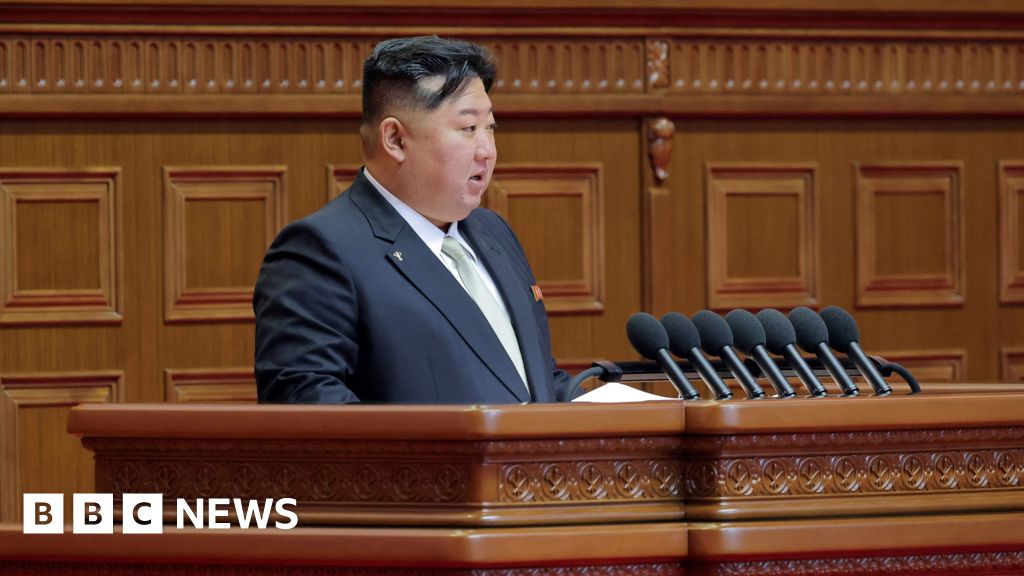
Kim Jong Un stays in power, leading North Korea’s ruling party once again

Kim Family’s Enduring Grip Continues Amidst Surrounding Global Uncertainty

The recent declaration by North Korea’s ruling party congress has reaffirmed the unwavering authority of the Kim family dynasty, a political reality that has persisted since the 1940s. While this reaffirmation may seem predictable to observers familiar with the regime’s history, the international community cannot dismiss the significance of this repeated consolidations of power in the context of an increasingly unpredictable geopolitical landscape. The Kim family’s control over North Korea’s political, military, and economic spheres remains a central factor shaping regional stability and global security dynamics.

Although the Kim regime’s leadership continuity is often seen as a static feature, analysts emphasize its underlying implications for regional deterrence and diplomatic engagement. The party congress, held amidst rising tensions and a shifting international order, signals that Pyongyang is prepared to maintain its stance of strategic ambiguity alongside its pursuit of nuclear advancements. This decision comes at a delicate juncture, with geopolitical shifts in Asia and beyond threatening to reshape alliances and conflict zones. Historically, the Kim family’s unwavering grip, despite economic sanctions and international pressure, demonstrates their focus on regime preservation over domestic reform—an approach that ensures North Korea’s position as a nuclear-armed state at the heart of East Asian security calculations.

The international repercussions of this reaffirmed control are profound. Countries such as South Korea, Japan, and the United States assess North Korea’s trajectory based on its internal consolidations of power. In particular, U.S. policymakers and global security analysts warn of potential escalations resulting from the Kim regime’s continued military modernization, which they increasingly perceive as a threat to regional stability. Meanwhile, China and Russia remain cautious, balancing their strategic interests—diplomatically supporting Pyongyang’s sovereignty while emphasizing the need for stability along their borders. These dynamics underscore how a regime firm in its authority can influence trade, security pacts, and diplomatic negotiations, often at the expense of cooperation and peace.

Historically, the Kim dynasty’s resilience underscores the importance of understanding where power lies in North Korea—beyond superficial leadership changes, it is the deep-rooted political machinery that sustains their rule. As noted by geopolitics scholars, such as Prof. Michael Kelly at the University of London, decisions made within the party congress serve as a powerful signal that Pyongyang intends to persist on its chosen path—a path defined by self-reliance and strategic defiance. This determination effectively sends a warning to the world: stability in East Asia remains fragile, held in the balance by a regime that refuses to relinquish its grip on power regardless of external pressures.

Ultimately, the enduring control of the Kim family over North Korea is a narrative that continues to unfold amidst a fraught and unpredictable world stage. The decisions made today—beneath the surface of orchestrated congress speeches—are shaping the future of peace and conflict across a region where history’s shadows loom large. As the global community watches with cautious trepidation, the late 20th-century lessons of resilience meet the urgent demands of a 21st-century geopolitics—reminding us that history’s true power lies in its capacity to shape tomorrow’s uncertain frontier.

Trump issues warning to Netflix: Remove leading Democrat or face consequences

Controversy Sparks New Chapter in Global Media and Power Politics

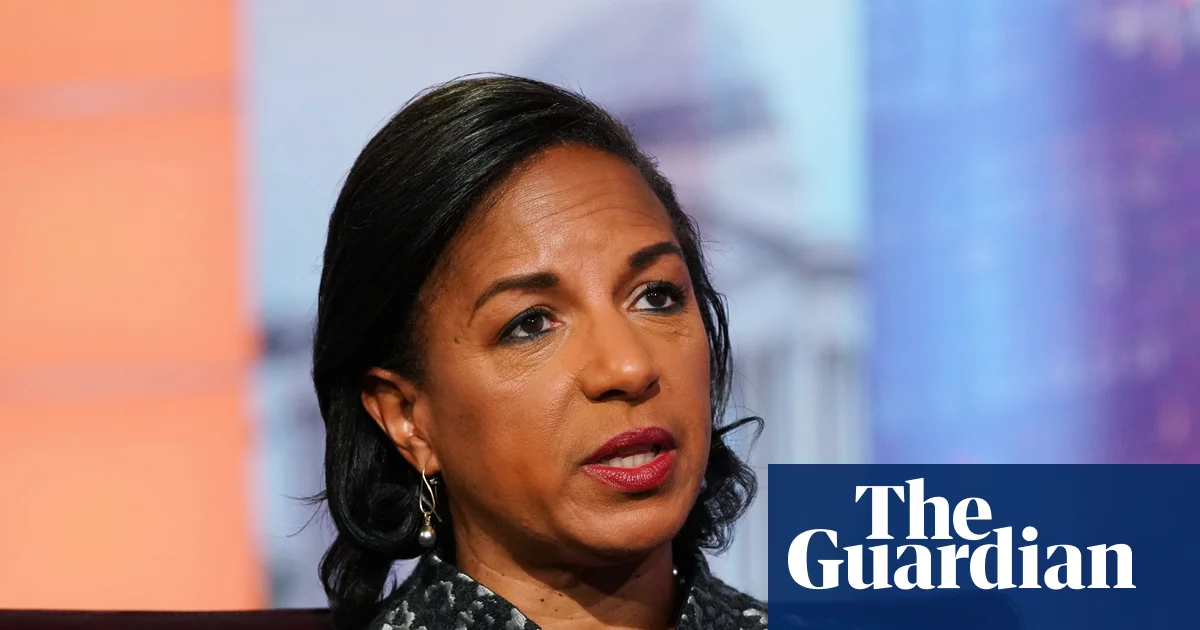
In an extraordinary display of interconnected power struggles, United States President Donald Trump has issued a direct threat to Netflix demanding the removal of Susan Rice from its board amidst a fierce corporate battle for control over Warner Bros Discovery (WBD). These comments, posted on his Truth Social platform, mark a bold intervention into not only entertainment industry politics but also reflect broader geopolitical tensions amidst the ongoing global realignment of influence. Former White House officials, besides Rice, have become pawns in an ideological clash that threatens to draw international attention, especially as major corporations become conduits for political agendas.

The backdrop to this controversy is the fierce bid war between Netflix and Paramount Skydance to acquire WBD’s lucrative assets, including the rights to iconic franchises like Harry Potter, Batman, and Superman, alongside streaming powerhouses such as HBO and its acclaimed series like Game of Thrones. Analysts warn that whether this deal goes through could have a profound impact on global media landscapes, creating a media titan wielding unprecedented influence over international narratives and cultural exports. This move reflects the consolidation of soft power through corporate dominance and exemplifies how economic leverage translates into geopolitical muscle. Washington’s stance suggests that any acquisition must receive federal regulatory approval, but Trump’s inflammatory comments serve to politicize the process and undermine international confidence in free-market principles, revealing a dangerous intersection of commerce and political vendettas.

The scandal deepens as Rice, an influential figure who served under Barack Obama and currently maintains a position on Netflix’s governance committee, became a target of Trump’s vitriol. His assertion that her “power is gone” and questioning her remuneration reveal a broader ideological battle—one where media influence is seen as a battleground for ideological dominance. Prominent international researchers and think tanks warn that the politicization of corporate governance and media assets fuels instability, potentially fostering regional conflicts as nations react to perceived external interference. Meanwhile, US political factions are divided, and global forces watch with caution as the tendency for such high-profile disputes to spill across borders grows ever more evident.

This unfolding saga is more than a battle over assets; it signals a pivot point in the rendering of geopolitical influence. The clash involving United States domestic politics, international media, and corporate sovereignty underscores a future in which economic powerhouses seek to shape global narratives and societal values. As global institutions remain watchful, historians like Fukuyama and Huntington warn that the lines between cultural influence and geopolitical strategy continue to blur, risking an era torn between the forces of capitalism and nationalist fervor. The next chapter in this fight for control may well determine if the world is steering toward a new era of unprecedented corporate domination, or if resistance by societies and nation-states will carve out a space for independence amid the chaos.

As the curtains close, the story remains unevenly written, with history once again echoing into the uncertain future. The question lingers—how will this battle for control over the streams of information and cultural icons ultimately reshape our global order? Only time will reveal whether these power plays forge a new era of dominant media empires or ignite a reckoning that reshapes sovereignty itself. For now, the world watches and waits, aware that history is not just being written—it is being violently reshaped, one deal, one tweet, one moment at a time.

Top French Politician Resigns from Leading Institute Over Epstein Ties

European Influence in Crossfire as French Cultural Icon Faces Epstein Scandal

France has found itself embroiled in an international controversy that extends its shadow across diplomatic and cultural landscapes. The fallout from the Jeffrey Epstein scandal, which has rocked the global political and social order, continues to unearth disturbing revelations about prominent figures within European spheres of influence. Jack Lang, a revered cultural figure in France and a former Minister of Culture under François Mitterrand, has been forced to resign from his post as head of the prestigious Institut du Monde Arabe. This decision follows a disturbing investigation by French authorities into his alleged contacts with the convicted sex offender and financier, Jeffrey Epstein, who died in prison in 2019 under controversial circumstances.

Recent disclosures, stemming from files released by the US Department of Justice, have publicly linked Lang and his daughter, Caroline, with Epstein, revealing over 600 references in private correspondence. While Lang maintains his innocence, insisting his interactions were purely philanthropic, the **geopolitical impact** of this scandal reverberates far beyond France’s borders. How European elites are intertwined with American financial networks and illicit social circles is now under scrutiny, adding a new layer of complexity to international relations and perceptions of transparency. International organizations, including human rights and anti-corruption watchdogs, warn that such revelations threaten to erode trust in cultural and political institutions, fueling a narrative of decadence and moral decay among Europe’s ruling classes.

How Decisions Shake Societal Foundations and International Relations

  • The investigation underscores the persistent vulnerability of high-profile individuals amid rising demands for accountability in an era of heightened transparency.
  • Lang’s resignation and the ongoing probes highlight how **international diplomacy** is increasingly shaped by scandals that threaten to destabilize diplomatic goodwill and cultural diplomacy.
  • European nations face mounting pressure to confront internal hypocrisies, as the Epstein revelations expose uncomfortable truths about the network of elite influence that spans continents.

Comments from analysts and international organizations point to a **shift in the global perception** of Western moral authority. “This scandal exemplifies how clandestine networks operated by the elite are now being exposed at an unprecedented rate,” notes Dr. Marie Dubois, a geopolitical analyst. Such disclosures are likely to fuel populist sentiments across Europe, demanding greater scrutiny of both political and cultural elites. Moreover, historians warn that these crises serve as stark warnings of how unchecked power and influence can undermine societal foundations, leading to a potential crisis of legitimacy.

International Repercussions and the Broader Power Struggle

The Epstein case has become a litmus test for **international accountability**. The scandal’s reach extends into other global centers of power, raising questions about the extent of influence wielded by shadowy financial figures. As investigative authorities continue to scrutinize the connections between Epstein’s network and political figures across Europe, the **geopolitical landscape** may experience shifts in alliances and trust structures. Nations dependent on diplomatic goodwill, especially with *France*, now find themselves confronting uncomfortable truths that threaten to challenge their societal narratives.

Meanwhile, some political commentators argue that these revelations might catalyze reform, pushing nations to address systemic corruption. Conversely, others suggest that the scandal could entrench populist and nationalist movements, which thrive on anti-elite rhetoric. The **real legacy of this crisis** will hinge on how effectively international institutions and governments respond to the calls for transparency and justice. As history watches, the unfolding story of deception, power, and accountability remains a stark reminder of how **secret networks** can threaten the very fabric of modern democracy.

As the dust settles, one truth remains undeniable: the weight of history is still being written, and the actions taken today will shape the global narrative for generations to come. The scandal underscores perhaps the most profound lesson of our era—that the corridors of influence are fraught with peril and that the true price of power is often paid in the currency of integrity and trust. The emerging story is not merely about scandal but a test of societal resilience in an age where shadows often eclipse the light of truth.

Powerful Moments: Youthful Musicians Leading the Charge for Change — A Photo Gallery

In an era where the fabric of society is continuously woven and rewoven through the threads of art, activism, and tradition, the recent initiative by photographer Janette Beckman and curator Julie Grahame exemplifies how culture remains the enduring vessel of communal memory and moral purpose. Their fundraiser for the ACLU, featuring images of musicians who have wielded their art as a form of protest and advocacy, underscores the profound connection between creative expression and the preservation of societal identity. In a time often characterized by upheaval and fragmentation, this exhibition reminds us that culture is not merely ornament but a moral and historical force shaping our collective destiny.

Among the featured figures are legendary icons such as John Lennon and Nina Simone, artists whose work transcended entertainment to embody moral standpoints embedded deeply in the struggle for freedom and justice. Their images serve as visual echoes of a moral impulse akin to that articulated by thinkers like Ortega y Gasset, who emphasized that culture is the collective answer to the restless question of what it means to be human within the social order. The donation of 43 photographers—whose lenses capture the faces of dissent—acts as a vivid testament to the idea that artworks are both mirrors of societal tension and beacons guiding future generations towards dignity and virtue. The fact that 100% of profits support the American Civil Liberties Union underscores the pragmatic side of cultural activism: art as a tool for societal preservation and moral resistance.

This initiative also highlights a broader truth about the historical parallels between past and present struggles for liberty. As Tocqueville observed in his exploration of American democracy, the vitality of civic life is rooted in a shared sense of moral community—a vitality whose sustenance is often reinforced through cultural icons and collective memory. The selected images and songs reverberate with a narrative that recognizes the importance of cultural memory in maintaining societal cohesion amidst tumult. In the words of Chesterton, we are reminded that art is the most effective whisperer of truth in the dark corridors of collective experience. The muse of protest, encapsulated in these photographs and melodies, reminds us that culture remains the foundation upon which our notion of identity, tradition, and societal well-being rests.

Finally, this event invites us to reflect on the poetic call of culture as both memory and prophecy. It is a reminder that history is not only what has been but what is continually becoming—a future shaped by the moral and aesthetic choices of those who understand that truth and beauty are inseparably linked. As the great poet T.S. Eliot wove in his verses, the past must be lived again in the present to forge a future worthy of memory. Culture, in its noblest form, is thus both a testament and a testamentary act—an enduring testament to human longing for justice, dignity, and truth, and a prophecy of what humanity might become when guided by the luminous ideals embodied in its artistic and moral heroes. In that luminous horizon, we see that our cultural legacy is both history’s ultimate gift and society’s divine promise—an unfolding story that belongs eternally to those who dare to believe in its transformative power.

Canadian Powerhouse: The $500M Slugger Leading the Charge to the World Series

In the heart of Toronto, a city known for its resilience and multicultural spirit, a new chapter in sports history is unfolding—one that transcends the diamond and touches on the very essence of personal impact and cultural identity. Dominating headlines is Vladimir Guerrero Jr, a baseball prodigy whose recent rise to the World Series symbolizes more than just athletic achievement; it embodies a narrative of dedication, legacy, and embracing a lifestyle centered on perseverance and community. Signed earlier this year to a staggering $500 million, 14-year contract, Guerrero has become a beacon for aspiring youth, exemplifying that with discipline and passion, great things are within reach.

This young superstar’s journey is steeped in tradition and ambition. His father, Vladimir Guerrero Sr, a Hall of Famer whose illustrious career was spent in obscurity due to a lack of a championship ring, passed down not just talent but a relentless drive to succeed. Guerrero Jr’s statement that he was “born ready” isn’t just bravado but a reflection of an inner conviction—an inspiring reminder that greatness often flows from familiarity with struggle and a deep desire to leave a legacy. Beyond the field, Guerrero lives modestly with his grandmother, incorporating her traditional Dominican dishes into his routine, exemplifying a lifestyle that values roots and humility while chasing epic milestones.

Reflecting broader societal shifts, Guerrero’s story highlights the significance of wellness and lifestyle choices in elevating personal performance. His focus on community, humility, and resilience resonates with wellness experts who advocate for a balanced approach—where mental health, cultural connection, and physical training form the foundation for success. This is not just about winning trophies; it’s about inspiring a generation to view lifestyle as a journey for self-improvement and cultural pride. The fan support, both from Toronto and across North America—including American admirers—underscores how sports today serve as a catalyst for shared identity and a collective pursuit of excellence.

  • Celebrate your roots while striving for greatness.
  • Prioritize community and humility alongside ambition.
  • Balance physical training with mental strength for lasting impact.
  • Embrace cultural traditions to stay grounded amid success.

As Guerrero’s narrative unfolds on the global stage, it prompts reflection on how a lifestyle—shaped by personal history, cultural pride, and community—can serve as a roadmap to fulfill one’s potential. His emotional moment after the victory, fighting back tears and acknowledging his journey, illustrates that true success is as much about inner fulfillment as it is about external victories. For the aspiring youth, his story becomes an invitation—a reminder that embracing your heritage, working relentlessly, and staying true to your purpose can turn even distant dreams into reality. In the collective heartbeat of Toronto, a nation, and a continent, is the understanding that adventure, growth, and legacy are lifelong pursuits—each day an opportunity to shape a lifestyle rooted in purpose, resilience, and hope.

Grace Wales Bonner: British Style Maverick Who’s Driving Sambas to Stardom, Now Leading Hermès Menswear

Fashion’s New Trailblazer: Grace Wales Bonner and the Shift Toward Cultural Authenticity

The fashion world, ever-changing and driven by leading designers, is witnessing a transformative moment with the rising prominence of Grace Wales Bonner. Named to succeed the legendary Véronique Nichanian at the storied French fashion house, Wales Bonner’s appointment signals more than just a career milestone — it marks a societal shift rooted in authentic cultural expression. Set to debut her first collection in January 2027, her appointment demonstrates how the rebellious spirit of youth, coupled with a keen sense of identity and history, is redefining luxury fashion from within. Influenced by her Jamaican roots, her upbringing in south-east London, and her deep academic engagement with art and history, Wales Bonner’s work embodies a new wave of fashion that emphasizes cultural legacy and identity politics, resonating with younger generations eager to see their histories honored and echoed on the runway.

The cultural impact of Wales Bonner’s ascendancy extends beyond high fashion, permeating mainstream consumer culture and shaping trends that savvy brands and influencers can’t ignore. Her collaborations with brands like Adidas Originals have reinvigorated classic sneakers such as the Samba and Superstar, transforming them from mere athletic wear into symbols of cultural hybridity and self-expression. These shoes, once associated solely with sports or streetwear, now serve as canvases for storytelling, showcasing her approach of blending traditional craftsmanship with contemporary, even rebellious, aesthetics. The sneakers have been adopted by icons from Rihanna to politicians like Rishi Sunak, illustrating how her designs are influencing a broad demographic spectrum and fueling a trend that goes far beyond the runway. Coupled with her knack for reimagining styles from silver foil to animal print, Wales Bonner reinforces a sense that fashion is a dynamic language—one that speaks loudly about identity, resistance, and social commentary.

Leading analysts and influencers recognize her role as more than just a designer; she is a socio-cultural pioneer who manages to weave stories of history into her work. Kenya Hunt, editor-in-chief of Elle UK, recently described her appointment as “long overdue,” emphasizing how her attention to craft and intelligence has consistently illuminated the fashion landscape. Her approach—akin to a jazz musician improvising with familiar instruments—addresses the duality of tradition and modernity that characterizes the next generation of consumers. Her references—ranging from the iconic African leader Haile Selassie and the carnival of Notting Hill to art icons like Jean-Michel Basquiat—highlight her broader cultural focus that makes her designs relevant and resonant. As fashion becomes increasingly intertwined with issues of race, identity, and social justice, Wales Bonner’s work exemplifies how the industry can serve as a conduit for cultural dialogue.

Yet the real question looming on the horizon is whether her success signals a temporary shift or marks a broader revolution in how fashion intersects with society. Is what we’re witnessing merely an aesthetic renaissance, or does it signify a seismic change in societal values? With her trajectory—dominating runway shows, collaborating with cultural icons, and earning accolades like the LVMH Prize and CFDA awards—it’s clear that Wales Bonner embodies a powerful movement: an ongoing call for fashion to reflect, celebrate, and critique social identities. As her influence expands and new talent emerges inspired by her ethos, the next big question becomes: how will this cultural shift reshape the industry’s future, and what role will fashion play in shaping societal narratives in the years to come?

India’s First Female Train Driver: Breaking Barriers and Leading the Way Forward

India’s Trailblazer: Surekha Yadav and the Broader Impact on Gender Equality in Critical Sectors

In a groundbreaking testament to persistence and progressive change, Surekha Yadav recently bid farewell after 36 years of service as India’s first female train driver. Her remarkable career, which began in 1989, symbolizes more than personal achievement—it underscores a shifting tide in gender roles within India’s traditionally male-dominated infrastructure sectors. Yadav’s journey from rural Maharashtra to operating the nation’s railways highlights the critical *geopolitical impact* of fostering equal opportunities in industries vital to economic development.

When Yadav first took to the locomotive, her decision defied societal norms. She entered into a profession then unthinkable for women, particularly in India, where government jobs are among the most coveted for the security and perks they offer. Her success challenged entrenched stereotypes, paving the way for a new generation of women amid a system historically reserved for men. Increasingly, international organizations, including the United Nations and global labor advocates, emphasize the importance of integrating women into strategic sectors such as transportation and engineering — a move that directly influences social stability and economic resilience in developing nations.

Unpacking the international significance of Yadav’s career

  • Her story has become a symbol of *progressive social change*, inspiring industries worldwide to break gender barriers and adopt inclusive recruitment policies.
  • As one of over 2,000 women now operating Indian Railways, her influence extends beyond individual achievement to national strategies aimed at empowering women in critical roles.
  • Historians and analysts, including Dr. Rajeev Malhotra, argue that Yadav embodies the *turning point* in India’s social fabric, where economic necessity meets evolving perceptions of gender roles.

Furthermore, the *geopolitical impact* resonates globally, as nations observe India’s efforts to modernize and diversify its workforce. India, with its sprawling rail network and strategic position as a rising economic power, aims to project an image of progressiveness and gender equality. This not only enhances India’s soft power but also sets a precedent for other developing nations attempting to balance modernization with traditional values. International organizations increasingly recognize the importance of such domestic shifts, as they bolster the global fight against gender discrimination, which remains embedded in many sectors worldwide.

How decisions at the policy level influence societies and nations

The Indian government’s recognition of jobs like train-driving as *winnable battles for social inclusion* illustrates a broader international trend towards sustainable development and gender parity. Ms. Yadav’s mentorship of aspiring women operators exemplifies how individual careers catalyze societal change, challenging societal norms and expanding the horizons of what is considered possible for women. These stories foster an environment where gender becomes less of a barrier to participation in vital sectors—enhancing economic productivity and social cohesion.

Experts from the World Economic Forum emphasize that such shifts in employment patterns not only empower women but also serve as a *game-changer* in addressing unemployment and economic inequality. By breaking ceilings in transportation and engineering, nations reinforce their commitment to cultivating resilient societies capable of adapting to global challenges, including climate change, urbanization, and technological disruption. As India continues to interlace its development goals with gender inclusivity, the international community watches closely, poised to learn and emulate this model of transformation.

The Ongoing Archive of Meaning

As Ms. Yadav’s locomotive finally pulls into the station after decades of service, she leaves behind more than just a legacy of skill and determination. Her retirement marks a *significant point in history*, yet the odyssey of gender equality in India’s infrastructure remains incomplete. The weight of her story underscores that decisions—local, national, and international—shape the societal landscape and write the next chapter of history. With each train that departs and arrives, there is a silent acknowledgment that every mile driven is a mile towards a more inclusive and resilient future—an indelible mark in the ongoing march of progress.

Who is Lindsey Halligan, the Trump appointee overseeing the Comey case?
Who’s Lindsey Halligan? Trump’s appointee leading the Comey investigation.

Power Plays and Political Stakes: The Case of Lindsey Halligan

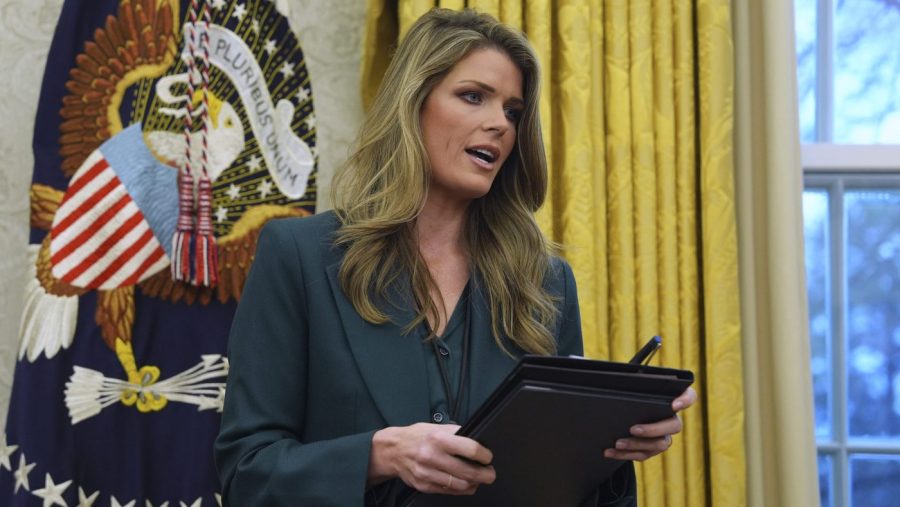
In the rapidly shifting landscape of American politics, few events exemplify the ongoing power struggles that define this era like the recent rise of Lindsey Halligan. From relative obscurity to the forefront of national attention within days, Halligan’s appointment as the *top prosecutor* in the case against former FBI Director James Comey signals more than a candid legal pursuit—it unveils a broader battle for control over the narrative, institutions, and the very fabric of American law and order. Her trajectory, marked by close ties to  President Donald Trump—having served as his personal lawyer and a White House official—attests to a crucial shift: the intertwining of legal challenges with partisan strategy, where decisions ripple out to shape the political terrain for generations.

Halligan’s swift ascendance reveals an underlying conflict of authority—a challenge to entrenched bureaucracies and the establishment’s hold over government agencies. Her role in pursuing Comey, a figure once revered within the Democratic establishment, exemplifies a broader *uprising* aimed at reasserting executive influence and accountability. Such legal pursuits are not merely about justice; they are about asserting power dynamics that threaten to redraw the boundaries of institutional independence. The decision to elevate Halligan, a figure connected intimately to Trump’s inner circle, underscores the ideological and strategic battles that threaten to redefine the American legal state—a state no longer purely apolitical but increasingly infused with partisan energy.

This shifting paradigm resonates with historical echoes of constitutional confrontation—from Jefferson versus Adams to the tumult of Civil War-era disputes over federal vs. states’ rights. Today, critics argue that decisions like these threaten to derail the ‘separation of powers’—central to American constitutional design—and place an emphasis on *power consolidation*. The escalation of these conflicts reveals how political actors are harnessing legal mechanisms not just for justice but as tools for control, revealing a deep-seated truth: that in politics, law is often the battleground where the future’s fate is penned, often in ink darker than the truth itself.

Looking ahead, the outcome of this high-stakes legal chess game portends even greater power struggles. As experts—ranging from constitutional scholars to political theorists—scrutinize each move, one fact remains clear: these decisions are sculpting a new political order where the line between legal authority and political dominance blurs. The question persists—will Justice be the guiding principle, or will it be weaponized as a strategic asset in the relentless pursuit of power? As history unfurls, the spectacle underscores that politics is not merely about policy but a grand, unending script where the fate of nations is written in the ink of determination and rivalry, etched on the pages of influence and authority. In this stage of relentless contestation, the only certainty is this: as long as power struggles persist, the destiny of America will be inscribed by those daring enough to shape the rules of the game.

Social Media Auto Publish Powered By : XYZScripts.com