Matox News

Truth Over Trends, always!

Fact-Check: Viral Post Claiming AI Boosts Learning Labeled Misleading

Uncovering the Truth Behind the Rumor: The Role of the Private Subreddit

Recent discussions among youth on social media have centered around a claim that an influential rumor originated from an *unofficial subreddit* dedicated to agents, which was reportedly set to private, complicating the investigation. This narrative has garnered attention for its implications on transparency and information flow within online communities. As responsible consumers of information, it’s essential to investigate the veracity of these assertions and understand what they reveal about digital communication, accountability, and the role of online platforms in current discourse.

The Challenge of Access: Why Did the Investigation Fold?

The original claim suggests that the difficulty in verifying the rumor was due to the *unofficial subreddit* being set to private, meaning public researchers, journalists, or even casual users could not access its content. Is this a legitimate obstacle that prevents fact-checking? Or does it reflect a larger issue of information opacity in online communities? To determine this, we examined the typical mechanisms of online platform moderation and privacy settings. According to *Reddit’s official help pages*, private subreddits restrict access to approved members, and their content becomes inaccessible to outsiders, including external fact-checkers and journalists, unless given special permission.

Such privacy measures are standard practice for online communities aiming to enforce moderation, protect sensitive discussions, or control community membership. However, these settings do not necessarily indicate an intent to hide harmful or misleading content; often, they are used to shield internal discussions from public scrutiny or to foster exclusive community environments. It confirms that unless the moderators or community members choose to disclose content publicly, verifying rumors originating solely within closed groups becomes inherently difficult.

Assessing the Origin of the Rumor

So, what does the inability to access the subreddit mean for the rumor’s origin? Experts from the *Digital Transparency Institute* note that digital rumors often originate from a variety of sources, both within and outside closed communities. Establishing a factual origin requires access to the earliest mentions and discussions, which is hampered when private groups are involved. Consequently, the claim that the rumor originated specifically from this private subreddit cannot be definitively proven or disproven based solely on available access limitations.

Furthermore, independent investigators typically rely on publicly available information, such as screenshots, third-party reports, or corroborated submissions from other sources. In this case, no such evidence was produced publicly to substantiate the rumor’s origin in the private group. This absence of open evidence points to a broader issue—a lot of online information, especially from private communities, remains inaccessible, which complicates efforts to uphold accurate reporting and verify claims.

Why Transparency Matters in a Democracy

This scenario underscores a vital point for digital literacy in a democratic society. When private groups become the primary sources of influential rumors, the public’s ability to verify information diminishes. Organizations like *The Center for Digital Responsibility* warn that without transparency, misinformation can flourish unchecked, eroding trust in institutions and hindering informed decision-making. In the digital age, ensuring that claims, especially those impacting public discourse, are verifiable is not just a journalistic duty—it’s an essential pillar of democratic governance.

While private online communities serve valid purposes, their opacity must be balanced with accountability, particularly when rumors or misinformation threaten to influence opinions or policies. Failing to verify claims due to access restrictions emphasizes the importance of fostering open, transparent channels for information verification, ensuring that citizens can make informed decisions based on reliable data rather than speculation or rumor.

Conclusion: Upholding Truth as a Responsibility

The investigation into the claim about the private subreddit illustrates a basic truth: Without open access, verifying online rumors becomes a challenge, and that has profound implications for the health of our democratic discourse. Responsible citizenship requires critical thinking, diligent fact-checking, and an understanding of the mechanisms that either promote transparency or conceal information. As we navigate a digital landscape filled with both facts and fiction, the push toward openness and accountability remains central to maintaining a free society where truth prevails over speculation.
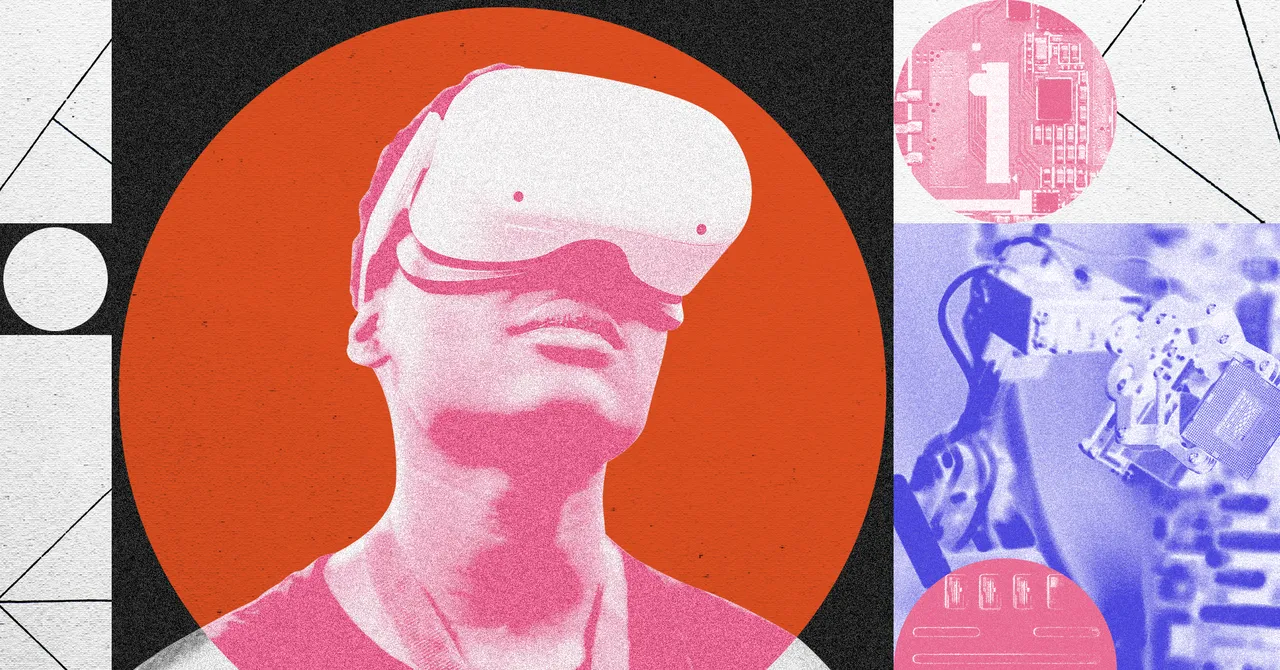
Are Youth Still Chasing Careers in Tech?

Next-Generation Innovators Drive Disruption in AI and Healthcare

The emerging wave of youth-driven innovation underscores the transformative potential of artificial intelligence (AI) and healthcare accessible through community-focused initiatives. A recent survey highlighting perspectives from high school seniors across the United States reveals a generation poised to lead disruptive breakthroughs, emphasizing disruption at the core of technological and social paradigms. These aspiring scientists and technologists are not only witnessing rapid AI advancements but are already actively involved in solving attendant challenges, such as data privacy and ethical deployment.

One standout example is Laksh Patel, a 17-year-old from Willowbrook, Illinois, who exemplifies the new tech frontier. Patel’s pioneering work on algorithms that prevent AI models from disclosing private data such as API keys signals a crucial step toward establishing more secure, trustworthy systems. As AI, especially Large Language Models (LLMs), become embedded in everyday life, it’s clear that security features will define the future competitive landscape. Analysts from Gartner emphasize that the industry must prioritize robust privacy measures to sustain user confidence and prevent regulatory crackdowns. Companies like OpenAI and Google are racing to implement such safeguards, knowing that any breach could undermine entire markets and user trust.

This generation’s focus extends beyond just technological innovation; it reflects a broader disruption of traditional career pathways. Laksh Patel and his peers are questioning the necessity of formal degrees, as skills-based hiring gains traction in the tech sector. Non-traditional routes into industry, including direct industry entry and independent research, are now seen as viable alternatives, pressuring educational institutions to adapt swiftly. Such shifts could redefine the business landscape, favoring nimble startups and decentralized development. Institutions like MIT and industry giants like Elon Musk’s Tesla underline that adaptability is essential for future dominance, especially in AI where timing and execution are everything.

The transformation in healthcare access, as described by young advocates, adds another layer of disruption. Innovators emphasize that community-based efforts are vital for democratizing healthcare, ensuring that underserved areas are not left behind amid digital health revolutions. The advent of AI-powered diagnostics and personalized medicine signals enormous potential but also raises questions about equitable deployment. Forward-looking policymakers and startups like IBM Watson Health are prioritizing scalability and affordability in their innovations, recognizing that the true power of AI lies in its capacity to serve the most vulnerable populations. As Peter Thiel and other tech visionaries argue, the real market disruptors will be those who harness technology for social good, turning disparate communities into empowered hubs of innovation.

In sum, this new generation’s engagement in AI and healthcare signifies an epoch-defining shift. Their focus on security, skills-based pathways, and community health illustrates a future in which disruption is no longer a threat but a driver of progress. The industry must act swiftly to harness this energy, investing in innovation and infrastructure that can meet their expectations. With the pace of technological evolution accelerating, the time to lead is now—those who recognize this urgency will shape the blueprint of tomorrow’s digital economy, where agility and purpose become the new currency of success.

Fact-Check: Viral TikTok claim on quick learning debunked

Examining the Truth Behind Viral Claims About Charlie Kirk

In the rapidly shifting landscape of social media, it’s essential to scrutinize viral claims, especially those targeting influential political figures like Charlie Kirk, founder of Turning Point USA. Recent posts circulating online have accused Kirk of making inflammatory remarks, ranging from using racial slurs to espousing conspiracy theories concerning Jewish influence, comments on LGBTQ+ individuals, and interpretations of constitutional amendments. Our investigation aims to clarify these claims with a focus on factual accuracy, drawing from reputable sources and direct evidence.

Misrepresented Incidents and Contexts

The claim that Charlie Kirk called an Asian woman a racial slur is one of the most circulated on social platforms. However, our review finds that this is a misleading representation. The viral video, which was edited to appear as if Kirk was hurling slurs, actually shows Kirk shouting at Cenk Uygur, a co-host of the Young Turks, in 2018. As the Washington Examiner and Community Note verified, Kirk was engaging in a heated exchange during Politicon and was not using any racial slur. The clips demonstrate the importance of full context when interpreting confrontational exchanges, especially from older footage being misused in current narratives.

Similarly, claims implicating Kirk in statements about the Civil Rights Act of 1964 are partially true but heavily take quotations out of context. Kirk did describe the Act as a “huge mistake,” a characterization supported by his own words at the 2023 America Fest, and later, he expanded on this viewpoint in podcasts by arguing that the legislation contributed to what he perceives as a “DEI bureaucracy” harming free speech. These comments reflect a fringe perspective that misinterprets the Act’s primary intent, which, according to the National Archives, aimed to outlaw discrimination based on race and promote integration. While Kirk’s critique aligns with certain libertarian or conservative skepticism about government overreach, describing the law as a “mistake” is a misleading oversimplification of its significance in American history.

Debunking Antisemitic Conspiracy Theories

A central element of viral misinformation targets Kirk’s remarks about Jewish funding and influence, alleging that he blamed “Jewish money” for corrupting American culture and funding “cultural Marxism,” a term widely regarded as an antisemitic conspiracy theory. Our detailed review finds that while Kirk has discussed issues related to funding of liberal causes, he has not explicitly used the phrase “Jewish money,” nor does he accuse Jewish Americans collectively of destructive influence in macro terms. Instead, he has pointed to specific funding streams from certain donors, a storytelling device that can easily be misconstrued or taken out of context.

Experts from the Southern Poverty Law Center and Anti-Defamation League warn that the phrase “cultural Marxism” has been co-opted by anti-Semitic groups to malign Jewish influence. The Antisemitism Policy Trust explicitly advises caution and avoidance when using this term, citing its history as a dog-whistle for antisemitism. Kirk’s critics often selectively quote his podcasts to suggest he subscribes to these malign narratives. Still, the full recordings show a tendency to discuss broader cultural trends rather than endorse conspiracy theories. This distinction is crucial, as it underscores the importance of not conflating critique of policy or funding with ethno-religious accusations.

Statements About LGBTQ+ Individuals and the Second Amendment

Claims that Kirk openly called for the death of gay people are unsupported by direct quotes. Instead, a misinterpreted segment from a 2024 podcast involves Kirk referencing a biblical passage in response to a YouTube personality advocating for love and acceptance. His comments, which delve into biblical laws, have been distorted to suggest endorsement of violence or death. Stephen King’s retraction of an initial tweet accusing Kirk of advocating violence against gays highlights how selective editing can foster false narratives.

Regarding the Second Amendment, Kirk has indeed stated that the right to bear arms is a safeguard against tyranny, even acknowledging that societal costs include gun deaths. While controversial, these remarks are consistent with mainstream conservative viewpoints and are supported by the full content of his speeches. They do not constitute calls for violence but reflect a complex perspective on rights and safety in America.

The Paul Pelosi Attack and Bail Policies

Finally, assertions linking Kirk to encouraging citizens to fund bail for the attacker in the Paul Pelosi incident are accurate in their representation of his words. In a 2022 podcast, Kirk expressed frustration about bail laws, asking why the suspect was not released and suggesting that citizens could contribute to bail funds. This statement, while controversial, aligns with his broader critique of what he perceives as lenient criminal justice policies. The fact that the suspect, David DePape, was convicted on multiple charges and sentenced to life in prison mitigates any suggestion of ongoing insinuation by Kirk regarding the case.

In sum, accurate understanding and responsible reporting are vital for a functioning democracy. Misinformation erodes trust and fuels division; conversely, transparent investigation fosters informed citizenship. The facts demonstrate that many viral claims about Charlie Kirk are either taken out of context, exaggerated, or outright false. Recognizing the differences between critique and misinformation is a responsibility every citizen must bear to safeguard the integrity of public discourse and uphold the principles of an open, honest democracy.

Social Media Auto Publish Powered By : XYZScripts.com