Matox News

Truth Over Trends, always!

Man arrested after stabbing in western Sydney leaves one dead, two critically injured

Emerging Security Concerns in Australia: A Reflection of Societal Underbelly

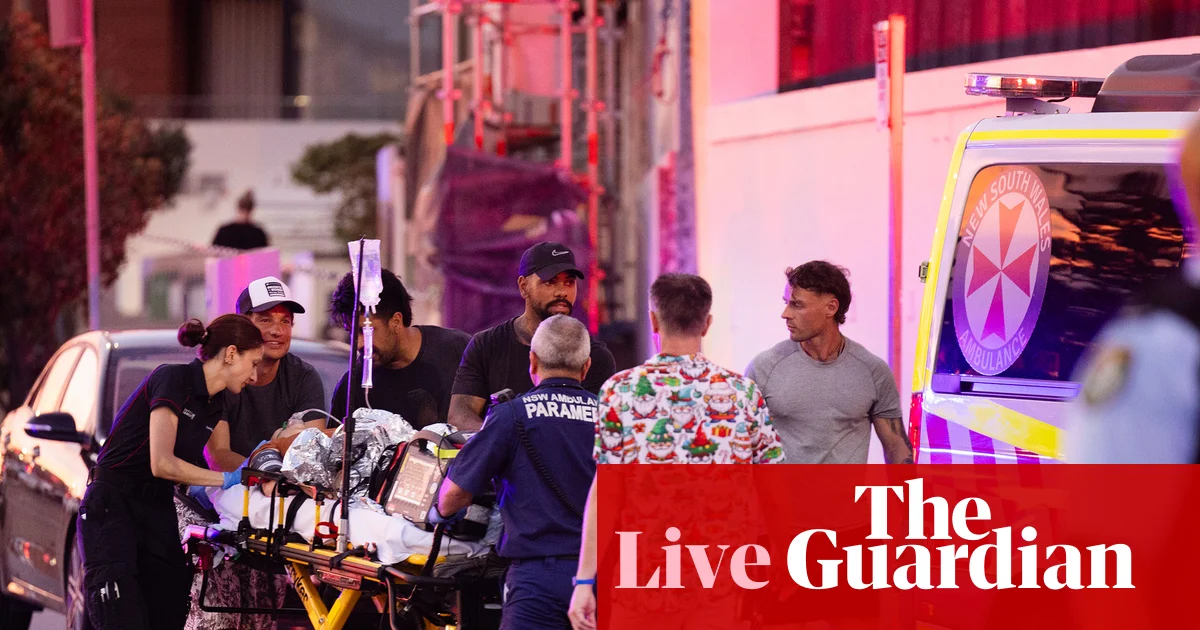
In the heart of Australia, a tragic incident has underscored the persistent issues of societal unrest and internal security threats. A man is in police custody after stabbing three individuals near a train station in Merrylands, a suburb of western Sydney. The attack resulted in one death and two critically injured victims, raising troubling questions about community safety and mental health. Authorities swiftly responded, and within moments, managed to apprehend the suspect on Smythe Street. This incident, while localized, echoes broader concerns about social fragmentation and security risks that are beginning to affect developed nations globally.

While the incident appears isolated, analysts argue that such acts of violence are symptomatic of deeper fissures within society—fissures that, if left unchecked, could exacerbate national insecurity. Some security experts warn that the rise in unpredictable violence could undermine public confidence in law enforcement and strain social cohesion. As Australia grapples with internal challenges, the incident raises profound questions about resilience, social policy, and the capacity of Western democracies to protect their citizens. How nations respond to these tragedies can shape their social fabric for generations, a point emphasized by international security think tanks.

Global Implications: Connecting Local Violence to a Broader Geopolitical Canvas

Such outbreaks of violence, while seemingly confined, have global repercussions. In an era where international stability depends on internal cohesion, the European Union, United States, and China watch incidents like this with keen interest. Historians and analysts highlight that domestic disturbances can weaken a country’s soft power, making its geopolitical stance more vulnerable. As international organizations like the UN reiterate the importance of social stability, the ripple effects of violence in Australia underscore the essential need for comprehensive internal security strategies aligned with national interests.

Furthermore, the incident amplifies concerns over how decisions made within global power corridors impact internal security policies in nations worldwide. Australia’s internal security policies, including community policing and mental health initiatives, are now under increased scrutiny, with some observers warning of the dangers of underfunding social safety nets. The shift in policy directions could resonate beyond Australia, influencing security frameworks elsewhere, particularly in regions vulnerable to internal dissent and violence.

Looking Ahead: The Weight of History and Societal Transformation

As the world observes and reacts to such tragedies, the question remains: how will societies adapt and evolve? The incident in Merrylands is more than a local tragedy; it is a stark reminder of a larger turning point in global security and societal resilience. Historians warn that the path nations choose in response to internal crises will define future generations. Will governments strengthen social cohesion or succumb to division? Will policymakers prioritize mental health and social safety, or neglect these issues in favor of superficial measures?

In this unfolding narrative, Australia’s ordeal becomes a symbol of the fragile boundary between order and chaos. The decisions made in the coming weeks will determine if this violence remains an isolated incident or a sign of something far more troubling brewing beneath the surface. As history continues to turn, the weight of unresolved societal tensions hangs heavy, threatening to reshape the geopolitical landscape in ways yet to be fully understood.
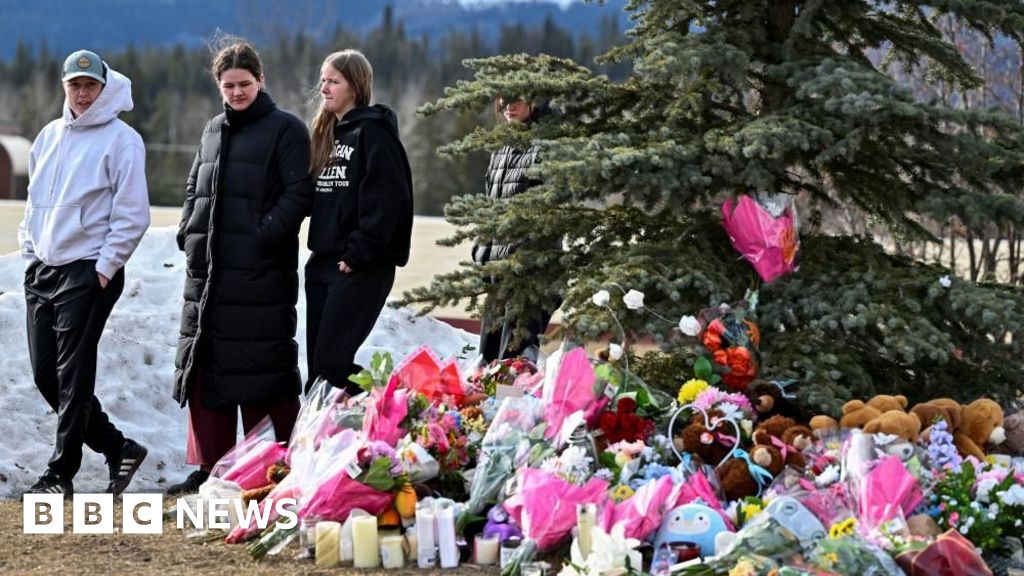
Small Canadian Town Gutted: Mass Shooting Leaves Community Heartbroken

The recent shooting incident in British Columbia has sent shockwaves across Canada and reverberated through international communities, highlighting the persistent threat of violence in regions often considered peaceful. This tragedy, which has left dozens dead and many injured, underscores the vulnerability of even the most serene societies amidst complex geopolitical shifts and internal discord. As residents mourn and community leaders grapple with grief, analysts worldwide are parsing the wider implications of such acts of violence in an era marked by increasing instability.

Experts suggest that this incident is not isolated but rather a reflection of broader socio-economic and political tensions. According to international security analysts, the rising incidence of mass shootings in Western nations correlates with rising social polarization, economic disparities, and evolving criminal networks. Historically, such episodes often act as a grim turning point, prompting intensified debates on gun control, mental health policies, and national security frameworks. The Canadian government’s response, including calls for stricter gun legislation, echoes similar debates across United States and other allied nations, where firearm access remains a contentious issue. For some, the tragedy exposes vulnerabilities in existing social safety nets and underscores the importance of proactive measures to prevent future atrocities.

Moreover, this incident has resonated beyond Canada’s borders, drawing reactions from NATO allies and global organizations committed to peacekeeping and security. Many question whether current international cooperation mechanisms are adequate to address emerging threats that fuse local violence with transnational criminal activities. The United Nations and Interpol have issued statements urging nations to bolster intelligence sharing and combat illegal arms proliferation, which often fuels such violence. Historians like Dr. Margaret Saunders warn that “while local tragedies ignite immediate outrage, they also serve as stark reminders of the interconnected, fragile state of contemporary security.” This tragedy, therefore, acts as a stark mirror reflecting the urgent need for coordinated international action.

The geopolitical impact of such events extends further; they influence migration debates, domestic policy, and diplomatic relations. Countries increasingly face pressure to navigate internal stability while avoiding the stigmatization of their populations, all amidst rising nationalism and populist sentiments. Within Canada, the incident has prompted a national dialogue on social cohesion, law enforcement accountability, and political polarization – issues that are pivotal in shaping future policies. Conversely, critics argue that without addressing root causes—such as mental health, economic despair, and ideological extremism—such tragedies will persist, threatening the fabric of society itself. The ongoing debate underscores how internal security incidents have the power to redefine challenging issues, shaping diplomatic strategies and societal priorities for years to come.

As the world reflects on this dark chapter, the haunting question remains: how many more must suffer before decisive, systemic change occurs? With each headline, history continues to be written with silent, yet profound, consequence. The tragedy in British Columbia is not merely a national crisis but a stark warning etched into the collective conscience of a shared civilization. In the unfolding narrative of history, such acts of violence serve as a grim reminder that the battle for safety, social cohesion, and peace is an ongoing struggle—one that demands vigilance, resilience, and an unwavering commitment to justice, lest humanity be condemned to repeat the shadows of its darkest days.

BREAKING: Bondi Beach terror attack leaves at least 16 dead, including a child, and 40 injured—that's a shocking assault on our community—more updates to come.
BREAKING: Bondi Beach terror attack leaves at least 16 dead, including a child, and 40 injured—that’s a shocking assault on our community—more updates to come.

Bondi Beach Terror Attack: A Turning Point in Global Security and Society

The recent terror assault on Bondi Beach, an iconic Australian landmark, has sent shockwaves across the international community, highlighting the persistent threat of radical extremism in an era where geopolitical tensions often appear to fuel hate and violence. The attack, which resulted in at least 16 fatalities—including a child—and dozens wounded, marks one of the most horrific acts of violence Australia has faced in decades. As details unfold, analysts and global leaders alike are examining the incident not just as a tragic outlier but as a reflection of deeper, troubling trends in international security.

Prime Minister Anthony Albanese described the attack as a ‘horrendous act of terror,’ and international leaders have echoed this sentiment, framing it within the broader context of rising antisemitic violence worldwide. The attack is distinguished not merely by its brutality but by its clear targeting of Jewish Americans and Australians during Hanukah—a festival of light and resilience—therefore emphasizing the dangerous potential of ideological extremism to threaten societal cohesion. World organizations, including the United Nations, have issued condemnations, calling for urgent international cooperation to combat hate-motivated acts.

  • Australia’s internal security apparatus has declared the incident a terrorist attack, triggering special legislation and intensifying efforts to trace the origins and motivations behind the assault.
  • Suspected links to violent extremist ideologies have prompted joint investigations by Australian police and global counterterrorism units, emphasizing international collaboration in preventing further violence.
  • Prominent figures such as French President Emmanuel Macron and Israeli leader Isaac Herzog expressed solidarity, labeling the atrocity as an act of hatred and terrorism that transcends national borders.

How the Decision to Recognize a Palestinian State Influences Global Narratives

Adding a complex layer to the geopolitical landscape, Australia’s recent recognition of a Palestinian state—an unprecedented move in Western foreign policy—appears to be intertwined with ongoing regional tensions. This shift has exacerbated debates about the global challenge of extremism and the way geopolitical decisions influence perceptions and acts of violence. Historians argue that such gestures, while aimed at fostering peace, can concurrently serve as catalysts for extremist narratives, which exploit perceived betrayals or alliances to justify their actions.

Expert analysts warn that the incident at Bondi is a grim indicator of how ideological conflicts—whether rooted in regional disputes or historical grievances—are increasingly manifesting as domestic terrorism across Western democracies. The attack’s timing during Hanukah, along with the discovery of suspected incendiary devices, has amplified concerns about how cultural and religious tensions are exploited by malicious entities to destabilize societies. This tragedy underscores the necessity for governments to foster resilience and unity, championing security without surrendering core freedoms or tolerating hatred.

As history unfolds, the legacy of this attack will serve as a test for Australia’s national resolve and the international community’s ability to confront the rising tide of ethnoreligious violence. The heroism of individuals who intervened, risking their lives to prevent further carnage, reminds us that the battle against terror is fought not only through military means but also through unwavering societal strength. The voices of global leaders today echo a pressing warning: the light of hope and unity must shine brighter than ever, for in this darkness, the true test of a civilization’s character is measured. The world’s eyes remain fixed on Bondi, a battleground where the hopes for peace clash against the shadows of hatred—an ongoing saga that will shape the course of history for generations to come.

John Cena Retires After Final WWE Bout — A Legend Leaves the Ring

In a momentous event that transcended sports entertainment, US actor and wrestler John Cena officially concluded his illustrious 24-year career in professional wrestling with a final match held in Washington on Saturday night. Cena, aged 48, is renowned not only for his in-ring exploits but also for his influence as a global cultural icon, symbolizing resilience, American entertainment mastery, and international popularity. His retirement, announced earlier in July 2024, reflects the physical toll that decades of high-intensity performance take on even the most dedicated athletes. Nevertheless, Cena’s continued involvement as a WWE ambassador ensures his ongoing influence within the industry, reaffirming the strategic importance of entertainment figures in global soft power initiatives.

The international geopolitical landscape is increasingly shaped by cultural diplomacy—where figures like Cena often serve as de facto ambassadors. His role in promoting American values and entertainment underscores the soft power leveraged by the United States, especially in regions where media and popular culture are carefully calibrated tools of influence. Analysts note that Cena’s global appeal extends beyond the ring, fostering transnational connections that indirectly bolster diplomatic standing. Meanwhile, some international leaders—particularly within Europe and Asia—recognize the significance of such cultural icons as part of a wider strategy to influence public opinion and garner support for American policies worldwide.

  • The sport entertainment industry’s evolution reflects broader geopolitical shifts, with alliances formed through shared cultural experiences and international fan bases.
  • Retirement events for icons like Cena often serve as pivotal moments, symbolizing transitions in global power dynamics, especially as new generations of entertainment and sports figures emerge.
  • Organizations like the United Nations and various think tanks emphasize the importance of understanding these cultural influences in shaping international relations.

Though Cena may have hung up his boots, his departure signals a larger narrative—one where the lines between entertainment, nationalism, and international diplomacy continue to blur. Observers like historians and geopolitical analysts warn that such shifts demand careful scrutiny; as global conflict zones simmer and alliances shift, every cultural pivot could herald new alignments. Facing an uncertain future, nations must consider how their cultural ambassadors—whether in sports, entertainment, or media—impact not just public sentiment, but the geopolitical balance itself.

As history unfolds in real-time, Cena’s farewell is a stark reminder: in the grand chessboard of global influence, every move, every icon, carries weight—shaping the future of nations and societies. The echoes of this final act resonate far beyond the ring, reminding us that the power of soft influence endures, even as the once-untouchable champions of yesterday pass into legend. This chapter may close, but the saga of cultural power remains ongoing—ever more compelling, ever more crucial for those who understand the language of influence and the persistent march of history.

Manhunt Underway After Tragedy Leaves Two Dead, Nine Hurt

The tragic mass shooting at Brown University in Providence, Rhode Island, has sent shockwaves across the United States, illustrating the persistent challenge of gun violence within American society and its geopolitical echoes. The incident, which occurred during a routine exam review session, resulted in the deaths of two students and injuries to nine others, marking yet another entry in the grim tally of total mass shootings in the US this year. As police continue their manhunt for the unknown gunman, the event underscores existing debates over firearm legislation and the societal conditions that foster such violence.

Experts and analysts have begun dissecting the geopolitical impact of rising gun violence in the US, which increasingly shapes America’s domestic security narrative. According to the Gun Violence Archive, this incident is part of a disturbing pattern of 389 mass shootings in 2023—each event serving as a stark reminder of the internal divisions and policy failures. Historically, scholars such as Dr. John Lott have emphasized that American cultural attitudes toward guns are deeply ingrained, fueled by constitutional rights and political inertia. Meanwhile, international organizations, including the United Nations, have voiced concern over America’s persistent gun crisis, warning that unchecked violence can undermine the nation’s global credibility on human security issues.

In response, President Donald Trump has called for prayers and expressed shock, emphasizing that “all we can do right now is pray for the victims and for those who were very badly hurt.” Meanwhile, Rhode Island Governor Dan McKee condemned the attack as an “unthinkable tragedy,” highlighting the profound impact on Providence’s community. The university’s decision to cancel exams and impose a strict lockdown reflects the immediate need for security and reassurance amid chaos. Yet, this tragedy also highlights broader issues: how nations handle campus violence, the social and mental health systems in place, and the role of law enforcement in protecting citizens. As law enforcement agencies scramble for leads, concerns grow over how such incidents connect to wider societal fractures and the potential for future violence.

Beyond American borders, the incident at Brown University resonates as a stark indicator of the ongoing crisis of public safety in Western societies. As international analysts monitor the US, questions surface about how global powers address internal security amidst geopolitical tensions. Historians warn that ignoring the root causes of violence risks further incidents that threaten the social fabric. The unfolding narrative remains lethal and unpredictable, echoing the warning of futurists that the course of history is often shaped by moments of chaos and tragedy. As the world watches, the weight of this event underscores the harsh reality: the future of freedom and safety in America hangs in the balance, hinging on decisions yet to be made in the halls of power and in the streets of Providence—decisions that will define whether this tragedy remains a somber anomaly or a harbinger of darker times to come.

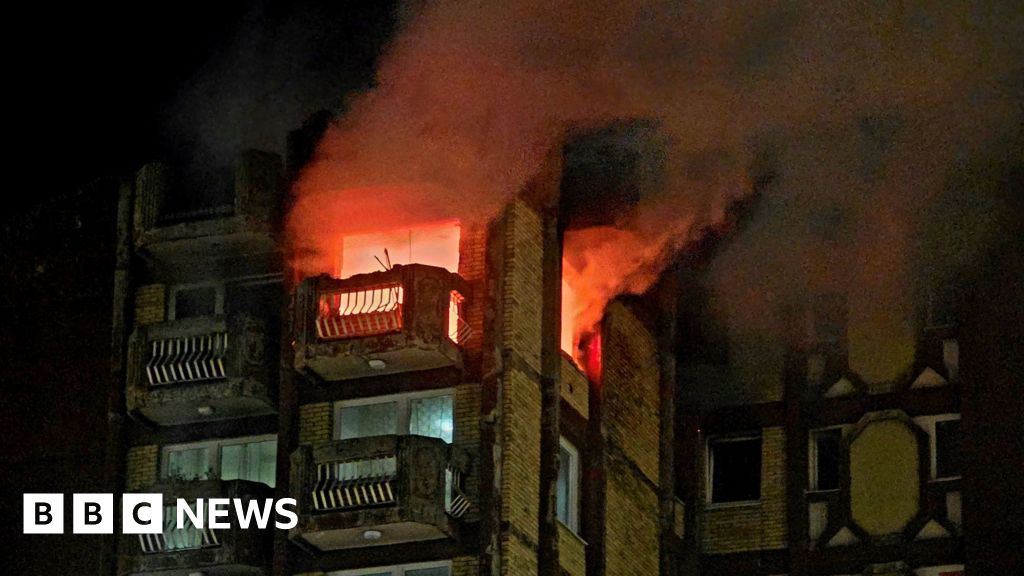
Tragic blaze at Bosnian retirement home leaves 11 dead—safety concerns mount for seniors

The recent fire at a nursing home in Tuzla, Bosnia-Herzegovina, represents a tragic flashpoint in the region, claiming the lives of 11 innocent souls and injuring at least 30 others. This disaster not only highlights the devastating toll such incidents take on local communities but also underscores the pressing need for international attention to safety standards in vulnerable institutions across Eastern Europe. The blaze, which erupted late Tuesday night on the seventh floor of the facility, has prompted widespread condemnation from regional leaders and international observers, raising serious questions about oversight and preparedness in a nation trying to stabilize amid political and economic challenges.

Authorities have yet to determine the exact cause of the fire, but Prime Minister Nermin Nikšić described it as “a disaster of enormous proportions”. The incident has ignited concerns about the infrastructural vulnerabilities that plague many post-conflict societies, where neglect or insufficient regulation can turn private tragedies into national crises. With footage showing flames engulfing upper floors and residents desperately fleeing, the incident underscores the urgent need for comprehensive reform — a point echoed by international agencies such as the United Nations Humanitarian Office. These organizations often warn that such tragedies may become more frequent without decisive improvements in safety standards.

Analysts emphasize how this event exposes the fragile state of Bosnia-Herzegovina’s social services amidst political instability. Historian Marko Petrovic notes that “post-war governance has neglected essential social infrastructure,” with many facilities operating under outdated regulations. The incident is a stark reminder that decisions made today will shape the social fabric of tomorrow. As the government initiates a full investigation, questions swirl about regulatory lapses and accountability. The tripartite presidency of Bosnia-Herzegovina has offered condolences; yet, some experts warn that until systemic reforms are implemented, similar tragedies are likely to recur, shaking public confidence in national leadership.

Ultimately, the fire at Tuzla’s nursing home exemplifies how local disasters ripple outward, influencing geopolitical stability and international perceptions of Bosnia-Herzegovina. As the nation grapples with internal struggles, this tragedy becomes a symbol of the wider human cost inflicted by neglect and systemic failure. Will this be a turning point or a mere chapter in a persistent pattern of crisis? It is a question that history now watches, waiting to see if the lessons of Tuzla will be heeded or lost amidst ongoing political tumult. In a world where the fragile threads holding societies together can unravel in moments, the weight of history presses ever heavier — holding the future of Bosnia-Herzegovina and its people in the delicate balance of remembrance and reform.

Hurricane Melissa Leaves Devastation in 'Ground Zero'—A Stark Warning for Our Communities
Hurricane Melissa Leaves Devastation in ‘Ground Zero’—A Stark Warning for Our Communities

The recent devastation wrought upon Black River has sent shockwaves across the international community, serving as a stark reminder of the fragile state of stability in our interconnected world. Witnessed firsthand by BBC correspondent Will Grant during an aid helicopter flight, the destruction reveals a landscape scarred by conflict, neglect, and the unpredictable fallout of geopolitical tensions. This tragic event underscores the profound consequences for local populations and the far-reaching ripple effects on regional security.

The core of the crisis lies in a complex web of geopolitical instability, where the strategic interests of major powers intersect with ongoing civil unrest. Analysts emphasize that the devastation is not merely a natural disaster but also a consequence of failed governance and fragile peace agreements. According to reports from international organizations, including the United Nations, this disaster could catalyze a new wave of displacement, human suffering, and diplomatic tensions. Historians warn that such moments often serve as catalysts for broader conflicts, highlighting the importance of swift international cooperation and decisive action.

  • The destruction in Black River exposes underlying vulnerabilities in regional security arrangements.
  • Failed peace initiatives and military interventions have hampered reconstruction efforts.
  • Global institutions are urging immediate humanitarian aid while balancing geopolitical interests.

Furthermore, how nations respond in this critical period may determine future stability or chaos. Many experts assert that the impact of these decisions extends beyond borders, shaping the geopolitical landscape for decades to come. Credible voices like the International Crisis Group warn that ignoring these warnings could lead to prolonged instability, fostered by politicized aid and strategic manipulations. The crisis in Black River stands as a poignant illustration of the ongoing struggle between sovereignty and international intervention—an age-old debate that remains unresolved.

As the world watches, the question remains: will this tragedy galvanize efforts toward genuine peace and reconstruction, or will it be exploited as a pawn amid greater geopolitical games? History shows that moments of profound upheaval often serve as turning points—either for collective resilience or as preludes to further chaos. With each passing day, the weight of history presses down, reminding us that the choices made today will echo through generations, defining the course of nations long into the future. The unfolding story of Black River is still written in real time, and its final chapter has yet to be penned.

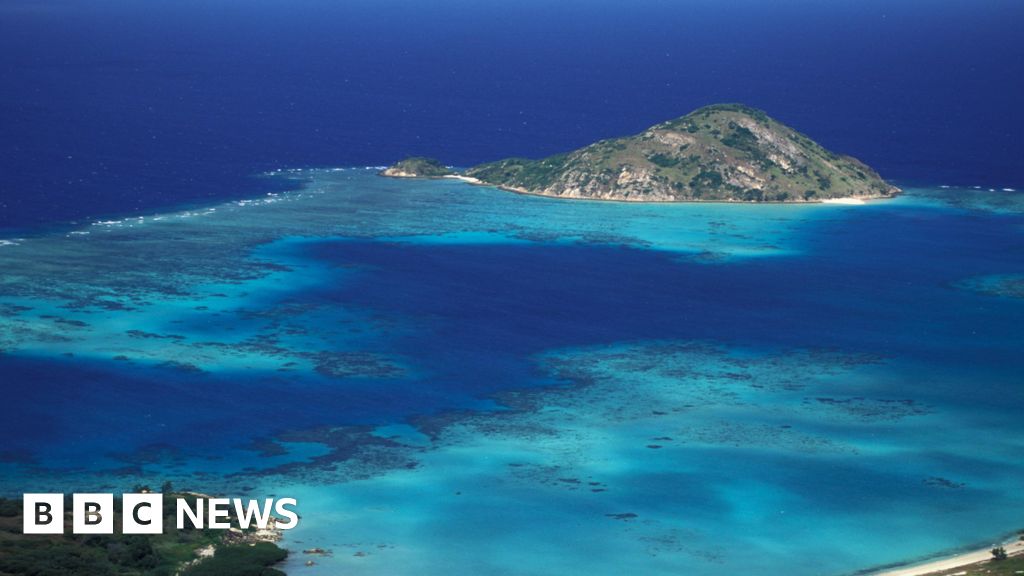
Young Woman's Tragic Fate After Cruise Ship Leaves Her Stranded on Australian Island
Young Woman’s Tragic Fate After Cruise Ship Leaves Her Stranded on Australian Island

The recent discovery of an 80-year-old woman’s body on Lizard Island, part of Australia’s Great Barrier Reef, underscores a broader issue gripping international attention: the safety of high-class tourism in remote and fragile environments. The woman, who was participating in a 60-day cruise around Australia—a journey costing tens of thousands of dollars—became separated from her group during a hike on the island’s highest peak, Cook’s Look. Despite her fellow travelers and the crew’s efforts, she was tragically found dead after an extensive search operation involving helicopters, boats, and volunteer groups. The incident has provoked a stern response from authorities and illuminated the dangers faced by those indulging in luxury exploration in remote locations.

While the details remain under investigation by the Australian Maritime Safety Authority (Amsa), experts and analysts warn that this tragedy is a *symptom* of larger issues: the increasing risks associated with adventure tourism in sensitive ecological zones. According to the cruise company’s chief, Mark Fifield, support has been extended to her family, yet many voices are raising concerns over the safety protocols employed in these remote expeditions. The incident has sparked pertinent debates among international safety organizations, with some critics questioning whether enough measures are in place to protect elderly travelers venturing into unpredictable environments. History reminds us that such accidents, when not prevented, serve as stark warnings of humanity’s overreach into nature’s most delicate corners.

The geopolitical impact of this event extends beyond Australian shores. The case has brought international scrutiny to Australia’s burgeoning tourism industry, especially its focus on luxury and eco-tourism. Analysts argue that nations with expansive coastlines and unique ecological sites are increasingly becoming battlegrounds for attracting wealthy travelers, which can compromise safety standards if not properly regulated. Australia’s commitment to safeguarding its natural heritage and tourists has faced questions as it balances economic interests with risk mitigation, especially as the incident coincides with ongoing climate debates impacting reef preservation efforts. The incident also raises alarms about how governments coordinate disaster response and maritime safety, with some experts warning that these procedures must be globally standardized to prevent such tragedies from becoming commonplace.

Beyond immediate concerns, international organizations such as UNESCO and the UN continue to evaluate Australia’s environmental policies and safety protocols, framing this incident as a critical juncture. As the world’s gaze intensifies, the response from Australian authorities and global observers will be pivotal in setting future standards. The public reaction, from both local residents and international travelers, reflects a broader shift — a demand for responsible tourism that not only commands respect for local ecosystems but also ensures the safety of those who seek adventure and luxury amid nature’s marvels. This incident, though devastating, is not merely an isolated tragedy; it is a grim chapter in a larger story of humanity’s complex relationship with nature and the ongoing, relentless pursuit of exploration. As history continues to unfold, the weight of this moment serves as a potent reminder: the paradise of today can, in an instant, become the site of another tragedy, etching itself into the collective memory of a world still striving to balance progress with prudence.

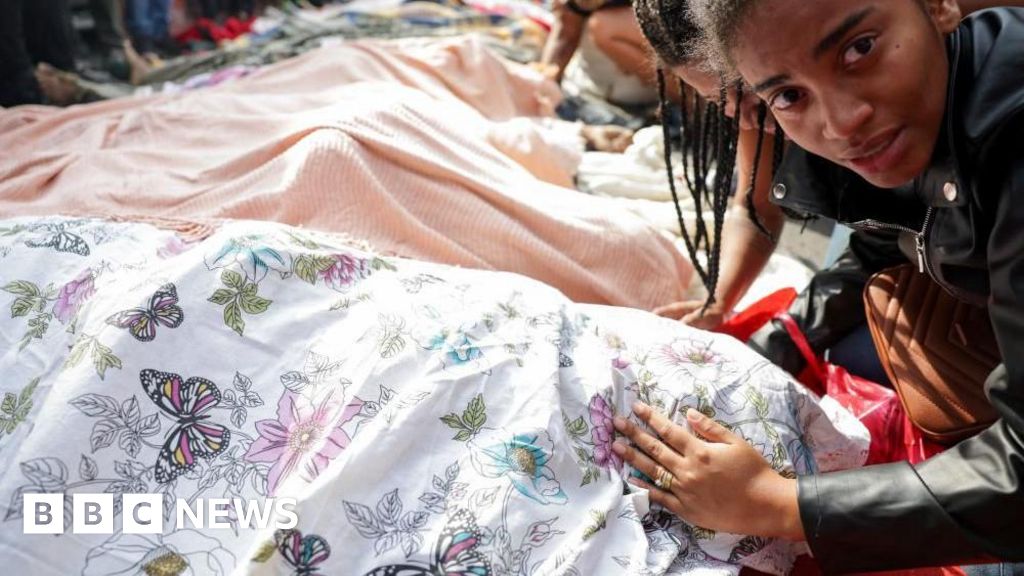
Rio Police Raid Leaves Over 130 Dead: A Tough Stand Against Crime

The recent police operation in Rio de Janeiro has sent shockwaves not only across Brazil but across the global geopolitical stage. In a raid that resulted in the deaths of at least 132 civilians, authorities targeted the notorious gangs that dominate the city’s favelas, revealing a complex and violent struggle for control that extends well beyond local law enforcement. The operation, which involved meticulous planning and high-profile arrests, underscores a broader challenge faced by Latin America: the persistent, deeply rooted problem of narco-terrorism. As international observers and human rights organizations voice their concerns, the incident highlights how the fight against organized crime here is intertwined with national sovereignty and international security.

Adding fuel to the fire, global agencies like the United Nations Human Rights Office issued statements condemning the scale of violence, describing the operation as “horrifying” and a stark reminder of the brutal realities facing many urban centers entrenched in the war on drugs. The police claimed that gang members utilized modern drones to drop explosives, exemplifying the evolving nature of organized crime in a digital age. Rio’s governor, Cláudio Castro, framed the operation as a strategic move against what he characterized as narco-terrorism, emphasizing that the police had been thorough in planning, aiming to decimate the Red Command—a powerful cartel that has recently regained territory from rivals like the First Capital Command (PCC). However, critics argue that such heavy-handed tactics risk escalating violence and undermining civil liberties, raising questions about the right balance between security and human rights within Brazil’s democratic framework.

Many analysts, including historians and crime experts, view this event as a key inflection point for Brazil’s internal security politics. Rafael Soares, a prominent journalist covering organized crime, suggests that the operation is also a strategic move on behalf of the state to make a political statement ahead of upcoming elections. He points out that fierce territorial disputes between rival gangs in Rio have become increasingly violent, fostering a climate of lawlessness that prompts major cities worldwide to scrutinize their own approaches to urban crime. These tensions are compounded by environmental and social concerns, as the operation comes just before the city hosts the C40 World Mayors Summit and the Earthshot Prize—events that symbolize global efforts for sustainable urban development. Thus, the outcome of this police actions has the potential to influence international perceptions of Brazil’s future stability and the credibility of its leadership on the world stage.

As the dust begins to settle, the world must confront the stark truth: the struggle for control in Rio de Janeiro is a microcosm of broader geopolitical conflicts—one where power, influence, and resources are fiercely contested in the shadows of justice. This relentless cycle of violence and intervention leaves history’s gaze fixed on a city caught between chaos and order, its fate hanging in the balance. With the international community watching, the question remains not just about the fate of the gangs or the city’s residents, but about the moral and strategic dilemmas facing governments fighting to preserve sovereignty amidst the chaos of the 21st century. The battle for Rio’s soul continues, and history’s ink is yet to fully write its final chapter.

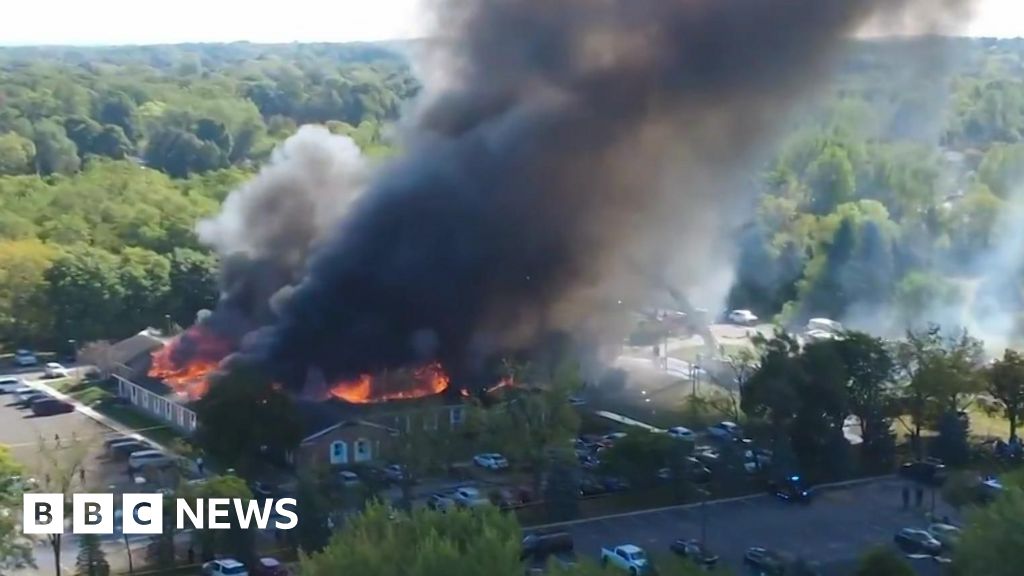
Michigan Mormon church shooting leaves 2 dead, many hurt—community shaken

The recent attack on the Church of Jesus Christ of Latter-day Saints in Michigan marks a disturbing trend within the United States that extends beyond its borders, highlighting an alarming rise in domestic violence incidents targeting religious institutions. According to authorities, a 40-year-old suspect, identified as Thomas Jacob Sanford, drove a vehicle into the church during a Sunday service, subsequently opening fire with an assault-style rifle. The incident resulted in at least two fatalities, with several more wounded, illustrating the stark reality of violence that continues to threaten societal stability. While immediate law enforcement responded swiftly, the attack underscores deep-rooted issues concerning urban violence and mental health crises, which many analysts warn are exacerbated by ongoing social and political divisions.

  • Authorities confirmed the suspect was shot dead by police within minutes, yet the chaos left a trail of destruction and trauma. The warning signs ahead of such tragedies are often overlooked; in this case, investigators are examining Sanford’s property and phone records, seeking to understand his motives. This event is not an isolated anomaly but part of a disturbing pattern that has seen places of worship become targets, as highlighted by U.S. President Donald Trump—who described the attack as “yet another targeted attack on Christians in the United States of America.”
  • Notably, the FBI has deployed 100 agents to aid in the investigation, reflecting the seriousness with which U.S. authorities are treating the incident. The immediate response and investigation demonstrate a state apparatus that remains committed to defending its citizens, but the question remains: at what cost does this security come, and how does it reshape societal perceptions of safety? Historians and security experts warn that such tragedies threaten to ignite a cycle of fear and mistrust, especially when linked with ideological or psychological motives.

The geopolitical implications of domestic violence are often underestimated, yet they carry profound consequences on the international stage. The United States, as a global leader, faces increasing scrutiny over its internal stability, with foreign observers questioning whether such internal fissures weaken its influence abroad. The rhetoric from national leaders, while aimed at unity, often grapples with the realities of a society frayed at the seams. Prominent voices—including analysts from international organizations—note that these violent episodes threaten to undermine America’s moral authority and global credibility, especially as conflicts elsewhere continue to escalate.

Furthermore, the incident in Michigan reignites debates surrounding gun control legislation and religious freedom. Critics argue that such violence is symptomatic of a broader cultural crisis, where ideological extremism and mental health neglect fuel these tragedies. The escalating violence in public spaces echoes concerns voiced by historians warning that repeated cycles of violence could reshape national identity, stretching the fabric of societal cohesion. As investigations continue and communities grieve, the world watches — ponderously aware that each event, each line in history, can alter the delicate balance of peace and chaos.

Ultimately, as history unfolds in real time, the tragedy in Michigan is more than a local crime; it is a stark reminder of the enduring struggle for moral clarity amid suffering, and the choices nations face when confronting internal divisions. The weight of this moment rests not just on the lives lost or wounded but on the collective resolve to confront a rapidly changing world with resilience and resolve. As the world turns its gaze toward the horizon, the question remains—how will nations and societies respond when the shadows of violence stretch ever longer? The answer awaits in the coming days, shaping the legacy of now amidst the unceasing march of history.

Social Media Auto Publish Powered By : XYZScripts.com