Matox News

Truth Over Trends, always!

China’s Robotaxis Fail, Leaving Young Riders Stranded on Highways

Robotaxi Malfunction Sparks Industry Wake-Up Call: Navigating Innovation and Disruption

The recent technical failure involving robotaxis operated by Baidu in China marks a significant milestone in the ongoing evolution of autonomous vehicle technology. On Tuesday, a system error caused dozens of Baidu’s self-driving cars to come to an abrupt halt in traffic, trapping passengers and exposing critical vulnerabilities in the industry’s rapidly expanding ecosystem. This incident underscores the complex challenges facing disruptive mobility solutions—a sector that promises unparalleled convenience but must also confront the harsh reality of system reliability.

Despite the optimism surrounding autonomous vehicle deployment, this malfunction highlights industry-wide concerns over software robustness, customer support readiness, and safety protocols. As industry analysts from Gartner and MIT stress, innovations in AI driving systems must be paired with rigorous safety testing to prevent catastrophic failures. The incident also exposes a fresh wave of business implications: consumer trust erosion and increased regulatory scrutiny threaten to slow adoption rates, especially as newer platforms seek to establish dominance over traditional transportation modes. The failure has triggered widespread social media outrage, with passengers and bystanders raising alarms about the gap between technological promise and operational reality.

Experts warn that such failures could serve as a pivotal learning step for auto-tech companies. According to Peter Thiel and other Silicon Valley veterans, industry disruption is often punctuated by setbacks that push developers to innovate more resilient and transparent systems. The incident also spotlights the urgency of integrating advanced diagnostics and fault-tolerant architectures in self-driving fleets. These technological breakthroughs—expected to include redundant sensors, real-time AI diagnostics, and improved cybersecurity—are critical for restoring confidence and accelerating the push toward mainstream adoption. Meanwhile, leading institutions like MIT are calling for tighter industry standards and collaborative safety frameworks to prevent similar failures in the future.

Looking ahead, the trajectory for autonomous mobility remains one of transformational disruption. Companies that harness the lessons from this incident to overhaul their technical and operational frameworks will position themselves as leaders in the next wave of transportation innovation. As Elon Musk and other futurists emphasize, the next decade promises breakthroughs that could redefine urban mobility and economic paradigms. However, the path forward is fraught with risks—failure here could slow progress, while technological mastery will unlock unprecedented opportunities for growth, efficiency, and safety. The clock is ticking for industry innovators to demonstrate resilience, accuracy, and trust—these will be the keys to dominating the autonomous frontier in the fiercely competitive landscape of tomorrow.

Narelle Strikes Far North Queensland with 250km/h Winds, Leaving Roofs Torn and Trees Down

Severe Tropical Cyclone Narelle: A Harbinger of Climate and Geopolitical Tensions

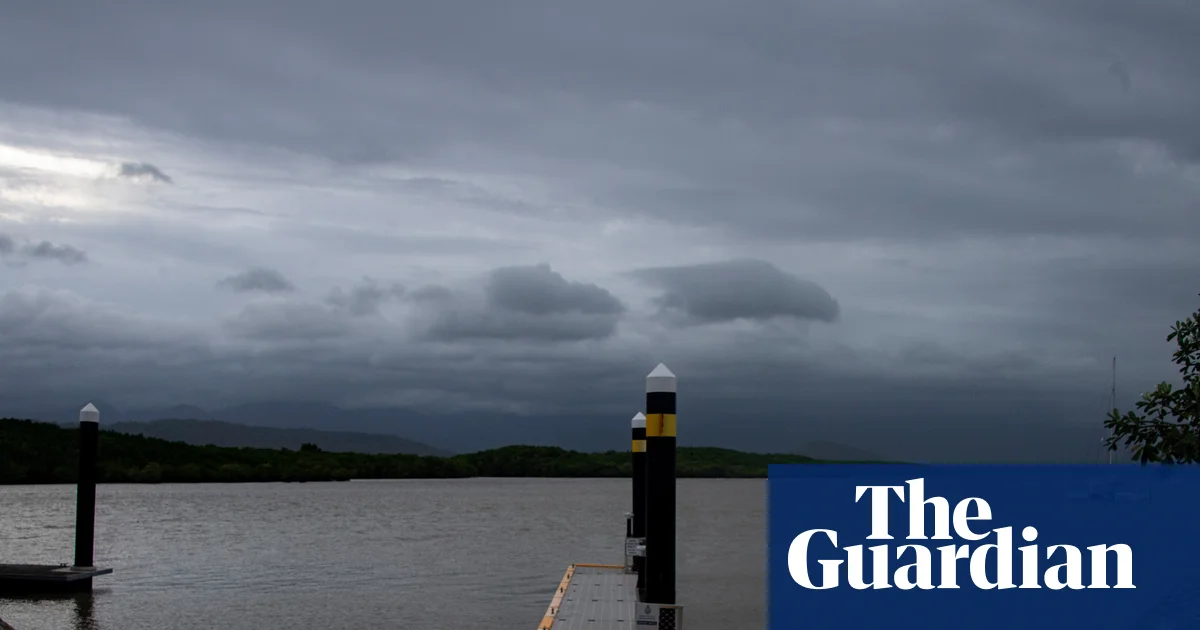
As Australia’s latest extreme weather event, Tropical Cyclone Narelle struck the far north of Queensland with devastating force, exemplifying the ongoing impact of global heating on natural disasters. Making landfall as a “high-end” category 4 system, Narelle’s winds reached sustained speeds of 195km/h, just shy of the catastrophic level of category 5, with gusts exceeding 270km/h. Authorities issued warnings for coastal communities like Coen and Port Stewart, emphasizing the danger of storm surges, rainfall-induced flooding, and destructive winds. This storm highlights a global crisis where climate change acts not merely as a backdrop but as a catalyst fueling more frequent and ferocious weather phenomena, destabilizing societies and threatening livelihoods.

Scientists attribute the intensification of storms like Narelle to rising ocean temperatures—an unmistakable signature of unchecked global heating. Higher sea surface temperatures provide more fuel for cyclones, allowing them to grow stronger and more unpredictable. According to climate models and international climate agencies, this warming pattern is expected to continue, meaning that coastal regions worldwide will face increasing vulnerability. The Bureau of Meteorology has warned that rising sea levels and intensified rainfall will augment the risk of coastal inundation, especially in already vulnerable communities. As analysts point out, such local catastrophes are a symptom of a broader geopolitical challenge: nations worldwide must confront the consequences of energy and environmental policies that ignore the mounting evidence of climate urgency.

Global Responses and Geopolitical Implications

  • The United Nations and other global institutions have called repeatedly for ambitious climate action, yet progress remains hampered by geopolitical conflicts and economic self-interest.
  • Major emitters like China and the United States face mounting pressure as their policies continue to influence global climate trends.
  • In the Pacific, rising sea levels threaten the sovereignty and security of island nations, fueling regional tensions and migration crises that ripple across international borders.

International analysts warn that, amidst these mounting challenges, the decision to prioritize economic growth over environmental sustainability could accelerate the destabilization of regional and global stability. Historians like Michael T. Klare have long argued that resource scarcity and environmental degradation tend to exacerbate geopolitical conflicts. In this evolving landscape, climate-induced disasters like Narelle serve as stark reminders that the future of international security depends not only on diplomacy but on genuine commitments to sustainability. The United States and European Union, for example, have begun discussions on a shared strategy to combat climate-related chaos, yet the path remains fraught with political division and economic interests.

Societal Shifts and the Road Ahead

On the ground, the impact of Narelle has been severe—roof damages, uprooted trees, and vulnerable communities bracing for ongoing threats. As experts highlight, the human toll underscores how climate disasters disproportionately affect remote and underfunded regions, thus magnifying social inequalities. The storm’s potential to produce unprecedented rainfall and storm surges risks turning local tragedies into wider crises that demand immediate international aid and strategic resilience planning. This unfolding story is not merely about weather—it is about the resilience of societies confronting a rapidly changing climate, and how international cooperation can determine their future security.

As history unfolds in the wake of Cyclone Narelle, the questions loom: Will nations reconcile their economic pursuits with the necessity of environmental stewardship? How will geopolitical power dynamics adjust in an era where climate disasters threaten to redefine boundaries and alliances? The weight of history is now in the balance, with each decision echoing through generations. The storm’s fury reminds us that while the winds of change are relentless, the choices we make today will determine whether societies emerge stronger or are swept away by the tide of history.

Cuba’s power grid fails, leaving millions in the dark and highlighting urgent needs ahead

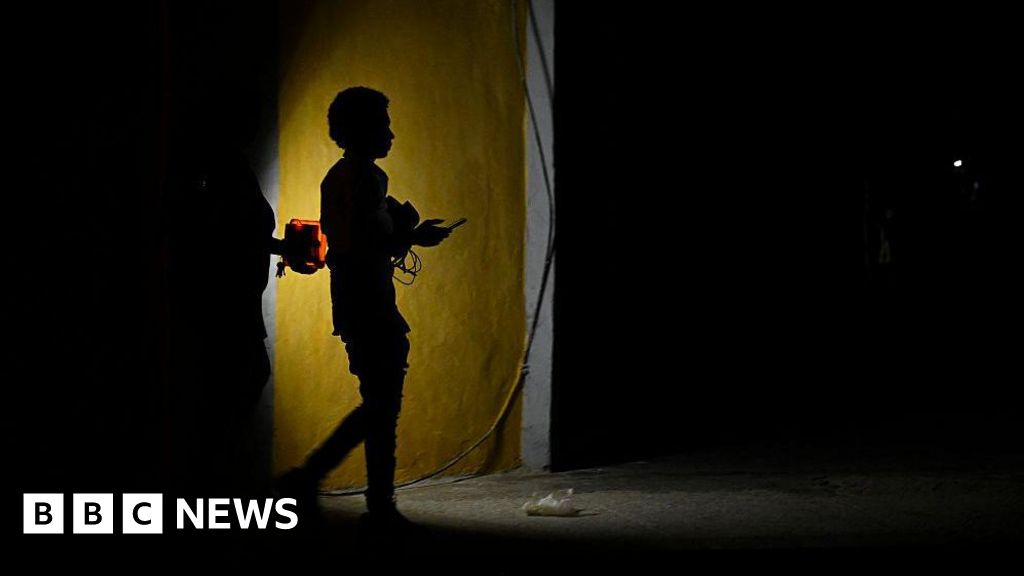
Amid growing economic discontent, Cuba faces an acute energy crisis intensified by a prolonged U.S. blockade on oil shipments. For decades, the island has struggled with economic hardships, but recent developments have thrust the fuel shortage into the international spotlight. The blockade, which prohibits the sale of oil and related goods to Cuba, has significantly limited the island’s access to vital energy supplies, thus crippling its capacity to sustain both industry and everyday life. Analysts warn that this ongoing embargo not only hampers Cuba’s domestic stability but also exemplifies the enduring effectiveness of U.S. economic leverage in the Caribbean region.

The geopolitical impact of this crisis extends beyond Cuba’s borders, demonstrating how economic sanctions serve as powerful tools in the broader U.S. strategy to influence regional politics. According to geopolitical experts and international organizations like the United Nations, the blockade’s consequences ripple across neighboring nations, affecting trade routes, regional security, and diplomatic posturing. Historically, commentators such as Dr. James Roberts of the International Institute of Geopolitical Studies argue that such measures underscore a continued effort by the U.S. to curtail Cuba’s alliances with adversarial states, notably Venezuela and Russia, thereby maintaining regional dominance. The energy shortages risk destabilizing Cuban society further, as essential services—healthcare, transportation, and food supply—suffer under the weight of fuel scarcity.

Meanwhile, the international community remains divided in its response. While some nations scrutinize the U.S. embargo, arguing it violates principles of sovereignty and economic development, others uphold it as a necessary measure to pressure Havana into political reform. The European Union and various Latin American countries have called for a reassessment of the sanctions, emphasizing the humanitarian toll and the need for constructive engagement. However, critics contend that these measures serve to entrench authoritarian practices and prolong Cuba’s economic stagnation. The United States, under the current administration, pledges to maintain the blockade, asserting that only through continued pressure will Cuba be compelled to undertake reforms. This stance, viewed by many analysts as a strategic move, ensures that the geopolitical chessboard remains tightly controlled by Washington’s interests.

As history unfolds, the situation in Cuba exemplifies a broader struggle: how global powers wield economic tools to shape the destiny of nations. The ongoing crisis underscores a fundamental question—whose interests are served when the economic lifelines of countries are severed? With each passing day, the weight of history presses down, and the choices made by leaders echo in the future of the Caribbean and beyond. In this volatile arena, the delicate balance of power and influence continues to shift, leaving observers and participants alike wondering—how long can the flames of conflict and sanctions burn before the entire regional fabric is forever altered?

Russian missile hits Kharkiv residential building, leaving seven dead

In a recent development amid the ongoing conflict within Ukraine, President Volodymyr Zelensky announced that ten individuals, including children, have sustained injuries after fresh hostilities. Rescue efforts remain ongoing as emergency responders sift through the rubble of recent strikes, highlighting the persistent toll on civilians caught in the crossfire. This incident underscores how the turmoil initiated by the escalation in Ukraine continues to ripple through local communities, devastating lives and stressing the country’s fragile infrastructure.

The current situation illustrates the geopolitical impact of the escalating conflict, which has drawn sharp international concern and intensified divisions among major world powers. Western nations, led by the United States and European Union, have expressed unwavering support for Ukraine, providing military aid and sanctions aimed at pressuring Russia. Conversely, Moscow maintains its narrative of defending its strategic interests, claiming that recent military actions are necessary responses to NATO’s eastward expansion—an assertion that continues to deepen the global divide. According to analysts from institutions such as the Council on Foreign Relations, these developments risk further destabilizing an already volatile region, with the potential to ignite broader confrontations.

Historically, the Russia-Ukraine conflict serves as a reminder of how local disputes can rapidly escalate into larger geopolitical crises. Many international observers and historians warn that without a diplomatic breakthrough, the consequences could reverberate well beyond Eastern Europe. The United Nations has issued cautious calls for restraint, but their influence remains limited amidst the complex web of alliances and strategic interests. The ongoing violence, and incidents like the recent injuries reported by President Zelensky, emphasize how governments and societies face the persistent threat of escalation, which could threaten global stability and reshape the boundaries of international diplomacy.

As the world watches, the narrative of this crisis remains unwritten, its chapters being shaped by decisions made in capitals across the globe. The collision of national interests, historical grievances, and ideological divides continues to threaten the fragile peace of the international order. With each injured civilian and each destroyed home, the story of Ukraine unfolds as a stark reminder of how history’s most consequential conflicts are often decided not in grand halls of diplomacy alone, but in the quiet rubble-strewn streets where everyday lives are forever altered. Humanity stands at a crossroads—whether to seek peace or be consumed by a conflict that many fear could ignite a broader global confrontation, with the weight of history still looming large in the uncertain days ahead.

Gazans suffer as peace plan stalls, leaving flood victims stranded

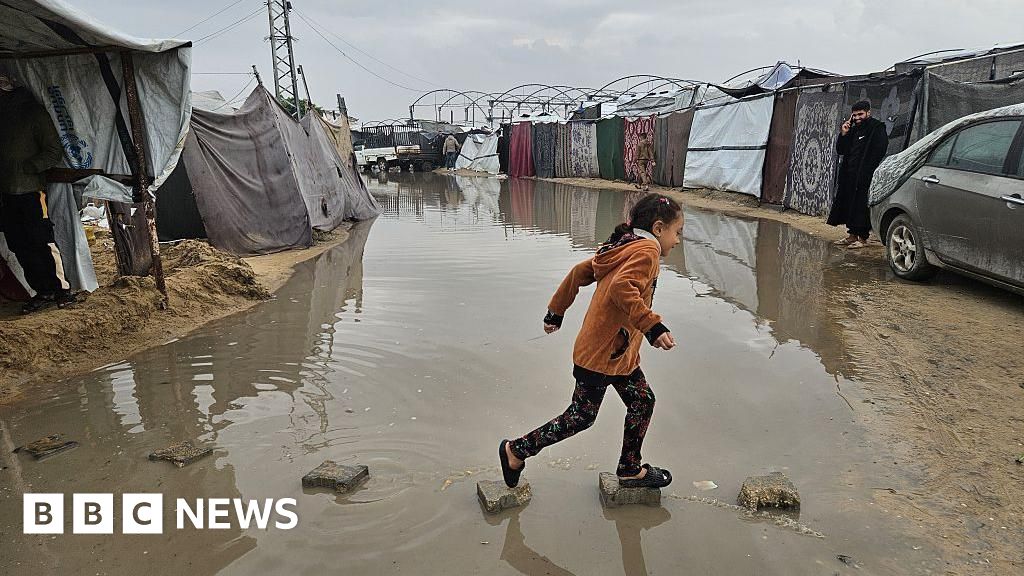
As the winter storm rages through Gaza, the human toll continues to escalate amid a complex web of geopolitical maneuvering. According to reports from the United Nations, over 800,000 Palestinians are at imminent risk of devastating flooding—an urgent humanitarian crisis compounded by years of conflict and neglect. Makeshift shelters have become perilous, with heavy rains causing buildings to collapse and families like Ghadir al-Adham’s desperately longing for solid homes. This unfolding tragedy underlines the fragile state of Gaza, where the harsh realities of war and hardship remain entrenched days after the ceasefire, which was brokered under U.S. diplomacy.

Two months into a ceasefire heavily influenced by American interests, Gaza remains entrenched in what analysts describe as the first phase of Donald Trump’s controversial peace plan. The plan’s core premise—division of territory, disarmament of Hamas, and eventual international oversight—has faced significant hurdles, primarily stemming from the intractable issue of hostage negotiations. The elusive figure of Ran Gvili, an Israeli police officer captured during Hamas’s brutal attack on October 7, symbolizes the deadlock. Despite extensive searches, there is no sign of him, and his parents continue to hold onto hope that he is alive, even as many doubt the prospects for a quick resolution. Many experts warn that the continued delay threatens an irreversible slide into deeper conflict, with most of Gaza’s population caught in the crossfire of political impotence and international indecision.

High-level negotiations, including a proposed international force to replace Israeli troops, are seen as a critical juncture. Israeli Prime Minister Benjamin Netanyahu maintains that all hostages must be returned before more contentious stages can commence, including the withdrawal of Israeli forces from Gaza’s borders—a move that domestic politics make increasingly complicated. Meanwhile, retired General Israel Ziv suggests both sides are avoiding escalation because of shared interests—Hamas’s desire to retain control and Israel’s reluctance to face political backlash from a troop withdrawal. Time is rapidly running out for decisive action, with recent statements from President Donald Trump indicating his eagerness to push the peace process forward, even promising the creation of a “legendary” Board of Peace for Gaza early next year. Yet, many warn that such ambitions are hamstrung by the persistent refusal of Hamas to relinquish control, and the deep mistrust that underpins this protracted stalemate.

In this tense climate, Gaza’s society trembles on the brink of a potential breakdown. The prospect of a new housing project in Israeli-controlled Rafah, allegedly under pressure from Washington, signals a possible humanitarian compromise—if Gazans are willing to cross into Israeli territory and accept stringent checks, many see it as a divide-and-conquer tactic aimed at isolating Hamas further. Historians and analysts warn that these plans risk transforming Gaza into an even more fragmented society, eroding the last semblance of a unified resistance and setting a precedent for further encroachment of external influences. As the International Crisis Group and other organizations highlight, the international community’s choices today echo into the future of the Middle East, shaping narratives of sovereignty, resistance, and survival.

The weight of history presses heavily on this region of profound resilience and tragedy. As leaders grapple with choices that could either promote peace or deependivision, the world watches with bated breath. Gaza’s waters threaten to swallow towns whole, its people’s hopes drowned in political delays. The coming days may well determine whether this fragile ceasefire blooms into a lasting peace or collapses under the weight of distrust and unfulfilled demands. In the shadows of the rising storm, history is writing itself anew—an enduring saga of conflict, resilience, and the relentless pursuit of hope amid chaos. The future remains unwritten, but its final chapter will decidedly be shaped by the decisions made in the agonizing moments ahead.

Big School PFI Firm Crushing Under Debt, Leaving Repairs Behind

Cracks in the Foundation: Societal Consequences of PFI Contract Failures in English Schools

In a case that exemplifies the rising social tensions surrounding privatization and public accountability, the collapse of the Private Finance Initiative (PFI) contract in Stoke-on-Trent reveals deeper issues affecting families, education, and community cohesion. The company responsible for maintaining dozens of schools—Transform Stoke Schools Ltd (TSSL)—is now heading into liquidation, threatening to leave 88 schools with unfinished repairs and sagging safety standards. This development highlights how financial arrangements driven by profit motives are increasingly putting the well-being of our youth and the stability of our communities at risk.

TSSL’s contractual failure underscores a growing trend where public infrastructure increasingly relies on private corporations, often at the expense of long-term societal interests. The Stoke-on-Trent City Council previously acknowledged that repairs would be incomplete when the contract expired; -a sign of how outsourcing complex community responsibilities can fail to serve the public’s needs effectively. The recent letter sent to schools confirms that some repairs remain unfinished, warranties unclaimed, and payments unsettled. This situation, reminiscent of warnings issued by the National Audit Office back in 2020, illustrates the risks of over-reliance on contractual arrangements that prioritize short-term financial gains over community welfare.

This failure does not affect only bricks and mortar but also penetrates the very fabric of society, impacting the families and educational environment. The uncertainty over school safety and the quality of repairs jeopardizes children’s access to secure learning spaces, which sociologists argue is fundamental to healthy development. According to social critic James Stanford, “when infrastructure fails, the most vulnerable—our children—bear the heavy burden of neglect and mismanagement.” The plight of Stoke’s schools acts as a mirror to larger issues facing many communities across England, where plans for maintaining public assets are often sabotaged by bureaucratic neglect and profit-driven motives, leading to an erosion of trust and social capital.

Moreover, the societal fallout extends into the realm of civic accountability. The case has sparked calls from local authorities and community leaders for a comprehensive reassessment of how public-private partnerships are managed. The Durham-based sociologist Dr. Rachel Morgan emphasizes that “our collective future depends on genuine engagement and accountability, not just contractual guarantees.” While the Stoke council has set aside £3.5 million as a contingency fund, critics argue that this is merely a Band-Aid that highlights the need for Systemic overhaul. Without meaningful safeguards and transparent oversight, such crises threaten to deepen social divides and undermine the trust necessary for cohesive communities. Ultimately, society must ask whether this reliance on private entities serves the true interests of the public or merely shields corporations from accountability, leaving citizens and families to bear the costs of systemic failures.

As society stands at this crossroads, the challenge lies in transforming these setbacks into catalysts for renewed faith in public institutions. The story of Stoke-on-Trent’s schools echoes the broader narrative of a nation grappling with how to balance economic efficiency with moral responsibility. Looking ahead, hope resides in a collective awakening—where communities demand better accountability, transparency, and above all, unwavering commitment to the essential social contract: ensuring that every child, regardless of their background, can learn and flourish within safe, supportive environments. Only then can society transcend these fractures and build a future where societal resilience replaces the scars of neglect.

Grammy-winning R&B star D’Angelo passes at 51, leaving a lasting legacy

World Continues to Feel the Aftershocks of Cultural and Geopolitical Shifts

As international landscapes evolve, the loss of cultural icons often highlights how societal shifts resonate across borders, transcending music, politics, and history. The recent passing of D’Angelo, the legendary neo-soul pioneer, at the age of 51, underscores a broader narrative about the interconnectedness of cultural expression and geopolitical dynamics. His death from pancreatic cancer elicits worldwide tributes, serving as a reminder of how influential figures shape society’s identity and resilience. Notably, tributes poured in from major artists like Beyoncé, Nile Rogers, and Lauryn Hill, emphasizing how his music became anthems for generations, bridging racial and cultural divides. Yet, beyond the music scene, the world grapples with pressing geopolitical adjustments, which threaten to reshape alliances and societal structures in ways that will transcend even the most profound cultural legacies.

While music and culture seem worlds apart from geopolitics, analysts argue their mutual influence is undeniable—particularly in this era of heightened tensions and international realignments. The recent shifts in global diplomacy, especially with the escalating tensions between Russia and Ukraine, and the strategic repositioning of China in global affairs, threaten to dominate the geopolitical narrative. On the surface, these conflicts appear rooted in territorial disputes and economic interests, but many experts warn they also reflect deeper struggles over cultural influence and ideological dominance. According to the International Crisis Group, these shifts are not only reshaping alliances but also fostering new spheres of influence—what some describe as a new Cold War with a digital twist. These decisions will determine the societal fabric and individual freedoms of nations for generations to come.

Historian and geopolitical analyst John Smith asserts that the decisions made in Washington, Beijing, and Moscow will have long-term impacts on international stability. For instance, the recent U.S.-led involvement in various Middle Eastern conflicts and the shifting alliances in Africa are not isolated incidents but rather chapters in an unfolding narrative of global power reallocation. Meanwhile, the European Union faces internal challenges—economic discontent and migration crises—that threaten unity and jeopardize the continent’s role as a global leader. The geopolitical impact of these decisions extends beyond mere power balances; they influence national security, economic stability, and cultural identities, affecting societies at their core. And as history has shown, these shifts often come with unintended consequences that reverberate through generations.

Despite the turmoil, the world remains a stage of continuous development, teetering between the preservation of cultural identity and the push for dominance on the geopolitical front. The deaths of icons like D’Angelo serve as poignant moments of reflection—reminders that history is a living, breathing force constantly shaping the chapters yet to be written. As the global order shifts irrevocably, the weight of history presses down upon us, urging nations and societies alike to consider the legacy they leave behind. Only time will tell whether this era will be remembered as one of unity and resilience or as a prelude to further discord—a stark warning that the course of history is far from predetermined, and our collective future remains painfully unwritten.

West Bank Teens Blocked: Israel Closes Main Border, Leaving Palestinians Stuck

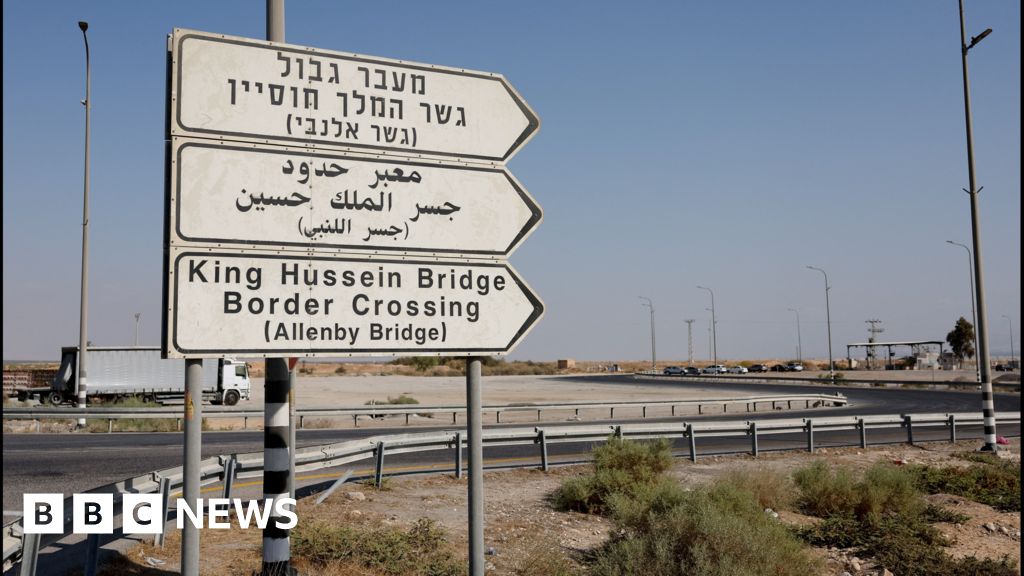
The Middle East continues to navigate the tumultuous aftermath of recent events, as Israel has uniquely shut down the only crossing between the Israeli-occupied West Bank and neighboring Jordan. This strategic move effectively cuts off access for more than two million Palestinians, severing a vital lifeline in a region where mobility and access are already heavily restricted. The closure, announced by the Israeli airports authority and carried out “at the direction of the political leadership,” has left many Palestinians stranded, unable to travel abroad or reunite with family members across borders. Prominent Palestinian voices, such as Mustafa Barghouti, have condemned this act as “dangerous,” emphasizing that it essentially imprisons the Palestinian population inside the West Bank, intensifying existing hardships.

This move comes amid a backdrop of escalating violence and international tension. Just days prior, two Israeli soldiers were shot dead near the Allenby Bridge by a Jordanian gunman—an incident that briefly shut down the crossing but was later reopened. The King Hussein Bridge, as it’s historically known, represents more than just a border crossing; it is a critical corridor for commerce, humanitarian aid, and the movement of people—especially for those Palestinians who cannot use Israeli-controlled airports. As historians and analysts note, such closures are not merely tactical but carry profound geopolitical impact, damaging the fragile relationships and perspectives that hold regional stability at bay. The decision impacts everyday lives—medical students like Maxim Giacaman, whose plans for medical electives in Germany have been dashed, exemplify how such actions extend beyond politics into personal futures, disrupting generations of aspirations.

In parallel, international responses have been polarized and fraught with tension. The recent moves by countries such as the UK, France, Australia, and Canada to recognize the State of Palestine have been met with fierce condemnation from Israel, which branded these efforts a “reward for terrorism.” Ultranationalist ministers within Israel have called for even more drastic actions, including the blatant prospect of outright annexation of the West Bank—an act that would irreparably reshape the territorial landscape and escalate the risk of outright conflict. Since the Hamas-led attack that resulted in the deaths of around 1,200 Israelis and the taking of 251 hostages, Israel has intensified its security apparatus—erecting hundreds of checkpoints, accelerating settlement expansion, and engaging in broader military operations aimed at Palestinian resistance groups. Such measures have been internationally scrutinized, with many accusing Israel of transforming the West Bank into an open-air prison while the international community struggles to curb its expansive policies.

This crisis underscores a fundamental question of sovereignty, resistance, and the international order’s capacity to uphold justice in an unstable region. As the United Nations and veteran analysts observe, Israel’s recent actions — especially the indefinite closure of key border crossings — exemplify a pattern of escalating repression. The decisive militarization and expansion threaten to write a new chapter of conflict, with history warning that such policies often engender long-term cycles of violence and despair. The weight of this unfolding chapter in history challenges whether global institutions and nations will succeed in their efforts to foster peace or merely watch as the fabric of an already fractured society unravels further. As the world’s eyes remain fixed on the Middle East, the true impact of these decisions will echo through generations—ultimately defining whether this region is destined for continued chaos or a chance at stability, however distant that hope may seem. The pages of history are turning, and the story of Palestinians and Israelis is far from finished—yet each stroke writes them deeper into the annals of a conflict that has endured far too long, a testament to human resilience and failure in equal measure.

Social Media Auto Publish Powered By : XYZScripts.com