Matox News

Truth Over Trends, always!

Winter storm hits America: millions left in the cold amid outages and chaos

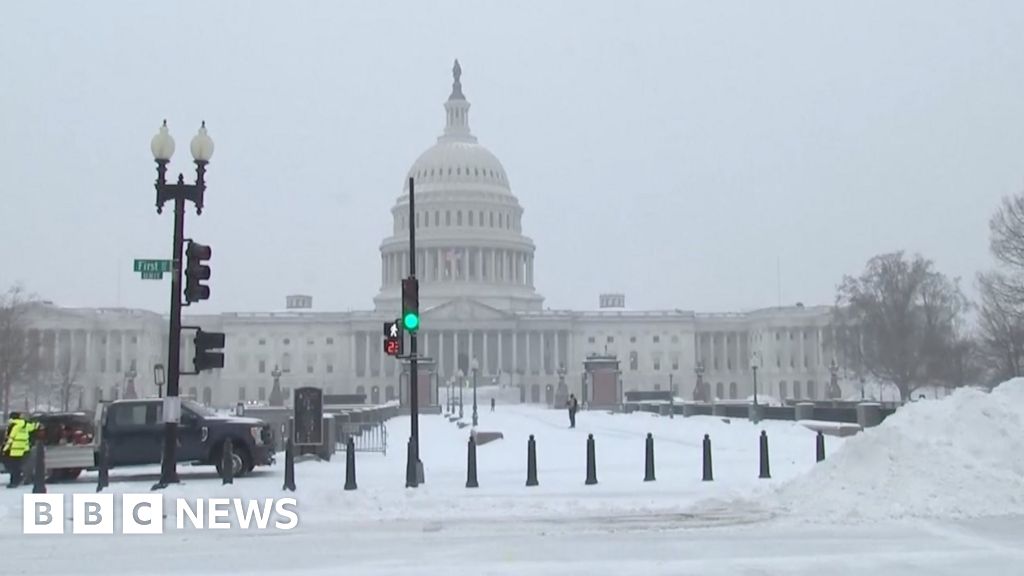
In recent days, The United States has experienced an unprecedented winter storm, characterized by severe snowfalls and dangerously low temperatures that have crippled large swaths of the country. The National Weather Service issued urgent warnings about wind chills plunging below -20°C in numerous urban centers, turning once bustling metropolises into frosty battlegrounds of survival. President Donald Trump responded decisively by declaring a series of federal emergency disaster declarations spanning nearly a dozen states, including South Carolina, Virginia, and Kentucky.

This meteorological crisis is notable not just for its immediate humanitarian toll but also for its broader geopolitical ramifications. As extreme weather events like this winter storm become increasingly frequent and severe, they underscore the pressing need for nations to re-evaluate their preparedness and resilience strategies. Major international organizations, such as the World Meteorological Organization, have repeatedly warned that climate variability poses a formidable threat to security, economies, and societal stability worldwide. While the U.S. swiftly mobilizes internal resources, the incident exemplifies a reality where climate change acts as a force multiplier for geopolitical instability, influencing diplomacy and international relations.

Furthermore, the decision by U.S. authorities to declare emergencies in multiple states highlights a broader pattern of how nations respond to internal crises with implications that extend beyond borders. These measures serve as a reminder for allies and adversaries alike of the importance of resilience in the face of natural disasters—yet they also raise questions about the long-term impact of environmental disruptions. Historically, analysts have pointed out that countries unable to adapt swiftly to climate-induced catastrophes risk becoming more vulnerable to geopolitical shocks. In a world where chaos often begets opportunism, the challenge remains: how do nations secure their sovereignty amid a rapidly changing climate?

The international community, including major powers and emerging nations, is watching with keen interest as the United States navigates this crisis. While the immediate concern lies in rescuing stranded communities and restoring basic services, the larger geopolitical dialogue shifts towards resilience—a debate that intertwines environmental policy, economic stability, and national security. Historical analysts warn that failure to address these environmental threats could result in a new chapter of instability—one where climate change acts as a catalyst for conflict, displacement, and resource wars. As the cold grips the nation, the world must reflect on the lessons etched into the icy face of adversity: the decisions made today set the stage for the future balance of power.

As history watches silently from the pages yet to be written, the cold truth remains: in an era of unpredictable and escalating natural disasters, the line between environmental catastrophe and geopolitical crisis has grown dangerously thin. The icy winds sweeping across the United States serve as a stark reminder—nature’s fury respects no borders, and the decisions taken in one nation ripple across the fabric of international stability. The question remains—not if, but when—and how, will the world unite to confront the unyielding forces of change that threaten to reshape the geopolitical landscape forever.

One Million Ukrainian Homes Left in Darkness After Russian Attacks

Ukraine Under Siege: Russia’s Escalating Assaults and the Shifting Diplomatic Landscape

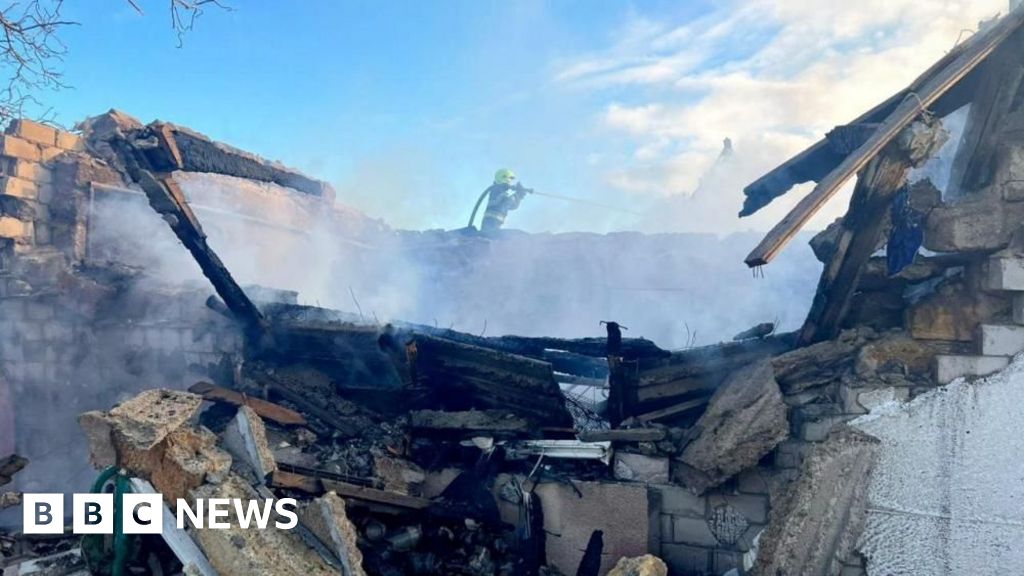
Amidst a relentless barrage of Russian missile and drone strikes, Ukraine faces an increasingly severe crisis that threatens to plunge the nation into further chaos and hardship. The Kyiv government reports that over more than a million households are now plunged into darkness as Moscow’s forces intensify attacks on critical energy and industrial infrastructure. This surge of aggression occurs just as winter sets in—a period historically linked with heightened suffering for civilians caught in the crossfire of this protracted conflict. The strikes, which Kyiv attributes to Russia, involved over 450 drones and 30 missiles in a single night, demonstrating Moscow’s intent to dismantle Ukraine’s ability to sustain itself. The regional damage is widespread, with Dnipropetrovsk, Kirovohrad, Mykolaiv, Odesa, and Chernihiv bearing the brunt of the assault.

While Russia has long targeted Ukraine’s energy grid, recent months have seen an unmistakable escalation as Moscow employs hypersonic Kinzhal missiles capable of changing course mid-flight, complicating Ukrainian defenses. The International Atomic Energy Agency (IAEA) reported that Ukraine’s Zaporizhzhia nuclear power plant, located within Russian-occupied territory, temporarily lost all offsite power—highlighting the war’s destabilizing impact on nuclear safety. The specter of nuclear catastrophe lurks behind these military operations, underscoring the high stakes for global security. Meanwhile, Russia reports casualties of its own, with regional governor Roman Busargin confirming two deaths from a drone strike on a residential building in Saratov, a reminder that the conflict continues to spill into Russian territory itself, igniting fears of an expanded front.

Diplomatic Efforts and the Fragile Road to Peace

Despite ongoing violence, diplomatic activity is intensifying in Europe and the United States. Steve Witkoff, Washington’s envoy leading efforts to mediate peace, plans to meet with Ukrainian President Volodymyr Zelensky and European officials in Berlin. The goal is to forge a new peace accord before Christmas—a deadline that reflects both the urgency and the impatience of Western capitals eager to bring an end to this destructive war. The upcoming Berlin talks are expected to include senior European leaders such as French President Emmanuel Macron and German Chancellor Friedrich Merz, signaling a united front within the Euroworld despite recent stirrings of discord.

However, persistent obstacles loom large. Kyiv remains resolute on refusing to surrender territory in the Donbas, asserting that Moscow’s ambitions to fully occupy eastern Ukraine must be halted. The U.S. proposes a contentious plan—an eventual withdrawal of Ukrainian forces from contested regions, which Kyiv’s leadership cautiously questions, fearing it could open pathways for Russian expansion. President Zelensky has publicly expressed skepticism, warning, “What will restrain [Russia] from advancing? Or from infiltrating disguised as civilians?” Such doubts highlight the deep divide on how to secure enduring peace without sacrificing Ukraine’s sovereignty.

Financial and Geopolitical Repercussions on a Global Stage

Economic warfare continues to ramp up alongside military and political struggles. The European Union has frozen approximately £185 billion in Russian assets, aiming to channel these funds into Ukraine’s reconstruction and military efforts—an act condemned by Moscow as theft, with Russia threatening legal retaliation. As Kyiv faces a financial shortfall of nearly €135.7 billion over the next two years, the EU’s financial support becomes vital. Yet, the question persists whether these measures will be enough to deter Russia’s strategic aims or merely serve as symbolic gestures in a conflict where victory remains elusive.

Meanwhile, the debate over Ukraine’s membership in the EU has gained momentum. The latest peace plan underscores Ukraine’s desire to accelerate accession, possibly as soon as January 2027, a move supported by Brussels but fraught with challenges. Despite Ukraine’s application to join the EU in 2022, the path remains years long, with geopolitical analysts warning that swift integration could heighten tensions with Russia and provoke further escalation. The ongoing diplomatic dance reflects an international landscape in flux—one where history’s pen is poised to write the next chapter, with nations waiting and watching as the fragile hopes for peace hang in the balance. The struggle continues, and the world stands on the brink of a new era—one that history will judge through the lens of resilience, strategy, and unresolved conflicts still echoing across the continent.

Jimmy Kimmel Tensions Rise as He Borrows From End-of-Year Sentiments: ‘Grateful We Only Have Five Weeks Left’ | Late-Night TV Roundup

In the modern spectacle of American political ritual, culture emerges as both a mirror and a prophecy of societal identity. As comedians like Jimmy Kimmel and Seth Meyers dissect the bizarre antics surrounding President Donald Trump’s turkey pardon, they reveal something deeper: the extent to which our cultural expressions, even in humor, are intertwined with the collective consciousness and the projection of national identity. The turkey pardon, a seemingly benign tradition, has evolved into a theatrical platform where the veiled assertions of power, spectacle, and ideology intertwine. Much like the grotesque pageantry of Roman triumphs or medieval court rituals, it serves as a performative affirmation of leadership, tradition, and societal values—elements that define who we are and what we stand for.

This cultural ritual, often dismissed as light-hearted or trivial, echoes the philosophical insights of Ortega y Gasset, who argued that “a nation’s culture is the expression of its soul.” Every speech, joke, or spectacle in such moments is not merely entertainment; it is a reflection of the underlying narratives that shape our collective memory. Trump’s peculiar address, replete with inflated claims and bizarre anecdotes, exemplifies a cultural moment where perception becomes reality—an image crafted for the spectacle, yet rooted in the deeper desire for significance amidst chaos. As Chesterton might suggest, what the nation fears is its own loss of purpose, and these rituals—however absurd they may appear—are attempts to affirm and recreate that purpose within the theater of public life.

Historically, these performances bear resemblance to the rites of civic affirmation and patriotic mythology maintained by democratic societies. Tocqueville warned of the danger of democratic excess where superficial equality can obscure the cultivation of the soul’s deepest roots. Today, the spectacle of political humor and satire reveals a cultural tension—on one side, the need to mock the absurd; on the other, the recognition that beneath the satire lies a yearning for authenticity and tradition. In this sense, culture serves as a repository of memory and a beacon of prophecy, guiding us through the tumult of modern society. As T.S. Eliot wrote, “The past is never dead; it’s not even past.” The narratives we craft in humor and ritual are our way of facing forward while holding onto essential truths that define us—truths that are at their core, timeless and universal.

In the end, the cultural phenomena surrounding Trump’s antics at the Thanksgiving table speak to a broader human experience: the enduring capacity of culture to both remember and foretell. It is the poetry of memory and prophecy woven into every tradition, every joke, every spectacle—reminding us that the collective identity we cherish is both a sacred inheritance and a living prophecy. As Chesterton observed, true culture is not merely a reflection of what is but an aspiration toward what could be—a continuous dance between memory and hope, echoing through the ages as humanity’s silent ode to its own enduring soul.

Starmer warns: No consensus left on climate fight, youth should stay alert

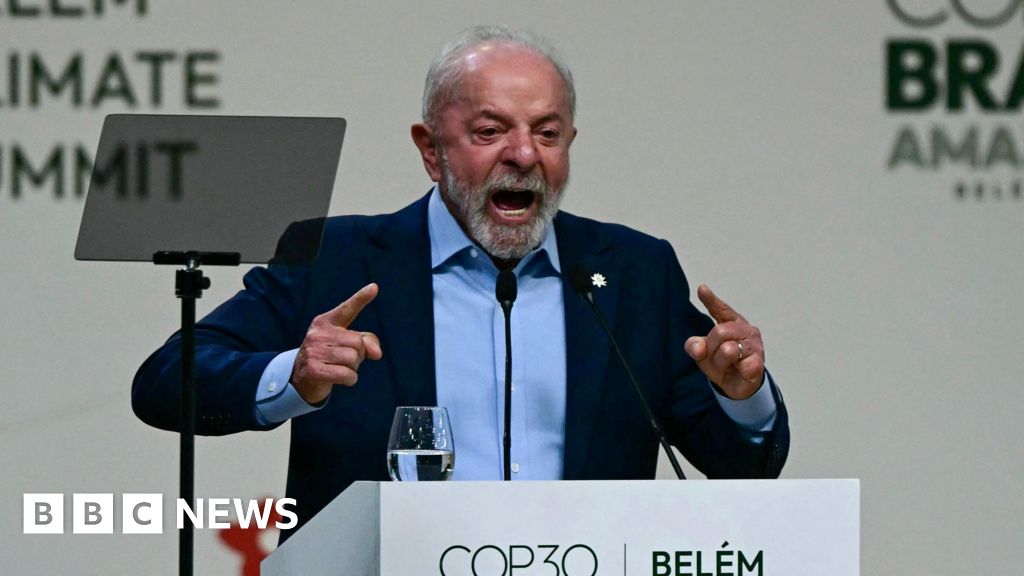
Belém, Brazil—As the COP30 climate summit unfolds amidst unprecedented global chaos, the world’s most influential nations are diverging sharply on how to address the existential threat of global warming. With President Lula da Silva warning of “extremist forces” fabricating fake news to condemn future generations to a planet forever altered by climate change, the summit is rapidly transforming into a battleground of conflicting narratives and geopolitical interests. Despite his passionate plea, the summit witnesses a perplexing retreat from collective action, with many leading nations conspicuously absent and even the host country’s flagship initiatives facing withdrawal. As given by international analysts, such divisions threaten to undermine any meaningful progress, leaving the world on a perilous trajectory toward climate chaos.

The absence of key players—the United States, Russia, China, and India—casts a long shadow over global consensus on climate policy. President Trump’s dismissive stance—calling climate change “the greatest con job”—has reverberated through diplomatic corridors, emboldening skeptics and delaying decisive action. Meanwhile, UK Prime Minister Sir Keir Starmer openly acknowledged that the once-unified support for climate initiatives has frayed, lamenting that “today, however, sadly that consensus is gone.” Such statements starkly highlight how internal political shifts and *geopolitical conflicts* are fueling a dangerous impasse. At the heart of the negotiations lies the critical question of how to fund climate mitigation efforts, particularly in defending vital rainforest ecosystems that act as “the planet’s lungs,” as experts like environmental historian Dr. Alan Smith emphasize. Yet, the UK’s decision to withdraw from the $125 billion rainforest protection fund—despite its earlier leadership—underscores a betrayal of international commitments.

As the summit progresses, the tone remains urgent but fractured. The rainforests cover a mere 6% of the Earth’s landmass but hold half of the planet’s species and billions of tons of carbon. The Prince of Wales and other observers warn that failure to protect these ecosystems risks pushing future societies toward ecological collapse. Prince William called for “urgent optimism,” urging nations to rise above their differences and act—yet the reality on the ground tells a different story. Destructive weather events—like Hurricane Melissa, which caused catastrophic damage across the Caribbean—serve as sobering reminders that climate impacts are already claiming lives and destroying communities. Scientists at Imperial College have warned that climate change heightened the rainfall from Hurricane Melissa by 16%, exposing the catastrophic potential of continued inaction. The question remains whether this summit will be remembered as a turning point or merely another chapter in the relentless saga of diplomatic stalemate.

Historically, these international rifts serve as a stark warning for future generations. Academics like Dr. Maria Lopez argue that the decisions made in Belém could either be a testament to humanity’s resolve or a lamentable capitulation. The unfolding story of COP30 is a testament to the ongoing struggle between geopolitical self-interest and the moral responsibility to safeguard our planet’s future. As history writes its next chapter, the world must reckon with the fact that the decisive moments of this summit—and perhaps the century—are now in the making. The shadow of this generation’s decisions will linger long after the final declaration, shaping the scarred landscape of history itself.

Luxury cruise canceled after elderly passenger left behind on Lizard Island dies alone, exposing neglect in Queensland

The Australian Maritime Tragedy and Its Global Geopolitical Ripples

In a stark reminder of the dangers lurking in remote corners of the world, Australia is now grappling with not only a tragic loss of life but also growing questions about maritime safety and regulatory oversight. The recent death of 80-year-old Suzanne Rees aboard the luxury cruise vessel Coral Adventurer has reopened debates on how nations exercise authority over their once-secluded maritime territories. Rees, left behind on the Great Barrier Reef’s Lizard Island during a routine expedition, was not discovered until the following day, highlighting potential lapses in safety protocols. This incident has sparked outrage among Australians and international observers, hinting at broader questions of governance and accountability that resonate well beyond the shores of Australia.

Analysts from the Australian Maritime Safety Authority (Amsa) have confirmed they have issued a ban on the vessel to prevent further passenger intake while investigations are ongoing. As the cruise ship returns to Cairns, questions mount regarding the circumstances that led to Rees’ tragic demise, with reports indicating she was asked to descend unescorted after feeling ill—a testament to mounting concerns over maritime safety practices within Australia’s renowned but vulnerable reef territories. There is an underlying warning here for nations that hold prized but fragile territories: the sustainability of sovereignty and security must be matched by stringent oversight, especially on activities that attract global tourism and commercial operators.

The International Significance of Australia’s Aquatic Frontiers

This tragedy underscores how decisions made within Australia’s borders carry far-reaching geopolitical impact. As the continent continues to assert its sovereignty over its vast coastal and reef regions, international maritime law, combined with national safety standards, becomes a critical battleground for influence. Historians warn that neglecting these areas risks undermining national sovereignty, inviting external interference, and diminishing maritime security—core issues on global strategic forums such as the United Nations Convention on the Law of the Sea (UNCLOS). Moreover, the incident risks turning the spotlight toward Australia’s broader role within the Indo-Pacific—a region increasingly fraught with U.S.-China rivalries and contestations of influence over critical sea routes and resources. Any perception of governance lapses in protecting its maritime domains could embolden regional competitors and erode Australia’s soft power, particularly as it seeks to maintain stability in an era of strategic flux.

How Decision-Making and Societal Impact Shape Future Trajectories

The day after Rees’ death, the cruise company Coral Expeditions announced the cancellation of their tour, citing safety and mechanical concerns. This brief pause symbolized how even a single tragedy can serve as a turning point in national dialogue over safety, regulation, and the societal value placed on human life in delicate environments. As authorities investigate why Rees was allowed to go ashore unescorted and why her absence was not immediately flagged, a sense of urgent introspection emerges within Australia’s maritime oversight agencies. Such incidents threaten to fuel international skepticism about the efficacy of Australian governance—an issue that resonates in sectors like tourism, environmental protection, and security.

Furthermore, critics are warning that reliance on tourist dollars and the allure of untouched wilderness must be balanced against the genuine need for strict safety enforcement. In an era where fragile ecosystems and sovereign territories are increasingly targeted by covert geopolitical ambitions, the lessons from this tragedy could inform broader international policies. As global institutions like the United Nations call for greater ‘responsibility and safety,’ nations must realize that these decisions about safety protocols and environmental stewardship directly influence societal resilience, diplomatic relations, and the standing of a nation on the world stage.

Concluding Reflection: The Unfolding Chapter of History

As the Coral Adventurer sails back toward Australian shores with its tainted reputation, the tragedy’s true legacy remains unwritten. The weight of history presses heavily on the shoulders of policymakers, maritime authorities, and societies at large: how they respond next will script the future of Australia’s sovereignty and credibility. Critical questions linger about the adequacy of regulations governing the preservation of fragile environments and human safety in remote settings. In these unfolding moments, the necessity for decisive action is clear—fail to heed the lessons, and the echoes of this tragedy could resonate across borders, shaping the geopolitics of the Indo-Pacific for decades to come.

Luxury Cruise Passengers Escape, But Suzanne Rees Was Left Behind and Died Alone on Remote Australian Island

Remoteness and Responsibility: Lessons from a Tragic Incident near Lizard Island

The recent tragedy involving Suzanne Rees, an 80-year-old tourist who died on Lizard Island, highlights significant concerns surrounding maritime safety and accountability in remote regions of the world, even as tourism industries expand across fragile ecological zones like the Great Barrier Reef. The incident, which unfolded after the cruise ship Coral Adventurer allegedly left without properly accounting for Rees, underscores the failure of basic safety protocols—a lapse that could have devastating geopolitical repercussions.

Historically, international maritime regulations and local safety standards aim to protect vulnerable travelers, especially in isolated environments where rescue operations are complex and costly. Yet, this event reveals how inertia and lapses in procedural accountability threaten not only individual lives but also the reputation of tourism operators and, ultimately, national tourism strategies. Analysts suggest that such failures are emblematic of broader systemic issues within maritime safety oversight, especially as more nations with burgeoning tourism sectors attempt to attract international visitors without sufficient infrastructure or regulatory enforcement.

International organizations like the International Maritime Organization (IMO) have long emphasized the importance of passenger accountability—something seemingly overlooked in this case. The incident’s fallout echoes incidents from the past, including the 1998 death of Tom and Eileen Lonergan on the Great Barrier Reef and the haunting accounts of rescue failures in shark-infested waters. Experts warn that such events threaten to undermine global confidence in maritime safety history, with consequences that ripple across diplomatic and economic spheres.

As investigations by Australian authorities unfold, the incident serves as a stark warning of the need for stringent safety protocols. The question of responsibility isn’t solely about individual lapses but about the distribution of accountability among cruise companies, local authorities, and international regulators. Such tragedies threaten to become emblematic of a fragile trust that, if broken, could have long-lasting implications not only for visiting nations but for societies that depend heavily on responsible tourism. The weight of history continues to press upon us: the unfolding narrative of this event will likely shape maritime safety legislation and accountability measures for generations to come, reminding us that in the pursuit of adventure and progress, human life remains the ultimate litmus test of our collective responsibility.

Jamaica Left in Dark and Devastated After Hurricane Melissa〉

The Catastrophic Wake of Hurricane Melissa: A Turning Point for Jamaica and Global Responses

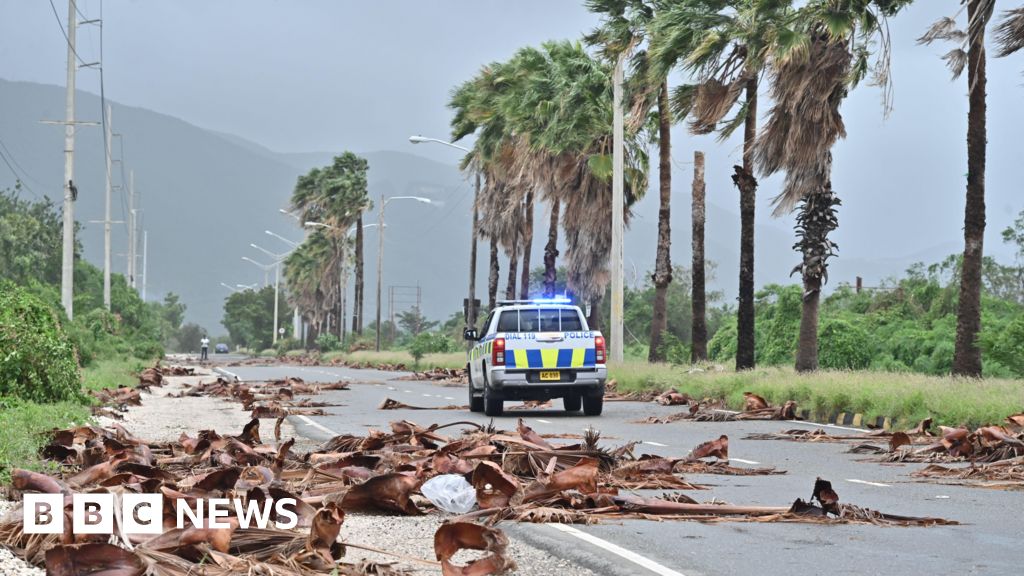
The recent devastation wrought by Hurricane Melissa has cast a stark light on the vulnerabilities of Caribbean nations amidst accelerating climate change. With sustained winds peaking at a formidable 298 km/h (185 mph), it surpasses the intensity of some of history’s most devastating storms, including Hurricane Katrina. As this cyclone tore across Jamaica, it left behind scenes reminiscent of apocalyptic movies—homes destroyed, floodwaters engulfing entire communities, and local infrastructure all but obliterated. Governments and international organizations are now confronting an urgent question: how will nations like Jamaica recover and adapt to an increasingly hostile climate?

The immediate geopolitical impact of such a natural disaster extends beyond national borders, highlighting the importance of international cooperation. Despite Jamaica’s efforts, the island’s infrastructure—its hospitals, roads, and power grids—has been deeply compromised. Prime Minister Andrew Holness issued a declaration of a disaster area amidst widespread destruction, warning of “significant damage” and the peril of lost lives. In response, international aid agencies and neighboring nations are mobilizing resources, but the scale of devastation underscores a global challenge: climate change-driven storms are becoming more intense and unpredictable, affecting vulnerable nations and challenging traditional disaster response frameworks.

Historians and climate analysts warn that the rapid strengthening of Hurricane Melissa—a category five storm at its peak—reflects broader trends associated with climate change, notably the abnormally warm Caribbean waters providing fuel for storms to escalate swiftly. Some experts argue this pattern is a harbinger of more frequent and severe hurricanes in the future, forcing nations to rethink their infrastructural resilience and emergency preparedness. Meanwhile, international economists and development experts note that Jamaica’s economy, heavily reliant on tourism and agriculture, faces a bleak near-term outlook. The destruction of crops in St Elizabeth, known as the “breadbasket,” and the damage to Montego Bay’s tourism infrastructure could set back the island’s economic recovery years if adequate international support and policies are not swiftly enacted.

Beyond immediate relief efforts, this catastrophe exposes the broader geopolitical importance of climate resilience. Countries are increasingly expected to shoulder responsibility—both individually and collectively—to mitigate environmental impacts and protect their populations. Global institutions such as the United Nations are sounding alarms about the cascading consequences of neglecting climate adaptation, from rising sea levels to displacement and economic instability. The situation in Jamaica underscores how decisions made today—whether in the form of international treaties or national climate policies—will profoundly shape the societal fabric of future generations. As the storm’s aftermath continues to unfold, it marks yet another chapter in a mounting narrative: that of a fragile world grappling with the realities of an increasingly volatile climate.

As history continues to write itself, the true test lies ahead. Will nations muster the collective will to confront climate change head-on, or will they be left to face the relentless fury of nature unprepared? The answer, now more than ever, remains a question of global resolve—the weight of history pressing down as the skies clear over Jamaica, leaving the world to ponder whether this catastrophe will serve as a warning or a call to action. One thing is certain: the storm has passed, but the battle for resilience and stability is only just beginning.

Trump Admin Flags ‘Radical Left’ on Government Sites to Wake Up Youth

Political Blame Game Intensifies Amid Federal Government Shutdown

The recent federal government shutdown has become more than just a political event; it signals a potential shift in how public sector narratives are shaped through digital platforms. As Congress remains deadlocked on crucial funding legislation, Senate and House leaders have taken to digital banners on prominent federal websites—such as the US Department of Agriculture and the Department of the Treasury—explicitly blaming the opposition for the crisis. This unprecedented move illustrates a new arena of political disruption, where government communication becomes a direct battleground for public sentiment and accountability.

Leading into this political chaos, industry analysts observe that such digital activism can have profound implications beyond mere messaging. The visible blame game not only stokes partisan divides but also demonstrates a deeper evolution in government communication strategies—leveraging branding and narrative control similar to high-stakes corporate campaigns. Experts at MIT and analysts across the tech industry warn that this approach might set new standards for how government transparency and crisis management are handled, potentially leading to increased politicization of digital infrastructure.

While some federal sites, like the White House, highlight the ongoing shutdown through timers and status updates, others, such as the State Department and the Federal Communications Commission, adopt more neutral stances, simply noting that www updates have been paused. This patchwork of communication reveals a broader industry trend—digital messaging tactics are evolving amidst political upheaval, forcing both government agencies and private sector firms to reconsider how crises are presented online.

From an innovation standpoint, organizations are now experimenting with interactive banners, real-time updates, and even targeted messaging—a shift driven by a new wave of digital disruption.

  • Adoption of emergency communication APIs
  • Leveraging AI-powered chatbots for real-time engagement and clarification
  • Enhanced data analytics for understanding public sentiment and misinformation flow

The disruption signals a future where digital advocacy tools could become standard in crisis scenarios, transforming government agencies into realtime conversational platforms.

The business implications are significant, as cybersecurity firms and digital strategists scramble to develop resilient communication layers capable of withstanding political attacks. Disruption in this space raises urgent questions about data integrity, bias, and the potential weaponization of digital platforms—especially with the rise of AI-driven misinformation campaigns. Industry pioneers such as Palantir, IBM Watson, and emerging startups are racing to unify crisis communication systems that blend technological innovation with strategic agility. Such advancements are critical as governments and organizations face increasing demands for transparency, accountability, and rapid response capabilities in an era defined by information warfare.

As the shutdown persists and political factions continue to use digital banners as battlegrounds, technology leaders and policymakers must recognize that this is more than a temporary disruption—it is a harbinger of future conflicts over digital trust and information sovereignty. Looking ahead, the fusion of disruptive tech, innovative communication platforms, and strategic disruption will dominate the landscape, demanding urgency from stakeholders to lead with agility and foresight. Failure to adapt risks not only operational setbacks but also the erosion of public trust in institutions—a challenge that will shape the next era of digital governance and civic engagement.

Social Media Auto Publish Powered By : XYZScripts.com