Matox News

Truth Over Trends, always!

Nintendo sues US government for Trump-era tariffs, demanding refund to protect gaming legacy

Major Companies Challenge Tariff Policies Amid Legal Battles

The ongoing tariff disputes initiated during the Trump administration are reshaping the landscape of international trade and corporate strategy. Nintendo of America has taken an unprecedented step by filing a lawsuit against the U.S. government, demanding a prompt refund with interest for duties paid under tariffs deemed illegal by the Supreme Court last month. This move underscores a broader trend of corporate pushback against government policies perceived as punitive or disruptive to business operations. Innovation-driven companies are increasingly asserting their rights in court, signaling a shift in how corporations will engage with regulatory frameworks in the future.

The Supreme Court’s ruling is a clear turning point, declaring that President Trump’s use of the International Emergency Economic Powers Act (IEEPA) to impose “reciprocal” tariffs was illegal. This decision threatens to undermine the legal basis for future trade restrictions that rely on emergency powers, creating a ripple effect that impacts not only government authority but also the broader ecosystem of innovation, import-export businesses, and supply chains. FedEx, a logistics giant, has joined the chorus by suing for a full refund of tariff payments, emphasizing its role in the disruption. If granted, FedEx has announced plans to pass refunds onto consumers, challenging the traditional burden placed on small shippers and signaling a push towards greater transparency and fairness in trade practices.

From an industry perspective, these legal confrontations highlight the disruptive power of legal and policy frameworks in shaping technological and commercial ventures. The ongoing battles are not just about tariffs; they are about business resilience and innovation resilience in the face of government overreach. Companies such as Nintendo and FedEx leverage legal channels to challenge policies they perceive as detrimental to their growth and operational efficiency. Such actions create a new precedent, where corporate legal strategies become critical tools in navigating the increasingly complex global trade environment. Experts from institutions like MIT, alongside forward-thinking analysts such as Elon Musk and Peter Thiel, suggest that this wave of legal resistance and policy pushback could catalyze reforms that favor more equitable and innovation-friendly trade policies.

Looking ahead, the implications extend beyond mere tariffs. The dynamic dispute signals a potential redefinition of the relationship between government authority and corporate innovation. As regulatory landscapes evolve, the importance of agile legal strategies, disruptive technology threats, and proactive lobbying will only intensify. Stakeholders must recognize that future progress hinges on not just technological innovation but also on the ability to challenge and reshape legal frameworks. The pursuit of fair trade practices and regulatory reform might serve as catalysts for the next wave of transformative technological disruption, with companies leading the fight for a more open, competitive ecosystem. The urgency for businesses to stay ahead of this curve is undeniable—those who adapt swiftly will hold the keys to future market dominance in a rapidly shifting global economy.

Remembering John Donnelly: A Legacy in Architecture and Society

In an era marked by rapid urbanization and cultural shifts, the life and work of John Donnelly serve as a poignant reminder of the profound role that dedicated professionals play in shaping our communities and preserving our heritage. A distinguished architect, educator, and conservationist, Donnelly’s contributions extended beyond brick and mortar to the social fabric that binds families and influences the education of future generations. His meticulous approach to design and deep appreciation for human skill exemplify a moral ethic that underscores the importance of integrity and community-centered planning in an increasingly fragmented society.

Throughout his career, Donnelly was deeply involved in projects that directly impact families and local communities. His work ranged from

  • housing schemes in London and Kent
  • waterside redevelopment
  • the sensitive conservation of historic buildings

, all of which have a lasting influence on the social cohesion and economic stability of the areas they serve. Sociologists and urban thinkers emphasize that well-designed spaces foster social interaction, support mental health, and create a sense of belonging — factors that are vital in an age of rising social tensions and demographic upheavals. As Donnelly often collaborated with fellow architects and heritage conservation efforts, his work epitomized a balanced approach that prioritizes community needs, cultural continuity, and environmental resilience.

The importance of such work extends into the realm of education. As a tutor and mentor at various polytechnics and art schools, Donnelly influenced generations of architects who carry forward his values of precision, fairness, and dedication to societal betterment. His teaching emphasized that building for people requires moral responsibility and a nuanced understanding of social issues—something sociologists like Herbert Gans and Leslie White have long highlighted as crucial for fostering healthy urban environments. In a world where social disparities are often reflected in the condition of our built environment, Donnelly’s emphasis on beauty, function, and respect for history underscores the need for future professionals to prioritize community well-being over superficial trends.

The social challenges faced today—ranging from housing crises to cultural identity tensions—demand not only innovative ideas but also a moral compass rooted in respect and fairness. The insights of social commentators reveal that the fabric of society is woven through our shared spaces, stories, and collective memories. Donnelly’s legacy reminds us that cultural preservation and thoughtful urban planning can serve as anchors amidst social upheaval, fostering stability for families and inspiring hope for a more harmonious society. As communities grapple with change, the enduring lesson is that architecture and conservation are not merely technical pursuits but moral acts—acts that redefine how society perceives itself and its future.

Looking forward, society faces the ongoing challenge of reconciling demographic shifts and cultural tensions with a shared commitment to dignity and inclusion. The hope lies in embracing the values exemplified by individuals like Donnelly: a dedication to craftsmanship, fairness, and a love for community. These qualities can serve as a moral compass guiding policymakers, educators, and citizens alike. As the twilight of our societal sunset approaches, perhaps the most vital reflection is this: that through the honest effort to build and preserve with integrity, we can forge a society resilient enough to confront its deepest challenges and compassionate enough to nurture hope for generations to come.

Simone Boseman: Protecting Chadwick’s Legacy Is Our Responsibility—Not Just Grieving

In the wake of Chadwick Boseman’s tragic death at just 43 from colorectal cancer, society must confront the deep social and cultural issues surrounding health disparities, especially within Black communities. Boseman’s story illustrates a broader pattern—despite his global stardom, his diagnosis remained a private personal battle, illustrating how families often bear the burden of illness in silence. As sociologists like Dr. Michelle Owens highlight, the stigma surrounding health issues and limited resources—particularly in underserved communities—can hinder early diagnosis and treatment, exacerbating social inequalities. Boseman’s health journey, kept largely private, underscores the importance of raising awareness and expanding access to healthcare resources so that others don’t face similar silent struggles.

Moreover, Boseman’s legacy reveals how social issues deeply impact families, education, and community cohesion. His wife, Ledward Boseman, exemplifies resilience, yet also sheds light on the challenges faced by families when coping with loss—especially under societal pressures for public mourning. Her movement from Los Angeles to Vallejo signals a desire to reconnect with her community, demonstrating that personal grief intersects with collective healing. The revival of Boseman’s play Deep Azure, which deals with themes of grief after the death of an unarmed Black man, symbolizes the power of art to process trauma and foster community dialogue. Historians note that artworks rooted in social suffering often serve as pivotal catalysts for societal change, urging collective acknowledgment and action.

Decades of social commentary from figures like W.E.B. Du Bois warn us that the cultural shifts and demographic changes within society often reflect in the health and well-being of marginalized populations. The continued stratification—where Black Americans lack equitable access to healthcare—fuels cycles of suffering and inequality. Addressing these issues requires systemic reform:

  • Expanding community-based health education
  • Increasing investment in health infrastructure in underserved areas
  • Fostering cultural understanding to dismantle stigma associated with illness

. Empowering families through education, investments, and cultural competence can transform communities into resilient entities capable of confronting adversity together. As history reminds us, societal transformation begins when we recognize that the human experience is interconnected—when mourning for one is mourning for all, and healing for one nurtures healing for many.

As society continues to grapple with loss, resilience, and the pursuit of justice, there remains a spark of hope. Boseman’s legacy, carried forth by his loved ones and community, exemplifies the power of remembering that societies are not static but capable of profound transformation. In each act of raising awareness, in every effort to bridge gaps in healthcare, and in the stories of families enduring grief, society is forging a more equitable future—one where the spirit of hope and change can endure beyond the shadows of tragedy, illuminating a path toward unity and resilience.

Thursday Brief: Will Epstein Files Tarnish Peter Mandelson’s Legacy?

In an era where power dynamics are rapidly shifting, the recent revelations surrounding Lord Mandelson signify more than mere scandal; they underscore profound vulnerabilities within the Western political establishment. The release of classified files by the US Department of Justice implicates Mandelson in contacts with Jeffrey Epstein, a convicted financier notorious for his alleged crimes and clandestine influence networks. The files detail contact with Epstein that, if proven to involve leaked or market-sensitive information, could fundamentally undermine trust in the integrity of public officials at the highest levels, prompting wide-ranging questions about accountability, judgment, and the opaque corridors of power.

While investigations by the Metropolitan Police are ongoing into allegations of misconduct in public office, what is striking is that Mandelson remains a member of the House of Lords. Such a situation exemplifies the persistent loopholes and ambiguous standards that allow influential figures to retain their titles despite serious allegations. Renowned analysts and legal experts recognize that the ‘good chap’ code—an undefined and largely subjective marker of personal integrity—still governs peer conduct. Historically, peers like Mandelson, with their extensive influence and strategic roles, are often shielded from the consequences that would swiftly befall lesser-known officials, emphasizing a double standard reflective of entrenched elite impunity.

Geopolitical impact of elite scandals

The scandal surrounding Mandelson extends well beyond domestic politics, threatening to destabilize international relations. Mandelson’s brief tenure as UK ambassador to Washington symbolized a strategic bridge between the two nations. The controversy now calls into question transatlantic trust and the integrity of diplomatic appointment processes. Global institutions and foreign partners, notably in the United States and European Union, are watching closely as this case exemplifies the broader issues of corruption, influence peddling, and accountability. Such vulnerabilities could be exploited by rival powers seeking to undermine Western cohesion, especially amid current geopolitical tensions with Russia and China. Accordingly, the Mandelson case has the potential to be exploited as a propaganda tool, emphasizing fragility within Western liberal democracies.

International organizations such as Transparency International have long warned that the erosion of trust in political elites fuels populist movements and destabilizes geopolitical balances. Historians and strategists recognize that these scandals serve as_warning_ markers of systemic decay, capable of igniting political crises that ripple across borders. How Western countries respond—either by addressing these breaches decisively or allowing them to fester—will shape the geopolitical landscape for years to come. In the shadow of this scandal, the challenge lies not just in safeguarding individual reputations, but in reaffirming societal trust in institutions designed to serve the public good.

Concluding thoughts: The weight of history

As history continues to unfold, the Mandelson scandal serves as a stark reminder that the forces of power and corruption often operate in tandem, threatening to erode the foundations of democratic accountability. The decisions made in the coming weeks—whether to press charges, reform peer conduct, or reinforce existing immunity—will determine if the tide of elite impunity persists or if the call for transparency and justice finally gains ground. The choice is clear: the fate of nations and societies hinges on whether those in power will be held accountable, or if the pages of history will record yet another chapter of entrenched privilege triumphing over justice. For now, the weight of history presses down, and the outcome remains uncertain, waiting for the actions of policymakers to define the course of the future.

Pedro Pascal and Meryl Streep honor Catherine O'Hara’s legacy
Pedro Pascal and Meryl Streep honor Catherine O’Hara’s legacy

Canadian Actress Passes Away at 71: A Cultural Legacy and Global Reflection

In a somber moment for the international arts community, Canadian comedic actress who had become a household name, died in Los Angeles on Friday at the age of 71 following a brief illness. Her passing not only marks the end of an era in entertainment but also underscores the enduring influence of Canadian talent on world-stage performance arts. As news filters across social media platforms and global news outlets, the significance of her career illuminates broader questions about the role of arts and culture in shaping national identity and international reputation.

Her career, marked by a unique blend of humor, intelligence, and social commentary, exemplifies how cultural figures serve as soft power instruments—transcending borders, influencing public discourse, and fostering cultural diplomacy. Her comedic voice echoed beyond Canada’s borders, resonating within United States audiences and inspiring international audiences through her work. Intertwined with her legacy is a narrative that exemplifies how entertainers from smaller nations can punch well above their weight in shaping global cultural perceptions. Experts, like cultural analysts and historians, have often noted that figures such as her act as informal ambassadors, elevating their native countries on the global stage amid competing narratives of international influence.

The international community, meanwhile, continues to grapple with the geopolitical shifts that redefine global cultural exchanges. The death of such an influential artist invites reflection on the precarious landscape of soft power, especially as global powers — notably the United States and China — vie for cultural dominance. This sentiment is echoed by institutions like the United Nations Educational, Scientific and Cultural Organization (UNESCO), which regularly emphasizes the importance of protecting and promoting cultural diversity. Yet, in the realm of entertainment, political and economic forces increasingly determine which narratives are amplified, often overshadowing the organic, grassroots cultural expressions that figures like the late actress embodied.

Her passing also underscores how decisions made by global institutions and nations influence the future of cultural exchanges. As filmmakers, performers, and creators navigate shifting international policies, nations like Canada and the United States are tasked with safeguarding their cultural assets while projecting influence. Analysts warn that neglecting these cultural drivers risks diminishing a nation’s soft power and global standing—factors that are now intertwined with national security and diplomatic leverage. History has repeatedly shown that cultural influence often precedes and sustains political might, making the loss of such iconic figures a matter of broader geopolitical concern.

As the world mourns her departure, it becomes evident that her life’s work exemplifies the enduring power of cultural legacy in an increasingly interconnected yet divided world. Her departure marks not just the end of a luminous career but the very closing chapter of a story that continues to unfold—one that witnesses the ongoing struggle for cultural relevance amidst shifting alliances, conflicts, and global ambitions. The weight of history presses forward, reminding us that in the grand narrative of nations and peoples, individual lives—like hers—are woven into the complex fabric of international influence, leaving a trace of their spirit in the tides of history yet to come.

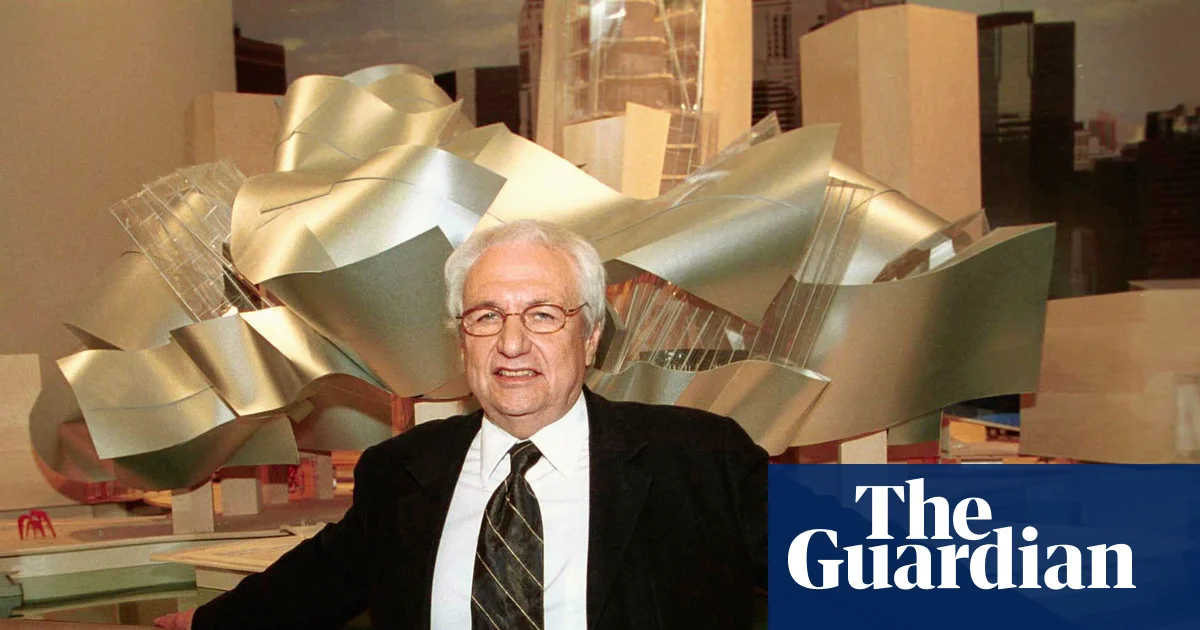
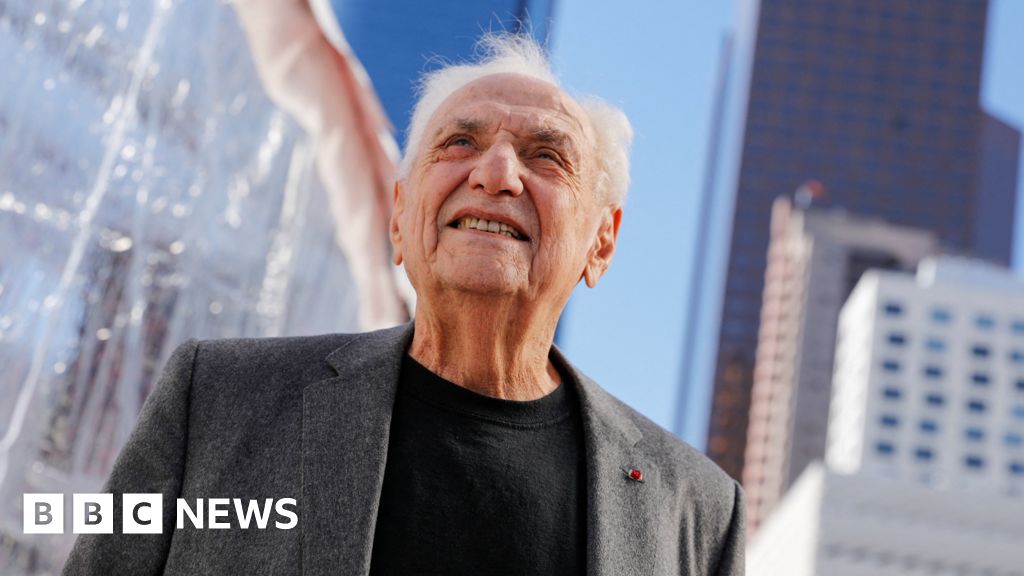
Renowned Canadian-American Architect Frank Gehry Passes Away at 96 — A Lasting Legacy in Modern Design

In the realm of architecture, few figures have embodied the spirit of innovation and cultural rebellion as Frank Gehry. His passing at the age of 96 marks the end of an era defined by audacious form, emotional resonance, and a relentless quest to redefine the built environment. Gehry’s work transcended mere structures, becoming an almost poetic testament to the enduring power of culture to shape our identity and societal consciousness. His fantastical Bilbao Guggenheim, clad in shimmering titanium and seemingly alive with movement, exemplifies how architecture can serve as both reflection and prophecy—an icon of what the modern age can achieve when bold tradition and radical innovation collide.

Gehry’s influence is undeniable, not only as an artist but as a cultural icon whose work catalyzed what critics label as the Bilbao effect. Like the revolutionary shifts seen in art movements from Surrealism to Abstract Expressionism, Gehry’s architecture challenges the passive observer to confront the visceral and the imaginative. His designs, whether the Walt Disney Concert Hall or the Fondation Louis Vuitton, embody an expressive power reminiscent of T.S. Eliot’s notion that tradition is not a static inheritance but a living dialogue between the past and the present. In a sense, Gehry’s work exemplifies how culture—rooted in tradition yet daring enough to break free—becomes a vital force in fortifying societal identity against the homogenizing tides of commercialism and decay.

Born into humble beginnings in Toronto, Gehry’s journey reveals that artistry often blooms late, fueled by perseverance and a deep-seated desire to challenge the ordinary. His decision to change his surname in the face of prejudice echoes the cultural necessity of self-definition—that in a society rife with hostility, one’s work can be a form of resistance, a reaffirmation of human dignity and heritage. After years of working within the commercial confines of shopping malls and uninspired projects, Gehry turned to his authentic voice at mid-life, embracing an esthetic of chaos and chaos—a metaphor for the tumultuous soul that refuses to be tamed. His transformation underscores Plato’s idea that the true philosopher-artist is one who dares to question, to risk, and thus to discover the enduring truth beneath exterior appearances.

Through the lens of cultural critic G.K. Chesterton’s celebration of the ordinary as extraordinary, Gehry’s architecture consistently reveals that true innovation lies in embracing the imperfect, the asymmetrical, the raw material of human emotion. As much as his buildings dazzle with their form, they serve as echoes of a society that values unique heritage and collective memory, asserting that our shared identity is rooted in the creative act—an act that must be both remembered and prophesized. In this way, Gehry’s legacy affirms that culture is neither stagnant nor purely decorative, but a living memory and a prophetic vision intertwined—a testament that human expression remains the most enduring blueprint for our future.

Iconic US Architect Passes Away at 96: A Legacy of Innovation

The World Loses a Legend: Frank Gehry’s Passing Signals a Turning Point in Cultural and Geopolitical Reflection

In a moment that echoes through the corridors of modern architecture and cultural history, Frank Gehry, the pioneering force behind some of the most avant-garde structures of our time, has passed away at the age of 96. Widely regarded as a cerebral rebel of design, Gehry’s work challenged conventional norms, pushing the boundaries of form and materials in ways that inspired a new generation of architects. His death has prompted both a reflection on his revolutionary impact and a broader contemplation of how individual legacies shape the cultural identity of nations. As analysts and historians analyze his career, it is clear that Gehry’s influence extends far beyond aesthetics, forming part of a complex geopolitical tapestry intertwined with the cities and societies he transformed.

Gehry’s signature style—marked by its deconstructivist approach—shattered symmetry, embracing unconventional geometric forms and unfinished materials. The Museum of Bilbao, with its iconic titanium-clad curves, not only redefined the city’s skyline but set a new standard for urban regeneration and cultural diplomacy. When Bernard Arnault stated that Gehry “bestowed upon Paris his greatest masterpiece,” it underscored how Gehry’s work served as a soft power tool for nations seeking to elevate their global stature through architectural innovation. Gehry’s structures, ranging from Chicago’s Jay Pritzker Pavilion to the Louis Vuitton Foundation in Paris, are symbols of national pride and cultural vitality. International organizations like the UNESCO have long lauded such landmarks for their role in fostering economic development, tourism, and soft diplomatic ties. Gehry’s death not only diminishes an individual artist but underscores the fragility of cultural capital in a world increasingly driven by geopolitical rivalries and economic interests.

  • The recognition by the Pritzker Prize in 1989, often called the Nobel of architecture, cemented Gehry’s status as a visionary who challenged traditional aesthetics.
  • His receipt of the Order of Canada in 2002 and the Presidential Medal of Freedom in 2016 signified his influence transcending borders, embodying a global recognition of his innovative genius.
  • Contemporary analysts argue that Gehry’s revolutionary approach reflects broader societal shifts toward embracing diversity in thought and form, a trend that aligns with the strategic ambitions of both democratic and authoritarian regimes seeking to foster national pride.

Similarly, Gehry’s career trajectory—begun in post-war Toronto and carried into the digital age—mirrored the rise of globalization and cultural exchange. His defiance of traditional architectural principles was a metaphor for a world unsettled by conflicting interests, shifting alliances, and the quest for identity in an era of rapid change. The lessons from Gehry’s work emphasize that architecture and public spaces are more than aesthetic statements—they are battlegrounds for soft power and national narrative. International organizations are increasingly emphasizing the importance of cultural diplomacy, understanding that design and symbolism matter in the geopolitics of elites and everyday citizens alike.

As the sands of history continue shifting, Gehry’s death leaves behind a moment of reflection—how will nations continue to shape their identities? Will they prioritize innovative cultural monuments or fall into the trap of sameness and stagnation? These questions echo in the minds of policymakers, artists, and global citizens alike. In a world teetering on the brink of new alliances and confrontations, Gehry’s legacy reminds us that architecture is not just about structures but about the stories societies choose to tell. His passing leaves a void, yet it also ignites a renewed urgency—a reminder that in the grand narrative of history, the architects of our future are still writing their stories, one bold design at a time, as the weight of history’s unfolding chapters presses on.”

Peterborough School Launches Water Safety Program to Honor Jack Lloyd’s Legacy

In communities like Peterborough, recent tragic events have ignited a vital conversation about the intersection of social issues, education, and family welfare. The drowning death of Jack Lloyd, a bright 16-year-old student, underscores the dangerous realities faced by many youth in areas abundant with natural water bodies. Jack’s untimely death at Crown Lakes Country Park has prompted his local schools and families to forge new initiatives aimed at preventing similar tragedies, highlighting the societal responsibility to prioritize water safety education.

Arguably, the incident sheds light on the demographic shift within the region, where many families nowadays grapple with limited access to formal swimming facilities, often relying on makeshift solutions. Hampton Vale Primary Academy’s response—a plan to install a portable, pop-up pool—serves as a community-driven effort to bridge this gap. Around 400 pupils will benefit from swimming lessons, an initiative championed by PE teacher Scott Collins, who emphasizes that such programs are “vital because of the number of lakes in the area.” This move reflects a broader societal acknowledgment that fundamental water safety skills are essential for youth resilience, particularly in regions where natural water hazards are prevalent.

Yet, societal challenges extend beyond mere infrastructure. The broader question revolves around the allocation of public resources and the role of local and national governments. Despite the Department for Education’s claim that core funding covers swimming lessons, Mr. Collins advocates for increased support, especially considering the costs associated with transportation and staffing. The $26,000 investment in Hampton Vale’s temporary pool exemplifies the financial hurdles faced by schools. Meanwhile, families like Jack’s have initiated campaigns to raise awareness and donate resources—highlighting the human toll behind policy debates. Jack’s family not only campaigns to highlight the risks of open water but is also raising funds for a youth club in his honor, demonstrating the community’s resilience and desire to turn tragedy into transformative action.

Understanding the social fabric woven through these efforts requires acknowledgement of the moral and ethical imperatives that challenge our society’s priorities. Historians and social commentators have long observed that families are the bedrock of societal stability; when they are strained by preventable tragedies, the ripple effects are profound, affecting education, community cohesion, and future generations. Society must address these gaps in safety, education, and resource provision to foster a future where youths can grow and learn with confidence and security. For in the quiet moments of reflection, society recognizes that each young life lost is a stark reminder of what remains undone—and what can still be salvaged through collective effort and renewed commitment.

Ultimately, society stands at a crossroads—bound by its social issues and moral duty to protect its children, yet hopeful that through resilience and shared responsibility, a society that values and prioritizes human life above all can emerge from its challenges. As communities mobilize around projects, campaigns, and policy demands, the enduring question remains: will society listen, learn, and commit to real change? And in this answer lies the hope that, just as a pool can be built on a schoolyard, so too can a society be constructed on foundations of care, awareness, and unwavering resolve to safeguard the future of its youth.

Robert Irwin crowns himself Dancing with the Stars champ, a decade after sister’s victory—showing true Aussie spirit and family legacy

In a world increasingly defined by rapid cultural shifts and intersecting geopolitical interests, recent developments underscore the enduring influence of individual leaders and international decisions on both societal values and global stability. Robert Irwin, the 21-year-old son of the legendary conservationist Steve Irwin, has captured headlines not for global diplomacy but for his triumph in the American reality TV competition Dancing with the Stars. This victory, amid emotional tributes to his late father, embodies how soft power—cultural influence—transcends borders and reshapes perceptions of national identity. As Irwin’s story resonates with audiences worldwide, it serves as a reminder of the subtle yet profound ways in which individual narratives can influence international cultural diplomacy, shaping perceptions of Australia and its values abroad.

The timing of this achievement is no coincidence. Amid tensions over climate policies, migration, and regional alliances, cultural icons like Irwin symbolize a resilient Australian identity rooted in conservation and youthful vigor—traits that many nations aspire to project on the world stage. Analysts from the International Crisis Group warn that in a shifting geopolitical landscape, nations are increasingly leveraging soft-power assets to bolster their geopolitical standing. The spectacle of the Irwin family’s ongoing legacy, woven into a narrative of environmental stewardship, subtly influences public opinion and international perception, asserting Australia’s position not merely as a regional player but as a moral voice on ecological issues. This alignment could serve as leverage in global alliances, especially at a time when the United States and China vie for narrative dominance on climate change.

Strategically, the recent decisions within U.S. foreign policy and the trajectory of European alliances reveal a complex chessboard where cultural exchanges are becoming as vital as military and economic treaties. Meanwhile, the decisive shifts regarding climate commitments, exemplified by Britain’s push for greater renewable energies and ongoing debates in the European Parliament, demonstrate how global institutions still grapple with balancing environmental imperatives against economic and geopolitical realities. International organizations like UNEP actively monitor how these decisions ripple across nations—affecting societies, influencing leadership, and reshaping societal priorities. The ongoing tension between conservation ideals championed by figures like Robert Irwin and the hard realities of geopolitical interests underscores the pivotal moment humanity faces: can cooperation on ecological issues override nationalistic competition?

History’s heavy hand reminds us that current decisions may ripple for generations. As historians analyze the age of ecological awakening and geopolitical reconfigurations, the question persists: is this era shaping a new world order or merely a transient chapter amidst unfolding chaos? With global powerhouses, regional alliances, and youthful icons intertwined, the full measure of this moment remains uncertain. Yet, one truth endures: as the narrative continues to be written in boardrooms, battlefield strategies, and cultural arenas, the weight of history presses ever harder. The collective trajectory of nations will depend on choices made today—choices that could either preserve the fragile fabric of peace or unravel it beyond repair. Humanity stands at a crossroads, watching as the unfolding saga promises that tomorrow’s history will be defined by the resilience, resolve, and sometimes, the unintended influence of those who embody the spirit of both youth and tradition.

Netflix’s Selena Documentary Honors Her Inspiring Legacy While Respectfully Addressing Tragic Endings | Cultural Highlights

Remembering Selena Quintanilla: The Cultural Legacy of a Star Gone Too Soon

In the tapestry of American cultural history, few figures evoke both admiration and tragedy as poignantly as Selena Quintanilla. Her story transcends mere fandom, embodying the vital connection between culture, identity, and societal aspirations. As the Queen of Tejano Music, Selena’s ascent was a reflection of a vibrant, evolving Latin American identity in the United States—a testament to how tradition and modernity can intertwine to forge a new, powerful cultural expression. Her untimely death at just 23, murdered by her employee Yolanda Saldívar in 1995, was not merely a personal tragedy but a cultural rupture, one that left a void in the heart of her community and a question about the price of fame for those who dare to challenge societal boundaries.

Yet, Selena’s life, as documented through recent works like Netflix’s Selena y Los Dinos: A Family’s Legacy, underscores her profound influence not only as an artist but as a symbol of youthful perseverance and cultural authenticity. Director Isabel Castro’s intimate portrayal reminds us that cultural icons are not just commodities but custodians of tradition—carriers of stories that define who we are and who we aspire to be. The documentary captures Selena’s blend of raw talent and authentic charm, revealing her as a young woman who balanced the demands of burgeoning superstardom with the enduring spirit of her roots. Her early years fronting her family band, despite sacrifices like missing out on childhood friendships, echo Ortega y Gasset’s notion of the artist as a creator of reality, shaping culture through persistent effort and authentic expression.

The Power of Culture as Identity and Prophecy

  • Selena’s music was not solely entertainment but a bridge to affirm her community’s identity—reclaiming Hispanic traditions in a rapidly Americanizing landscape.
  • Her fashion and style became symbols of cultural pride, offering a modern reinterpretation of heritage that resonated deeply with her fans.
  • Her personal journey, including her pursuit of fluency in Spanish and her romantic union with Chris Pérez, exemplified the human desire to reconcile tradition with modernity—an ongoing dialogue between past and future.

Philosophers like T.S. Eliot have noted how culture mirrors inner life, serving as both memory and prophecy. Selena’s story encapsulates this duality: her songs echo the collective memory of her community, while her aspirations and personal growth hint at a future where Hispanic-American culture continues to evolve and influence the national tapestry. The tragic rupture—her murder— reminds us that the preservation and nurturing of cultural identity are fragile, yet fragile things often bear the deepest meaning. Her legacy persists not just in her music but in the cultural currents she helped shape, urging young people today to see their roots as a source of strength and innovation.

Culture as Humanity’s Living Memory

In the final moments of Castro’s documentary, Selena’s father gazes upon her museum, a shrine not just to a star, but to the enduring power of cultural memory. “They took her life,” he says quietly, “but we’re going to keep her alive through her music.” It is a reminder that culture is both a living memory and a prophecy of what humanity can achieve when rooted in tradition yet open to transformation. As Chesterton once celebrated, the true wonder of culture lies in its capacity to turn the past into a living voice, whispering to each new generation that human greatness is born from the reverent preservation of memory and the fearless pursuit of future horizons.

In this ongoing dance between memory and prophecy, Selena’s story remains an emblem of resilience. Her luminous presence, captured in song and spirit, guides us to remember that our cultural roots are not anchors of the past but rather the wings with which we reach toward tomorrow—a testament that, in the sanctuary of tradition, humanity’s best ideals are preserved, celebrated, and endlessly reborn. And so, her story—like all true culture—calls us to see that we are both the heirs and the prophets of our collective human narrative, forever reaching toward the horizon of what we might become.

Social Media Auto Publish Powered By : XYZScripts.com