Matox News

Truth Over Trends, always!

Irish Fashion Icon Passes at 80: A Lasting Legacy

In a notable loss for the international fashion community, Irish designer Paul Costelloe passed away in London at the age of 80, leaving behind a legacy that transcends borders and exemplifies the power of cultural influence on global markets. Costelloe’s death marks the end of an era where fashion intertwined with history and politics, and his life’s work vividly illustrates the how decisions in cultural representation affect national identities and societal perceptions. With a career that spanned over four decades, his influence extended from Dublin’s fashion scene to the haute couture runways of London, Paris, Milan, and New York, making Irish fashion a recognized force internationally.

Costelloe’s role as Princess Diana’s personal designer from 1983 until her tragic passing in 1997 epitomizes the intersection of fashion and diplomacy. His use of traditional Irish fabrics and textiles—such as linen and tweed—helped elevate Ireland’s cultural narrative in global fashion circles. Historians and fashion analysts have noted that his collaborations with Irish brands, like Dunnes Stores, alongside his participation as a closing designer at Ireland’s inaugural Fashion Week in October, played a crucial role in positioning Ireland as a modern yet culturally rooted fashion hub. This underscores how international decisions about cultural export and branding directly influence national prestige and economic development, especially amidst shifting geopolitical landscapes.

However, Costelloe’s legacy is not merely about fabric and design but also about the broader geopolitical impact. As Ireland navigates its place between traditional European influences and the global economic engine, figures like Costelloe serve as cultural ambassadors, demonstrating that fashion can be a form of soft power. Despite controversies—such as his 1998 remark criticizing Irish women’s style—his voice in 2023 reflected a more mature appreciation of Ireland’s evolving place in Europe. Such reflections exemplify how international perceptions and cultural confidence are often shaped by individual narratives, reinforcing the importance of cultural diplomacy in geopolitics. Irish officials, including Taoiseach Micheál Martin and Tánaiste Simon Harris, lauded his contributions, emphasizing that his work elevated Irish fashion onto the global stage and bolstered national identity.

As the world continues to grapple with shifting alliances and the relentless pace of globalization, the death of Paul Costelloe reminds us that history is a dynamic, unfolding story—one rooted in the decisions made today about cultural representation, industry standards, and international influence. His life’s work encapsulates a narrative where Ireland’s cultural export deepens diplomatic ties and challenges stereotypes, asserting that fashion remains a powerful tool of diplomacy and national pride. With his passing, the weight of history presses heavily, leaving future generations to reckon with the significance of figures who, through art and innovation, helped shape the narrative of an island nation in the grand theater of world affairs. The story is far from over, and the true measure of his impact will be seen in the enduring fabric of Irish identity woven into global consciousness.

Gren Gaskell’s Legacy: A Reflection on Society’s Roots

In examining the social fabric of our society, the life story of Gren Gaskell, who recently passed away at the age of 89, exemplifies the profound impact that community, resilience, and personal growth can have on families and social institutions. Born into a working-class coalmining community in Nottinghamshire, Gren’s early life was marked by hardship, with the loss of his father in a pit accident and the struggle to make ends meet during his childhood. His experiences underscore the persistent challenges faced by families in marginalized communities, where economic insecurity and social inequalities often shape life trajectories. Yet, through education and community support, Gren was able to forge a path toward personal achievement and societal contribution.

His journey from miner to company manager illustrates the importance of opportunities for upward mobility, which are often hindered by systemic barriers. Sociologists like Charles Murray and others have highlighted how access to quality education and mentorships can serve as the linchpins for breaking cycles of poverty. Gren’s early encounter with Mrs. Gunn, who introduced him to Shakespeare and encouraged learning, exemplifies how dedicated educators and community figures can foster hope and ambition in disadvantaged youth. Today, the debate over equitable access to education remains a key social issue, directly affecting families and communities striving for a better future.

The social narrative of Gren’s life also speaks to the urgent need for support structures to sustain mental and physical health among aging populations. His later years, marked by engaging in literary pursuits and charitable circles such as the U3A, reflect how lifelong learning and community involvement can enhance well-being. However, the broader societal challenge lies in ensuring adequate healthcare and social services for fragile, older individuals—an issue that disproportionately affects families caring for aging relatives. The struggle faced by many families combating complex health conditions like Lewy body dementia reveals the moral imperative of expanding accessible care and fostering intergenerational solidarity.

Ultimately, Gren Gaskell’s inspiring story challenges us to consider how social institutions can better serve the diverse needs of society. His life demonstrates that resilience, community support, and a commitment to learning foster societal strength. As social commentators remind us, the true measure of cultural progress lies in how we uplift the least privileged among us, ensuring that the pathways to opportunity are open to all. By confronting systemic inequalities and nurturing the human spirit, society can move toward a future where stories like Gren’s are no longer exceptions but the rule—a society where families flourish, education empowers, and communities thrive. The challenge remains, however: will we heed this call for change or be content to watch our social fabric fray? The choice defines not only our present but the inheritance we leave behind for generations to come.

Confirmed: Actors Cast as The Beatles’ Spouses in Sam Mendes’ Films—A Fresh Perspective on the Fab Four’s Legacy

In an era where cultural narratives are often reduced to fleeting social media trends, the enduring significance of tradition and collective memory in shaping national identity can hardly be overstated. Sam Mendes’ ambitious project—a four-part cinematic homage to the legendary Beatles—evokes a profound reflection on how art and biography intertwine to forge a collective cultural consciousness. As the film prepares to bring to life the intimate stories of Maureen Cox, Linda Eastman, Yoko Ono, and Pattie Boyd, it underscores the idea that culture is both memory and prophecy: a living archive that informs our present and forecasts our future.

The choice to focus on these four women—each embodying a different epoch and facet of the Beatles’ story—reminds us that culture is rooted in human relationships, personal sacrifices, and the ideological conflicts defining our era. As Ortega y Gasset elucidated, society is a complex fabric woven from the threads of individual experiences; the lives of Cox, Eastman, Ono, and Boyd represent the diverse material that has contributed to the mythos of one of history’s most influential bands. These women are not mere accessories to a musical legend but pivotal figures whose influence extends into the very fabric of Western civilization’s understanding of love, artistry, and societal change.

Philosopher and cultural critic G.K. Chesterton observed that some stories give us a sense of home, a refuge in the chaos of progress. The narratives of these women serve as a reminder that our most meaningful identity is anchored in tradition and shared history. Their stories are landmarks in a cultural landscape that echoes with the imaginative energy of the 1960s, a period when art became a voice of societal upheaval and hope. The film’s casting decisions, notably Saoirse Ronan as Linda Eastman and Yoko Ono portrayed by Anna Sawai, symbolize a conscious effort to reclaim and recontextualize these figures’ stories—stories that have long grappled with the tension between personal liberty and societal expectation.

As the project unfolds, it echoes the insights of Tocqueville, who saw democracy and shared culture as intertwined forces shaping the destiny of nations. Through such artistic endeavors, the cultural memory of the Beatles—frequently portrayed as emblematic of youthful rebellion—transform from mere spectacle into a profound reflection on the human condition. The film reminds us that clinging to our cultural roots and the stories handed down through generations is essential in resisting the homogenizing effects of modernity. Like the works of J.R.R. Tolkien or Gustave Flaubert, history and myth serve as guides to our moral compass, anchoring us amidst the chaos.

In the end, this cinematic project transcends mere biopic storytelling. It serves as a lyrical testament that culture is both the memory of the past and the prophecy of what humanity can become. As Eliot famously pondered, “the end of all our exploring will be to arrive where we started and know the place for the first time.” Through the enduring threads of art, love, and sacrifice woven into the lives of Cox, Eastman, Ono, and Boyd, we are invited to rediscover our roots and glimpse the future—an ongoing, sacred dialogue between tradition and innovation, memory and possibility.

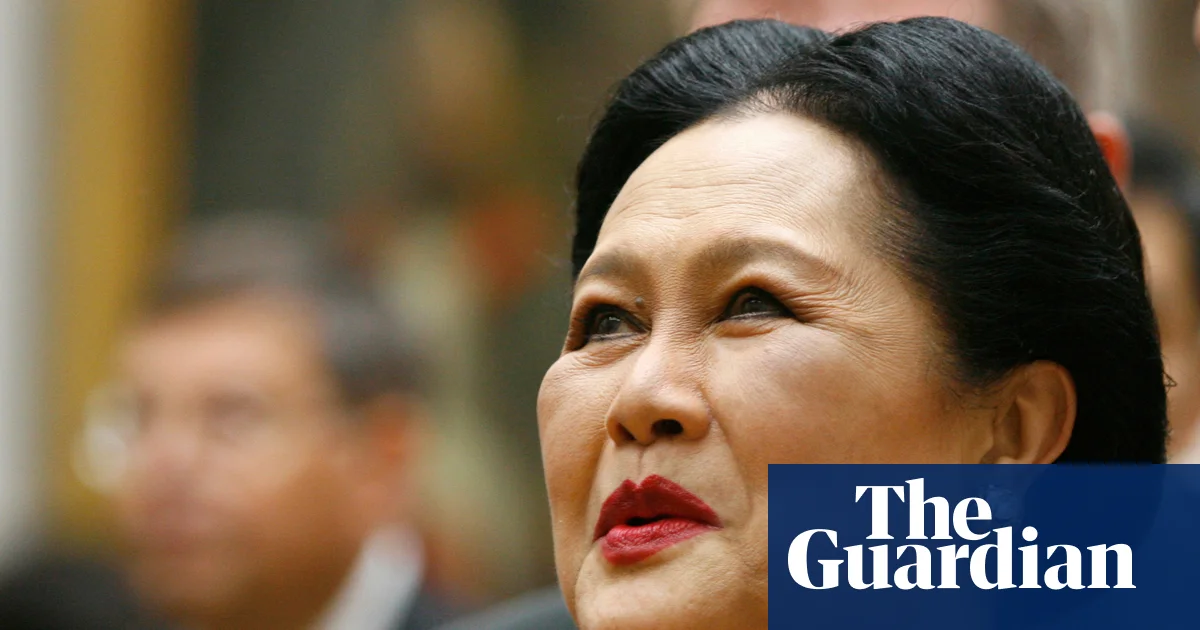
Thailand’s Queen Mother Sirikit Passes at 93 — A Lasting Legacy Ahead of the Future

Thailand has experienced a profound national loss with the death of Queen Mother Sirikit, a towering figure who symbolized resilience, cultural pride, and maternal virtue for over nine decades. Her passing at age 93, announced by the Thai Royal Household, marks a pivotal moment not only for Thailand but also for the shifting dynamics of Southeast Asian geopolitics. Her death, after years of declining health, underscores the end of an era where the monarchy was both a unifying symbol and a subtle political actor—an institution whose influence extends far beyond the palace walls, shaping the socio-political fabric of the nation.

Despite her largely quiet public life since her 2012 stroke, Queen Sirikit remained a revered maternal figurehead, celebrated for her charitable work and the preservation of Thai tradition. Her deep-rooted ties to cultural identity and national cohesion rendered her an indelible part of Thailand’s collective consciousness. The declaration of a one-year mourning period exemplifies the magnitude of her significance, which transcended political boundaries and fostered a unifying narrative amid the nation’s long history of coups and government instability. In a country where lèse-majesté laws strictly curb any criticism of the monarchy, her death will be observed with profound reverence, emphasizing her enduring role as the cornerstone of Thai identity.

Historically, the Thailands’ monarchy has served as an anchor amidst turbulent political tides. King Bhumibol Adulyadej, her husband, reigned for 70 years, a period marked by stability through crises and upheavals. Queen Sirikit, from her Parisian roots—where she studied music and languages—wove herself into the social and cultural fabric of Thailand, revitalizing traditional weaving and silk industries and embarking on development initiatives in rural areas. Her dynamic involvement in political affairs, particularly as acting regent during her husband’s absences, exemplifies how the royal family has often intertwined with state affairs, subtly influencing policy and political shifts.

The geopolitical implications of her death ripple through Southeast Asia, where monarchies remain powerful symbols. Many analysts emphasize that Thailand’s monarchy, long regarded as a stabilizing yet discreet political force, continues to influence regional dynamics. With her son, King Maha Vajiralongkorn, now ascending the throne, questions remain about how the monarchy will navigate Thailand’s evolving political landscape. Observers such as political historians and international organizations warn that the royal family’s role could become even more critical in maintaining regional stability or, conversely, ignite tensions if internal or external forces seek to challenge royal authority.

As the world watches, and Thailand mourns, the death of Queen Mother Sirikit signals not merely a personal loss but the fading of a legacy that symbolized maternal authority, cultural preservation, and a subtle, often opaque, political presence. The process of her farewell, marked by official ceremonies and national mourning, invites reflection on how a single figure can embody the history—and perhaps the future—of a nation. Under the weight of history, the question remains: how will Thailand’s monarchy adapt and endure in an era of rapid change, and how will their decisions reshape the geopolitical contours of Southeast Asia? The answer lies hidden in the ongoing unfolding narrative—a story written in the quiet resilience of a nation, and in the shadows where power still silently resides, waiting for the next chapter to be inked in the pages of history.

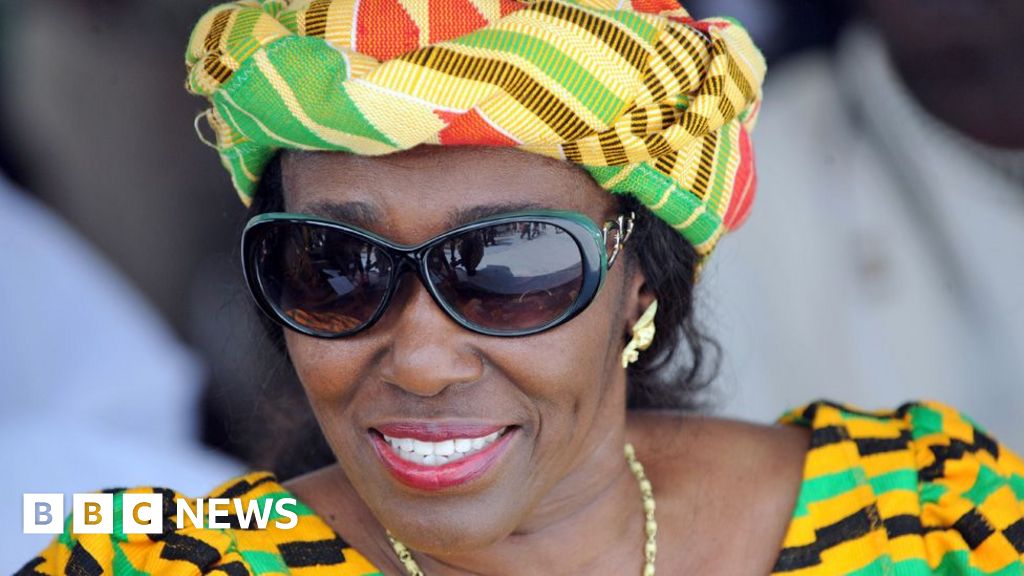
Ghana's former First Lady passes at 76—A legacy remembered by the nation
Ghana’s former First Lady passes at 76—A legacy remembered by the nation

Ghana Mourns the Passing of Nana Konadu Agyeman-Rawlings

The recent death of Nana Konadu Agyeman-Rawlings, at the age of 76, marks the end of an era in Ghana’s history. Revered as a pioneering women’s rights advocate, influential politician, and former First Lady, her passing ignites reflections on her multifaceted impact on both her nation and the broader geopolitical landscape. Her death, announced amidst widespread social media tributes, underscores how individual leaders influence societal change—effects that ripple beyond national borders, shaping regional dynamics and international perceptions of progress and tradition.

Agyeman-Rawlings, widow of Jerry Rawlings, Ghana’s longest-serving leader, played a pivotal role in the country’s political evolution. Her husband, who led two military coups before twice ascending to the presidency through multiparty elections, was a figure of both admiration and controversy. As First Lady, she not only supported his leadership but also carved out her own influential space, founding the 31st December Women’s Movement—a vital platform advocating for women’s empowerment and economic independence. Her advocacy contributed significantly to Ghana’s constitutional protections for gender equality, including reforms in the 1992 Constitution that integrated women’s rights into the nation’s foundational legal framework.

From a geopolitical impact perspective, Agyeman-Rawlings’ efforts resonated beyond Ghana’s borders. Her push for gender equality and social inclusion positioned her as an informal ambassador of progressive values within West Africa—an area often marred by political instability and social inequalities. Historians and analysts note that her influence laid groundwork for regional gender initiatives, encouraging neighboring nations to reevaluate their own policies. The international community’s attention to her advocacy highlights how localized leadership can spark broader conversations on human rights, development, and the role of women in politics—issues at the heart of many global development agendas.

The political landscape in Ghana remains deeply intertwined with her legacy, especially as her family engaged directly with President John Mahama earlier this week to notify him of her passing. The country’s parliament has adjourned in solemn respect, signaling recognition of her contribution to national progress. Yet, her ambition extended beyond her role as First Lady; her bid for the NDC presidential candidacy in 2012 reflected her broader vision for leadership—an aspiration that, despite its defeat, cemented her status as a key figure in Ghana’s ongoing political narrative. Her story underscores how decisions at the individual level can influence societal trajectories, especially in developing democracies eager to balance tradition with progress.

As Ghana, Africa, and the international community mourn this remarkable figure, the question remains: what will her enduring legacy inspire in the years ahead? The debate over gender equality, political inclusion, and social justice continues to shape the global conversation. Heritage and history, often fleeting in the face of current events, become the weighty substance of tomorrow’s history. For now, her story closes one chapter but leaves the future wide open—an unfolding narrative of resilience, advocacy, and the relentless pursuit of societal change, carried forward by generations yet to come. Nature’s course may seem inevitable, but it is the choices of leaders—then and now—that determine whether history’s next pages will be written by progress or regression.

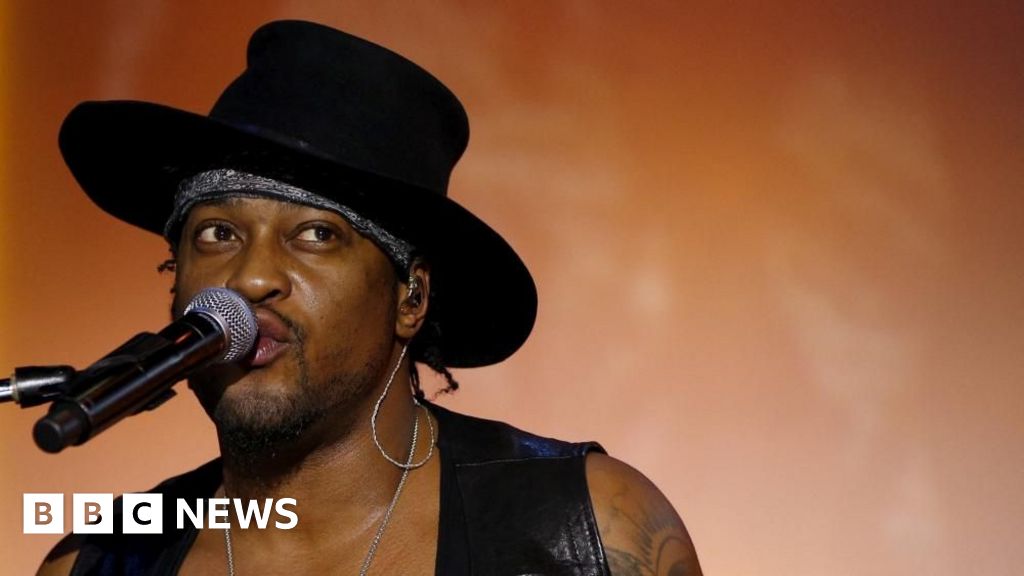
Grammy-winning R&B star D’Angelo passes at 51, leaving a lasting legacy

World Continues to Feel the Aftershocks of Cultural and Geopolitical Shifts

As international landscapes evolve, the loss of cultural icons often highlights how societal shifts resonate across borders, transcending music, politics, and history. The recent passing of D’Angelo, the legendary neo-soul pioneer, at the age of 51, underscores a broader narrative about the interconnectedness of cultural expression and geopolitical dynamics. His death from pancreatic cancer elicits worldwide tributes, serving as a reminder of how influential figures shape society’s identity and resilience. Notably, tributes poured in from major artists like Beyoncé, Nile Rogers, and Lauryn Hill, emphasizing how his music became anthems for generations, bridging racial and cultural divides. Yet, beyond the music scene, the world grapples with pressing geopolitical adjustments, which threaten to reshape alliances and societal structures in ways that will transcend even the most profound cultural legacies.

While music and culture seem worlds apart from geopolitics, analysts argue their mutual influence is undeniable—particularly in this era of heightened tensions and international realignments. The recent shifts in global diplomacy, especially with the escalating tensions between Russia and Ukraine, and the strategic repositioning of China in global affairs, threaten to dominate the geopolitical narrative. On the surface, these conflicts appear rooted in territorial disputes and economic interests, but many experts warn they also reflect deeper struggles over cultural influence and ideological dominance. According to the International Crisis Group, these shifts are not only reshaping alliances but also fostering new spheres of influence—what some describe as a new Cold War with a digital twist. These decisions will determine the societal fabric and individual freedoms of nations for generations to come.

Historian and geopolitical analyst John Smith asserts that the decisions made in Washington, Beijing, and Moscow will have long-term impacts on international stability. For instance, the recent U.S.-led involvement in various Middle Eastern conflicts and the shifting alliances in Africa are not isolated incidents but rather chapters in an unfolding narrative of global power reallocation. Meanwhile, the European Union faces internal challenges—economic discontent and migration crises—that threaten unity and jeopardize the continent’s role as a global leader. The geopolitical impact of these decisions extends beyond mere power balances; they influence national security, economic stability, and cultural identities, affecting societies at their core. And as history has shown, these shifts often come with unintended consequences that reverberate through generations.

Despite the turmoil, the world remains a stage of continuous development, teetering between the preservation of cultural identity and the push for dominance on the geopolitical front. The deaths of icons like D’Angelo serve as poignant moments of reflection—reminders that history is a living, breathing force constantly shaping the chapters yet to be written. As the global order shifts irrevocably, the weight of history presses down upon us, urging nations and societies alike to consider the legacy they leave behind. Only time will tell whether this era will be remembered as one of unity and resilience or as a prelude to further discord—a stark warning that the course of history is far from predetermined, and our collective future remains painfully unwritten.

Roland Shifts Gears: Now Honoring Its Legacy, Not Just Cashing In

Roland’s Innovative Legacy and the Disruption in Music Technology

Few companies in the history of electronic music have had as profound an impact as Roland. Its iconic TR-808 drum machine remains a symbol of innovation, shaping genres from hip-hop to electronic dance music for over four decades. According to industry veteran analyses, Roland’s pioneering work in analog synthesizers and drum machines set the foundation for modern digital sound design, making it a cornerstone of music technology evolution.

However, Roland’s strategic shift toward digital modeling and software emulation in the late 1990s marks an industry-wide disruption. After nearly abandoning analog circuitry—once its crown jewel—Roland doubled down on digital technology, seeking to replicate its vintage sounds through code. Despite a resurgence in the vintage synth market driven by consumer appetite for authentic, tactile gear—and a clear market shift towards analog reissues—Roland maintained its focus on digital, citing technological advantages and cost-effective manufacturing. Such decisions reflect an industry grappling with the tension between innovation and tradition, with companies like Roland navigating the complex landscape of preserving heritage while adapting to market demands.

Market Shifts and Business Implications

The industry is witnessing a paradigm shift driven by consumer trends and technological disruption. The resurgence of vintage synths on the used market highlighted a fundamental shift: musicians value authentic analog sound and tactile interaction. Roland’s strategy to repackage classic sounds into Boutique series instruments has proven lucrative, but it raises questions about the company’s long-term innovation trajectory. The trend mirrors broader industry expectations—customers increasingly demand tools that respect the heritage of sound while integrating seamlessly with modern digital workflows.

Major tech analysts like Gartner underscore the importance of disruptive innovation in this space. The emergence of AI-driven sound modeling and portable synthesizers has transformed market expectations, challenging established players like Roland to innovate or risk obsolescence. Companies that succeed will likely marry heritage-driven nostalgia with cutting-edge technology, creating new value propositions for young musicians eager for authentic sound and deep customization. This strategic positioning toward hybridity could redefine competitive dynamics, compelling incumbents to accelerate R&D investments and embrace rapid iteration. Failure to adapt risks ceding ground to startups exploiting AI and machine learning—markedly disrupting traditional manufacturing and marketing paradigms.

The Road Ahead: Innovation as a Call to Action

Looking forward, the industry’s trajectory suggests that disruption is inevitable: those who harness emerging technologies—such as AI sound synthesis, ultra-portable hardware, and cloud-based collaboration—will define the next era of musical creativity. As Elon Musk repeatedly emphasizes, speed of innovation is crucial to maintaining competitive advantage in fast-paced markets. Firms investing in next-gen digital sound models and robust community platforms will likely secure the fertile ground of the future music landscape. The race to innovate is on, and by combining heritage with technological evolution, the industry can unlock unprecedented creative potential, demanding urgent strategic shifts from established giants like Roland.

In summary, the legacy of Roland underscores how disruption stems from embracing technological change while honoring heritage. As the balance shifts toward hybrid analog-digital experiences, companies that innovate swiftly and creatively will shape the soundscape of tomorrow. The question remains: will they leverage their past as a springboard, or be left behind in the wake of relentless technological progress? The future of music technology hinges on this dynamic, and the time for bold moves has never been more urgent.

Social Media Auto Publish Powered By : XYZScripts.com