Matox News

Truth Over Trends, always!

Katherine Short, descendant of Hollywood legend Martin Short, passes away at 42–A loss for American television and culture

In recent weeks, the solemn news of Katherine Short’s passing has cast a poignant shadow over the world of culture and society. At just 42, Katherine—daughter of the illustrious actor and comedian Martin Short—embodied a life marked by quiet resilience and compassionate service. Her journey—rooted in the sanctity of tradition and the pursuit of genuine human connection—serves as a reminder that culture is more than fleeting entertainment; it is the sacred vessel of our collective identity. Her dedication to social work and mental health advocacy underscores the vital role that individuals rooted in cultural and moral values play in weaving the moral fabric of society.

While Katherine maintained a modest profile, her work exemplified a reverence for human dignity, echoing the wisdom of thinkers like G.K. Chesterton, who championed the importance of moral imagination and the reaffirmation of age-old virtues in a society increasingly consumed by superficiality. Katherine earned her degrees in psychology and social work, yet her true legacy resides in her efforts to foster empathy and understanding—values that seem ever more vital in a modern age beset by alienation. Her involvement with organizations like Bring Change 2 Mind reveals an unwavering belief that society flourishes only when rooted in genuine community and the acknowledgment of shared struggles—a truth that resonates with the classical thought that culture stems from a collective memory which guides societal morality.

Her story also brings into focus a broader cultural question: how do we confront our vulnerabilities before they become tragedies? The loss of Katherine to an apparent act of self-harm highlights the urgent need for society to nurture mental health not merely as a clinical concern but as a moral and cultural imperative. As T.S. Eliot suggested, culture is a kind of continuous purification—an ongoing effort to elevate our collective consciousness. We are reminded that beneath the glitter of Hollywood’s bright lights lies a fragile human reality—an echo of the perennial tension between individual suffering and societal understanding. The importance of recognizing and preserving this moral dimension in our collective life was well articulated by thinkers like Alexis de Tocqueville, who warned that democracy—while promising equality—demands the cultivation of civic virtue and shared values. Katherine’s life, though short, was a testament to such virtues: empathy, service, and hope.

As the cultural currents continue to shift, it is vital to remember that culture is both memory and prophecy; it is the mosaic of our past that guides us towards future generations. In honoring Katherine Short’s legacy, we acknowledge that true culture—deeply rooted in tradition and moral purpose—is the foundation upon which societies not only survive but flourish. Let us see her life not merely as an endpoint but as a call to preserve the moral imagination that breathes life into our collective story, and to remain ever vigilant in our commitment to uphold the timeless virtues that shape the human spirit—virtues that, like poetry, transcend mere words and become the very essence of what it means to be truly human.

Lily Collins Channels Hollywood Legend as She Lands Role as Audrey Hepburn in ‘Breakfast at Tiffany’s’ Biopic

Hollywood Revisits the Iconic Audrey Hepburn with Modern Hollywood Talent

The allure of Hollywood legends never fades, yet it continually morphs to reflect the culture’s shifting tastes. The latest buzz involves Lily Collins, a rising star known for her role in Netflix’s Emily in Paris, taking on the mantle of Audrey Hepburn in an upcoming film about the iconic actress’s early career—specifically, her involvement in the 1961 classic Breakfast at Tiffany’s. This project, based on Sam Wasson’s nonfiction book Fifth Avenue, 5 AM, aims to peel back the curtain on Hollywood’s golden age and explore the social dynamics of the early 1960s. It’s not just a biopic but a cultural reflection—an attempt to recenter Hepburn’s legacy within contemporary conversations about gender, fame, and societal expectations.

The Cultural Response: Revisiting Classic Icons in a New Light

The decision to cast Collins as Hepburn signals more than just a starlet’s career move; it embodies a broader shift in how Hollywood treats its legendary figures. Amidst debates over representation and historical narratives, this film seeks to contextualize Hepburn’s early filmography, including her role in the glamorized yet complex Breakfast at Tiffany’s. The film’s focus on her early career will likely explore her transformation from a rising star into a cultural icon—a narrative resonant with the populist desire to humanize idols. Sociologists and film analysts see this as a reflection of society’s ongoing quest to redefine classic icons, making them relevant to a new generation that is eager to find authenticity in their role models.

From Hollywood Myth to Social Media Reality

In a context where viral reputation often eclipses traditional fame, this project underscores the way cultural icons are continually reinterpreted. Influencers and social commentators praise the trend of rebooting classics, noting that it’s about reclaiming narrative agency—presenting a fuller picture of Hepburn beyond her image as a ‘perfect’ starlet. The film’s production also stirs questions about authenticity in storytelling; how do Hollywood’s reimaginings impact public perception of historic figures? Critics like cultural theorist Dr. Jane McMillan argue that these projects serve as both homage and revision, shaping the future social relevance of timeless icons.

The Future of Classic Icons in a Youth-Oriented Culture

  • Influencers increasingly blend historicals with modern sensibilities, creating a hybrid nostalgia that appeals to youth audiences
  • Social platforms amplify discussions on iconography, often critiquing or celebrating the reinterpretation of historic figures
  • Upcoming films like Collins’ Hepburn project hint at a trend towards complex, layered portrayals that seek to humanize larger-than-life personalities

As Hollywood’s attention turns back to its legendary figures, one question lingers: Are these revisitations about honoring true legacy or reshaping it for today’s sensibilities? With the cultural landscape rapidly evolving, the real story might not be just about Hepburn or Collins, but about the next stage of icon-making itself: an era where social storytelling shapes history—and perhaps, even defines who we consider heroes in the future.

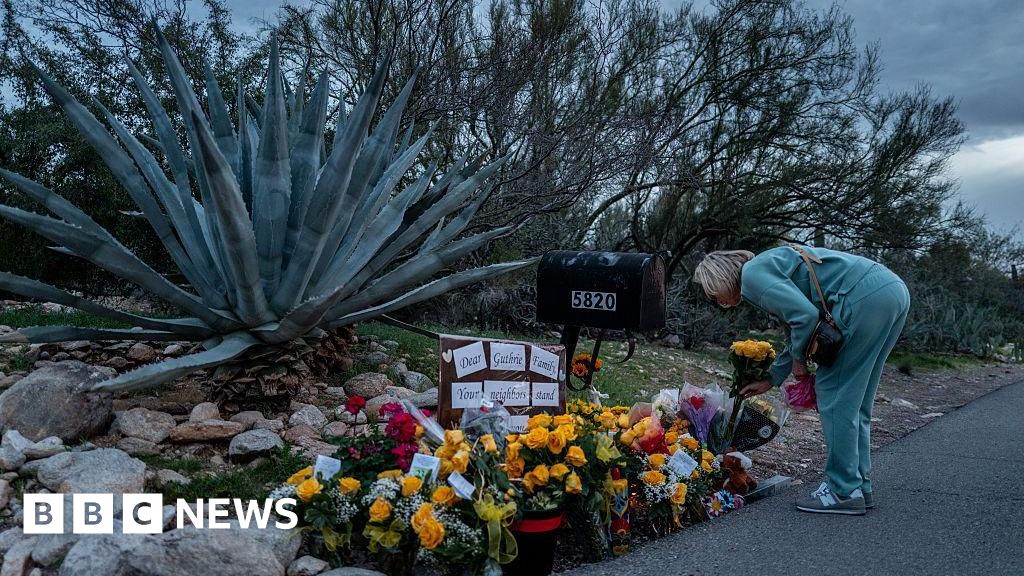
Abduction, Bitcoin Demand, TV Legend: Why Nancy Guthrie’s Case Rocks America

Global Attention Turns to Alleged Abduction as Savannah Guthrie’s Fame Sparks International Concern

In recent days, the world has been captivated not only by entertainment news but by a deeply troubling incident involving the mother of NBC’s prominent journalist, Savannah Guthrie. Her mother’s reported abduction has ignited a wave of international concern, exposing vulnerabilities within global security frameworks and raising alarm about the safety of families connected to influential figures. This event, amplified by Guthrie’s fame, has unexpectedly thrust an isolated criminal act into the spotlight with profound geopolitical ramifications, revealing how personal tragedies can echo far beyond national borders.

The case has become a subject of frantic coverage across international media outlets, with some analysts describing it as “a stark reminder of the vulnerabilities faced by public figures and their families”. While initial reports remain sketchy, sources suggest that the abduction could be linked to escalating geopolitical tensions, with some experts noting that such incidents often serve as tools for intimidation or political messaging. International law enforcement agencies, including INTERPOL, have issued alerts, emphasizing the importance of cross-border cooperation. The incident, seemingly personal, thus takes on a broader geopolitical significance—highlighting the fragile nexus between private security and national stability.

Scholars and analysts tracking the unfolding situation point to the underlying influence of international tensions and the growing use of covert operations by various state and non-state actors. According to a report by the International Crisis Group, such events can often be manipulated for strategic leverage, aiming to unsettle political climates or distract from broader issues like economic instability or military conflicts. The U.S. State Department and other regional security institutions are reportedly engaged behind the scenes, assessing whether this incident is an isolated crime or part of a larger pattern of targeted intimidation aimed at affecting the morale of influential personalities.

Historically, incidents involving prominent families connected to media and political spheres are not unprecedented. Some experts, including noted historian Dr. Elizabeth Hartwell, draw parallels with Cold War-era espionage, where personal vulnerabilities were exploited as means of psychological warfare. Guthrie’s prominence ensures that her family’s plight garners widespread attention, which could serve as a cautionary tale underscoring the importance of international cooperation and stronger security measures. Failure to address these vulnerabilities risks emboldening those who threaten societal stability, illustrating how individual cases can precipitate wider geopolitical shifts and societal upheavals.

As the world watches, the decision-makers face a critical moment. The ability of international institutions to respond effectively, while safeguarding the rights and safety of all citizens, underpins the current crisis’s gravity. The unfolding narrative underscores that, amidst this chaos, we are witnessing a pivotal chapter in the ongoing struggle to preserve national sovereignty and societal resilience. As Savannah Guthrie and her family navigate this harrowing chapter, history looms—a relentless reminder that, in a world increasingly interconnected, the line between personal tragedy and geopolitical turmoil is often disturbingly thin. The future remains uncertain, but the echoes of this event will surely resonate through the corridors of power, shaping policy and security paradigms for years to come.

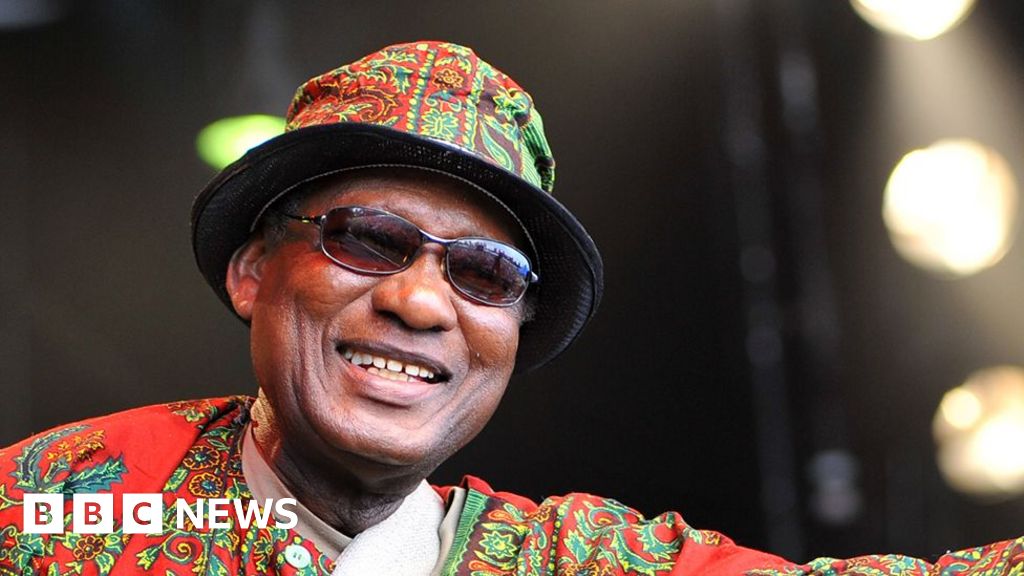
Renowned Ghanaian Highlife Legend Ebo Taylor Passes at 90

In an era where cultural exchanges increasingly influence international diplomacy and societal perceptions, the work of pioneering musicians often transcends entertainment to shape global narratives. A notable figure—an accomplished guitarist, composer, and band leader—has emerged as a symbol of this cultural diplomacy. Fusing Ghanaian music with funk, this artist has crafted tracks that resonate far beyond the stage, echoing in global markets, diplomatic circles, and cultural exchanges. This fusion exemplifies how artistic innovation can serve as a subtle yet potent form of soft power, influencing societal perceptions and fostering cross-cultural understanding amid a turbulent geopolitical landscape.

The genre-bending music of this Ghanaian artist underscores the enduring importance of cultural sovereignty as nations seek to preserve their identity while engaging with global audiences. His work, sampled worldwide, showcases the interconnectedness of contemporary societies and highlights the strategic importance of cultural exports. Analysts and historians observe that while music may seem apolitical, its reach and influence ripple through geopolitical currents, offering nations a platform to assert their unique identities on the world stage. In a time of rising nationalism, the ability to export cultural artifacts becomes both a soft power tool and a subtle act of resistance against homogenizing forces of globalization.

International organizations and regional alliances are increasingly cognizant of cultural diplomacy’s importance. By integrating traditional Ghanaian sounds with global genres like funk, the musician not only elevates his homeland’s cultural profile but also subtly alters international perceptions. Such artistic endeavors complement diplomatic efforts, revealing the nuanced layers of influence that shape geopolitical realities. Experts from think tanks and diplomatic institutions argue that the sustained global popularity of such musical acts signals a shift—soundtracking a new era where cultural influence is intertwined with political strategy. In this context, the musician’s success could be seen as a modern form of soft power, echoing historical instances where cultural exports served as diplomatic leverage during Cold War rivalries or post-colonial nation-building efforts.

As the world watches with cautious optimism and strategic skepticism, the ongoing influence of this artist highlights a larger truth: history is still being written, and cultural symbols often carve the path of international relations as much as treaties or military alliances. His music, a vibrant tapestry woven from Ghanaian roots and global funk, embodies a broader narrative where art and geopolitics are inseparably linked. The outcomes of these cultural exchanges could yet shape future alliances, redefine national identities, and influence the societal fabric across continents. In the unfolding story of the 21st century, this fusion of sound reminds us that history’s next chapter is always in motion—its pen held loosely in the hands of those who dare to innovate.

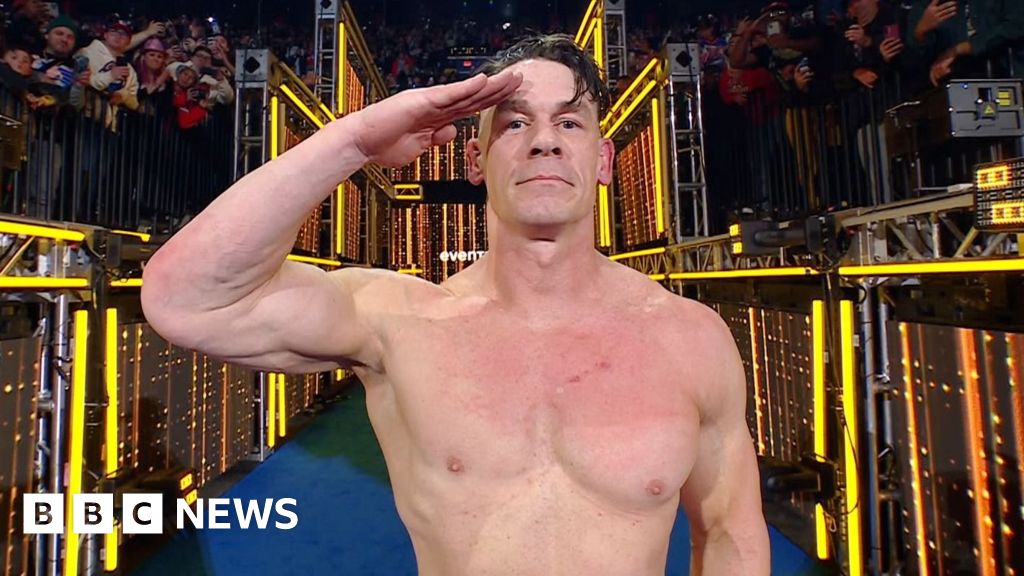
John Cena Retires After Final WWE Bout — A Legend Leaves the Ring

In a momentous event that transcended sports entertainment, US actor and wrestler John Cena officially concluded his illustrious 24-year career in professional wrestling with a final match held in Washington on Saturday night. Cena, aged 48, is renowned not only for his in-ring exploits but also for his influence as a global cultural icon, symbolizing resilience, American entertainment mastery, and international popularity. His retirement, announced earlier in July 2024, reflects the physical toll that decades of high-intensity performance take on even the most dedicated athletes. Nevertheless, Cena’s continued involvement as a WWE ambassador ensures his ongoing influence within the industry, reaffirming the strategic importance of entertainment figures in global soft power initiatives.

The international geopolitical landscape is increasingly shaped by cultural diplomacy—where figures like Cena often serve as de facto ambassadors. His role in promoting American values and entertainment underscores the soft power leveraged by the United States, especially in regions where media and popular culture are carefully calibrated tools of influence. Analysts note that Cena’s global appeal extends beyond the ring, fostering transnational connections that indirectly bolster diplomatic standing. Meanwhile, some international leaders—particularly within Europe and Asia—recognize the significance of such cultural icons as part of a wider strategy to influence public opinion and garner support for American policies worldwide.

  • The sport entertainment industry’s evolution reflects broader geopolitical shifts, with alliances formed through shared cultural experiences and international fan bases.
  • Retirement events for icons like Cena often serve as pivotal moments, symbolizing transitions in global power dynamics, especially as new generations of entertainment and sports figures emerge.
  • Organizations like the United Nations and various think tanks emphasize the importance of understanding these cultural influences in shaping international relations.

Though Cena may have hung up his boots, his departure signals a larger narrative—one where the lines between entertainment, nationalism, and international diplomacy continue to blur. Observers like historians and geopolitical analysts warn that such shifts demand careful scrutiny; as global conflict zones simmer and alliances shift, every cultural pivot could herald new alignments. Facing an uncertain future, nations must consider how their cultural ambassadors—whether in sports, entertainment, or media—impact not just public sentiment, but the geopolitical balance itself.

As history unfolds in real-time, Cena’s farewell is a stark reminder: in the grand chessboard of global influence, every move, every icon, carries weight—shaping the future of nations and societies. The echoes of this final act resonate far beyond the ring, reminding us that the power of soft influence endures, even as the once-untouchable champions of yesterday pass into legend. This chapter may close, but the saga of cultural power remains ongoing—ever more compelling, ever more crucial for those who understand the language of influence and the persistent march of history.

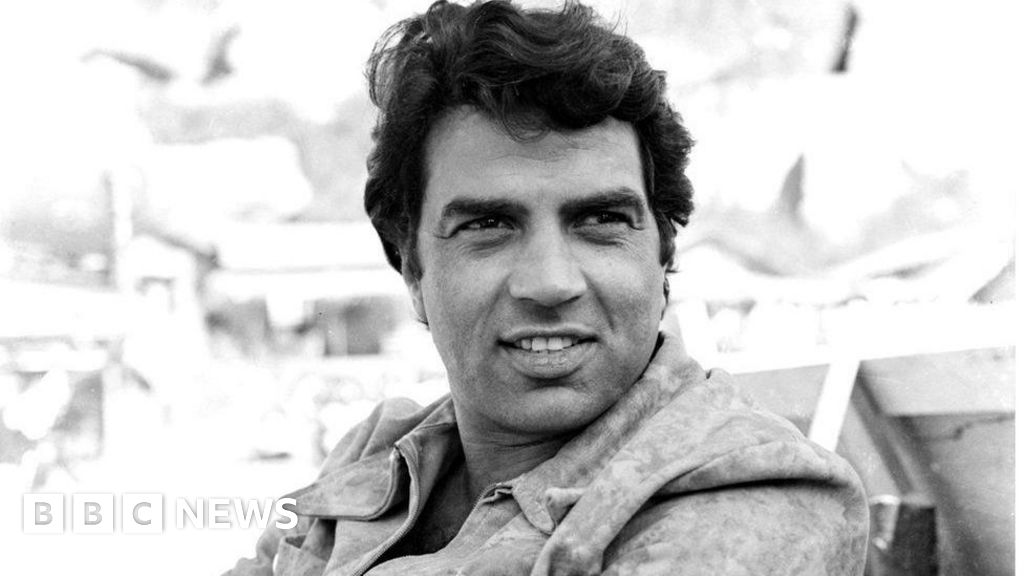
Celebrating a Legend: Bollywood's Icon Dharmendra Passes Away at 89
Celebrating a Legend: Bollywood’s Icon Dharmendra Passes Away at 89

The influence of cultural icons extends far beyond their immediate entertainment industry, shaping perceptions and societal values on a global scale. Among these, the legendary Dharmendra remains an enduring symbol, primarily renowned for his role as Veeru in the celebrated Indian film Sholay. His status as one of India’s most handsome actors is a testament to how cultural branding can transcend national borders, fostering soft power that influences regional identities and cultural diplomacy. In a world increasingly interconnected, the narratives woven by such figures contribute to a subtle but persistent cultural diplomacy that often underpins larger geopolitical strategies.

However, the interplay between cultural influence and geopolitical decision-making is complex. As international organizations and political leaders analyze shifts across nations, it becomes clear that cultural figures can serve as unwitting ambassadors, shaping perceptions of national strength and societal resilience. The global reputation of Indian cinema, propelled by icons like Dharmendra, plays a crucial role in shaping the country’s soft power, which in turn impacts diplomatic relations and economic partnerships within the BRICS alliance and beyond. More importantly, these influences are not static; they evolve with shifting political terrains and cultural exchanges, which are carefully mapped by international think tanks and analysts.

Current geopolitical landscapes are marked by a flurry of decisions—treaties, economic sanctions, and military alliances—that influence the stability and future of nations. Recent international shifts, such as the evolving dynamics between China, the United States, and Russia, have been closely scrutinized by historians and analysts eager to decode the pathways of global power. These shifts often have profound implications for societies worldwide, affecting everything from trade routes to individual freedoms. The role of cultural diplomacy surfaces as an understated but potent force, directly impacting nations’ policies and citizens’ perceptions amidst these turbulent changes.

As history continues to unfold, one must heed the warnings of experts who emphasize the importance of understanding the intricate web of cultural influence and geopolitical strategy. The recent prominence of influential cultural figures reminds us that societal values are often intertwined with the grander narratives of power and resistance. With every political move and cultural milestone, the trajectory of nations is altered—sometimes subtly, sometimes dramatically. What remains certain is that the pages of history are being written now—an epic saga of power, identity, and influence—where each decision leaves an indelible mark on the collective future of humanity, and the shadow of the past looms large over the unfolding story.

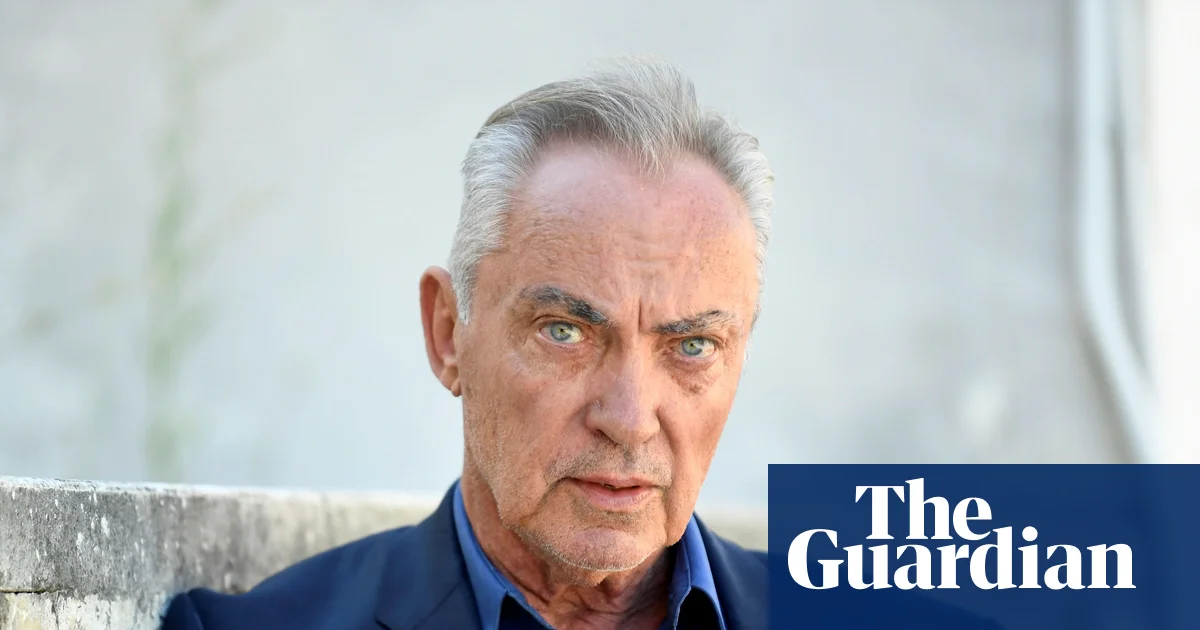
German acting legend Udo Kier, iconic star from indie to blockbuster, passes at 81

As the world stands at a pivotal juncture, it is vital to recognize how history’s chessboard continues to shift beneath our feet. Recent events serve as stark reminders that international decisions—ranging from military interventions to economic treaties—carry consequences that ripple through societies and shape the geopolitical landscape. The actions of major powers today echo the lessons of the past, emphasizing that the true cost of inaction or miscalculation can be measured not just in diplomatic terms, but in the loss of human lives and enduring societal upheaval. Organizations like the United Nations have long proclaimed the importance of diplomacy, yet their efficacy remains questioned amidst ongoing global destabilization, revealing a stark disconnect between rhetoric and reality.

The struggle over influence and sovereignty continues unabated, with recent conflicts exposing how fragile peace truly is. From the resurgence of regional conflicts to the contentious negotiations over trade and security agreements, the dynamic underscores that every alliance, every ceasefire, and every policy shift is a double-edged sword. Historians and analysts warn that such decisions often serve as turning points—defining nations’ futures. For instance, some argue that the breakdown of longstanding treaties accelerates the descent into chaos, echoing the diplomatic failures leading to the Second World War. In today’s interconnected world, any misstep has immediate consequences—affecting global markets, fueling refugee crises, and threatening democratic stability. Governments must internalize the lessons of history, understanding that the decisions made in the corridors of power today are often the catalysts for tomorrow’s widespread unrest.

Within this complex matrix, international institutions are called to task for their role—or lack thereof. Many see organizations like the European Union and NATO as crucial stabilizing forces; however, their effectiveness is often undermined by internal disagreements and external pressures. Meanwhile, emerging powers are recalibrating their strategies, challenging the existing international order. How nations navigate these choppy waters will determine whether the future is marked by cooperation or conflict. Experts caution that the mounting geopolitical tensions could result in a new global era characterized by power struggles reminiscent of Cold War rivalries. Yet, beyond the strategic calculations are the societal devastations—homes destroyed, communities shattered, and lives unalterably changed. The weight of history insists that these choices are not made in a vacuum but are woven into the fabric of human destiny, compelling nations to face the enduring truth that peace remains the most fragile of illusions.

As the pages of history continue to turn, the world watches with bated breath. The delicate balance of power teeters on the brink, and the looming shadow of unresolved conflicts reminds humanity of its ongoing voyage through tumult and hope. The decisions taken today will echo through generations, etching new chapters in the annals of history. Will future scholars look back and see a world that learned from its past, or one doomed to repeat its worst mistakes? The answer lies in the choices made now—choices that will determine whether the dawn of a new era will be heralded by renewed cooperation or overshadowed by an inescapable descent into chaos. The unfolding story of geopolitics is far from over; it remains an indelible imprint on the canvas of human history, awaiting the final strokes of those in power who shape our destiny.

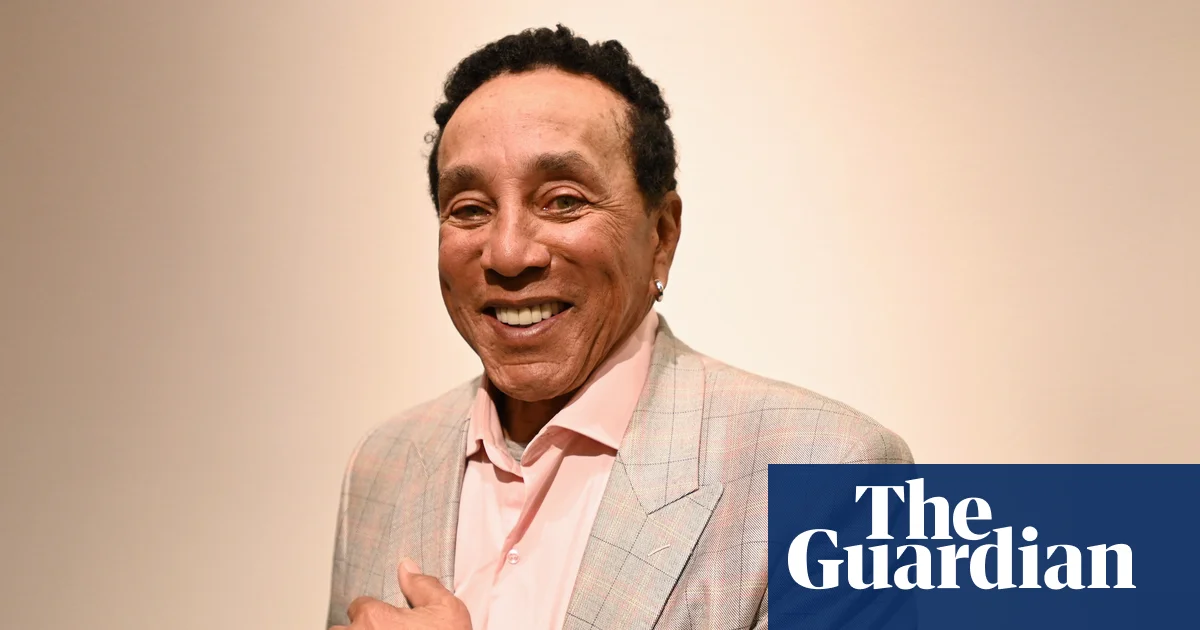
Ex-Employees Accuse Smokey Robinson of Sexual Assault—Allegations Shake the Music Legend

Controversy Surrounds Music Legend Smokey Robinson Amid Allegations and Legal Battles

The music industry’s legendary figure, Smokey Robinson, faces a rising tide of legal and ethical challenges that threaten to cast a long shadow over his storied career. Allegations of sexual assault have now been leveled against the 85-year-old icon by additional former employees, including both men and women. These accusations come amidst a broader context of increased scrutiny over power abuse and misconduct in the entertainment sector. The recent addition of two anonymous accusers to a pending lawsuit underscores the gravity and complexity of the allegations, which have already resulted in a high-profile legal confrontation.

The allegations describe disturbing incidents involving Robinson’s conduct, with one former male employee claiming he was exposed to inappropriate behavior and attempted sexual contact, while a female housekeeper alleges persistent attempts to coerce physical acts from her during personal moments. Robinson’s lawyer, Christopher Frost, dismissed these claims as part of a alleged conspiracy, asserting that the accusations are designed to generate adverse publicity and financial gain for the plaintiffs. Such rhetoric echoes a pattern often seen in high-profile cases, where defenses frame allegations as malicious attempts at extortion, complicating the quest for truth and justice amid an age of relentless media scrutiny. How these allegations influence the legacy of a cultural icon remains a subject of intense debate among analysts and historians alike.

International Implications of Legal and Social Reckoning

The controversy surrounding Robinson transcends national borders, as his ongoing performances at events like the UK’s Love Supreme jazz festival and London’s Eventim Apollo continue despite the allegations. This raises important questions about international cultural diplomacy and the societal appetite for distancing art from the artist amid serious accusations. Decisions made at this crossroads can serve as a reflection of broader societal values—whether to separate artistic achievement from personal misconduct or to hold cultural icons accountable for their actions. Democracy and justice advocates warn that silence or inaction amid such allegations could embolden misconduct, while defenders of Robinson’s legacy argue for due process and the presumption of innocence.

Global institutions and legal experts emphasize that the case exemplifies a wider trend: the erosion of unchecked immunity traditionally granted to celebrities and influential figures. The MeToo movement has significantly reshaped norms, compelling society to confront uncomfortable truths about power and exploitation. Analysts have noted that this case underscores the importance of legal transparency and victims’ rights, contrasting sharply with claims of conspiracy and profiteering made by Robinson’s representation. The international scene watches closely, as the outcome may influence policies and societal attitudes toward celebrity accountability in a rapidly changing social landscape.

The Weight of History and the Unfolding Saga

As the legal battle unfolds, Smokey Robinson’s legendary musical legacy remains influential, but now intertwined with enduring allegations that threaten to redefine his public narrative. Recognized for iconic hits with The Miracles and groundbreaking contributions to the Motown sound, Robinson’s music has become a cornerstone of American cultural history. Yet, in a time where societal values demand accountability, his story exemplifies the complex intersection of fame, morality, and justice. This turbulent chapter in Robinson’s life leaves a haunting question: will history remember him solely for his artistic genius, or as a symbol of accountability in an era of social change? With each legal development, society inches closer to a verdict that could reverberate far beyond the stage, echoing through the annals of history as a pivotal moment where personal conduct and societal expectations collide.

Italian legend makes bold new statement—look at this unexpected transformation!

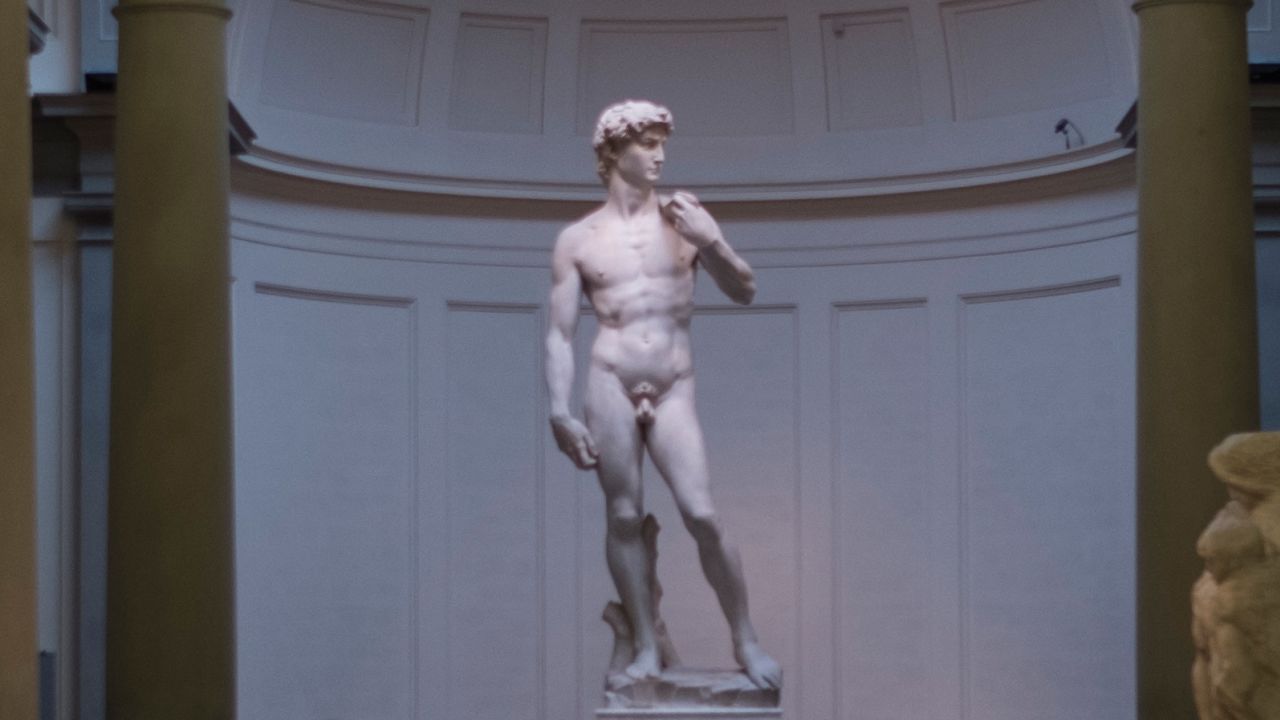
Italy, the cradle of the Renaissance and a symbol of timeless artistry, is embracing a new chapter of rejuvenation and innovation that resonates with today’s shift toward wellness and experience-driven travel. In Florence, the home of masterpieces like Michelangelo’s David, recent renovations are not just about aesthetics—they are about redefining how visitors engage with history, art, and culture. The €3 million upgrade of the Accademia Gallery exemplifies a broader movement in Italy’s cultural scene: transforming venerable institutions into vibrant, interactive spaces that prioritize both aesthetic brilliance and energy efficiency.

The centerpiece of this artistic renaissance is the reimagining of Michelangelo’s David. Thanks to an advanced lighting system installed recently, the statue’s marble surface now unveils details previously hidden in shadows or under dull lighting. As Lucia Lazic, a guide with intimate knowledge of the gallery, recounts, “A few days ago, I noticed muscles I’d never seen before—the lighting here truly illuminates the work’s dynamism.” This upgrade has not only elevated the visual experience but also highlighted the fine chisel marks that define Michelangelo’s mastery—a testament to the power of thoughtful lighting design. The new system, which mimics natural sunlight and shifts subtly throughout the day, allows visitors to see the statue in different lights, each revealing new facets of this iconic masterpiece.

But this revitalization reaches beyond David; it’s a signal that Italy’s cultural landmarks are evolving into multidimensional experiences. The gallery’s interiors have been repainted with hues that accentuate the artwork, from a vivid blue in the Sala del Colosso to pale greens in medieval rooms—colors carefully selected to complement the historic art. Furthermore, modifications to the Gipsoteca—the plaster cast gallery—now include modern amenities such as air conditioning and improved layout, transforming what was once a hurried-through space into a leisurely sanctuary for art lovers. Such changes reflect a cultural shift where wellness and mindful engagement with history are becoming central to the tourist and local experience alike. Noted cultural curator Dario Franceschini points out that these renovations are “an important step in bringing the Accademia into the 21st century,” blending tradition with a contemporary approach that prioritizes visitor comfort and engagement.

  • Visit during different times of the day to see the changing light on David and other artworks.
  • Participate in cultural events to experience the gallery beyond just viewing.
  • Respect the enhancements that honor, and not disturb, the integrity of these ancient works.

This approach underscores a broader philosophy within Italy’s cultural strategy: preserve its heritage while making it accessible and lively for new generations. The renovation projects have been lauded for their energy-efficient solutions, which cut electricity use by approximately 80%, aligning with global efforts to sustain cultural preservation in an environmentally responsible manner. As museums become dynamic hubs for learning and leisure, they serve as a reminder that art and history are not static but living, breathing elements of our daily lives. The Florence renovations symbolize this beautifully: a fusion of craftsmanship and innovation, respect and renewal.

As one gazes upon Michelangelo’s David now illuminated in new light, the experience transforms from mere observation into a personal revelation—an invitation to reflect on how embracing change can illuminate the enduring spirit of human achievement. The journey of cultural renewal, much like life itself, is continuous, urging each visitor to see with fresh eyes and discover hidden stories etched in stone and pigment. As Italy invites us into its stories and masterpieces, perhaps the greatest lesson lies in the understanding that history’s beauty is elevated through thoughtful reinvention, inspiring the next generation to carry its legacy into a bright, modern future.

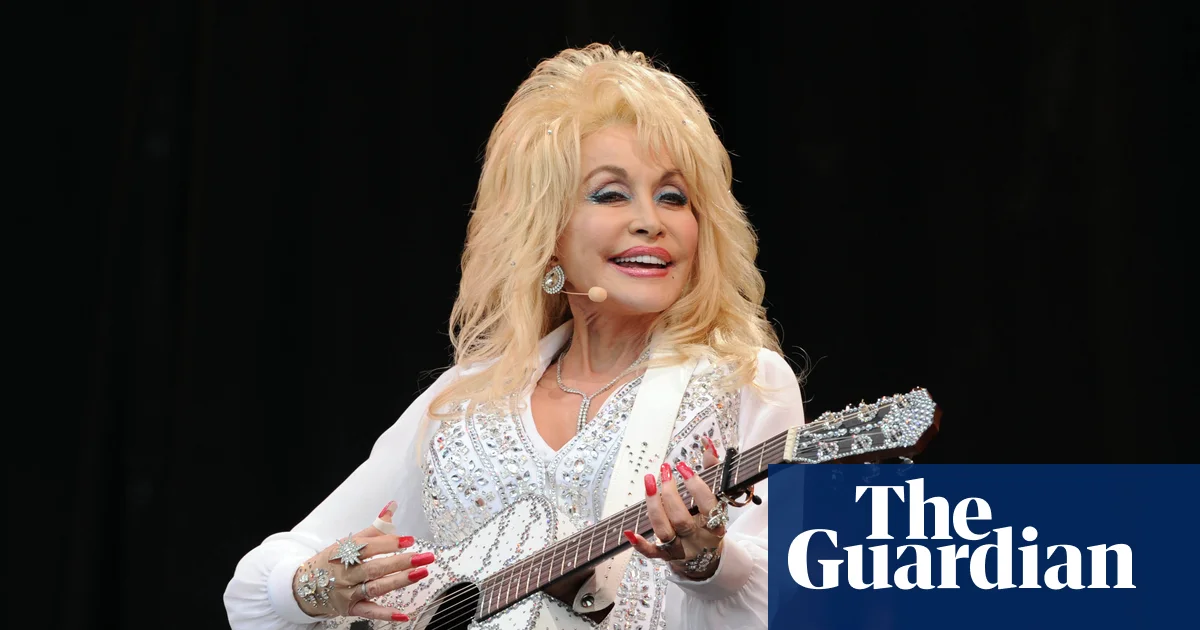
Dolly Parton’s Sister Urges Fans to Pray as Country Legend Faces Health Challenges

The recent health challenges of iconic singer Dolly Parton have ignited a wave of concern across the cultural and political landscapes worldwide. While her condition remains undisclosed, the narrative unfolding around her situation highlights the vulnerabilities that even the most celebrated figures face and underscores the profound interplay between personal health crises and global societal reflections. Parton’s *postponement* of her highly anticipated Las Vegas residency, scheduled for December, signifies more than a mere career setback; it symbolizes the fragile balance between individual vitality and the relentless march of time—a theme echoing in the corridors of world power and international diplomacy.

Analysts note that the singer’s appeal, rooted in her resilience and connection with fans, mirrors a broader societal phenomenon: the collective search for strength amidst uncertainty. As Parton emphasizes her *faith in divine intervention* and her *determination to preserve her legacy*, some international commentators are drawing parallels with geopolitical figures who confront similar *health setbacks*—notably *heads of state* and *global corporate leaders*. According to the World Health Organization, the health stability of leaders impacts diplomatic stability, with leadership crises often exposing underlying vulnerabilities of national governance. The absence or diminished presence of influential figures can cause shifts in international alliances, economic confidence, and societal morale, much like the ripple effects felt within the entertainment industry when a star like Parton faces *health setbacks*. For nations, enduring their own health emergencies amid global crises, the narrative of resilience and renewal takes on critical importance.

Experts argue that moments such as these serve as a *metaphor for the geopolitical landscape*, where decisions stemming from *internal crises* either accelerate a nation’s progress or expose its weaknesses. Historians warn that when leadership figures fail to project strength, be it through health vulnerabilities or political upheaval, the resulting uncertainty can embolden adversaries and weaken alliances. International organizations, meanwhile, contend that such instances reaffirm the need for robust health infrastructures and contingency planning—essential for maintaining not just individual well-being but global stability. In this era of unpredictable crises—whether medical, environmental, or socio-political—the question remains: how do nations respond when their leaders or icons falter?

As the world continues to grapple with the *ravages of unforeseen crises*, the story of Dolly Parton reminds us that even cultural icons serve as powerful symbols of endurance. Her decision to defer her *Las Vegas* comeback, citing *medical procedures*, epitomizes a universal truth: the endurance of societal values depends on resilience and mitigation. As international actors watch her health saga, they recognize that the *timing* of crises can redefine narratives, reshape alliances, and influence cultural and political legacies. The ongoing chapter of her life, intertwined with a broad tapestry of human vulnerability, serves as a stark reminder that history’s true turning points often emerge from the shadows of these personal battles. And as history watches, the question persists—how will nations—and indeed the world—weather its next great upheaval? The weight of destiny remains, as ever, suspended on the fragile thread of hope and resilience in an unpredictable world.

Social Media Auto Publish Powered By : XYZScripts.com