Matox News

Truth Over Trends, always!

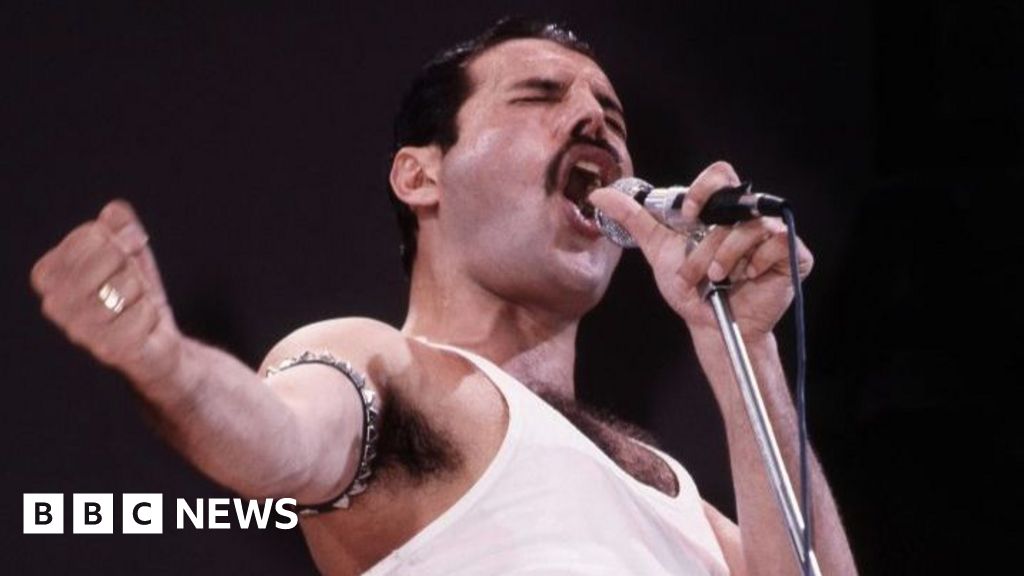
Royal Mint honors rock icon Freddie Mercury with exclusive collectible coin—celebrating a legendary artist for a new generation

Culture remains the heartbeat of a society’s identity, its tradition, and its collective memory. In an era characterized by rapid change and fleeting trends, institutions like The Royal Mint serve as custodians of something enduring—preserving symbols that connect generations across time. The recent issuance of a commemorative Freddie Mercury coin, timed to honor the 40th anniversary of his legendary Live Aid performance, exemplifies this profound intersection of culture and history. Here, a tangible artifact encapsulates not only Mercury’s extraordinary vocal talent but also the enduring spirit of the values he embodied—passion, innovation, and a resolute dedication to artistry. It reminds us that in every note played and every story told, culture becomes the vessel through which a society maintains its sense of purpose, resilience, and legacy.

The design of the coin itself acts as a symbolic capsule, depicting Mercury mid-performance, his head thrown back in expressive energy—a portrait that captures “passion and the joy he brought to millions,” as his sister Kashmira Bulsara expressed. Encircling it, a musical stave ranging from bass to treble speaks to Mercury’s **four-octave vocal range**, a reminder of the transcendental power of musical mastery. The inclusion of his autograph further personalizes this tribute, asserting that the cultural icon is immortalized not just as a performer but as an enduring symbol of individual excellence. The studded armband etched into the coin, reminiscent of Mercury’s **Live Aid** outfit, evokes a moment of cultural convergence—where style, performance, and cultural activism intertwine. This coin. like much of great art, functions as both milestone and prophecy, anchoring our memories while hinting at future generations’ understanding of the human pursuit of greatness.

Reflecting on Mercury’s significance, the philosopher José Ortega y Gasset might argue that such cultural artifacts echo the human tendency to transform the ephemeral into the eternal. Mercury’s artistry, epitomized during the Live Aid spectacle, became an act of cultural rebellion—a celebration of autonomous expression in the face of a world yearning for hope. The rare acknowledgment of such figures underscores a broader truth: cultural icons are catalysts for societal cohesion and moral imagination. As Tocqueville observed about democracy, it is a system that elevates the individual, transforming personal brilliance into collective heritage. Mercury’s contribution, now enshrined in metal and memory, exemplifies how culture mediates between personal identity and societal continuity, creating a shared narrative in the tumult of human history.

In contemplating this homage, one finds that the true significance of culture extends beyond recognition; it serves as a prophetic voice—a herald of values, a keeper of traditions, and a mirror of aspirations. As Chesterton noted, “Art is the signature of man,” and Mercury’s image on this coin affirms that our cultural endeavors are an expression of the divine flame within ourselves—an echo that resonates across time. When we celebrate figures like Mercury, we acknowledge that culture is both memory and vision: a record of our triumphs, a forerunner of our hopes. Through these symbols, humanity whispers its stories into the eternity of history, shaping the future with the melodies of the past, forever entwined in a dance of remembrance and prophecy—a testament that, in the grand symphony of existence, culture remains the most profound testament to our shared human voyage.
Limone sul Garda: Italy’s coolest village serving up a legendary health ‘elixir’

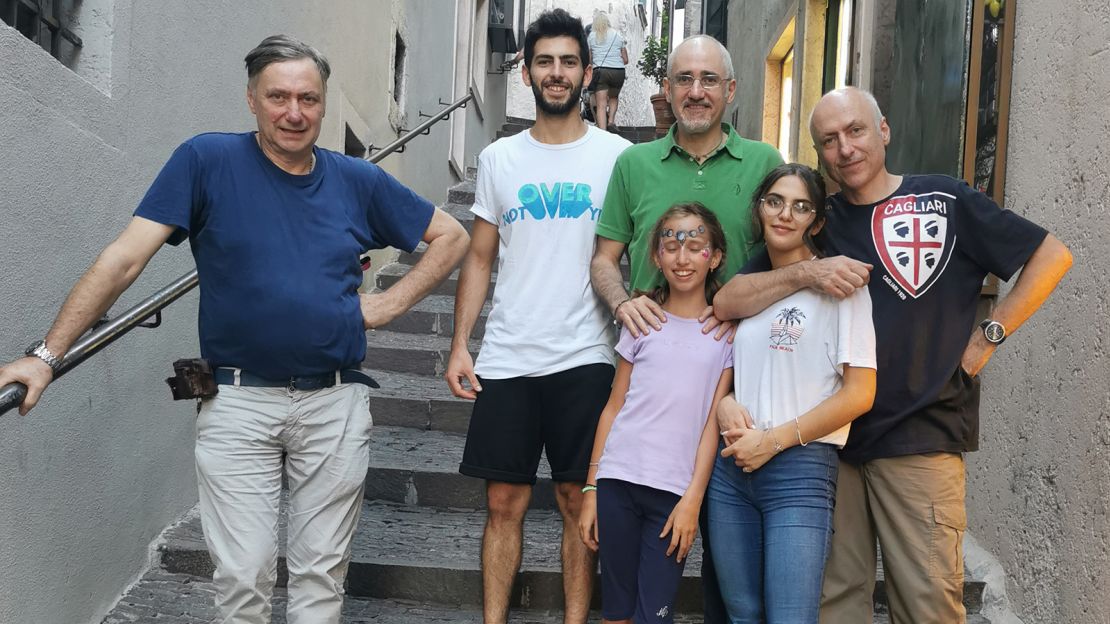
Amidst the breathtaking landscape of Italy’s Lake Garda region lies a tiny yet extraordinary village called Limone sul Garda. With barely 1,000 residents, this picturesque fishing village is renowned not only for its stunning terraced lemon groves and alpine scenery but also for an intriguing genetic anomaly that has captured scientific curiosity. Nestled on the northern tip of the lake, Limone offers a landscape where wellness, natural beauty, and a long-lived community intertwine—fostering a lifestyle that is both inspiring and provocative to those seeking health and vitality.

What sets Limone apart from other idyllic locales is its unique *“Limone gene,”* carried by a select few locals, which contains a protein dubbed A-1 Milano. First identified in a train driver’s blood during a chance hospital visit, this protein appears to play a powerful role in **destroying lipids**—the fats associated with clogged arteries and cardiovascular disease. Dr. Cesare Sirtori, a renowned expert in clinical pharmacology, explains that while most genetic mutations tend to trigger diseases, this one has the opposite effect: *it appears to guard carriers from vascular illnesses and promote a **long and healthy life**.* Remarkably, among the village’s residents, those with the gene have been observed to maintain *exceptionally low levels of HDL cholesterol*, the so-called “bad cholesterol,” while avoiding the typical health pitfalls commonly associated with such readings.

Locals like Gianni Segala, whose family has carried the gene for generations, have long joked about being “blood bags” for researchers due to continuous genetic testing. Yet, behind this humor lies a profound narrative of a community that, perhaps subconsciously, embodies *\_the essence of **lifestyle** as medicine.* Many residents attribute their vitality to the village’s *microclimate*—a warm, snow-free environment shielded by the Alps—and the region’s *rich natural produce* like olives, lake fish, and citrus, which may work synergistically with their genetic makeup. Antonio Girardi, a local hotelier, suggests that centuries of favorable climate and the natural diet have fostered this natural “elixir,” giving residents a *seemingly* divine resilience against age-related ailments.

Researchers are now delving deeper into the potential of this one-of-a-kind genetic mutation, with experiments testing synthesized proteins on animals that show promising reductions in blood clots. While the **scientific community** is still exploring the practical applications of these findings, the story of Limone underscores a broader truth: **natural environments, diet, and genetics** can form a potent trio in the quest for wellness. Perhaps what makes Limone most compelling is its reminder that a thoughtful, *\_well-balanced lifestyle*—grounded in purity of environment and a connection with nature—can serve as our most potent *personal impact.* As we seek inspiration in the pursuit of health, Limone whispers an age-old lesson: embrace the environment that nurtures us, cherish the clarity of purpose, and live in harmony with the natural rhythms that sustain life.

Key Takeaways for a Lifestyle of Longevity and Well-being:

  • Prioritize natural surroundings: like Limone’s microclimate, your environment influences health.
  • Incorporate natural, local produce: fresh fish, citrus, and olive oil contribute to a healthful diet.
  • Understand your genetics: awareness can empower preventative care and longevity strategies.
  • Maintain a balanced lifestyle: balance activity, diet, social connection, and appreciation of nature.

Ultimately, the story of Limone sul Garda invites us to view wellness as a living, breathing journey—a symbiosis of environment, heritage, and conscious choices. Even if the village’s literal “elixir” remains a mystery, its lesson endures: the pursuit of health is as much about how we live our lives as it is about the genes we inherit. To walk this path is to step into a story of harmony, resilience, and perhaps, our own discovery of a personal elixir waiting to be uncovered.

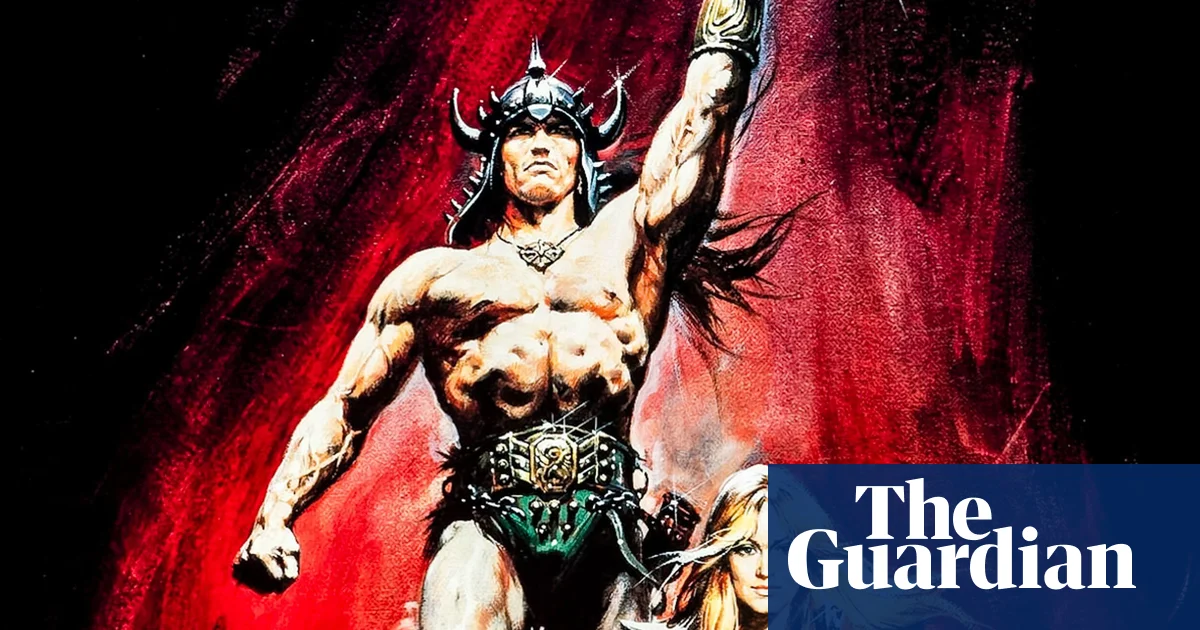
From Fistful of Dollars to Rambo: Celebrating Renato Casaro’s Legendary Movie Posters — A Visual Tribute

In the contemporary landscape of visual culture, few names resonate with the weight of Renato Casaro. His passing at age 89 marks the end of an era where artistry in film promotion was handcrafted, imbued with a soul that digital transformations have often threatened to erase. Casaro’s work represented more than mere promotional material; it was a testament to the enduring power of image-making rooted in tradition, craftsmanship, and the cultural dialogue between cinema and society. By elevating the heroic stature of icons such as Arnold Schwarzenegger and Sylvester Stallone, Casaro lent a mythic aura to modern heroes—echoes of classical heroism reimagined for the heroic age of postwar America and the cultural manifestations of strength, valor, and resilience.

This tradition of handcrafted poster art, a symbol of cultural memory and societal aspiration, encapsulates what Ortega y Gasset might have viewed as the way in which art manifests the collective spirit. As studios transitioned to digital tools in 1998, the tactile and visceral qualities of Casaro’s work began to fade, yet his influence remains a vital marker of cultural heritage. It is not merely about aesthetics but about the role of art in shaping identity and societal values. When Casaro returned to craft posters for Quentin Tarantino’s Once Upon a Time in Hollywood, it signaled a conscious return to that romantic, heroic mythmaking—a refusal to surrender entirely to digital repetition and superficiality.

Throughout history, critics like Chesterton have championed the idea that culture is a battleground for meaning; it is where tradition confronts innovation, where memory solidifies into societal identity. The cultural critic Christopher Lasch argued that in an age of relentless progress, it is the memory of the past that anchors societal coherence. Casaro’s posters, vibrant with heroism, did precisely that—they connected audiences to a shared mythos, imbuing cinematic images with a symbolic purity that transcends the fleeting nature of trends. As Tocqueville warned, the preservation of cultural identity is vital in a democratic society—where uniformity often threatens the uniqueness of tradition. Casaro’s work exemplified the human desire for heroism rooted in tradition, a rallying cry for a society that seeks meaning through its cultural icons.

In the end, the significance of figures like Casaro extends beyond their craft; they serve as custodians of a collective memory and prophecy. Their creations, like the finest poetry or philosophy, remind us that culture is both a reflection of what we are and a vision of what we might become. The tapestry of human history, woven with images and stories, calls us to consider that our deepest identity lies not just in the present but in the echoes of the past and the possibilities of the future—a future illuminated by the enduring light of cultural memory, shining brightly like a hero’s silhouette against a great, timeless horizon.

Social Media Auto Publish Powered By : XYZScripts.com