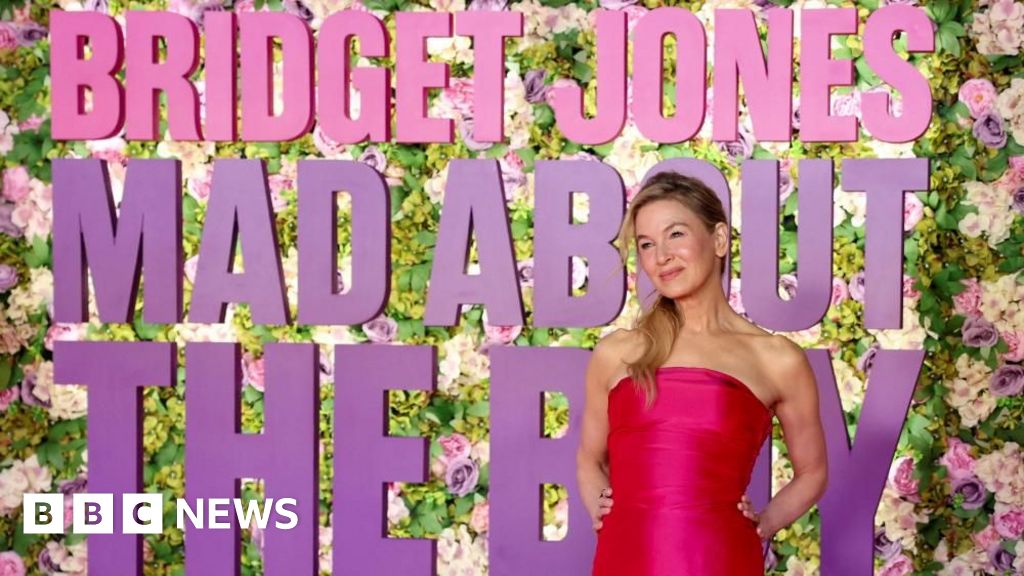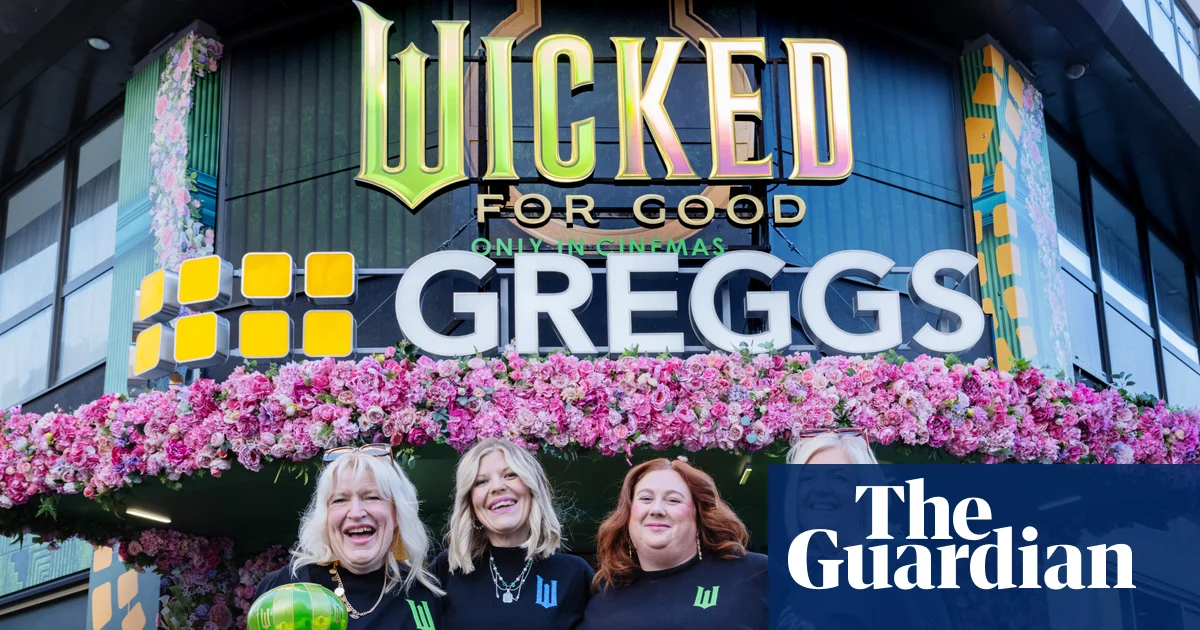

In recent weeks, a fascinating cultural shift has taken hold among young moviegoers and fans of musical theater alike. Outside theaters and cinemas, crowds are gathering not only to watch the latest blockbusters or beloved musicals but to embody them through *themed dressing*. This phenomenon is no longer just about costume parties or quick Instagram posts; it’s evolving into a vibrant expression of identity, community, and societal values. The fervor around “Wicked” in the UK, especially with its opening in cinemas, has sparked a wave of fans turning their enthusiasm into full-fledged fashion statements—coordinated sets, glitter, and character-inspired outfits—transforming movie premieres into living, breathing art festivals.
At the heart of this movement is the idea that ***dressing up*** provides a shortcut to community and connection. For Nicola Deane and her sister Chloe, traveling all the way from Ireland to dress as Elphaba and her sister exemplifies how costumes transcend simple fashion. “Elphaba’s a bit of a badass, and I think I am too,” Nicola shares, emphasizing how this practice helps fans feel empowered and aligned with characters who embody strength, magic, and defiance. Sociologists like Dr. Amelia Harris suggest that this trend is a *reaction to a post-pandemic desire for collective joy* — an effort to reforge social bonds through shared experiences in an era where digital interactions often replace physical presence. Dressing in themed attire becomes a ritual that fosters a sense of belonging, transforming passive entertainment into active participation.
The *social relevance* of these trends goes beyond fashion. Whether wearing matching T-shirts or elaborate costumes, fans signal their values and aspirations—celebrating themes of individuality, bravery, and community support. Influencers such as TikTok creators and YouTube vloggers are fueling the movement, showcasing cosplay, DIY costume tutorials, and group outings that project a message of unity and activism. Industry data corroborates this cultural shift; recent reports reveal a 375% spike in Wicked-related costume searches, alongside a surge in themed nail art and karaoke renditions of “Defying Gravity”. These seemingly playful activities are actually *cultural signposts*, illustrating how entertainment becomes a platform for expressing social identity and even political ideology.*
What makes this trend especially powerful is how it intertwines *personal identity* with *collective storytelling*. Fans like Holly Inch and Tamar Hopkins are not just dressing as characters; they’re portraying a sense of self that refuses to conform and instead stands out — “that’s what Wicked is about, not being afraid to stand out,” Holly explains. It’s a form of resistance, a rejection of societal stereotypes, and an affirmation of authenticity. As fashion historian Lisa Carter notes, this phenomenon indicates a *shift towards perceiving entertainment as a catalyst for social change*. And with post-pandemic society craving *shared experiences* that amplify joy and creativity, this movement has the potential to evolve into a broader cultural wave — one that redefines how communities connect through the arts.
Yet, amid this new era of interactive fandom and fashion activism, the next big question remains: how long will this *whimsy-driven* wave last before it becomes a mainstream expectation in social life? Will themed dressing remain a niche pursuit, or could it evolve into a new form of social ritual, akin to traditional festivals and celebrations? As youth culture continues to embrace these collective creative outlets, one thing is clear: the future of fandom might not be just about watching but *becoming* — transforming entertainment into a powerful, ongoing act of cultural expression. The true question now is whether society is ready for a future where every movie, musical, or show becomes a personal statement and a community ritual—are we on the cusp of a revolution in how we define social belonging?