Matox News

Truth Over Trends, always!

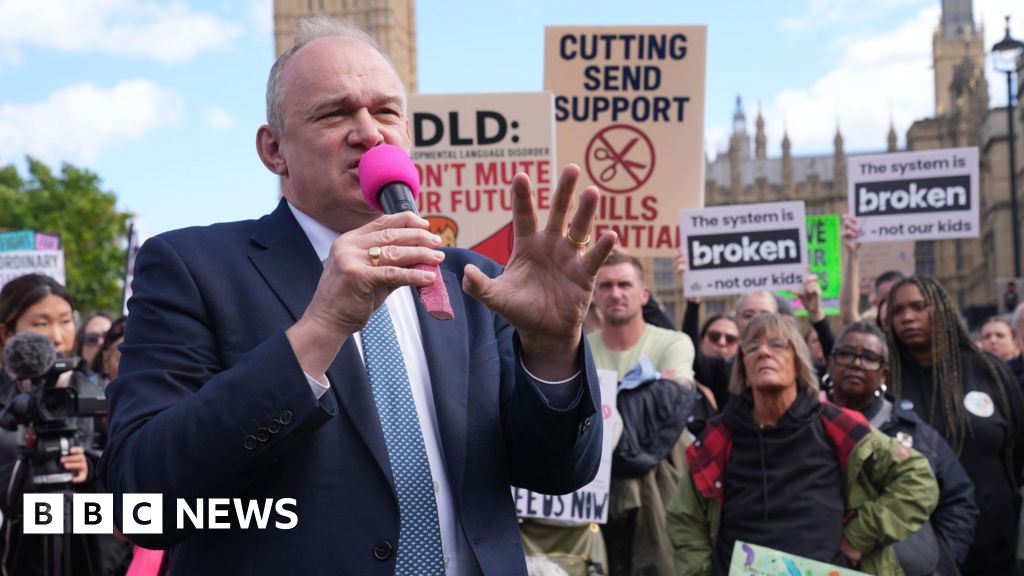
Lib Dems aim to end SEND services being exploited for profit

Surge in Spending on Special Educational Needs and Disabilities Sparks Social Debate

In recent years, local councils across the nation have seen a marked increase in their expenditures dedicated to Special Educational Needs and Disabilities (SEND) programs. This rise, driven by greater recognition of diverse learning requirements and the demand for inclusive education, has brought to light a profound challenge facing our educational and social systems. While the commitment to providing equitable opportunities is commendable, critics argue that the ballooning costs threaten to strain public resources and complicate efforts to maintain a balanced, community-centered approach.

Historically, education was designed around a relatively homogenous student body, with the assumption that a standardized curriculum sufficed for most. However, sociologists such as Christopher Jenks have highlighted a shift towards a more inclusive model, emphasizing the importance of catering to students with diverse needs. This cultural transformation, championed by educators and advocacy groups, aims to ensure that no child is left behind due to disabilities or learning difficulties. Yet, as the costs of specialized support services, trained personnel, and adaptive learning infrastructure have skyrocketed, debate intensifies over the sustainability of such expansive efforts.

—often working-class neighborhoods—are particularly impacted by this trend. For many families, the escalation in SEND-related spending underscores existing disparities, where children with special needs sometimes face limited access or inadequate support due to resource constraints. The social fabric that once prioritized community cohesion now grapples with challenges of resource allocation, fraying the ties that hold diverse communities together. In many areas, local councils struggle to balance expanding SEND provisions with the demands of other vital services, leading to fears that the social fabric may fray further if localized efforts become overwhelmed.

  • Many social commentators argue that the current approach, while rooted in moral convictions about inclusivity, overlooks the structural limitations of public funding.
  • Proposed solutions include targeted reforms that emphasize community involvement and partnerships with private sector providers to alleviate cost pressures.
  • There is also a call to better integrate mental health services and early intervention programs to reduce long-term costs and improve outcomes for children with SEND.

Millionaire encourages Lib Dems to support a wealth tax initiative.

A campaign group is gearing up to influence policymakers this autumn by advocating for an increase in taxes on the ultra-wealthy. This initiative aims to rally support around the idea of financial responsibility among the nation’s richest individuals, arguing that they should contribute a fairer share to the public good. This movement reflects growing sentiment among certain segments of the population, particularly younger voters, who are increasingly skeptical of income inequality and its impact on society.

As the government debates fiscal policy and budget allocations, proponents of higher taxes on the wealthiest argue that such measures could provide much-needed resources for essential public services. Educators, healthcare proponents, and advocates for social programs are citing evidence that higher tax rates on the rich can lead to more equitable funding for critical initiatives. This aligns with a broader desire among younger generations for a fairer economy that works for all, not just the elite few.

Critics, however, warn that higher taxes on the wealthy could deter investment and slow economic growth, potentially harming the very people these new policies aim to help. There’s a growing conversation about striking the right balance—ensuring that the wealthy pay their dues while also maintaining an environment that fosters innovation and job creation. This debate is crucial as it lays the groundwork for potential reforms that could shape the economy for decades.

As the campaign group gears up for a season of advocacy, it brings to the forefront the question of how to foster a fair economic landscape without stifling growth. Young voters have a significant stake in this issue, and understanding both sides of the tax debate is crucial as they engage with the electoral process. With their financial futures on the line, the coming months will be pivotal in determining how tax policy evolves, and whether it will prioritize equity or economic growth.

Social Media Auto Publish Powered By : XYZScripts.com