Matox News

Truth Over Trends, always!

Top Meta Glasses of 2026: Ray-Ban, Oakley, and the Future of AR Tech

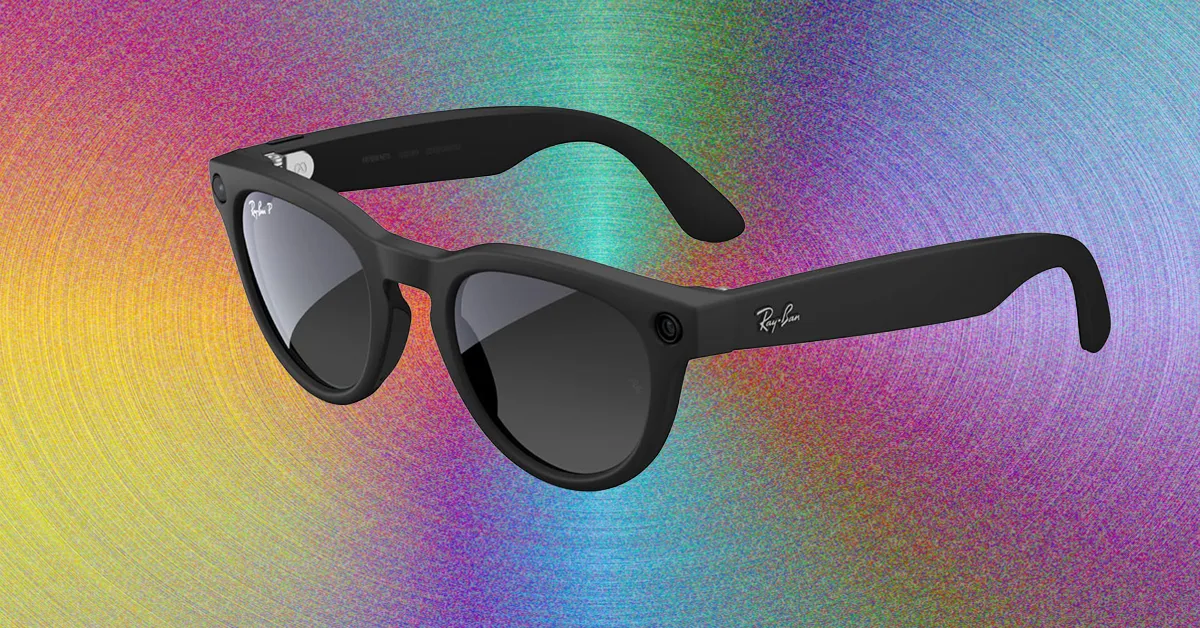
Meta’s Oakley Meta HSTN: Disrupting Wearable Tech Market with Innovation & Disruption

In a bold move that exemplifies the relentless push for innovation in wearable technology, Meta has unveiled a new line of high-performance smart glasses—the Oakley Meta HSTN. These devices are not just another iteration of augmented eyewear; they represent a strategic disruption targeting outdoor enthusiasts, athletes, and social influencers alike. By seamlessly integrating with platforms like Strava and Apple Music, Meta is demonstrating that the future of wearable technology hinges on robust ecosystem integration—an essential for capturing consumer loyalty in an increasingly competitive landscape.

Meta’s move signals a clear industry shift, emphasizing versatility and immersion in outdoor and sports activities. The Oakley Meta Vanguard smart glasses, introduced last year, are designed as multifaceted devices—combining high-end sports sunglasses, workout headphones, and even action cameras. Unlike traditional devices constrained by single-functionality, these glasses embody the ongoing trend of disrupting standalone device markets. Analysts from Gartner emphasize that such convergence of functionalities can redefine consumer expectations, forcing incumbents to innovate or risk obsolescence. The Vanguard’s innovative camera placement—on the bridge of the nose—eliminates fisheye distortion, signaling Meta’s focus on enhanced user experience through technical refinement.

The business implications are significant. As Meta continues to craft devices tailored for athletes, content creators, and influencers, the market approach appears to favor disruption through high-end hardware paired with intelligent AI integration. Features like auto-capture enabled via Garmin watches showcase an emerging trend: smart devices that automate and streamline content creation, empowering users to produce professional-quality material effortlessly. This convergence creates an ecosystem where hardware and AI work symbiotically—a strategy that none of the Big Tech companies previously masterfully executed at this scale. Such innovations threaten traditional camera and audio markets and signal new revenue streams rooted in subscription services, platform lock-in, and data monetization.

Looking forward, industry leaders like Elon Musk and Peter Thiel are watching this evolution closely, recognizing that the integration of AI and hardware is fundamentally transforming consumer behavior and commerce. MIT researchers have highlighted how these disruptions accelerate adoption of AR/VR workflows, with Meta’s advancements setting a new benchmark in wearable tech design and functionality. Time is now for competitors to adapt or face being left behind. As the race for dominance in smart wearables intensifies, the real question is how fast these innovations can scale and integrate into our daily lives—raising both opportunities and urgent calls for strategic agility within the tech sector.

Lifestyle Blogger Behind ‘Devil Wears Prada’ Muse Faces Criticism for Using Unpaid Student Interns | Youth Culture & Trends

The Hidden Cost of Glamour: Unpaid Internships in the Fashion World

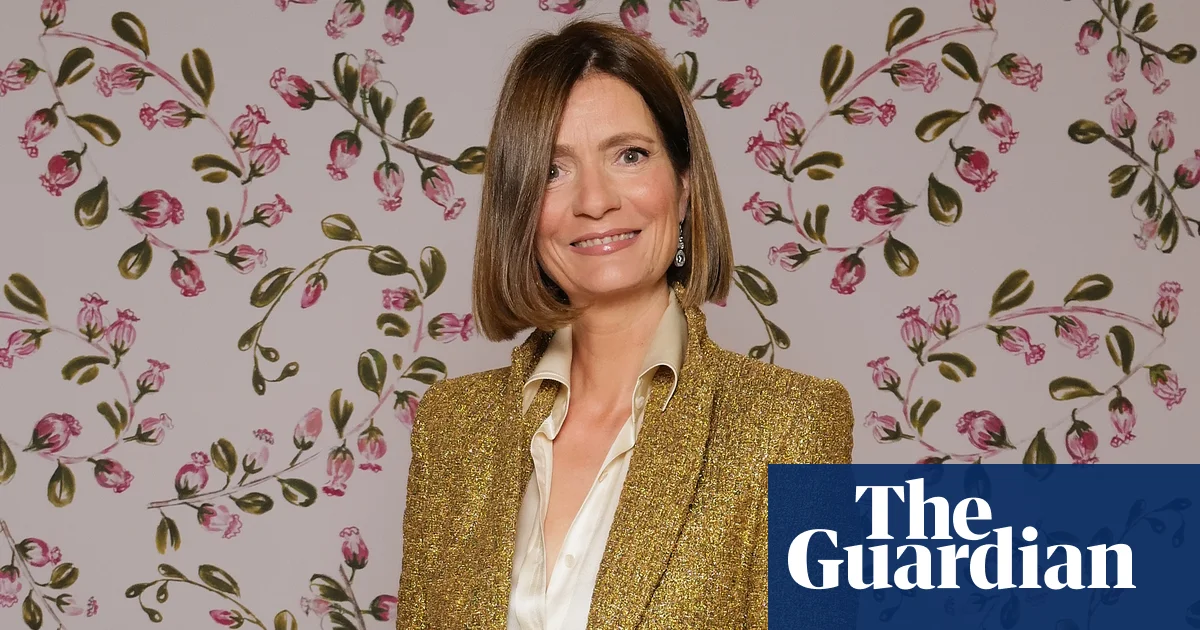
In recent years, a noticeable shift has emerged within the elite culture of fashion and media, highlighting a disturbing trend where the pursuit of opportunity often comes at a significant social and economic expense for young talent. Case in point is Plum Sykes, a seasoned Vogue editor and fashion industry insider, whose latest venture—launching her own Substack—has ignited a debate about the exploitation of young professionals. Despite her high-profile background, Sykes has faced sharp criticism for employing students in her online enterprise without offering them any form of compensation. This phenomenon is not isolated; it reflects a broader societal pattern where those in power leverage unpaid labor under the guise of mentorship and experience, often sidelining the fundamental principles of fair employment.

The Cultural Impact and Social Relevance of the Interning Culture

  • Many young people view unpaid internships as a **rite of passage** into the coveted corridors of fashion and media.
  • Influencers and sociologists like Pandora Sykes underline that **lawmakers have explicitly condemned unpaid work** unless it strictly adheres to educational shadowing or charity work. Yet, the practice persists, largely because of the *perceived gateway* it provides into top-tier careers.
  • Social mobility becomes a tangled matter here: while some lucrative internship programs can open doors, many young aspirants—especially from working-class backgrounds—are often *kept out* because they can’t afford the unpaid labor costs.

Prominent voices like sociologist Carl Cullinane warn that “internships are an *increasingly critical route* into the best jobs,” and the ongoing normalization of unpaid internships underscores a stark inequality. Meanwhile, Paul Nowak of the Trade Union Congress warns that if these practices persist, legislative chaos may be inevitable, emphasizing that *young people should not be held captive* by a system that values unpaid labor over talent and merit. This raises the key question: are we really nurturing the next generation of leaders, or merely perpetuating an entrenched cycle of economic disparity?

The Culture of Power and the Future of Fair Work

Within this landscape, influencers and industry insiders like Plum Sykes claim her unpaid intern work is mere “work experience”—a phrase that continues to be weaponized to justify exploitation. She states that her interns assist with “shadowing” tasks, which are *not legally defined as productive work*. However, critics argue that such distinctions are increasingly blurred, especially when interns contribute to the core operations of a high-profile brand or media figure, often doing tasks that have tangible value. This ambiguity fuels a *culture of casual unpaid work*, which some analysts argue ushers in a new era of *covert exploitation* masked as opportunity.

As the debate intensifies, the question morphs from legalities into moral imperatives: should the future of work be built on unpaid drones serving the whims of the powerful, or on a **new standard of fair compensation**? This conversation is vital because it signals whether society is ready to confront the deep inequalities ingrained within its aspirational class. As Lawrence Lessig once observed, “The internet can democratize opportunity, but only if we lay down fair rules for participation.” The same holds true for employment practices in high culture—are we willing to reform a system that channels youth into dead-end unpaid roles?

The Next Big Question

Ultimately, the next question we should be asking is: how long can this cycle of unpaid internships persist before it erodes the very fabric of fairness in opportunity? As societal awareness grows, and as legally-enforced labor protections become harder to ignore, the coming years may see a decisive shift toward paid opportunities rather than “experience.” Will the fashion industry, with its history of glamour and exclusivity, adapt to this moral tide, or will it continue to champion a culture of unpaid labor as the price of entry? And more broadly, does this evolving landscape challenge us to redefine success—not just for brands and influencers, but for the **culture** itself and the **values** it promotes for the youth of tomorrow?

Thursday’s Quick Hit: Pokémon, a ‘Pastafarian,’ and Cheggers’ Population Play — Your Lifestyle Fix!

Living Life with Intention: Embracing the Modern Lifestyle

In today’s fast-paced world, the pursuit of wellness and authentic self-discovery has become a defining feature of a conscious, youthful lifestyle. As digital innovation intertwines with traditional values, there’s an undeniable shift toward embracing experiences that fuel not just the body, but also the mind and spirit. From seeking out wellness retreats in scenic countryside havens, to navigating the digital landscape with mindfulness, today’s youth are crafting a lifestyle rooted in personal growth and resilience.

Amidst this cultural renaissance, we witness a blend of curated leisure and holistic health practices transforming the narrative of what it means to live well. Whether it’s discovering urban wellness hubs that integrate mindfulness and fitness or engaging with artistic expressions that inspire hope and introspection, the modern lifestyle champions a journey where personal impact is paramount. Notable wellness experts, such as Dr. Mark Hyman, emphasize that nurturing oneself is not a luxury but an essential. Their insights highlight how small shifts—like prioritizing mental clarity or adopting a smart approach to nutrition—can culminate in profound long-term health benefits.

In the realm of leisure travel, destinations like Nordic spas and mountain retreats are growing in popularity as youthful explorers seek authentic escape from the hustle. Strategic hacks include choosing locations that foster both wellness and adventure, such as hiking in national parks or unwinding in boutique wellness hotels. These experiences are not merely about leisure, but about reconnecting with oneself in environments that ignite and rejuvenate. As cultural icons like David Hockney remind us, embracing creativity and leisure fuels the spirit, ultimately cultivating a lifestyle where balance and vitality are realized both within and beyond.

In conclusion, life offers each of us a journey—an opportunity to forge paths that align with our core values of health, leisure, and self-empowerment. The narrative of modern living is shifting toward a conscious embrace of those elements that foster resilience and grit, inspiring a generation that sees wellness as a lifestyle rather than a passing trend. As we refine our choices and seek out meaningful experiences, we prepare ourselves to face future challenges with clarity and purpose. With every mindful step, the journey becomes not just about achieving goals but about living inspired, knowing that the true essence of lifestyle is a continuous journey of embracing oneself and the world around us.

Hoka Kaha 3 Low GTX TP & Kaha 3 GTX TP Launch: Where Rugged Trail Tech Meets Stylish Youth Lifestyle

Style Meets Function: The HOKA Kaha Craze Takes Over Youth Culture

In recent months, an undeniable shift has taken hold among young outdoor enthusiasts and fashion-forward individuals alike — a movement fueled by the latest releases from HOKA. The brand’s new Kaha 3 Low GTX TP and Kaha 3 GTX TP silhouettes are not just footwear; they are symbols of a cultural shift that blurs the lines between performance and lifestyle. As trail tech meets urban fashion, these limited-edition shoes are redefining what it means to be stylishly prepared, all while making a statement about authenticity and versatility.

What makes these releases particularly compelling is their integration of technical innovation into everyday aesthetics. With rugged designs in shades like Honeydew and Black, these shoes appeal to a generation that values function as much as form. According to lifestyle trend analysts at TrendHunter, the appeal of HOKA Kaha lies in its dual purpose: seamlessly transitioning from trail to street. This versatility resonates strongly with multifaceted young consumers who refuse to compromise on style or substance. Influencers focused on outdoor fashion, like TikTok content creators and Instagram trendsetters, have been championing these shoes, elevating them from niche performance gear to must-have fashion staples.

Social and Cultural Repercussions of Trail Tech Lifestyle

  • Rejection of traditional sneakers: The Kaha series represents a shift away from conventional sneakers, emphasizing durability and outdoor readiness.
  • Embracing authenticity: As societal values evolve, young people increasingly seek “real” experiences—whether conquering urban jungles or actual mountain trails.
  • Limited editions fueling exclusivity: Limited runs in striking colors boost desirability and social status among youth, creating a sense of belonging within exclusive communities.

This cultural nexus points to a larger narrative: the elevation of outdoor gear into cultural symbols. Sociologists like Dr. Emily Carter from the Institute of Youth Studies argue that this reflects a society craving authentic connection—linking nature, adventure, and personal identity through wearable symbols. Influencers and celebrities are now endorsing this trend, not just because of its aesthetic appeal, but because it embodies a lifestyle rooted in resilience, exploration, and self-expression.

The Future of Youth Lifestyle Trends: What’s Next?

As this trail-tech-inspired aesthetic continues to infiltrate popular culture, one might ask: will this shift toward adventure-ready urban fashion lead to a more adventurous, back-to-nature mindset among the next generation? Or could it signal a deeper societal yearning for authenticity in a digital age dominated by virtual identities? The rise of the HOKA Kaha movement is more than just about footwear—it’s a window into a future where the boundaries between the outdoor and urban worlds blur even further.

With brands like HOKA redefining norms and influencing a new wave of youth identity, the pressing question remains: how long until outdoor tech becomes the default aesthetic for the next wave of cultural icons? The answer might determine whether this trend is a fleeting fashion fad or the foundation of a profound societal movement rooted in resilience, adventure, and authenticity.

Thursday’s Top Picks: Dachshunds, Dave Ball, Drag Icons & Data Debacles – Your Ultimate Lifestyle Roundup

In today’s fast-paced world, the pursuit of a balanced lifestyle has become more than just a trend; it’s a movement rooted in the desire for personal well-being and a meaningful experience. As young individuals forge their paths, there’s an undeniable shift towards prioritizing health, leisure, and inspiration. From new wellness rituals to embracing the simpler joys, the emphasis now resonates with a clear message: life is a journey worth investing in.

Across the cultural landscape, experts like Dr. Mark Hyman, renowned for advocating holistic health, emphasize the importance of mind-body harmony. His approach underscores that wellness is not merely the absence of illness but a state of vitality cultivated through intentional choices. Inspired by wellness pioneers, many young people are redefining their routines—incorporating brisk outdoor walks, mindful meditation, or adopting a nutrient-rich clean eating regimen. These shifts are more than surface-level changes; they are about reconnecting with oneself and forging a resilient physical and mental foundation. The power of small, consistent habits proves transformative, echoing the wisdom that the journey to wellness begins with a single step.

In tandem with health, leisure and culture play pivotal roles in shaping lifestyle aspirations. For instance, a cultural renaissance champions authentic experiences—be it exploring historic cities like London or Paris, or indulging in immersive art and music festivals that foster community and soul-nourishing moments. This revival of experiential living promotes not just leisure but also mental rejuvenation. As the famous author, Brené Brown, advocates, vulnerability and authenticity are essential for genuine connection—be it with oneself or others. Embracing this awakening encourages young people to seek out adventures, celebrate their heritage, and find inspiration in everyday moments, reminding everyone that life’s richness is woven through these vibrant experiences.

Ultimately, the lifestyle journey is about more than fleeting trends; it’s about cultivating a mindset that values wellness, self-discovery, and personal impact. Every choice—whether it’s a mindful meal, a cultural excursion, or simply taking time to reflect—contributes to a resilient identity that celebrates vitality and purpose. As the successful entrepreneur and motivational speaker, Tony Robbins, emphasizes, “The future belongs to those who believe in the beauty of their dreams.” So, let this be a call to embrace everyday adventures, to live with intention, and to craft a life that aligns with your deepest values. Because, in the end, lifestyle isn’t just about the present—it’s about creating a legacy of health, happiness, and meaningful growth that inspires future generations.

Here’s a rewritten headline in a moderate right-wing, youth-oriented lifestyle news tone: “What’s Behind the Possible US Government Shutdown? Here’s What You Need to Know—and When It Could Happen”

Unveiling the Turmoil: The Potential US Government Shutdown and Its Impact on Personal Well-being

In a nation often heralded as the pinnacle of economic and political power, the looming threat of a US government shutdown demands more than just political analysis—it calls for a reflection on how such upheavals influence everyday life, personal well-being, and our collective resilience. As Congress grapples with partisan disagreements over budget provisions, the possibility of a shutdown signals a stark reminder of how intertwined political stability is with individual health, leisure, and the pursuit of a lifestyle aligned with values of autonomy and fiscal responsibility. Historically, shutdowns are not anomalies but recurring patterns—yet their recurrence continues to challenge the American psyche, especially among the youth who aspire to carve out vibrant, independent lives amidst shifting political tides.

The core issue fueling the current crisis revolves around heated debates over healthcare and social safety nets, with Democrats pushing to extend tax credits and Medicaid provisions, and Republicans advocating for expenditure cuts aimed at reducing the size of government. This dissonance underscores a broader cultural shift towards personal responsibility and limited government interference. For young Americans seeking freedom in their careers or personal pursuits, prolonged shutdowns threaten to introduce uncertainty into daily routines—delaying travel, freezing certain government services, and creating financial insecurities. The potential halt of non-essential services juxtaposed with the continued operation of law enforcement and border protection paints a nuanced picture: some facets of national life remain steady, yet the ripple effects of a shutdown ripple into social and economic domains, affecting everything from travel plans to mental health.

What makes this period even more compelling is how the White House’s stance diverges from past shutdowns, with officials seemingly comfortable with extended government pauses that echo the Trump administration’s aggressive spending cuts. Such an approach raises the question: are we witnessing a strategic use of government shutdowns as a mechanism for accelerating reform? For the young generation yearning for income stability and meaningful engagement with their communities, the prospect of a shutdown signifies a test of resilience. Will they adapt to an environment where government functions such as social security and Medicare continue, but with potential delays—and perhaps a partisan atmosphere that fosters uncertainty rather than unity? Understanding these shifts is vital for those hungry for a lifestyle rooted in self-reliance and proactive engagement.

In essence, the American experience with shutdowns encapsulates a broader narrative—a push-pull between individual liberty and collective governance. As history shows, these episodes, though often brief, leave lasting impressions on national productivity and individual morale. For the aspiring young adult, the key takeaway is clear: embracing a lifestyle of preparedness, financial literacy, and personal health during turbulent political times can turn potential chaos into an opportunity for empowerment. With each shutdown, there is a chance to reevaluate personal goals, prioritize wellness, and anchor oneself in values of independent thought and resilience. The journey through such periods may be fraught with uncertainty, but it also offers a canvas to build a life that reflects unwavering commitment to oneself—integrating wellness, ambition, and the unwavering pursuit of liberty as fundamental rights worth defending and nurturing every day.

Social Media Auto Publish Powered By : XYZScripts.com