Matox News

Truth Over Trends, always!

UK Youth Rejecting Waste: 168 Million Christmas Lights and Fast Tech Bottling Up Environmental Damage

Environmental Concerns and Geopolitical Implications of the Wasteful Christmas Season

As London citizens bid farewell to another festive season, recent findings by the non-profit group Material Focus reveal a troubling trend that extends beyond individual consumer habits. An estimated 168 million light-up Christmas items and “fast-tech” gifts have been discarded across the UK just in the past year. This staggering figure, extrapolated from survey data, underscores a significant waste problem that:not only strains environmental resources but also highlights a global issue of reckless consumerism in the face of climate crises and international waste management challenges.

The report indicates that Brits spent approximately £1.7 billion on holiday lighting, including 39 million sets of fairy lights, alongside millions of garlands, wreaths, snow globes, and animated figures. While these items symbolize the holiday spirit for many, their disposability raises questions about the long-term impacts on the environment. The problem is compounded by the way these items are powered—often non-recyclable batteries that, once improperly disposed of, can cause dangerous fires in bins and waste centers. The incident rate of battery-related fires has surged by **71%** over the past year, emphasizing how poor disposal practices can escalate into serious safety hazards and environmental damage.

This pattern of irresponsibility has broader **geopolitical impact**—particularly in regions where waste management infrastructure is inadequate or poorly enforced. International organizations like the United Nations warn that electronic waste is the fastest-growing waste stream globally. A separate study estimates that **1.1 billion** electrical items and **450 million** batteries are irresponsibly discarded each year worldwide, often ending up in developing nations where environmental standards are woefully lax. These practices not only threaten public health but also propagate a cycle of environmental degradation, contributing to climate change and destabilizing social structures. As global citizens, policymakers and governments must confront the environmental fallout of consumer culture and address the international flow of electronic waste.

Prominent analysts, such as environmental historian Dr. Jane Williams, argue that the disposable culture fostered during festive seasons is symptomatic of a broader societal tendency toward overconsumption. She emphasizes that *“unless nations implement strict recycling regulations and promote durable, repairable products, the mounting waste will continue to have devastating global consequences.”* The UK’s efforts to promote responsible disposal—via campaigns urging proper recycling of electricals and batteries—are a phase in a larger international uphill battle against waste proliferation. The call for local accountability echoes at the global level, where international treaties and agreements must evolve to combat the rising tide of **e-waste** and prevent environmental crises that threaten to destabilize both economies and societies.

As the world stands at this crossroads, with humanity grappling with both the tangible and intangible scars of consumer excess, history reminds us of the urgent need for systemic change. Decisions made now—regarding waste management, international cooperation, and individual responsibility—will echo for generations. The dark shadow of a planet burdened by discarded light-ups and fast tech becomes a stark symbol of how fleeting traditions can have lasting, irreversible consequences. The unfolding story of environmental neglect, driven by the consumerist urges of today’s holiday season, leaves us with a haunting question: will we choose to break free from the cycle of waste and forge a sustainable path, or will history remember this as the moment when recklessness tipped the scales beyond repair?

High School Football Stars Shine Under Friday Night Lights: Playoff Picture Begins to Take Shape

Yankees’ Future Payroll in Question as Offseason Begins

As the offseason unfolds, New York Yankees owner Hal Steinbrenner is already addressing the financial landscape for the upcoming 2026 season. In a recent statement, Steinbrenner acknowledged that it is still too early to determine the exact payroll range for the team but expressed a clear preference for a reduction from the staggering $319 million committed to player salaries in 2025.

Steinbrenner’s comments reflect a strategic pivot for the franchise, which has often been labeled as relentless spenders in pursuit of championships. “We have to be responsible,” Steinbrenner pointed out, highlighting the need for a sustainable financial model that balances competitiveness with fiscal prudence. As fans and analysts ponder the implications of a reduced budget, many are turning their eyes toward potential player movements and the strategic direction of the organization.

  • Revenue Growth: The Yankees reported record revenue last season, which has fueled ongoing debates about their spending habits.
  • Strategic Signings: Expect discussion around players who may not only be impactful on the field but also financially viable.
  • Coaching Perspectives: Coaching staff, including Aaron Boone, are likely focused on maximizing player development amid potential budget constraints.

With a legacy of championships hanging in the balance, the Yankees stand at a crossroads, needing to adapt to an evolving landscape that emphasizes both talent acquisition and financial sustainability. Commentators are left to speculate not just about player signings but about how the club will prioritize its investments moving forward. As the clock ticks down to the start of the next season, the choices made during this crucial offseason will undoubtedly shape the franchise’s future.

In the grand scheme of sports, these discussions about payroll and financial strategies extend beyond mere numbers. They reflect a deep-rooted connection to community pride, unity among fans, and the resilience of a storied franchise. The upcoming months will serve as a testament to how the Yankees can transcend the scoreboard and become a symbol of hope and determination for countless fans. Indeed, while the world may keep score, it is the enduring spirit of the game that truly unifies.

Source link

Australia News Live: Aurora Lights Up Sky After Solar Storm, Liberals Prepare New Energy Plan

International Turmoil and Ecological Crises Reshape Global Power Landscape

In an era marked by aggressive geopolitical shifts, nations are increasingly using environmental policies — or the lack thereof — as a battleground for influence and control. Australia, often regarded as a microcosm of broader international struggles, has become a prime example. Recent reports reveal that over 130 organizations, including influential groups such as 350.org and Friends of the Earth Australia, are demanding their government reject proposed reforms to the nation’s nature laws. Critics argue these changes threaten to regress decades of environmental protection, effectively putting profits ahead of planetary health. The stakes are high: how each nation’s internal decisions over conservation, energy, and climate action can resonate globally, shaping alliances and hostilities in the ongoing geopolitical theater.

  • More than 100 grassroots groups signed an open letter urging the federal parliament to oppose the Albanese government’s legislation, alleging it would diminish community rights and environmental safeguards.
  • The legislation, championed under the guise of streamlining approvals and empowering state authorities, simultaneously weakens public participation. Critics warn this serves corporate interests and jeopardizes Australia’s biodiversity, which in turn impacts regional stability and international reputation.
  • Meanwhile, the Liberal Party is contemplating abandoning its net-zero emissions target, a move that signals a potential shift away from climate leadership. The party’s internal debate, with Dan Tehan and Sussan Ley at the forefront, underscores a broader global trend: major powers wavering on commitments made during the Paris Agreement era, risking international credibility.

From the perspective of historians and analysts like Professor Peter W. Singer, such internal political battles reflect a deeper struggle: the battle for global narrative dominance. Countries that fail to act decisively on climate may suffer diplomatic isolation and economic repercussions, especially as international organizations like the United Nations emphasize sustainable development goals (SDGs). This shifting landscape has the potential to redraw alliances, with resource-rich nations prioritizing raw materials for energy independence, even at the cost of planetary health. The decisions that commence within national legislative chambers now ripple outward, influencing societal stability and the geopolitical balance of power in ways often unseen but profoundly felt.

Meanwhile, on the environmental front, celestial phenomena such as the recent display of the aurora australis and the geomagnetic storms caused by solar activity serve as stark reminders of Earth’s fragile connection to cosmic forces. The spectacular light shows in Victoria and the Blue Mountains, visible due to a severe solar storm, underscore nature’s unpredictability—paradoxically highlighting the urgency for human responsibility. As space weather experts warn of increasing solar activity, the mounting evidence compels nations to prepare for environmental crises that transcend borders. Whether it be climate-induced disasters or space-borne threats, the narrative of humanity’s future is intertwined with understanding Earth’s place in an active universe—an awareness that must drive a responsible and united approach to planetary stewardship.

The Oncoming Era of Change

As the Australian internal debates spill into global consciousness, the broader question emerges: which nations will seize the opportunity to lead the charge in sustainable development, and which will retreat into outdated paradigms of exploitation? Historians warn that indecisiveness or capitulation to corporate interests today may result in the erosion of environmental rights, leaving future generations to face the consequences of short-term gains. Whether the global order leans towards an era of cooperation or descends into conflict over dwindling resources remains to be seen. Yet, the unfolding chapters of this story, written in leadership decisions and societal responses, suggest that humankind stands at a crossroads—where every policy, greater or smaller, could sway the course of history for decades to come.

In the shadow of celestial displays and nuclear debates, the weight of history persists—an unyielding reminder that Earth’s future depends on the actions we choose today. Humanity’s story remains unwritten, an ongoing odyssey dictated by the bravery or cowardice of those who hold the pen.

Reform Council Pushes for Flag Removal to Brighten Up Christmas Lights in Kent

Controversy Over Flags and Christmas Lights in Harrietsham

Flags vs. Festive Cheer: The Cultural Clash in Harrietsham

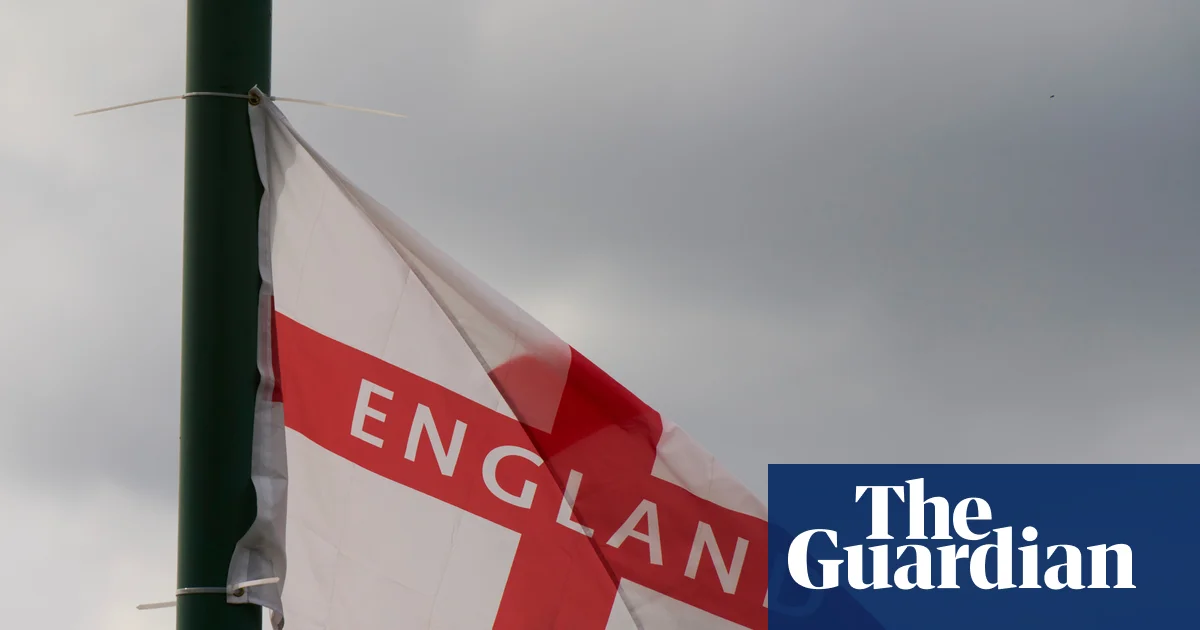
The recent decision by Kent county council to mandate the removal of union and St George’s flags from streetlights before the village can proceed with its traditional Christmas decorations has sparked a fierce debate that reflects broader societal tensions. This incident, deemed “beyond ironic” by local leaders, underscores how cultural symbols and identity politics increasingly influence community life and social cohesion. As the council’s safety concerns dominate discussions, the decision highlights an underlying struggle over the societal role of national symbols amid a rapidly changing demographic landscape.

The controversy centers on the flags, which are often associated with national pride and patriotic expression. While the county council asserts that safety during light installation is paramount, critics argue that the decision is emblematic of a broader trend of government intervention in cultural expression. For many families and communities, such symbols are part of their identity, deeply intertwined with their history and sense of belonging. The actions of the council have ignited concerns among residents and local groups who see this as an erosion of freedom to display their heritage. Notably, the parish council emphasizes that the flags, which were put up without formal permission, do not belong to the council property and therefore cannot be removed without owner consent—highlighting issues of property rights, local autonomy, and the cultural significance of public symbols.

This conflict has implications beyond mere symbolism; it affects the social fabric of communities and the everyday experiences of families. When local authorities restrict expressions that unite or represent a community’s history, it can lead to alienation and social fragmentation. Sociologists like Dr. Lisa Greenfield warn that such restrictions risk marginalizing conservative and patriotic elements, which are vital voices in the ongoing conversation about national identity. The debate reveals a cultural shift where traditional symbols are being scrutinized under the guise of safety or political correctness, often at the expense of community cohesion and shared celebration. Furthermore, the controversy illustrates how social tensions around identity, patriotism, and multiculturalism influence local governance and public spaces.

Supporters of the council’s stance argue that safety remains the highest priority in public planning, emphasizing that flags can obstruct visibility or interfere with installation safety. Peter Osborne, Kent council’s cabinet member for highways and transport, asserts that the removal process can be done efficiently by contractors without significant costs. Yet, critics like Stuart Jeffrey, a Green councillor and leader of Maidstone borough council, suggest that the broader issue is symbolic — that the flags represent more than just personal or local pride, but the tensions between local tradition and the push for a homogenized national identity. They contend that “the flags serve as a reminder of the community’s history, and their removal signifies a form of cultural suppression.”

Ultimately, this conflict resonates as a microcosm of society’s ongoing struggle to balance tradition with progress. It raises essential questions about how communities can preserve their heritage and identity in an increasingly diverse society, without compromising safety or the rule of law. As we move forward, the challenge lies not only in resolving disagreements over symbols and regulations but in fostering a society where families, educators, and communities can find common ground amid the inevitable changes shaping modern Britain. Reflecting on this, one can hope that society’s greatest strength remains its capacity to adapt, unite, and honor its roots—transforming division into dialogue, and symbols of division into symbols of collective hope for a more inclusive future.

Philip Pullman’s The Rose Field: A Riveting Finale to the Northern Lights Series for the New Generation

In an era where institutions falter and the very fabric of society appears frayed, the enduring power of culture emerges as both a sanctuary and a lighthouse. Like the ancient parable of the Tower of Babel, our modern world’s complexity and division underscore a profound truth: that culture—the collective memory and shared symbols of a people—constitutes the bedrock upon which society fortifies its identity and moral coherence. As Tocqueville observed, societies are held together not merely by laws or economic structures but by the moral and cultural fabric that sustains collective purpose amidst chaos. Today, amid global upheaval, this fabric is challenged, yet it remains crucial for understanding who we are and envisioning who we might become.

Pulling from philosophical reflections by thinkers such as G.K. Chesterton, who championed the importance of tradition and imagination in shaping a vibrant society, we recognize that cultural icons and stories serve as passing of torch—proofs of continuity and beacons of hope. The recent narratives of Philip Pullman, particularly within The Book of Dust, exemplify this understanding. His universe, where worlds collide and where myth intersects with reality, reminds us that humanity’s narrative is not merely a series of disconnected facts but an ongoing story that guides moral and spiritual development. Lyra’s evolution—once a girl of innocent curiosity, now a woman marked by loss and perseverance—reflects the essential need for a shared mythology that keeps alive the inextinguishable flame of human imagination amid a landscape of disillusionment.

This intrinsic relationship between culture and identity is echoed in the writings of Ortega y Gasset, who pointed out that the individual’s sense of self is inextricably linked with the larger story of their community. As institutions waver and markets shift unpredictably—highlighted in Pullman’s depiction of economic crises associated with mysterious rose oil—we are reminded that the symbols we cherish and the stories we tell uphold societal resilience. These narratives, often dismissed as mere entertainment, are in fact the vessel for communal memory and moral orientation; they are the language of tradition that keeps society anchored as it navigates tumultuous waters. Like Chesterton’s insistence that “tradition is the democracy of the dead,” our cultural expressions serve as a dialogue across generations, ensuring that even in the face of chaos, the narrative of human greatness persists.

Ultimately, culture embodies both memory—the record of humanity’s virtues, struggles, and triumphs—and prophecy—a vision of what can be achieved when the moral imagination is stirred. It whispers to us through art, literature, and shared rites that we are not isolated individuals but members of an ongoing story, shaped by ancestors and poised toward future heights. As T.S. Eliot reminded us, the true poet is one who recognizes that “the past is never dead; it’s not even past.” In this light, our cultural inheritance—whether in Pullman’s mythic worlds or in our own rooted traditions—becomes a guiding star, urging us to preserve what is worth fighting for, and to envision anew what humanity can achieve.

Social Media Auto Publish Powered By : XYZScripts.com