

The UK’s Public Broadcaster Faces Deep Cuts Amid Political and Fiscal Turmoil
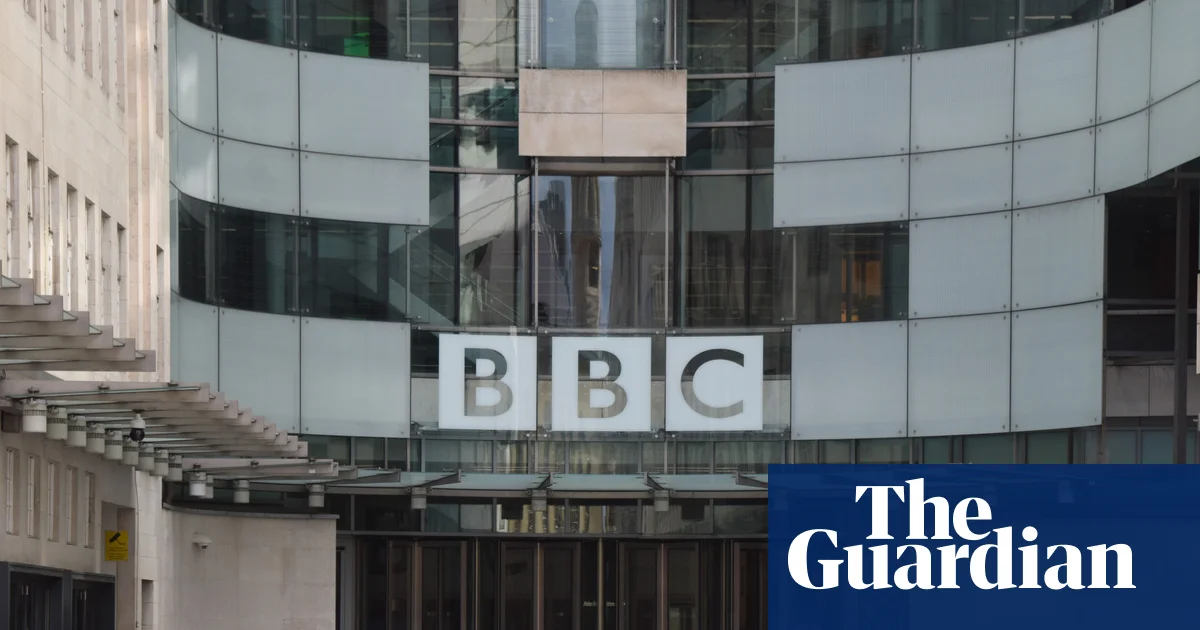
The BBC, one of the world’s most influential media institutions, is undertaking a significant restructuring effort that reveals broader shifts in how Western democracies are managing public assets amidst economic turbulence. Reports indicate a planned 15% reduction in its news division—the most aggressive cut in over a decade—highlighting internal struggles over funding, bias, and societal influence. Nearly 2,000 jobs across the organization are at stake, with staff already bracing for widespread redundancies. This move comes in the wake of political debates over the broadcaster’s perceived bias and credibility, casting doubt on its role as a neutral arbiter of information in increasingly polarized societies.
In a wider geopolitical context, these austerity measures reflect a challenge facing many Western nations: how to fund and manage major international institutions as governments tighten belts. Historically, the BBC’s ability to shape public discourse has made it a pawn in political struggles over national identity and influence. The recent leadership change, with Matt Brittin stepping in as Director-General—a former Google executive—underscores a shift towards corporatizing the public broadcaster’s governance, aligning with a global trend where private interests and government interests increasingly intertwine. Analysts warn that such moves may further polarize media landscapes, impacting how nations shape their internal narratives and influence global perceptions.
Implications for Society and International Influence
The BBC’s dramatic cutbacks threaten to alter the fabric of UK society and ripple outward—affecting international perceptions of the United Kingdom and its soft power. As the world’s media becomes more concentrated and politicized, the risk intensifies that information will be less diverse, potentially fueling misinformation or fostering government-friendly narratives. Prominent historians and international watchdogs, such as Reporters Without Borders, warn that shrinking public broadcasting can undermine democratic accountability. The decision to pare down news and current affairs, which consumed over £300 million annually, demonstrates a prioritization of cost savings over societal importance, with potential long-term consequences for civic engagement and global credibility.
Furthermore, these decisions resonate beyond Britain. Countries across the Anglo-American sphere observe closely, as public broadcasters face similar pressures. The consolidation of local radio services into omnibus networks—mirroring moves in commercial radio—may lead to a homogenization of regional voices, further narrowing the cultural diversity essential for international diplomacy and cultural diplomacy. The U.S. and European allies are watching how these internal UK debates influence their own media policies, which could lead to increased reliance on private platforms for news dissemination, consolidating global information flows into fewer, often more ideologically aligned, outlets.
Decisions of Power and the Weight of History
As the British government appears willing to allow the BBC to downsize, the implications extend into the international realm—testament to the fragile balance between state authority and independent media. The BBC’s headcount reduction, driven largely by staff reductions and restructuring, is not an isolated event; it echoes worldwide efforts to cut public sector costs amid economic pressure. Yet, analysts warn that such strategies risk weakening the institutions that serve as guardians of transparency, accountability, and cultural cohesion. The decisions made in these boardrooms may seem pragmatic, but they carry the weight of history, as nations face the enduring challenge of preserving free expression in an age increasingly dominated by political expediency. As societies brace for a future shaped by these cuts, the question remains: will this be a moment of necessary reform or the beginning of a decline in the cultural and informational independence of the world’s most influential media institutions?






