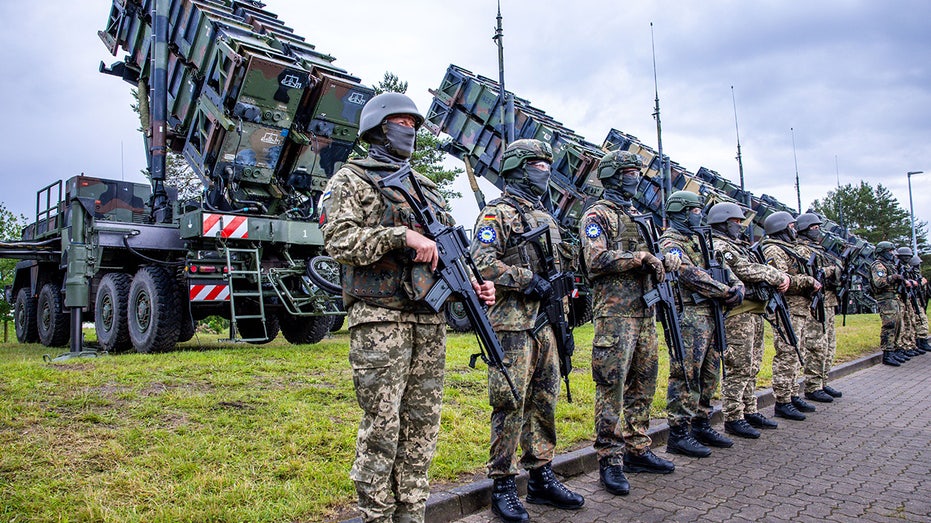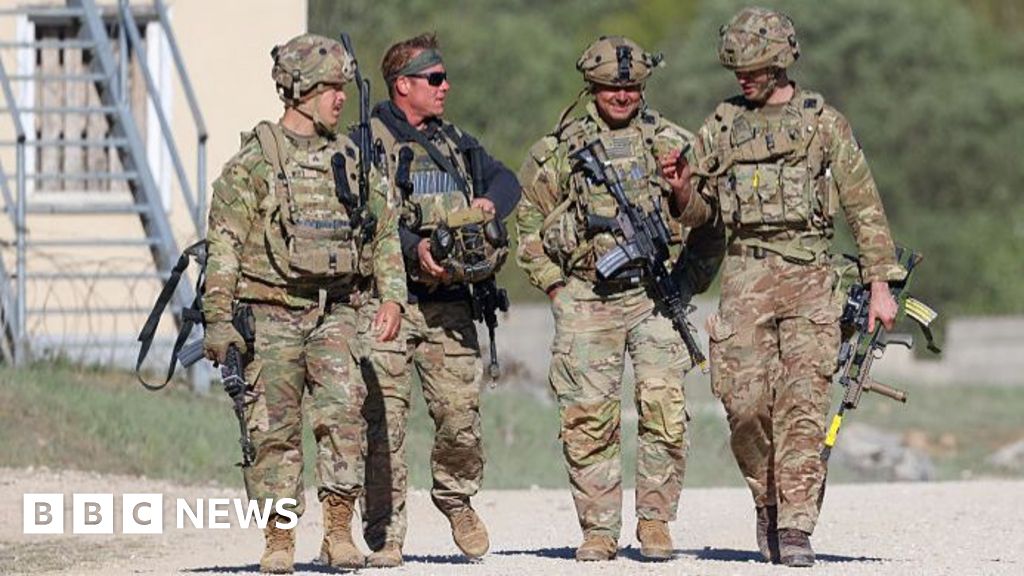
The recent decision by the United States to decrease its military deployment to Germany marks a significant shift in transatlantic relations amid an escalating dispute over Iran’s nuclear ambitions. This move, announced amidst rising tensions over Iran’s nuclear program and regional influence, signals a potential realignment of American military priorities in Europe. Analysts are closely watching this development as it underscores the complex interplay between **US foreign policy**, **NATO cohesion**, and **regional security architectures**. Historically, the stationing of American forces in Germany has been a cornerstone of Cold War geopolitics, but recent strategic recalibrations suggest a pivot toward a more conditional engagement in Europe.
The decision comes after prolonged diplomatic friction between **the US and Germany**, exacerbated by disagreements over Iran. Washington accuses Berlin of insufficient cooperation in curbing Iran’s nuclear activities and regional ambitions. These tensions are underscored by the broader context of **US efforts to apply maximum pressure on Iran**, including sanctions and diplomatic isolation, aimed at preventing nuclear proliferation. In response, **Berlin** has emphasized diplomatic engagement and has been cautious in aligning fully with Washington’s hardline stance. The divergence reflects a broader **geopolitical realignment**, where European nations are balancing their traditional alliance commitments with their own strategic interests in the Middle East.
As the United States diminishes its military footprint in Germany, the geopolitical implications are profound. The redeployment may impact NATO’s operational unity at a time when **russo-European tensions are at a peak**, and China’s expanding influence looms large. International scholars, including policy analysts from the International Institute for Strategic Studies (IISS), warn that the reduction could create power vacuums, which might embolden adversaries and weaken collective defense. Decisions made today will shape the balance of power for decades to come, and many believe it signals a shift from Europe-centered security to a more multifaceted, contested global order.
This move also sends a signal about the **future of US commitments** in Europe, and whether allied nations can sustain the defense arrangements that have underpinned European stability since the Cold War. Germany and other NATO members face mounting questions about their own defense capabilities and resolve. As the strategic landscape evolves, tumultuous challenges—ranging from the *Iranian threat* to the *rising influence of China and Russia*—demand solidarity and clarity from global powers. The stakes are enormous, and with international tensions fraught, history’s most pivotal moments often arise from the decisions made in these quiet corridors of power.
Ultimately, the decision to scale back US troops in Germany amid the Iran saga underscores a vital truth: the world stands at a crossroads of history, where the choices made today will reverberate through generations. As analysts warn of a potential reshaping of alliances and the emergence of new threat landscapes, the global community remains on the precipice of change. The echoes of the past—cold war confrontations, diplomatic crises, and shifting alliances—resound in today’s strategic calculus. The future of global security hangs in the balance, and only time will reveal whether these tentative steps toward recalibration will forge a new era of stability or unwittingly unlock Pandora’s box of chaos.