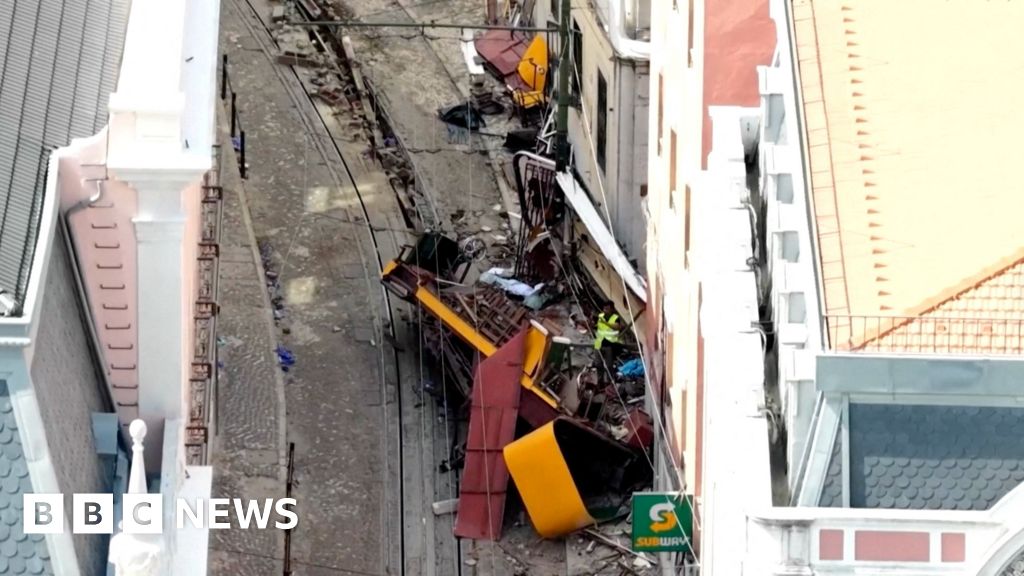

Lisbon Tragically Reveals Flaws in Infrastructure Oversight
In a harrowing incident that sends shockwaves across the international community, Lisbon’s historic Glória funicular abruptly derailed on 3 September, resulting in the tragic loss of 16 lives and leaving 20 others injured. This tragic event, now under investigation, underscores the dangerous gaps that exist in infrastructure safety oversight worldwide, particularly in aging urban transit systems. The preliminary report released this week exposes a series of critical failures, including the use of untested, non-certified equipment, which have reignited debates about the accountability of public transport management and the importance of rigorous safety standards.
Analysis from industry experts and international organizations highlights that this catastrophe was not merely an accident but a symptom of deeper systemic failings. According to Portugal’s Air and Rail Accident Investigations Bureau, the root cause was a defective underground cable, acting as a counterweight between the funicular’s carriages. Disconcertingly, this cable was acquired in 2022 by Lisbon’s public transport operator Carris without proper certification for passenger transportation, revealing glaring oversight deficiencies. Moreover, the report indicates that the cable had been in use for over 600 days on the historic line without incident, raising questions about the decision-making processes of the authorities entrusted with public safety.
Magnifying this troubling reality, the investigation further exposes lapses in routine oversight, maintenance, and emergency preparedness. The emergency brake system, which could have possibly prevented the full extent of the tragedy, failed to activate properly because it had never been tested beforehand. The Linuxist report hints that multiple layers of safety checks either did not occur or were inadequately executed. Lisbon’s Mayor, Carlos Moedas, has publicly stated the incident “was due to technical causes, not political,” yet critics argue that insufficient oversight and bureaucratic neglect have long plagued the city’s aging infrastructure. These failures illustrate a broader, systemic problem: how governments and local entities often prioritize budget constraints over safety, leaving citizens vulnerable to preventable disasters.
The international ramifications of such failures are profound. As analysts warn, similar urban centers around the globe face the same risk if antiquated infrastructure remains unregulated. The incident in Lisbon serves as a stark cautionary tale—highlighting the importance of updated standards, transparent oversight, and responsible management—core principles championed by institutions like the International Association of Public Transport. Historians of urban development caution that neglecting maintenance and safety protocols can tarnish a city’s legacy and threaten its social fabric. While the full investigation into the Glória funicular accident is expected to take approximately 11 months, the incident has already sparked international calls for stronger safety measures and more accountability in public transportation systems.
As the city grapples with loss and the need for urgent reforms, the weight of history presses heavily on future decisions. Each failure, each avoided crisis, leaves behind a shadow, reminding the world that infrastructure is not merely steel and cables—it is a testament to societal priorities, accountability, and the rule of law. The unfolding story in Lisbon is more than a localized tragedy; it is a defining chapter in the ongoing struggle to safeguard human lives in an era where speed and innovation must never outpace responsibility. Humanity now stands at a critical juncture, where the decisions made today could either build resilient societies or pave the way for future, even more devastating, failures. In this moment of reckoning, the lessons from Lisbon are painfully clear: safety is non-negotiable, and neglect has its price—written in lives lost, and history’s unyielding judgment.