Matox News

Truth Over Trends, always!

South Africa tragedy: 11 lives lost in deadly mass shooting

South Africa Faces a Tragedy: Deadly Mass Shooting Shakes Nation

The recent mass shooting in South Africa underscores the persistent violence that has become emblematic of the country’s social and political landscape. Early Saturday morning, the quiet of the Saulsville township, located west of Pretoria, was shattered when armed assailants stormed an informal drinking establishment, a so-called “illegal shebeen,” and opened fire, claiming at least 11 lives and injuring 14 others. Among the victims was a three-year-old child, while among the wounded were a 12-year-old boy and a 16-year-old girl, highlighting the indiscriminate nature of this brutal attack.

According to police reports, three unidentified gunmen entered the premises at approximately 04:30 local time, unleashing a barrage of gunfire on groups of men engaged in drinking activities. The motive behind this attack remains unknown as no arrests have been made, but analysts observe that such incidents are often linked to broader issues of organized crime and illegal liquor trade. This tragedy is merely the latest in a series of mass shootings that reveal a country struggling to address its rampant gun violence.

Inner Chaos and Failed Governance: The Impact of Unregulated Violence

South Africa’s high murder rate—an alarming 45 people per 100,000, according to the United Nations Office on Drugs and Crime (UNODC) for 2023-24—is a stark indicator of the deep-rooted security crisis. Police data reveal an average of 63 murders every day, painting a grim portrait of a society beset by lawlessness and systemic failures. Illegal liquor outlets, such as shebeens, have become central to the violent landscape, often functioning outside the reach of law enforcement, which complicates efforts to curb violence and protect innocent civilians.

Many analysts argue that the continuous cycle of violence reflects broader societal issues, including poverty, corruption, and ineffective governance. International organizations have repeatedly called for stronger state intervention and comprehensive crime reduction strategies, but political will remains elusive amid competing priorities. Historians warn that if this escalation persists, South Africa could slip further into chaos, jeopardizing both its internal stability and its international reputation.

Global Implications and the Dialectic of Security and Sovereignty

The geopolitical impact of South Africa’s violence extends beyond its borders, as the country’s stability influences regional security and economic development in Africa. As a key member of the BRICS bloc and an influential player in international Afro-Asian policy forums, Pretoria’s internal strife raises questions about security cooperation and international support. The persistent violence underscores a dangerous trend: failure to address internal crises invites destabilization, which can ripple outward, destabilizing adjoining nations and complicating efforts for regional peace.

Leaders and global institutions are increasingly vigilant. The United Nations and regional organizations like the African Union have issued warnings about the rising levels of violence and the necessity for decisive action. Yet, critics argue that without addressing root causes—such as unemployment, inequality, and illegal weapons trafficking—these crises will only deepen. History has shown that neglecting internal security can transform a nation’s internal fractures into broader geopolitical vulnerabilities.

History’s Unfolding Drama: The Weight of Future Choices

As South Africa navigates this turbulent chapter, the world watches with a mixture of concern and anticipation. The country’s leaders face a critical crossroads: whether to confront the violence head-on through reform and law enforcement or continue to grapple with a persistent legacy of neglect and corruption. The choices they make today will reverberate for generations, shaping the narrative of a nation that teeters on the edge of chaos. Each act of violence not only claims lives but also inflicts trauma that echoes through society’s fabric, etching an indelible mark on history’s unfolding story.
Four lives lost in Russian strike amid ongoing diplomacy to end the war

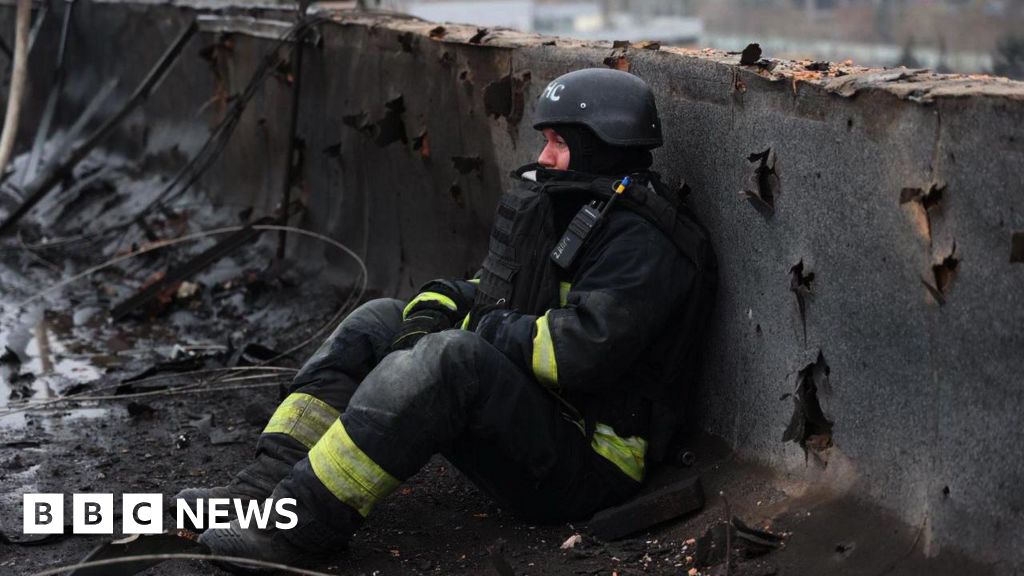
The ongoing conflict in Ukraine remains a flashpoint of international instability, with recent events underscoring the profound geopolitical impact of Moscow’s relentless military campaign. A Russian missile attack on the eastern Ukrainian city of Dnipro—resulting in four deaths and dozens of injuries—serves as a grim reminder that the war, now stretching into its second year, continues to exact a heavy toll on both civilians and military personnel. While unconfirmed reports suggest a ballistic missile was used, the attack exemplifies how Russia’s inability to fully impose its will has led to increasingly indiscriminate strikes, escalating tensions regionally and drawing international concern.

Significantly, these hostilities unfold amidst a complex web of diplomatic maneuvering. On the eve of structured peace talks, U.S. special envoy Steve Witkoff was scheduled to meet with Vladimir Putin in Moscow—an encounter that highlights Washington’s strategic involvement. Despite repeated visits by U.S. officials to Moscow, the reluctance to engage directly with Kyiv exposes the deep fractures in diplomatic consensus. Meanwhile, Kyiv’s leadership, represented by President Volodymyr Zelensky, has described recent negotiations as “very constructive” but admits there are still “tough issues” to resolve. This diplomatic dance underscores the tense and uncertain how decisions will shape future security—not only for Ukraine but for the entire European continent.

The opposing positions remain entrenched. Russia, under Vladimir Putin, insists on Ukrainian retreat from the Donbas, threatening an escalation by force if necessary, as Putin’s words indicate a readiness for prolonged conflict. Conversely, Kyiv, supported by its European partners and seeking NATO membership, argues that security guarantees are non-negotiable. The debate over Ukraine’s path forward—whether it should join a military alliance or receive other security assurances—illustrates the fundamental divide: Russia’s desire to prevent Ukraine from integrating with Western institutions at all costs, versus Kyiv’s aspiration for legitimate security protections deemed vital for sovereignty. Figures such as Donald Trump have explicitly opposed Ukraine’s NATO accession, further complicating an already fragile diplomatic landscape.

In parallel, political turbulence within Ukraine adds layers of complexity. President Zelensky has recently faced internal setbacks, including the resignation of his chief of staff, Andriy Yermak, amid a corruption scandal. These developments have fueled concerns that the Ukrainian government’s internal stability is being tested at a critical juncture. Meanwhile, Zelensky continues to rally support internationally, visiting France and planning trips to Ireland, seeking to boost morale and secure aid amid ongoing hardships. Such efforts are vital, as analysts warn that external and internal vulnerabilities may be exploited by Moscow to push for concessions, a tactic that critics argue favors Russian interests over Ukrainian sovereignty.

As the conflict enters its second year, the death toll exceeds tens of thousands, with millions displaced and the resilience of Ukrainian society under relentless strain. Many historians and international observers view this war as a pivotal moment in modern history—one that will determine whether the principles of sovereignty and regional stability can withstand the pressures of aggressive expansionism. The shadows of 2014 and the annexation of Crimea linger ominously, serving as a stark reminder that the choices made today will resonate for generations. With each missile fired and diplomatic effort launched, the world stands on the cusp of a historical turning point—where the clash of interests and ideologies could redefine the geopolitical landscape for decades to come, leaving an indelible mark on the pages of history.

Floods in Indonesia claim over 500 lives — a tragic wake-up call for action

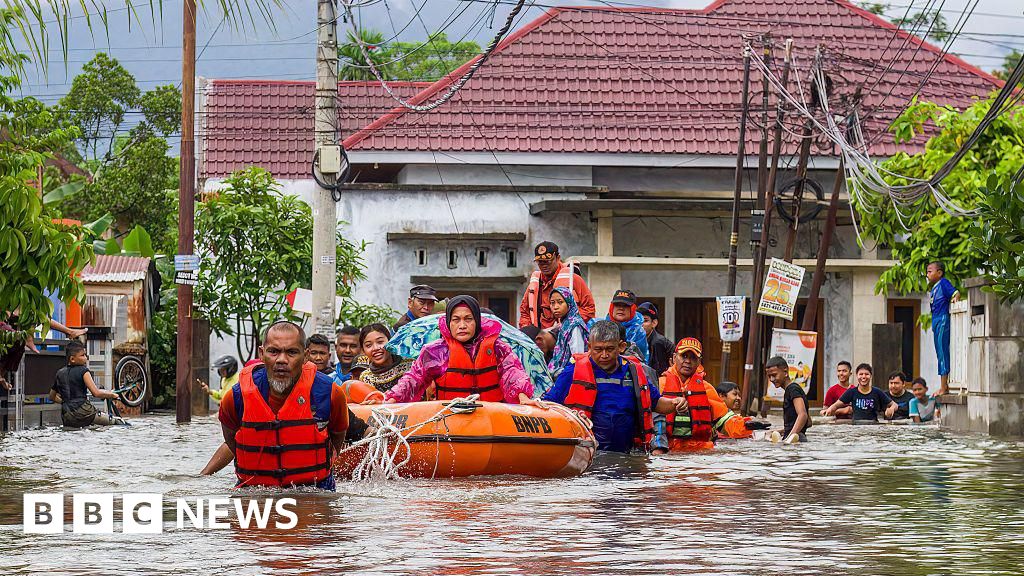
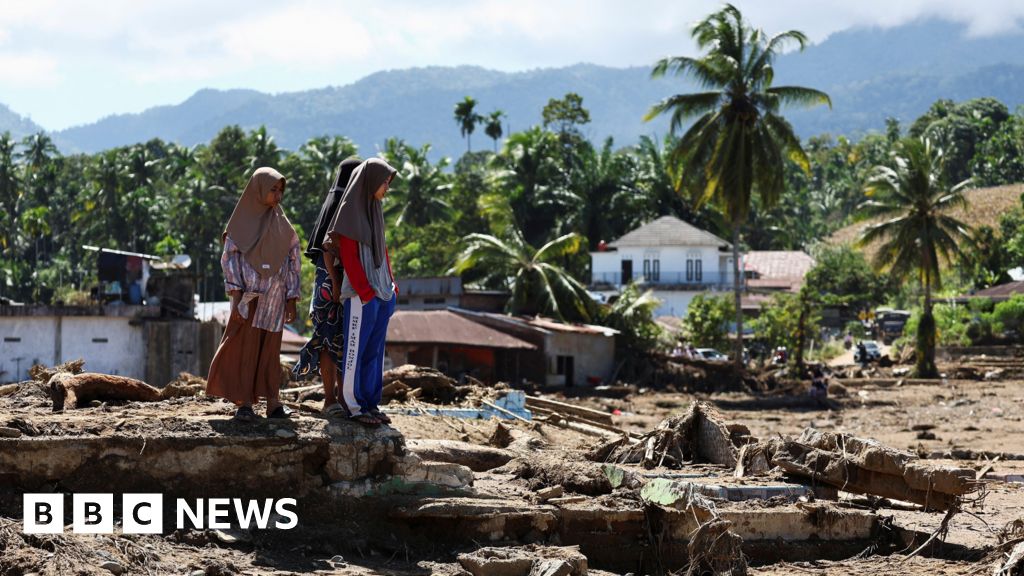
Indonesia is currently grappling with a devastating natural disaster that underscores the growing **geopolitical impact** of climate-related events. Over the past week, **floods caused by a rare cyclone over the Malacca Strait** have resulted in the deaths of more than 500 individuals, with the toll expected to rise as rescue operations struggle to reach the worst-affected provinces. As the world’s fourth-most populous nation, **Indonesia’s** turmoil resonates well beyond its borders, reflecting broader regional vulnerabilities and the global challenge of climate adaptation. This tragedy highlights how nature’s fury is no longer confined to isolated zones but now reshapes geopolitical stability and socio-economic fabric in Southeast Asia. Governments and international organizations worldwide are analyzing the aftermath to gauge future risks and the adequacy of disaster response mechanisms amid accelerating climate change.

Across **Aceh, North Sumatra, and West Sumatra**, thousands remain cut off from essential supplies, with many victims living in conditions marked by absolute despair. Amidst mudslides, washed-away bridges, and impassable roads, rescue workers face immense difficulty in delivering aid, exacerbating the crisis. Historians and analysts warn that modern Southeast Asia’s vulnerability to such floods is intensifying because of **climate change**, which scientists claim is making storms more intense and frequent. The Indonesian government’s response, led by President Prabowo Subianto, emphasizes national resilience but is criticized by some for bureaucratic delays hampering immediate aid deployment. This event serves as a stark reminder of **how decisions or lack thereof** on environmental policies can directly affect millions, transforming environmental disasters into security and political crises. The **International Panel on Climate Change (IPCC)** has previously warned that a warming planet will only magnify these events, requiring urgent global cooperation and strategic foresight.

As this climate catastrophe unfolds, the *regional geopolitical landscape* is also shifting. Countries like **Malaysia, Thailand, and Sri Lanka**, all experiencing their own severe weather episodes recently, exemplify a pattern where **climate disruptions** threaten regional stability. Borders are blurred as migrant flows and resource shortages intensify, and competition for aid and influence among nations becomes palpable. In this climate era, every severe storm underscores the importance of regional alliances and international support, but also exposes gaps in disaster preparedness and climate resilience. Meanwhile, *analysts* from institutions like the **World Meteorological Organization** contend that such events are accelerate due to **human activity**, making climate diplomacy an urgent geopolitical issue that transcends national borders. This interconnected crisis demands strategic, multilateral approaches—yet it also raises questions about sovereignty and the ability of governments to protect their populations from these rapidly escalating threats.

As the dust settles over Indonesia’s flooded landscapes, history’s grand narrative continues to unfold. The current catastrophe is not just a tragedy—it is a warning from the natural world, a call for unity in the face of mounting adversity. The *coming years* will determine whether nations can learn from this disaster and forge resilient pathways forward or fall victim to the chaos that unchecked climate change can bring. In the shadow of this unfolding crisis, the global community faces a stark choice: adapt and prepare or watch as the edge of history rewrites itself amid relentless storms and rising seas. The echoes of this crisis will resonate far beyond the flooded plains of Indonesia, resonating as a critical turning point in the ongoing story of humanity’s struggle with nature’s unleashed power.

Flooding in Southeast Asia claims 600 lives, urgent call for action

South Asia Faces Devastating Floods and Landslides Amid Climate Unrest

The region of southern Asia is currently confronting an unprecedented natural disaster, as torrential rains triggered by tropical storms have wrought widespread destruction across Indonesia, Thailand, Malaysia, and Sri Lanka. These devastating floods, compounded by rare cyclonic activity, have claimed the lives of approximately 600 individuals and left millions displaced, exposing the perilous intersection of climate change and geopolitical stability. As rescue operations continue amidst chaos and destruction, analysts warn that such extremes are likely to become the new norm if global actions remain delayed.

Historically, the monsoon season has been a predictable component of Southeast Asian weather patterns, yet this year’s events mark an alarming deviation. In Indonesia, the arrival of Cyclone Senyar, a once-in-a-lifetime tropical cyclone, has caused catastrophic landslides and flooding, sweeping away entire communities on the island of Sumatra. Officials report nearly 300 individuals are still missing, with some homes submerged and entire neighborhoods washed away in seconds, according to local residents and disaster agencies. Similarly, in Thailand, the city of Hat Yai faced record-breaking rainfall—over 300mm in a single day, a figure unseen in three centuries—leading to a death toll exceeding 160. Entire districts have seen infrastructure decimated, with hospitals overwhelmed and bodies needing refrigeration under emergency conditions.

Meanwhile, Sri Lanka bears the brunt of a country battered by both Cyclone Ditwah and relentless rain, with over 130 lives lost and more than 170 still missing. The government has declared a state of emergency, mobilizing emergency aid and international assistance. Climate scientists and regional analysts attribute this pattern to the interaction of Typhoon Koto in the Philippines and Cyclone Senyar in the Malacca Strait, embodying a disturbing trend of intensified and prolonged weather crises fueled by climate change. The regional climate crisis, yielding heavier than typical monsoons, underscores the geopolitical challenge: how to adapt and respond before the damage becomes irreversible. Globally, organizations such as the United Nations warn that climate-related disasters are no longer isolated incidents but a direct threat to stability and security.

Ultimately, this confluence of natural calamities is more than just a reminder of Earth’s volatile climate; it exposes how poorly prepared vulnerable nations remain to confront such upheavals. To many analysts, these incidents serve as a stark warning that the global community must act decisively to curb emissions and bolster resilience. The ongoing rescue efforts, while heroic, highlight the disparity—wealthier nations can invest in advanced infrastructure and swift aid, yet millions across South Asia continue to face the brutal impact of nature’s fury with limited resources. As the waters recede and emergency services tend to the injured and displaced, the question remains: how much longer can societies endure these relentless onslaughts before the fabric of civilization itself begins to fray? For now, the waters keep rising, and history eagerly watches to see if this crisis will inspire meaningful change or be just another chapter in a long story of neglect, leaving future generations to contend with a planet in peril.

Hong Kong Tower Fire Claims 128 Lives, Youth Voice Demands Action

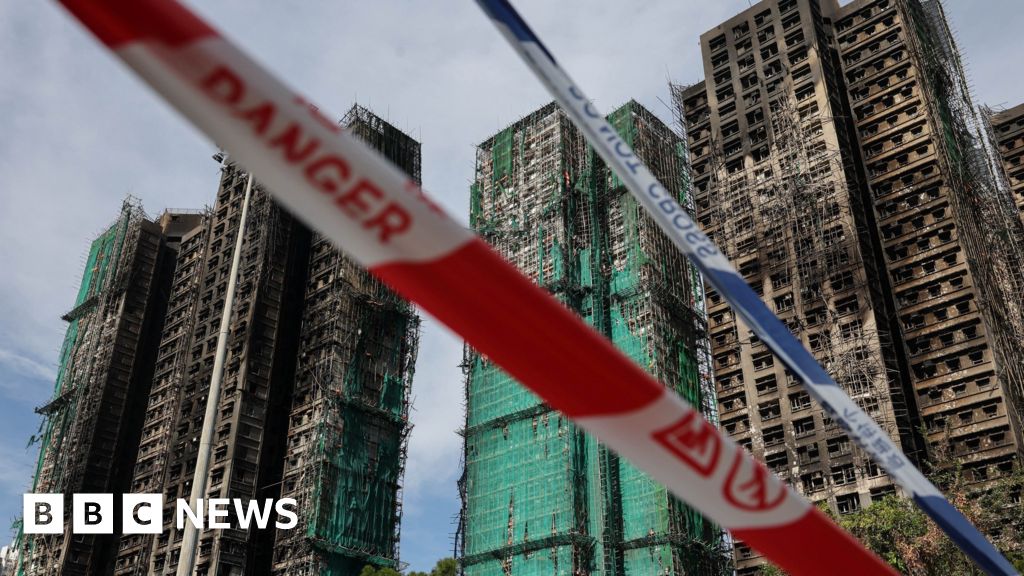
The recent fire outbreak at Wang Fuk Court in Hong Kong marks one of the most devastating tragedies in the territory’s modern history, with **128 lives lost** and dozens still missing. This catastrophe underscores profound failures in building safety standards and , igniting questions about how local governance and international investors manage safety protocols amidst ongoing urban renovations. As rescue operations conclude and emergency agencies tally the damage, the impact on Hong Kong’s societal fabric and global image becomes unmistakably clear, reflecting broader issues of urban neglect and corruption entrenched in the city’s development.*

This disaster, which saw flames rip through seven of the eight apartment blocks, speaks to systemic vulnerabilities. Firefighters worked tirelessly, with over 2,300 personnel involved in containment efforts, but the rapid spread was exacerbated by combustible exterior materials such as Styrofoam, which officials now link to the uncontrolled blaze. Experts from the International Fire Safety Organization warn that such negligence is indicative of a larger pattern—where cost-cutting and lax regulation compromise safety, especially in densely populated zones with aging infrastructure. Moreover, testimonies of missing safety alarms and allegations of turned-off fire systems by construction workers reveal a disturbing neglect that goes beyond mere oversight, pointing to potential criminal negligence***. These revelations resonate internationally as a warning of what unchecked corruption and profit-driven development can lead to, endangering vulnerable populations.

International analysts and historians have already contextualized this tragedy within Hong Kong’s longstanding struggle with urban density and governance. The 1948 fire that claimed 176 lives remains a dark chapter, and the current incident has reignited debates about urban planning failures—especially amidst recent protests over housing affordability and public safety. The fact that nearly 40% of residents are seniors who have lived in Wang Fuk Court since its 1983 construction emphasizes rising concerns that neglect of the elderly and marginalized communities is a symptom of broader societal disparities—disparities widened by the interplay of local government policies and international economic pressures. Such failures have drawn sharp criticism from international watchdogs and local civil society groups, who argue that the tragic loss could have been prevented had safety oversight been prioritized over profit gains.

The geopolitical repercussions extend beyond Hong Kong’s borders. As a major global financial hub, the city’s stability is vital to international investors and regional powers, notably China, whose leadership faces increasing scrutiny over transparency and governance. The incident fuels broader worries about urban resilience in the face of rapid development and challenges international perceptions of Hong Kong’s autonomy and rule of law. Some experts suggest that this crisis could catalyze reforms, but others caution it might deepen authoritarian tendencies, where accountability remains elusive. The story of Wang Fuk Court is thus not merely a local tragedy, but a symbol of the struggle between neglect and resilience, a chapter still being written in a consequential saga that shapes the very future of Hong Kong and, by extension, China’s global image.

As smoke clears and the city grapples with the enormity of the loss, history urges caution. Every life lost etches a scar into Hong Kong’s collective memory—an indelible reminder that the spirit of a society is measured by how it confronts its darkest hours. Yet, as with all moments of profound crisis, the question remains: will this catastrophe serve as a catalyst for meaningful reform, or will it fade into the backdrop of ongoing urban struggles? The weight of this tragic chapter lingers, leaving the world with a haunting realization—that sometimes, the flames of destruction threaten to consume not just buildings, but the very foundation of societal trust and safety, until a return to vigilance becomes the only path forward.

Tragedy strikes as fire claims at least 44 lives, hundreds still unaccounted for in tower blaze

Map that labels China, Hong Kong and Tai Po, highlighting Wang Fuk Court

Hong Kong Blaze Unfolds: A Tragedy with Broader Geopolitical Ramifications

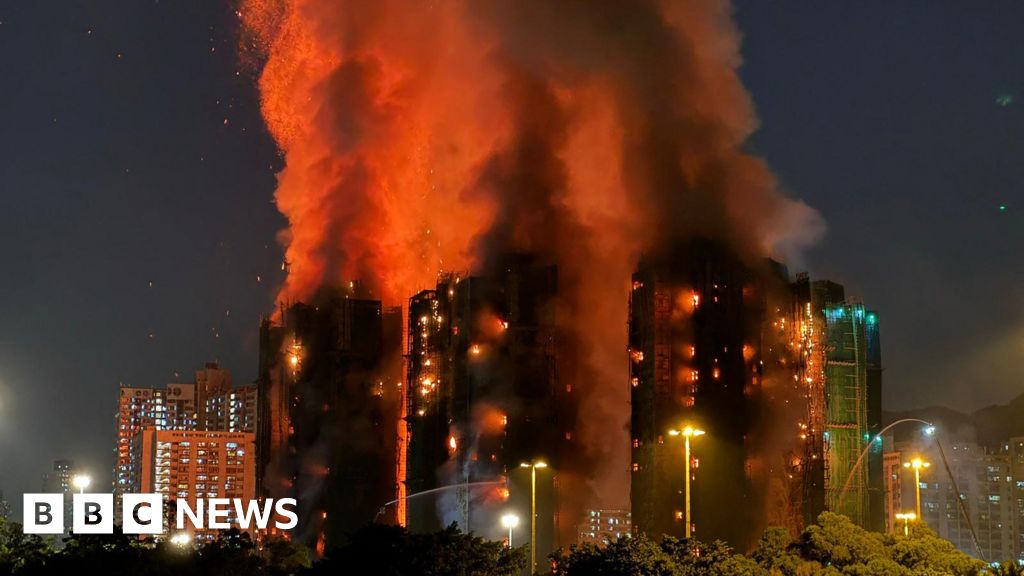
The recent inferno engulfing the Wang Fuk Court housing complex in Hong Kong’s Tai Po district has shocked the international community and cast a spotlight on the city’s ongoing safety dilemmas amid rapid urban renewal. Involving more than 760 firefighters, the fire has claimed at least 44 lives, with hundreds still missing, and has sent shockwaves through a city famed for its dense high-rise architecture and unique blend of East-West integration. While local authorities scramble to contain the blaze and investigate its causes, analysts emphasize that this tragedy extends beyond immediate rescue efforts, revealing underlying tensions regarding urban infrastructure, safety standards, and the city’s overarching geopolitical identity.

At the heart of the incident is the controversial use of bamboo scaffolding—an aged construction method still prevalent in Hong Kong, despite efforts by local authorities to phase it out in favor of modern metal alternatives due to safety concerns. The bamboo scaffolding’s role in the rapid spread of the fire has raised suspicion, with preliminary evidence suggesting the flammable material may have exacerbated the blaze. The cause remains officially unconfirmed, but Hong Kong’s security secretary Chris Tang has alluded to possible suspicious activity, including the use of polystyrene to seal windows—a practice criticized for its fire hazards. This incident not only underscores the dangers of outdated construction practices but highlights the broader challenge Hong Kong faces in balancing tradition, safety, and urban resilience amidst ongoing political and social flux.

International organizations and Western analysts interpret the tragedy as a bellwether for Hong Kong’s evolving socio-political landscape—a city caught at the crossroads of greater integration with mainland China and its own distinct identity. Experts warn that the government’s ongoing push to modernize infrastructure, coupled with the lingering use of traditional building methods, could portend more crises unless comprehensive reforms are implemented swiftly. Xi Jinping, China’s paramount leader, expressed condolences and urged action to minimize further losses, reaffirming Beijing’s emphasis on maintaining stability and asserting greater control over Hong Kong’s civic infrastructure. Such signals underscore the emerging dynamic: Hong Kong, once a global financial hub, increasingly finds itself entangled in a geopolitical chess game where safety incidents are viewed through the lens of sovereignty and national security.

Shifting Tides and Lingering Shadows

The fire at Wang Fuk Court is not an isolated event—it echoes a tragic history of urban fires, with the city facing a comparable high-rise catastrophe 17 years ago at Cornwall Court. Such recurrent incidents symbolize a city grappling with modernization while attempting to preserve its identity amid political upheaval and economic transformation. Historian and urban safety analysts note that these disasters expose vulnerabilities inherent to dense urban environments, where outdated building materials and methods clash with contemporary safety standards.

Furthermore, the incident exposes societal rifts—many residents, primarily elderly, faced peril without timely alarms or evacuation assistance. Amid ongoing debates about the adequacy of emergency protocols and infrastructure, the broader geopolitical impact becomes clear: Hong Kong’s internal struggles over safety and sovereignty manifest as a microcosm of its complex relationship with Beijing. As authorities debate solutions, including replacing bamboo scaffolding with safer materials, the city’s future hangs in precarious balance, weighed down by history and the relentless march of progress.

As darkness falls over the smoldering ruins of Wang Fuk Court, the echoes of this tragedy resonate far beyond the borders of Hong Kong. The flames threaten to ignite a larger debate—one that questions the very fabric of urban life in a city where tradition and modernity collide, and where every decision could tilt the delicate scales of stability. In this unfolding chapter of history, the world watches with bated breath, knowing that the outcome of this crisis could redefine the narrative not just of a city, but of a generation seeking to reconcile the scars of yesterday with the promise of tomorrow. The flames are dying down, but their legacy is only just beginning to flicker across the pages of history, waiting for the next act to be written in the ongoing saga of urban resilience and geopolitical authority.

Bangladesh earthquake claims five lives, injures over 450—urgent response needed

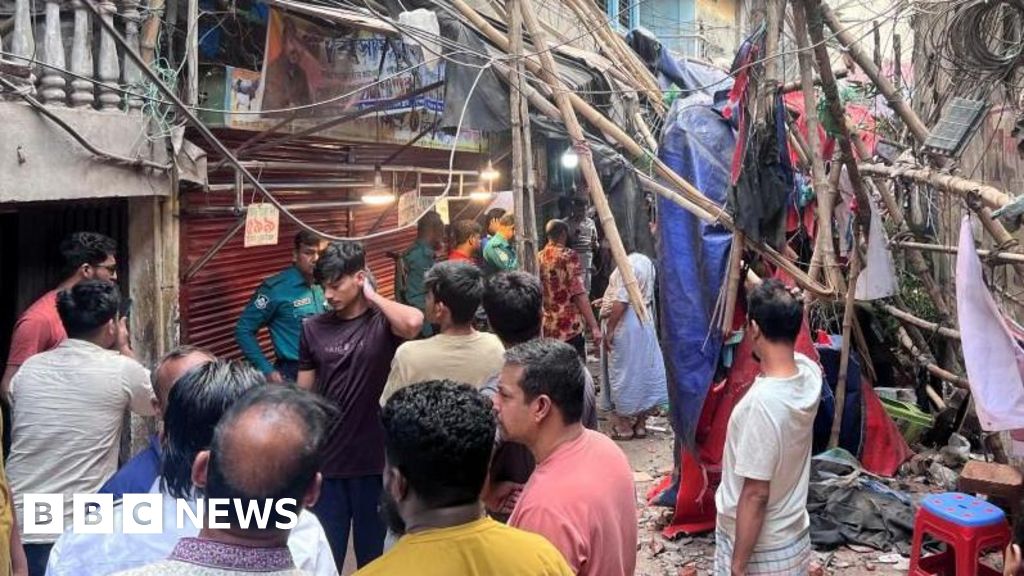
In a stark reminder of nature’s unpredictable force, Bangladesh was rattled by a 5.5 magnitude earthquake, resulting in at least five fatalities—including a child—and over 450 injuries. The quake’s epicenter was located near the Narsingdi district, approximately 30 kilometers from the capital, Dhaka. This seismic event has revealed underlying vulnerabilities in one of the world’s most densely populated nations, stirring concern about the resilience of its infrastructure and emergency response systems. As buildings swayed and makeshift structures crumbled under the tremors, the immediate human toll was stark: residents fleeing in panic and chaos, streets flooded with traumatized survivors trying to assess the damage. Such events, while localized, have the potential to catalyze broader questions about regional stability and the readiness of nations like India and Myanmar, which border Bangladesh and felt similar tremors, to respond to natural disasters rooted in the tectonic fault lines that crisscross this volatile region.

International analysts and organizations are warning that these seismic disturbances could foreshadow even greater challenges ahead. The United Nations Office for Disaster Risk Reduction has long emphasized the need for comprehensive infrastructure reinforcement in South Asia’s earthquake-prone zones. Yet, the rapid pace of urbanization combined with historic neglect has left many structures dangerously vulnerable. Local officials, such as Nitai Chandra De Sarkar, outlined their immediate priorities: casualty assessment and damage control, with rescue and debris management yet to be fully mobilized. The crisis underscores a critical geopolitical impact: as populations multiply and urban density increases, so too does the risk of catastrophic consequences from natural calamities. Countries in the region, including Pakistan and Sri Lanka, could face ripple effects, with resource allocation and disaster preparedness becoming increasingly strained amidst ongoing geopolitical tensions and economic challenges.

Meanwhile, the earthquake’s sudden disruption extended beyond borders, notably halting a cricket test match between Ireland and Bangladesh. This pause in the game was a stark reminder that even in moments of sport and leisure, humanity’s fragile grasp on stability can be swiftly shaken. Heinrich Malan, Ireland’s head coach, reflected on the experience, comparing it to past tremors from his time in New Zealand. The incident underscores how natural disasters transcend national borders, affecting diplomatic relations, trade, and regional security. How nations prepare and respond to such events will significantly influence their future resilience and international standing. As aid begins to flow into the affected areas, international bodies are reassessing their strategies for disaster mitigation, emphasizing the importance of swift response and infrastructural rebuilding to prevent future tragedies. Yet, as history repeatedly shows, prevention is often sidelined by short-term political and economic considerations, leaving vulnerable populations to face yet another chapter in the ongoing narrative of human resilience versus nature’s relentless force.

In the shadow of this seismic event, the geopolitical landscape appears to shift imperceptibly but profoundly. The region faces a choice: to invest in resilient infrastructure and emergency preparedness or to risk greater calamities that threaten to destabilize already fragile societies. As the earth trembles beneath them, these nations find themselves at a crossroads—one forged by the weight of history and the unpredictable fury of the natural world. The tremor in Bangladesh has left its mark not only on the landscape but also on the collective consciousness of a region on edge. In these moments of chaos and recovery, the question remains: how will history remember the choices made today? Will they be seen as mere responses to a fleeting crisis, or as a testament to humanity’s unwavering resolve to withstand nature’s mighty hand? The answer will define generations—an unfolding story of resilience, conflict, and hope shaping the future of South Asia and beyond.

Islamabad Bombing Claims 12 Lives, Authorities Vow Justice

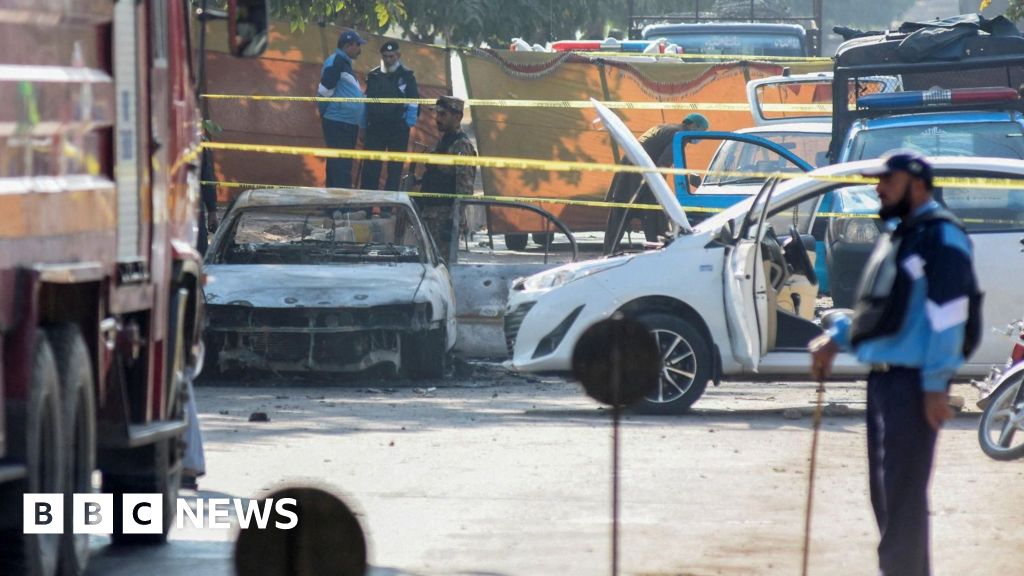
The recent suicide attack in Islamabad, resulting in the loss of 12 lives and devastating injuries to at least 27 others, underscores a troubling resurgence of violence in the heart of Pakistan. This attack, occurring outside a district courthouse, marks a significant deviation from recent trends, as Islamabad had largely been spared from the wave of terrorist violence that afflicted other regions of the country over the past few years. Pakistani authorities swiftly denounced the act, with Interior Minister Mohsin Naqvi emphasizing their resolve to identify and bring the perpetrators to justice. The incident, occurring at 12:39 local time, is a somber reminder of the complex internecine conflicts, regional insurgencies, and internal political strife that continue to threaten stability in this nuclear-armed nation.

Analysts suggest that this surge in violence may be indicative of deeper geopolitical shifts and internal struggles for power. Historically, Pakistan’s internal security has been challenged by militant groups linked to both state and non-state actors, often exploiting geopolitical tensions between neighboring India, Afghanistan, and superpower influences from China and the United States. The timing of this attack—coming three years after Islamabad’s last major suicide bombing—raises questions about the effectiveness of the country’s counter-terrorism policies. According to respected geopolitical analyst Rajat Sharma, such acts of violence are “a reflection of the fragile stability that underpins Pakistan’s internal security apparatus, especially in a regional climate heavily influenced by contestation over influence and sovereignty.”

In the broader context, this incident may also impact international perceptions of Pakistan. The United Nations and various regional watchdogs have often warned that fragile security in countries like Pakistan could serve as a catalyst for destabilization across South Asia. The Pakistani government now faces increased scrutiny from allies and adversaries alike—ewn governments seek stability, while militant factions aim to destabilize. As President Asif Ali Zardari condemned the attack, many regional experts pointed out the importance of strengthening societal resilience and security agencies, or risk allowing these acts of terror to spiral into broader chaos with unpredictable, possibly global, repercussions.

Historically, Islamabad’s last major terrorist event was three years ago, yet the recurrence of such violence indicates a persistent threat that could deepen regional instabilities. The international community, including actors like Russia and China, closely monitors Pakistan’s trajectory, aware that its internal security deeply influences regional and even global geopolitical balance. The significant costs of mounting internal conflicts are not only measured in lives lost but also in the fragility of international alliances, trade routes, and strategic interests spanning from the Middle East to Asia. As the dust settles over the charred remains of the scene, the weight of history presses down—these moments, fleeting yet profound, continue to shape the course of an increasingly interconnected world. Today’s violence in Islamabad could be a harbinger of renewed instability, a reminder that in the theatre of geopolitics, the stakes are nothing short of global security itself.

Seven migrants lose their lives in tragic sinking near Thai-Malaysia border

In a stark reminder of the ongoing humanitarian crisis in Southeast Asia, at least seven lives have been lost as a boat carrying undocumented migrants sank near the border between Thailand and Malaysia. The incident, which has sent shockwaves through regional and international corridors, underscores the perilous plight of the Rohingya minority—an ethnic group caught in a relentless cycle of persecution and displacement. Malaysian authorities report that 13 individuals have been rescued, but hundreds remain missing, with a boat carrying approximately 70 people believed to have gone down in the waters near Langkawi. This tragedy highlights the deadly human toll that unresolved conflicts, economic hardship, and international neglect continue to exact on vulnerable populations.

The Rohingya crisis is emblematic of a broader geopolitical divide that influences regional stability. Since the brutal crackdown by Myanmar’s military in August 2017, which forcibly displaced hundreds of thousands of Rohingyas into neighboring Bangladesh, the international community has been grappling with the question of sovereignty, human rights, and regional responsibility. Many Rohingyas, denied citizenship and facing systemic discrimination within Myanmar, view Malaysia—a Muslim-majority country—as a hoped-for refuge, yet their perilous maritime journeys reveal the limits of regional asylum policies. Analysts argue that this exodus underscores a failure of international diplomacy and the persistent failure of Myanmar’s government to address minority rights, creating a volatile environment that spills over into neighboring nations.

The dramatic rise in illegal maritime crossings exemplifies how civil conflicts and oppressive regimes have direct, destabilizing effects far beyond their borders. Since 2017, rights groups and international organizations, including the UN, have warned of the dangers of the trafficking networks that prey on desperate Rohingyas, often charging exorbitant fees—sometimes more than $3,000—per passage. As the boat sank and rescue efforts continue, the incident serves as a grim test of Southeast Asia’s ability to uphold maritime safety and human rights standards. Australian and European analysts have pointed out that this tragedy is a clear symptom of the region’s inability to effectively stem illegal migration, which, in turn, fosters instability, fuels refugee crises, and deepens socio-economic strains on border nations.

Global institutions have called for concerted action, urging Southeast Asian governments to enhance cooperation regarding refugee protection and maritime security. Yet, the geopolitical calculus often favors tough borders and strategic interests. Countries such as Malaysia and Thailand face internal and external pressures to manage migration, with some factions advocating stricter border controls to contain what they perceive as a threat to national sovereignty or social cohesion. Such sentiments risk undermining international efforts and leaving the most vulnerable populations to an unforgiving fate at sea. As historians and political analysts warn, the ongoing crisis could forge a new era of regional instability if neglected—history has shown that unsolved conflicts tend to erupt again, igniting broader geopolitical conflicts.

As rescue operations stretch into a second day and search areas expand, the *weight of history continues to press down*. Each life lost, each vessel sent to peril, becomes a somber reminder of unresolved conflict and the profound failures of international custodianship in this volatile region. The Rohingya crisis is no longer a distant humanitarian concern; it is a crucible in which the fate of human rights, sovereignty, and regional security are being tested. The coming days will reveal whether Southeast Asia can break the cycle of tragedy or whether history will continue its dark course, leaving countless lives adrift and the world with an unresolved moral crisis that demands urgent and sustained action.

Fire at Turkey perfume warehouse claims six lives, highlighting safety concerns

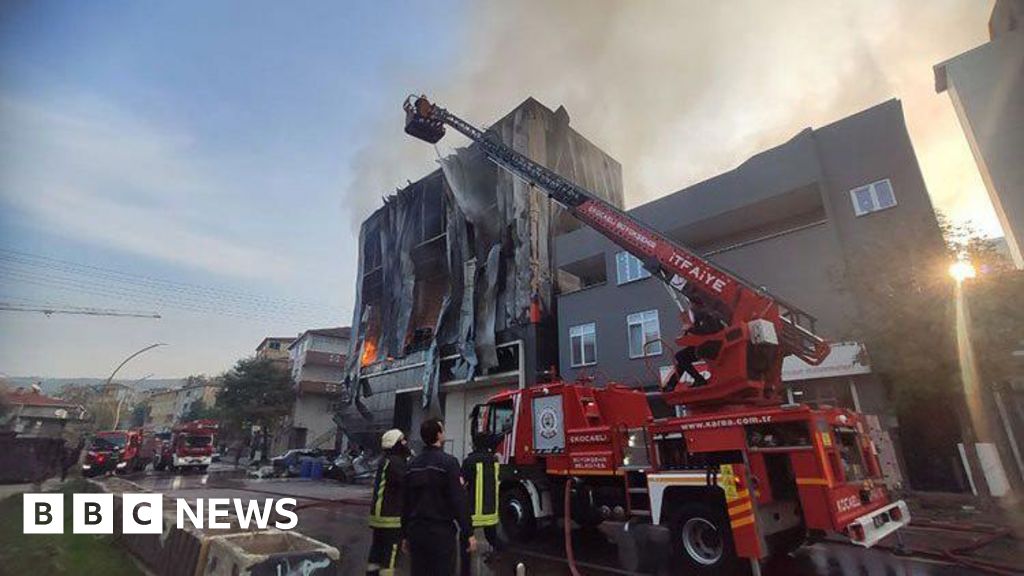
In a devastating incident that underscores Turkey’s ongoing industrial vulnerabilities, a fire erupted at a perfume warehouse located in the industrial hub of Dilovasi, in Kocaeli Province. The blaze, which broke out early Saturday morning, resulted in the tragic loss of six lives and left five others hospitalized. The incident highlights the dangers inherent in Turkey’s robust yet often perilously managed manufacturing sector, especially in regions teeming with factories and depots crucial to its economic infrastructure.

Authorities from both the Justice Ministry and the Labour Ministry have launched comprehensive investigations into the incident, aiming to determine the cause of the fire, which remains unspecified as of now. Witnesses describe a sudden explosion that ignited the flames, engulfing nearby facilities and creating a scene of chaos. The local government, led by Kocaeli Metropolitan Municipality, has reported that the fire has been fully extinguished but emphasized the importance of scrutinizing industrial safety protocols. The accident comes as a reminder that Turkey, despite its growing economic influence, continues to grapple with safety standards that often lag behind its rapid industrial expansion.

Analysts and international commentators suggest that this tragedy exposes the broader vulnerabilities within Turkey’s industrial and economic systems, which are intertwined with its increasingly complex geopolitical position. As Turkey navigates its ascent on the global stage, it faces mounting pressure from internal and external forces demanding greater accountability and safety. The incident could catalyze international calls for Turkey to align its manufacturing practices with more stringent safety and environmental standards, particularly from organizations such as OECD and EU regulatory bodies. This event also risks tarnishing Turkey’s reputation as a key player in regional commerce, potentially impacting foreign investment and diplomatic relations, especially with Western allies concerned about stability and rule of law.

Historically, Turkey has been a strategically vital actor straddling continents and cultures, with its industrial capacity serving as a cornerstone of its geopolitical ambition. Yet, as experts warn, such tragedies are a stark reminder that economic growth must never come at the cost of human safety. The fire at the perfume warehouse could serve as a turning point—pushing reforms or, conversely, deepening concerns over regulatory negligence. With Turkey’s strategic importance in the Eurasian corridor, how it responds to these setbacks will resonate far beyond its borders, potentially shaping the regional balance of power in unpredictable ways.

As the dust settles over the smoldering ruins of Dilovasi, history continues to be written—one chapter of industrial peril and geopolitical consequence at a time. The flames may be doused, but the questions about safety, governance, and international responsibility remain ablaze. For nations observing from afar, the unfolding response to this tragedy will be a testament not just to Turkey’s resilience but also to its capacity to reconcile economic ambitions with the fundamental duty of safeguarding its people. The weight of these moments hangs heavy in the air—waiting, as always, for the next turn in history’s relentless march.

Social Media Auto Publish Powered By : XYZScripts.com