Matox News

Truth Over Trends, always!

Breaking: Kentucky UPS cargo plane crash claims at least seven lives, raising serious concerns

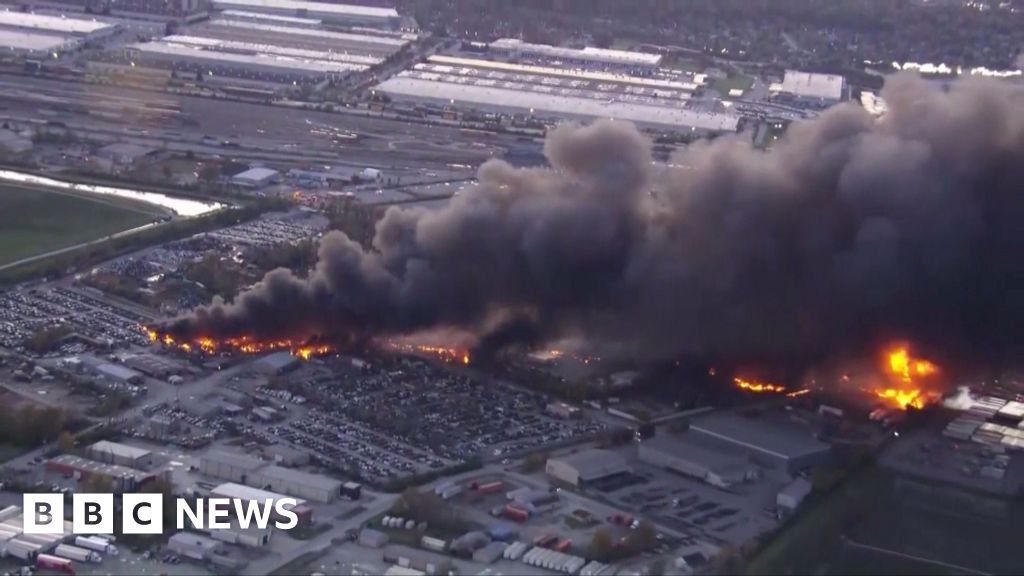
In an unprecedented event that has sent shockwaves through both local and international communities, a UPS cargo plane crashed during takeoff from Louisville, Kentucky, resulting in at least seven fatalities and numerous injuries. The incident, which took place Tuesday evening, underscores the critical importance of aviation safety standards and the potential consequences of technological or operational failures within the global transportation network. Louisville, home to the world’s largest UPS hub, finds itself at the epicenter of a tragedy that offers a stark reminder of the vulnerabilities embedded within our interconnected trade and logistics systems.

The aircraft involved was a venerable MD-11F, a model first introduced over three decades ago and part of the fleets that many logistics giants such as UPS and FedEx plan to retire over the next decade. The plane, carrying approximately 38,000 gallons of fuel en route to Hawaii, plummeted shortly after lifting off, igniting a massive fireball that consumed nearby businesses and triggered extensive emergency responses. While preliminary investigations are ongoing, questions persist about the causes behind this catastrophic failure—be it mechanical malfunction, human error, or an unavoidable mishap in the complex web of international aviation standards.

Notably, this event highlights the geopolitical impact of global logistics infrastructure, particularly the strategic significance of Louisville’s UPS hub. As one of the most critical nodes for international parcels, any disruption reverberates throughout global supply chains, highlighting the dependency of economies worldwide on short, reliable delivery channels. Analysts from international logistics organizations have warned that incidents like this threaten to erode public confidence in commercial aviation’s safety, especially amid an ongoing transition toward modernized and environmentally-friendly fleets. Historian and transportation experts stress that these accidents serve as stern warnings—not only about technological aging but also about the pressing need to adapt and ensure the resilience of our global logistics systems.

The incident also carries profound how decisions affect nations and societies. The immediate aftermath saw Louisville implementing shelter-in-place orders, and the airport temporarily halting all departures, illustrating how localized incidents can cascade into regional security concerns. Authorities have emphasized that the crash site will remain a guarded, active scene for days, with ongoing investigations led by the National Transportation Safety Bureau. Meanwhile, the broader international community observes, aware that the ripple effects of a single accident can challenge decades of progress in aviation safety. Aircraft manufacturers like Boeing, which supplied the MD-11 fleet, have issued statements reaffirming their readiness to support the investigation, demonstrating the interconnectedness of industry stakeholders amid crises.

As cities like Louisville grapple with the immediate damage and ongoing danger, the event’s ultimate impact extends beyond the boundaries of Kentucky. It acts as a stark chapter in a larger narrative—the relentless march of history where technology, human peril, and geopolitical shifts collide. The haunting image of smoke rising over a vital logistics hub becomes a symbol of the fragile balance that sustains the global economy. With each passing day, the story continues to unfold, leaving the world to wonder: how many more risks must society endure before our interconnected systems are truly resilient? As the investigation advances and the aftermath unfolds, this tragedy may well mark a turning point—one that demands reflection on our collective safety and future readiness in an increasingly complex geopolitical landscape.

Uganda and Kenya landslides claim over 40 lives — a tragic reminder of the need for better preparedness

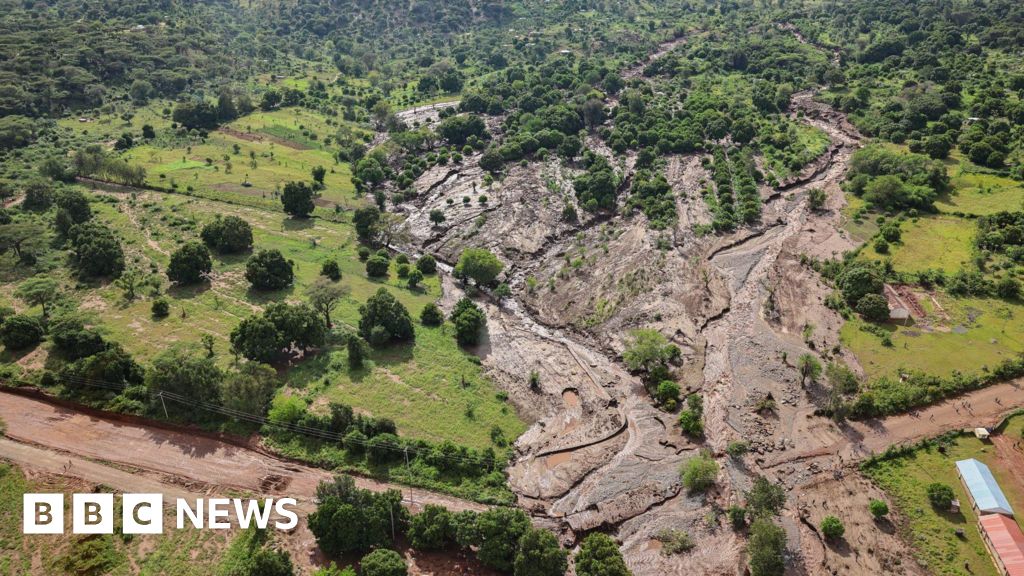
The recent landslides that ravaged the border regions of Kenya and Uganda have exposed not only the region’s vulnerability to natural calamities but also the broader geopolitical and societal implications of climate-induced disasters. Over 40 lives have been lost—blighted by relentless heavy rainfall and unsafe housing in the volatile terrains of the Great Rift Valley. Families are mourning, communities are displaced, and rescue efforts are hampered by ongoing mudslides, underscoring the urgent need for international attention and effective preventative strategies. This tragedy demands a deeper understanding of how environmental instability inside Africa can ripple into regional security concerns, migration patterns, and diplomatic relations, especially in a world increasingly affected by climate change.

Historically, Kenya and Uganda’s landslides are not isolated incidents. Record-breaking rainfall and deforestation since 2010, exemplified by the tragic death of approximately 300 people in the Ugandan town of Bududa, signify a mounting crisis tied to climate stressors. Analysts such as Dr. Emily Chen of the International Climate Agency warn that the frequency and intensity of such natural disasters are expected to rise, especially as local authorities lack comprehensive infrastructure to mitigate these risks. The decision by both governments to distribute modest compensation—5 million shillings in Uganda for the deceased and survivors—stands as a superficial Band-Aid, offering little in the way of sustainable prevention or resilience. The underlying threat extends beyond immediate loss; it heralds a future where climate vulnerability could undermine developmental gains, spark regional displacement, and destabilize fragile societal structures.

The geopolitical impact of these disasters extends into international corridors of power. Global institutions are watching, yet much of the response remains reactive rather than proactive. Countries like Kenya and Uganda are grappling with the repercussions, as their governments face mounting pressure to implement climate adaptation policies. Some experts argue that failing to address these environmental challenges could lead to increased migration across borders, thus straining neighboring nations and potentially fueling regional tensions. As researchers emphasize, the decision to build homes on unstable slopes is a perilous gamble with societal safety—highlighting the critical need for stricter land-use policies informed by scientific analysis. This disaster also serves as a stark warning for international cooperation, emphasizing that climate change is a threat not confined within national borders but a challenge requiring united global action.

As the tragic echoes of lives lost amid relentless mudslides fade into history, the question remains: Will this be a wake-up call for the world to act decisively against the climate crisis? When shifting lands and rising waters threaten to rewrite the map of East Africa, nations face a critical choice—adapt, or witness their societies unravel amid the dust and debris of ignored warnings. With every landslide that obliterates hopes and homes, the weight of history bears down more heavily. The unfolding story of environmental calamity in Kenya and Uganda is not merely a regional issue but a pivotal chapter in the narrative of humanity’s struggle against nature’s fury—a testament to the urgent need for global vigilance and action before more chapters are written in tragedy.

Avalanche in Italy claims five lives, including father and daughter—tragedy strikes the mountains

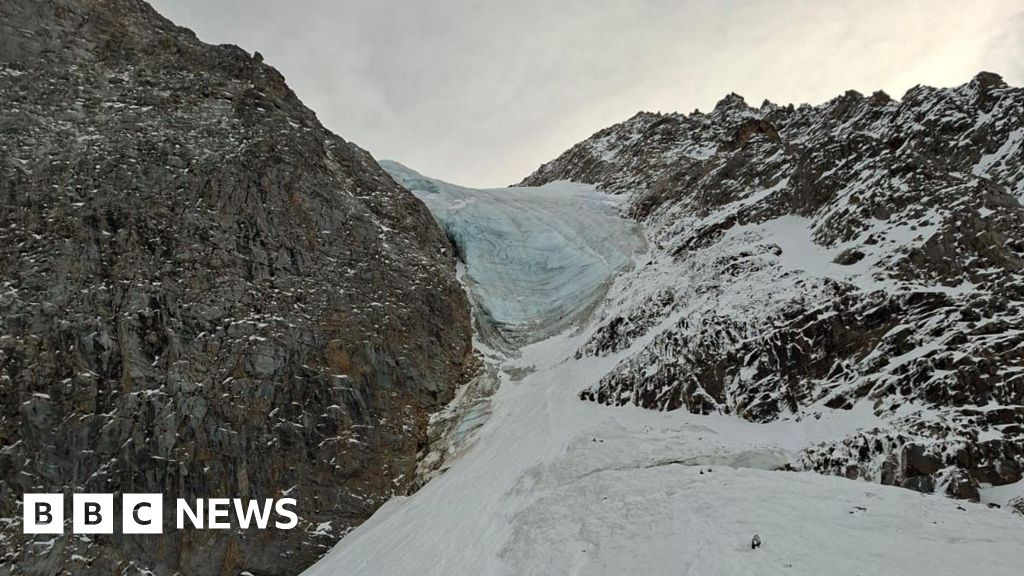
The recent avalanche tragedy in Italy’s Dolomite mountains has cast a stark light on the growing dangers posed by shifting climatic conditions in iconic alpine regions. Five German mountaineers, including a 17-year-old girl and her father, lost their lives amid a sudden and destructive snowslide on Cima Vertana in the spectacular yet perilous Ortler Alps. This incident underscores the multilateral risks confronting modern mountain sports, even as thousands of enthusiasts continue to pursue adventure in these treacherous terrains. The event has ignited alarm within international mountaineering circles and has prompted urgent questions about how climate anomalies are magnifying the risks faced by climbers worldwide.

According to rescue officials, the avalanche was likely triggered by recent snowdrifts that had failed to bond with the underlying ice, a phenomena increasingly associated with the unpredictable impacts of climate change. Olaf Reinstadler, spokesperson for the Sulden Mountain Rescue Service, pointed out that weather conditions had been generally favorable, yet the timing of the climbers’ ascent—late in the afternoon—may have contributed to the tragedy. This detail raises questions about safety protocols and the decision-making processes of climbers venturing into high-risk terrain when visibility and daylight are waning. As rescue efforts resumed after initial delays caused by fog and low visibility, the bodies of the father and daughter were recovered at 2,600 meters, leaving the international community to grapple with the implications of such incidents amid a changing climate.

The geopolitical impact of rising mountain hazards extends beyond individual tragedies, affecting tourism, regional economies, and international perceptions of risk. The European Union, along with regional authorities, must grapple with how to adapt mountaineering safety standards in light of climate irregularities and unpredictable weather patterns. These events have sparked debate among environmental analysts and historians—some warn that the allure of mountain adventure may be increasingly overshadowed by danger, calling for tighter regulations and better forecasting tools. Organizations such as the United Nations Environmental Programme have emphasized the pressing need to consider the broader environmental shifts contributing to such disasters, framing climate change as a threat to human safety and cultural heritage in alpine zones.

As the echoes of this tragedy fade into memory, the unfolding story of climate variability and human resilience continues to write itself into the annals of history. The mountain’s silent verdict — a reminder that uncontrolled natural forces are reshaping our world — hangs heavy over Europe, urging nations and communities to reconsider how they coexist with the increasingly unpredictable natural landscape. Each rescue mission, each loss, pushes this narrative forward: the question of how society can adapt and survive in a world where even the majesty of the mountains can turn deadly in a heartbeat.

Hermosillo Shop Fire Claims 23 Lives, Authorities Report

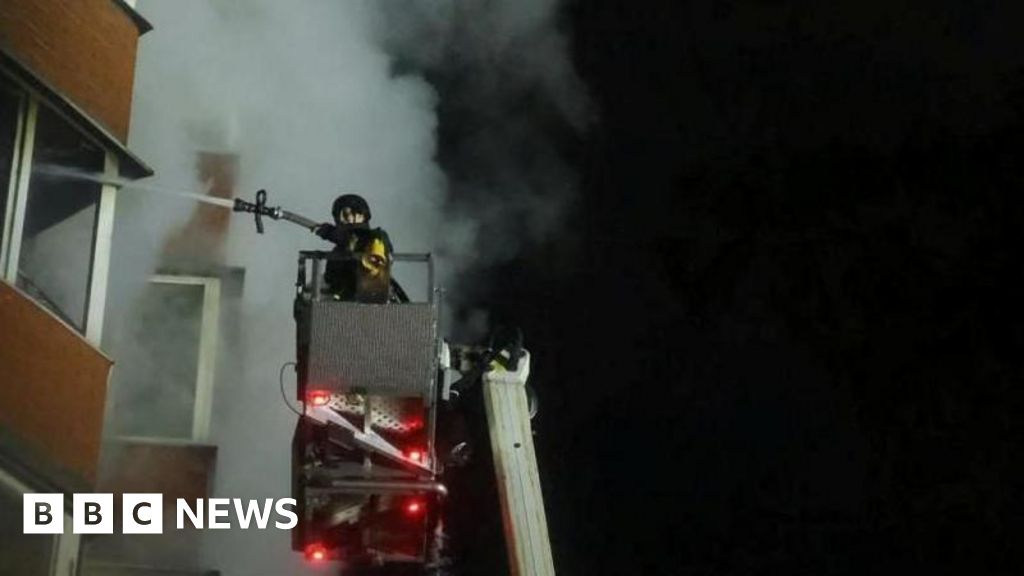
In a tragic event that has once again underscored the fragility of public safety in Mexico, a devastating fire erupted at a branch of Waldo’s, the nation’s largest discount retail chain, located in the city of Hermosillo. The blaze, which broke out on a Saturday in the heart of northwestern Mexico, resulted in the loss of at least 23 lives and injured 11 others, including children. The incident has sent shockwaves through the community and raised questions about safety standards, corporate oversight, and the underlying vulnerabilities within Mexico’s urban infrastructure amidst a broader socio-economic climate that struggles to keep pace with rapid development.

Authorities initially described the fire as an explosion, though the cause remains under investigation. Regional Governor Alfonso Durazo emphasized that the cause had yet to be determined, ruling out the possibility of an attack or deliberate act of violence. This measured response appears calibrated to avoid unnecessary panic, but the incident raises concerns about the safety protocols of widespread retail outlets, many of which operate under similar conditions across the country, often with lax enforcement. The loss of life during a festive weekend—coinciding with Mexico’s *Day of the Dead*—also highlights how societal and cultural vulnerabilities intersect with ongoing issues of urban safety and economic inequality. Mexican President Claudia Sheinbaum expressed her condolences via social media, yet such expressions often seem inadequate in the wake of recurrent tragedies, exposing a gap between political rhetoric and actionable change.

The geopolitical impact of this disaster extends beyond Mexico’s borders, shedding light on ongoing debates about regional safety standards and economic stability. Experts warn that such incidents threaten to undermine confidence in Mexico’s retail sector and could provoke foreign investment hesitancy, especially in the wake of recent economic shocks and political turmoil. Historians and analysts have noted that urban disasters in Mexico are often symptomatic of deeper issues—weak government oversight, corruption, and insufficient emergency response infrastructure—that hamstring efforts to safeguard lives. As Mexico’s government promises an “extraordinary, transparent, and thorough” investigation, the incident becomes a stark reminder that how nations respond to moments of crisis shapes their international image and internal resilience.

Furthermore, the incident highlights an unsettling pattern of neglect that pervades many developing economies. The cancellation of cultural events linked to the *Day of the Dead* reflects the societal impact of such tragedies—disrupting traditions and communal mourning. As international organizations monitor Mexico’s response, questions persist about how political will and institutional reform can prevent future calamities. The loss of young lives, including a 15-year-old girl, is a poignant reminder that beneath the statistics lie innocent victims whose fates are intertwined with the decisions made in halls of power. As history continues to unfold, the world watches Mexico’s next steps—knowing that what transpires could well define its trajectory for decades to come, shaping the legacy of this generation’s response to tragedy.”

Kenyan landslide claims 21 lives amid heavy rains, prompting urgent calls for action

The East African region is currently grappling with a severe climate crisis, highlighted by recent devastating landslides and flash floods affecting Kenya and Uganda. The Kenyan government confirmed that 21 lives have been lost following a landslide in the western province of Marakwet East, provoked by unprecedented heavy rainfall. Interior Minister Kipchumba Murkomen reported that rescue efforts have been hampered by ongoing mudslides and flooding that cut off vital access routes, hindering aid delivery and complicating search operations. Meanwhile, in Uganda, similar weather conditions have resulted in deadly mudslides, with at least four confirmed fatalities in Kapsomo village and widespread destruction across several districts.

Analysts and international organizations are warning that the geopolitical implications of these environmental crises extend far beyond immediate human suffering. The United Nations and regional bodies have emphasized that climate change and inadequate infrastructure are exposing vulnerable populations to escalating dangers. Historians like Dr. Samuel Okoth-Omara note that this current wave of disasters reflects a broader pattern of environmental neglect and political instability, which exacerbates the region’s susceptibility to climate-related crises. As flash floods overflow rivers such as the Sipi and Astiri, communities face the immediate danger of losing homes, crops, and vital economic resources. These events threaten to destabilize local economies, complicate regional security, and induce mass displacement.

The geopolitical impact of this crisis is profound. Both Kenya and Uganda have urged residents living along seasonal rivers or recent landslide zones to evacuate to safer ground, yet the challenge remains formidable. The Kenyan government has paused rescue operations temporarily but assured the public that military and police helicopters are on standby to deliver relief supplies, including food and non-food items. This response underscores the importance of regional stability—infrastructure failures, such as blocked roads, impede not only rescue efforts but also disrupt trade and humanitarian aid. The regional governments’ inability to fully contain or prevent these disasters exposes the fragility of their institutional resilience, raising questions about long-term adaptive measures in the face of shifting climate patterns.

Many observers, including climate experts and international analysts, warn that without decisive action, these environmental calamities will continue to accelerate. The World Meteorological Organization has highlighted that rising temperatures and unpredictable rainfall patterns are fueling an increase in deadly weather events across East Africa. Furthermore, the widespread devastation fired up discussions about climate justice and the urgent need for sustainable development strategies—though critics argue that political will remains insufficient. As the region faces an unfolding chapter of suffering and adaptation, the question persists: to what extent are these nations prepared to confront the seismic shifts threatening their societies? The unfolding narrative carries within it the echoes of history—a reminder that nature’s fury, once unleashed, demands a collective response that transcends borders and ideologies. Whether East Africa can forge a resilient path amidst this turmoil remains a decisive test of its future.

Mine blast at Cobar claims two lives — a tragic blow to our far west communities

Tragedy Strikes In Australia: Deadly Mine Explosion Raises Safety Concerns and Geopolitical Implications

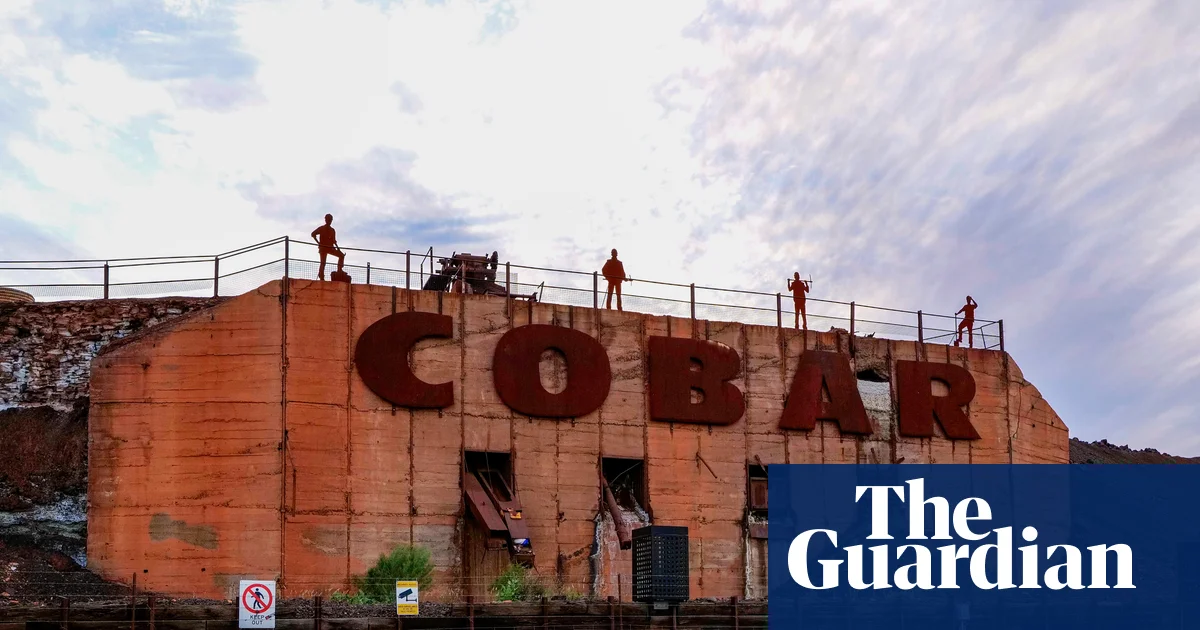
In a devastating incident in the Cobar region of Australia, two workers lost their lives following an underground explosion at the Endeavour Mine. This catastrophe underscores the persistent risks associated with resource extraction industries, even as technological advancements claim to improve safety protocols. According to authorities, emergency services responded swiftly after being alerted early Wednesday morning; however, the magnitude of the explosion resulted in one confirmed death on-site and the subsequent death of a woman who was initially rescued. The incident also left another woman hospitalized with hearing damage and shock, highlighting the ongoing danger faced by miners in hostile underground environments.

How decisions and safety regulations impact nations and societies

This tragedy in Australia resonates beyond local concerns, echoing a broader global discussion on the safety standards within resource-dependent nations. Australian authorities, including NSW Premier Chris Minns and state Minister Courtney Houssos, have expressed their heartbreak and solidarity with affected families. These events serve as a harsh reminder that even in countries with improved safety protocols, vigilance remains vital. As some analyses suggest, the mining sector is a cornerstone of Cobar’s economy, primarily supporting copper, gold, zinc, and lead extraction—industries that are vital for local employment and regional economic stability. Yet, each accident risks not only human lives but also threatens the societal fabric, stirring political debates about regulatory oversight and corporate responsibility.

Geopolitical and economic dimensions of resource security

The incident’s international implications lie in how resource security and safety standards influence global geopolitics. Countries that rely heavily on mineral exports such as Australia find that mining accidents can ripple through global supply chains, affecting industries ranging from electronics to automotive manufacturing. Moreover, Australia‘s role as a strategic resource provider heightens the stakes, especially as global demand for critical minerals surges—driven by alternative energy initiatives and technological innovation. Historically, mining tragedies have occasionally spurred reforms and heightened regulatory scrutiny, but they also underscore the fragility of mining infrastructure amid economic pressures to maximize output.

Experts from international organizations warn that such incidents can undermine critical diplomatic relationships, especially if safety lapses are perceived as neglect or intentional cost-cutting. The World Bank and International Labour Organization have long championed stricter safety standards, but enforcement often falls short amid rising global competition for mineral wealth. While Australia remains a key player in this geopolitical chess game, the incident at the Endeavour Mine might influence future negotiations on trade, labor rights, and environmental regulations, prompting nations to reassess their own resource policies.

Conclusion: The weight of history and the future that remains unwritten

As the dust settles over the incident at Cobar, the broader narrative unfolds—a narrative of human resilience, regulatory challenges, and the relentless pursuit of progress at a cost. History has shown that each tragedy on the frontier of resource extraction leaves an indelible mark on national consciousness and international policy. With the investigation ongoing, the mining industry and governments worldwide are reminded that beneath the surface of prosperity lies a fragile balance, one that must be guarded jealously. In the shadows of these dark events, the true test lies not only in justice for the fallen but in the unwavering resolve to forge safer pathways into the future, lest we forget the lessons written in the scars of history.

Six Lives Lost as Russian Drone and Missile Attacks Hit Ukrainian Cities

The ongoing conflict in Ukraine has entered a perilous new chapter, with recent Russian drone and missile strikes tragically claiming lives and unleashing chaos across the Ukrainian landscape. Ukrainian President Volodymyr Zelensky confirmed that at least six civilians had been killed, including two children, underscoring the brutal toll that escalation in hostilities continues to exact on innocent lives. The strikes, which targeted major cities including the capital Kyiv, also wounded 21 individuals and caused widespread destruction. The relentless barrage of attacks, including the targeting of energy infrastructure, signals a strategic effort by Moscow to destabilize Ukraine’s resilience and morale amid a deteriorating battlefield.

In the broader geopolitical context, the international community observes these events with mounting concern. The United States recent decision to abruptly shelve a planned summit with Vladimir Putin in Budapest exemplifies waning diplomatic engagement, with President Donald Trump citing a desire to avoid “a wasted meeting.” This diplomatic withdrawal highlights a significant shift in Western strategies—favoring pressure and military aid over dialogue, even as Russia dismisses calls from both Trump and European leaders to enact a ceasefire. Such decisions are poised to ripple through global alliances, complicating efforts for a unified response to Moscow’s military campaign.

Meanwhile, Ukraine’s military has intensified its defensive operations, notably targeting key Russian military infrastructure. The recent Ukrainian attack on a chemical plant in Russia’s Bryansk border region, facilitated by UK-supplied Storm Shadow missiles, represents a turning point in Ukraine’s tactical approach. Ukrainian officials describe the strike as successful, successfully penetrating Russian air defenses and compromising a site that produces components crucial for Moscow’s missile and artillery operations. Zelensky reaffirmed his strategic stance, emphasizing that the lack of long-range missile aid from the West has diminished Russia’s diplomatic interest. The Ukrainian leader’s insistence on military support underscores a broader debate about Western commitments and Ukraine’s right to self-defense amidst a conflict marked by relentless escalation.

As Kyiv reels from recent targeted assaults, including the tragic loss of civilians—a six-month-old baby among the victims—the conflict’s toll resonates beyond Ukraine’s borders. The wider geopolitical impact of these developments is profound. Analysts and historians warn that the current trajectory risks a prolonged, perhaps irreversible, destabilization of the European security order. The migration of destruction into civilian domains not only endangers sovereignty but also detonates societal cohesion, prompting fears of a ripple effect that could destabilize neighboring nations and global markets. What the future holds remains uncertain, but one thing is clear—the weight of history is now pressing down, with decisions made today echoing through the corridors of power and the stories of future generations.

Uganda tragedy: Over 60 lives lost in devastating road crash

In a devastating incident that has sent shockwaves across Uganda, a catastrophic highway crash resulted in the deaths of 63 people, highlighting ongoing issues with road safety and the broader socio-economic challenges faced by the East African nation. The tragedy unfolded at approximately 00:15 local time on the Kampala-Gulu Highway, a critical artery connecting the capital with northern regions. Police reports indicate that two buses traveling in opposite directions collided head-on during an attempted overtaking maneuver—an act often driven by economic necessity and the pressures of rapid mobility in developing nations.

This incident underscores a deeper, systemic problem—the dangerous practice of overtaking on busy highways, which authorities have consistently linked to cause and consequence of fatalities. The police statement emphasizes that such reckless actions “remain one of the leading causes of crashes in the country,” revealing a societal issue intertwined with economic hardship and infrastructural deficiencies. Many analysts suggest that Uganda’s transportation infrastructure has not kept pace with population growth and urban expansion, forcing drivers into risky behaviors at the expense of safety. This tragedy echoes similar patterns seen in other developing nations, where quick economic growth often comes with a toll—an increasing number of preventable deaths and injuries that threaten to destabilize local communities and undermine development efforts.

From an international perspective, this incident is emblematic of broader regional challenges. East Africa, with countries like Kenya and Tanzania, faces infrastructural gaps that constrain economic progress and regional integration. It also raises questions about the effectiveness of governance and regulation, as governments grapple with balancing development and safety. Notable analysts, including those at the United Nations Economic Commission for Africa, warn that without targeted investments and stricter enforcement of safety protocols, such tragedies will persist, further entrenching social inequalities and hindering sustainable growth. Meanwhile, local governments are under mounting pressure to improve transport safety standards and public awareness, efforts that are often hampered by limited resources and corruption.

Historically, such events serve as poignant reminders of how decisions made today shape the future fabric of societies. The Ugandan crash is a stark symbol of the costs borne by nations in a period of rapid transition—costs that are amplified by geopolitical shifts and economic ambitions. As Uganda and other African nations seek to position themselves within the global economy, the need for resilient infrastructure and stronger institutions becomes crucial. The implications extend beyond transportation, touching on issues of governance, social justice, and national security, which are all interwoven in the quest for stability and prosperity. With international organizations calling for more comprehensive approaches, the question remains: how long can societies continue sacrificing safety in the rush towards modernization?

As history unfolds, the tragic echoes of this traffic collision leave a haunting message: the path forward is fraught with peril, and the choices made today will determine the legacy left for future generations. Will Uganda and similar nations heed the warning and prioritize safety and governance, or will they risk more preventable crises that threaten to unravel their social fabric? The weight of history presses down, reminding us that each decision—on roads, in policy, and in leadership—takes us one step closer to either progress or profound disaster. The story of Uganda’s roads is still being written, and its chapters could define the future of an entire region.”

Deadly Drone Strike Claims Over 60 Lives in Sudan’s Besieged City

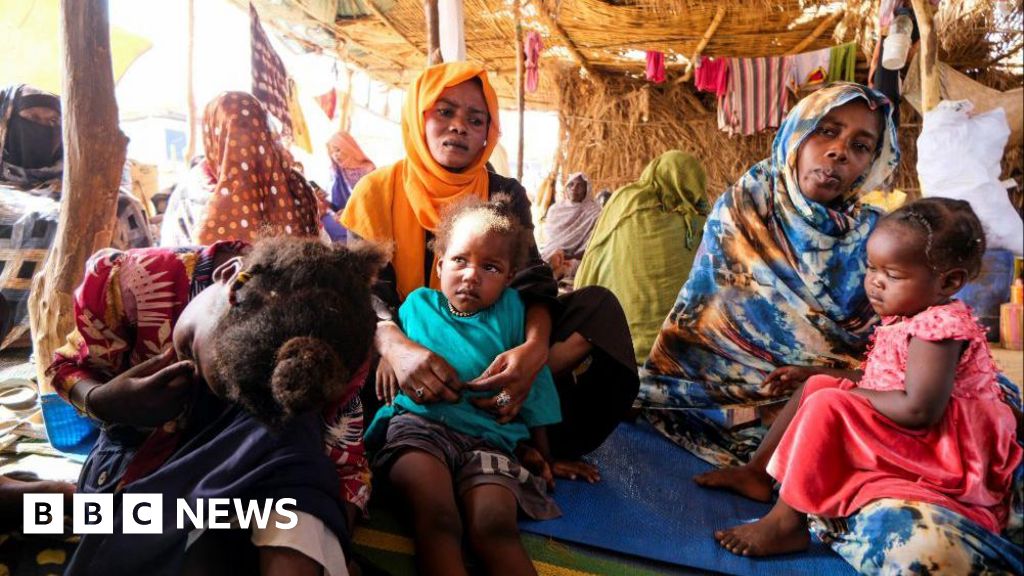
The ongoing conflict in Sudan, particularly in the city of El-Fasher, has escalated into a humanitarian catastrophe, with reports of a devastating drone strike resulting in the deaths of at least 60 civilians. According to the resistance committee for El-Fasher, the attack was carried out by the Rapid Support Forces (RSF), a paramilitary faction at the heart of Sudan’s brutal power struggle. Targeting a displacement shelter within a university—Dar al-Arqam camp—the strike underscores the reckless disregard for innocent lives in an environment already ravaged by years of conflict. The group detailed the destruction as involving two drone strikes and multiple artillery shells, leaving an indelible mark of violence and chaos on a city teetering on collapse.

The situation in El-Fasher has transcended mere warfare and humanitarian neglect; it has blossomed into what international analysts describe as a crisis bordering on genocide. In recent months, the RSF has encircled the city for over 17 months, in a relentless effort to control the last stronghold of the Sudanese army in the Darfur region. This ongoing siege has gutted the city’s medical facilities, food supplies, and infrastructure, leading to the spread of hunger and disease amidst constant bombardments. The United Nations and Human Rights Watch have condemned the escalation, warning that the violence not only endangers Sudan’s territorial integrity but threatens regional stability in a geopolitically sensitive area.

The conflict erupted in 2023, driven by a deadly fallout between top commanders of the Sudanese army and the RSF. As factions vied for dominance, the nation descended into chaos, exposing underlying ethnic tensions and stoking fears of a broader regional destabilization. According to historians and geopolitical analysts, this power struggle echoes the fragmentation that has beset many post-colonial African states, yet the intensity of violence in Sudan is unprecedented in recent history. The conflict has shattered hopes for a peaceful resolution, with international mediators struggling to broker ceasefire agreements amidst growing allegations of war crimes and atrocities, like the recent attack on Dar al-Arqam.

Ultimately, the fallout from Sudan’s chaos extends well beyond its borders, impacting neighboring countries and global geopolitics. As refugee flows increase and regional alliances are tested, the spotlight shifts to international involvement and the effectiveness of diplomatic interventions. Yet, with each passing day, the story in Sudan grows darker, a stark reminder that history’s most harrowing conflicts often stem from fractured states and broken promises. The unfolding tragedy in El-Fasher is a haunting chapter in the story of a nation caught in the grip of turmoil, leaving observers to ponder whether the tides of history may ever turn toward peace or continue to drown an already vulnerable society in an irreversible cascade of violence and despair.

Philippines earthquake claims 22 lives as rescue teams battle to save survivors

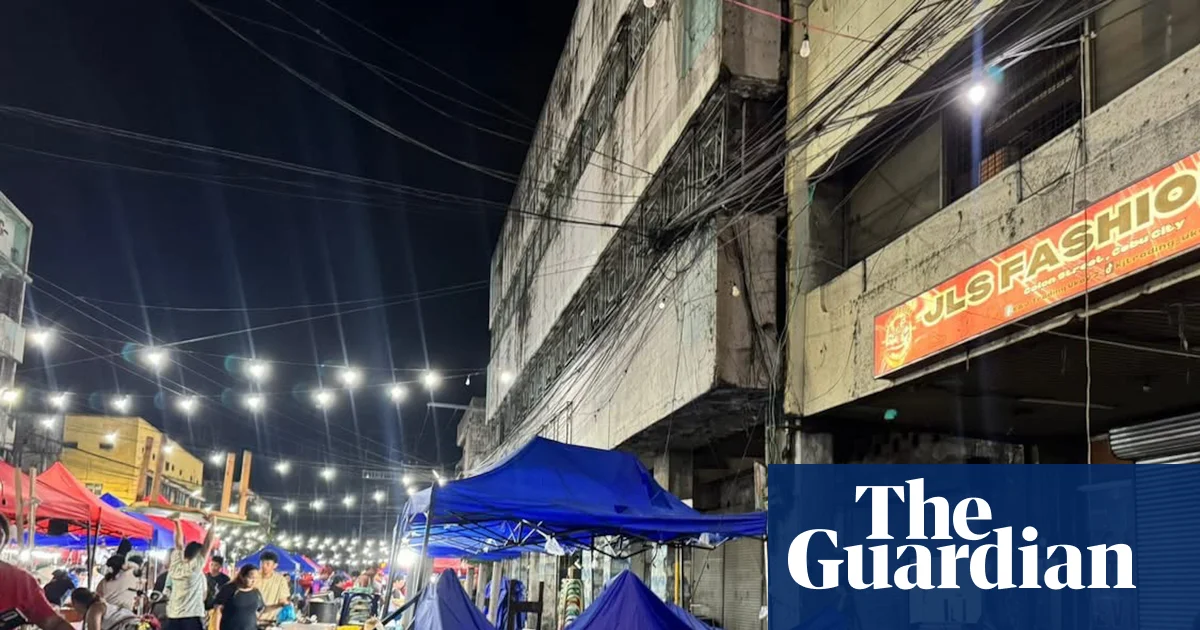
The recent magnitude 6.9 earthquake in the Philippines has not only caused devastating loss of life and widespread destruction but has also highlighted the fragile geopolitical stability of a nation situated on the volatile Pacific Ring of Fire. The death toll, which has risen to at least 22, underscores the urgent need for a reassessment of disaster preparedness in this notoriously disaster-prone country. While local authorities scrambled to conduct rescue operations following the tremor’s epicenter near Bogo in Cebu, experts worldwide are watching the unfolding crisis with a mixture of concern and reflection.

Among the key consequences of the quake, there is increased attention on the geopolitical significance of regional resilience. The Philippines, strategically positioned in Southeast Asia and a key ally of Western powers like the United States, often finds itself at the crossroads of natural and geopolitical disturbances. The disaster exposed vulnerabilities – damaged infrastructure, communication breakdowns, and power outages – which not only hindered rescue efforts but also serve as a stark reminder to national leaders and international allies alike. Analysts from the World Bank and regional security think tanks warn that such natural disasters could exacerbate regional instability if effective emergency response mechanisms are not strengthened due to rising climate unpredictability and increasing tectonic activity.

The seismic activity, initiated by a local fault, has prompted a wider debate among historians and environmental analysts about the increasing frequency of natural catastrophes as a potential sign of shifting global climatic patterns. For many nations within the Pacific Rim, the Philippines’ experience is becoming all too familiar, adding to the geography of risk that defines their geopolitical landscape. The damage inflicted — collapsing buildings, damaged roads, water shortages, and power failures — leaves communities vulnerable not only to further aftershocks but also to political and social upheavals. Such events directly impact the society’s resilience and challenge governments to prioritize infrastructure upgrades versus other political commitments, a discussion echoed in reports by the International Disaster Emergency Response Forum.

Furthermore, this calamity serves as a warning of how hastily-drawn international aid or geopolitical alliances could influence regional stability. The Philippines’ strategic importance is undeniable, and how its government responds to the aftermath could influence regional alliances. Countries like China and the United States watch closely, knowing that natural disasters often become catalysts for diplomatic influence and economic aid packages. As analysts caution that repeated environmental shocks could fuel nationalist sentiments and opportunism among neighboring powers, the future of regional cooperation hinges on Manila’s ability to manage this crisis effectively. The response from international organizations continues to be vital, but the true measure of regional unity will be tested in the recovery efforts ahead.

As rescue teams excavate collapsed structures and communities grapple with darkness and aftershocks, the weight of history presses heavily upon the Philippines. This ongoing tragedy reminds us that nature remains an unpredictable force, capable of shifting the course of nations in a matter of moments. With the world watching, the resilience or fragility of this archipelago may well chart the course for Southeast Asia in the years to come, heralding a new chapter in the annals of natural and geopolitical history. How this moment is remembered will depend on the actions taken now — choices that echo through the corridors of power and indelibly mark the timeline of survival, sovereignty, and human resilience in an age of relentless planetary upheaval.

Social Media Auto Publish Powered By : XYZScripts.com