Matox News

Truth Over Trends, always!

Ukraine’s Pipeline Revival Sparks Hope as EU Approves €90bn Loan to End Deadlock

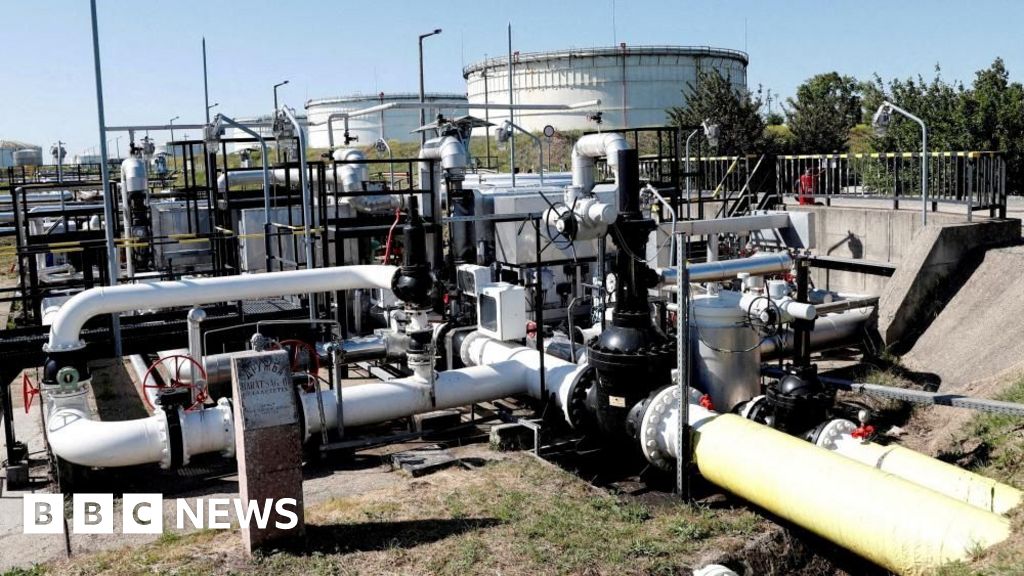
In a significant development that underscores the fragility and intertwining interests of Eurasian energy networks, Slovakia‘s Economy Minister Denisa Sakova announced that the Druzhba pipeline, a critical artery supplying Central and Eastern Europe with Russian crude oil, has resumed its flow into Slovakia after a suspension that lasted since 27 January. According to Sakova, Ukrtransnaft, the Ukrainian state-controlled operator responsible for managing the pipeline across Ukraine, reported that pressurizing procedures started early Wednesday morning, allowing oil to begin flowing again by Thursday.

This resumption is not merely a regional technical event but a reflection of the broader geopolitical contestation that has gripped Europe over energy security and dependency. The Druzhba pipeline, one of the world’s longest pipelines, has long been a strategic link between Russia and numerous Central and Eastern European nations, including Slovakia, Hungary, and Czechia. Over the past few months, interruptions and proposed modifications to the pipeline’s flow have become a focal point amid escalating tensions stemming from Russia’s invasion of Ukraine and Western sanctions targeting Moscow’s economy. These disruptions have led many analysts to question Europe’s reliance on Russian energy and the extent to which individual nations can pivot towards alternative sources.

Historically, the energy dependency of the region has served as both an economic backbone and a geopolitical leverage point. Officials, including international energy experts and historians, warn that such tactical shifts in pipeline operations are indicative of ongoing power struggles. Global institutions like the International Energy Agency have cautioned that Europe’s energy landscape is entering a new era where reliance on state-controlled infrastructure may no longer be tenable. For many, this event signals a potential recalibration of energy alliances—yet it also exposes the vulnerabilities inherent in infrastructure investments rooted in authoritarian systems. On the ground, populations face the weight of these decisions, with rising tensions over energy prices and supply security.

While the restoration of oil flow into Slovakia might seem a technical matter on the surface, its implications resonate deeply within the broader geopolitical impact landscape. Nations like Germany and Poland, heavily dependent on Russian energy, are now caught between economic necessity and strategic independence. Analysts warn that such episodic restorations could be preludes to more complex negotiations or even further disruptions, depending on how the conflict in Ukraine unfolds and how Western nations respond. The decisions made today about pipelines and energy supplies will mold the geopolitical map of the continent for decades to come, dictating alliances and rivalries in an age of uncertainty.

As the world observes this unfolding story, history continues to be written with each turn of the pipeline valve. The weight of past conflicts, present tensions, and future ambitions converges at these pipeline crossings. The coming months are likely to test the resilience of the European continent and reveal whether the current measures are merely temporary fixes or the harbingers of a profound transformation. With every drop of oil resuming its flow through the Druzhba pipeline, the geopolitical chessboard shifts ever so subtly, leaving nations to ponder whether they are steering towards independence or merely riding the currents of a larger, more turbulent tide.

Nine universities sue over student loan mess, risking future fairness for students

The recent controversy surrounding Bath Spa University exemplifies a broader crisis facing our higher education institutions and the fragile social fabric they are meant to serve. According to Prof Georgina Andrews, vice-chancellor of Bath Spa University, the institutions have acted in “good faith,” yet their sudden decision—though unspecified in detail—has had profound repercussions. This decision reportedly “punished those who are the most vulnerable in our society”, highlighting a troubling disconnect between policy decisions in academia and the social responsibilities these institutions hold toward marginalized communities.

At the core of this dispute lies a troubling reality: educational access and opportunity are increasingly intertwined with social equity. When universities implement unforeseen policies or financial barriers—be it tuition hikes, program cuts, or restrictive admission criteria—they disproportionately impact disadvantaged families and young individuals from marginalized backgrounds. As sociologists like Michael Sandel have argued, education is not merely a path to individual advancement but a critical social institution that sustains the moral and economic vitality of broader communities. When that institution wavers or retracts support, the ripple effects extend into neighborhoods, schools, and families, further widening the socio-economic gap.

This societal rift is further compounded by shifts in cultural values and demographic representation. As younger generations navigate an increasingly competitive landscape, they face not only greater financial hurdles but also social tensions rooted in inequality. The decision by Bath Spa University reflects a broader pattern of institutions struggling to balance fiscal integrity with social responsibility. Historians like Arthur M. Schlesinger Jr. have noted that when education systems prioritize profit over access, societies risk eroding the foundational values of equality and opportunity, fueling intergenerational frustration and social unrest.

  • Challenges: Growing financial barriers, reduced institutional support, and policy instability that threaten equitable access.
  • Impact on families: Increased burden on parents and guardians striving to secure higher education prospects for their children amid shrinking opportunities.
  • Community consequences: Disinvestment from education leads to fewer skilled workers, diminished civic engagement, and widened socio-economic divides.
  • Proposed solutions: Reinforcing government investment, fostering community-based educational initiatives, and developing policies centered on inclusivity and affordability.

Ultimately, these social issues underscore a fundamental moral question: how society values and sustains its most vulnerable members. As society grapples with rising inequalities, the role of educational institutions must be redefined—not merely as gateways for individual success but as pillars of community resilience. Social commentators emphasize that “the strength of a society is measured by how it treats its most disadvantaged,” a principle that challenges the current trajectory and calls for renewed collective commitment. In the shadows of these systemic challenges, there remains a quiet hope: that society can, through deliberate action, rekindle its moral compass and forge an inclusive future where education ceases to be a privilege for the few and becomes a universal right.

As society stands at this crossroads, pondering the future of learning and social cohesion, it is essential to remember that each policy decision echoes in the lives of families, shaping generations yet to come. The enduring question remains: can we rebuild a society where opportunity is accessible, and community bonds stronger than ever, before the very fabric of social trust unravels? In that challenge lies the potential for genuine transformation—a testament to resilience, hope, and the enduring human desire for justice and equality.

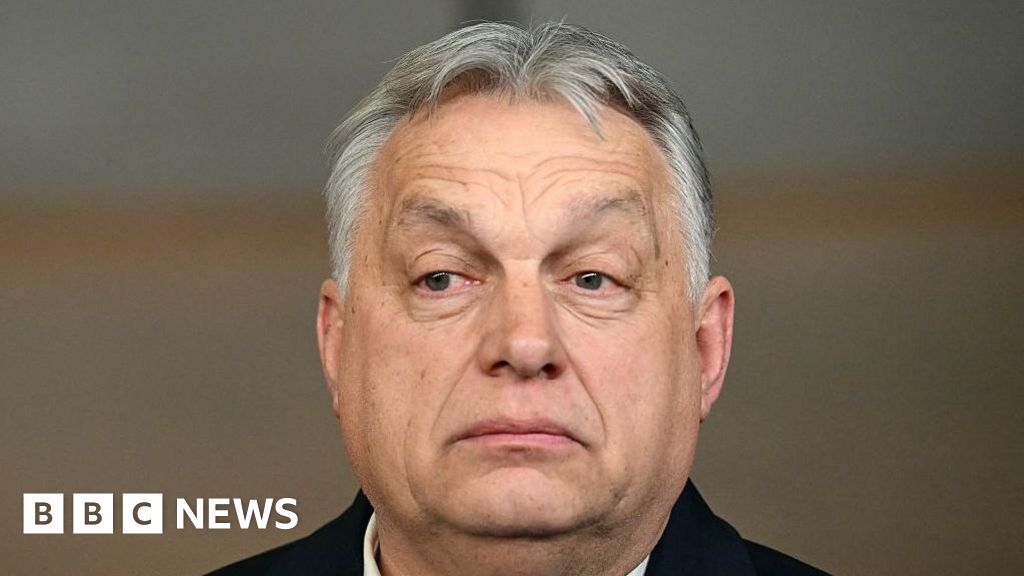
Orbán’s Ukraine Loan Veto Sparks Allegations of Disloyalty and Blackmail

The geopolitical landscape in Eastern Europe has taken a sharp turn as Hungary announced a critical precondition for the release of international funds: the urgent repair of a pipeline vital for energy security. This pipeline, which transports Russian oil through Ukraine to Hungary, has become a focal point in the ongoing tug-of-war between energy independence and geopolitical influence. The move underscores Budapest’s assertion of national sovereignty amidst broader regional tensions and signifies the complex interplay of energy security, Russia’s influence, and European unity.

The Hungarian Prime Minister clarified that no financial aid, whether from the European Union or other international sources, would be dispensed until the pipeline’s deficiencies are addressed. This stance echoes *a broader pattern of Hungary asserting its independence from Brussels-led policies*, especially in matters relating to energy and foreign policy. Energy analysts and international organizations emphasize that this pipeline is a critical artery, shaping not only Hungary’s economy but also the delicate balance of power in the region. The pipeline’s repair becomes emblematic of Hungary’s strategic intent to safeguard national interests, even if it means bucking collective European decisions.

Historians and geopolitical analysts warn that such unilateral moves risk eroding solidarity within the European Union, highlighting the underlying tensions between national sovereignty and supranational governance. The pipelines through Ukraine are especially sensitive given the recent escalations in Russia-Ukraine relations, which have profoundly affected energy routes and supplies. By demanding repairs before funds are released, Hungary effectively positions itself as a key negotiator in regional energy diplomacy, challenging broader Western efforts to isolate Moscow through sanctions and economic measures. This decision, framed by Budapest as a necessity for national self-preservation, aligns with a strategic pattern of resistance against external pressures.

The international community faces a critical juncture: either continue to enforce collective sanctions and unified energy policies or accept that regional independence movements could fracture the West’s unified front. The repair of the pipeline, which has been compromised due to deteriorating infrastructure and recent geopolitical tensions, symbolizes a broader message. *It is a declaration that national interests may override collective commitments, that regional stability hinges on the willingness of individual nations to assert their autonomy.* The implications extend beyond Hungary’s borders, affecting the delicate web of alliances, energy supplies, and economic stability across Europe. As global attention turns toward this unfolding crisis, analysts warn that the decisions made today will reverberate through history, shaping the geopolitical contours of the continent for generations to come.

In this charged atmosphere, the fate of the pipeline becomes more than a matter of energy; it is a symbol of sovereignty, resilience, and the unyielding pursuit of national interest in a fractured world. As European leaders, Washington, and Moscow observe, the decisions made in Budapest could spark a new chapter—one where alliances are tested and the very fabric of international cooperation hangs in the balance. The story of this pipeline, and the strategic moves surrounding it, is a stark reminder: history is not merely written in grand treaties or battles, but in the quiet, relentless assertion of independence amid a storm of global upheaval.

Labour MPs demand quick fix for broken student loan system

Parliament Addresses Growing Concerns Over Predatory Lending Practices

In recent parliamentary debates, Members of Parliament (MPs) have expressed mounting concern over what they describe as “rip-off” interest rates and unjust changes to repayment terms that are affecting countless families across the nation. Such financial practices, often criticized as exploitative, threaten to widen existing social divides, placing a disproportionate burden on working-class communities and young families. The conversations reflect a broader societal reckoning about the ethics of lending and the role of financial institutions in safeguarding social cohesion.

Historical patterns show that indebtedness, when left unchecked, can destabilize families and undermine community trust. Sociologists like Dr. Lisa Cohen argue that predatory lending not only exploits economic vulnerabilities but also perpetuates cycles of poverty and social marginalization. With interest rates that often surpass legitimate risk assessments, families find themselves trapped in debt spirals, unable to escape the burdens imposed by unfair lending practices. The ripple effects extend beyond individual borrowers, impacting local schools, community health, and long-term economic stability.

The Impact on Families and Education

Families subjected to inflated interest rates and sudden changes to repayment schedules experience a direct hit to their household stability. It is not uncommon for parents to struggle just to keep up with mortgage or consumer debt, often sacrificing investments in education for their children. Children’s access to quality education suffers when families face financial insecurity, with some schools witnessing higher dropout rates, especially in underprivileged neighborhoods. Experts highlight that these patterns threaten to entrench inequality, as economic hardship in the home correlates strongly with diminished educational outcomes.

  • The increasing debt burden can lead to poorer health outcomes as families deprioritize preventative care or mental health support, compounding societal inequalities.
  • Educational disparities widen when youth are unable to afford after-school programs, tutoring, or even basic supplies, creating a cycle of disengagement from societal participation.
  • Financial instability affects not only individual households but erodes the very fabric of community resilience.

Social Tensions and Calls for Reform

In response to these challenges, social commentators and civic leaders advocate for stronger regulatory oversight. Many believe that financial institutions should be held accountable for transparent lending practices and fair interest rates. The ongoing debate emphasizes the need for reforms that prioritize socioeconomic fairness, ensuring that the most vulnerable are protected from exploitation without undermining the integrity of the financial system. As Dr. Michael Andrews, a noted social historian, points out, “A society that tolerates such disparities risks losing its moral compass.”

The proposed solutions include establishing caps on interest rates, enhancing borrower protections, and increasing public awareness of financial literacy. Moreover, some call for community-based alternatives to traditional banking that serve as a counterbalance to predatory lenders. These initiatives are seen as crucial steps toward fostering a society where opportunity is not just available to the privileged but accessible to all.

A Society at a Crossroads

As these social issues continue to unfold, it becomes clear that the fabric of society is under strain, challenged by economic disparity and cultural shifts that threaten to fracture social bonds. The stories of families struggling under debt load are not isolated — they are emblematic of a larger moral question: How do we define fairness and responsibility in our economic system?

While the challenges are formidable, history suggests that meaningful change often begins with community awareness and collective action. The hope resides in a society willing to confront uncomfortable truths, where reform is driven by a shared moral compass. In this landscape of social tension and possibility, the future hinges on our commitment to fairness, the protection of family stability, and the nurturing of resilient communities capable of transforming adversity into collective strength. Here, society’s ultimate challenge—and its greatest hope—lies in ensuring that compassion guides fiscal policy, and that all voices, especially those silenced by debt and inequality, find their rightful place at the table.

Phillipson sticks up for student loan shake-up, warns average repayments to jump by £8 a month

Societal Strain as Graduates in England Reduce Work Hours to Manage Student Debt

Across England, a growing concern is emerging within families and communities regarding the financial pressures faced by young graduates. Recent reports reveal that some students, now transitioning into the workforce, are resorting to cutting their hours at work due to what they describe as “punishing” student loan repayment schemes. This shift not only impacts individual career trajectories but also ripples into broader social and economic spheres, raising questions about the sustainability of current higher education financing models.

Students and educators alike have long debated the balance between the pursuit of higher education and its cost. Sociologists such as Dr. Emily Carter have documented that the escalating burden of student debt creates a barrier to meaningful employment and socioeconomic mobility for younger generations. The immediate consequence, highlighted by recent testimonies, is that graduates are forced to reduce their working hours—often at times when they need income most—to avoid falling behind on loan repayments. The challenge compels many to choose between earning a living and managing debt, a dilemma that risks undermining the **future stability** of families and eroding the **financial independence** that higher education was supposed to promote.

This phenomenon also impacts educational institutions and employers. Universities, historically viewed as gateways to opportunity, now face scrutiny for their role in fostering a financial climate that strains students’ mental health and limits career development. As historian Dr. Mark Hughes argues, “the modern student debt crisis signifies a societal shift where higher education no longer guarantees economic uplift but becomes a debt trap,” illustrated by patterns of graduates reducing their work commitments to contain repayment burdens. Employers are witnessing staffing reductions and decreased productivity as young workers juggle their academic debts with professional ambitions, thereby influencing community stability and local economies.

  • Financial insecurities stemming from student debt threaten the social contract—the belief that education equates to upward mobility.
  • Children grow up witnessing parental sacrifices, which fosters a cycle of financial anxiety and altered family dynamics.
  • The erosion of youth independence hampers community engagement and volunteerism, essential elements of societal cohesion.
  • The need for policy reform grows urgent, aiming to reduce repayment burdens and restore economic inclusivity.

As social commentators emphasize, the current landscape reflects not just an economic challenge but a moral crisis. Our society’s foundation—families, education, and communities—face mounting pressures that threaten to fracture social fabric if unchecked. Recognizing that social issues are interconnected, policymakers and civic leaders must work toward sustainable solutions: reforming student loan schemes, expanding support for young families, and fostering a culture that values financial literacy and equity in educational access. The future of society hinges on whether we can address these challenges with unwavering resolve, transforming financial hardship into a catalyst for renewed social cohesion and shared prosperity.

In this dance of societal change, hope remains resilient. Society’s greatest strength lies in its capacity for reflection and transformation. As future generations face the ripple effects of today’s policies, there exists a profound opportunity—an enduring call—to rebuild a society where families thrive, education empowers, and communities unite. Only through collective effort can we turn disruption into a catalyst for a society where every young person, burdened no longer by crushing debt, can dream anew and work towards a brighter tomorrow.

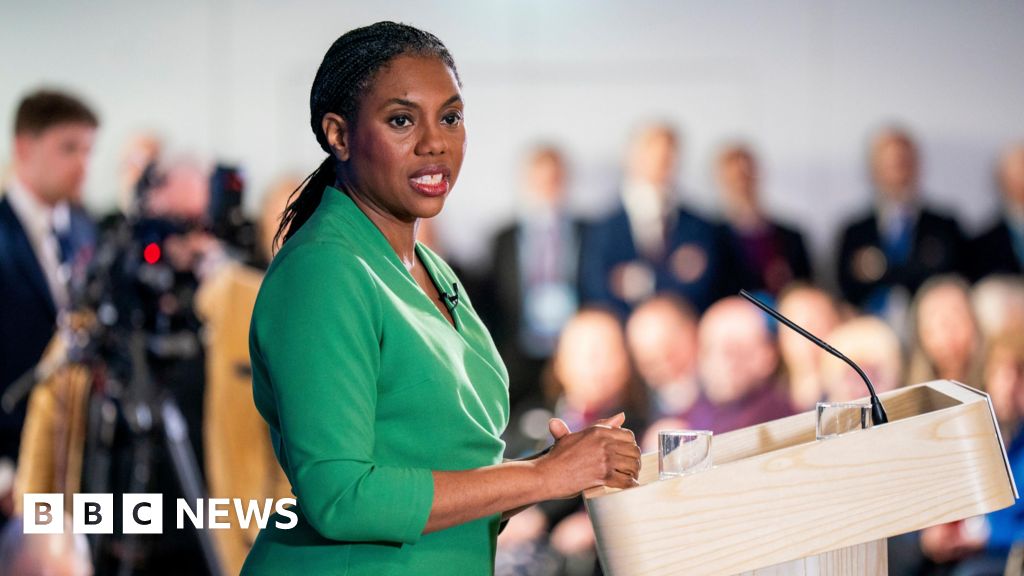
Tories pledge to cut student loan interest rates, backing young Britain’s future

Educational Debt and the Strain on Families and Communities

Recent comments by Kemi Badenoch, a prominent political figure, highlight a significant concern shared by many young graduates: the burden of student loans. Badenoch described the feelings of graduates as being “stitched up,” underscoring a pervasive sense of economic disillusionment that threatens to destabilize the social fabric. Her pledge to cut interest charges on Plan 2 loans signals an acknowledgment of the profound impact that rising educational costs have on recent entrants into the workforce. For families in working-class and middle-income communities, student debt often translates into delayed milestones such as homeownership and family formation, extending the cycle of economic hardship.

Shifts in Educational Access and Societal Divide

The escalating costs of higher education serve as a barrier for many aspiring students, especially amid demographic changes and cultural shifts that favor increased diversity but challenge conventional funding models. Sociologists like Dr. David Brooks argue that the increasing reliance on student loans contributes to widening social inequality, as only those from more privileged backgrounds can afford the luxury of higher education without crippling debt. This disparity perpetuates social stratification, making educational attainment less about talent and more about financial capacity. The socio-economic divide risks further fracturing communities, eroding the social cohesion necessary for collective progress.

Educational Reform and the Role of Society

Understanding the social ramifications of debt, some experts advocate reforms aimed at creating a more equitable and accessible system.

  • Implementing more comprehensive public funding for higher education.
  • Introducing income-based repayment schemes that lessen the burden on graduates.
  • Enhancing vocational training and apprenticeships to diversify pathways to economic stability.

By addressing these structural issues, society can foster environments where families are encouraged to thrive without the overshadowing anxiety of debt. Furthermore, institutions must recognize their role in broadening educational access, ensuring that talent and ambition are not stifled by financial barriers. As historian Dr. Margaret MacMillan notes, societal progress hinges upon equitable opportunities that empower all youth to contribute meaningfully to their communities.

Hope Amidst Challenges

While the societal challenges are undeniable, recent political commitments provide a glimmer of hope. Badenoch’s promise to reform student loan policies signifies a step toward restoring fairness in an often inequitable system. Yet, true change demands concerted efforts across all levels of society, from policymakers and educators to families and youth themselves. Initiatives aimed at reducing educational costs, improving employability, and fostering social mobility are essential for nurturing resilient communities. As history has shown—through periods of upheaval and reform—social transformation begins with recognizing shared struggles and united action. The hope remains that future generations will look back on this era not only as a time of hardship but as a turning point—when society chose to invest in its people and, in doing so, redefined its moral foundation.

EU Ukraine Loan Deal Could Boost UK Economy if We Step Up to Help Cover Costs

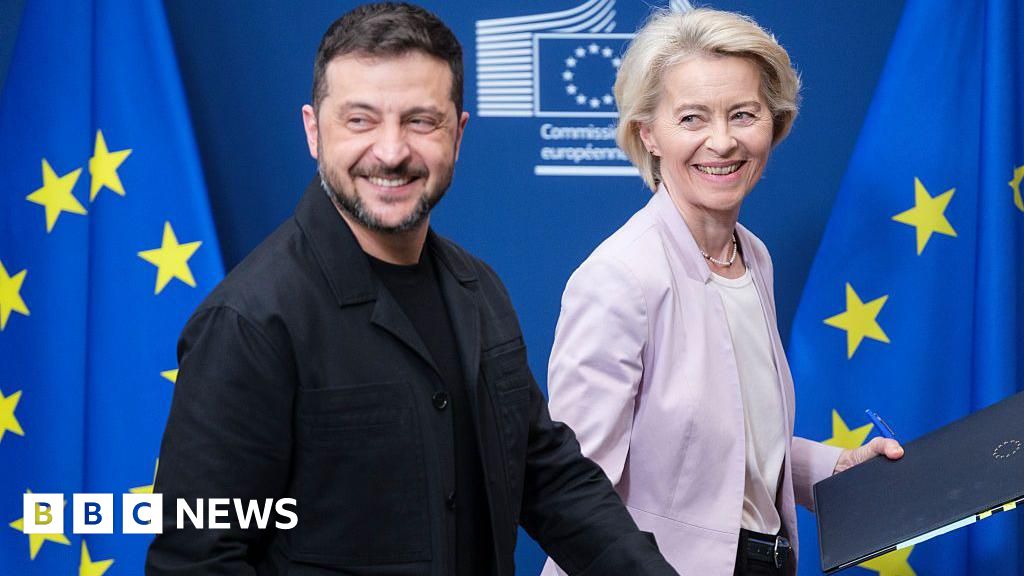
The European Union has reached a pivotal moment with the recent approval of a €90bn (£78bn) loan intended to sustain Ukraine amidst its ongoing conflict with Russia. This financial lifeline, approved by most EU member states through a process that involved 24 of 27 nations, signifies a strategic effort to bolster Kyiv’s defenses and economy during a period of grueling winter hardship and relentless Russian assaults. The loan, sourced from EU borrowing on international markets, underscores the bloc’s commitment to Ukraine’s sovereignty but also highlights the complex web of decisions and negotiations shaping Europe’s geopolitical posture.

The recent developments bear significant geopolitical impact, especially with the emerging role of the United Kingdom. Despite the UK’s official stance of limited involvement, the EU’s updated loan plan proposes a pragmatic compromise—allowing British firms to supply military equipment to Ukraine under a new clause that promotes a “fair and proportionate financial contribution” from the UK toward the costs of EU borrowing. This move reflects a deliberate diplomatic strategy to find common ground post-Brexit, as seen in the security and defense partnership signed last May, which aimed to reset relations and forge a collaborative front against shared threats. Analysts suggest that this phased approach to cooperation could be a stepping stone toward more substantive integration, particularly in defense realms that have historically been a source of divergence.

International organizations and geopolitical analysts have expressed cautious optimism. The European Commission and regional leaders view this loan as a crucial component in Kyiv’s broader strategy to sustain its military and civil infrastructure, especially as it faces the brutal realities of months of Russian strikes on energy and heating systems, leaving millions vulnerable during winter. The plan allocates €60bn specifically for Ukraine’s defense needs, allowing procurement from EU and closely associated countries such as Norway, with provisions permitting purchases from non-EU nations, including the United States, to ensure Ukraine access to advanced weaponry like Patriot missile systems. Such flexibility underscores the EU’s recognition that a united front in military support requires navigating complex international supply chains, often involving the UK and other allies.

However, the decision also carries a stark warning for the broader geopolitical landscape. The absence of a clear figure for the UK’s financial contribution raises questions about the future scope of post-Brexit cooperation and how far London is willing to go in sharing the burden of European security. Critics argue that piecemeal arrangements risk fragmenting the unity necessary to counter Russian aggression and could embolden adversaries observing European discord. Moreover, the EU’s reliance on borrowing to fund Kyiv’s support illustrates the fiscal challenges faced by the bloc, especially as some nations like Hungary, the Czech Republic, and Slovakia initially hesitated, underscoring the fragile consensus around this aid package. As EU lawmakers prepare to ratify the loan by April, the world watches with anticipation—knowing that these decisions may very well define the present epoch of European stability and independence. We stand at a crossroads where the weight of history exerts a profound influence, and the choices made today will echo through generations, shaping the continent’s destiny in ways still being written.

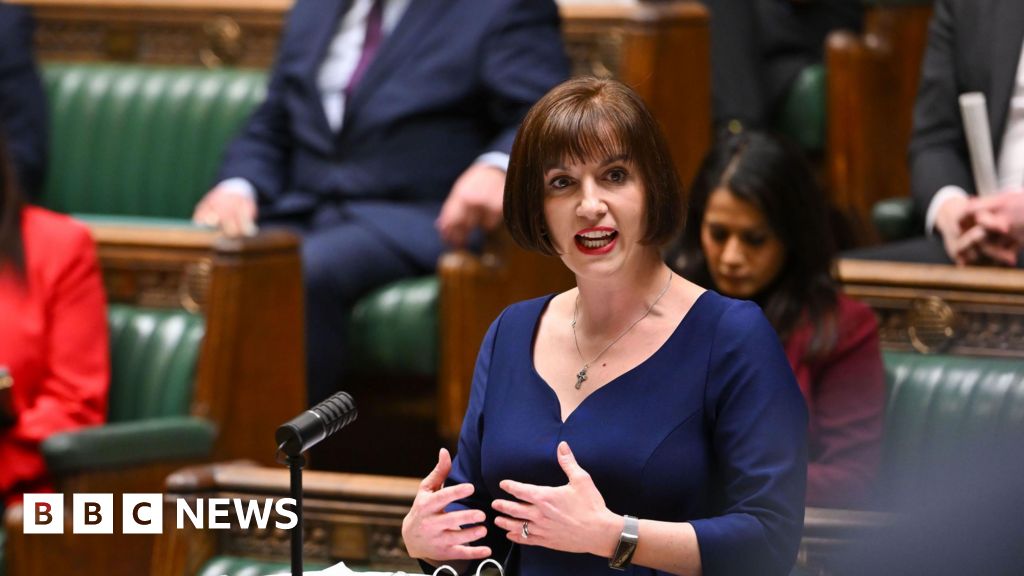
Reeves: Student Loan System Is Fair and Reasonable for Students and Society

The Societal Implications of the Government’s Student Loan Policy Shifts

In recent weeks, significant controversy has surfaced surrounding the government’s decision to freeze student loan repayments, a move that has sparked fierce debate across various sectors of society. The Chancellor’s protective stance on this policy aims to address economic strains faced by young adults, yet critics argue that it underscores a broader issue of social responsibility and moral obligation. Notably, Martin Lewis, a prominent financial commentator, has challenged the government’s stance, labeling the freeze as “not a moral thing,” thereby highlighting the moral calculus intertwined with economic policy.

Such decisions resonate profoundly within families, educational institutions, and communities. For families, particularly those from lower-income backgrounds, the ability to afford higher education can be a matter of social mobility. When loan repayments are frozen, it temporarily alleviates financial burden; however, The underlying societal tension remains the same—are we prioritizing immediate economic relief over long-term social equity?. The policy’s ramifications extend into the educational landscape, where access and affordability serve as gatekeepers to opportunity. Sociologist Dr. Emily Carter notes that “when social policies shift in ways that may disincentivize financial responsibility, we risk creating generations disconnected from the moral fabric that underpins societal cohesion.”

Furthermore, the social fabric of communities endures the ripple effects of these policies. Opponents warn that the freeze could inadvertently entrench economic disparities, leaving vulnerable populations further behind. Conversely, proponents argue that it provides necessary breathing space for young professionals to establish themselves without the crushing weight of debt. Historically, as sociologist Peter Saunders reminds us, “Societies that neglect the moral dimension of economic policy often experience long-term social fragmentation.” The debate thus encapsulates a fundamental question: Should economic policy serve immediate relief or foster sustainable social bonds?

As society grapples with this challenge, community leaders, educators, and families face the task of cultivating resilience amid uncertainty. The social issue of student debt becomes not only a matter of individual finance but a symbol of societal values and priorities. Looking ahead, hope lies in fostering a balanced approach—one that recognizes the moral stakes behind such policies while ensuring that economic strategies bolster social cohesion. Society, after all, is not merely a collection of individuals but a living community rooted in shared responsibility and moral accountability. As the nation navigates these turbulent waters, one cannot help but ponder whether future generations will look back on this era as a turning point—either as a moment of moral awakening or a chapter of societal neglect—calling us to choose the path that preserves the dignity of family, education, and community.

Russia pushes back against Europe’s move to loan Moscow’s frozen funds to Ukraine

In a development that could redefine the bounds of international law and the balance of economic power, the European Union is racing against time to implement a plan that involves using frozen Russian assets to fund the reconstruction of Ukraine. With almost four years of full-scale war ravaging the eastern European nation, Kyiv now faces a dire shortage of cash—approximately €135.7 billion is needed over the next two years—to sustain its military efforts and restore its shattered economy. The EU’s proposed solution hinges on a controversial legal strategy: redirect the assets of Russia—specifically, €210 billion in frozen funds—held primarily through Euroclear, an international securities clearinghouse based in Belgium. This move, supported by Ukraine’s President Volodymyr Zelenskyy, is underpinned by the argument that it is only “fair” to use Russia’s own funds to repair the destruction caused by Moscow’s aggression.

Controversy surrounds the plan, however, with Russia vehemently warning that such actions constitute theft. Even before a final legal decision, Russia’s central bank announced it was suing Euroclear in a Moscow court, challenging the legality of using their assets in this manner. Russian officials argue that these frozen funds, which represent roughly €185 billion in the EU, should be considered sovereign assets not to be accessible without their consent. Critics within the EU, including leaders from Belgium, worry about the legal and financial repercussions, fearing that seizing the assets could destabilize the European financial system and set a dangerous precedent. Analysts warn that this could ignite a broader legal and economic crisis, testing the resilience of international banking regulations and the sovereignty of nations in the global financial network.

‘Only fair’ to seize Russian assets, says Kyiv

Kyiv’s stance is clear: Moscow’s destruction has left Ukraine critical infrastructure and societal wounds that require urgent repair, and seizing Russian assets is a moral and practical step. Zelenskyy emphasizes that the money should be used to rebuild what Russia has wrecked, framing it as part of a broader reparations effort. Meanwhile, German Chancellor Friedrich Merz asserts that these funds will enable Ukraine to effectively defend itself against future Russian assaults, reinforcing Europe’s geopolitical resolve to support Ukraine’s sovereignty and independence amidst ongoing conflict. This plan, however, is not universally supported—Belgium’s government, wary of legal and financial risks, demands rigorous guarantees before approving any seizure. Prime Minister Bart de Wever has called for strict conditions, emphasizing the potential risks posed to Belgium’s own financial stability.

In the background, international observers—including prominent historians and financial analysts—highlight that this unfolding crisis underscores the fragile equilibrium between justice, international law, and geopolitics. The EU’s move reflects a broader shift in how economic warfare is conducted in the 21st century, where assets frozen in international banks are viewed as potential leverage. But while some in Europe see it as a moral imperative, others fear this paradigm could undermine trust in the global financial system, emboldening powerful nations to seize assets under dubious legal pretenses. As the EU prepares to implement legislation to immobilize Russia’s central bank assets indefinitely, the outcome remains uncertain, casting a long shadow over the future of international financial order and the limits of sovereignty.

Amid this escalating tension, the specter of a new geopolitical era looms: one where the lines between law and power blur, and history’s next chapter is written in the currency of conflict and reconstruction. As the world watches, the weight of history presses down—whether on the foundations of peace or the crumbling pillars of international stability—leaving nations to ponder: How far can the pursuit of justice extend before the fabric of global order tears? Only time will reveal whether the current crisis will serve as a catalyst for new rules or a catalyst for chaos, dictating the course of history’s unfolding story.

Unlock Your Dreams with a Home Equity Loan!

Empowering Futures: Home Equity Loans as a Pathway to Dreams

In today’s economic landscape, many young adults are searching for innovative ways to achieve their financial dreams, especially when it comes to homeownership and personal investment. One accessible financial tool that has gained attention in recent years is the home equity loan. These loans allow homeowners to tap into the equity built in their properties, providing essential funding for various personal endeavors and investments.

Home equity is defined as the difference between a property’s current market value and the outstanding balance on the mortgage. For many homeowners, especially those who purchased their homes in a favorable real estate market, this equity can represent a significant financial resource. Home equity loans typically offer lower interest rates compared to personal loans or credit cards, given that the loan is secured by the property. This can make them an attractive option for financing large purchases or consolidating debt.

The ability to access capital through a home equity loan can serve multiple purposes. For young adults, leveraging home equity can facilitate a down payment on a new home, enabling them to transition from renting to owning—a significant milestone in financial independence. Additionally, these loans can cover education expenses, home renovations, or even investment opportunities. By harnessing the value of their properties, homeowners can invest in their futures in a way that aligns with their long-term aspirations.

The implications of home equity loans extend beyond personal financial strategies; they also affect community economic development. When individuals invest in their homes or local businesses by utilizing home equity loans, they stimulate local economies and contribute to the overall growth of their communities. This is particularly relevant in areas where young adults are often looking to make their mark—a trend that underscores the importance of financial literacy and responsible borrowing practices.

Despite the benefits, potential borrowers should approach home equity loans with caution. Careful consideration of the terms and conditions is essential, as is an assessment of one’s financial stability. In an era of fluctuating interest rates and economic uncertainty, maintaining a solid understanding of personal finances will allow young adults to make informed decisions. Educational resources and financial advisement are vital in helping young homeowners navigate these choices and maximizing the potential advantages of home equity loans.

As the landscape of personal finance continues to evolve, home equity loans stand out as a viable option for young adults aiming to achieve their dreams. With the right knowledge and strategic planning, tapping into home equity can represent a stepping stone towards homeownership, investments, and overall financial wellness. Emphasizing education and prudence can empower the next generation to make confident financial choices, translating home equity into impactful life experiences.

Source link

Social Media Auto Publish Powered By : XYZScripts.com