Matox News

Truth Over Trends, always!

New Hope: Drug Repurposing Offers Longer Survival in Tough Ovarian Cancer Fight

Advances in Ovarian Cancer Treatment: Signaling Hope or a Reflection of Systemic Gaps?

The recent breakthroughs in the treatment of platinum-resistant ovarian cancer highlight a complex intersection of medical innovation, societal challenges, and the resilience of families and communities grappling with devastating diagnoses. A clinical trial published in The Lancet showcased that use of an existing drug, relacorilant—initially intended for Cushing’s syndrome—could extend life expectancy for patients with this aggressive cancer by an estimated four months. These are not just numbers; they are families clinging to hope, often living in the shadows of a healthcare system that struggles to keep pace with such devastating diseases.

Meanwhile, another promising development involves the immunotherapy drug pembrolizumab, which, when combined with standard care, offers a survival advantage—adding another 3.3 months on average for patients. Such innovations represent the fighting spirit of medical research, but also cast a harsh spotlight on the inequalities facing our healthcare system. Although these drugs have gained approval in the United States, they remain in Phase 3 trials and await approval in the UK. For many families, this delay translates into a race against time, highlighting societal issues that extend beyond the clinics—such as access to advanced treatment options and the socioeconomic disparities that influence who benefits from new therapies.

The societal toll of ovarian cancer and the moral imperative for change

  • Ovarian cancer is the sixth most common cancer among women in the UK, with roughly 7,600 new cases annually, resulting in approximately 3,900 deaths each year.
  • Despite our advancements in medicine, the disease’s impact on families and communities remains profound, often leaving loved ones devastated both emotionally and financially.
  • Current treatment disparities highlight the urgent need for equitable healthcare policies that ensure early detection, broader access to new therapies, and comprehensive support systems for patients and their families.

According to social commentators and historians, such as Dr. Peter Conrad, the societal burden of cancer extends beyond individual suffering; it manifests in strained family structures, impaired educational progress for affected youth, and weakened community cohesion. These social tensions are exacerbated by cultural shifts that sometimes stigmatize illness, leaving many feeling isolated and underserved. The moral challenge rests on society’s ability to prioritize health equity, recognizing that the true measure of a nation’s progress lies in how it cares for its most vulnerable.

Hope amidst challenges: a society on the cusp of transformation

The potential of drugs like relacorilant and pembrolizumab signals a new chapter—one where hope is no longer a distant dream but inching closer to reality. Yet, these advancements beckon a broader reflection: how do social issues shape the future of healthcare and community resilience? The ongoing fight against ovarian cancer serves as a mirror, revealing the gaps that still exist and inspiring a collective moral resolve. As families face the harsh realities of diagnosis and prognosis, society must rally to bridge the gaps—through policy, education, and community support—so that no one is left alone in this relentless battle. In this era of scientific promise, perhaps the greatest victory will be reaffirming our shared commitment to ensuring that every person, regardless of background, has the chance not just to survive—but to thrive.

US and Iran face limited choices as war drags on longer

In a startling development that has reignited concerns over regional stability and global security, Iran reportedly launched two missile strikes towards the US-UK military base on Diego Garcia in the Indian Ocean. This event, occurring on a recent Saturday, marks a significant escalation in Iran’s military assertiveness, challenging the assumptions held by many analysts about the country’s missile capabilities. While the missiles failed to reach their intended target—stopping short of the 3,800 km distance—the incident has triggered alarm among international observers, who now question the true extent of Iran’s strategic threat.

The implication of this missile launch extends beyond regional borders. Historically, Iran’s missile range was believed to be capped at approximately 2,000 km, limiting its ability to project power far beyond its immediate neighborhood. However, the recent attempt, coupled with emerging intelligence indicating increased missile range, points to a potentially transformative shift in Iran’s military doctrine. Some experts, including military analysts and scholars in geopolitical strategy, suggest that the event signals Iran’s pursuit of a more offensive posture, aiming to extend its reach into critical global hotspots. This could reshape power dynamics in the Middle East and alter how Western nations plan their defense strategies in the face of a more capable Iran.

International organizations, including NATO and The United Nations, have responded cautiously but with heightened concern. The UN Security Council is under increasing pressure to assess whether this missile launch violates existing agreements and to formulate a coordinated response. Meanwhile, the Biden administration—along with allies in Britain—is reevaluating its military posture, emphasizing the need for robust deterrence measures. Critics argue that the incident exposes vulnerabilities in the current global security architecture, and some warn that Iran’s advancements could trigger a regional arms race, destabilizing an already volatile Middle East. Longer-term, the incident underlines the unpredictability of Iran’s shifting military capabilities, raising fears of miscalculations that could escalate into broader conflict.

Historians and international security analysts warn that this episode is not just a fleeting event but a turning point in Iran’s long-term strategic evolution. According to geopolitical experts, Iran’s actions demonstrate a desire to challenge the existing order, potentially undermining diplomatic efforts aimed at limiting its military development. As one senior analyst observed, “This missile launch is a message—an assertion of Iran’s intent to elevate its status as a regional power, regardless of international reservations.” The global community now faces a critical choice: continue with a policy of containment or confront Iran’s expanding military ambitions directly.

As history unfolds in real-time, the shadow of this missile incident looms large. Each decision made in response—whether diplomatic, military, or diplomatic—will shape the geopolitical landscape for decades to come. The world watches, knowing well that in the chess game of nations, today’s move could be tomorrow’s full-scale crisis. The stakes are high, and the outcome remains uncertain. What is certain is that the weight of history is once again shifting, and the path to stability has never been more perilous or more crucial to get right.

Doge Disbands Early—No Longer in the Game, Sources Say

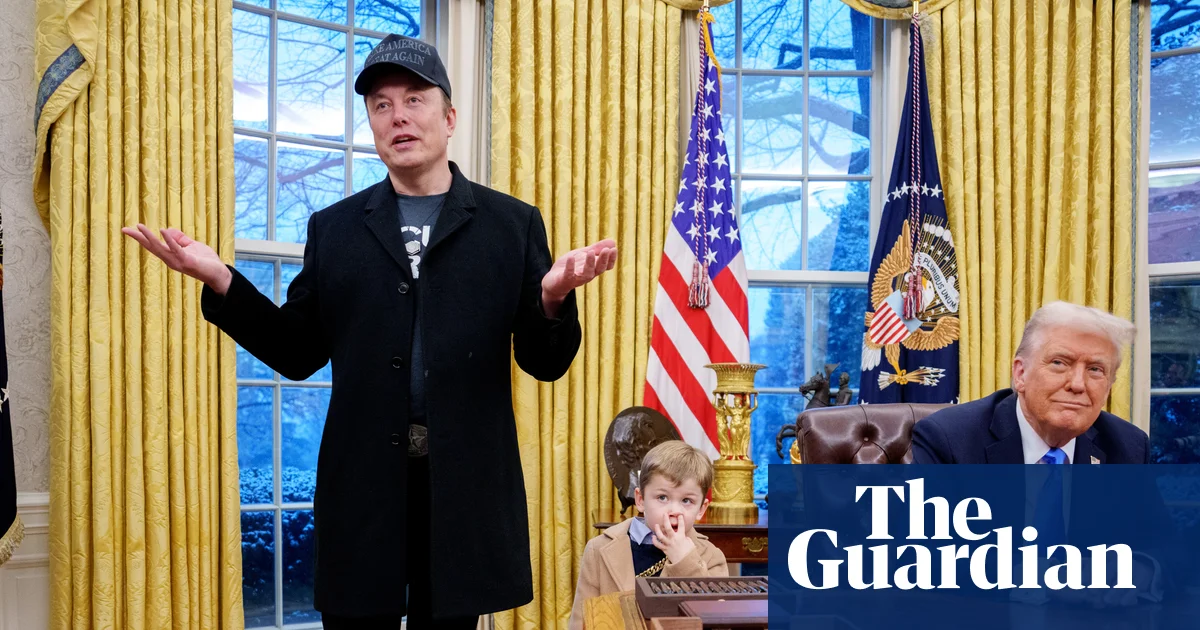
The recent disbandment of the “department of government efficiency” (Doge) in the United States marks an extraordinary turning point in the ongoing experiment of centralized federal reform. Once envisioned as a bold effort to overhaul and slim down federal agencies, Doge has been officially declared nonexistent, despite still being under contract merely eight months prior. This move signals a dramatic retreat from the ambitious reorganization championed by President Donald Trump and his allies, aligning with a broader shift in Washington toward traditional bureaucratic resilience rather than radical reform.

Leading figures like Elon Musk and Vivek Ramaswamy, originally appointed to spearhead Doge’s large-scale restructuring, now find themselves on the sidelines, their influence waning amid internal chaos and public controversies. Musk’s public comments on transparency, ironically, contrast sharply with reports from whistleblowers and government insiders who described the agency’s covert operations—refusing to identify agents, cutbacks without consultation, and a lack of accountability. These discrepancies reflect a profound crisis of trust and legitimacy within the federal reform movement, which, according to analysts, was never fully rooted in transparent governance but rather in untested experimentation that ultimately backfired.

Internally, critics argue that Doge’s aggressive layoffs—more than 200,000 federal workers affected—have precipitated a crisis of confidence across essential government sectors. While the official narrative touts billions in savings and streamlined efficiency, independent experts have expressed deep skepticism about these claims—a suspicion only amplified by the absence of clear public accounts. Leading historians like Dr. Marc Epstein warn that such drastic measures, driven by political and ideological agendas rather than pragmatic reform, threaten the stability of federal institutions at a time when geopolitical confidence in the U.S. is already strained. The fallout now extends beyond domestic governance, impacting the country’s international standing as allies and adversaries alike observe its internal struggles.

The seismic shifts within U.S. domestic policy are also echoing abroad. Russia and China, keenly aware of Washington’s internal disarray, are watching closely for any signs of vulnerability. The disbandment of Doge may symbolize a retreat from ultra-ambitious reform efforts, yet it also underscores a fundamental truth—decisions made in Washington ripple across the world’s geopolitical fabric, influencing alliances, military posture, and economic stability. As NATO and other international alliances reassess U.S. leadership, the chaos surrounding this audacious reform attempt reveals how internal discord can weaken even the most powerful nations on the global stage.

As history continues to unfold, the disbandment of Doge invites a sobering reflection for nations watching from afar: in the map of geopolitics, stability often hinges on the capacity of powerful nations to maintain internal cohesion. The fate of this short-lived endeavor to revolutionize federal efficiency underscores an enduring lesson—the weight of history does not rest solely on the decisions of global institutions, but on the resilience or fragility of their core institutions. With the echoes of this upheaval resonating across borders, the question remains: will the United States regroup and forge a new path forward, or will its internal chaos persist as a symbol of declining influence in a shifting world order?

Social Media Auto Publish Powered By : XYZScripts.com