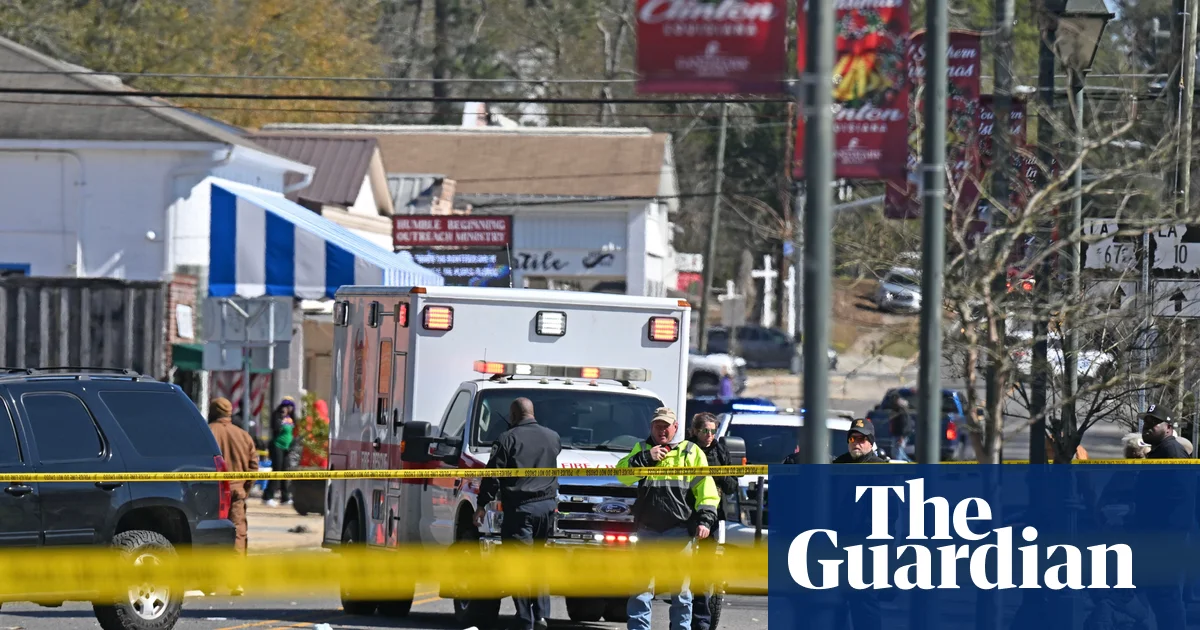

In a haunting reminder of the ongoing crisis plaguing many nations, a devastating incident unfolded in Shreveport, Louisiana, where a shooting claimed the lives of children aged from just one to 14 years old. Police officials have described this atrocity as stemming from a “domestic disturbance”, yet the nature of such violence raises profound questions about the effectiveness of current gun control measures and societal safeguards within the United States, a nation often criticized by international observers for its high rates of firearm-related fatalities.
Across the globe, gun violence remains a contentious issue that reflects broader societal and legal divides. In the United States, this tragedy underscores how deeply embedded firearms are within the social fabric—amplified by lax regulation compared to many other developed nations. International agencies, including the World Health Organization, highlight that the U.S. accounts for a disproportionately high number of firearm deaths among wealthy nations. Historically, debates surrounding Second Amendment rights have polarized American society, often at the expense of common-sense gun legislation that could prevent such tragedies. Critics argue that without decisive political action, these violent episodes will continue to haunt communities, leaving innocent lives shattered like fragile glass.
From a geopolitical impact perspective, incidents like these fuel ongoing debates about the societal priorities of the U.S., but they also resonate globally. Countries observing the U.S. often ponder the paradox—how a nation purporting to uphold freedom and individual rights often sees such catastrophic consequences. International analysts warn that ignoring the root causes of gun violence, such as social inequality and mental health issues, contributes not only to domestic instability but also diminishes the global image of the United States as a beacon of progress and stability. Furthermore, some experts suggest that the emphasis on firearms as a constitutional right hampers collaborative international efforts to curb arms proliferation, which can indirectly affect regional stability and security.
As this tragedy reverberates across the nation, calls for reforms intensify, fueled by a rising tide of youth activism and advocacy.
- Increased demands for universal background checks
- Restrictions on high-capacity magazines
- Enhanced mental health support systems
These measures are often met with fierce opposition from pro-gun lobbying groups, who invoke constitutional rights. Historians and political analysts warn that failure to address the root causes of such violence could lead the United States into a protracted cycle of recurring loss and unrest, further complicating its leadership role on the world stage.
Ultimately, whether gripping tragedy becomes a catalyst for meaningful change or is subsumed under political inertia remains to be seen. With the world watching, history continues to unfold—each new incident adding weight to the collective conscience, forcing nations to confront uncomfortable truths about societal priorities and the enduring cost of policy neglect. As survivors grieve and communities rebuild, the question persists: Will this be a turning point—an unignorable call to action—or an echo fading into the corridors of political inaction? The weight of history lingers, awaiting its verdict.