Matox News

Truth Over Trends, always!

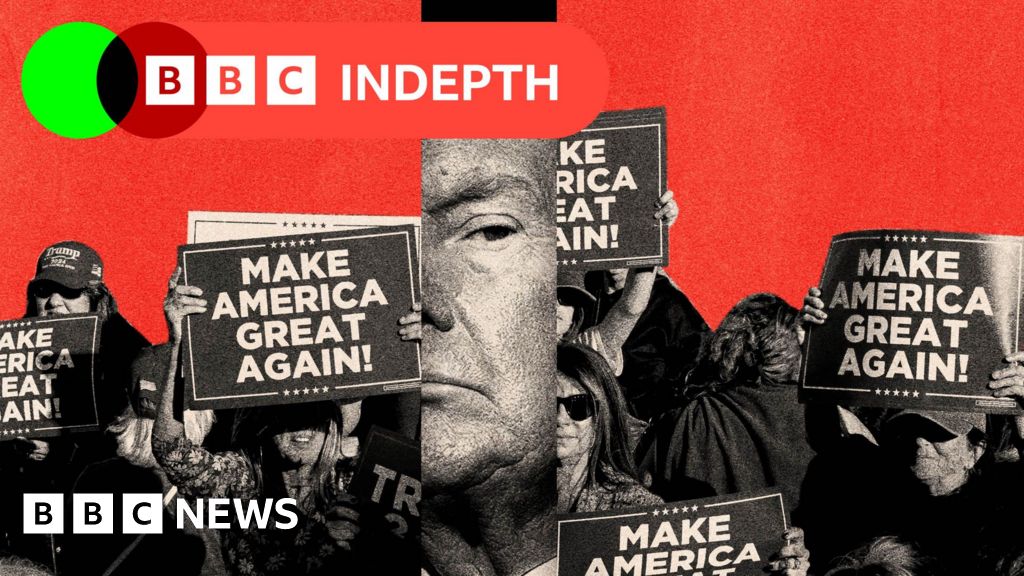
Inside the Maga Base: What the Divides Mean for Trump’s Next Move

America’s Political Crossroads: The Future of Trumpism and the 2024 Race

Nearly a year before the next presidential election, Donald Trump continues to dominate the Republican landscape, but cracks within his movement suggest that the party’s future is far from certain. At a pivotal moment, Trump’s recent statements and internal party dynamics reveal a shifting political terrain that will profoundly influence how nations and societies view America’s trajectory. As Trump hints that he may not run again—in fact, explicitly stating “it’s not going to be me”—the Republican Party faces an impending reckoning over its identity, core base, and the ideological direction it will take post-Trump. Influential voices like political analysts and history scholars warn that these internal divisions could reshape American politics for decades.

In recent months, the Republican Party has experienced a noticeable decline in support among minority and working-class voters, those who propelled Trump’s 2020 campaign into the White House. The latest data indicates a narrowing of the party’s electoral coalition, driven partly by internal disputes and a rising chorus of dissenters—from congressional figures like Marjorie Taylor Greene to business leaders like Elon Musk. This factionalism exposes the fissures in the MAGA movement—fired up in rallies, yet increasingly fractured in policy debates and party loyalty. This factionalism comes at a time when many international observers and domestic analysts argue that the Republican coalition has diverged sharply from its Reagan-era ideals, shifting toward economic nationalism, border security, and an America-first foreign-policy, as outlined by historian Laura K. Field. Such ideological changes not only redraw the American political map but also advance new challenges for allies, competitors, and international institutions grappling with Washington’s waning influence.

From Vance to Rubio: A team of rivals?

The intra-party jockeying is intensifying, with figures like JD Vance, Marco Rubio, and Robert F. Kennedy Jr. positioning themselves as potential heirs to the MAGA mantle. Despite moments of camaraderie, the upcoming contest appears more like a collage of competing visions—ranging from traditional conservatives advocating for a return to Reagan-esque values to populist, nationalist insurgents pushing for a more radical departure. Interestingly, many of Trump’s would-be successors, while echoing his rhetoric, are also suspecting that the political loyalty of the ‘new entrants’—those who joined MAGA more recently—is not guaranteed. Piloting through this turbulent landscape, Senator Rubio has shifted hard from his earlier support for liberal immigration policies, aligning increasingly with Trump’s hardline stance, but cracks in the coalition widen as some support for political violence and conspiracy theories emerge among the more radical factions.

The core question remains: Can the Republican establishment maintain its hold over a fracturing base that is more ideological than ever? The recent Manhattan Institute survey indicates that nearly one-third of current Republican supporters are “new entrants,” less supportive of Trump’s possible heirs. This group’s support drops further when considering issues like political violence, with over half seeing it as sometimes justified—an alarming indicator of how far the party’s social fabric has shifted. As the party struggles to contain these ideological currents, the next few years will see whether the GOP can forge a unified front or splinter into ideological and strategic factions, with the fate of the MAGA movement hanging in the balance.

The future of Trumpism

Despite the setbacks, Trump’s influence appears enduring. Even if he retreats from the political spotlight, the core of his movement has redefined what it means to be a Republican. As pointed out by political analyst Rodney Davis, the post-Trump GOP will be shaped by leaders who must decide whether to maintain the populist, nationalist policies that propelled Trump into power or to attempt a more traditional conservative stance. The party’s recent electoral defeats in states such as Virginia and New Jersey underscore how the coalition’s long-term viability remains uncertain, especially as Democrats make gains in special elections and local races. The underlying question that looms is whether Trump’s revolutionary approach has cemented a new ideological order—one rooted in cultural conflict, economic protectionism, and a disdain for international alliances—or if the GOP can adapt and evolve beyond the MAGA era.

As the timeline races toward the 2026 mid-term elections, the debate over who will succeed Trump has already begun, and the outcome will define the shape of American politics. The forces unleashed by his rise have shaken the old Republican order to its core, turning what was once a party of Reagan conservatism into a broad coalition of populist rebels, ideological purists, and pragmatic elites. Whether this new political architecture will stand the test of time remains an open question, but history is watching. In a nation where power has often shifted on a knife’s edge, the weight of the future presses down heavily on America’s shoulders—its choices, its alliances, its very identity—are still being written, and the next chapter is nowhere near being finished.
Trump Sets Sights on Key MAGA Ally Marjorie Taylor Greene

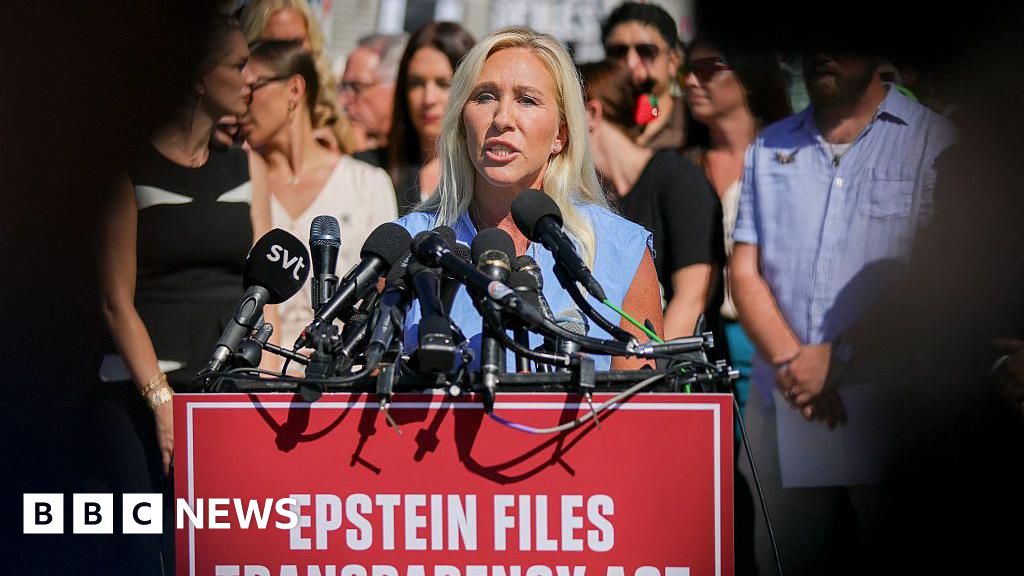
The recent rift within the Republican Party in the United States signals a rising tide of internal conflict that could have profound geopolitical implications. At the heart of this political earthquake lies President Donald Trump’s sharp withdrawal of support for Congresswoman Marjorie Taylor Greene, a vocal conservative now accused of drifting towards the “far left”—a term rare for figures within the traditional GOP. This spat exposes the growing fissures among conservative factions who once aligned under the Trump banner but are now diverging over key issues like foreign policy, the handling of sensitive documents, and the direction of the broader American nationalist movement.

Historian analyses and strategic think tanks highlight how the decision by Trump to openly criticize Greene and endorse a primary challenger could ripple beyond domestic politics, impacting America’s diplomatic stance. The tensions are centered around the ongoing battle over the Epstein files, with Greene and a handful of GOP allies calling for transparency, contrasting sharply with Trump’s fierce opposition framed as an effort to suppress potentially damaging information. Such internal discord signals a weakening of traditional party cohesion at a critical juncture as the US faces escalating foreign conflicts and economic challenges. The international community watches intently, aware that internal US divisions can weaken the global position of a nation that has long styled itself as the leader of the West.

Amidst this turmoil, Trump’s rhetoric has become increasingly combative, claiming Greene’s criticism stems from personal grudges and alleging that her dissatisfaction stems from his refusal to efficiently communicate. His accusations—particularly that she is “complaining” and turning on him due to political ambitions—are viewed as part of a broader strategy to consolidate loyalty within the party by framing dissenters as disloyal or misguided. Meanwhile, Greene has responded by accusing Trump of trying to suppress the Epstein files, asserting that his actions are motivated by political self-interest aimed at protecting high-profile figures and thus complicating America’s efforts to confront its past and uphold justice. Her staunch stance has gained traction among younger voters who demand accountability and transparency, critical elements for future political reform. This intra-party battle underscores the enduring tension between populist nationalism and traditional conservatism—a struggle that could shape American policy both at home and abroad.

International organizations and analysts warn that this internal strife, if left unresolved, could diminish the United States’ ability to project strength and coherence on the global stage. With Europe, Russia, and China recalibrating their strategies amidst the chaos, a fractured America risks ceding strategic advantage. The unfolding drama surrounding the Epstein files exemplifies how domestic narratives intersect with broader geopolitical currents—each revelation or suppression affecting American credibility, especially among allies and adversaries alike. As the midterm elections approach, the internal party conflicts threaten to further polarize an already divided nation, raising questions about the future direction of American foreign policy in an era marked by historic volatility.

In the long shadow of history, this feud reflects more than just personalities—it embodies the fundamental struggle over who defines the American identity and how the values of transparency, loyalty, and national sovereignty are prioritized. As observers and historians track this clash, they warn that American internal cohesion remains fragile. The stakes extend beyond mere politics, touching on issues of justice, accountability, and the very soul of a nation that has historically wielded enormous influence in shaping world affairs. The unfolding story of Trump, Greene, and the Epstein files is still being written, but its echoes are already reverberating across the globe—reminding all that in history’s grand chessboard, internal conflict often precedes transformation, and the winds of change are blowing fiercely across the landscape of modern geopolitics.

Teachers Face Threats After MAGA Claims Over Halloween Costumes Mocking Charlie Kirk

Disruptive Social Media Campaign Ushers in New Challenges for Educational Privacy and Political Discourse

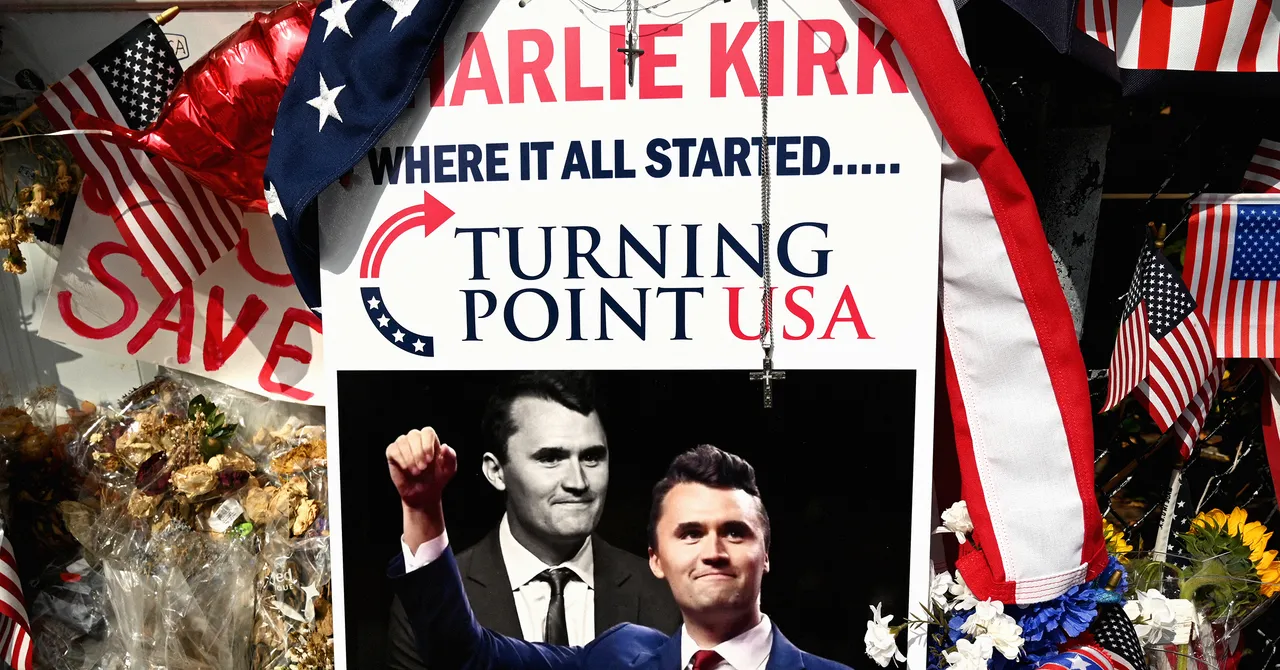
In a stark illustration of the rapid evolution of information warfare, a recent incident involving a high school in Arizona underscores the profound business implications and societal disruption driven by social media’s power to amplify misinformation. The controversy originated when Turning Point USA (TPUSA) spokesperson Charlie Kirk was falsely associated with an innocent Halloween costume worn by teachers, sparking viral outrage. The incident exemplifies how disruptive platforms like X (formerly Twitter) have become conduits for rapid-spread misinformation that can threaten personal safety and reputation on an unprecedented scale.

The incident reveals a pivotal challenge confronting educators and businesses: the ability of malicious actors to weaponize social media for mass psychological operations that threaten privacy, safety, and trust. In this case, an image of teachers in bloodied T-shirts was wrongly interpreted, leading to doxxing, targeted online harassment, and even death threats—an unsettling reminder that the digital landscape’s regulatory and ethical frameworks are lagging far behind technological capabilities. The impact extends beyond individual rights, striking at the core of institutional stability and public confidence in grassroots institutions like education systems.

The incident also signals a burgeoning market for advanced content verification technologies, with industry leaders like Gartner emphasizing that the future of digital trust hinges on automated fact-checking and AI-enabled content moderation. These solutions are critical for preventing similar disruptions at scale, as disinformation campaigns grow more sophisticated. For instance, AI-based image analysis and network tracing mechanics could be employed to preempt false narratives, but such innovations require significant investment and legal safeguards, given the privacy concerns involved.

  • Emerging tools are capable of identifying manipulated images and videos quickly
  • Automated alerts can notify stakeholders of potential misinformation spikes
  • Legal and ethical frameworks remain underdeveloped, risking misuse or overreach

Furthermore, the incident underscores the necessity for businesses, educational institutions, and policymakers to reevaluate their engagement with social media. The disruption also presents an opportunity: those who develop and implement cutting-edge verification and safety technologies could become essential partners in safeguarding digital spaces. Pioneering entities like MIT’s Media Lab are exploring such solutions, recognizing that true innovation in this realm is crucial for maintaining integrity in digital communication. As these technologies mature, they could serve as the foundation for a new era where truth prevails over misinformation, transforming the social media landscape into a more resilient, trustworthy environment.

Looking ahead, this incident serves as a clarion call for all stakeholders to urgently invest in disruption-resistant technology and foster a culture of digital responsibility. Rapid technological advancements—ranging from blockchain-based verification systems to AI-driven content analysis—are poised to redefine how truth is maintained in an age overwhelmed by data. The coming decade is critical: failing to adapt could mean allowing malicious actors to shape perceptions, destabilize institutions, and influence societal outcomes. As Elon Musk and Peter Thiel have often emphasized, the future belongs to those pioneering disruptive, innovative solutions that can turn the tide against digital chaos and misinformation. Strategic foresight and swift technological deployment will determine who leads this new digital frontier—those who act now will shape the foundations of a more secure, transparent digital world.

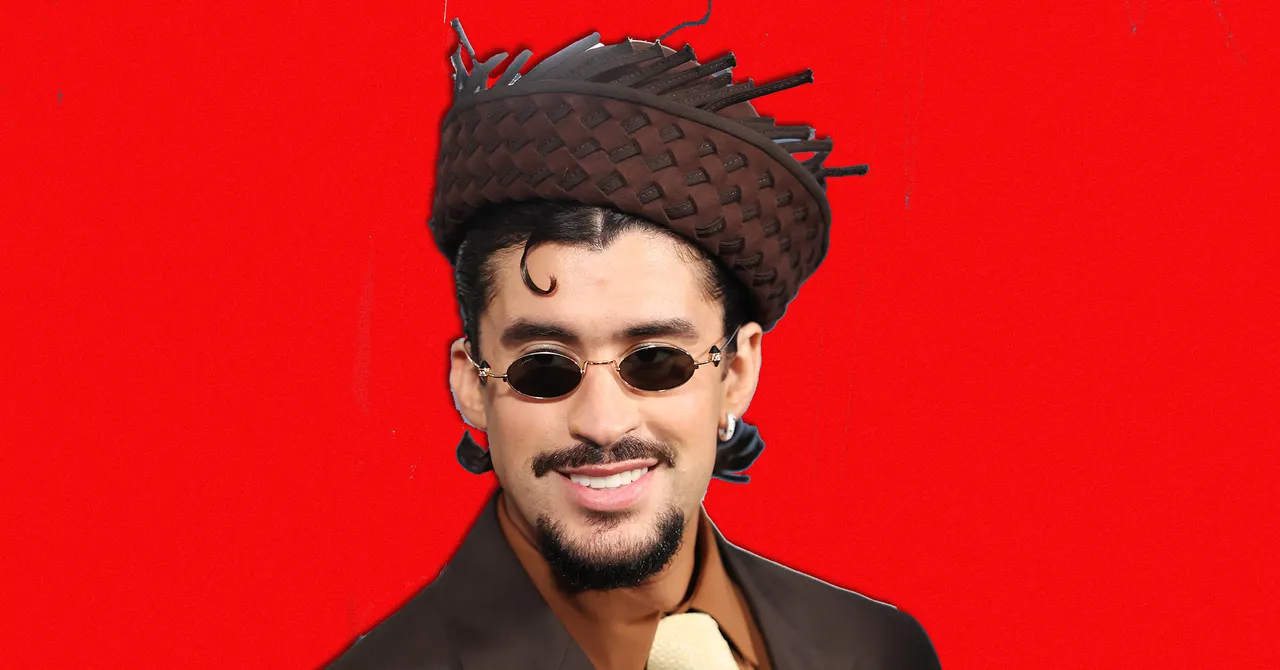
Bad Bunny Sparks MAGA Frenzy Amid Youth Wave

Innovation at the Intersection of Culture and Business

Over the past year, emerging trends in technology and entertainment reveal a clear shift toward disruption and cultural resonance. A prime example is the strategic partnership between the NFL and Bad Bunny, a move that exemplifies how traditional industries recognize the necessity of integrating cutting-edge cultural icons to stay relevant on the global stage. This collaboration signifies more than just an entertainment stunt; it embodies a deliberate effort to rebrand the league and tap into the fastest-growing demographic segments, particularly the Hispanic market.

Recognized as the most streamed artist worldwide from 2020 to 2022, Bad Bunny has become a pivotal figure in reshaping the entertainment landscape. His influence, fueled by innovation in digital distribution and social engagement, exemplifies how disruption in the entertainment industry leads to new revenue streams and audience segmentation. The NFL’s calculated move to secure such a global icon signals a broader shift: traditional sports franchises are now leveraging cultural relevance and social identity to amplify their brand equity and ensure sustainable growth in a rapidly evolving marketplace.

Technological Innovation Driving Cultural Relevance

This strategic synergy is reinforced by an industry-wide emphasis on integrating technological advancements to enhance engagement and appeal. For example, Gartner highlights how live streaming, augmented reality, and personalized content delivery are transforming how audiences connect with their favorite sports and entertainment icons. Such innovations not only facilitate global outreach but also enable brands like the NFL to harness data-driven insights for targeted marketing campaigns.

The NFL’s partnership with Jay-Z’s Roc Nation exemplifies this approach—melding cultural influence with technological sophistication to produce content that sparks social dialogue. Kendrick Lamar’s politically charged 2024 Super Bowl halftime show epitomized risk-taking—using American symbolism for critique—demonstrating that disruption in content can be a potent tool for media engagement and societal reflection. These shifts underscore the industry’s recognition that standing still is tantamount to losing market relevance, especially among younger, digitally-native audiences.

Business Implications and Industry Transformation

  • Traditional media consumption models are being challenged by interactive and immersive formats that promote engagement beyond the screen.
  • Brands that adopt a platform-agnostic approach—integrating music, sports, and social activism—gain a competitive edge by building authentic connections with diverse demographic groups.
  • The emphasis on representation and inclusion is no longer peripheral but central to marketing strategies, serving both cultural and shareholder value.

As expert analysts from institutions such as MIT and Forrester observe, these shifts are indicative of a new paradigm—where innovation and social relevance drive consumer loyalty and revenue in tandem. The rapid pace of technological evolution demands that industry players, from sports leagues to entertainment giants, prioritize agility and cultural intelligence. The next decade promises a landscape where disruption will be the norm, and those who fail to adapt risk obsolescence.

In conclusion, the convergence of technological innovation, cultural disruption, and strategic business positioning sets the stage for a future where industries are more interconnected, competitive, and dynamic than ever before. As figures like Elon Musk and Peter Thiel have long emphasized, embracing change is not optional—it’s essential for survival. The challenge now lies in leveraging these shifts swiftly and decisively, or else being left behind in the wake of relentless progress.

Social Media Auto Publish Powered By : XYZScripts.com