As President Donald Trump escalates his rhetoric and military threats against Iran, the geopolitical landscape of the Middle East and international diplomacy faces unprecedented turbulence. Trump’s recent threats, including promises to target Iran’s civilian and energy infrastructure if Tehran fails to reopen the Strait of Hormuz, represent a significant departure from traditional U.S. policy. Historically, such threats have been condemned by international watchdogs and analysts who warn that escalating military rhetoric could spiral into a full-scale conflict with widespread consequences. Prominent geopolitical scholars argue that these actions risk destabilizing the already volatile region, with ripple effects extending far beyond Iran’s borders, impacting global energy supplies and regional alliances.
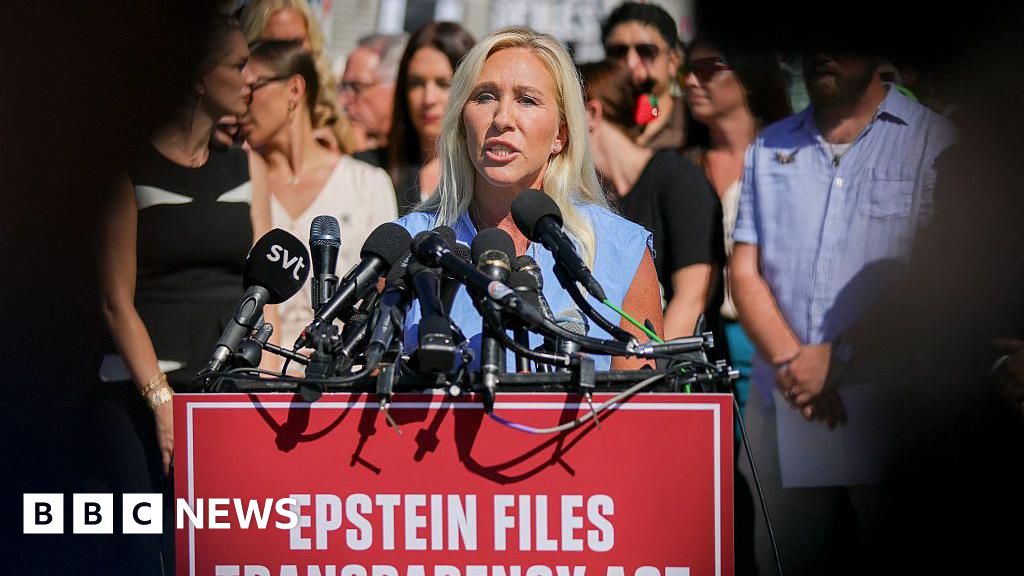
The U.S. administration’s stance appears to have fractured even within Trump’s own political base. As the crisis deepens, voices from the right-wing echo chamber are voicing concerns over the potential for catastrophic escalation. Former Fox News anchor Tucker Carlson condemned the escalation as “vile on every level,” emphasizing that the threats to kill civilians and destroy Iran’s infrastructure are reckless and unprecedented in American foreign policy history. Meanwhile, figures like Marjorie Taylor Greene have openly called for his removal under the 25th Amendment, citing concerns over his mental stability amid these threats. This internal rift underscores a larger pattern of disunity, as even the most conservative factions begin to question the wisdom of Trump’s aggressive approach.
Internationally, responses have been mixed but increasingly alarmed. The European Union and United Nations have expressed concern over the risk of war, with diplomats warning that such threats undermine efforts toward de-escalation. Historically, analysts like Dr. James Dobbins, a retired U.S. diplomat, have emphasized that miscalculations driven by inflammatory rhetoric could escalate into a conflict that would have devastating regional and global consequences. Oil markets have reacted sharply as well; Brent crude prices have surged above $110 a barrel, reflecting fears of supply disruptions given Iran’s strategic importance. Oil experts warn that such instability could trigger a broader energy crisis, reverberating through global markets and economies already fragile from recent disruptions. The geopolitical upheaval around the Strait of Hormuz thus has the potential to reshape international alliances, reduce U.S. influence in the region, and force nations to recalibrate their foreign policies based on security and economic interests.
This crisis unveils a stark reality: the decisions made today could define the future of international order for decades to come. The dramatic threats by Trump, coupled with internal fractures and global unease, serve as a sobering reminder that the course of history remains uncertain. The coming days will test whether diplomatic channels can withstand this storm or if a misstep will plunge the world into conflict. As history continues to unfold, one thing becomes clear—the era of unchecked military bravado risks turning into a chapter marked by irreversible consequences for nations and societies across the globe. The weight of those choices now hangs heavily in the balance, casting shadows over what the future holds for international peace and stability.