Matox News

Truth Over Trends, always!

US Court Blocks Mail-Order Abortion Drugs, Challenging Access for Young Americans

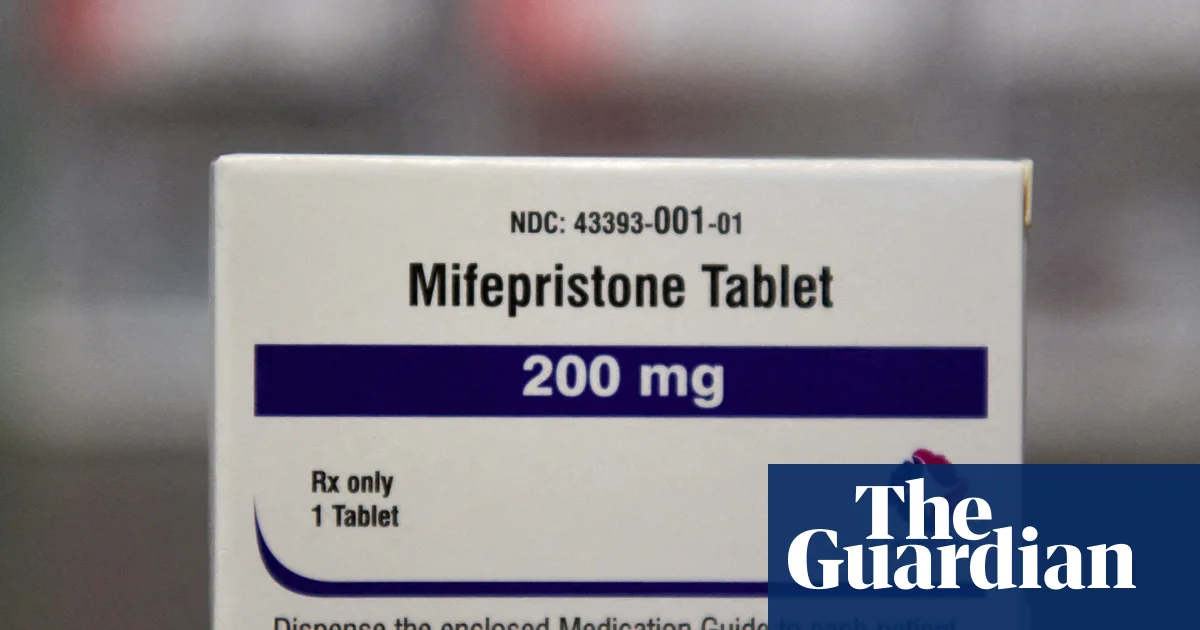
Recent developments in the legal landscape surrounding abortions and reproductive health in the United States signal a profound shift that threatens to reshape the fabric of families, communities, and the very foundation of informed choice. The latest ruling by a conservative appellate court has temporarily halted the distribution of mifepristone—a medication approved by the FDA and used in over half of all American abortions. This decision, which echoes the political and cultural tensions surrounding the right to choose, declares that the drug cannot be dispensed through the mail, thus imposing an unnecessary barrier on access for millions across the country. Such restrictions are not mere administrative hurdles—they jeopardize the well-being of families and the foundational autonomy of individuals seeking reproductive care.

Throughout history, social commentators like Ruth Bader Ginsburg and sociologists examining societal shifts have warned of the ripple effects that control over reproductive rights can generate. The current restrictions disproportionately impact those in rural or underserved communities where healthcare options are already limited. With families increasingly facing the prospect of being cut off from safe, legal methods for ending pregnancies, their stability and future stability are compromised. As Kelly Baden of the Guttmacher Institute highlights, reversing or restricting access to mifepristone—an evidence-backed, safe medication used worldwide—places families at greater risk of financial and emotional hardship. Such policies do not just limit individual choice; they threaten the cohesion and resilience of society’s most vulnerable members.

This renewed assault on reproductive rights exposes the fragility of society’s progress. As legal battles unfold, including Louisiana’s challenge against the FDA, the broader picture illustrates how eclectic forces of ideology and control attempt to shape the moral landscape. Sociologists argue that these social tensions are rooted in deeper cultural schisms, where antibioital movements mobilize to silence the scientifically validated efficacy of abortion medications. Meanwhile, families and communities confront the fallout—an erosion of trust in public health institutions and increased social fragmentation. The impact cascades into education, where the focus shifts from comprehensive reproductive health to navigating a landscape of legal uncertainties and moral conflicts, often hampering the educational growth of youth on issues of bodily autonomy.

The ongoing debate encapsulates a fundamental question for society: How do we balance moral convictions with the human rights of individuals? The challenge lies in ensuring that the voices of families, especially those most affected, are heard amid the din of ideological battles. As Julia Kaye of the ACLU emphasizes, restricting access to a medication used safely for over 25 years imposes a moral and ethical dilemma—one that extends beyond policy and into the realm of human dignity. The hope resides in the recognition that societal change often begins at the grassroots level, where informed communities stand resilient against attempts to diminish their freedom. Despite these hurdles, the resilience of families, the dedication of healthcare providers, and the courage of advocates serve as beacons of hope—reminding society of its capacity to adapt, reform, and strive toward a future where personal liberty and social justice coexist with respect and compassion.

Alito temporarily reinstates mail-order abortion pill rule, sparking youth debate

In a pivotal move that underscores the ongoing battle for control over reproductive rights, a federal appeals court recently blocked a controversial FDA rule permitting the distribution of the abortion pill mifepristone via mail. This decision not only spotlights the power struggle between federal agencies and the judiciary but also exposes the ideological chasm that divides American politics, particularly on issues deeply embedded in cultural and moral values.

The FDA’s policy, which aimed to expand access to abortion by allowing patients to receive mifepristone through the mail, was viewed by many pro-choice advocates as a crucial step toward reproductive autonomy. Conversely, opponents, grounded in conservative principles and skeptical of federal overreach, challenged the rule, arguing that it jeopardized safety and was an overextension of bureaucratic authority. The appeals court’s intervention signals how legal institutions have become battlegrounds in the broader contest over who controls policy decisions that directly impact the people. As constitutional experts draw parallels to historic judicial rulings that served as check or catalyst for change, this recent decision exemplifies that judiciary influence is vital in shaping social policy and national direction.

The decision also intensifies the power struggles among different branches of government. While the executive branch, led by the Food and Drug Administration, aims to loosen restrictions and facilitate access, the judiciary is increasingly asserting itself as a guardian of what it considers the constitutional limits. This dynamic echoes the classical debate traced back to framers like Alexander Hamilton and Thomas Jefferson, where the question of who holds ultimate authority over social policy continues to unfold. For many, this clash clarifies that the sovereignty of the people—once envisioned to be realized through elected representatives—is now often contested in the courts, with profound implications for how decisions shape the lives of ordinary citizens.

Ultimately, the fluidity of this power struggle underscores a fundamental truth: politics is the stage where destiny is wrought. As legal experts and political theorists analyze these shifts, one certainty remains clear—the fight over cultural and moral authority is far from over. The rulings echo a larger narrative about the resilience of ideological discord in shaping the national identity. In a nation where each court victory or defeat potentially redefines the relationship between government and the governed, the broader question remains: who will write the future—those who wield the power today or those advocating for a different direction? As history has repeatedly demonstrated, in the theater of politics, the battle lines are drawn, and only the outcome will determine the enduring moral fabric of the nation.

Supreme Court Blocks Mail-Order Abortion Pill Ban, Keeps Access Open

The recent decision by the US Supreme Court to temporarily reinstate nationwide access to mifepristone marks a critical juncture in the ongoing battle over reproductive rights in America. This move comes after weeks of intense legal clashes that threaten to redefine access to a medication used in nearly two-thirds of all pregnancy terminations across the country. Justice Samuel Alito signed an order on Monday that paused a controversial ruling by the fifth US circuit court of appeals, which sought to impose new restrictions on the abortion drug, including barring its prescription via mail—a move that could have severely limited access in a nation already divided on the issue.

The appellate court’s decision—rendered by a conservative three-judge panel in New Orleans—emerged as a clear extension of the heated political landscape surrounding reproductive health. The panel argued that mailing mifepristone could pose health risks and undermine restrictions on abortion enacted at the state level, echoing the broader strategy by conservative jurisdictions to challenge federal agency authority. This legal escalation was rooted in a lawsuit from Louisiana’s state government, which claimed that the Drug Enforcement Administration’s mail distribution policies bypassed state laws designed to restrict or ban abortion entirely. The decision was widely condemned by reproductive health advocates, who emphasized that decades of scientific research consistently uphold mifepristone’s safety and effectiveness when used properly.

Following the appellate ruling, Danco Laboratories, one of the primary manufacturers of mifepristone, swiftly filed an emergency appeal to the Supreme Court. They argued that the lower court’s restrictions would inject chaos into already sensitive medical decision-making and jeopardize patient safety. As analysts from international organizations and legal experts observe, this repeated back-and-forth typifies how swiftly the fabric of reproductive rights can unravel when political ideologies override scientific consensus. The court’s interim order—set to remain in effect until at least 11 May—illustrates the high stakes involved in the ongoing legal tug-of-war, where each ruling could alter access to healthcare across a nation grappling with deep divisions.

Geopolitical Impact

This legal conflict in the United States extends beyond its borders, influencing international debates on reproductive rights and the role of judicial authority in health matters. Countries with conservative governments are closely watching, as the American example underscores how legal frameworks can be utilized either to uphold or restrict reproductive freedoms. International organizations like the World Health Organization and human rights advocates warn that the restrictions threaten to set a dangerous precedent, potentially inspiring similar legislation elsewhere. For many societies, decisions made in Washington carry a symbolic weight, as they reflect and influence the ideological battlegrounds shaping women’s rights globally.

The Road Ahead and the Weight of History

While Monday’s order offers a temporary reprieve, experts emphasize that the fight over mifepristone’s accessibility remains far from over. Prominent voices such as Alexis McGill Johnson of Planned Parenthood warn of ongoing chaos and uncertainty, underscoring the profound and tangible effects on patients’ lives. Meanwhile, Julia Kaye, representing the American Civil Liberties Union, urges the Supreme Court to definitively settle the debate, warning that complacency risks undermining reproductive freedoms seen as fundamental human rights. This complex judicial saga surfaces at a critical moment—just three years after the Supreme Court’s seismic decision to overturn Roe v. Wade, which had guaranteed federal abortion rights for nearly five decades—an event that reverberated across all levels of society and policymaking.

As history continues to unfold, the decisions made now will shape the societal fabric of *America* for generations to come. The ongoing battles over reproductive health are emblematic of larger ideological conflicts gripping the nation—conflicts that challenge the very essence of personal sovereignty and the rule of law. With each legal twist and judicial decree, the heart of democracy and individual rights stands at a crossroad—yet the enduring truth remains: the struggle for reproductive freedom is, in many ways, a reflection of the ongoing contest between liberty and authority, between scientific truth and ideological dogma. The world watches, for the chapters yet to be written may very well determine the future of human rights well beyond the borders of the United States.

US Court Restricts Mail-Order Access to Abortion Pill Mifepristone

The recent court decision in the United States that significantly curtails access to a vital medication used in abortion procedures marks a pivotal moment in the ongoing cultural and political battles over reproductive rights. The ruling directly impacts the use of mifepristone, currently the most common method for medication abortion across the country, and its repercussions are resonating well beyond American borders. This decision is not just a legal setback but a potent reflection of the shifting geopolitical landscape where traditional values clash with evolving societal norms, igniting debates that threaten to reshape the global discourse on individual rights versus governmental authority.

International analysts and civil rights advocates warn that such a move could set a precedent with far-reaching consequences, especially in countries where political ideology heavily influences health policies. Leading historians and global health experts have expressed concern that the reduction of access to medical abortion in the U.S.—often regarded as a bellwether for Western social policies—may embolden similar restrictions in other nations. Global institutions such as the World Health Organization and United Nations have historically championed reproductive health rights, but this recent development exposes a widening ideological rift. As the U.S. grapples with this legal upheaval, the international community remains watchful, knowing well that policy shifts in Washington can ripple outwards to influence legislation and societal attitudes worldwide.

From a geopolitical impact perspective, the decision underscores a broader cultural contest—one where the concept of individual sovereignty over personal health and bodily autonomy

is increasingly being challenged by conservative factions seeking to reassert traditional moral values. Such decisions lead to a polarization of societies, sparking debates that threaten to undo decades of progress on civil liberties. Analysts point out that this is not merely about health—it is a symbolic battle over who controls the future of societal norms. Historically, shifts in the United States’ approach to reproductive rights have served as indicators for other nations, with some following suit and others resisting. International relations now must contend with the reality that these internal policy struggles can influence diplomatic standing and partnerships, especially among nations with opposing values on social issues.

As voices across the ideological spectrum warn of the erosion of rights and the possible rollback of decades of progress, the role of institutions and leadership comes into focus. Whether these decisions mark the beginning of a new conservative wave or a temporary setback, their impact on future legislation and societal cohesion remains uncertain. The unfolding narrative is a vivid reminder that history continues to unfold in real time, with each ruling adding weight to the ongoing contest over liberty, morality, and the sovereignty of nations to chart their own social destinies. In this whirlwind of legal battles and societal upheavals, the question persists: How will this chapter define the boundaries of personal freedom in the years to come? The answer is still hidden in the pages yet to be written, but the stakes could not be higher—history is watching, and the world stands at a crossroads where the decisions made today will resonate for generations.

Social Media Auto Publish Powered By : XYZScripts.com