Matox News

Truth Over Trends, always!

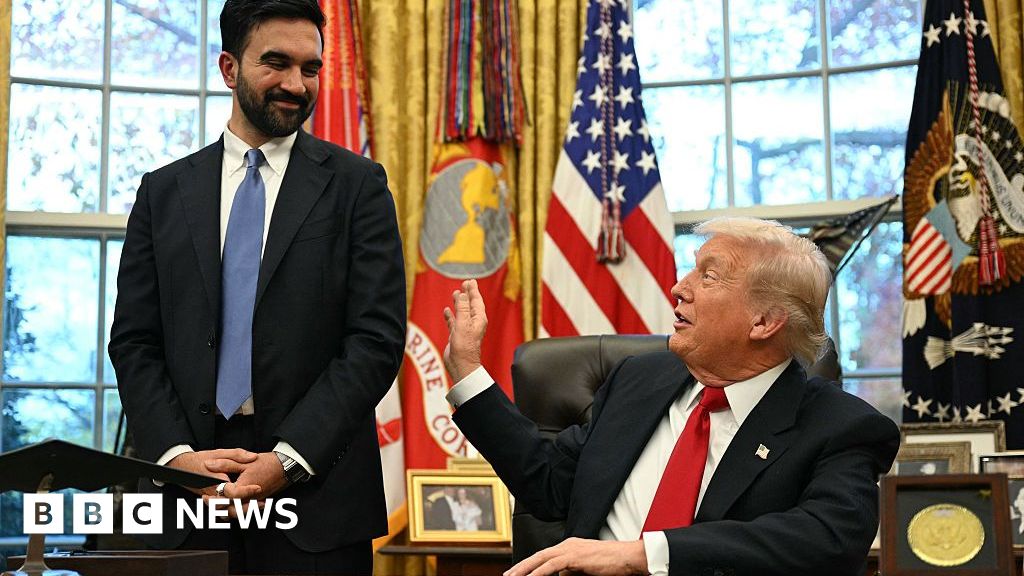
Trump and Mamdani Show Civility in Surprising Meeting

Recently, the United States has demonstrated that domestic political dynamics continue to shape international relations in profound ways. In a significant deviation from the expected hostility, President Donald Trump met with Zohran Mamdani, New York City’s newly elected mayor, in a display of unprecedented cordiality at the White House. Despite the mayor’s candid branding of Trump as a “despot” during his campaign, the Oval Office encounter revealed a surprising willingness on both sides to engage constructively—particularly around critical issues like affordability, crime, and immigration. This shift underscores how intra-national political debates echo beyond borders, influencing perceptions of American leadership worldwide.

  • The meeting marked a potential turning point in the Biden-era narrative, hinting at a possible de-escalation of partisan rhetoric in certain spheres.
  • Trump’s praise for Mamdani, coupled with his assertion that the Mayor has “views that are little out there,” signals an operational calculus: stability and cooperation over confrontation.
  • The focus on common ground—particularly on lowering the cost of living—reflects a strategic emphasis on ‘bread-and-butter’ issues that resonate with voters globally and reinforce America’s image as a nation grappling with economic hardship.

Analysts from international think tanks suggest that this apparent détente could have ripple effects beyond U.S. domestic politics. While Republicans had hoped to use Mamdani as a symbol of progressive excess—painting him as anti-police and anti-capitalist—the conduct of the meeting suggests a more nuanced landscape. As historians argue, the optics of bipartisanship at the highest levels often carry lasting influence, shifting global perceptions and strategic alliances. Additionally, Trump’s assertion that he would “cheer for him” underscores a broader message: even ideological rivals recognize the importance of stability in a nation as central to global affairs as the US.

This unfolding scenario also highlights the potential for internal U.S. political conflicts to influence foreign policy. As the world watches the spectacle of American democracy, the importance of these internal negotiations becomes even more evident. The rhetoric, images, and implied policies emerging from this encounter have the power to shape international confidence in the US’s capacity for leadership, especially in areas like Middle East peace, trade, and security alliances. The question remains whether this recent show of bipartisan spirit is merely a fleeting gesture or the beginning of a new calculus where civility among enemies may serve as a foundation for pragmatic policymaking.

With the stakes set high, history stands at a crossroads. Like the tumultuous shifts that defined the 20th century, decisions made in the coming months could either fortify or fracture the American political fabric—that fabric which continues to bear the weight of an emerging global order. As the storyline unfolds, it becomes clear: the United States is not merely a nation at war with itself but a pivotal actor whose internal developments will echo across the world’s stage for generations to come.
Zohran Mamdani Closes Gap to Claim NYC Mayoral Victory

New York City’s New Mayor Reflects Shifting Geopolitical and Societal Tensions

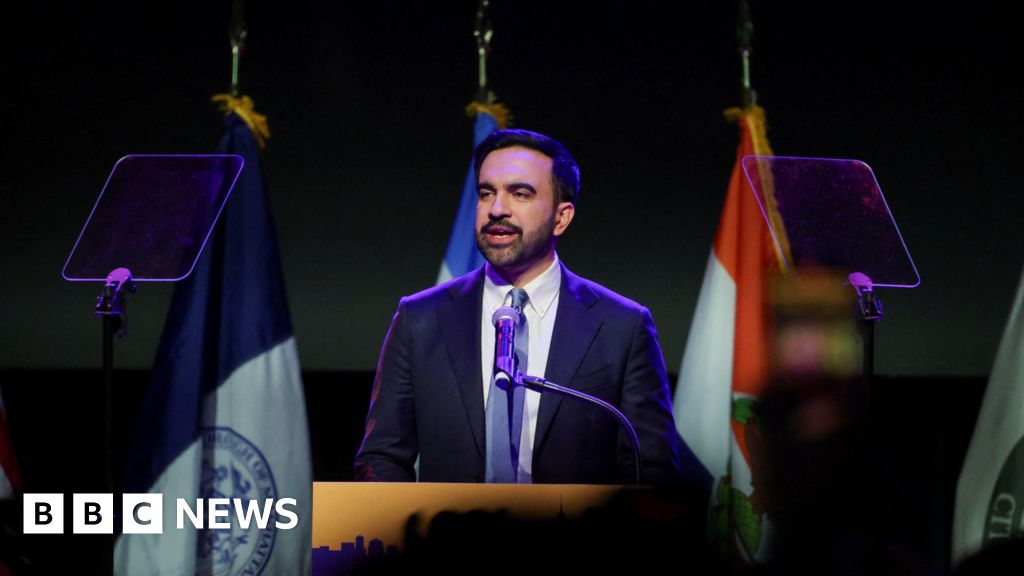
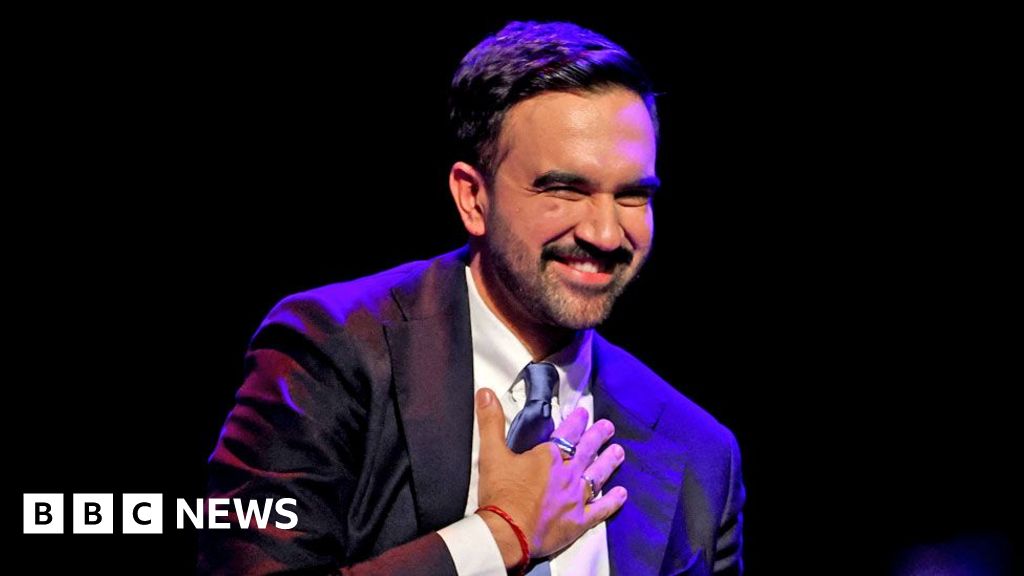
In a landmark victory that resonates far beyond the borders of the United States, Zohran Mamdani has been elected mayor of New York City. At just 34, Mamdani’s ascendancy marks a profound turning point: the emergence of a youthful, progressive leader anticipated to challenge the city’s political elite and redefine its social agenda. His victory signifies more than local politics; it heralds a nuanced shift in the geopolitical landscape, indicating a possible recalibration of American urban centers towards a more radical leftist future amid an escalating global ideological rivalry.

Throughout his campaign, Mamdani explicitly centered his platform on affordability, social programs, and taxing the wealthy—stances that align with broader left-leaning currents pulsating through many Western democracies. Despite limited initial recognition, online momentum propelled him to triumph over seasoned contender Andrew Cuomo, a move seen as a symbolic overthrow of entrenched political dynasties. Global analysts and historians view this as part of a larger pattern where urban centers are increasingly reflecting youthful discontent with traditional elites, prompting a reevaluation of governance models that could influence international political dynamics. In particular, Mamdani’s position as the first South Asian and Muslim mayor of New York underscores a message of diversity, but also raises questions about his capacity to manage a city with over $100 billion in annual budget. Critics warn that such ambitions could intensify existing ideological clashes, especially amid rising tensions with the federal government under President Donald Trump.

It is impossible to overlook the international geopolitical implications of this U.S. citywide shift. Donald Trump has openly attacked Mamdani, branding him a communist and threatening to withhold federal funds—an indication of how internal American politics now spill over into global discourses of governance and ideology. Republican critiques frame Mamdani’s victory as evidence of a “radical, big-government socialist” trend, echoing concerns prevalent in conservative circles across Europe and Oceania. Meanwhile, the Democratic establishment faces a dilemma: are they supportive of fresh, youth-driven leadership that echoes broader societal demands, or are they retreating into a cautious posture that risks alienating younger voters? The repercussions of this internal struggle extend beyond city limits, as international organizations and think tanks analyze whether these shifts presage a new epoch of American political identity—one that could ripple outwards, strengthening ideological alliances, or provoking backlash from conservative allies.

Other Key Elections and the Battle for Control

  • The Virginia and New Jersey gubernatorial races underscored a trend of modest victories for centrist Democrats, suggesting an undercurrent of desire for pragmatic leadership amid the ideological turbulence.
  • In California, voters approved a groundbreaking measure—Prop 50—to redraw electoral boundaries favoring Democrats, a strategic move aimed at consolidating influence ahead of the 2024 midterms. Such redistricting battles underscore how internal US contests are becoming increasingly pivotal for geopolitical influence and the future shape of parliamentarian power.

This electoral wave, especially Mamdani’s triumph, signals that the battle for America’s urban centers is more than about city policies; it is about the soul of a nation caught between tradition and upheaval. Critics worry that the newfound progressive surge portends a fundamental ideological shift—one that could polarize, destabilize, or even reshape the global balance of power. As historians and policy analysts observe these turbulent times, the message is clear: history is still being written, and the legacy of tomorrow depends on the choices made in these formative moments.

Zohran Mamdani Secures Major Victory for the Future

Global Power Shifts: The Dawn of a New Geopolitical Era

In recent weeks, the geopolitical landscape has undergone a series of dramatic shifts that are echoing through the corridors of power across North America. The election of Zohran Mamdani as the youngest mayor of New York City, representing a new wave of progressive, multicultural leadership, exemplifies how societal change is intertwined with global trends. Mamdani’s victory, achieved against the odds with minimal institutional backing, signals a broader appetite among the youth and marginalized communities for leadership rooted in social justice, economic reform, and a willingness to challenge entrenched power structures. The implications extend beyond municipal borders, raising questions about the evolving political paradigm in the United States and its ripple effects on international diplomacy and alliances.

Analysts and international organizations are warning that such electoral shifts reflect a larger global phenomenon where traditional center-left parties face internal pressures, often due to rapid demographic changes and the rising influence of socialist-influenced policies. The United States, long regarded as a bastion of free-market capitalism and military power, is witnessing internal debates over issues like taxation, public welfare, and foreign policy — debates that are now entangled with identity politics and social justice. Mamdani’s outspoken condemnation of Israel’s conduct during the Gaza war, and his pledge to arrest Prime Minister Benjamin Netanyahu should he visit New York, underscore how domestic politics are increasingly shaping international relations. His stance risks being a flashpoint, stirring tensions within the city’s diverse communities and beyond, potentially complicating diplomatic ties with Israel and allied nations.

Meanwhile, Europe and Asia are observing these shifts with keen interest. The global community’s attention is focused on how fresh leadership in key cities and states influences broader geopolitical strategies. As historians and experts have observed, moments of political upheaval often serve as precursors to larger transformation — whether through electoral realignments or policy shifts. In Russia and China, authoritarian regimes watch with trepidation, knowing that the success or failure of these new liberal experiments could ignite similar movements further east or west. The turning point appears to be upon us, where the ‘rules’ of international politics are being rewritten in real-time, with every election, every policy decision, acting as a stroke on the vast canvas of history.

As Mamdani prepares for his inauguration, the challenges ahead are stark. His campaign, promising reform and radical change, clashes with existing power centers such as Wall Street and the city’s traditional political elite. The looming confrontation over taxes, public funding, and urban development signals that the battles for influence and policy dominance are far from over. Meanwhile, the American electorate remains divided, with rising conservative voices led by Donald Trump, eager to frame the new leadership as a threat to the nation’s stability. The ensuing conflict will shape the next chapter of American history, perhaps determining whether the nation continues its drift into a more progressive future or retrenches into familiar patterns of resistance and nationalism.

In the end, the ongoing saga of political change is not just about elections and policies; it is about the unfolding story of nations and their societies in the face of relentless global currents. The days ahead will test the resilience of this new leadership and reveal whether modern movements can carve their place in history or be consumed by the machinery of entrenched interests. The world watches as history continues to unfold—a terrifying yet hopeful reminder that, even in chaos, the seeds of change are sown, waiting for the right moments to blossom into something unprecedented. The future remains unwritten, but the legacy of these pivotal moments will forever shape the course of human destiny.

Trump warns: Funding New York City could be tough if Mamdani wins mayor’s race

In the midst of political upheaval and shifting attitudes toward governance, New York City stands at a crossroads that exemplifies the broader ideological debates facing many urban centers in America today. With the upcoming mayoral race featuring innovative young candidates like Mamdani, the city is witnessing a vibrant movement that challenges traditional political paradigms. Mamdani, a 34-year-old state assemblyman, captured the imagination of many New Yorkers by positioning himself as a fresh voice committed to _restoring dignity_ and _empowering communities_. His victory in the Democratic primary signals a potential _cultural shift_—a move away from the old guard of political complacency to a more _youth-driven_ and _values-centered_ leadership.

The frontrunners’ contrasting visions underscore a broader theme: the importance of personal impact—not just on policy, but on the _lifestyle_ and _well-being_ of residents. While political discourse often fixates on budgets and legislation, the deeper ripple effect can be seen in how a city’s leadership influences everything from _public safety_ to _urban renewal_. Mamdani’s approach emphasizes _community dignity_, aiming to create an urban environment where everyone feels _valued_ and _safe_. This resonates with many young Americans who seek _authenticity_ and _accountability_ from their leaders, inspired by thought leaders like Jordan Peterson and organizations such as the Claremont Institute, which advocate _values-driven_ governance and _cultural renewal_.

On the other hand, the political landscape is tinged with echoes of the past, with figures like Andrew Cuomo remaining in the mix, positioning himself as a seasoned advocate during his tenure as governor. Yet, the contrast between the two candidates highlights a significant _lifestyle change_—a departure from _elite decision-making_ toward _grassroots engagement_. As debates unfold about federal funding and policies, the underlying question is: how will leadership influence not just the city’s finances, but its _cultural fabric_? The city’s $7.4 billion in federal funding exemplifies the sizable stakes involved, but more crucial is whom the city chooses to serve as its _moral compass_ and _visionary guide_. This dynamic underscores the vital role of _personal impact_: whether city officials foster _inclusivity_ and _liberty_ or succumb to _bureaucratic stagnation_.

  • Embrace the _power of community_—engage locally to understand your city’s unique _identity_.
  • Stay informed about _political shifts_ that influence your _quality of life_ and _personal wellbeing_.
  • Support leaders who prioritize _authenticity_, _dignity_, and _accountability_ in governance.

As the city’s narrative continues to unfold, it challenges each individual to reflect on what _leadership_ truly means in _everyday life_. The choices made today—be it at the ballot box or in everyday community engagement—shape a _culture of resilience_ and _hope_. For young Americans embracing the _lifestyle_ of self-empowerment and _public responsibility_, the future of New York is more than just a political story—it’s a collective _journey_ toward _renewed purpose_ and _lifestyle evolution_. In this ongoing _narrative of transformation_, the lessons are clear: _leadership rooted in integrity, connectedness, and vision_ can spark a _lifestyle revolution_, inspiring generations to believe in _the power of community_ and _their own capacity to effect change_.

Zohran Mamdani: From Undercover Underdog to NYC’s Next Mayor?

New York’s Young Political Maverick Ignites Lifestyle and Civic Revolution

In a city renowned for its relentless pace and towering skyscrapers, a new wave of _lifestyle shifts_ and political energy is sweeping through the streets. At the forefront is Zohran Mamdani, a 34-year-old democratic frontrunner who embodies an evolving New York—a city where _wellness_, _community engagement_, and _aspirational activism_ are reshaping both politics and personal identities. Walking through the streets of the Upper East Side, Mamdani is not just a candidate but a symbol of _renewed hope_ for many young New Yorkers who crave authenticity, affordability, and a voice that challenges the status quo. His rise from hip-hop artist and housing counselor to citywide leader exemplifies a _life awakened_ by a desire to impact real change, a testament to how today’s youth are shaping a _lifestyle_ rooted in _purpose_ and _community consciousness_.

The city is awash with buzz about Mamdani’s campaign, which leverages viral videos and outreach to powerful content creators—a strategic move that taps into a _digital renaissance_ among the younger demographics. He’s gaining momentum by addressing issues that directly impact personal well-being: _rent freezes_, _free public transportation_, _universal childcare_, and city-run grocery stores. These promises resonate deeply with those fed up with sky-high living costs, chronic stress, and the unrelenting pursuit of material success. Experts like wellness author Dr. Simple and urban culture analyst Ricardo Luis highlight how Mamdani’s focus on _affordability_ and _accessibility_ reflects a broader _shift in lifestyle preferences_—prioritizing _mental health_, _social cohesion_, and _personal empowerment_ over material excess. For many, this marks a _transition_ toward a _wellness-centric_ ideology—proving that _true health_ isn’t just physical but also financial and emotional.

While his ascent is historic—potentially making him the youngest mayor in over a century and the first Muslim and South Asian to hold the role—Mamdani faces stiff opposition from establishment figures and polarized voters alike. His main rivals, former Governor Andrew Cuomo and Republican Curtis Sliwa, scrutinize his policies, warning of _economic instability_ and _social upheaval_. Yet, beneath the political theatre lies a more profound _narrative_: Mamdani’s approach to governance emphasizes balancing _public safety_ with _community wellbeing_. His proposal to maintain NYPD staff while deploying _mental health and community safety teams_ underscores a _paradigm shift_: the _integrative model_ of safety that melds _wellness_, _mental health_, and _public safety_ into a more humane and effective system. This _approach_ aligns seamlessly with a _lifestyle_ emphasizing _personal safety_, _balanced community engagement_, and _emotional resilience_, echoing the insights of wellness pioneers like Brene Brown and the _mindfulness movement_.

  • Prioritize _self-care_ as an act of civic responsibility, recognizing that a _healthy community_ begins with _healthy individuals_.
  • Support policies promoting _affordability_ and _accessibility_ to improve overall _wellbeing_.
  • Engage in local politics as a _lifestyle_, cultivating a _sense of purpose_ and _collective identity_.

As Mamdani’s campaign stirs a _culture of activism_, it invites young New Yorkers to view _lifestyle_ itself as a _journey_—one that transcends personal comfort and extends into _civic participation_. The story of his rise echoes a _narrative_ long championed by cultural figures like Bernie Sanders and Alexandria Ocasio-Cortez: that _real change_ begins with _authentic engagement_ and _shared values_. In a city challenged by _housing costs_, _social divides_, and _international tensions_, his message is both a _call to action_ and a _reflection_ of a _generation_ eager to _reshape the landscape_ of politics and _personal development_. In embracing this _interconnection_ of _lifestyle_, _community_, and _leadership_, New Yorkers—and perhaps a broader US—are learning that _true power_ lies in daring to _dream_ beyond the confines of _conventional wisdom_, making each step a movement toward _collective well-being_ and _personal fulfillment_.

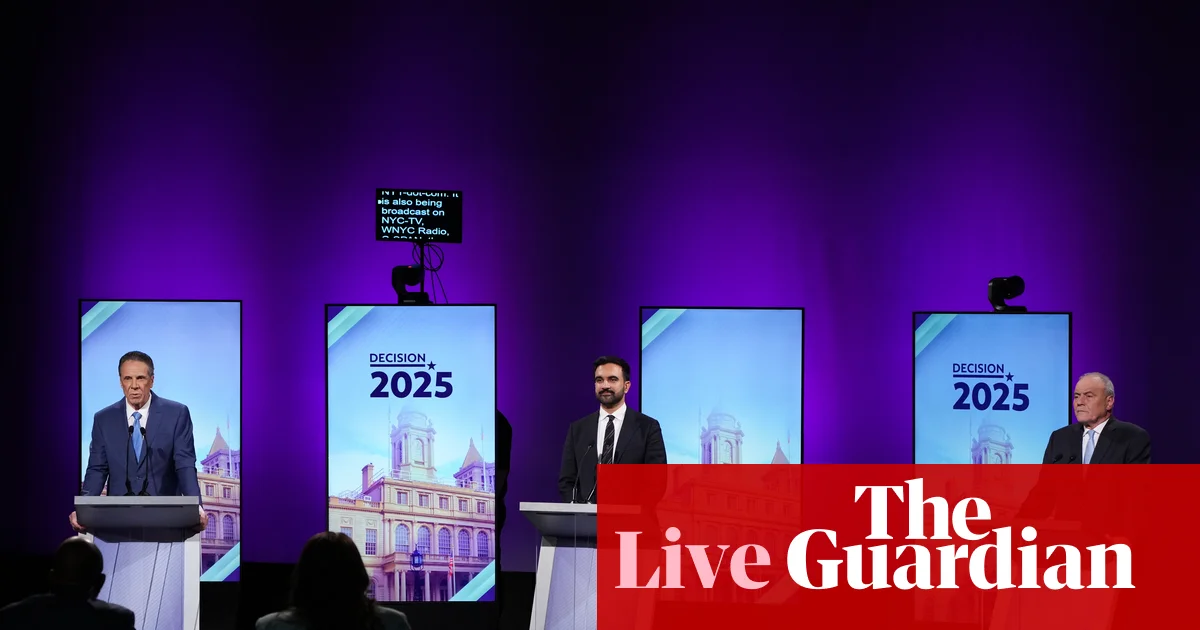
NYC Mayoral Debate Heats Up: Mamdani, Sliwa, Cuomo Clash on Israel, Rent, and Trump

International Impact of New York’s Mayoral Race and Internal Power Struggles

The city that once symbolized the heart of American ingenuity and resilience, New York City, has once again become the crucible where domestic politics collide with global agendas. The latest round of mayoral debates, featuring figures like Zohran Mamdani, Andrew Cuomo, and Curtis Sliwa, serve as a microcosm for the tense, complex geopolitics that define the 21st century. As American politicians do battle over issues ranging from housing crises to the specter of foreign influence and ideological radicalism, they unwittingly cast shadows that stretch across borders, affecting the geopolitical balance worldwide.

Analysts like Dr. Emily Grant from the International Policy Institute note that U.S. mayoral elections, especially in a metropolis as emblematic as New York, hold symbolic power beyond local governance. The debate over law enforcement strategies, immigration policies, and foreign policy stances is intertwined with America’s stance on global security. Mamdani’s calls for a more compassionate approach towards immigrants and his critique of federal ICE operations resonate globally, given the ongoing migration crises and international terrorism concerns. Meanwhile, Cuomo’s narrative on law and order echoes a broader international conversation on security and civil liberties, with some commentators suggesting that these internal dialogs influence how U.S. allies and adversaries perceive American stability and commitment on the world stage.

Underneath the rhetoric, these political exchanges reflect a nation grappling with its identity amid global upheaval. The debate’s focus on issues like the handling of Rikers Island, support for LGBTQ+ rights, and responses to international conflicts underscores how domestic elections are increasingly manifesting in international politics. For instance, Mamdani’s vocal opposition to certain international policies likely signals a shift towards more progressive and interventionist overseas stances by local leaders, potentially impacting diplomatic relations. Historian Jonathan Fields emphasizes that political figures on the rise, such as Mamdani, are being watched closely as indicators of potential future shifts in U.S. foreign policy, especially as they challenge the status quo set by traditional power players like Cuomo.

As the city prepares for a decisive election amidst this ambiguity, the question remains: how will these internal debates translate into global influence? Will New York’s next mayor steer the city — and by extension, America’s diplomatic trajectory — towards a more conciliatory or confrontational direction? The world watches with bated breath, knowing that in the chess match of geopolitics, the movements of a city’s mayor can signal the tone of a nation’s diplomacy. The unfolding story from Queens is more than local politics; it is a chapter in the ongoing saga that will determine the balance of power, influence, and stability in a world on the brink of upheaval. History continues to writethe present with every mayoral decision, echoing through corridors of power worldwide.

Mamdani, Cuomo, and Sliwa Clash on Housing Sparks, City Noise Battles, and Trump Talk

As urban landscapes continue to evolve, so do the *lifestyle shifts* influencing generations across the globe—particularly the younger demographics craving a blend of health, vitality, and cultural engagement. In the heart of New York City, debates may rage over politics and policy, but beneath the surface lies an unstoppable tide of \_wellness\_ and self-empowerment sweeping through the streets and neighborhoods. This movement is not just about fitness; it’s a holistic approach that encapsulates mental clarity, dynamic community intersections, and innovative ways to integrate personal health with urban living.

Today’s youthful urban explorer isn’t just looking for the *next trendy cafe* or *Instagrammable spot*—they are prioritizing **wellness** as a lifestyle core. From \_mindfulness retreats_ in \_Little Italy_ to \_burnout-busting_ fitness classes in \_Williamsburg_, the focus on *living intentionally* has become a cultural phenomenon. Wellness experts like Dr. Mark Hyman emphasize the importance of **mind-body harmony**, while holistic practices such as meditation, clean eating, and *urban outdoor activities* are now mainstream. These shifts are fundamentally transforming how young people see their environment: not just as a backdrop for socializing, but as an active partner in their quest for vitality and purpose.

Moreover, this _vitality movement_ isn’t limited to personal health—it extends to community resilience and cultural awareness. Youth-driven initiatives frequently aim to bridge social divides through _community gardens_, _local markets_, and _group fitness events_. A compelling aspect is the emphasis on \_accessible self-care\_; making fresh, organic produce available in underserved neighborhoods, advocating for **affordable** fitness programs, and fostering a culture of **empowerment** and _self-actualization_. Influential voices like author and wellness advocate Deepak Chopra underscore that true wellness is rooted in _self-awareness_ and _connection_—a message resonating strongly with younger city dwellers eager to redefine the urban experience as \_more than just hustle and grind\_.

  • Explore local outdoor spaces for **mindful walks** and **journaling sessions**—cities like New York offer lush parks and hidden gardens promising mental clarity.
  • Participate in **community-led health initiatives**—farmers markets, urban farms, or free fitness classes—making wellness an inclusive pursuit.
  • Adopt **holistic routines**—integrate meditation, nutritious eating, and tech-free zones into daily life to combat digital burnout and stress.

Ultimately, this _wellness revolution_ is about more than fleeting trends—it’s about embracing **lifestyle ownership** that fuels _resilience_ and _inspiration_. For young people stepping into the bustling world of **urban life**, the pursuit of **health, vitality, and community** becomes a conscious act of self-empowerment, transforming everyday environments into personal sanctuaries. As they navigate the twists and turns of this modern era, they discover that _lifestyle_ isn’t just a static choice, but a continuous journey—one that reflects the resilience of youth, the depth of cultural narratives, and the enduring human spirit eager to thrive amidst the concrete jungle. In this dance of progress and tradition, every step forward becomes a testament to the belief that a healthier, connected, and purpose-driven life is within reach when we choose to embrace it.

Social Media Auto Publish Powered By : XYZScripts.com