Matox News

Truth Over Trends, always!

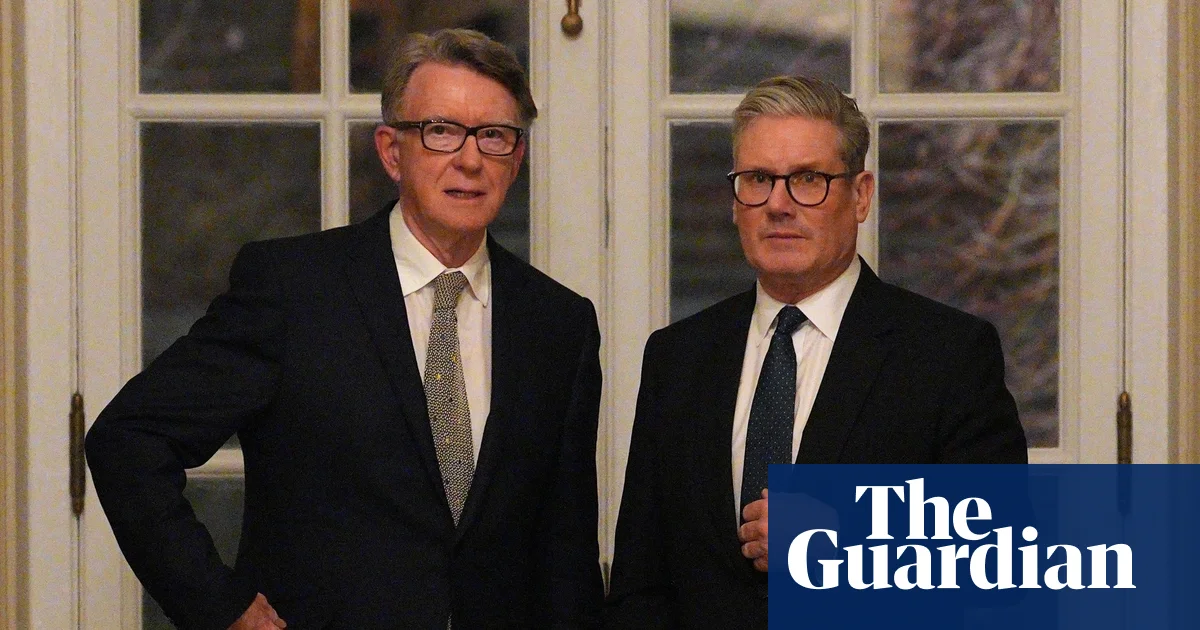
Starmer hands Mandelson dossier to police, plans to strip peerage—tough justice for the establishment insider

UK Political Scandal Sparks International Outcry and Questions of Trust

The recent revelations involving Peter Mandelson, a once-powerful figure in British politics, have sent shockwaves across the United Kingdom. As Keir Starmer, the current Prime Minister, prepares to hand a dossier of evidence to law enforcement, the scandal underscores a deeper crisis of confidence in political leadership at a time when global institutions face unprecedented turbulence. Disclosures of leaked market-sensitive information linked to Jeffrey Epstein, a notorious financier and sex offender, threaten to undermine Britain’s standing both domestically and internationally.

At the heart of this controversy lies the alleged exchange of confidential government information with Epstein, a man whose name remains synonymous with scandal and depravity. Fresh disclosures from the Epstein files reveal that Peter Mandelson, who served as business secretary under Gordon Brown, is accused of sending emails containing sensitive information about economic measures intended to stabilize the global market during the financial crisis. Such conduct, if proven true, threatens to taint the legacy of one of Britain’s most influential politickers and raises questions about the integrity of political decision-making during a period of economic upheaval.

Global Impact and the Decline of Political Trust

This scandal does not merely shake Britain’s political landscape; it reverberates throughout the international community. Analysts warn that breaches of confidentiality at the highest levels can weaken global trust in national governments, especially when financial markets are so interconnected. Historians caution that such leaks, especially involving powerful financiers like Epstein, serve as a stark reminder of the vulnerabilities in the opaque corridors of power. The International Monetary Fund and other multilateral agencies have repeatedly stressed the importance of transparency in crisis management, yet recent events suggest that some leaders may have compromised these principles for personal or clandestine motives.

Underpinning the political fallout are questions about the influence of clandestine figures and their potential impact on national policy. If Mandelson, a key player in the UK’s political and economic spheres, was indeed passing sensitive material based on his contacts and associations, it could signify a broader pattern of corruption and undue influence. Such revelations threaten not only Britain’s credibility but also the perceived integrity of international diplomacy and financial stability, prompting calls for a global reevaluation of oversight mechanisms.

Decisions and How They Shape Society

The decision by Prime Minister Keir Starmer to pursue a crackdown on Mandelson reflects a broader emphasis on restoring public trust and reinforcing accountability. By proposing legislative changes to strip the disgraced former minister of his peerage, the government signals its resolve to confront misconduct head-on. This move underscores an ongoing paradigm shift—when international scandals touch the core of national governance, leaders are compelled into actions that have long-term geopolitical implications.

What ultimately hinges on this scandal is the delicate balance between upholding justice and safeguarding a nation’s diplomatic standing. The United Kingdom, grappling with the challenges of a post-Brexit world, cannot afford to appear divided or compromised. Critics argue that delays in addressing such breaches erode international confidence, impacting alliances and trade relationships. As Global analysts and policy think tanks dissect the plausible fallout, the story remains a stark reminder of how individual actions—especially at the confluence of government and finance—can ignite a chain of events with far-reaching consequences.

Unfolding History and Its Uncertain Future

As the investigation into Mandelson unfolds, the larger narrative of power, secrecy, and accountability continues to be written. The weight of history presses down on leaders, whose choices may one day be viewed as either safeguarding national integrity or failing under the pressure of scandal. The international community watches with bated breath, aware that these fissures in the political fabric have the potential to either heal through transparency or deepen, threatening the foundations of global order. The coming days will reveal whether Britain’s leadership will confront this crisis decisively or allow it to fester, leaving a scar on its reputation that history may never fully erase.
Starmer calls for Mandelson to lose peerage amid leadership concerns

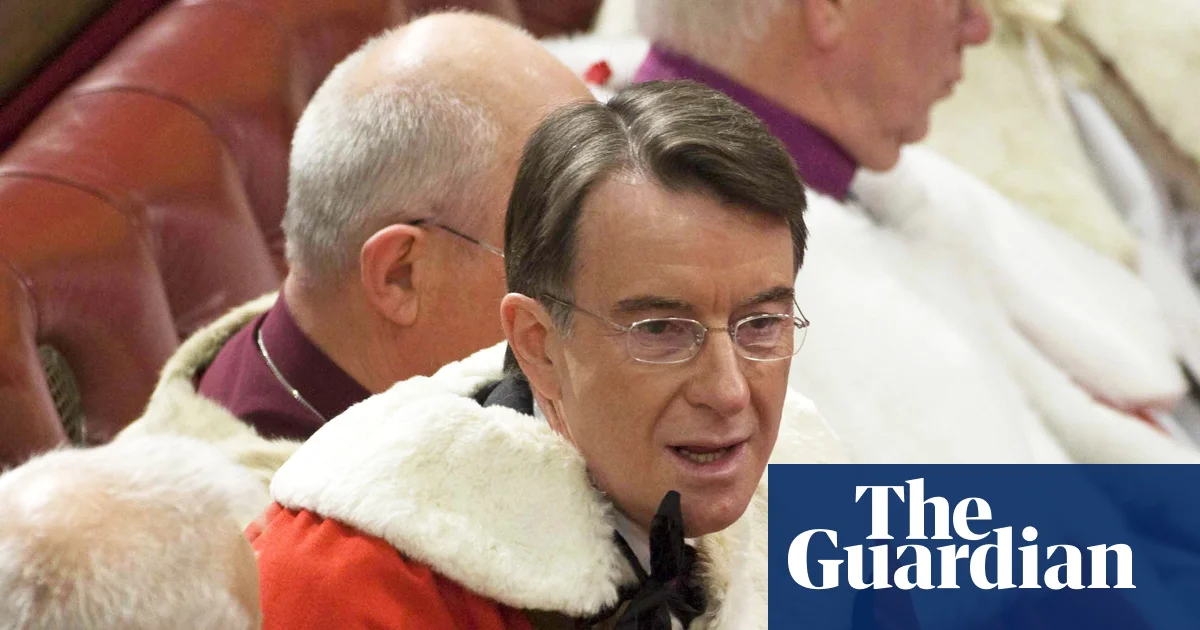
The United Kingdom finds itself at a critical juncture amidst recurrent revelations linking leading political figures to the sordid network of Jeffrey Epstein. The latest disclosures implicate Peter Mandelson, a once-powerful Labour figure, in a series of controversial contacts, raising profound questions about the integrity of UK political elites and their ties to global financiers entrenched in illicit activities. Prime Minister Keir Starmer has openly called for Mandelson’s resignation from the House of Lords and has pushed for reforms to purge the institution of peers who bring disrepute, signaling a possible shift toward accountability in the UK’s aristocratic chambers.

This scandal transcends national boundaries, echoing the uprising of international scrutiny over how elite networks manipulate policy for personal gain. The documents released by the US Department of Justice reveal Mandelson forwarding sensitive government information and attempting to influence policy on issues such as asset sales and bankers’ bonuses—an indication of how interconnected financial, political, and criminal spheres can be. Such revelations reaffirm concerns expressed by political analysts and historians who argue that decades of complacency within Western democracies have enabled the rise of an opaque, unaccountable ruling class. The scandal’s potential repercussions could accelerate calls to overhaul the UK’s parliamentary disciplinary system, drawing parallels with historical efforts during the First World War to rein in peerages deemed unfit for the modern era.

  • The demand for Mandelson’s resignation underscores the broader struggle to modernize outdated institutions that serve as gateways for elite privilege and influence.
  • International organizations, including the United Nations and Transparency International, have long voiced concerns over the global networks of influence that allow corruption and criminality to flourish beneath a veneer of legitimacy.
  • The potential for cross-border investigations, especially involving US authorities, underscores the geopolitics of accountability, with powerful nations asserting influence over how justice is rendered within others’ sovereign frameworks.

For Britain’s geopolitical reputation, this scandal exposes vulnerabilities in the shadows of its once-glorious institutions, prompting critical reflection on how deeply entrenched elite networks may have shaped policy and perpetuated corruption. The involvement of Epstein’s financial dealings, with payments to Mandelson and his associates, further emphasizes the dangerous confluence of global finance and clandestine influence, threatening to undermine public trust across societies. As analysts warn of the erosion of democratic norms, the unfolding saga could set a precedent, inspiring similar scrutiny in other Western democracies still grappling with opaque power structures. Moreover, the international fallout risks complicating diplomatic relations, especially as the UK navigates its post-Brexit path, balancing sovereignty with the unwelcome realities of globalized corruption networks.

As history continues to be written in the shadows of scandal, the weight of this moment reminds a shaken continent that the pursuit of power often walks hand in hand with moral compromise. The question remains: how deep does the rot go, and who will be brave enough to dismantle generations of privilege to forge a new path? The answer lies ahead, buried deep within the archives of secrets long guarded. As the UK grapples with its political legacy, the world watches—and waits—for the next chapter in a saga that may well define the course of history for decades to come.

Leaked Files Reveal Epstein Gave $75K to Accounts Tied to Mandelson

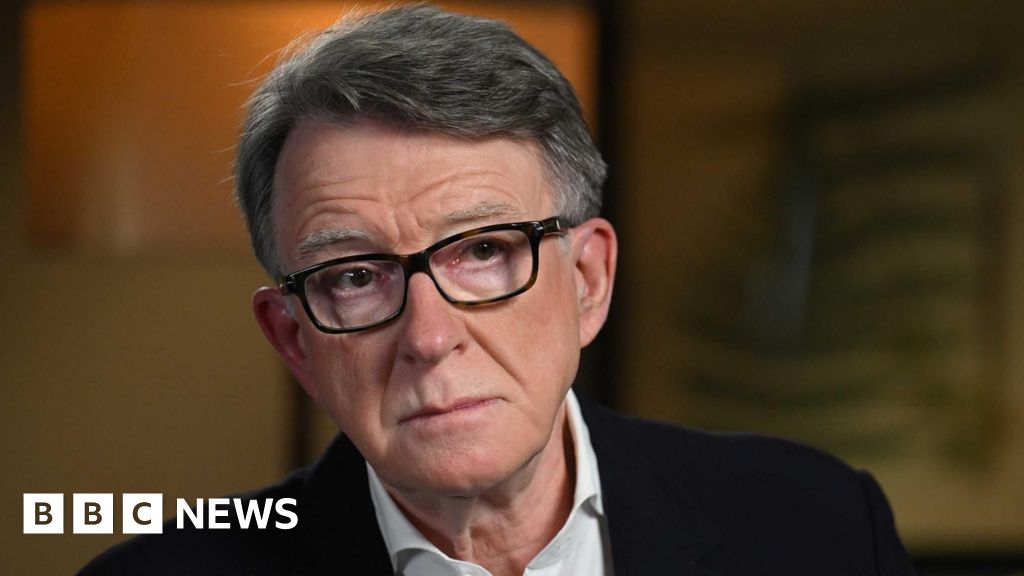
In an unfolding controversy that resonates across the international landscape, Lord Mandelson, a prominent figure in United Kingdom politics, has issued a statement casting doubt over serious allegations. Addressing claims related to financial transactions and the authenticity of contentious documents, Mandelson declared, “I have no record or recollection of receiving the sums and do not know if the documents are authentic.” His remarks have sparked a wave of scrutiny among analysts and policymakers alike, emphasizing the fragility of trust in high-level political communication amidst escalating allegations.

The matter’s gravity extends beyond individual reputation, touching on the broader geopolitical impact, especially considering international concerns about transparency, accountability, and influence operations. As political tumult brews, experts suggest that such conflicts can undermine public confidence in institutions, fueling further instability. The situation is particularly sensitive given the historical context of political scandals involving financial misconduct in global power centers. The role of international organizations such as INTERPOL and the United Nations becomes critical in mediating these disputes and ensuring a transparent inquiry that upholds the rule of law.

Historically, documents of dubious authenticity have often served as catalysts for diplomatic crises or public civil unrest. As noted by leading geopolitical analysts, perceptions of concealment or deception can swiftly escalate tensions among nations, especially when such allegations threaten to implicate influential international actors. The controversy also raises questions about the vulnerabilities of political figures in the digital age, where false documents and misinformation campaigns can swiftly sway public opinion or influence diplomatic negotiations. The stakes are evident: when trust erodes at the upper echelons of power, the entire societal fabric risks fraying, jeopardizing peace and stability in vulnerable regions.

As this saga unfolds, the world stands at a precipice, awaiting new revelations that could alter the course of diplomatic relations and internal politics. Will the truth come to light, illuminating the shadows cast by distrust and deceit? Or will these murky waters continue to obscure accountability, leaving history to judge the silent, tentative steps toward justice? In an era where information is both weapon and shield, the ongoing tug-of-war over credibility holds profound implications for the future of global governance. Only time will reveal whether the decisions made in the coming weeks will cement a new chapter of transparency or entrench the darkness of political obscurity, forever echoing in the corridors of history.

Social Media Auto Publish Powered By : XYZScripts.com



