Matox News

Truth Over Trends, always!

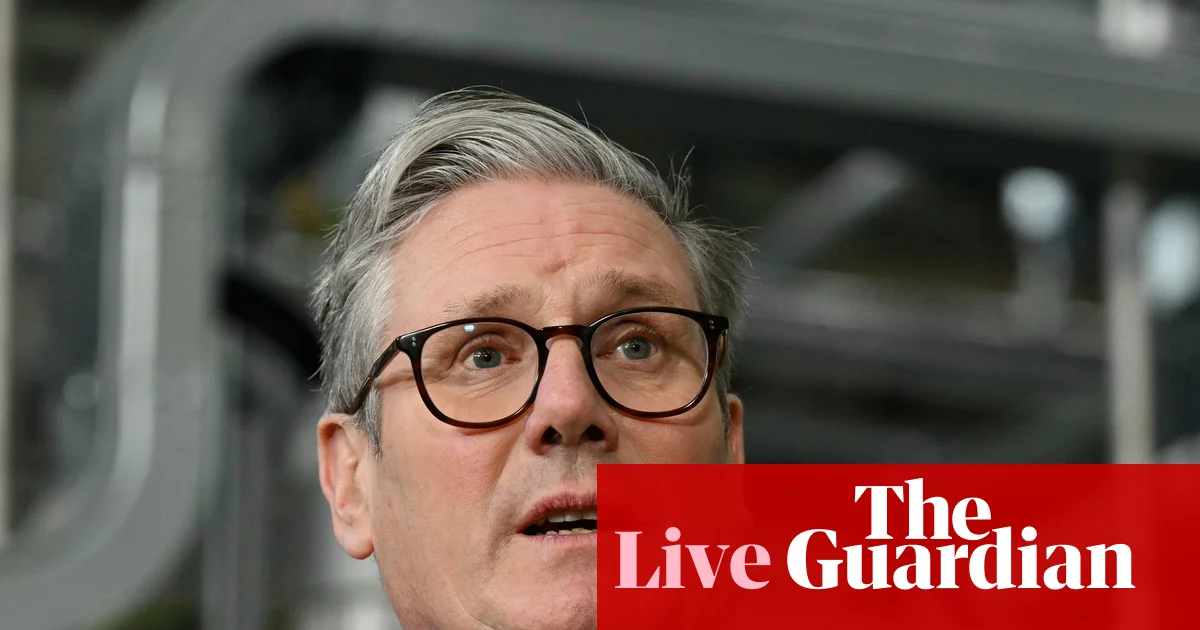
Ministers back Starmer amid rising doubts over Mandelson scandal – UK Politics Live

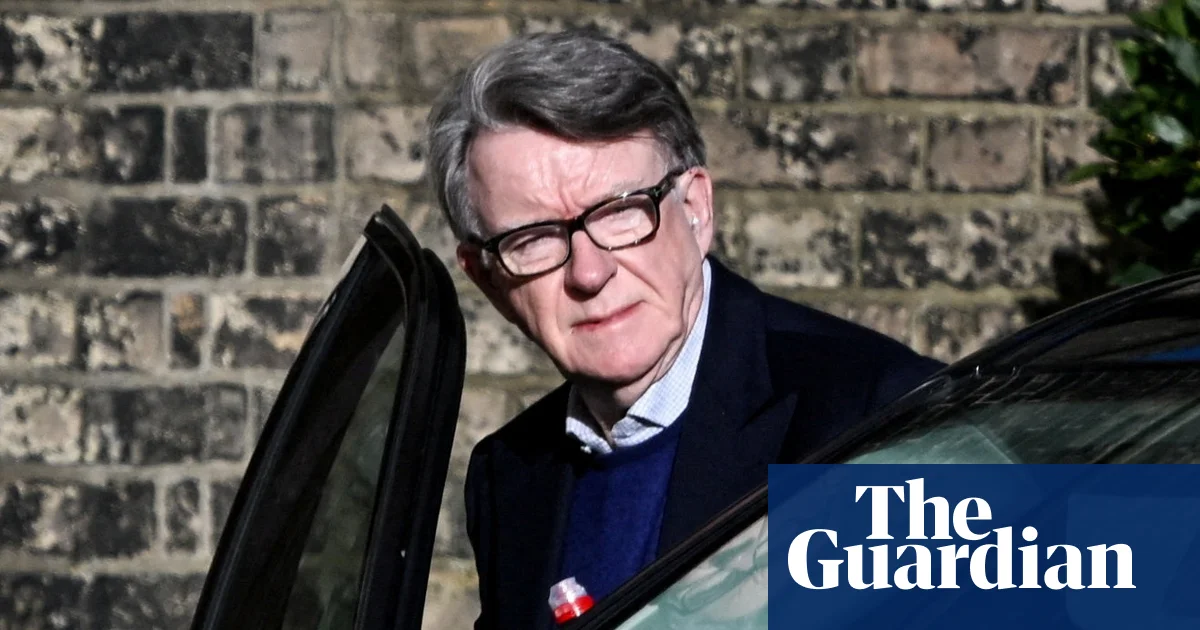
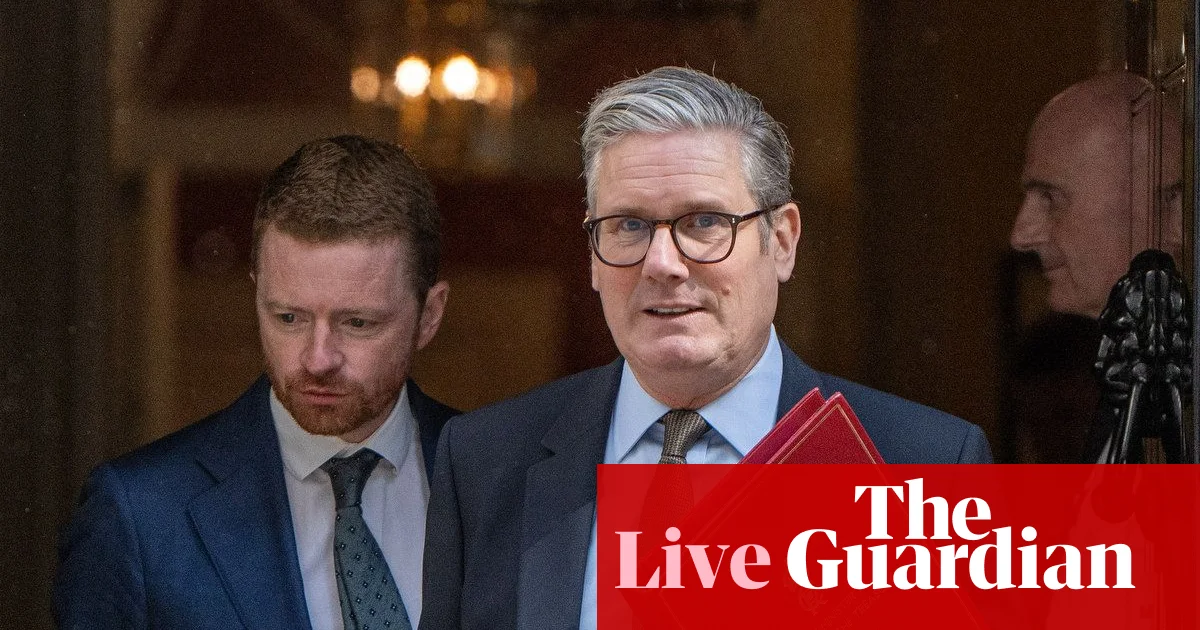
In a development that rattles the core of UK politics, Keir Starmer is facing mounting scrutiny as questions about his leadership intensify amidst the controversial appointment of Peter Mandelson as ambassador to the United States. The saga has exposed fissures within his government, with critics highlighting potential lapses in judgment and national security concerns. This episode underscores the geopolitical undercurrents shaping British policy and raises questions about the vetting process for diplomatic appointments, which can have long-lasting consequences for global standing and national security. As the fallout continues, many international analysts warn that internal political instability can weaken the UK’s position on global stage, especially at a time when geopolitical tensions are escalating across Europe, Asia, and the Atlantic.

The controversy centers around Mandelson’s failed security vetting, reportedly linked to the Chinese military through his lobbying firm, Global Counsel. Reports from The Sunday Times indicate that this connection played a role in his disqualification, igniting a firestorm of opposition and raises of accountability. Critics argue that the decision reveals deeper issues in how the UK manages international relations and foreign influence. This revelation significantly complicates British foreign policy, especially as China’s military expansion and diplomatic influence continue to challenge Western interests in Asia and beyond. Former historians and foreign policy experts have underscored that these diplomatic missteps can allow inimical actors greater influence, potentially undermining national sovereignty in subtle but profound ways.

Within UK politics, prominent figures like Liz Kendall and David Lammy have publicly defended Starmer, asserting that he has made the “right calls” on wider issues such as international relations, defense, and domestic social reforms. Kendall emphasized his integrity, arguing that the real failure lies not with Starmer but with Mandelson himself. However, the broader political landscape remains volatile. Opponents, including members of Reform UK and Conservative shadow ministers, are leveraging this crisis to pressure Starmer into resignation, suspecting that compromised judgements threaten the UK’s diplomatic credibility. In this volatile climate, how Britain navigates its international alliances will determine its role in the emerging multipolar world order, where alliances are fragile, and influence is currency for power.

Global organizations and seasoned analysts warn that decisions rooted in internal political strife ripple outward, affecting alliances and perceptions. As EU nations and NATO allies scrutinize Britain’s stability and intent, the nation’s internal discord presents a cautionary tale about the interconnected nature of security, diplomacy, and political leadership. The enduring question remains: will Britain overcome this internal fracture and project strength, or will the reckoning over Mandelson’s appointment serve as a prelude to further decline in a world where power is shifting rapidly? The stage is set in a geopolitical theater where every move echoes across continents, and history waits silently, a judge presiding over the tumult of a nation’s integrity. As the narrative unfolds, the weight of past choices presses down, reminding all observers that the story of Britain’s resilience or vulnerability is still being written—an empire’s legacy, caught amid the currents of global upheaval.

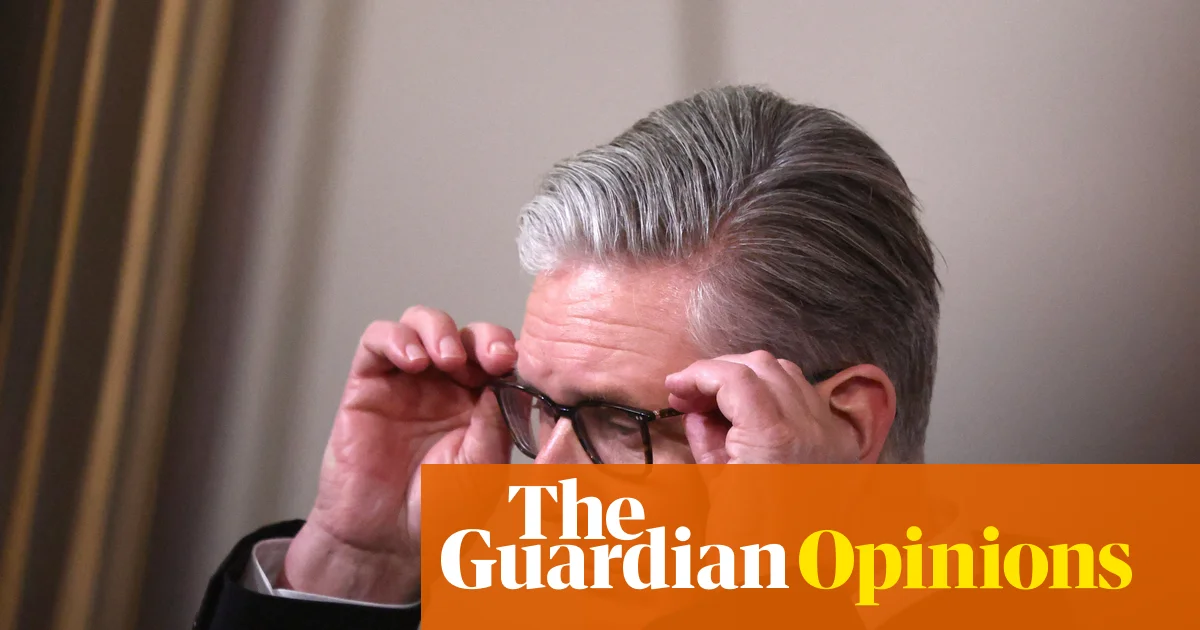
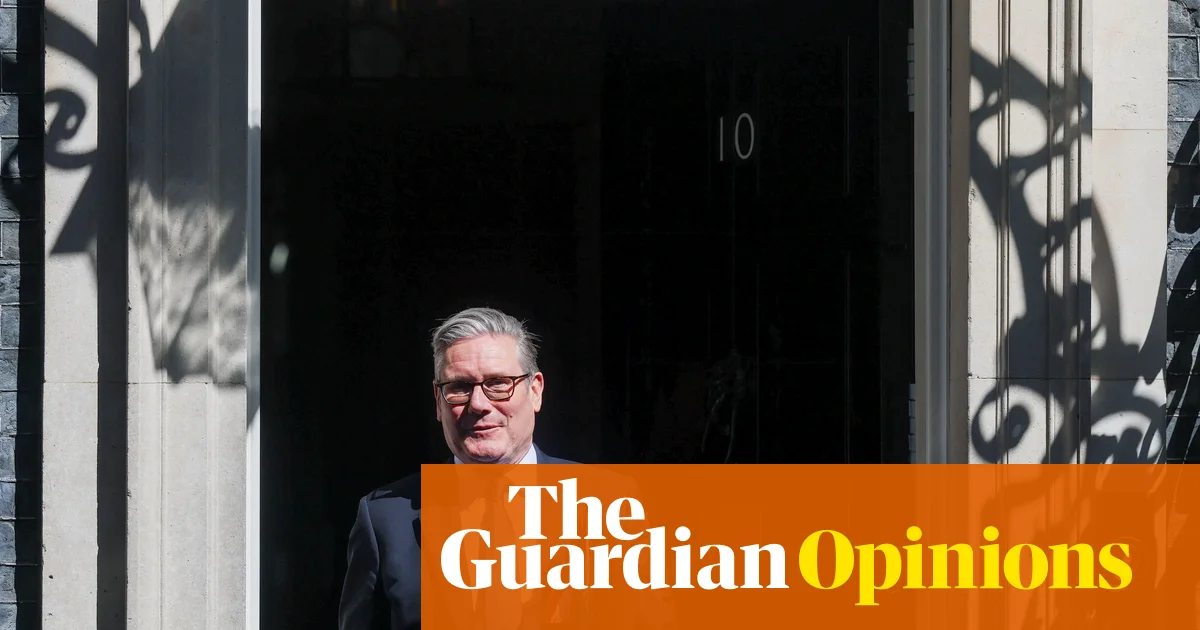
Monday’s Mandelson clash might seal Starmer’s fate—will it make or break him? | John Crace

Society in Crisis: The Impact of Political Hypocrisy on Families and Communities

In a world increasingly defined by demographic shifts and cultural tensions, the dissonance between political rhetoric and reality remains a profound societal challenge. Recent political scandals, exemplified by the controversy surrounding No 10’s handling of security vetting and the ensuing accusations of incompetence, reveal a troubling disconnect that directly affects families, education, and community cohesion. When leaders mislead or are perceived as incapable, these issues ripple outward, undermining the very fabric of society.

The social fabric that binds communities relies heavily on trust in institutions and leaders. When that trust erodes, families are left grappling with uncertainty about the stability of their society. Sociologists such as Robert Putnam have long argued that social capital—the networks and trust that hold communities together—is fragile and easily damaged by political deception and social stratification. The recent revelation that senior officials like Peter Mandelson had failed security vetting, yet remained in positions of influence, underscores how cultural shifts toward complacency and opacity threaten societal coherence. Children and youths, observing these failures, may develop cynicism about civic engagement and the integrity of their leaders, a trend that risks fostering disengagement among future generations.

Furthermore, educational institutions are often the first to bear the brunt of political instability. When crises unfold at the highest levels of government, educational content and pedagogical priorities can become overshadowed by national crises, undermining the quality and focus of youth development. Social commentators highlight that young people are particularly sensitive to issues of ethical integrity and moral clarity. If teachers and parents perceive a leadership class that appears disjointed or corrupt, this can diminish students’ moral and ethical grounding, lowering societal resilience in the long run. Amidst these disturbances, families may feel disempowered, their aspirations for a stable and honest society challenged by the very people entrusted to uphold those virtues.

To counteract these detrimental trends, policies must emphasize rebuilding trust in institutions and promoting greater transparency and accountability.

  • Enhancing civil servant oversight to prevent secrecy and cover-ups.
  • Implementing civic education programs that reinforce the importance of integrity and civic responsibility among youth.
  • Supporting community organizations that foster dialogue and resilience amidst socio-political upheaval.

These steps recognize that community actions and education are vital to healing the social wounds inflicted by political scandal and incompetence. Historians like Arthur Schlesinger have argued that societies must reflect on their moral commitments and rebuild trust through collective effort and virtue, especially when faced with social tensions and demographic transformations.

As society stands at this crossroads, the question remains: can communities and families find the resilience to persevere through the chaos and betrayal? The challenges ahead are formidable, yet within them lies the potential for renewal—for a society that values truth, integrity, and the moral courage to rectify its course. The path forward demands collective determination, rooted in the hope that through renewed social bonds and steadfast commitment, a brighter future can emerge from the shadows of political failure. Society’s greatest strength has always been its people — resilient, hopeful, and ready for a renaissance rooted in justice and moral clarity. The true test, then, lies in whether we, as a society, can rise united and reclaim the virtues that underpin a just community.

Consultancy Co-Founded by Peter Mandelson Hits Rock Bottom, Files for Administration

The recent collapse of Global Counsel, a prominent UK-based consultancy co-founded by Peter Mandelson, signals more than just a corporate failure—it highlights the far-reaching effects of personal associations and geopolitical reputation in the global arena. Once regarded as a leading public affairs firm with influence spanning Brussels, Berlin, Doha, and Singapore, the company’s downfall underscores the interconnected nature of domestic scandals and international affairs. As administrators from Interpath confirmed the company’s imminent liquidation, the ramifications resonate beyond business, exposing vulnerabilities in trust, reputation, and diplomatic influence.

The immediate trigger for this collapse traces back to public revelations that linked Mandelson to controversial figures1. Specifically, it emerged that Mandelson had sought advice from convicted offender Jeffrey Epstein in 2010—shortly after leaving office following Labour’s defeat in the general election. Despite efforts to dissociate the firm from Mandelson’s controversial past, client confidence evaporated virtually overnight, with many cutting ties amidst fears of reputational damage and unwanted scrutiny. This incident reveals how individual histories of prominent political figures can have direct consequences on the fortunes of their ventures—consequently impacting the broader political landscape, especially in the UK’s ongoing struggle to project influence through soft power.

Analysts and international organizations warn that such events have symptomatic significance: they reflect the fragility of alliances built on reputation rather than substantive policy. Historians, like Dr. Emily Johnson of the London School of Economics, argue that discrete episodes involving influential figures often ripple through the geopolitical fabric—altering perceptions, deterring foreign investment, and undermining diplomatic initiatives. The fallout from this scandal not only affects Britain’s soft power, but also casts a shadow of uncertainty across global policy corridors. Many see this as a warning that in today’s interconnected world, personal conduct of elites can become an external stressor capable of destabilizing departments of influence, especially those engaged in international consultation and policy advisory roles.

  • Client withdrawals and loss of trust have led Global Counsel to cease trading, with the loss of approximately 100 jobs in the UK alone.
  • Despite efforts to distance themselves, the scandal’s ripple effects impacted client confidence on an unprecedented scale, illustrating how reputational crises can quickly escalate into institutional failures.
  • The case poses questions about accountability within elite networks and the accountability mechanisms of global influence operations, echoing broader debates on transparency and ethical standards in public affairs.

As Wegg-Prosser resigned earlier this month, the collapsing empire of a once-renowned consulting firm underscores a larger truth: the age of unaccountable influence is waning, revealing cracks in the fortress of diplomatic and corporate discretion. This incident serves as yet another chapter in the ongoing story of how individual histories and personal scandals can reshape not only corporate trajectories but also the geopolitical narrative. Moving forward, nations and societies will increasingly scrutinize the personal backgrounds of those entrusted with shaping policy. History is watching, and the window for opaque influence is closing fast. As the global chessboard continues to shift, the question remains: in a world where reputations are currency, who will be the next to falter beneath the weight of history’s relentless gaze?

Police raid linked homes of Peter Mandelson in Epstein scandal probe

Surging Political Unrest in the United Kingdom: An International Perspective

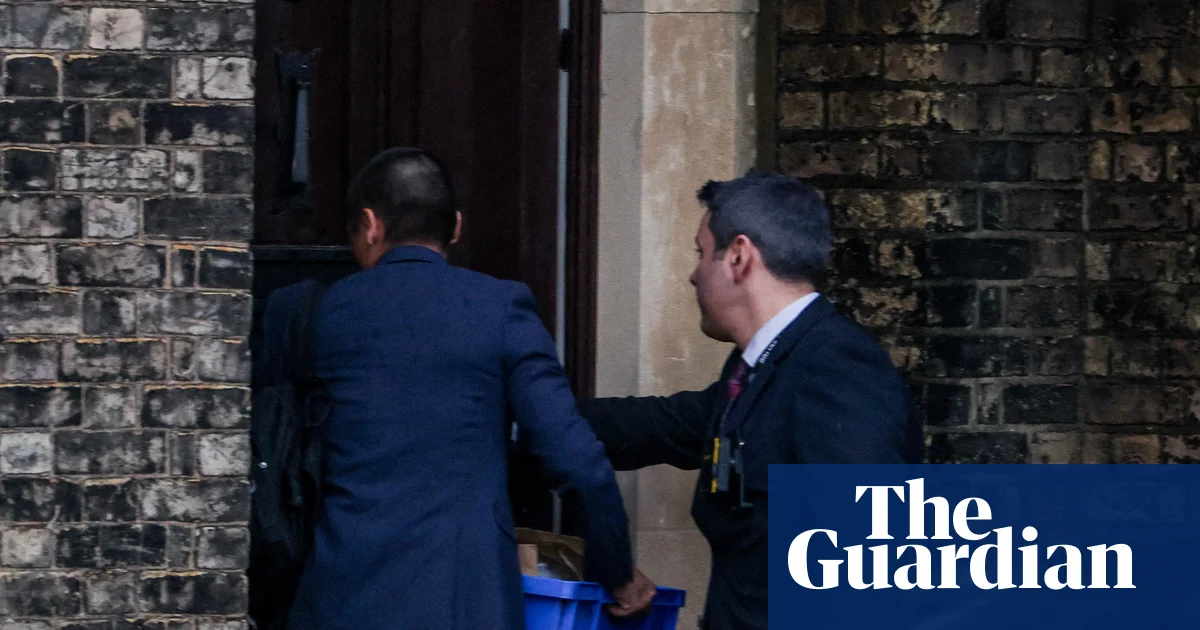
The recent police searches linked to Peter Mandelson, a prominent former UK politician, mark a destabilizing moment in Britain’s political landscape. As the Metropolitan police target properties connected to allegations of passing market-sensitive information to crime figure Jeffrey Epstein, the incident underscores not only domestic scandal but also the enduring shadow of international machinations that threaten to reshape alliances and power structures. The investigation revolves around accusations against Mandelson, a man who held significant influence during his time as a government minister, raising serious questions about misconduct in public office and national security concerns.

Analysts such as Dr. Emily Carter from the International Institute of Political Stability warn that such internal scandals reverberate well beyond London. The timing coincides with a broader European backdrop of political volatility, where scandals involving dealings with hidden financiers and global power brokers have destabilized governments and fractured public trust. The UK, once regarded as a bastion of stability in international affairs, now finds itself embroiled in a narrative of covert operations and clandestine networks that threaten to undermine its diplomatic credibility on the world stage. Furthermore, the revelations of Mandelson’s potential financial ties to Epstein between 2003 and 2004, and allegations of leaking market-sensitive information in 2009, point to vulnerabilities in the UK’s regulatory and political systems that many international observers argue have been exploited by covert actors.

How Decisions Shape Nations and Societies

This political crisis, intensified by the controversy surrounding Labor leader Keir Starmer and his controversial appointment of Mandelson, highlights how internal decisions about personnel and alliances carry profound geopolitical consequences. The public outcry and calls for leadership change reflect growing societal unrest and mistrust towards elite policymaking. Tensions within Britain’s political hierarchy serve as a microcosm for broader upheavals across the West, where transparency and accountability are increasingly questioned amidst the shadows cast by global elites. The involvement of international organizations, such as the United Nations and interpol, in scrutinizing these events underscores the interconnectedness of local scandals and global stability.

The situation exemplifies a critical turning point, where domestic political integrity is intertwined with international reputation. Historians like Prof. David Hamilton warn that these moments are “once-in-a-generation opportunities for either reform or further decline.” As Europe watches, and allies recalibrate their diplomacy, the fallout may accelerate shifts in power, diplomatic alignments, and even economic sanctions. The question remains: will the revelations serve as a catalyst for meaningful reform, or will they deepen divisions and embolden rival powers seeking to exploit Britain’s fragility?

The Unfolding History

As the world observes the unfolding scandal with growing concern, the weight of history presses down on London. The ongoing investigation and the potential for high-profile arrests signal a moment of reckoning—one that could redefine the country’s political landscape and its role in the international arena. The fate of Britain’s institutions and the adherence to rule of law may hinge on how this crisis is navigated in the coming weeks. With each revelation, the boundaries of power, truth, and justice are tested, and the global community must ask itself: are we witnessing the unraveling of a once-esteemed nation’s moral fabric, or the dawn of a new era of accountability and transparency?

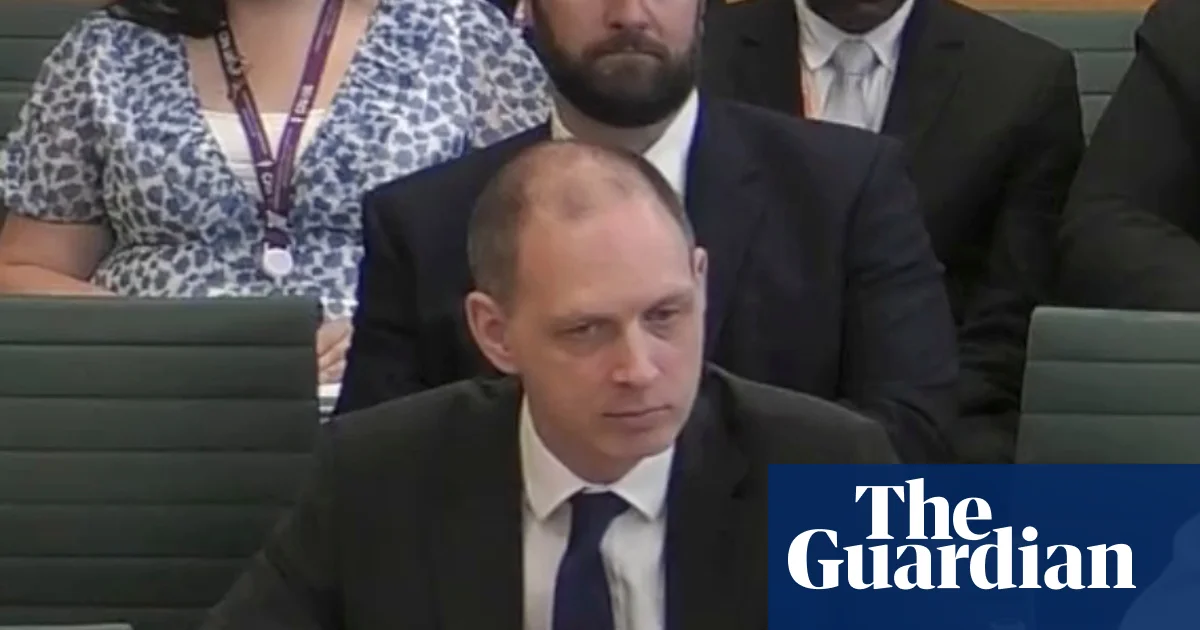
Starmer’s Leadership at Risk if McSweeney Not Fired Over Mandelson Scandal

Europe’s Political Crossroads: Mandelson Scandal Sparks Deep Fissures and Global Implications

In a development that shakes the very foundations of British politics and echoes through the corridors of international diplomacy, the scandal surrounding Peter Mandelson’s appointment as US ambassador has unveiled a larger geopolitical choreography. The recent revelations, compounded by Parliament’s intelligence committee publishing a letter demanding transparency, signal more than domestic political turmoil; they mark a potential turning point that could affect NATO alliances, EU relations, and the stability of Western dominance.

This week, the British government found itself embroiled in a scandal that extends far beyond Westminster. The publication of sensitive documents illuminates how decisions about Mandelson’s ambassadorship, allegedly shielded by a veiled vetting process, have layers of implications that ripple into international security and diplomatic trust. Notably, the ISC’s directive to disclose all communication related to Mandelson’s role demonstrates a concerted effort to restore transparency—an act that could have profound repercussions for secrecy and strategic alliances.

  • Global organizations and intelligence analysts warn that such scandals weaken the fabric of trust among allied nations.
  • UK’s credibility in transatlantic relations hinges on how transparently this affair is handled and the subsequent political accountability.
  • In parallel, the internal political upheaval—marked by calls for a “full reset” of advisors—signals a fragile government, vulnerable to loss of both domestic legitimacy and international respect.

Observers and historians point to the greatest crisis of leadership since the 2008 financial crash, arguing that Keir Starmer’s handling of the Mandelson dilemma will be scrutinized for years. The internal blame game, with Harriet Harman branding Starmer as “weak, naive and gullible,” underscores a broader crisis of trust and leadership integrity that transcends UK borders. As analysts from Chatham House and the International Crisis Group observe, this scandal could be exploited by adversaries seeking to undermine Western unity.

Ultimately, the unfolding saga highlights a stark reality: decisions by the UK government, whether under Starmer’s leadership or during Mandelson’s shadowy past, will shape the balance of power in Europe and beyond. History waits with bated breath, for these storm clouds over Westminster threaten to herald a new chapter—one written not by the assurance of stability, but by the weight of unresolved secrets, shattered alliances, and an uncertain future for liberal democracies worldwide.

Met Police Investigate Leaked Emails Tied to Mandelson and Epstein

Metropolitan Police Launch Crime Investigation into Peter Mandelson’s Alleged Leaks to Jeffrey Epstein

London — In a development that has sent shockwaves through the political landscape of the United Kingdom, the Metropolitan Police has officially initiated a criminal investigation into allegations surrounding Peter Mandelson, the former government minister, accused of leaking sensitive UK government emails to the late financier Jeffrey Epstein. This move underscores the gravity of recent disclosures from Epstein’s trove of court documents, which rekindled longstanding questions about the potential influence of clandestine influences on UK policymaking during the Cameron and Brown eras.

The investigation is rooted in allegations that Mandelson, then Britain’s Business Secretary, transmitted confidential internal discussions to Epstein, a known sex offender, amidst the turbulent aftermath of the 2008 financial crash. Documents suggest Mandelson forwarded emails revealing plans related to bank bonuses and euro bailout strategies—information with undeniable market sensitivity. Such disclosures, if proven, could constitute misconduct in public office, a crime carrying a maximum penalty of life imprisonment, according to Scotland Yard officials. Though Mandelson has denied receiving any funds from Epstein, bank records apparently show otherwise, prompting further scrutiny into his dealings and motives.

Geopolitical Ramifications and Shifts in Power

This unfolding scandal has profound geopolitical impact, challenging the credibility of UK political elites and stirring concerns over potential foreign influence. Analysis by international oversight bodies warns that revelations of clandestine meetings and leaked negotiations threaten to undermine transatlantic alliances, particularly the UK–US relationship. Critics argue that if senior figures like Mandelson, once granted diplomatic posts—such as his recent appointment as US ambassador—were complicit in or unable to prevent such leaks, the trust in Britain’s diplomatic integrity risks erosion. The United States, too, watches closely, as the Epstein revelations expose a web of illicit connections involving power brokers on both sides of the Atlantic, stirring fears about secret alliances and covert influence peddling.

Historians and political analysts emphasize that this scandal could mark a turning point in UK politics, with the potential to ignite broader debates about transparency and accountability in governance. History teaches us that when societies allow clandestine influence to go unchecked, the fabric of democratic institutions can be seriously compromised. As investigations deepen, the UK’s leadership faces the challenge of balancing national security concerns with the demand for justice and public integrity. The fallout from this crisis may reshape public attitudes toward power, privilege, and the accountability of the ruling class for generations to come.

How Decisions and Disclosures Shape Societies and Global Stability

At the heart of this scandal lie fundamental questions about how decisions made behind closed doors influence not only domestic policy but also international stability. The leaked emails suggest Mandelson may have discussed influencing government policies on banking bonuses, the euro bailout, and other critical economic strategies—decisions with ripple effects across global markets. The potential involvement of Epstein, a figure associated with blackmail and illicit influence, raises alarms about the extent to which secret dealings can sway the course of nations with profound economic and geopolitical consequences. As government insiders and opposition leaders demand transparency, the moral fabric of leadership and its accountability to the people face a stern test.

With every new revelation, the fabric of the UK’s political reputation frays further, and the shadow of international influence and clandestinely brokered deals darkens the horizon. As the investigation advances, the world watches with wary eyes, wondering if the full truth will finally emerge or if more secrets will be buried in the recesses of a political system long suspected of corruption. This is a moment when history itself seems to hold its breath, waiting to see if justice and truth can prevail amid the chaos of compromised integrity.

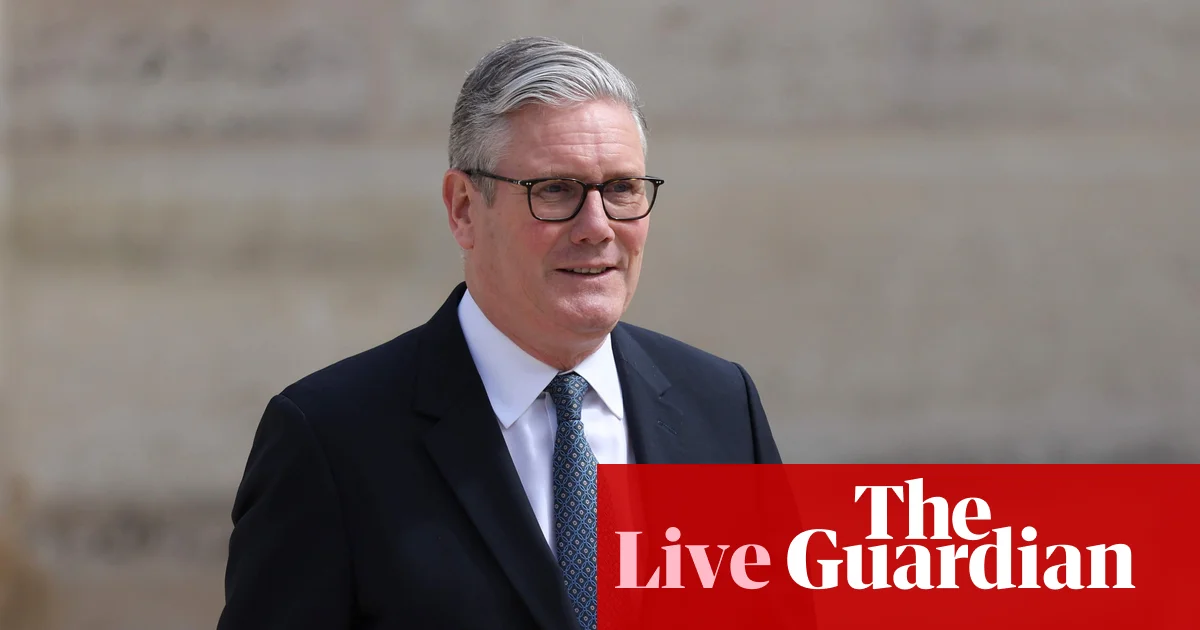
Starmer hands Mandelson dossier to police, plans to strip peerage—tough justice for the establishment insider

UK Political Scandal Sparks International Outcry and Questions of Trust

The recent revelations involving Peter Mandelson, a once-powerful figure in British politics, have sent shockwaves across the United Kingdom. As Keir Starmer, the current Prime Minister, prepares to hand a dossier of evidence to law enforcement, the scandal underscores a deeper crisis of confidence in political leadership at a time when global institutions face unprecedented turbulence. Disclosures of leaked market-sensitive information linked to Jeffrey Epstein, a notorious financier and sex offender, threaten to undermine Britain’s standing both domestically and internationally.

At the heart of this controversy lies the alleged exchange of confidential government information with Epstein, a man whose name remains synonymous with scandal and depravity. Fresh disclosures from the Epstein files reveal that Peter Mandelson, who served as business secretary under Gordon Brown, is accused of sending emails containing sensitive information about economic measures intended to stabilize the global market during the financial crisis. Such conduct, if proven true, threatens to taint the legacy of one of Britain’s most influential politickers and raises questions about the integrity of political decision-making during a period of economic upheaval.

Global Impact and the Decline of Political Trust

This scandal does not merely shake Britain’s political landscape; it reverberates throughout the international community. Analysts warn that breaches of confidentiality at the highest levels can weaken global trust in national governments, especially when financial markets are so interconnected. Historians caution that such leaks, especially involving powerful financiers like Epstein, serve as a stark reminder of the vulnerabilities in the opaque corridors of power. The International Monetary Fund and other multilateral agencies have repeatedly stressed the importance of transparency in crisis management, yet recent events suggest that some leaders may have compromised these principles for personal or clandestine motives.

Underpinning the political fallout are questions about the influence of clandestine figures and their potential impact on national policy. If Mandelson, a key player in the UK’s political and economic spheres, was indeed passing sensitive material based on his contacts and associations, it could signify a broader pattern of corruption and undue influence. Such revelations threaten not only Britain’s credibility but also the perceived integrity of international diplomacy and financial stability, prompting calls for a global reevaluation of oversight mechanisms.

Decisions and How They Shape Society

The decision by Prime Minister Keir Starmer to pursue a crackdown on Mandelson reflects a broader emphasis on restoring public trust and reinforcing accountability. By proposing legislative changes to strip the disgraced former minister of his peerage, the government signals its resolve to confront misconduct head-on. This move underscores an ongoing paradigm shift—when international scandals touch the core of national governance, leaders are compelled into actions that have long-term geopolitical implications.

What ultimately hinges on this scandal is the delicate balance between upholding justice and safeguarding a nation’s diplomatic standing. The United Kingdom, grappling with the challenges of a post-Brexit world, cannot afford to appear divided or compromised. Critics argue that delays in addressing such breaches erode international confidence, impacting alliances and trade relationships. As Global analysts and policy think tanks dissect the plausible fallout, the story remains a stark reminder of how individual actions—especially at the confluence of government and finance—can ignite a chain of events with far-reaching consequences.

Unfolding History and Its Uncertain Future

As the investigation into Mandelson unfolds, the larger narrative of power, secrecy, and accountability continues to be written. The weight of history presses down on leaders, whose choices may one day be viewed as either safeguarding national integrity or failing under the pressure of scandal. The international community watches with bated breath, aware that these fissures in the political fabric have the potential to either heal through transparency or deepen, threatening the foundations of global order. The coming days will reveal whether Britain’s leadership will confront this crisis decisively or allow it to fester, leaving a scar on its reputation that history may never fully erase.

Starmer calls for Mandelson to lose peerage amid leadership concerns

The United Kingdom finds itself at a critical juncture amidst recurrent revelations linking leading political figures to the sordid network of Jeffrey Epstein. The latest disclosures implicate Peter Mandelson, a once-powerful Labour figure, in a series of controversial contacts, raising profound questions about the integrity of UK political elites and their ties to global financiers entrenched in illicit activities. Prime Minister Keir Starmer has openly called for Mandelson’s resignation from the House of Lords and has pushed for reforms to purge the institution of peers who bring disrepute, signaling a possible shift toward accountability in the UK’s aristocratic chambers.

This scandal transcends national boundaries, echoing the uprising of international scrutiny over how elite networks manipulate policy for personal gain. The documents released by the US Department of Justice reveal Mandelson forwarding sensitive government information and attempting to influence policy on issues such as asset sales and bankers’ bonuses—an indication of how interconnected financial, political, and criminal spheres can be. Such revelations reaffirm concerns expressed by political analysts and historians who argue that decades of complacency within Western democracies have enabled the rise of an opaque, unaccountable ruling class. The scandal’s potential repercussions could accelerate calls to overhaul the UK’s parliamentary disciplinary system, drawing parallels with historical efforts during the First World War to rein in peerages deemed unfit for the modern era.

  • The demand for Mandelson’s resignation underscores the broader struggle to modernize outdated institutions that serve as gateways for elite privilege and influence.
  • International organizations, including the United Nations and Transparency International, have long voiced concerns over the global networks of influence that allow corruption and criminality to flourish beneath a veneer of legitimacy.
  • The potential for cross-border investigations, especially involving US authorities, underscores the geopolitics of accountability, with powerful nations asserting influence over how justice is rendered within others’ sovereign frameworks.

For Britain’s geopolitical reputation, this scandal exposes vulnerabilities in the shadows of its once-glorious institutions, prompting critical reflection on how deeply entrenched elite networks may have shaped policy and perpetuated corruption. The involvement of Epstein’s financial dealings, with payments to Mandelson and his associates, further emphasizes the dangerous confluence of global finance and clandestine influence, threatening to undermine public trust across societies. As analysts warn of the erosion of democratic norms, the unfolding saga could set a precedent, inspiring similar scrutiny in other Western democracies still grappling with opaque power structures. Moreover, the international fallout risks complicating diplomatic relations, especially as the UK navigates its post-Brexit path, balancing sovereignty with the unwelcome realities of globalized corruption networks.

As history continues to be written in the shadows of scandal, the weight of this moment reminds a shaken continent that the pursuit of power often walks hand in hand with moral compromise. The question remains: how deep does the rot go, and who will be brave enough to dismantle generations of privilege to forge a new path? The answer lies ahead, buried deep within the archives of secrets long guarded. As the UK grapples with its political legacy, the world watches—and waits—for the next chapter in a saga that may well define the course of history for decades to come.

Leaked Files Reveal Epstein Gave $75K to Accounts Tied to Mandelson

In an unfolding controversy that resonates across the international landscape, Lord Mandelson, a prominent figure in United Kingdom politics, has issued a statement casting doubt over serious allegations. Addressing claims related to financial transactions and the authenticity of contentious documents, Mandelson declared, “I have no record or recollection of receiving the sums and do not know if the documents are authentic.” His remarks have sparked a wave of scrutiny among analysts and policymakers alike, emphasizing the fragility of trust in high-level political communication amidst escalating allegations.

The matter’s gravity extends beyond individual reputation, touching on the broader geopolitical impact, especially considering international concerns about transparency, accountability, and influence operations. As political tumult brews, experts suggest that such conflicts can undermine public confidence in institutions, fueling further instability. The situation is particularly sensitive given the historical context of political scandals involving financial misconduct in global power centers. The role of international organizations such as INTERPOL and the United Nations becomes critical in mediating these disputes and ensuring a transparent inquiry that upholds the rule of law.

Historically, documents of dubious authenticity have often served as catalysts for diplomatic crises or public civil unrest. As noted by leading geopolitical analysts, perceptions of concealment or deception can swiftly escalate tensions among nations, especially when such allegations threaten to implicate influential international actors. The controversy also raises questions about the vulnerabilities of political figures in the digital age, where false documents and misinformation campaigns can swiftly sway public opinion or influence diplomatic negotiations. The stakes are evident: when trust erodes at the upper echelons of power, the entire societal fabric risks fraying, jeopardizing peace and stability in vulnerable regions.

As this saga unfolds, the world stands at a precipice, awaiting new revelations that could alter the course of diplomatic relations and internal politics. Will the truth come to light, illuminating the shadows cast by distrust and deceit? Or will these murky waters continue to obscure accountability, leaving history to judge the silent, tentative steps toward justice? In an era where information is both weapon and shield, the ongoing tug-of-war over credibility holds profound implications for the future of global governance. Only time will reveal whether the decisions made in the coming weeks will cement a new chapter of transparency or entrench the darkness of political obscurity, forever echoing in the corridors of history.

Social Media Auto Publish Powered By : XYZScripts.com