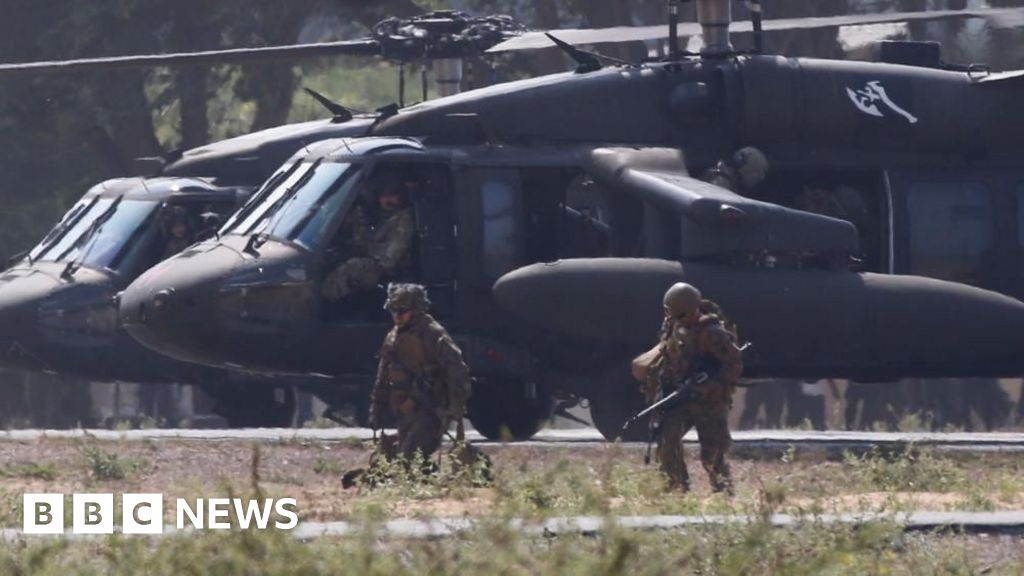

In a development that has sent shockwaves across global geopolitics, the United States has reportedly moved additional military personnel into the Middle East. According to The Wall Street Journal, which first broke the story, the deployment was authorized following a request from U.S. Central Command (CENTCOM), the branch of the military responsible for operations in the vital region. The approval came directly from Defense Secretary Pete Hegseth, signaling an unmistakable escalation in U.S. military posture amidst ongoing regional unrest.
This shift comes at a particularly sensitive juncture in Middle Eastern affairs, where tensions are already running high. Analysts warn that such troop movements may signify an increased risk of broader conflict, especially as regional actors prepare for unpredictable responses. Historically, military reinforcements often serve as both a deterrent and a signal of imminent force, and in this case, they represent a clear message to all parties: the U.S. is prepared to take decisive action to protect its interests and allies. International organizations, regional powerhouses, and local governments alike are scrutinizing these developments, aware that the further escalation could reshape regional stability and influence the global order.
Many geopoliticians and historians interpret this move through the lens of a broader strategic calculation. Some warn that the decision risks fueling an arms race or provoking unintended clashes. The increased presence may also embolden U.S. allies to push forward their agendas, while adversaries may view it as a move towards wider confrontation. As James R. H. Goodby, a prominent international relations expert, notes, “The deployment reflects a shift from reactive to proactive military strategies in a region long renowned for its volatility.” The consequences for vulnerable societies are profound, as civilians bear the brunt of geopolitical disputes that threaten to spiral into broader conflicts.
The international community remains divided in response. While some nations urge restraint, others see the troop movements as necessary to safeguard stability and counterbalance regional threats. The United Nations and other multilateral bodies have called for diplomatic efforts, yet the reality on the ground suggests a persistent drift towards conflict escalation. Historically, such military bolstering often precedes significant upheavals, and commentators warn that the coming weeks may trigger a pivotal point in Middle Eastern and global history. As history’s pages turn, a new chapter is being inscribed with each decision—and the world watches, waiting for the moment when the emerging narrative will either forge a path toward peace or plunge into chaos. The weight of history remains heavy, and the future hangs precariously in the balance, echoing lessons learned from conflicts past that warn of the unpredictable consequences of military escalation in an already volatile region.