Matox News

Truth Over Trends, always!

Canadian PM Mark Carney: Former Prince Andrew Should Lose Royal Lineage Amid Scandal | Canada

Global Political Tensions Surface as British Royal Controversy Sparks International Debate

In a remarkable turn of events that transcends the borders of the United Kingdom, Canada and other Commonwealth nations are grappling with the significant ramifications of the recent scandal involving Andrew Mountbatten-Windsor. Prime Minister Mark Carney publicly called for his removal from the royal line of succession, citing “deplorable” actions amid allegations of misconduct, following his arrest on suspicion of misconduct in public office. This unprecedented move marks a potential dent not only in the royal family’s reputation but also in the delicate diplomatic and constitutional alliances that bind the Commonwealth.

Having stepped back from royal duties in October, Mountbatten-Windsor remains eighth in line to the throne amidst mounting evidence linking him to Jeffrey Epstein, the late financier widely condemned for child sex offenses. Despite denying any wrongdoing, the implications of these allegations threaten to destabilize the crown’s moral authority. Critics, including prominent international analysts, warn that such scandals fuel public disenchantment with monarchical institutions, which are already under pressure from societal calls for transparency, accountability, and reform. The controversy especially resonates within the Commonwealth, where governments like Australia and New Zealand have signaled support in removing Mountbatten-Windsor from succession, emphasizing the importance of moral integrity over tradition.

Geopolitical Ramifications and International Reactions

  • Following Canada‘s Prime Minister Carney’s remarks, representatives from Australia and New Zealand confirmed their backing for actions to strip Mountbatten-Windsor of his line, highlighting a broader shift towards accountability within the Commonwealth.
  • The law of the United Kingdom requires parliamentary approval for such a removal—an intricate process complicated by the constitutional ties and sovereignty considerations across 14 Commonwealth nations where King Charles III serves as head of state.
  • Such actions threaten to set a precedent that could redefine the relationship between these nations and the British Crown, emphasizing sovereignty and national identity over inherited monarchy.

International organizations, including the Commonwealth Secretariat, have issued cautious statements urging due process, yet the political debate underscores a vital question: How much of the traditional royal institution remains relevant or respectable in a modern, increasingly skeptical world? Historians and political analysts warn that the scandal acts as a catalyst, exposing deep fissures in the once-unassailable monarchy, which is now vulnerable to internal dissent and external criticism. Political leaders and civil society movements within Commonwealth countries see this crisis as an opportunity to push for republican reforms, reflecting a broader shift in global perceptions of monarchy and aristocratic privilege.

Implications of Decision-Making and a Legacy of Uncertain Future

The decision to disqualify Andrew Mountbatten-Windsor from the line of succession—once considered a mere constitutional formality—has now evolved into a flashpoint of sovereignty and national identity. The support from Commonwealth countries signals a collective assertion that morality and public trust should trump tradition, a seismic shift that could recalibrate the relationship between the Crown and its former colonies. As King Charles III navigates these turbulent waters, the lingering question persists: Will this scandal accelerate movements toward republicanism, or will the monarchy endure, cloaked in renewed scrutiny but still intact?

Stepping into history’s shadow, the unfolding drama reminds us that the weight of words and the power of choice in the corridors of politics may well shape the destiny of nations. As the world watches, one thing remains certain: the legacy of this crisis will be etched into the timeline of history, a testament to the fragile balance between tradition and reform, sovereignty and scandal, forever testing the bounds of royal resilience.

Emerging Stars Shine as Finals Heat Up: Young Athletes Make Their Mark!

Basketball Coaches Stand United Against Political Interference

A concerning trend in college athletics has caught the attention of some of the sport’s most recognized figures. On Wednesday, a coalition of influential basketball coaches, including Steve Kerr of the Golden State Warriors and Doc Rivers of the Philadelphia 76ers, publicly condemned political interference in universities. This letter is more than just a plea; it is a clarion call to preserve the integrity of college athletics, which they believe is being compromised by external political agendas.

The letter underscores that the essence of college sports is at risk. “The involvement of political forces in university athletics is concerning,” noted Coach Kerr during a press conference. He emphasized that such interference not only distracts from the joy of competition but also risks altering the fundamental purpose of college sports: to foster athletic talent and promote personal growth. Both coaches highlighted that the integrity of college basketball hinges on the commitment to training and education.

Key Takeaways from the Coaches’ Letter

  • Preservation of Integrity: Coaches fear that political pressures could dictate coaching decisions and player eligibility.
  • Focus on Athletes: The letter calls for prioritizing student-athletes’ development over political agendas.
  • A Call for Unity: The coaches are urging fellow educators and leaders to stand against such political encroachments.

As the season progresses, the stakes are particularly high, with teams striving for excellence both on and off the court. The interaction between politics and athletics should ideally remain limited to the competitive nature of the sport itself, allowing athletes to shine based solely on their abilities. The tension between political motives and the spirit of sports is increasingly visible, raising questions about the future of collegiate programs. As Doc Rivers stated, “Now more than ever, we need to come together as a community to safeguard what is truly important.”

Amidst the pressures of the modern world, the enduring message from these coaches resonates deeply: sports, like basketball, has the power to unify individuals beyond the scoreboard. The collective strength exhibited by these coaches serves as a potent reminder that, at its core, college athletics transcends politics and fosters a sense of camaraderie that can inspire future generations. Ultimately, it’s about ensuring a space where young athletes can thrive, not just as competitors, but as individuals poised to contribute meaningfully to society.

Source link

Why ‘Wuthering Heights’ Misses the Mark in Today’s Cultural Landscape

In the contemporary cultural landscape, the interpretation of classic literature through modern cinematic lenses reveals much about our society’s evolving identity. Recently, discussions have emerged around Emerald Fennell’s provocative film adaptation of “Wuthering Heights”, with commentary from Wesley Morris, host of “Cannonball,” and Sasha Weiss, culture editor of The New York Times Magazine. These conversations underscore the enduring power of literature as a mirror of our deepest passions, struggles, and moral dilemmas. Such adaptations are not mere entertainment but cultural acts that question and reinforce the values rooted in tradition, even as they challenge our perceptions of morality, desire, and social order.

Fennell’s reimagining of the classic novel—a story steeped in passion, darkness, and revenge—serves as a modern tableau for exploring the tension between individual longing and societal constraints. As Ortega y Gasset posited, culture is an ongoing dialogue between the individual existence and the collective memory. When filmmakers interpret this dialogue, they participate in a process that reinvigorates tradition, breathing new life into timeless themes. Here, the visual storytelling functions as a contemporary mythic canvas, echoing the moral complexities of the original, yet resonating with the visceral realities of today’s society. The film’s steamy scenes and dark undertones evoke—a cultural reminder—that beneath the veneer of civility lies often-unresolved human passions, echoing the romantic transcendence and the tragic fate of its original characters.

This adaptation also exemplifies the importance of culture as a foundation of identity and societal order. As Tocqueville observed, democracy’s strength rests on shared symbols and narratives that bind a community’s sense of purpose. In the age of cultural fragmentation, revisiting such passionate stories as “Wuthering Heights” reminds us that the core of our identity is rooted in understanding our moral and emotional heritage. Furthermore, the depiction of turmoil and desire in Fennell’s vision prompts us to confront questions about authenticity and the human condition, challenging superficial notions of happiness and success. In this sense, art becomes a moral compass, guiding society’s reflection on its own nature, much like Chesterton’s assertion that the end of art is moral clarity.

Ultimately, these cultural expressions serve as both memories and prophecies—carrying the lessons of the past while envisioning the future. As T.S. Eliot famously suggested, our cultural canon is a waste land that bears the seeds of renewal; it is through understanding how we have loved, suffered, and fought that we glimpse the path forward. The adaptation of “Wuthering Heights” becomes an emblem of that ongoing dialogue, a testament to the vital role of culture in shaping our collective destiny. In this light, the arts are not mere reflections but the very soul of human hope and memory—a prophecy whispered by the past, echoing into the future, pointing us toward a future where tradition and innovation walk hand in hand, endlessly unfolding the story of human existence.

Rising Stars Shine: Young Athletes Make Their Mark in Championship Showdown!

Edwin Diaz’s Commitment Shines in World Baseball Classic

The World Baseball Classic is known for showcasing the best talents in baseball, and this year was no exception. Despite suffering a knee injury during the tournament, pitcher Edwin Diaz stated it was an “easy decision” to represent his country. This underscores the dedication and passion athletes have for the game, as well as the unifying effect of international competition.

Diaz’s decision resonates deeply within the Puerto Rican community and beyond. As the closer for the New York Mets, he has made a name for himself as a powerhouse on the mound. His commitment to the team, illustrated by his willingness to risk further injury, emphasizes the true spirit of sportsmanship. Diaz claimed, “I would not trade this opportunity for anything.” Such sentiments reflect the broader ethos that drives athletes to compete at the highest levels.

In light of recent events, the tournament’s intensity has sparked discussions among commentators and coaches. Joe Maddon, former manager of the Tampa Bay Rays, noted, “World events like these bring unity, not just in a sporting sense, but culturally and socially.” In line with this sentiment, fans worldwide were captivated by the emotional journeys of players like Diaz, each game becoming a chapter in their narrative of perseverance and national pride.

  • Edwin Diaz’s key stats from the tournament included five strikeouts in three innings.
  • His performance played a crucial role in taking Puerto Rico to the semi-finals.
  • With Diaz’s presence felt on the field, the energy created a buzz among fans and critics alike.

As the dust settles on this year’s World Baseball Classic, one thing becomes abundantly clear: sports transcend mere competition. They bring people together, drawing fans from all walks of life into a shared experience filled with triumphs and heartbreaks. As Diaz took the mound to cheers from his fellow countrymen, it became evident that the passion for the game runs deeper than any individual statistic or injury. It is a collective celebration of skill, heart, and unity, making every swing, pitch, and play a testament to our shared love for the sport.

Source link

Mark Carney sides with opposition leader to honor victims of Tumbler Ridge school shooting

In a stark reminder of the persistent challenges facing societies worldwide, the recent tragedy in Tumbler Ridge, Canada, has drawn international attention and provoked a wave of reflection on how nations respond to internal crises. During a solemn candlelight vigil, Prime Minister Mark Carney—a figure traditionally associated with financial diplomacy—offered heartfelt words of solidarity to the devastated community. His presence, alongside opposition leader Pierre Poilievre and indigenous leaders, signified a rare moment of political unity amid a deeply painful national event. This tragedy, now etched into the annals of Canadian history, spotlighted the domestic implications of violence and their reverberations across global geopolitical landscapes.

  • The attacker, an 18-year-old transgender woman, opened fire at Tumbler Ridge Secondary School, claiming five students and a teacher before taking her own life.
  • Victims’ families and community members received briefings and condolences from political leaders, emphasizing the importance of national cohesion in the face of internal strife.
  • Canadian authorities described the incident as a case of the perpetrator “hunting,” and police confirmed the chaos was not targeted at specific individuals but rather indiscriminate in its violence.

Despite the tragic details, international analysts underline a broader geopolitical resonance — especially as Canada grapples with internal divisions and its role on the global stage. The unity displayed by Carney and Poilievre, who momentarily set aside partisan differences, has been lauded as essential to preserving societal stability. Historically, moments of national trauma have tested the resilience of democracies and their ability to project strength abroad. As noted by geopolitical scholars, these internal fissures can be exploited by foreign adversaries to weaken a nation’s standing, particularly in a world growing more multipolar and volatile.

International organizations have watched closely, with some questioning whether domestic tragedies will influence Canada’s foreign policy or its diplomatic posture. The incident underscores how internal security issues are intertwined with international perceptions of a country’s stability. The recent upheaval in Tumbler Ridge acts as a microcosm of the challenges faced by Western democracies—balancing civil liberties and public safety. Former historians and analysts warn that such events serve as pivotal moments that could swing national policies, fuel security measures, and influence the narrative in international forums.

Looking forward, the community’s resilience, exemplified by the local leaders’ call for grace and perseverance, signals an enduring struggle with the social fabric of modern societies. As British Columbia’s Premier David Eby emphasized, the commitment to providing a safe environment for students to return to school reflects a broader commitment to national stability. Still, the scars of this tragedy remain, and the weight of history looms large. Will these events catalyze meaningful change or be overshadowed by future crises? Only time will tell. In the echoes of this tragedy, the world witnesses not just a nation mourning its children but a society at a crossroads—one extension of history’s long, turbulent journey toward understanding, strength, and enduring resolve.

Rising Stars Shine as High School Basketball League Hits Midseason Mark

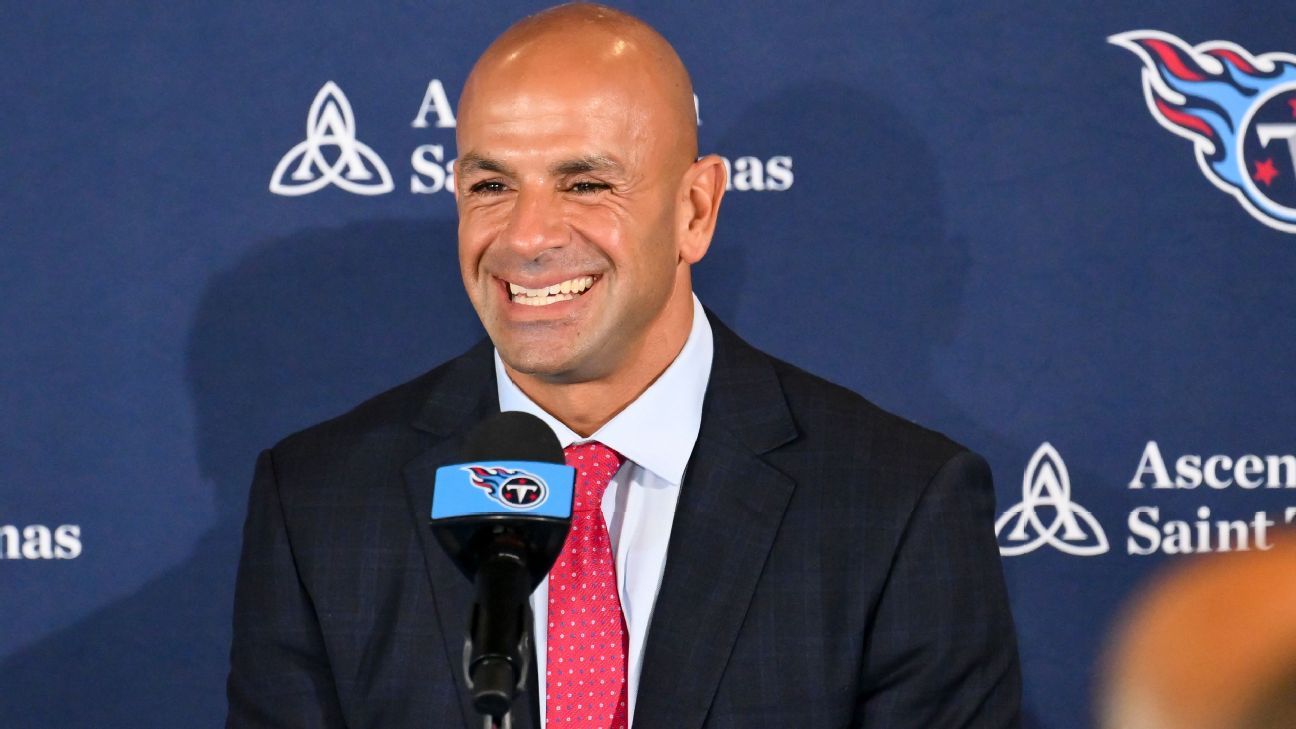
Titans’ Saleh to Call Defensive Plays: A New Era Begins

In a significant shift for the Tennessee Titans, head coach Robert Saleh announced on Thursday that he will take over the reins on defensive play-calling. This decision marks a departure from his previous tenure as head coach of the New York Jets from 2021 to 2024, where he opted to delegate this crucial responsibility. As the Titans prepare for the upcoming season, fans and analysts alike are eager to see how this strategic change will impact the team’s performance on the field.

Saleh’s move to call defensive plays reflects a commitment to enhancing the Titans’ defensive strategy. Known for his background in defensive coaching, Saleh aims to craft a scheme that harnesses the team’s strengths while also addressing weaknesses that were evident last season. In his own words, he emphasized, “I see this as an opportunity to foster a defense that isn’t just hard-hitting, but also smart in its execution.” This philosophy will be critical as the Titans prepare to face tough divisional rivals in the season ahead.

As the Titans gear up for the challenges that lie ahead, several key factors will play a crucial role in their success:

  • Defensive Players to Watch: Stars like Jeffery Simmons and Kevin Byard are set to be pivotal as the season unfolds.
  • Coaching Strategy: Saleh intends to integrate innovative techniques that maximize defensive efficiency, aiming to reduce the number of big plays allowed.
  • Overall Team Dynamics: The leadership style of Saleh will be closely monitored, particularly how it influences the team atmosphere and player morale.

Commentators are keen to note that Saleh’s decision to step into the play-calling duties is a reflection of evolving coaching philosophies across the league. Analysts, including well-respected commentator Chris Collinsworth, remarked on the potential payoff of such a major decision stating, “When a head coach takes on defensive play-calling, it can galvanize the entire unit. It’s a gamble, but it can pay dividends.”

As the 2023 season approaches, the sentiment around Tennessee Titans football is palpable. Saleh’s innovative approach could be the spark that ignites a new chapter for the Titans. Sports extend beyond mere statistics and scoreboard victories; they unite communities, bring together fans of all ages, and embody the relentless pursuit of excellence. On the field, every play called and every tackle made will resonate far deeper, indelibly etching the spirit of teamwork and resilience into the fabric of our culture.

Source link

HP OmniBook 5 14 Review: OLED Dreams, Just Missing the Mark

Disruptive Innovation in the Laptop Market: HP’s OmniBook 5

The technology sector is witnessing a paradigm shift, with OEMs like HP pushing the boundaries of innovation through affordable yet highly advanced hardware. The recent launch of the HP OmniBook 5 and its compelling features exemplifies this disruption, challenging the traditional cost structures for premium displays and high-performance laptops. Retailing at an accessible $699.99 but often available on sale for less than $500, the OmniBook 5 makes OLED screen technology accessible to the mainstream consumer, a market historically dominated by models costing over a thousand dollars. Such developments are poised to reconfigure industry standards and consumer expectations, especially in the highly competitive thin-and-light laptop segment.

What makes the OmniBook 5 standout is its integration of OLED display technology—a feature previously reserved for premium models—at an unprecedented price point. Equipped with a 1920 x 1200 OLED screen, the device provides rich black levels and vibrant colors that are otherwise rare in budget laptops. Although its refresh rate is only 60Hz and it lacks HDR, the display’s contrast and color fidelity are disruptive to the entrenched notion that high-quality visuals must come at a prohibitive cost. Analysts from Gartner and MIT agree that these innovations are indicative of a broader sectoral shift, where cost-effective OLEDs could soon become the norm with increased adoption, fueling disruption across multiple price tiers.

Business Implications and Market Dynamics

The introduction of the Snapdragon X Plus processor coupled with options from Intel and AMD signifies that legacy chip manufacturers are facing intensifying competition from ARM-based solutions in mainstream laptops. This convergence of ARM efficiency and x86 compatibility is transforming the economic landscape of portable computing, fostering a wave of disruptive hybrid hardware options. The Omnibook’s long-lasting 59Whr battery, capable of powering users through an entire workday without recharge, further amplifies its appeal. This is especially relevant as data indicates that younger consumers prioritize battery longevity and portability over raw power, sparking a decisive industry pivot.

  • Competitive pricing undercuts traditional premium models
  • OLED screens at accessible price points redefine visual standards
  • Multi-chip support from Intel, AMD, and Qualcomm extends market reach
  • Battery life and keyboard usability appeal to mobile professionals

These advances are not happening in isolation. Industry giants like Apple, Microsoft, and Samsung are closely monitoring these trends, which align with broader predictions from MIT’s latest reports on hardware affordability and usurpation of high-margin niches. The challenge now is for traditional players to innovate faster or risk being overshadowed by more agile, disruptive entrants that leverage cutting-edge manufacturing techniques and supply chain efficiencies.

Looking Ahead: The Next Frontier of Computing

As AI-powered features, 5G connectivity, and edge computing continue to evolve, the market’s trajectory indicates that cost-effective, high-performance devices like the OmniBook 5 may catalyze a new wave of democratized technology access. Industry leaders and analysts alike recognize that the next few years will define the competitive landscape for portable computing and consumer electronics. Companies must innovate at an unprecedented pace, or risk losing relevance in an era where disruption is the default.

Ultimately, the surge in affordable OLED laptops signals a foundational shift—one driven by disruption, bold innovation, and the relentless pursuit of consumer value. The market’s response to these changes will determine the winners and losers in the coming decade. For now, industry watchers should prepare themselves for a future where technology becomes not just more capable, but more accessible than ever before.

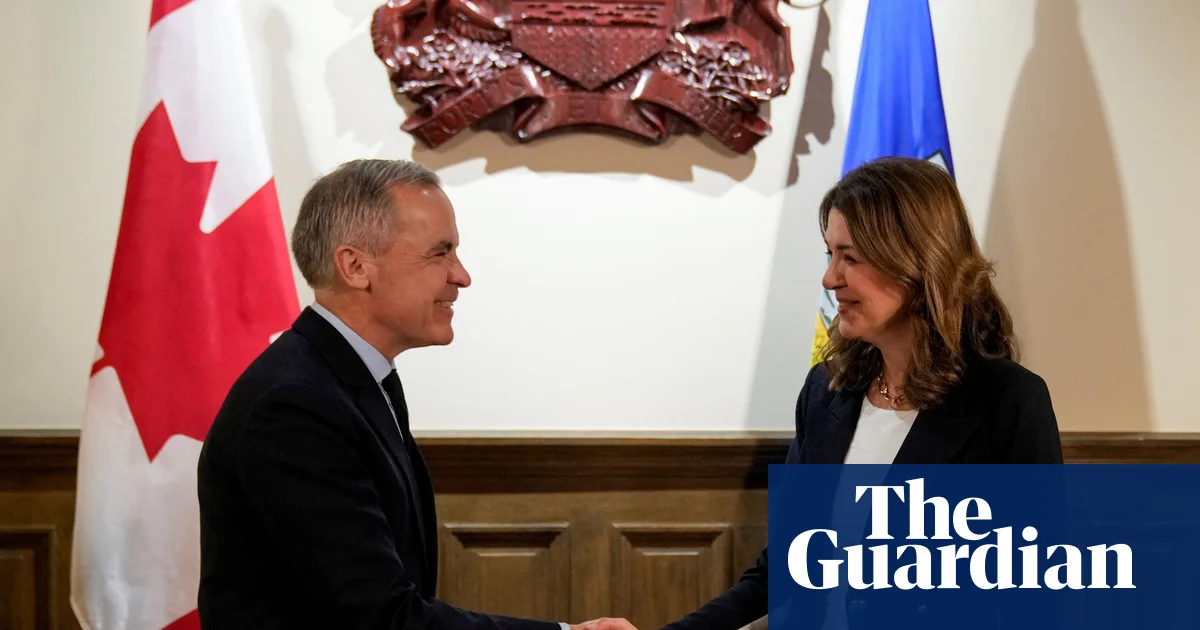
Mark Carney strikes deal with Alberta on pipeline despite First Nations opposition

Canada’s Energy Shift: The High Stakes of the Alberta Pipeline Deal

In a move that signals a pivotal shift in Canadian geopolitics, Prime Minister Justin Trudeau and Alberta Premier Danielle Smith have announced an unprecedented energy agreement centered on the construction of a new heavy oil pipeline spanning from Alberta’s oil sands to the Pacific coast. This deal, brokered after weeks of tense negotiations, aims to facilitate increased oil and gas exports and promote an industrial renaissance in Alberta, yet it is fraught with political, environmental, and social challenges. Promoted as “Canada working,” the initiative underscores a strategic reorientation that could redefine the nation’s economic trajectory amidst confrontations over climate policy and Indigenous rights.

This agreement does not simply represent a pipeline project; it embodies a broader industrial transformation involving nuclear power and data center investments, with the federal government and Alberta claiming this as a step toward energy independence and economic revitalization. However, the move has ignited fierce opposition, with critics highlighting the environmental risks and indigenous sovereignty concerns. Notably, British Columbia and several First Nations communities along the coast have declared unequivocal rejection of the plan, citing environmental fears and violations of their constitutional rights. Indigenous leaders, including Marilyn Slett of the Coastal First Nations, emphasize that no economic payoff justifies risking ecological disaster, especially given their direct connection to oceanic ecosystems that could be compromised by tanker traffic and pipeline spills.

International organizations and analysts warn that this domestic shift could have profound geopolitical impacts. The lifting of existing moratoriums and exemptions from emissions caps threaten to undo years of climate commitments while risking regional stability. The deal also exposes the internal contradictions of Canadian policy—pledging to meet climate goals while expanding fossil fuel infrastructure—a paradox that many argue will have long-term consequences on global efforts to combat climate change. Moreover, the absence of interest from private investors signals deep uncertainties about the project’s viability, with many experts suspecting that public and political pressures will only intensify as opposition mounts.

Central to the unfolding drama are the voices of historians and international observers, who interpret these developments as a crucial flashpoint in the global energy debate. At the heart of the controversy lies a fundamental question: how will nations balance their economic ambitions with the urgent need for environmental stewardship and respecting indigenous sovereignty? As Alberta prepares to submit its proposal, and as entrenched opposition from First Nations threatens the project’s future, the decision looms large in history’s ever-unfolding narrative. Will political leaders heed the lessons of past resource conflicts, or will they forge ahead into a future where the weight of history’s judgement hangs heavy in the air? The world watches as Canada, a nation at the crossroads of economic growth and environmental responsibility, faces a defining moment—one that could echo through generations as either a beacon of energy independence or a cautionary tale of ecological hubris.

Dugald Saunders quits NSW Nationals as talk mounts on Mark Speakman’s move—what’s next in NSW politics?

The recent resignation of Dugald Saunders, leader of the New South Wales Nationals, marks a pivotal moment amidst ongoing internal political upheavals that have significant geopolitical implications for Australia. Saunders, citing personal and family reasons, stepped down as the party grapples with contentious issues surrounding climate policy and regional concerns that mirror and potentially influence national narrative. His departure underscores the deepening divisions within the coalition, notably over the decision to abandon a net zero emissions target by 2050, a shift that signals a broader resistance to global environmental initiatives perceived by many as threatening to regional industries and traditional livelihoods.

The Coalition in NSW, comprising the Liberals and the Nationals, faces mounting challenges not only on climate policy but also on issues such as management of wild horse populations and the protection of iconic ecosystems like the Great Koala National Park. These internal disagreements reflect a larger, internationally significant struggle between progressive environmental agendas and conservative, regional priorities that many analysts argue are rooted in a broader geopolitical tension. How these decisions shape Australia’s stance on climate diplomacy and regional security will influence its relationships with key partners, including the United States, China, and the European Union, particularly as global powers intensify their competition over influence in the Indo-Pacific.”

Commentators and historians, such as Dr. Robert Crane of the Australian Strategic Policy Institute, emphasize that domestic political shifts in key regional states like NSW carry the potential to tip the balance of influence in this vital region. The internal leadership contest currently brewing, with former leader Paul Toole and potential contenders Gurmesh Singh and Steph Cooke, may have profound effects on the coalition’s future stance and Australia’s broader strategy. As the party’s internal dynamics intensify, the outcome could alter not just regional governance but also Australia’s role in international energy and environmental negotiations, which are increasingly becoming battlegrounds for geopolitical influence and economic resilience.

Meanwhile, Mark Speakman, the current Liberal leader, has praised Saunders’ dedication, yet political analysts warn that the coalition’s instability, combined with a declining public opinion, could accelerate leadership changes. Reports suggest that the coalition’s future hinges on how quickly and decisively it can reconcile internal divisions—a process that could have cascading effects on Australian society and its global alignments. As historical forces continue to unfold, Australia finds itself at a crossroads where local leadership decisions are intertwined with global power dynamics. The very fabric of regional stability and the future of Australia’s international commitments could be rewritten in the coming weeks, leaving the impression that, in the grand chessboard of geopolitics, today’s political upheaval may indeed be tomorrow’s defining chapter in world history.

Mark Parton rises as ACT Liberal leader after Castley and deputy step down

Inner Turmoil in ACT Politics Reflects Broader International Trends

Amidst the shifting sands of Australian territorial politics, a notable development has unfolded within the ACT Liberal Party. The recent leadership change—from Leanne Castley to Mark Parton, a former commercial radio host turned politician—symbolizes more than mere local instability; it underscores the ongoing struggle within liberal democratic societies over party cohesion and the influence of grassroots sentiments. The upheaval follows weeks of internal disputes, notably after Castley suspended prominent members who supported a Greens-backed motion, advocating for an additional parliamentary sitting week in 2026. Such internal divisions, especially when aired publicly, resonate beyond Canberra’s borders as emblematic of the larger challenge facing liberal parties worldwide—balancing the need for ideological unity with the demands of political adaptation amidst shifting public support.

The Significance of Leadership Shifts in the Context of Global Political Dynamics

International observers and political analysts view this event through a lens of wider geopolitical impact. Former leaders stepping down amid internal strife is increasingly common in liberal democracies, often signaling deeper ideological rifts. The Australian case echoes trends seen in other democracies where party factions battle for control, risking erosion of public trust. Notably, the Labour Chief Minister, Andrew Barr, acknowledged the turmoil, hinting at a broader challenge for Canberra’s conservative opposition—a test of resilience in the face of internal discord that could weaken their capacity to confront the dominant Labor government. Historically, political stability within opposition parties significantly impacts their ability to offer a credible alternative and influence national policy. The recent events in ACT serve as a microcosm of how internal conflicts can undermine long-term societal stability, especially as rising global tensions demand cohesive political action from all sides.

How These Movements Shape Societal Expectations and International Perceptions

The strategic implications are profound. As Parton emphasizes unity—calling for an end to infighting and portraying himself as a unifier—the choice signals a desire to restore the party’s credibility and, by extension, its influence on national policy. This internal reshuffling is further compounded by the broader international scenario, where geopolitical tensions—from China’s assertiveness in the Indo-Pacific to Russia’s destabilization efforts—require a strong, unified liberal response. How Australia’s political parties navigate their internal conflicts directly influences their capacity to participate effectively in international alignments and alliances, including the Quad and AUKUS frameworks. Such internal turmoil feeds into global perceptions of stability, affecting diplomatic confidence and economic partnerships. The collapse of conservative unity in one part of the world can serve as a cautionary tale, warning allies and adversaries alike about the peril of fractured leadership during critical moments of geopolitical tension.

Historians caution that internal party conflicts, if unresolved, set dangerous precursors for future crises, both at home and on the world stage. The ACT episodes, while localized, reflect the perennial struggle for political authenticity in times of uncertainty—an enduring lesson in how internal decisions, when taken in a rapidly changing international landscape, *shape the trajectory of nations* and *define the legacy of leadership*. As history continues to unfold, one question remains: will these tumultuous shifts forge a resilient path forward or deepen the fissures that threaten to destabilize not only local politics but the fabric of democratic governance itself?

Social Media Auto Publish Powered By : XYZScripts.com